Modern wheat and corn production demands machinery that can withstand challenging field conditions while delivering consistent performance. Top heavy-duty tractors have become indispensable assets for large-scale farmers seeking to maximize efficiency and optimize yields. This article explores the latest developments in horsepower, advanced technologies, and design innovations that define the industry’s most powerful workhorses.
Engineering Marvels: The Most Powerful Tractors on the Market
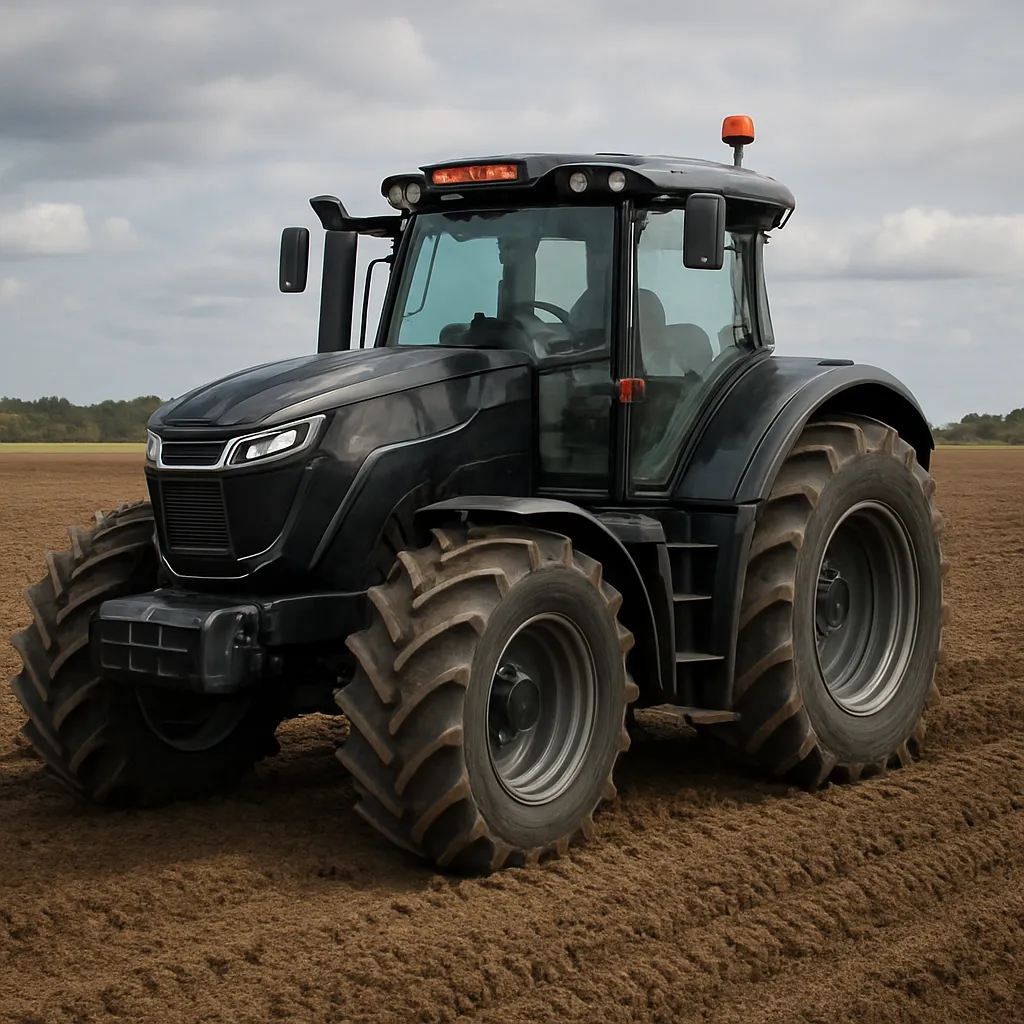
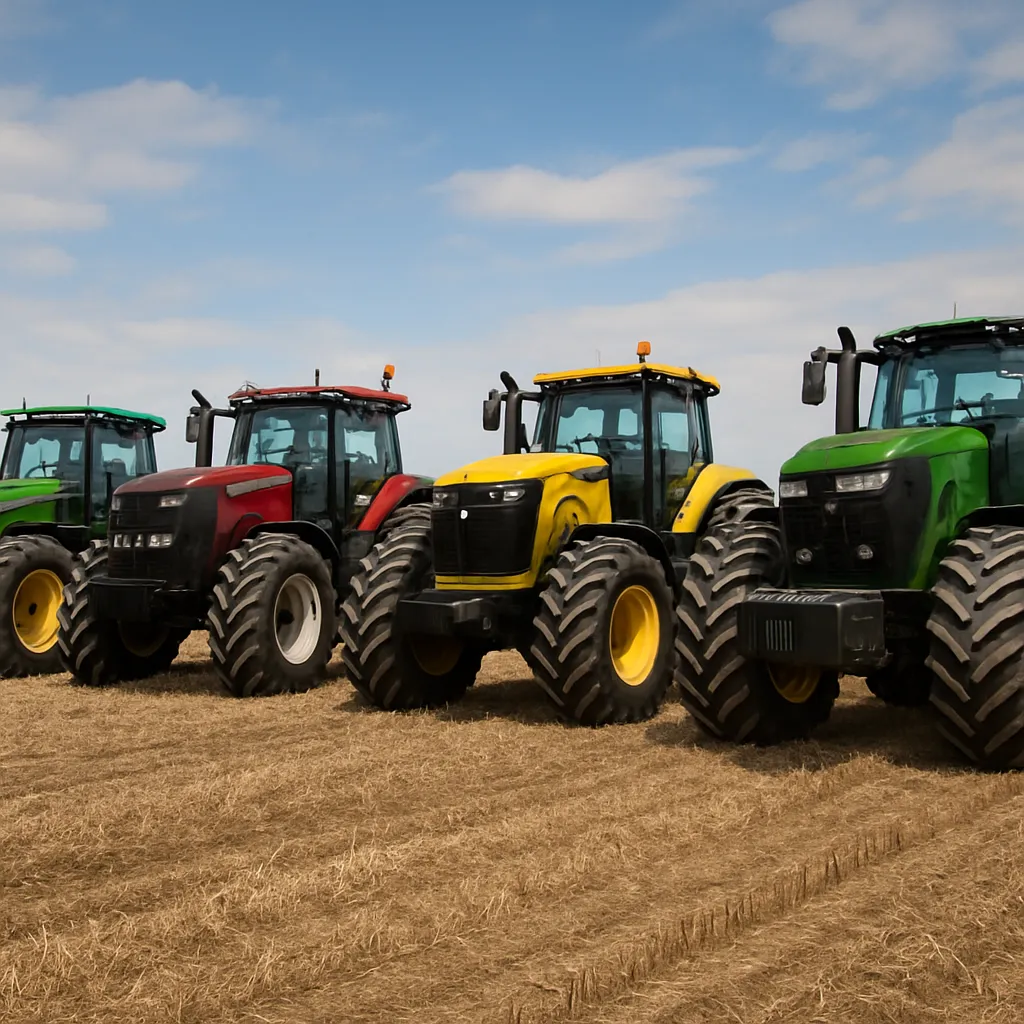
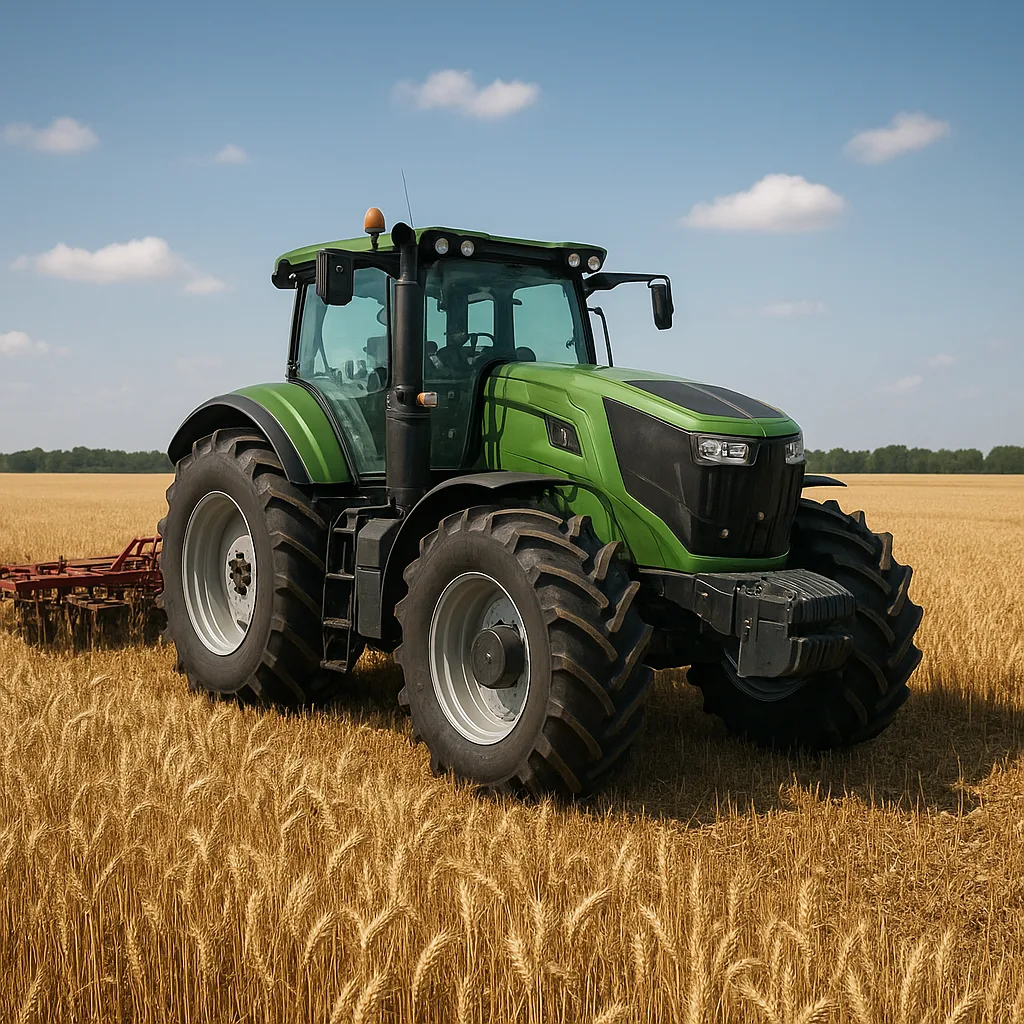
Heavy-duty tractors have evolved into true engineering marvels, combining brute strength with sophisticated systems. Among the standout models are the John Deere 9RX Series, Case IH Steiger RowTrac, New Holland T9, and Fendt 1000 Vario MT. Each of these machines brings unique attributes that cater to intensive wheat and corn operations:
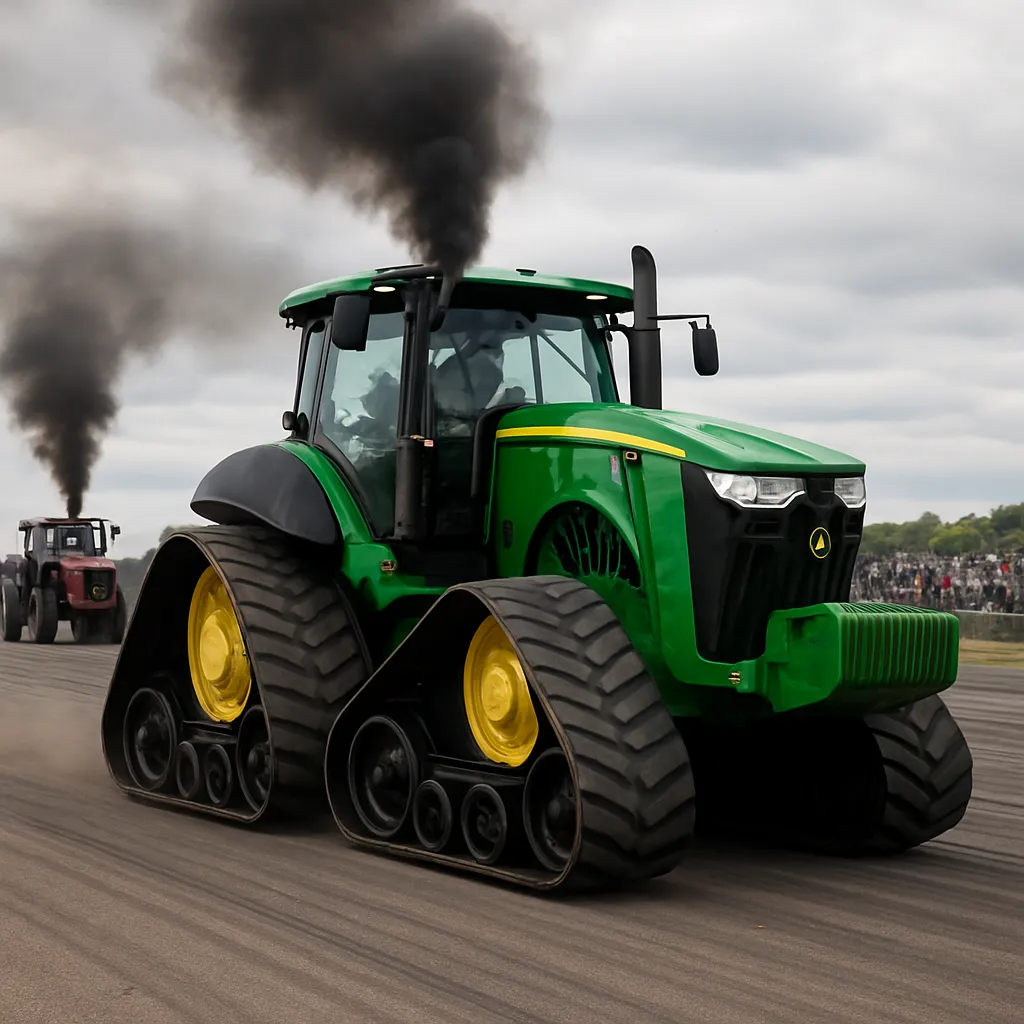
- John Deere 9RX Series – Boasting up to 690 horsepower, a reinforced chassis, and four-track undercarriage, this model excels in providing unparalleled traction and reduced slippage on muddy or uneven terrains.
- Case IH Steiger RowTrac – Equipped with a robust six-cylinder engine delivering up to 620 horsepower, it features a track system that enhances flotation, minimizes soil disturbance, and improves fuel economy under heavy loads.
- New Holland T9 – Offers up to 682 horsepower with SCR (Selective Catalytic Reduction) technology, ensuring compliance with emissions standards while maintaining high torque output for deep tillage applications.
- Fendt 1000 Vario MT – With 517 to 544 horsepower, this track tractor integrates a seamless CVT transmission, smart weight distribution, and intelligent hydraulics to optimize pulling power and reduce soil compaction.
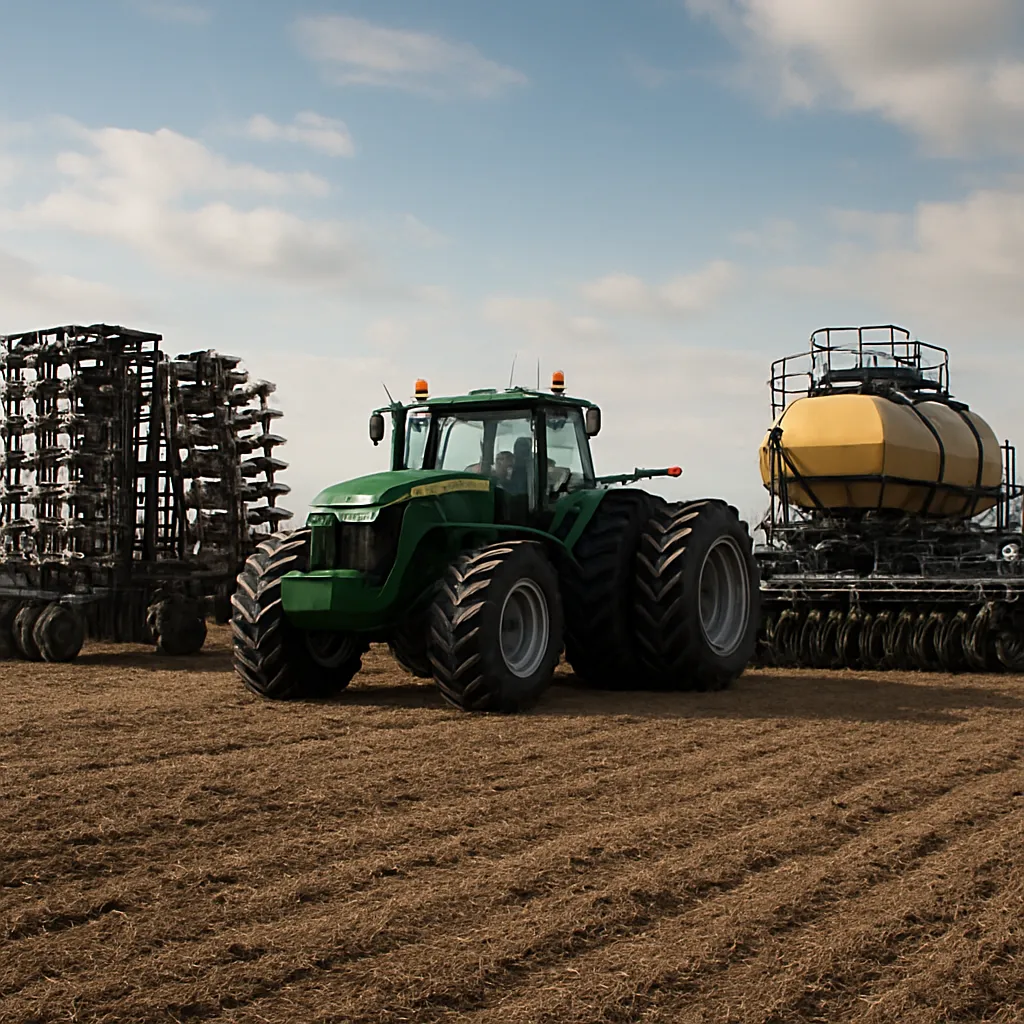
Beyond raw strength, manufacturers have prioritized modularity, allowing farmers to configure tractors with a variety of attachments—from heavy-duty plows to high-capacity grain carts. These engineering feats hinge on a finely tuned powertrain capable of managing extreme workloads while ensuring reliability across thousands of operational hours.
Key Features for Wheat and Corn Farming
Wheat and corn cultivation present distinct challenges: varying soil types, the need for precise seed placement, and the importance of timely field passes. Leading tractors now incorporate features designed specifically to address these concerns:
Engine Performance and Torque
A robust engine capable of high torque at low RPM is crucial for pulling large tillage implements through heavy clay soils and residue-laden fields. Manufacturers achieve this by deploying advanced fuel injection systems, turbocharging, and aftercoolers to maintain consistent power delivery under demanding conditions.
Fuel Efficiency and Emissions Compliance
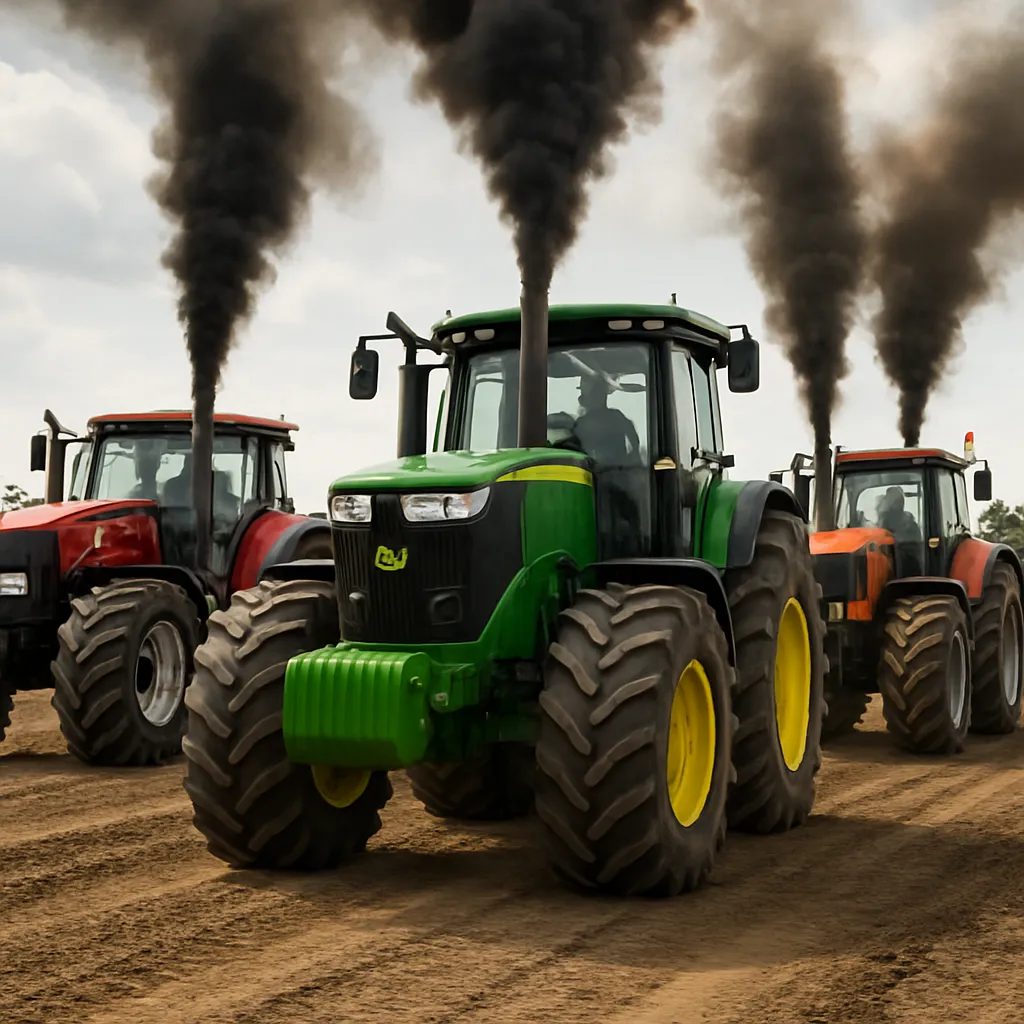
- SCR and DPF (Diesel Particulate Filter) systems reduce NOx and particulate emissions, meeting stringent Tier 4 regulations.
- Optimized fuel curves and adaptive engine management ensure tractors operate within their most efficient load ranges, reducing downtime at the pump and cutting operational costs.
Durability and Component Longevity
High-strength steel frames, forged crankshafts, and reinforced axles extend service intervals and minimize breakdowns during peak planting or harvest seasons. Sealed bearings and heavy-duty seals protect sensitive drivetrain components from dust and moisture intrusion.
Hydraulics and Load Capacity
Modern hydraulic systems offer up to 400 liters per minute flow rates, powering large planters and sprayers with consistent pressure. Electronic load-sensing valves automatically adjust flow based on implement demand, ensuring precise control and reducing energy waste.
Operational Efficiency and Technological Innovations
The integration of cutting-edge technology has transformed tractors from simple mechanical platforms into intelligent partners on the farm. Key innovations include:
Precision Farming and Auto-Steering
- High-accuracy GPS guidance systems reduce overlap and gaps during seeding and spraying operations, saving both time and inputs.
- RTK (Real-Time Kinematic) corrections guarantee centimeter-level path accuracy, critical for high-density planting in corn fields.
GPS Guidance and Telematics
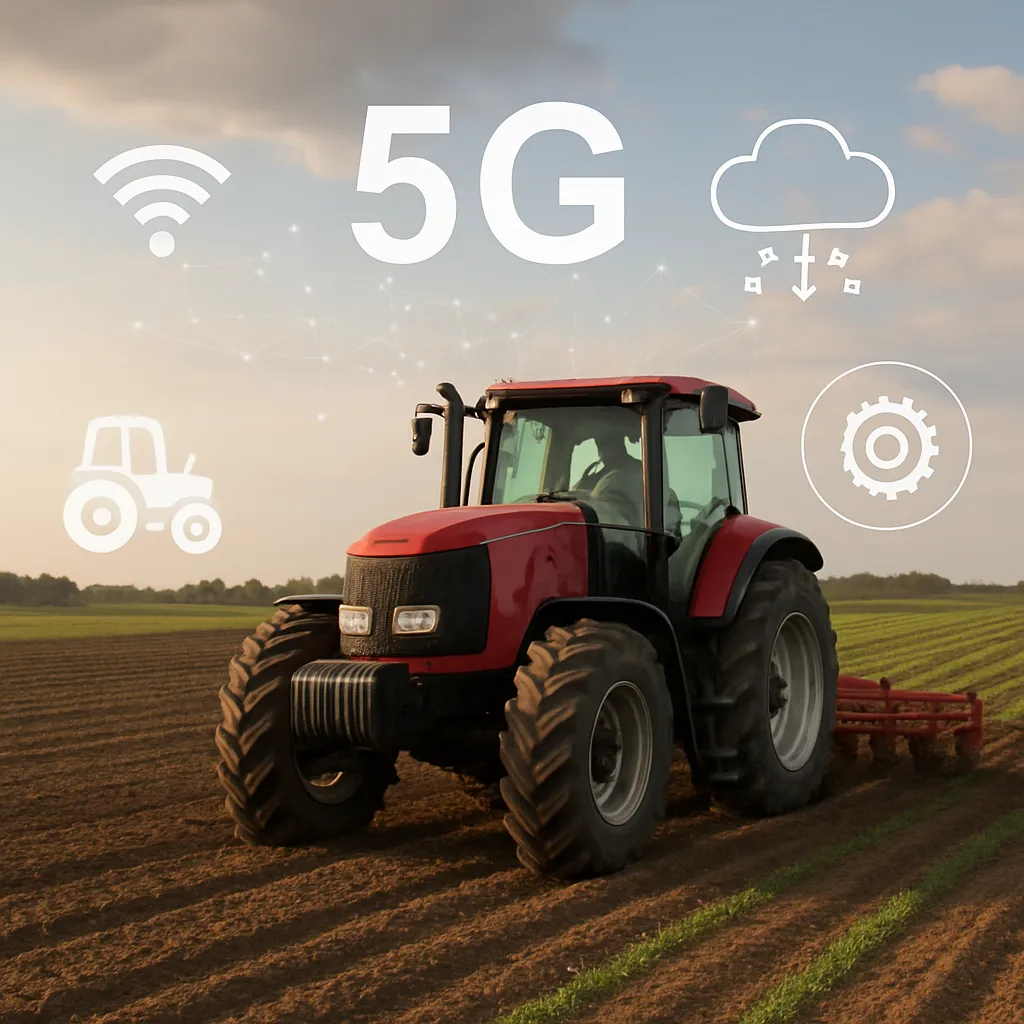
Telematics platforms collect real-time data on fuel consumption, engine hours, and implement performance. Farmers can remotely monitor tractor status, schedule maintenance, and adjust field maps to optimize the next pass.
Next-Gen Autonomous Operation
Several manufacturers now offer autonomous retrofit kits and factory-integrated solutions that allow tractors to operate driverless during repetitive tasks like tillage or spraying. These systems rely on LiDAR, radar sensors, and machine learning algorithms to navigate obstacles and maintain consistent field patterns.
Reducing Soil Compaction
Excessive compaction restricts root growth and reduces water infiltration, negatively impacting crop yield. Tracks and dual-wheel setups distribute weight more evenly, while onboard sensors measure ground pressure in real time, enabling operators to adjust ballast and tire pressure on the fly.
Future Trends in Heavy-Duty Tractors
As agriculture embraces sustainability and smart-farming concepts, heavy-duty tractors will continue to evolve:
- Electrification: Prototype electric and hybrid tractors promise zero tailpipe emissions and instant torque delivery, although battery capacity and charging infrastructure remain challenges for extensive field operations.
- Connectivity and IoT: Enhanced data integration between tractors, drones, and combine harvesters will enable seamless crop monitoring and variable-rate applications, further boosting resource efficiency.
- Advanced AI Diagnostics: Predictive maintenance tools powered by artificial intelligence will analyze vibration patterns, oil condition, and thermal signatures to preemptively detect component wear.
- Modular Implement Attachments: Quick-change couplers and hydraulic-electric interfaces will allow farmers to swap implements within minutes, maximizing utilization of a single tractor platform across multiple tasks.
Investing in top-tier heavy-duty tractors means embracing a holistic approach that combines mechanical prowess with digital intelligence. As wheat and corn producers face ever-increasing demands for productivity and sustainability, these powerful machines will remain at the heart of modern row-crop agriculture.