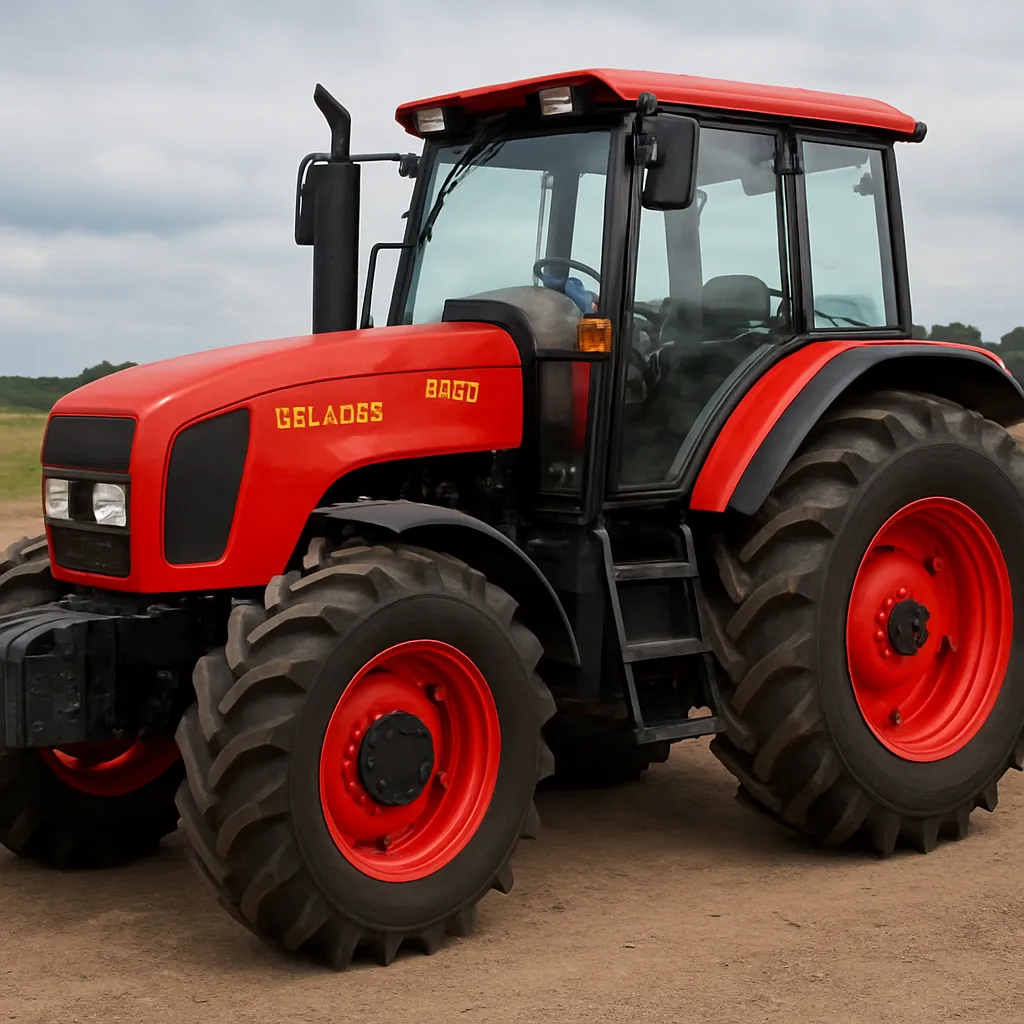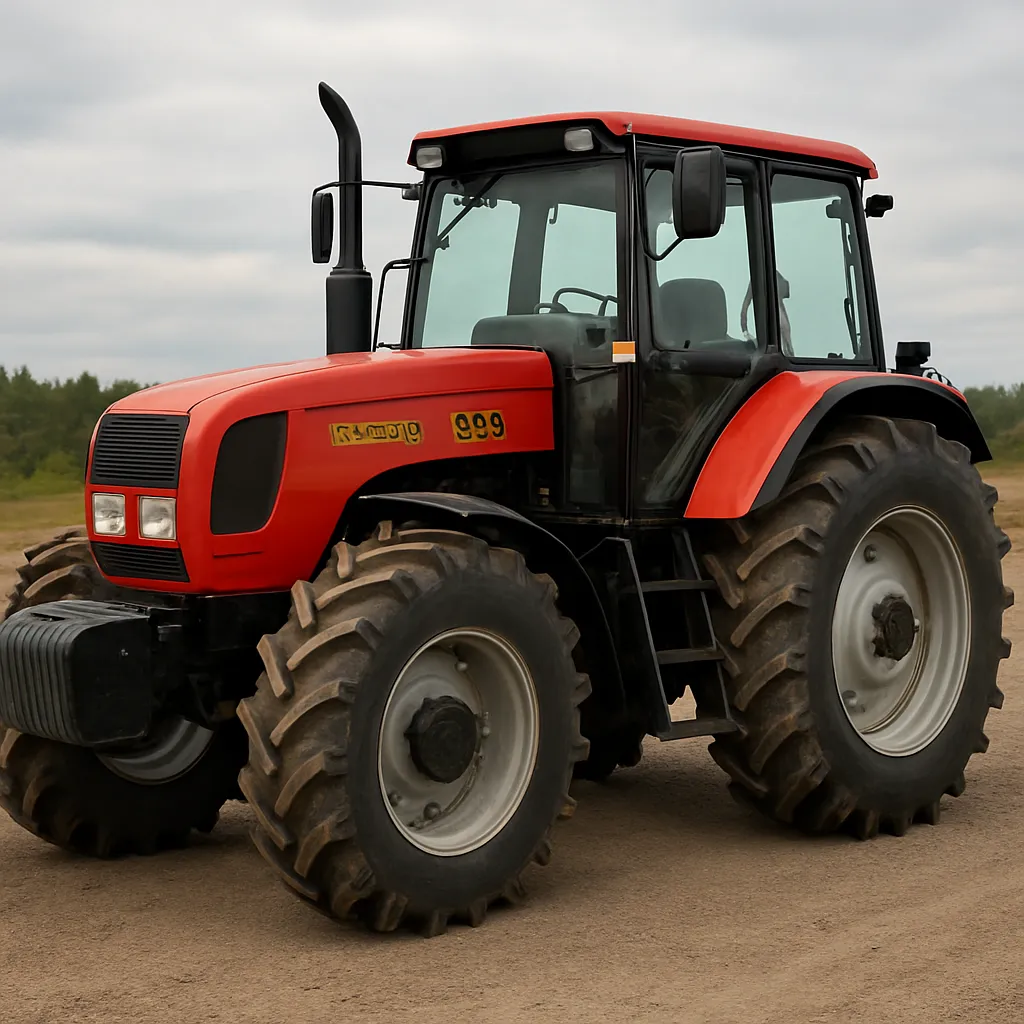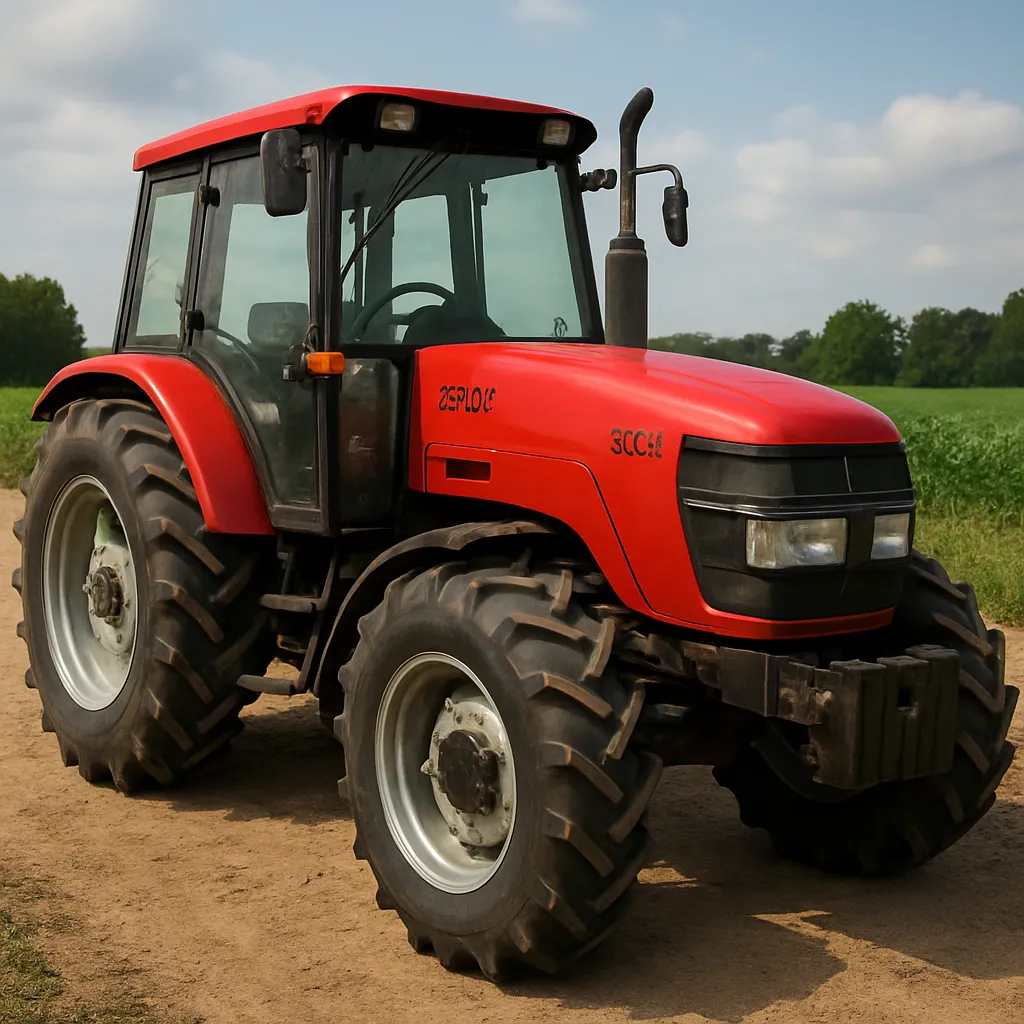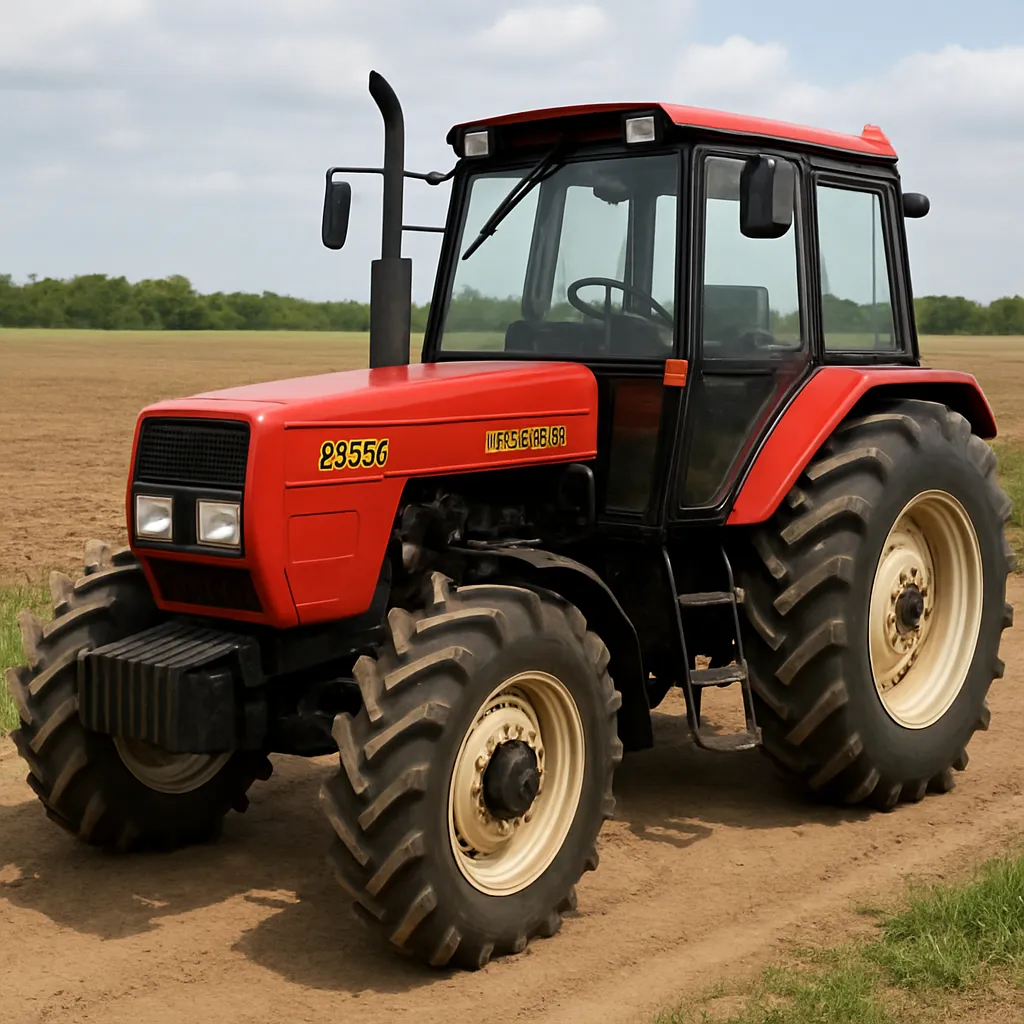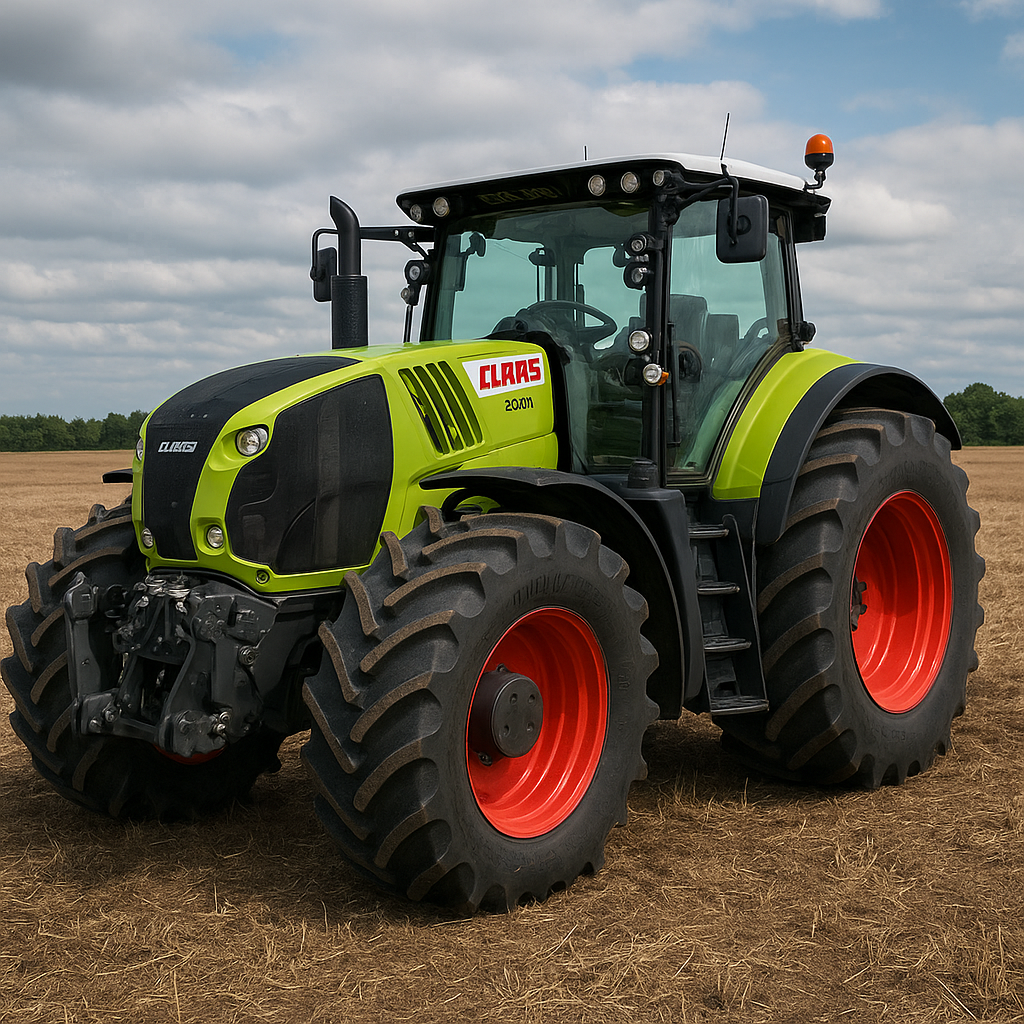
The Claas Axion 810 is a versatile agricultural tractor that combines robust mechanical design with modern electronics and operator comfort. Built to handle a wide range of tasks from heavy tillage to transport and precision field operations, the Axion 810 occupies a space in medium‑to‑large farm fleets and contracting businesses. In the following sections, you will find an overview of its design and lineage, technical characteristics and statistical ranges, typical applications, available features and options, and considerations for operation and maintenance. Throughout the text, several key terms and concepts are highlighted to help you quickly identify the most important aspects of this model.
Overview and design
The Claas Axion series is positioned as a reliable workhorse for mixed and arable farming as well as contractor work. The Axion 810 is part of the Axion 800 family, which was developed to offer a balance of power, efficiency and operator comfort. Its design philosophy emphasizes straightforward serviceability, strong chassis and drive components, and modularity so that different configurations of transmission, hydraulics and cab equipment can be fitted to match user needs.
Externally, the Axion line shares a modern tractor silhouette with a raked hood, integrated lighting, and multiple access points for daily checks. The layout of major service points, such as fluid fills, filters and air intakes, is intended to reduce downtime during busy seasons. Claas traditionally focuses on robust frames and axles capable of sustaining heavy three‑point linkage loads and front‑loader duties when equipped.
Technical specifications and performance
Exact specifications for the Axion 810 depend on the model year, regional variant and optional equipment. The values below reflect the typical ranges and common factory configurations seen across several production years. Where a range is given, it reflects the spread of factory options or common dealer configurations.
Engine and power
- Engine type: 6‑cylinder diesel (manufacturers and specific engine families can vary by year and market).
- Rated power: typically in the mid‑to‑high horsepower band for the Axion 800 series; commonly quoted figures for models like the 810 are in the lower end of the 180–220 hp range (ISO), depending on boost and declaration method.
- Peak torque: engines in this class usually deliver strong low‑end torque for draft work, with torque boost functions available under load.
- Emission standard: modern examples meet Stage IV / Tier 4 Final or equivalent emissions regulations, using aftertreatment systems such as SCR and particulate filtration.
Transmission and driveline
- Transmission options: multiple transmission choices are typically offered, including powershift and continuously variable or stepped‑automatic systems in later model years. Gearboxes are designed to provide smooth modulation for field and road speeds.
- Top road speed: capable of typical tractor road speeds between 40–50 km/h with the appropriate gearing or optional speed packages.
- PTO: standard rear PTO speeds (540/540ECO/1000) with optional electro‑hydraulic engagement and front PTO availability when a front linkage is fitted.
Hydraulics and three‑point linkage
- Hydraulic flow: main hydraulic flow rates commonly range from around 100 to 160 liters per minute, depending on pump configuration and whether electronic load‑sensing systems are specified.
- Linkage capacity: rear hitch lift capacities are typically in the 7,000–10,000 kg range at the ball end, allowing the tractor to handle heavy mounted implements and large combination tools.
- Hydraulic remotes: multiple remote valves and advanced flow control are available, facilitating complex implement control and ISOBUS compatibility in later variants.
Weights, dimensions and fuel
- Operating weight: the Axion 810’s weight varies widely with ballast and equipment, but an in‑service weight commonly falls in the 6,000–8,500 kg range.
- Fuel capacity: fuel tanks are sized to allow long working days without frequent refueling; capacities typically range from 350 to 500 liters depending on configuration.
- Tire and axle options: a wide variety of tire sizes and axle configurations are available to suit soil protection, traction needs and transport requirements.
Applications and typical use cases
The Claas Axion 810 is engineered for versatility and spends its life on farms and contracting operations where adaptability is essential. Common applications include:
- Tillage and primary cultivation: with large horsepower and high hitch capacity, the Axion 810 can pull wide plows, disc harrows and heavy cultivators across varied soil conditions.
- Sowing and planting: accurate speed control and compatible hydraulics make it suitable for seeding units and precision planters; ISOBUS or implement integration improves repeatability.
- Spraying and fertilizing: stable chassis and optional front‑end ballast allow for mounted or trailed sprayers and fertilizer spreaders, with PTO and hydraulic feeds supporting sprayer pumps and booms.
- Transport and silage work: used for transport by road or field, and for forage work with loader attachments, balers and forage wagons.
- Front‑loader and handling: optional front linkage and loader packages turn the Axion 810 into an effective loader tractor for feed yards, barns and material handling.
- Contracting: contractors value the robust service intervals, modular options and ability to quickly reconfigure the tractor for a sequence of jobs on diverse farms.
Cab, controls and operator comfort
Operator experience is a major focus in the Axion range. Claas equips the 810 with a comfortable, ergonomically organized cab and a selection of control layouts to suit different operators:
- Ergonomics: well‑laid control panels, adjustable steering column and air‑suspended seats are typical, reducing fatigue during long shifts.
- Control interfaces: depending on model year, cab controls range from conventional lever and joystick arrangements to electronic terminals such as the Claas CEBIS or similar multifunction displays for machine management and implement control.
- Visibility and lighting: large glazed surfaces, roof window options and powerful working lights enhance visibility during night work and in low sun conditions.
- Climate and noise: efficient HVAC systems and sound insulation are used to maintain a comfortable environment and reduce operator stress.
Electronics, precision farming and connectivity
Over successive model years, Claas integrated increasing levels of electronics and precision farming technologies into the Axion 800 family. Important features include:
- ISOBUS compatibility: many configurations support ISOBUS to permit plug‑and‑play communication with modern implements.
- Guidance systems: optional autopilot and GNSS guidance support reduce overlap and improve application accuracy for seeding, spraying and spreading tasks.
- Telematics: Claas TELEMATICS or dealer offerings enable remote monitoring of hours, fuel consumption and diagnostics, helping fleet managers optimize utilization and plan service.
- Implement automation: end‑to‑end control functions such as headland management and automated lift/lower sequences can be integrated through available software packages.
Maintenance, fuel economy and operational costs
Operators choose tractors like the Axion 810 for their balance of performance and lifecycle costs. Key considerations in maintenance and economy include:
- Service intervals: modern diesel engines and filtration systems allow extended intervals for oil and filter changes; actual intervals depend on operating conditions and engine variant.
- Fuel efficiency: engine management and transmission options are designed to optimize fuel use across field and transport work. Using the correct gear ratios and forward speeds for implements significantly affects fuel consumption.
- Wear components: components such as brakes, clutches (if fitted), hydraulic pumps and bearings require routine inspection; choosing recommended oil grades and maintaining cooling systems prolongs component life.
- Parts availability and dealer network: Claas has a substantial service and parts network in many countries, which helps minimize downtime for repairs and soak up seasonal demand spikes.
Options, customisation and add‑ons
The Axion 810 can be tailored to specific tasks with a wide selection of factory and aftermarket options. Typical customisation areas include:
- Power and transmission packages: different tunings and gearbox options to match fuel efficiency or performance priorities.
- Hydraulic and implement interfaces: higher‑flow hydraulic pumps, more remote valves, and ISOBUS terminals for complex implements.
- Cab equipment: upgraded seating, suspension, multimedia systems and advanced control consoles for telematics and precision farming.
- Front linkage and PTO: integral front lift and PTO assemblies for loader and front implement duties.
- Tire and ballast solutions: flotation tires or high‑traction options with factory ballasting to optimize soil protection or traction.
Market placement and competition
The Axion 810 competes in the medium‑high horsepower tractor segment. Competitors include models from manufacturers such as John Deere, New Holland, Case IH, Fendt and Massey Ferguson in similar power bands. Buyers typically compare:
- Fuel efficiency and torque characteristics for field tasks
- Transmission smoothness and speed options for mixed work profiles
- Service and dealer support, which can greatly influence total cost of ownership
- Comfort and precision farming capabilities when the tractor will be used in tasks requiring high repeatability and low operator fatigue
Buying considerations and resale
When purchasing an Axion 810, prospective buyers should evaluate the following:
- Intended use: clearly define whether the tractor will be used primarily for heavy draft work, loader duties, transport or a mix of tasks; choose engine and hydraulic options accordingly.
- Transmission choice: select a transmission that matches the operator’s skills and task profile—some owners prefer familiar powershift systems while others opt for automated or CVT‑like solutions for fuel savings and ease of use.
- Aftermarket and attachments: ensure compatibility with planned implements; verify front linkage and PTO specifications if front implement use is expected.
- Used market: the Axion series holds resale value in many regions because of Claas’s reputation, but retained value depends on hours, maintenance history, and how heavily the tractor was used for abrasive tasks.
Strengths and limitations
Strengths of the Axion 810 include robust construction, a wide option set that allows tailoring to many tasks, and the availability of modern electronics and guidance systems. It is well suited to mixed farms and contractors who need a single tractor to cover many tasks.
Limitations to consider are that certain high‑end features and very high horsepower ratings are reserved for larger classes or alternative models within the Claas lineup, and that advanced options (such as the most modern precision farming packages) can increase the purchase price significantly. Additionally, fuel and maintenance costs should be modelled against expected annual hours to ensure the choice is economical for the operation.
Summary and practical advice
The Claas Axion 810 is a capable and adaptable tractor that is often chosen by farms and contractors seeking a balance of power, versatility and operator comfort. When assessing this model, focus on matching the tractor’s hydraulic flow, hitch capacity and transmission to your implements and working patterns. Pay attention to the availability of dealer support in your area and consider telematics and guidance upgrades if you require precise application control and fleet management.
For many users the Axion 810 represents a practical investment: it can perform heavy tillage, delicate seeding work, transport, and handling tasks with the right configuration. The overall value is determined not just by the nominal horsepower but by the integration of engine torque curves, transmission smoothness, hydraulic capacity and ergonomics that keep operators productive through long days in the field.
Key highlighted features: power, efficiency, hydraulics, transmission, PTO, lift capacity, cab, comfort, telemetrics, ISOBUS.