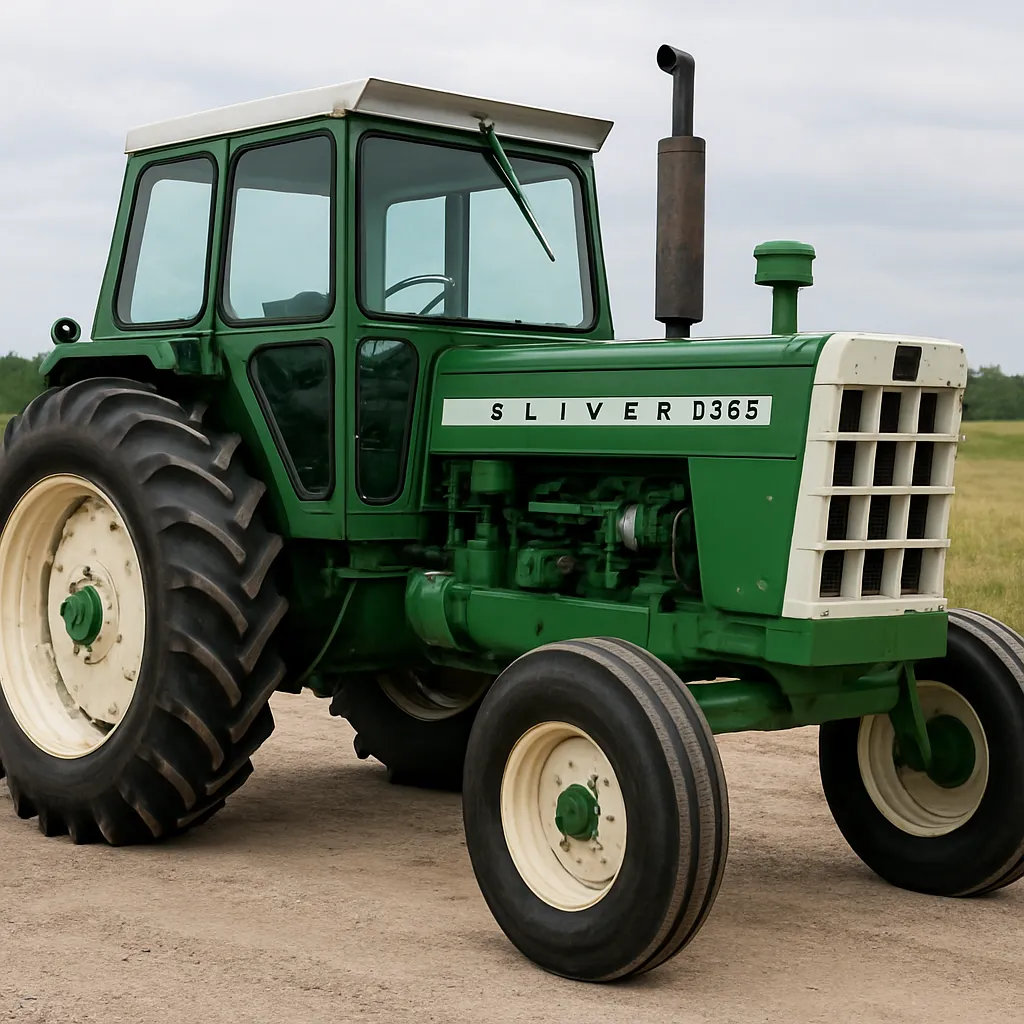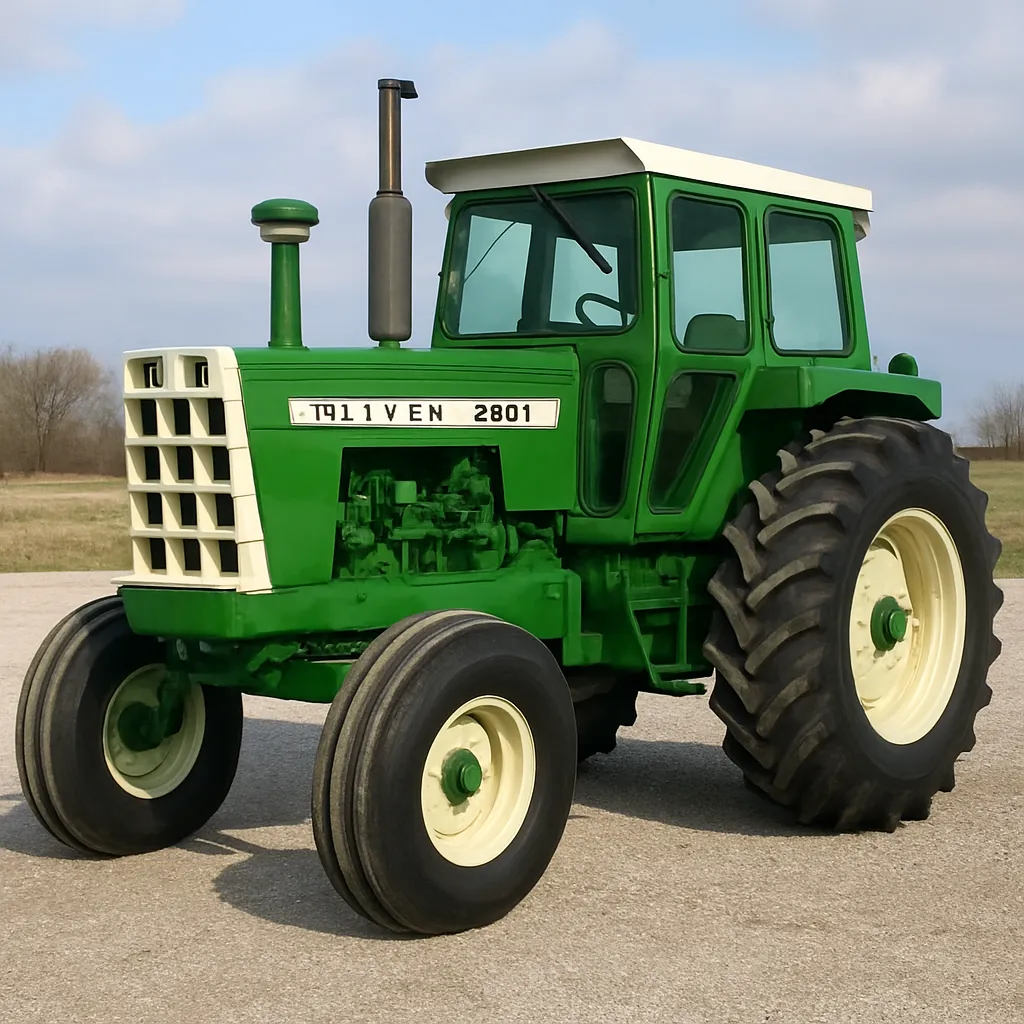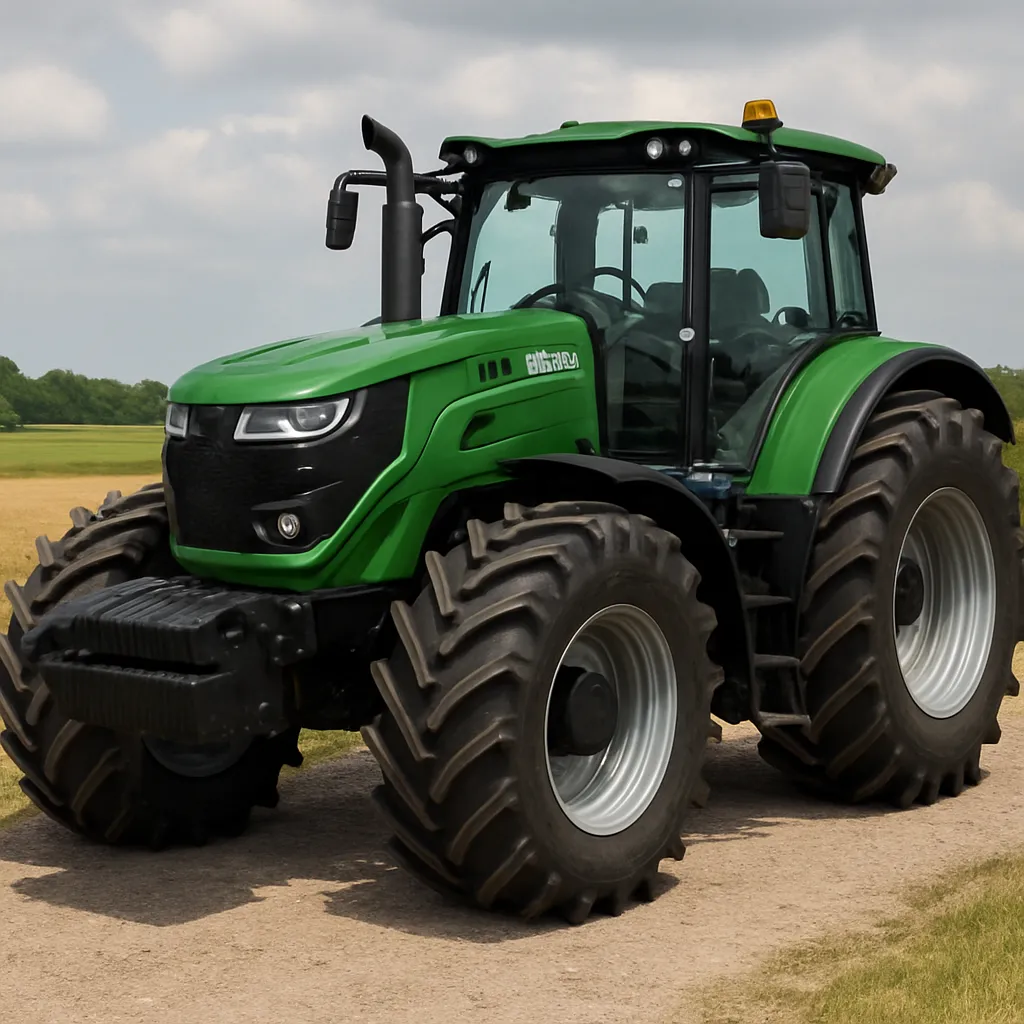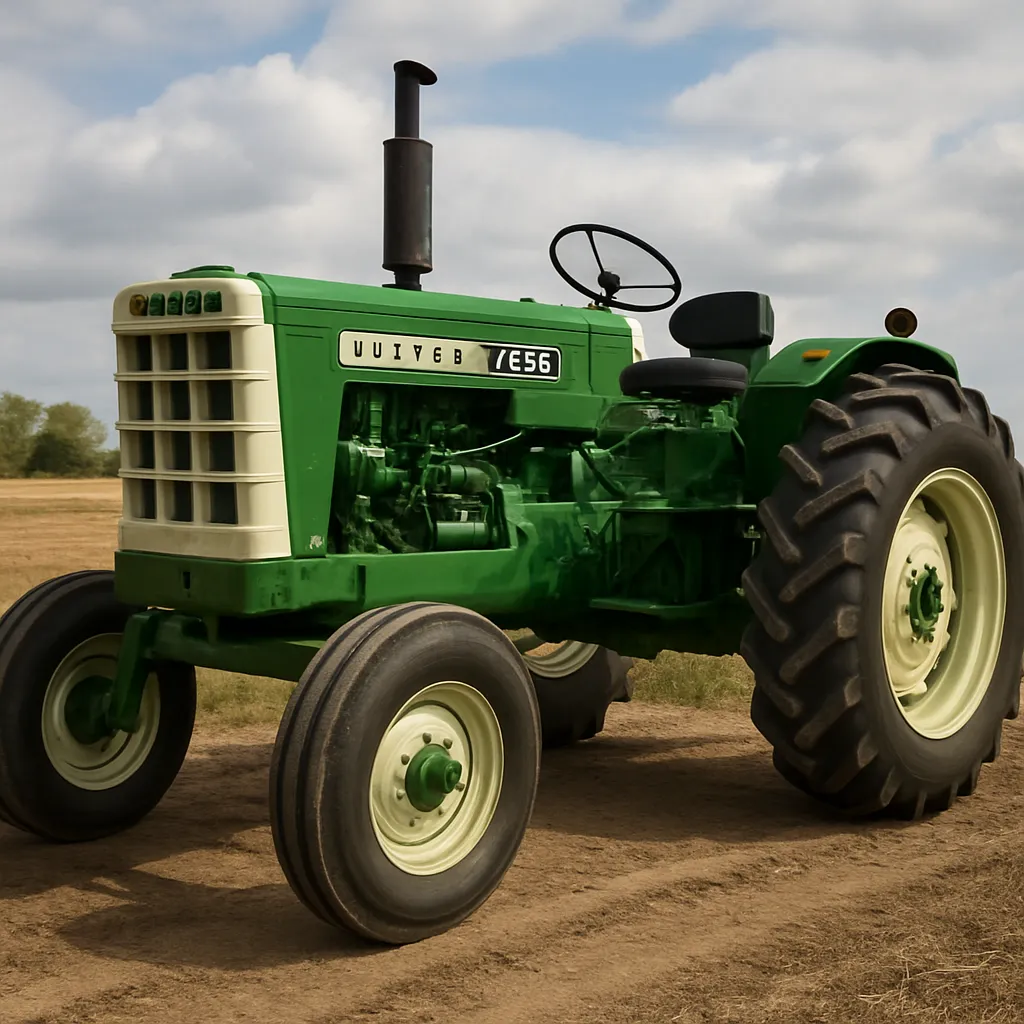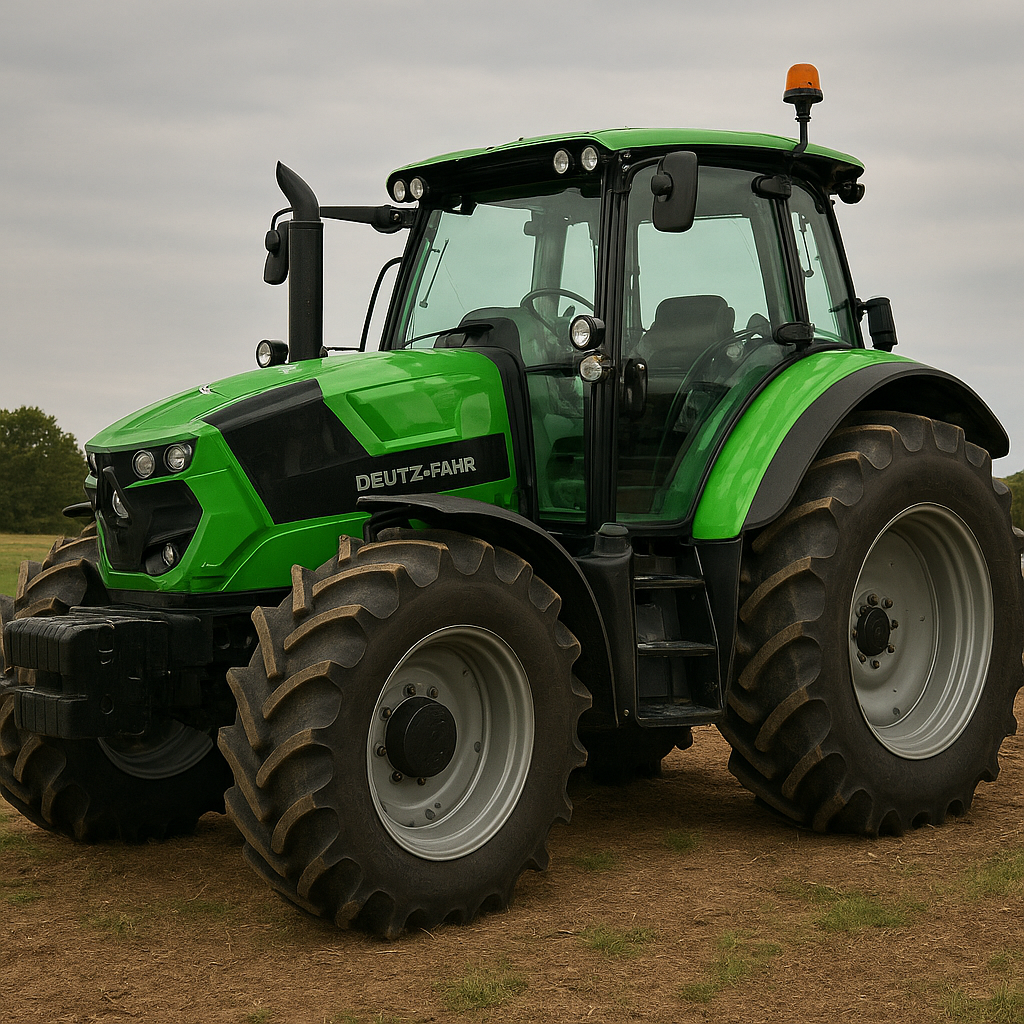
The Deutz-Fahr 6125 is a versatile medium-power agricultural machine that balances practical performance with modern features. Designed for a wide range of farm tasks, from fieldwork to transport and livestock operations, this model is part of Deutz-Fahr’s strategy to deliver reliable, efficient tractors for mixed and specialized farms. The following article explores its design, technical characteristics, typical applications, operator experience, and maintenance considerations, offering both practical insight and available statistical data where known.
Overview and design philosophy
The Deutz-Fahr 6125 sits in the mid-range segment of the Deutz-Fahr line-up, engineered to serve farms that require dependable power without the complexity and cost of larger machines. At its core is a compact yet robust layout that favors accessibility for service and adaptability for implements. The 6125 is built around a refined cabin package, user-friendly controls and a chassis that supports a variety of front and rear attachments.
Deutz-Fahr emphasizes three guiding principles in this class: fuel efficiency, operator comfort, and functional reliability. These goals are reflected in the 6125’s configuration—an engine tuned for steady torque delivery, transmission choices that match different working styles, and hydraulic circuits sized to handle contemporary implements. While the 6125 is not designed to be revolutionary, it is intended to be a dependable workhorse that minimizes downtime and operating costs.
Technical specifications and performance
Engine and power delivery
The 6125 is typically powered by a turbocharged four-cylinder diesel engine developed in collaboration with Deutz’s own engine expertise. The nominal rated output for the model is around horsepower in the 120–130 hp range (commonly cited as 125 hp for many model-year variants). This power band places it squarely between light utility tractors and heavier agricultural machines, offering a balance of outright pull and efficient fuel use.
Key characteristics of the engine include a focus on smooth torque delivery at low rpm, enabling strong draft force for tillage and stable PTO performance for mounted implements. Typical peak torque figures depend on the exact engine tune and year, but owners can expect a generous torque curve designed for sustained work in the field. The engine is usually fitted with modern fuel management to comply with emissions standards and to optimize consumption under load.
Transmission and driveline
Transmission options for the 6125 often include mechanical synchromesh gearboxes and continuously variable transmissions (CVT/TTV) on some variants. The availability of a TTV-style transmission is an important selling point for operators who need smooth, stepless changes in speed and simplified control when towing trailers or operating implements with varying load. The conventional synchronized transmissions provide straightforward reliability and are favored where simplicity and cost-effectiveness are priorities.
Typical driveline features include a choice of 4WD, differential lock options, and robust axles to manage traction under heavy loads. The power take-off (PTO) system commonly provides multiple speeds—most often 540 and 1000 rpm—which supports a wide range of PTO-driven implements such as mowers, balers and slurry pumps. The PTO’s design focuses on responsiveness and secure engagement under load.
Hydraulics, lifting and capacities
The 6125 is equipped with a hydraulic system capable of powering demanding implements. A common rear lift capacity is in the range of 3,800–4,500 kg at the linkage, which accommodates medium-to-large mounted implements and most three-point mounted tools used on mid-size farms. Number of hydraulic circuits and flow rates vary by specification, but many units provide multiple remote valves and optional load-sensing pumps for smooth implement control.
- Rear lift capacity: typically around 3,800–4,500 kg (approximate)
- PTO speeds: common 540 / 1000 rpm options
- Hydraulic flow: standard to high-flow options available depending on configuration
Dimensions, weight and fuel
Physical dimensions and weight differ by trim and extras, but the 6125 generally remains compact enough to work in confined yards while offering stability in fieldwork. Typical operating weight falls in the region of 4,000–4,800 kg depending on equipment and ballast. Fuel tank capacity for this class typically allows for an operational range suited to a full day of work; many tractors in this segment feature tanks of roughly 140–200 liters, depending on the year and optional packages.
Real-world fuel consumption varies with tasks, but under average field conditions operators often report consumption figures that make the 6125 attractive for farms that need a balance between cost and capability. Fuel efficiency benefits from modern injection and turbocharging technologies, as well as the option of transmission types that allow engines to run at optimal rpm for a given task.
Applications and typical uses
The Deutz-Fahr 6125 is a multi-purpose platform well-suited to a variety of farm operations. Its medium power and flexible hydraulic setup make it useful across the agricultural season.
Field cultivation and soil work
With adequate traction and a robust hitch, the 6125 performs well in ploughing, harrowing, and seedbed preparation using mid-sized cultivators, disc harrows, and ploughs. Operators value the steady torque and reliable hydraulics for consistent depth control and implement response, especially when conditions change between light and moderately heavy soils.
Seeding, planting and crop care
The tractor can run a range of seed drills and planters, and its PTO/auxiliary hydraulics support mounted sprayers, fertilizer spreaders, and other crop-care implements. Precision farming accessories and ISOBUS-compatible implements can often be integrated, depending on the model year and electronic package.
Harvest support and transport
On smaller farms or in mixed systems, the 6125 is a capable harvest support tractor—pulling trailers, operating balers, and running forage equipment. Its maneuverability in smaller fields and yards, combined with adequate power, make it practical when larger tractors would be inefficient or cause soil compaction.
Livestock and mixed-farming roles
Farmers with livestock appreciate the 6125’s ability to handle feeding equipment, manure spreaders, and front loaders. The front loader capability expands its usefulness for daily chores such as moving silage, bedding and feed, while stable hydraulic performance ensures smooth loader action.
Cabin, ergonomics and operator experience
Deutz-Fahr places emphasis on a well-appointed cabin in the 6125. Ergonomics are designed for long working days: good visibility, accessible controls, and adjustable seating are standard on many variants. Noise insulation, air conditioning, and a user-friendly dashboard contribute to lower operator fatigue.
Key cabin attributes typically include joystick or multifunction lever options for loader use, a clear instrument cluster, and comfortable seating with suspension. Visibility to the front and sides is optimized to aid implement operations and front loader tasks. Electronic control units, when present, are laid out to simplify implement adjustments and monitoring.
Maintenance, serviceability and ownership costs
One of the practical advantages of the 6125 is ease of service. The layout often provides straightforward access to regular maintenance points—oil, filters, and fluid checks are positioned so routine servicing is fast and inexpensive relative to more complex machines. Deutz-Fahr’s dealer network and parts availability in many regions support uptime and reduce downtime for repairs.
- Common maintenance intervals: oil and filter changes at manufacturer-recommended hours
- Durable components: emphasis on long service life for major driveline parts
- Serviceability: accessible engine bay and hydraulic components
Operating costs are influenced by fuel prices, implement wear, and service intervals. The 6125’s design aims to keep total cost of ownership reasonable for mid-sized operations: efficient fuel use, robust replacement-part availability and a balance between electronic sophistication and mechanical simplicity.
Statistical indicators and market position
While exact production numbers fluctuate with model years and regional variants, the Deutz-Fahr 6-series—including models like the 6125—has been positioned competitively in the 100–140 hp segment. The 6125’s approximate rated power (around 125 hp) places it among the most commonly purchased sizes for European mixed farms and contractors who need a tractor that is both maneuverable and sufficiently powerful.
Reported figures from dealers and user surveys typically highlight:
- Rated engine power: commonly cited at approximately 125 hp
- Operating weight: usually within 4,000–4,800 kg depending on configuration
- Rear lift capacity: in the realm of 3,800–4,500 kg (varies by linkage and hydraulics)
- PTO configurations: 540 / 1000 rpm standard on many versions
Actual performance benchmarks—fuel consumption per hour, fieldwork hectares per day, and maintenance interval costs—depend strongly on local conditions, implements used, and operator behavior. Independent tests and owner feedback often cite favorable fuel economy and dependable uptime as strengths, with particular praise for transmission smoothness in TTV variants and for robust hydraulics in models fitted for heavy implement duty.
Customizations and optional equipment
The 6125 typically comes with a range of factory options and dealer-installed packages that tailor the tractor to specific farm needs. Popular additions include:
- Front loader and quick-attach systems for material handling
- Different transmission choices, including TTV for stepless control
- Higher-capacity hydraulic pumps or additional remote valves
- Precision farming electronics such as GPS guidance and ISOBUS terminals
- Comfort packages that enhance cabin noise insulation, seating and climate control
Such options allow farms to optimize the 6125 for tasks ranging from simple yard work to higher-precision arable operations. Choosing the right combination of options is critical to maximizing value and efficiency for a given operation.
Strengths, limitations and suitability
The main strengths of the Deutz-Fahr 6125 include its balanced power-to-weight ratio, good hydraulic capacity for implements in its class, and a cabin that supports long hours of operation. Its design philosophy centers on practical dependability rather than cutting-edge novelty, which appeals to buyers seeking a tractor that remains straightforward to operate and maintain.
Limitations are typical for the segment: while powerful enough for most mid-sized tasks, the 6125 may lack the extra muscle and advanced features required by very large-scale arable operations or specialized contractors running the most demanding implements. For farms that require extreme horsepower, larger models in the Deutz-Fahr range or other manufacturers’ heavy-duty series may be more appropriate.
Overall, the 6125 is particularly suitable for:
- Family-owned mixed farms requiring a single versatile tractor
- Contractors and small service providers that value maneuverability and dependable hydraulics
- Livestock operations needing loader capability and daily utility
- Arable farms that use mid-sized implements and benefit from good fuel efficiency
Buying considerations and resale
Potential buyers should assess the typical workload, the implements they plan to run, and whether they require advanced electronics or prefer mechanical simplicity. Evaluating service history for used units, confirming transmission type, and checking for hydraulic wear (common on heavily used tractors) are essential steps. Resale values for tractors in this class are generally stable, especially when regular maintenance and proper servicing records are available.
Conclusion
The Deutz-Fahr 6125 is a compelling choice for farms and contractors looking for a dependable, mid-power tractor that combines practical features with solid mechanical design. With a focus on fuel efficiency, operator comfort, and dependable reliability, the 6125 fits many roles across modern agricultural operations. Whether used for field cultivation, transport, harvesting support or livestock chores, it offers a sensible balance of capability and cost. Buyers should match the tractor’s configuration—engine tune, transmission type, hydraulic options—to their specific working patterns to achieve the best return on investment.