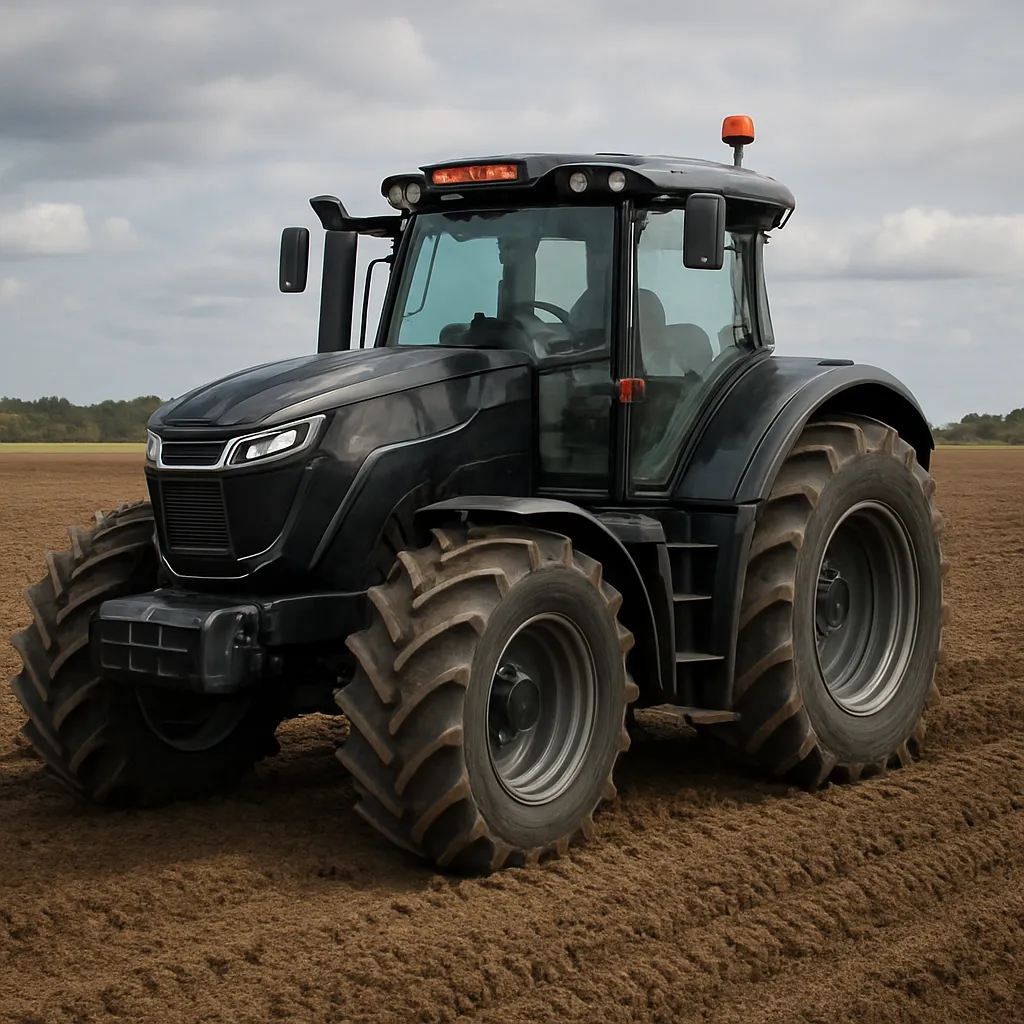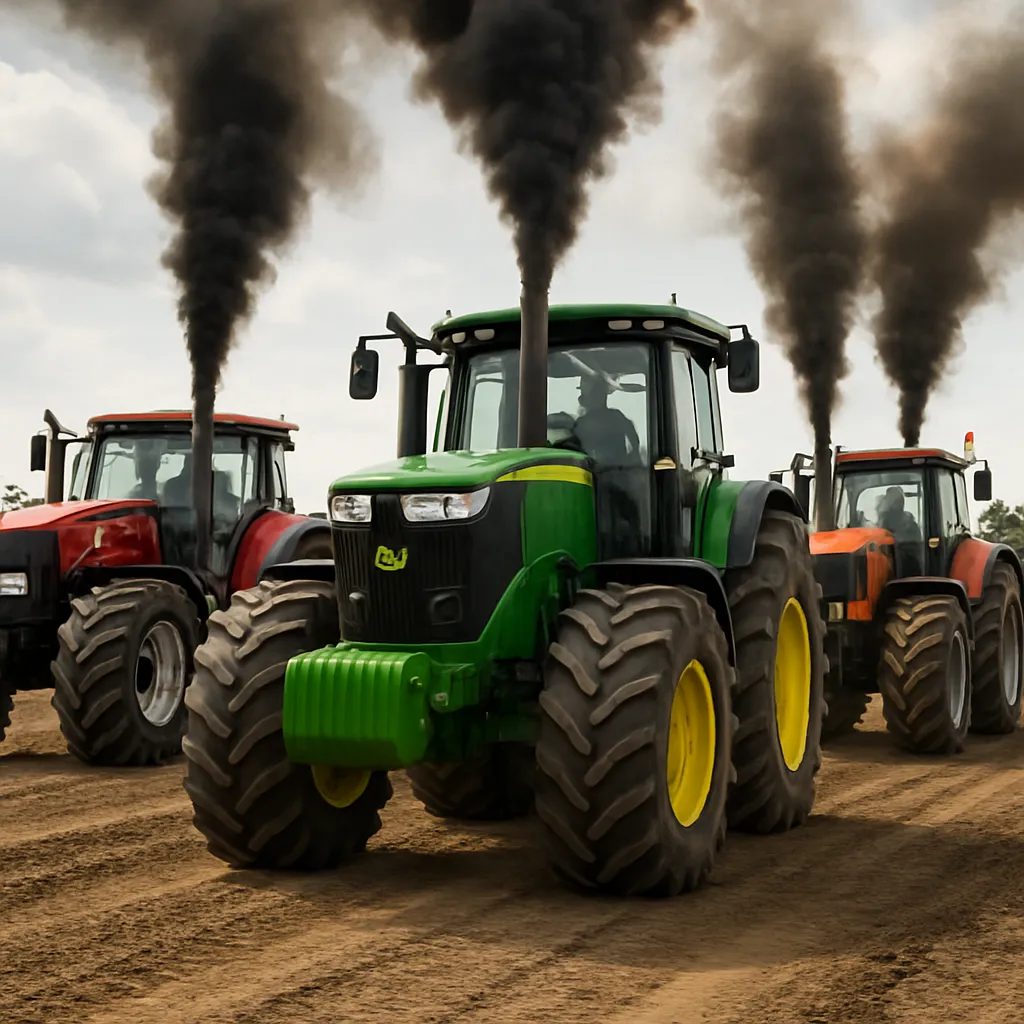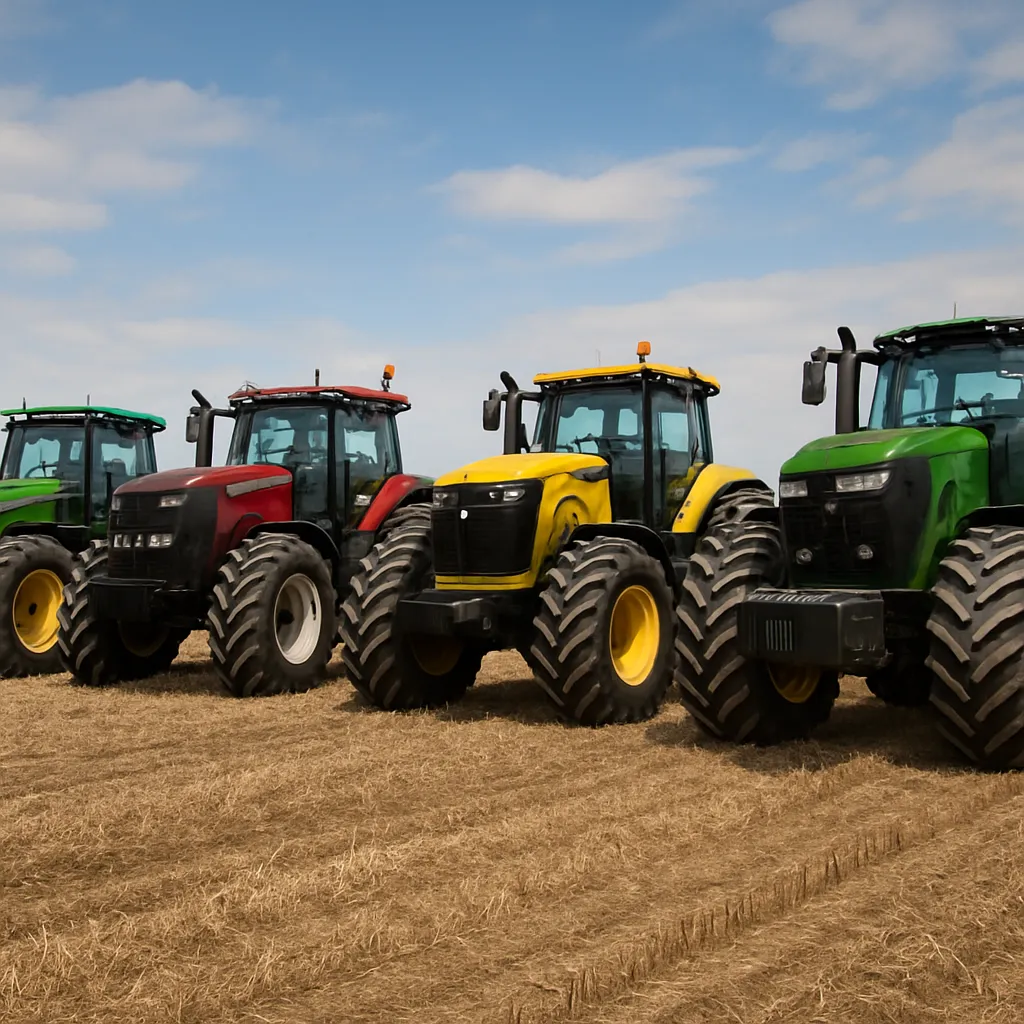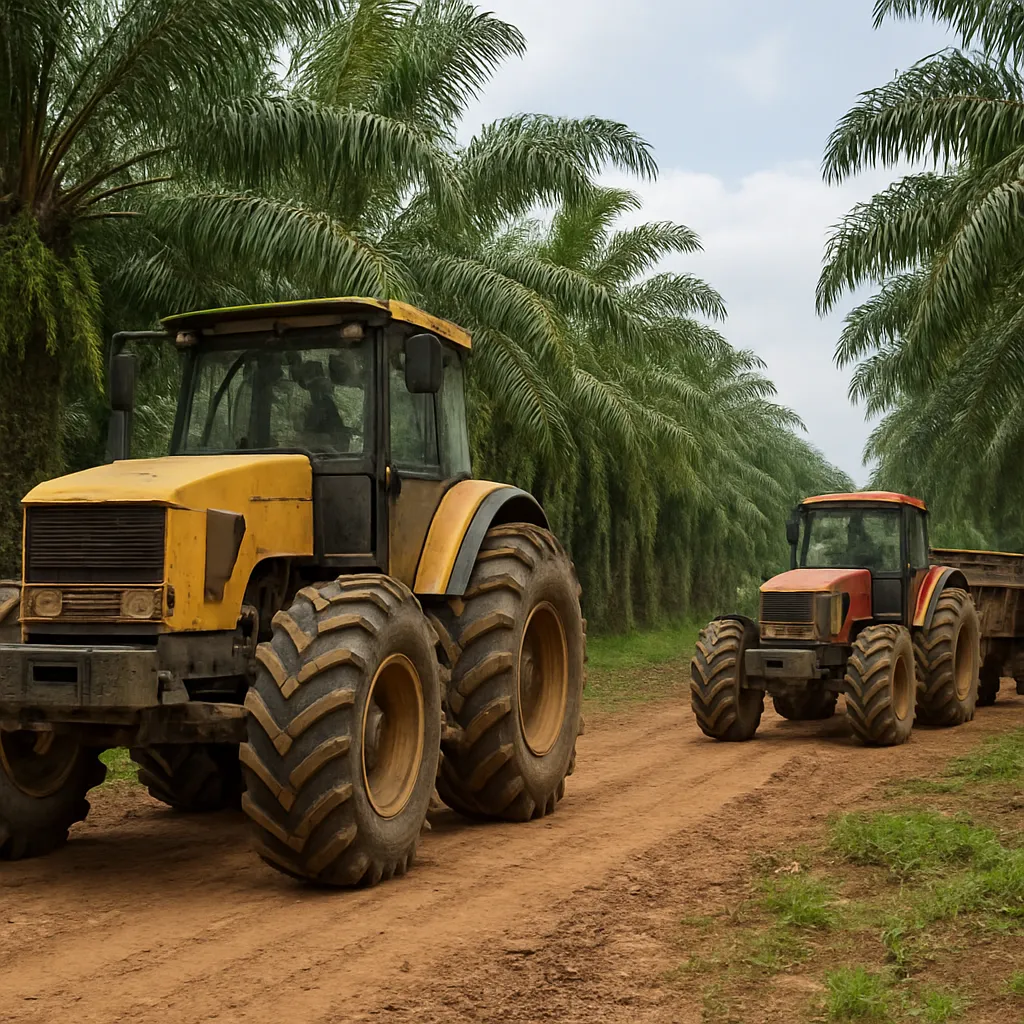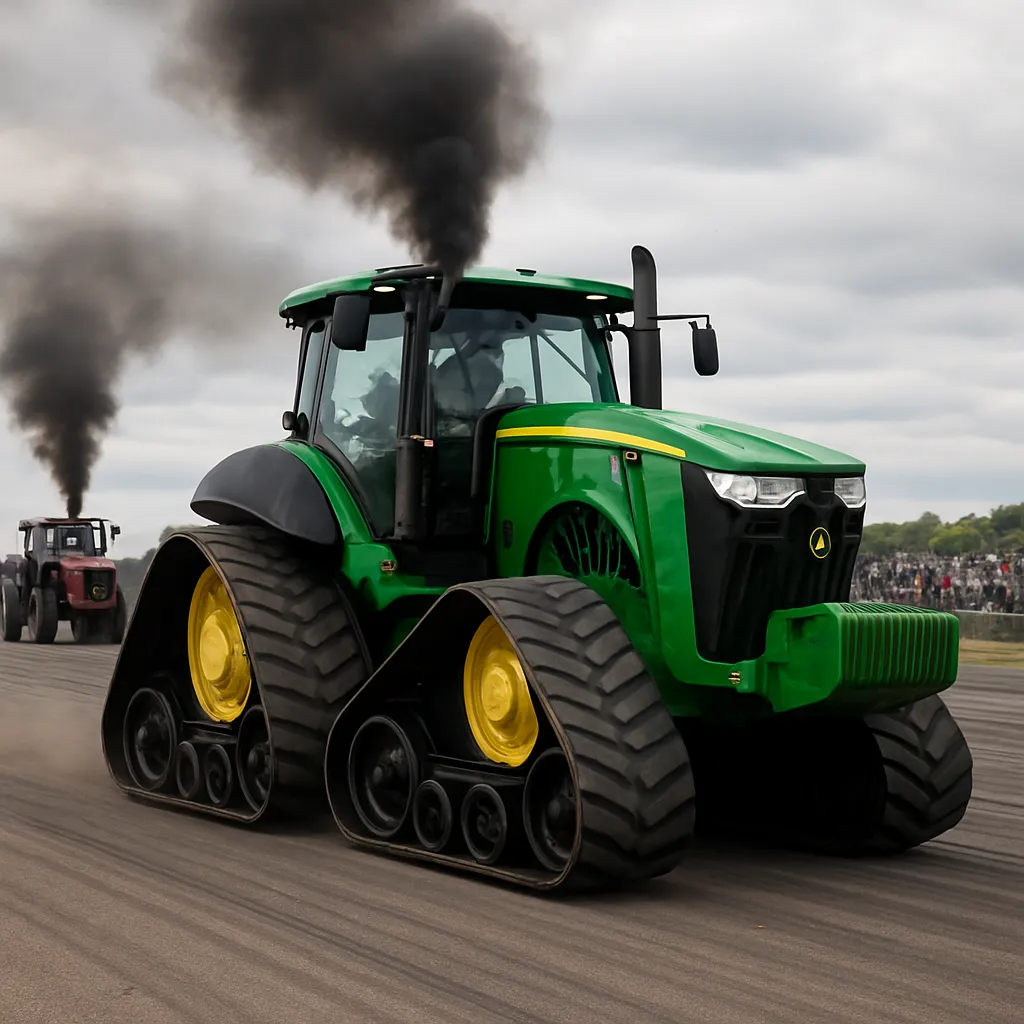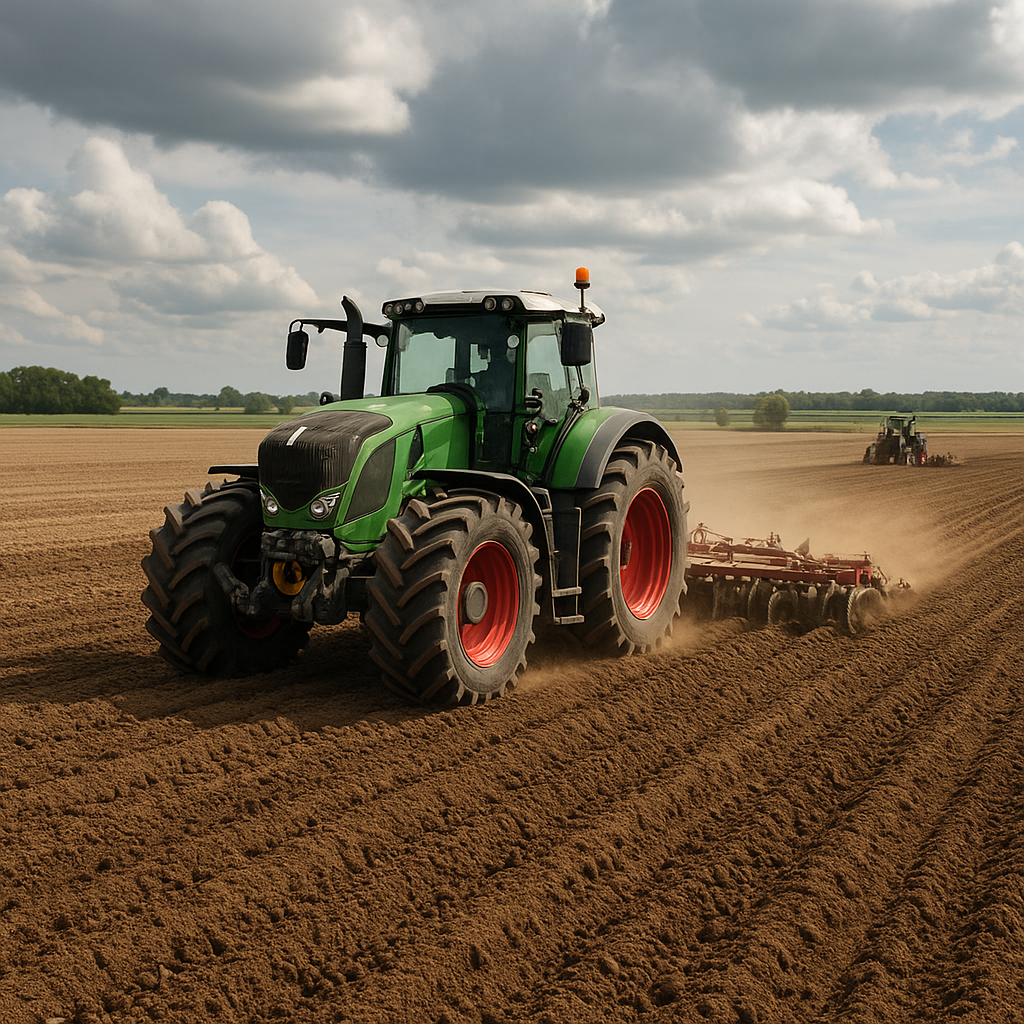
From the vast fields of North America to the sprawling agricultural plains of Europe, the pursuit of bigger and more powerful tractors has become a defining trend. Farmers and manufacturers alike push the boundaries of what is possible, aiming for machines that combine unmatched strength, efficiency, and technological prowess. This article explores the journey of these behemoths, highlights the titans that hold the crown for size and horsepower, and examines the records and challenges that shape modern tractor farming.
Evolution of Giant Agricultural Machines
Early Innovators and Pioneers
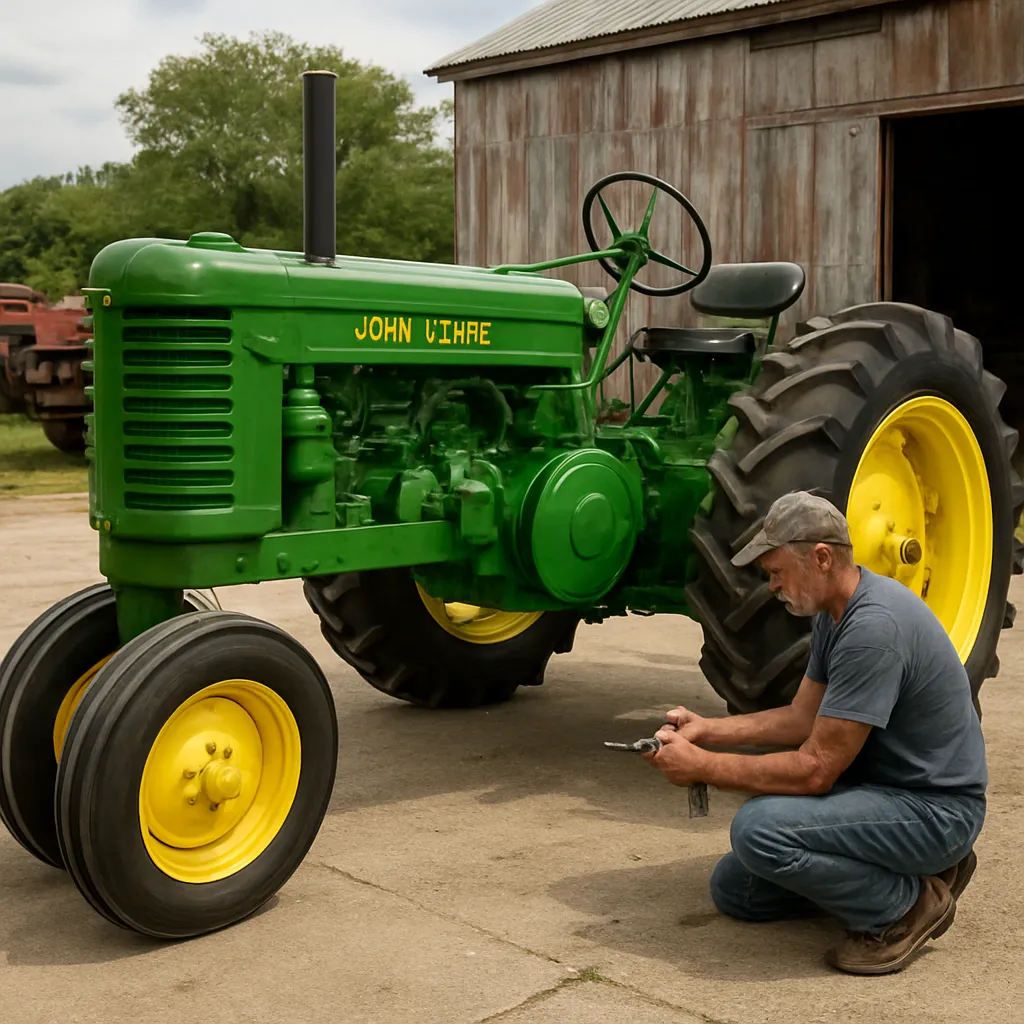
In the early 20th century, horse-drawn plows and steam-powered engines dominated the fields. The transition to internal combustion engines marked a milestone in mechanized farming. Models like the Fordson and the John Deere Waterloo Boy introduced farmers to what a tractor could truly achieve: consistent power without the limitations of draft animals. These machines were modest by today’s standards, often producing just 20 to 30 horsepower, but they laid the groundwork for future engineering achievements.
Technological Breakthroughs
Throughout the decades, advancements in materials science, hydraulics, and electronics drove tractors into a new era. Key breakthroughs included:
- Hydrostatic transmissions for smoother operations and reduced maintenance
- Four-wheel drive systems offering unprecedented traction in challenging soil conditions
- GPS-guided auto-steering that revolutionized planting accuracy and fuel use
- High-capacity hydraulic pumps supporting multiple implements simultaneously
- Advanced diesel engines with turbocharging and aftertreatment for emissions control
Together, these innovations built a foundation for what would become the world’s largest and most innovative tractors.
Engineering Marvels: The World’s Largest Tractors
Big Bud 747: The Unofficial King
Constructed in 1977 by the Northern Manufacturing Company, the Big Bud 747 remains an icon of record-breaking agricultural machinery. With a 16-cylinder, four-stroke Detroit Diesel engine producing 900 horsepower, it tipped the scales at over 100,000 pounds. Its dual 30-inch drive wheels provided the traction needed to pull massive plows across the Montana plains. Although never officially recognized by Guinness, the Big Bud 747’s reputation continues to inspire farmers worldwide.
Modern Contenders
Recent years have seen manufacturers challenge the Big Bud’s legacy:
- Case IH Quadtrac Series – Up to 620 HP with four independent tracks for minimal slippage
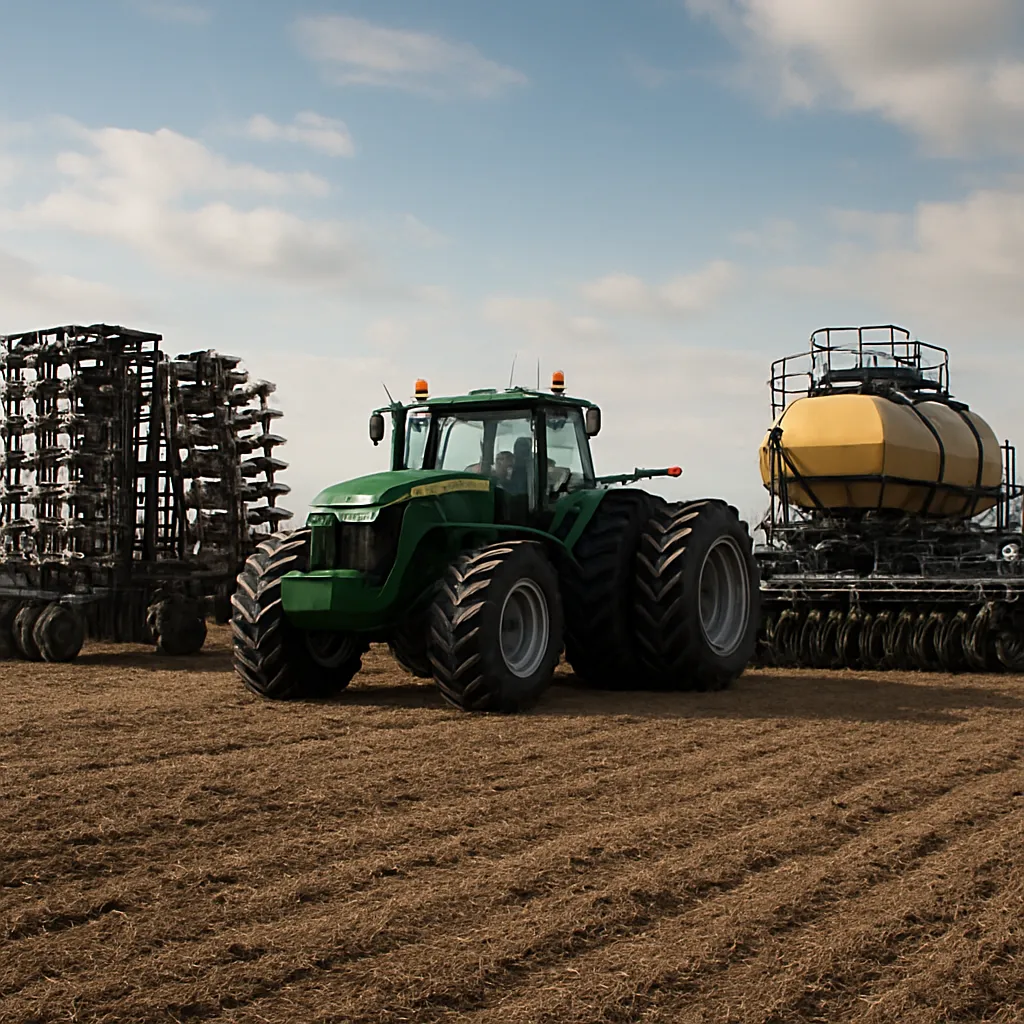
- John Deere 9RX – Offering 670 HP and a four-track design, combining payload capacity with reduced soil compaction
- Fendt 1150 Vario – Capable of 517 HP with advanced VarioDrive for exceptional maneuverability
- Versatile 610 DT – 610 HP tractor known for robust CAD-designed components
These giants emphasize electronic integration, fuel-saving strategies, and operator comfort. Many models now feature climate-controlled cabs, touchscreen monitors, and real-time data analytics.
Unique Features of Mega Tractors
Designers of ultra-large tractors focus on several critical factors:
- Powertrain configurations that deliver consistent torque at low RPMs
- Multi-speed transmissions – up to 24 forward and reverse gears
- Hydro-pneumatic suspension for improved field ride quality
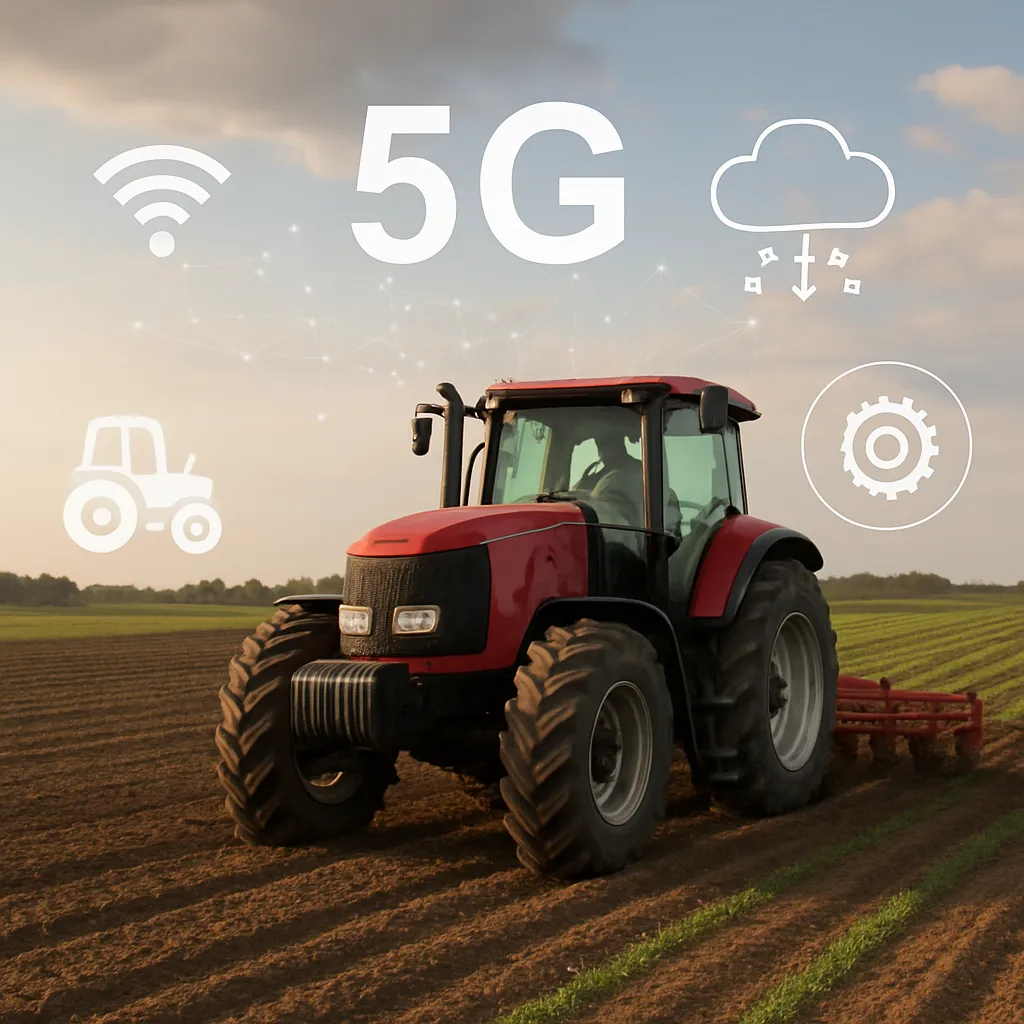
- Integrated telematics allowing remote diagnostics and over-the-air updates
- Double mounted tires or tracks adding stability and reducing soil disturbance
Combined, these elements create machines capable of working deeper furrows, towing heavier loads, and covering more acres per day than ever before.
Records and Challenges in Modern Tractor Farming
World Records in Pulling and Towing
Tractor pulling competitions have formalized achievements in towing capacity. Some remarkable records include:
- Heaviest Load Pulled: Over 60 tons by a custom-modified farm tractor
- Longest Distance Towed: More than 12 miles on a single charge of diesel
- Steepest Grade Climb: Over a 35-degree incline by a tracked monster
Such feats illustrate both mechanical durability and the robust engineering needed to overcome extreme stress conditions.
Environmental and Economic Challenges
While bigger tractors promise higher productivity, they bring challenges:
- Soil compaction risks affecting root growth and water infiltration
- Higher initial investment and maintenance costs requiring more operational capital
- Fuel consumption concerns driving interest in hybrid and electrified models
- Regulatory pressures for reduced emissions and sustainable field practices
Manufacturers address these issues by offering adaptable ballast systems, wide flotation tires, and advanced soil sensors to optimize tractor settings in real time.
Future Trends and Innovations
The next frontier in tractor design will likely be autonomous operation and alternative power sources. Concepts under development include:
- Electric drives powered by swappable battery packs or hydrogen fuel cells
- Drone-like attachments for precise application of fertilizers and pesticides
- Fully autonomous fleets managed through cloud-based farm management systems
- 3D-printed components for lightweight, high-strength parts
These advancements hold the promise of further efficiency gains, reduced environmental impact, and enhanced data-driven decision-making for growers worldwide.