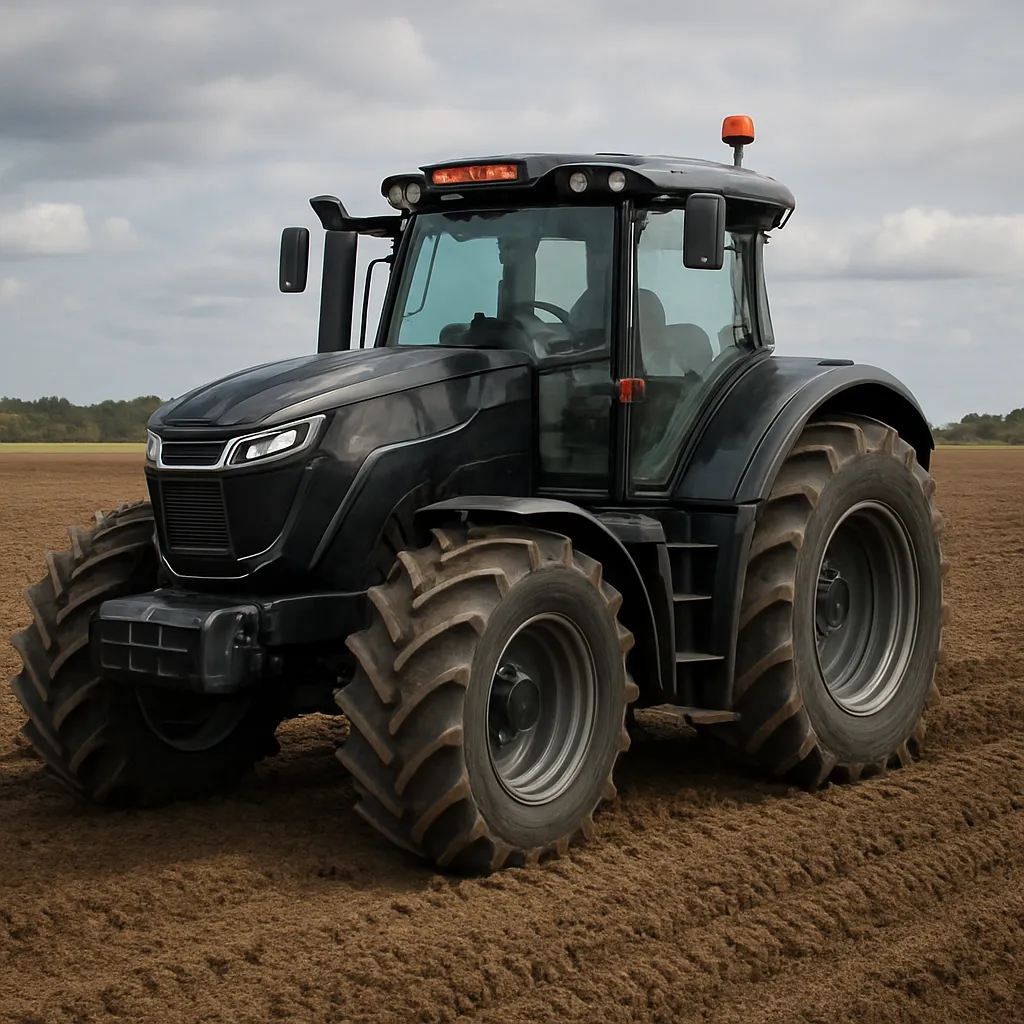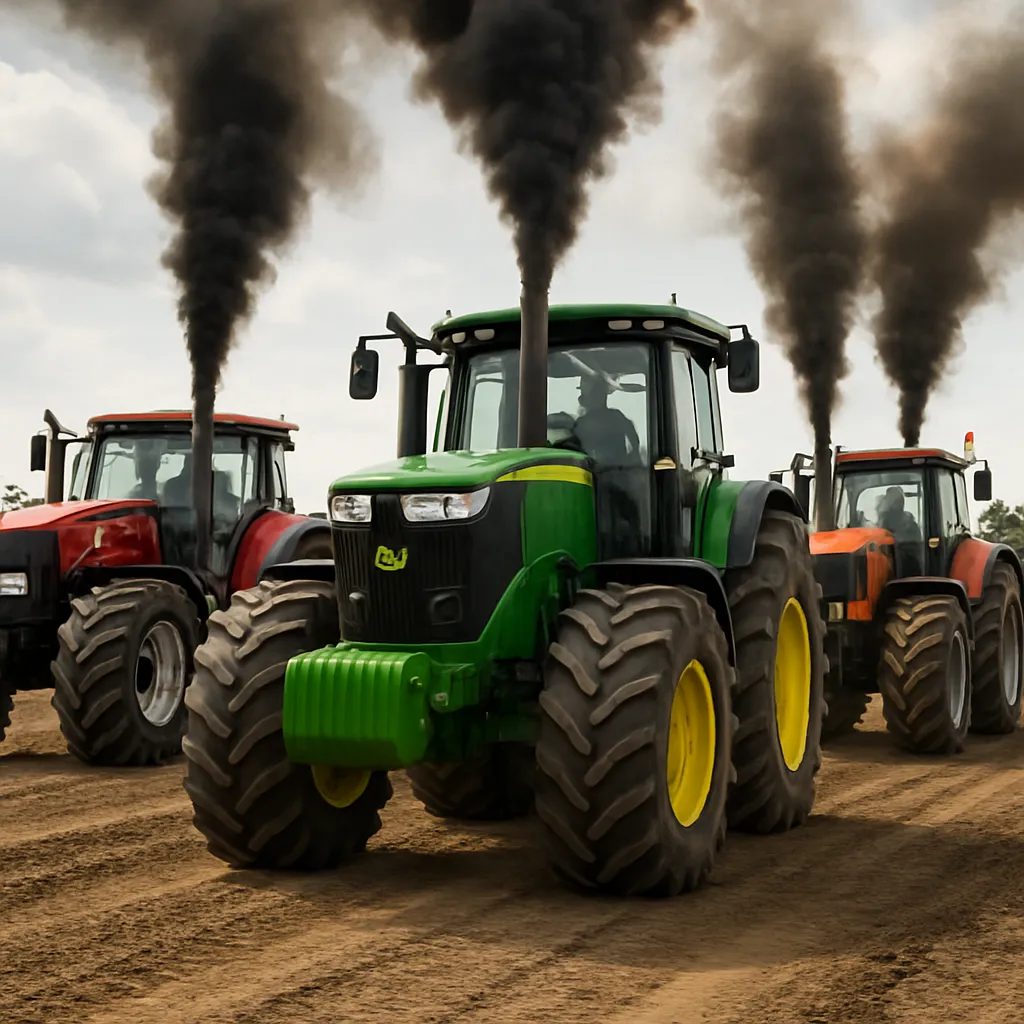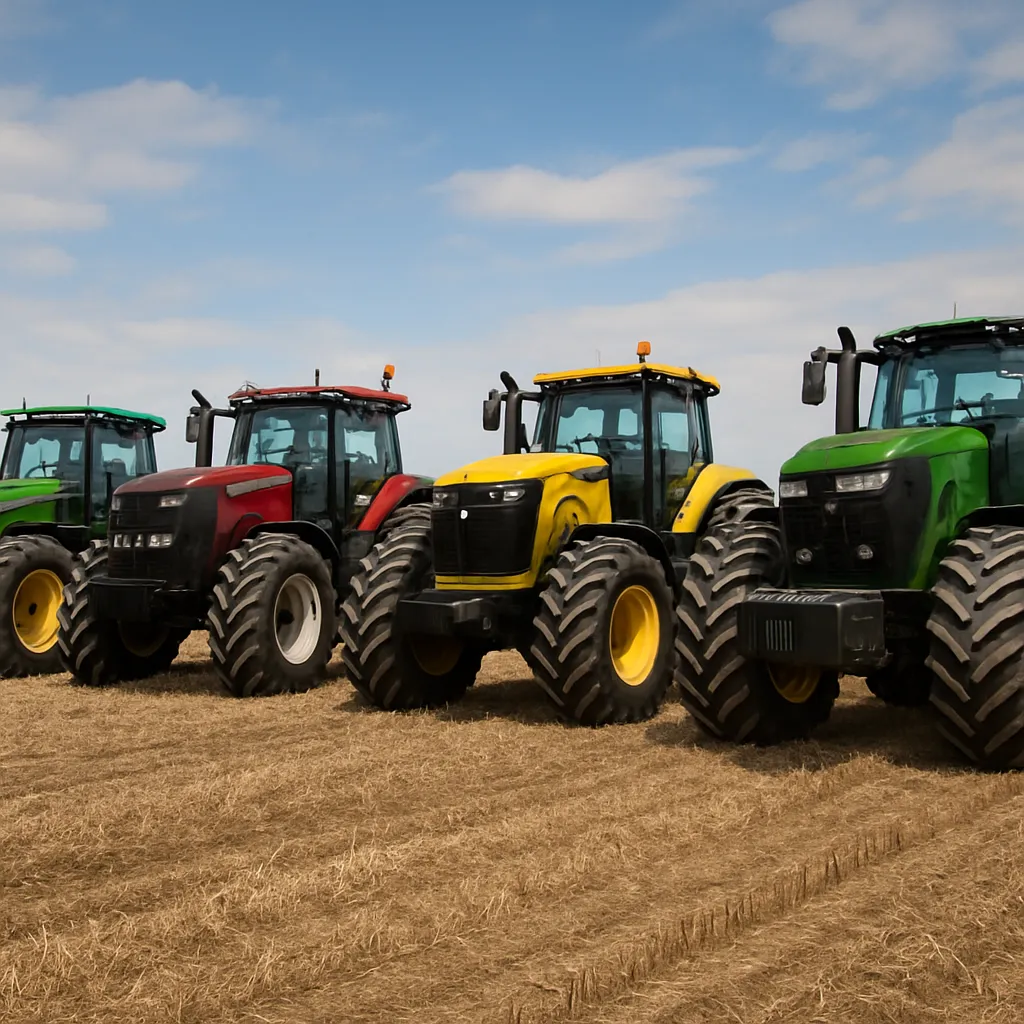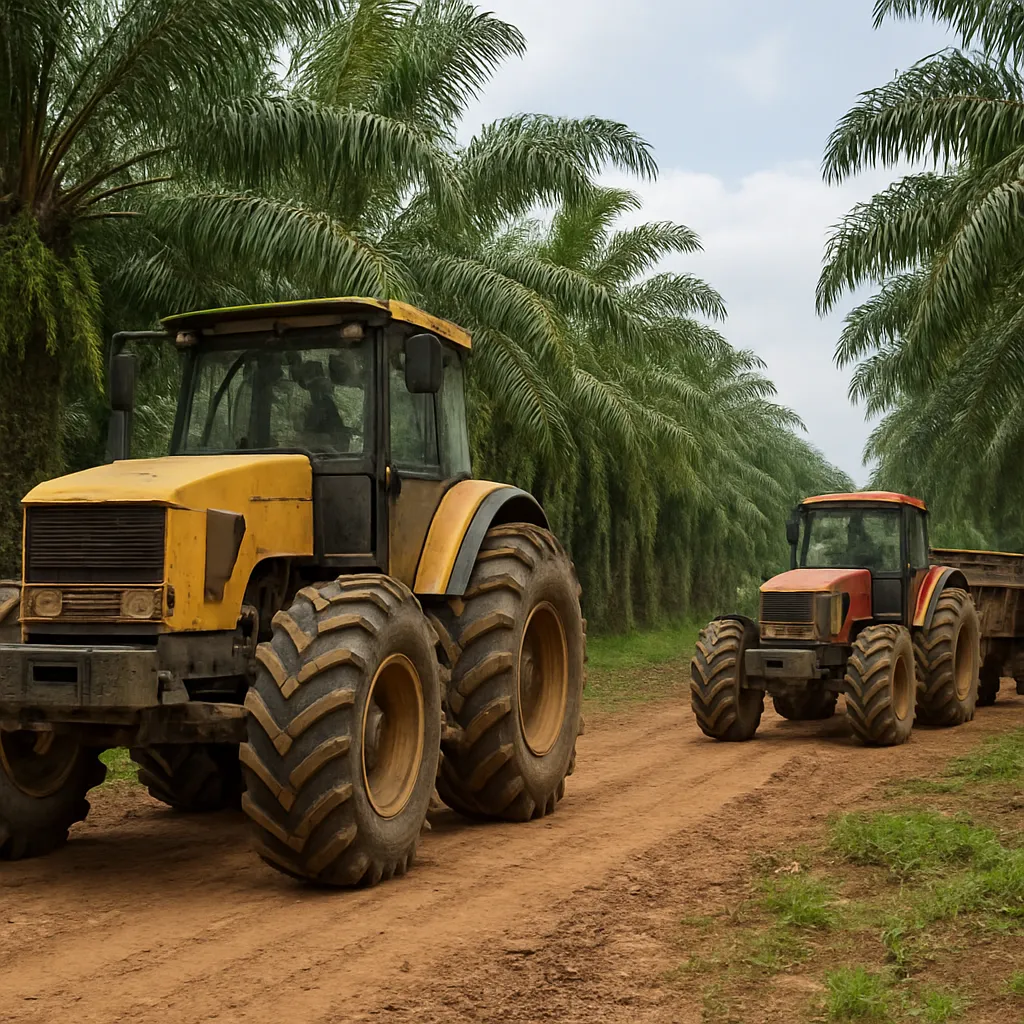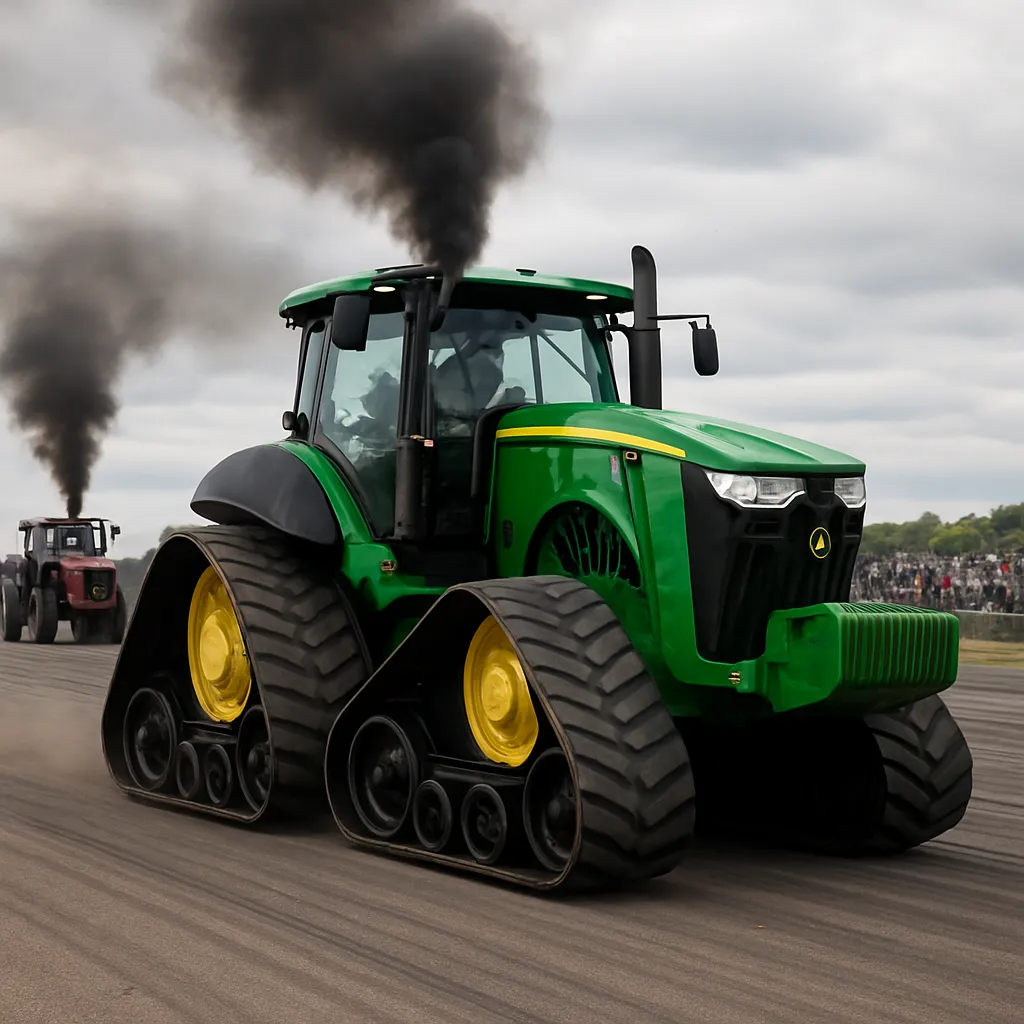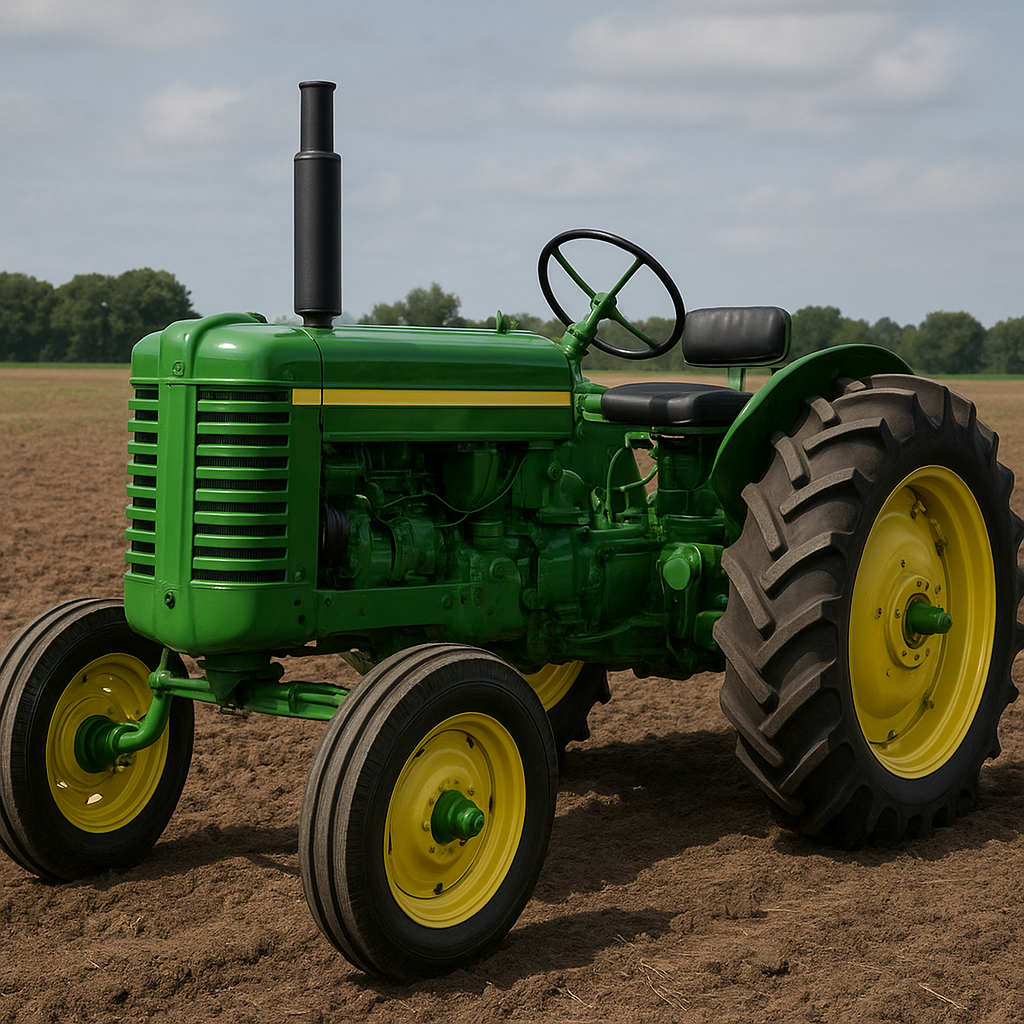
Tractors have always been more than just farm machines; they represent a blend of raw power, cutting-edge technology, and visionary design. From humble beginnings to the era of colossal steel giants, each evolution in tractor construction has heralded new possibilities for the modern farmer. This exploration delves into the realm of the biggest and most groundbreaking tractor creations, spotlighting the remarkable feats of engineering and relentless pursuit of agricultural excellence that continue to transform fields around the globe.
Evolution of Tractor Mastery
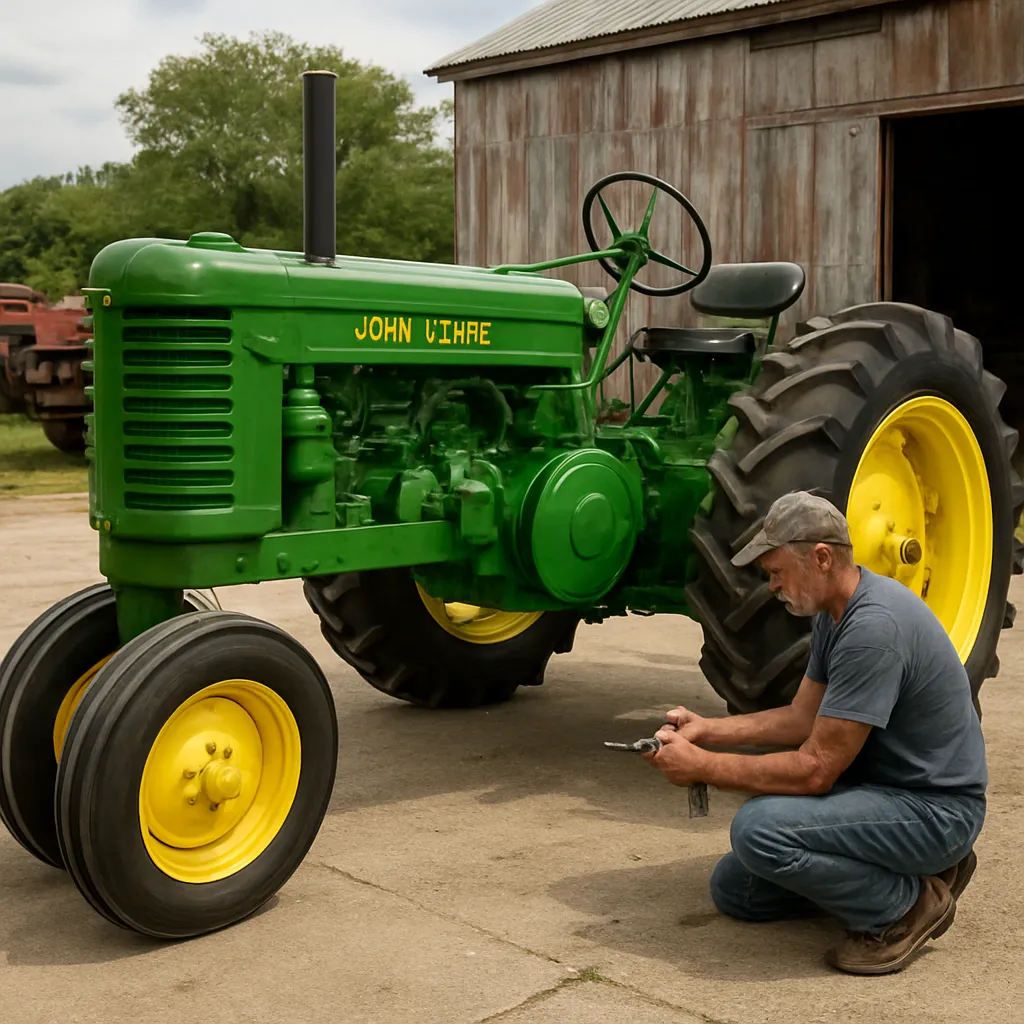
The journey of the tractor began in the early 20th century, replacing animal labor with steam and diesel engines. Early models were clumsy beasts, yet they delivered unprecedented power for plowing and hauling. As decades passed, manufacturers gradually refined chassis designs, introduced hydraulics, and added enclosed cabs for operator comfort.
Key breakthroughs included:
- Introduction of the internal combustion engine, boosting efficiency and reliability over steam-driven units.
- Adoption of pneumatic tires in the 1930s, reducing soil compaction and enhancing field traction.
- Implementation of three-point hitch systems, enabling rapid attachment changes and expanding functional versatility.
- Integration of electronic controls in the late 20th century, paving the way for precision farming and GPS-guided operations.
Each milestone represented a leap forward, setting the stage for the birth of the leviathans that now roam modern paddocks.
Record-Breaking Giants of the Fields
Certain tractors have transcended ordinary classification, earning legendary status for sheer size and capability. These titans not only boast staggering horsepower figures but also showcase ambitious structural designs that push the boundaries of what’s possible in agricultural machinery.
-
Big Bud 747 – The King of All Tractors
Built in 1977, the Big Bud 747 remains the world’s largest farm tractor. Fueled by a massive eight-cylinder Detroit Diesel engine, it generates approximately 1,100 horsepower. Its 86,000-pound frame rolls on four massive tires, each over 8 feet tall, allowing it to till thousands of acres in a single season. The Big Bud’s sheer scale required custom transport solutions just to move it between fields.
-
Case IH Steiger Quadtrac 620
This contemporary behemoth boasts 620 horsepower and a revolutionary quad-track system. Unlike traditional wheels, its tracks distribute weight evenly, dramatically reducing soil compaction. With a spacious cab featuring real-time yield mapping and auto-steer, farmers can work longer hours with enhanced comfort and precision.
-
Fendt 1050 Vario
Fendt’s flagship model offers 517 horsepower and an innovative continuously variable transmission (CVT). Its hallmark is an advanced telematics system, allowing remote diagnostics and performance tuning. Despite being smaller than the Big Bud, it excels in versatility, from heavy tillage to high-speed transport, embodying the pinnacle of modern tractor design.
Engineering Marvels and Innovations
Beyond raw size, the most impressive tractors incorporate pioneering technologies that redefine farming efficiency:
- Powertrain Advancements: Dual-clutch and CVT systems deliver seamless power transfer, minimizing fuel wastage and maximizing torque across varying speeds.
- Satellite-Guided Auto-Steer: GPS-driven navigation systems maintain exact row spacing, leading to uniform planting, reduced overlap, and optimized field coverage.
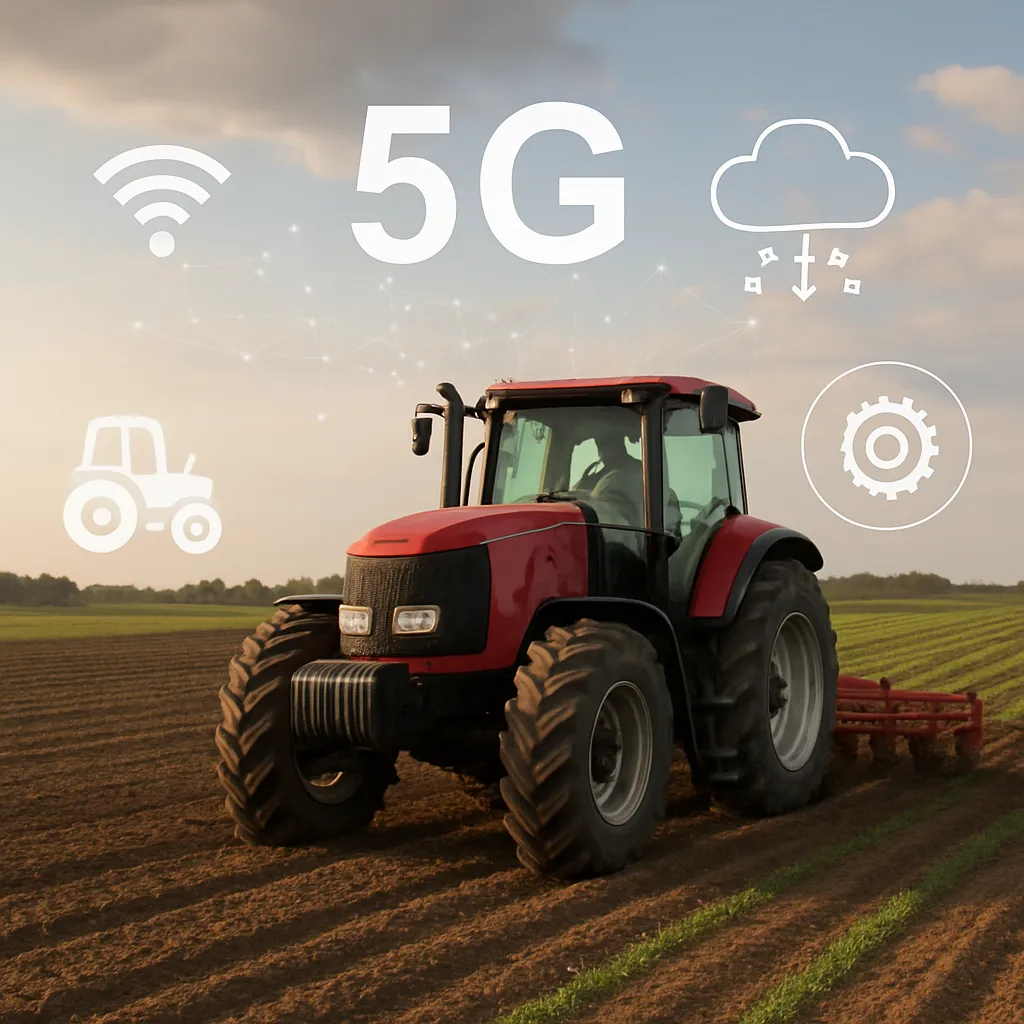
- Telematics and Connectivity: Onboard sensors continuously monitor engine health, fuel consumption, and implement performance, transmitting data wirelessly to farm managers for predictive maintenance.
- Enhanced Suspension: Independent front and rear suspension systems absorb shocks on uneven terrain, preserving machine longevity and improving operator comfort.
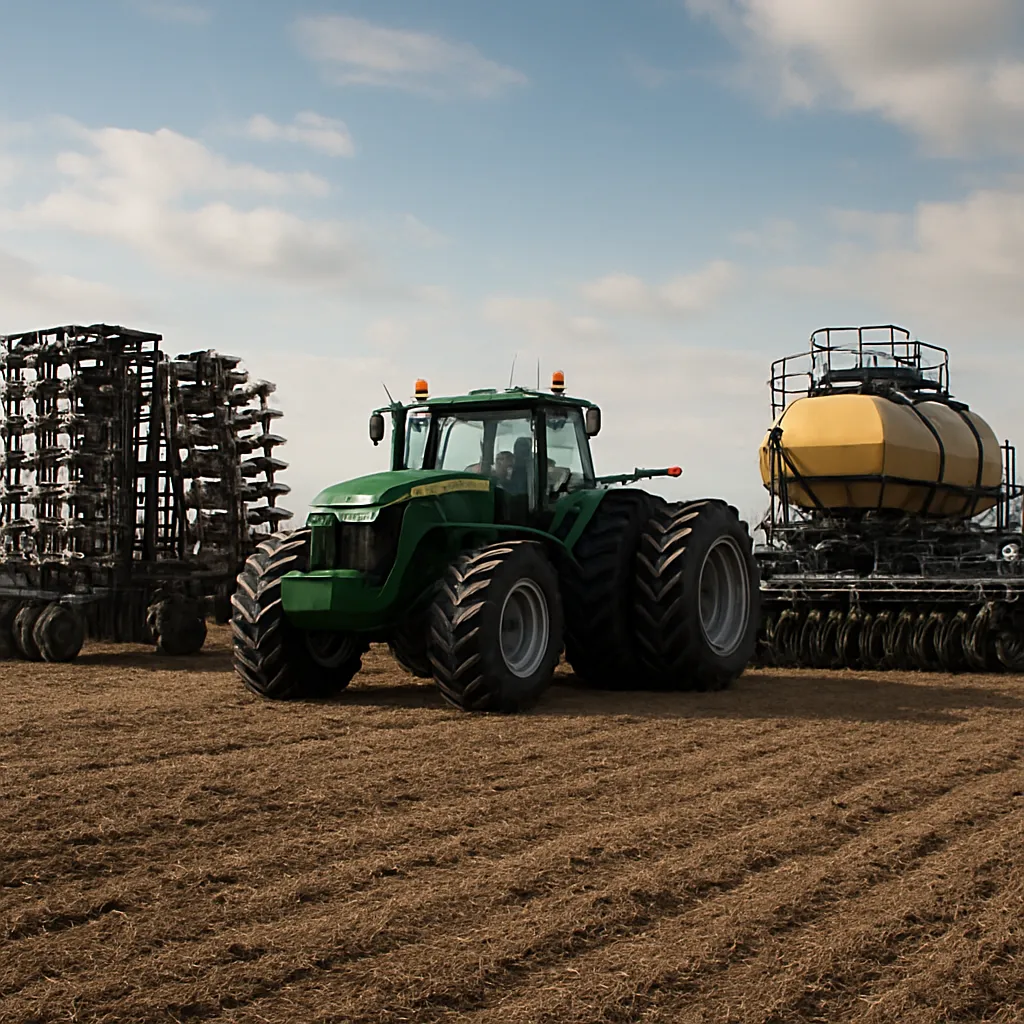
- Modularity: Quick-change modules allow swift transitions between tillage, planting, spraying, and transport functions, making tractors true multi-purpose platforms.
- Sustainability Measures: Tier 4 emission standards have prompted the integration of exhaust after-treatment systems, selective catalytic reduction, and particulate filters, drastically cutting harmful outputs.
These innovations are not mere gimmicks; they ensure that today’s tractors operate with unmatched performance and environmental responsibility, meeting the demands of large-scale producers and eco-conscious growers alike.
Impact on Agricultural Productivity
The introduction of uber-sized tractors has had a profound influence on farm economics and landscape management. By harnessing massive power and intelligent automation, operators can:
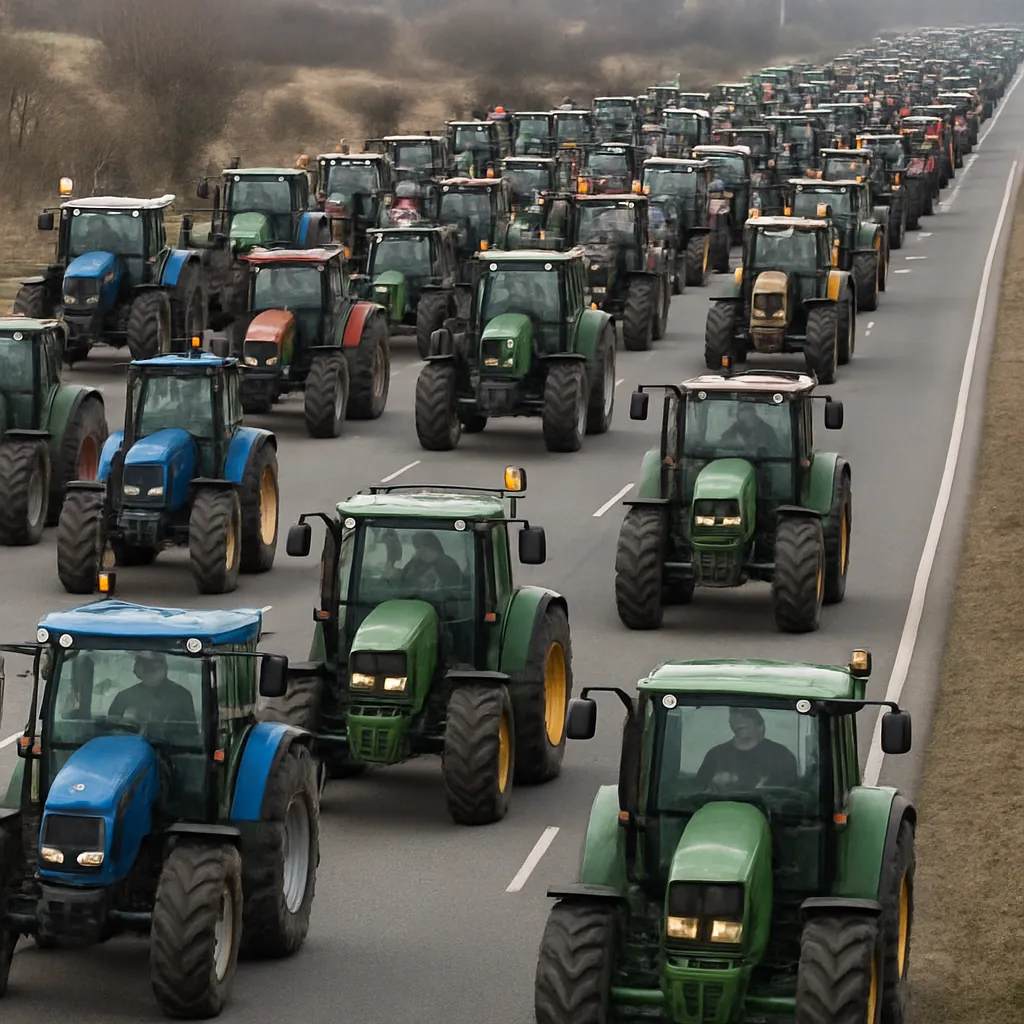
- Cover more acres in less time, reducing labor costs and weather-related risks.
- Optimize input usage—fertilizers, pesticides, and seeds—through targeted application, cutting waste and improving yields.
- Adapt swiftly to market fluctuations by repurposing equipment for diverse tasks without the need for multiple specialized machines.
- Elevate safety standards with advanced cameras, rollover protection systems, and real-time sensor alerts.
These benefits have ripple effects throughout the supply chain, from lower consumer prices to enhanced food security in regions adopting high-capacity machinery.
Future Technologies Driving the Next Generation
As the agricultural landscape evolves, future tractor designs will likely emphasize greater autonomy and environmental harmony. Research and development are concentrating on:
- Electric and Hybrid Drives: Battery technology improvements and hybrid diesel-electric configurations promise reduced emissions and lower operating costs.
- Autonomous Operation: Fully driverless tractors, guided by advanced AI and lidar systems, can perform overnight fieldwork, further extending productive hours.
- Swarm Robotics: Networks of smaller, cooperative machines may replace monolithic giants, offering flexibility and redundancy while working in concert for large-scale tasks.
- Adaptive Implements: Smart attachments that automatically adjust depth, angle, and speed based on real-time soil feedback, ensuring optimal ground engagement.
- Renewable Fuels: Trials with hydrogen fuel cells and biofuels seek to decarbonize heavy machinery without sacrificing durability or output.
These emerging trends promise to maintain the tractor’s central role in agriculture while championing sustainability and resource conservation for generations to come.