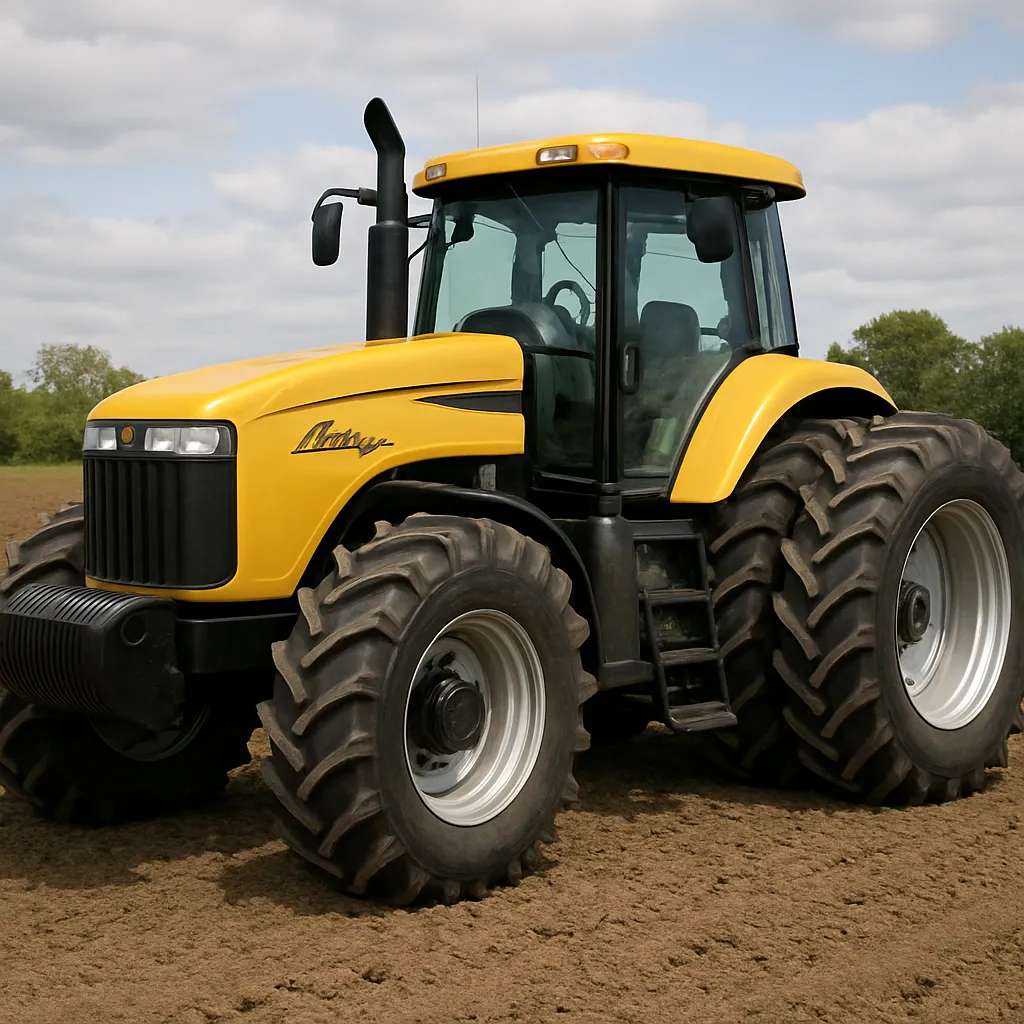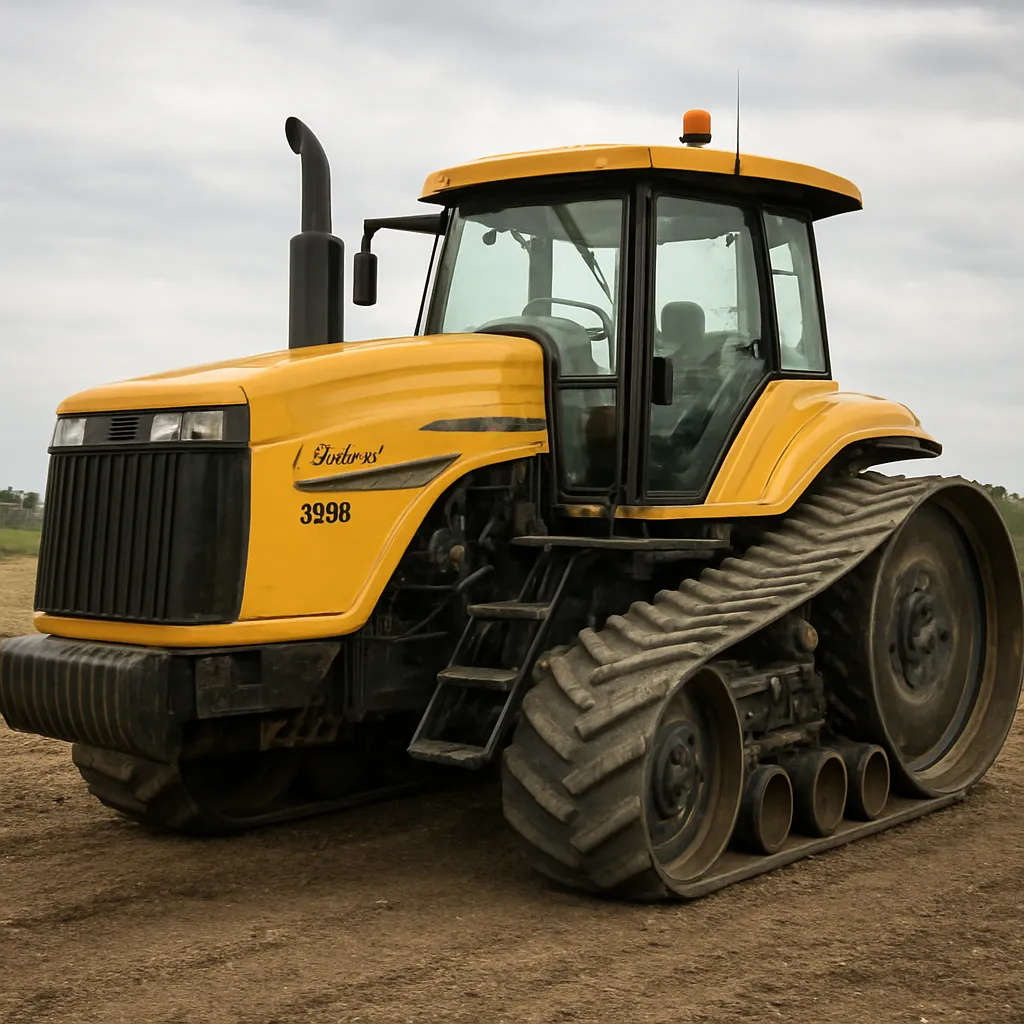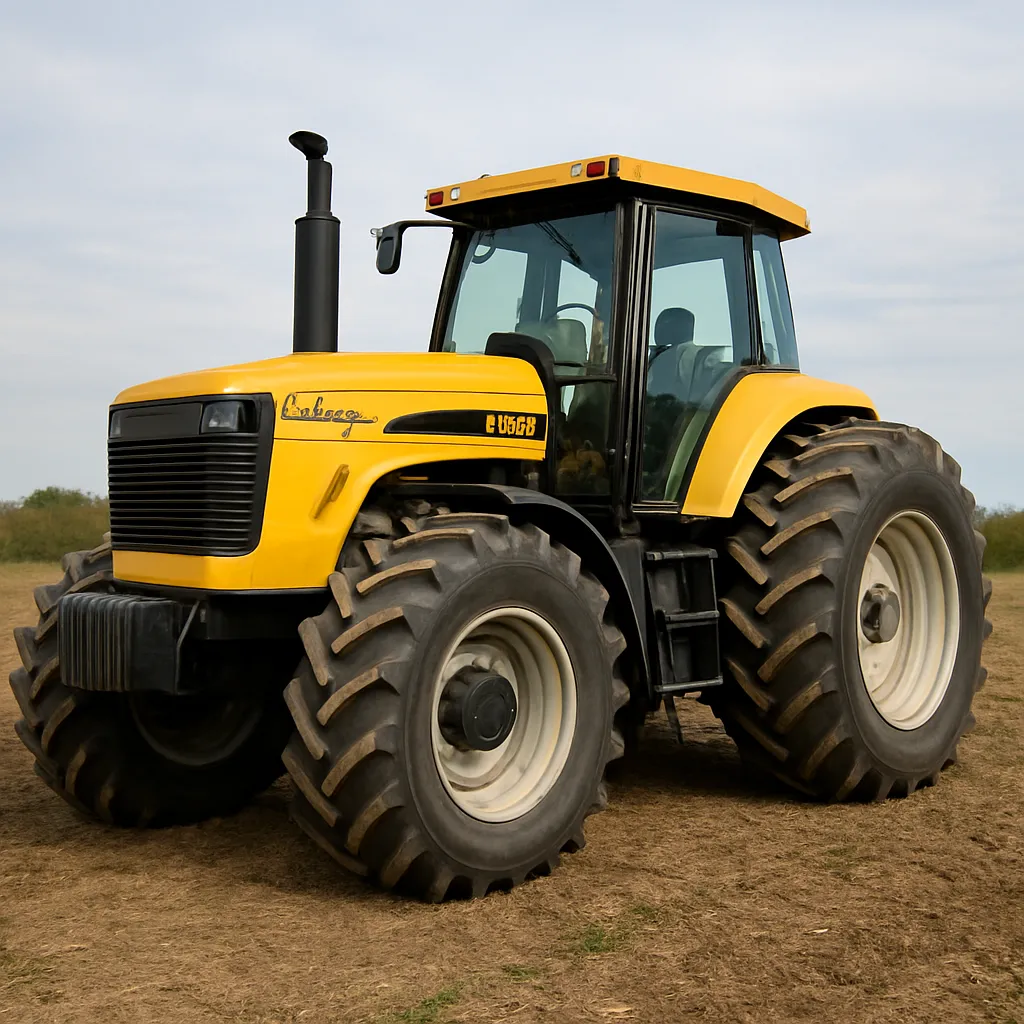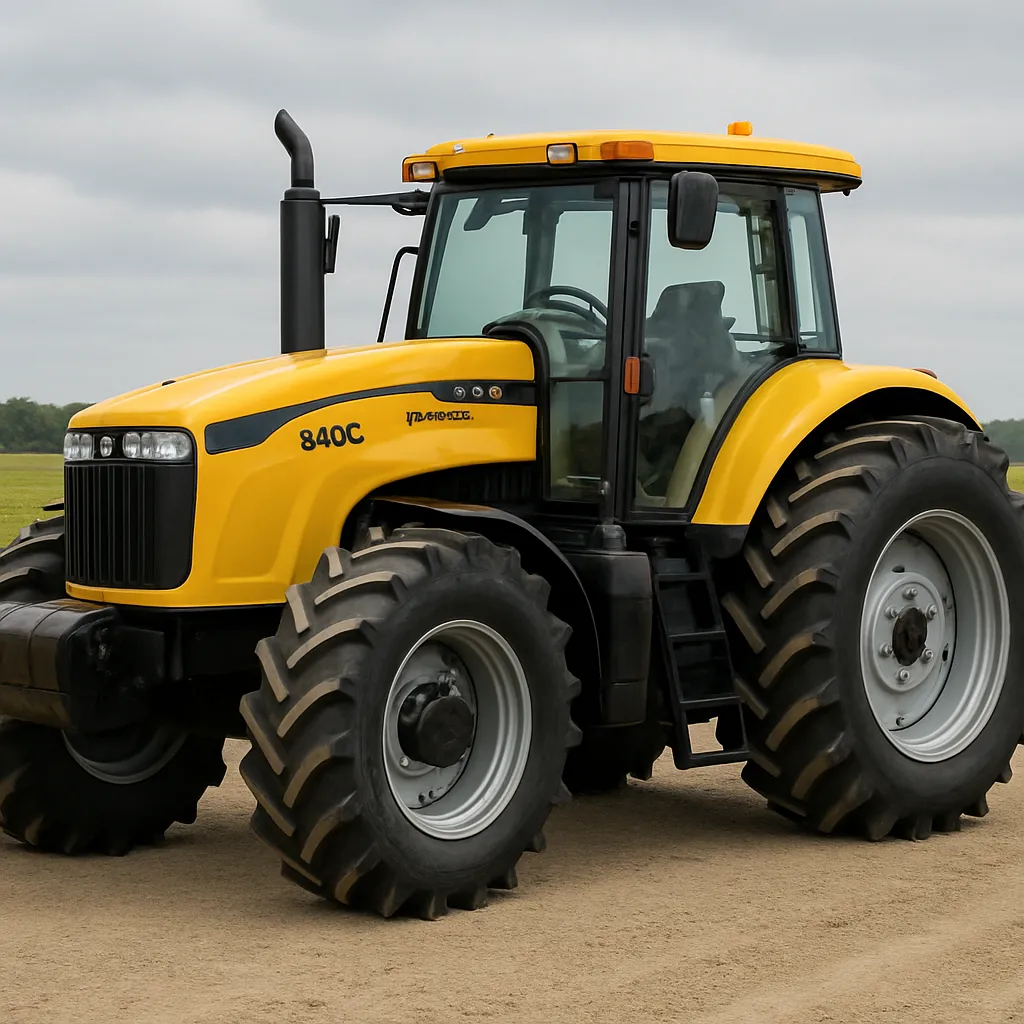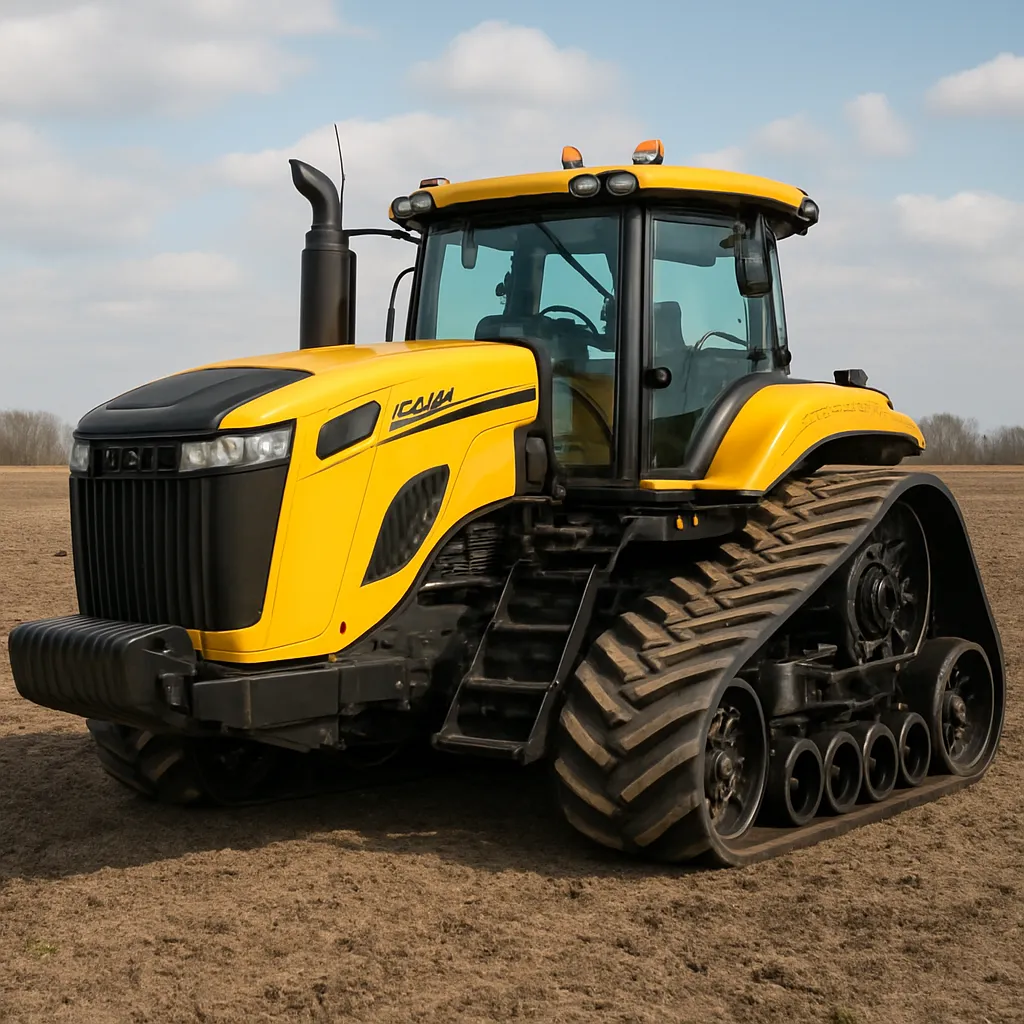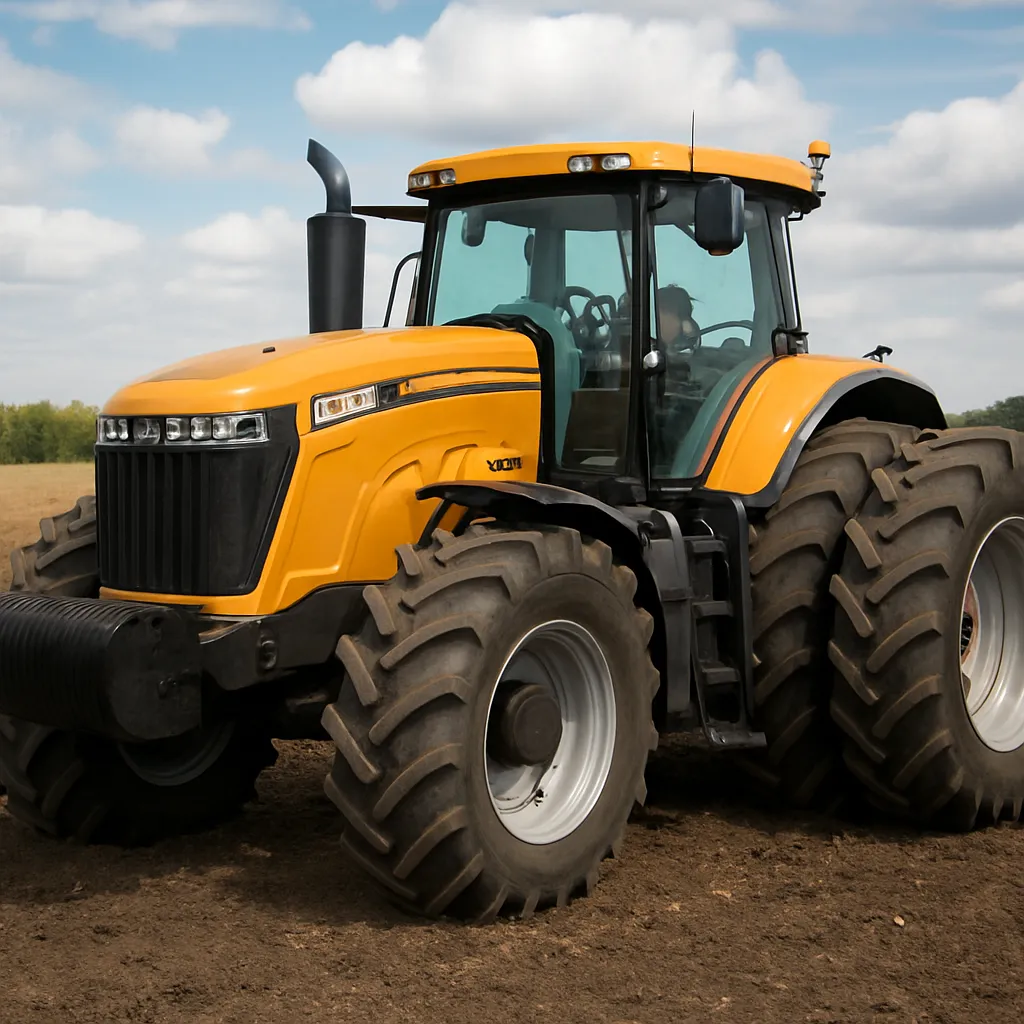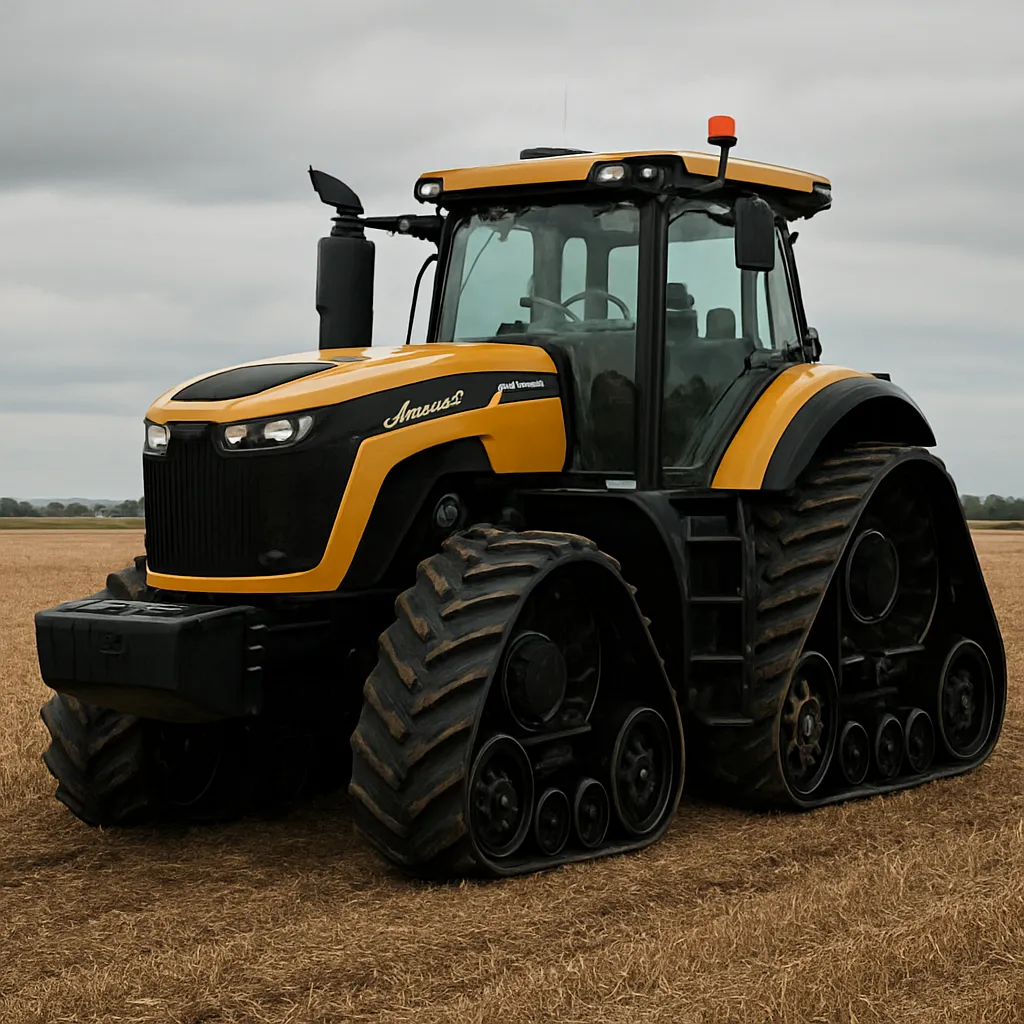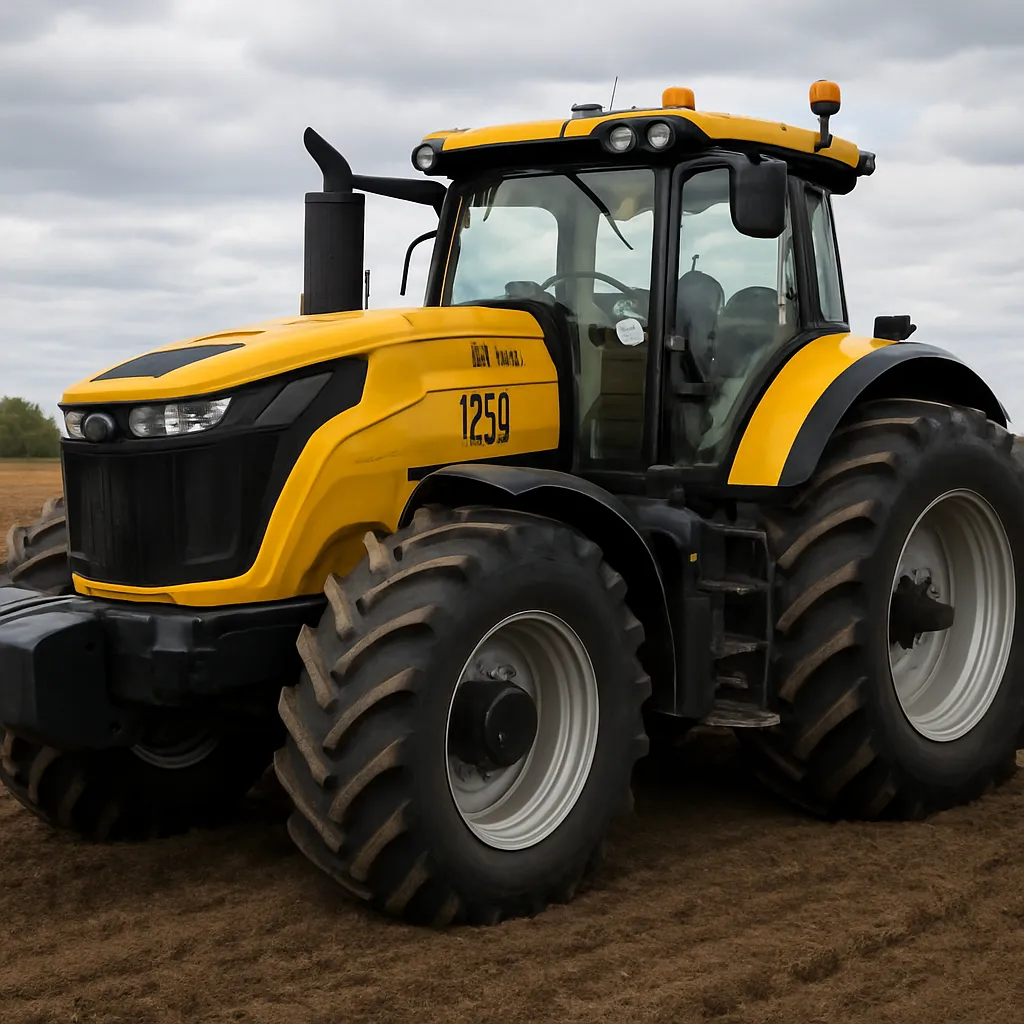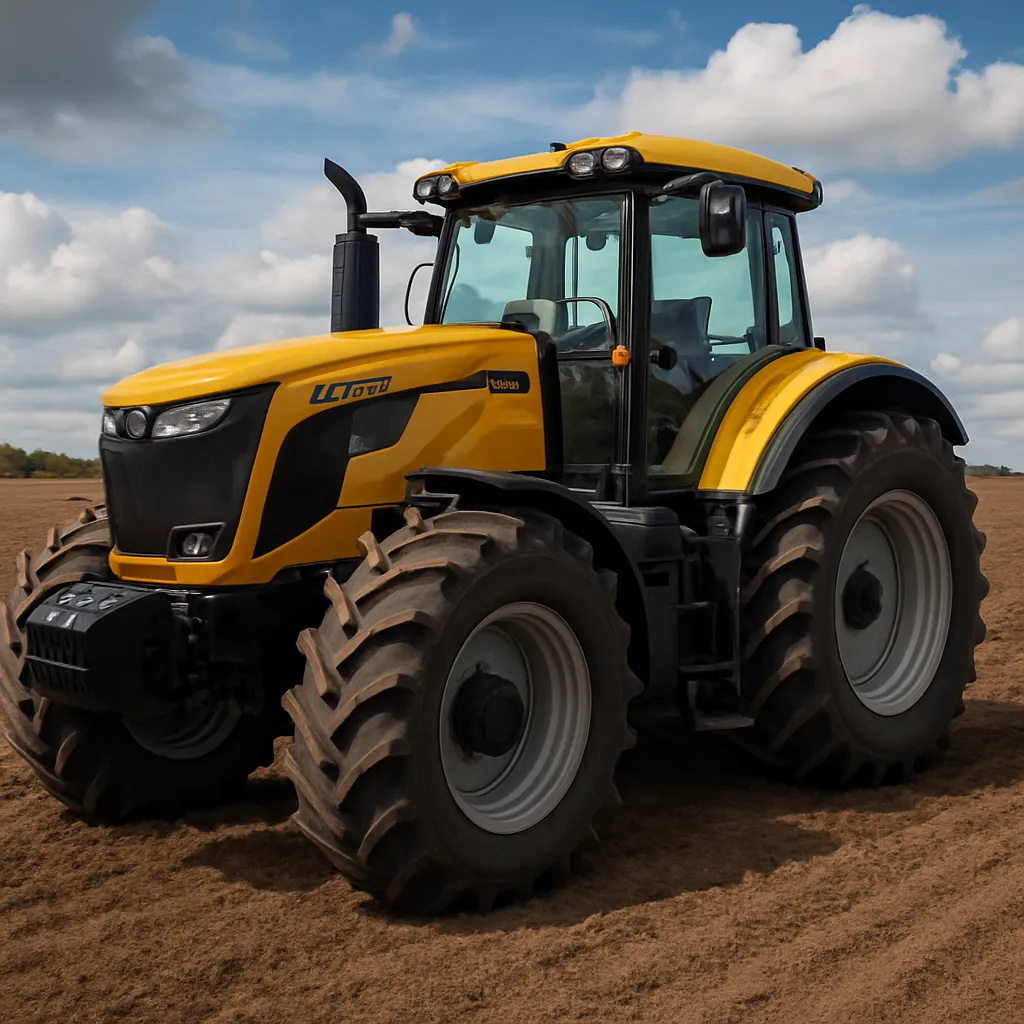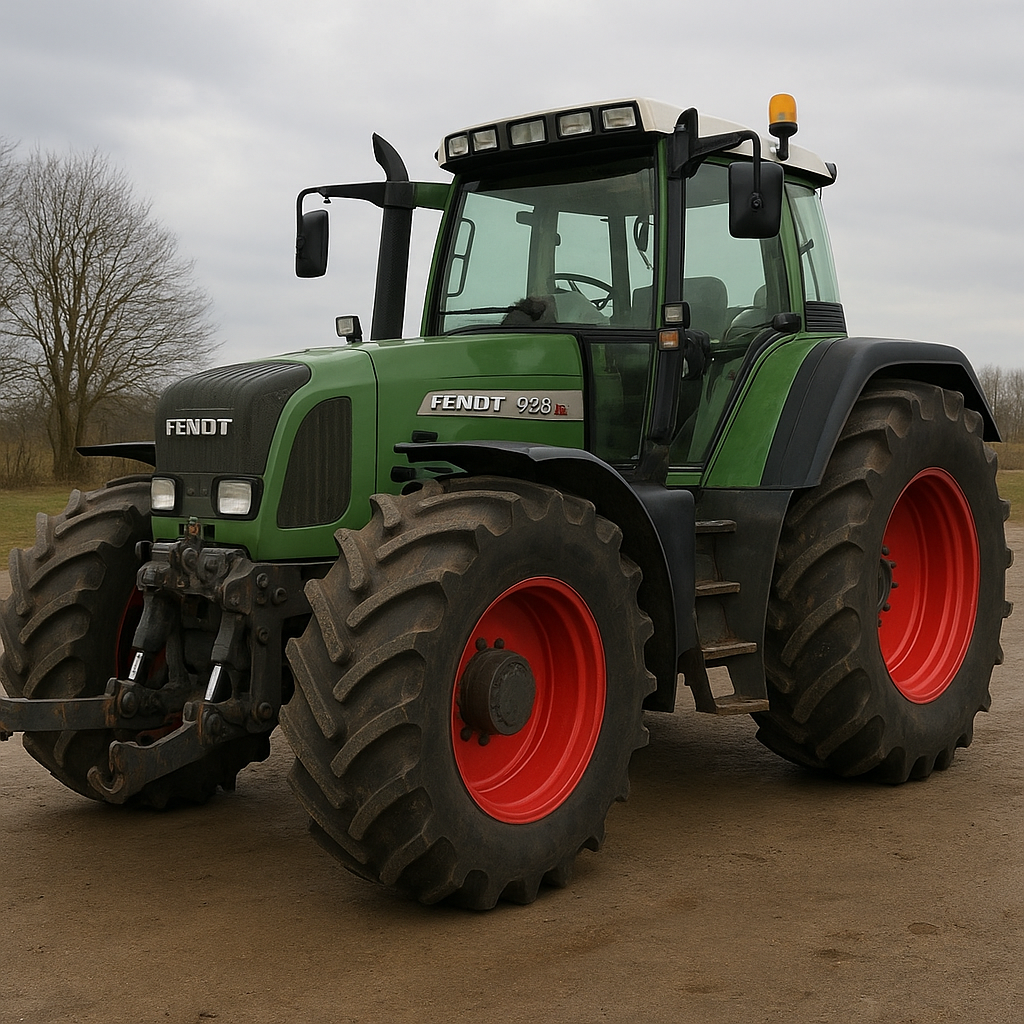
The Fendt 926 Vario is a flagship tractor in Fendt’s 900 Vario series, widely recognized for blending high-end technology with robust agricultural performance. Designed for demanding tasks on large farms and for professional contractors, this model brings together a powerful engine, stepless Vario transmission, advanced hydraulics and a comfortable operator environment. In the following sections I will describe its technical characteristics, typical applications, operator features, market presence and maintenance considerations, and I will include commonly reported specifications and practical statistics where available.
Design and technical features
The Fendt 926 Vario is engineered as a high-performance, all-purpose tractor for heavy-duty fieldwork and transport. At its core sits a modern, turbocharged inline six-cylinder diesel engine paired with Fendt’s signature continuously variable Vario transmission. This combination emphasizes smooth torque delivery, precise speed control and high fuel efficiency.
Key technical highlights (typical / dependent on year and optional equipment):
- Engine: 6-cylinder turbocharged diesel; displacement commonly reported in the range of approximately 6.6–7.4 liters depending on model year and market configuration. Rated power typically sits around 240–285 hp, with short-term boost/PowerPlus functions delivering higher peak output for demanding operations.
- Transmission: Stepless Fendt Vario CVT (continuously variable transmission). The Vario drive eliminates mechanical gear steps, allowing the operator to select any ground speed up to the rated transport speed (commonly 40–50 km/h) while keeping the engine in its most efficient range.
- Hydraulics: High-flow hydraulic systems to handle modern implements. Typical pump flow rates are in the region of 160–210 L/min with options for multiple hydraulic circuits and electronic remote valves for precise implement control.
- PTO: Rear PTO with standard speeds (e.g., 540/1000 rpm), and often optional front PTO and front linkage for front-mounted implements or snow removal equipment.
- Chassis and axles: Robust front and rear axles with options for pneumatic or mechanical suspension. The front axle often provides oscillation and suspension features for improved traction and ride comfort. Weight and ballast options allow tailoring to implement demands; curb weight typically ranges in the multi-ton class depending on configuration.
- Electrical / electronics: Integrated Fendt electronics suite (e.g., Variotronic) with terminal(s) for ISOBUS compatibility, GPS integration for precision farming tasks and advanced machine management functions.
The tractor’s modular design allows customization for tyre sizes, duals, ballast, hydraulic options, lighting packages and cab extras. Fendt offers different spec levels to suit large arable farms, livestock operations or contractor fleets.
Applications and field performance
The Fendt 926 Vario is intended for demanding agricultural tasks that require high sustained power and exceptional traction. Its operational envelope spans a broad range of uses:
- Arable farming: Pulling large ploughs, cultivators, and seed drills. The Vario transmission permits fine ground-speed adjustments, essential when seeding or applying fertiliser. For many arable operators, the 926 serves as a primary power unit for most field operations.
- Transport and logistics: Fast road transport with heavy trailers thanks to high top speeds and stable handling. The tractor’s power and torque reserve allow it to maintain speed while towing heavy loads.
- Plant protection and precision tasks: With gentle speed control and advanced electronics integration (GPS / auto-steer), the 926 is suited for sprayer operations and other tasks requiring precise overlap control and uniform application rates.
- Hay and forage: Operating large mowers, balers and forage harvest attachments; strong hydraulics and PTO options support power-hungry implements.
- Contracting and mixed operations: Contractors value the reliability and flexibility for diverse jobs—roadside maintenance, heavy tillage, transport and snow clearance in winter when equipped with front attachments.
- Forestry and specialised work: With the right protective options and front linkage, the 926 can be adapted for light forestry work; however, many operators prefer dedicated forestry machines for intensive forestry applications.
Field performance indicators commonly noted by users include high fuel economy under load, excellent traction management due to weight distribution and tyre choices, and consistent implement operation thanks to stable hydraulics and PTO power. The ability to maintain engine rpm while varying ground speed (a Vario hallmark) helps reduce fuel consumption during variable-load tasks.
Operator environment, controls and smart systems
Fendt places significant emphasis on operator comfort and intuitive control systems. The 926 Vario typically features a well-appointed cab with excellent visibility, ergonomic controls and climate control systems designed for long working days.
- Cab and comfort: Spacious cab, air-suspended seat options, low noise levels and panoramic visibility. Many users report reduced fatigue and improved productivity during long shifts.
- Control interfaces: Centralised multi-function armrest with joystick control for driving and implement management. The Vario concept often integrates dedicated levers and buttons for headland management, hydraulic settings and PTO engagement.
- Telematics and precision farming: Fendt’s Variotronic system and compatibility with ISOBUS standards enable plug-and-play implement control and data exchange. Many tractors in this class are factory-ready for auto-steer, section control, task documentation and yield mapping when combined with GNSS receivers.
- Display and connectivity: Large, configurable displays (iTerminals) give the operator real-time feedback on performance, fuel consumption, implement status and error diagnostics. Telematics solutions allow fleet managers to monitor tractor usage, location, fuel consumption and maintenance intervals remotely.
These electronic systems are valuable for improving precision, lowering input costs and enabling better farm management decisions based on data collected during operations. For contractors, telematics reduces downtime by allowing proactive maintenance scheduling and quick response to problems.
Economics, fuel efficiency and ownership considerations
Owning or renting a Fendt 926 Vario involves substantial capital outlay but can offer strong lifetime value for high-utilisation operations. Key economic considerations include acquisition cost, fuel consumption, serviceability and resale value.
- Fuel efficiency: The Vario stepless drive and engine-management systems are designed to keep the engine running in its optimal efficiency band, which can result in lower fuel consumption compared to some geared transmissions, especially during tasks with variable load. Reported real-world fuel use varies widely by task, implement and field conditions; typical consumption during heavy tillage might range considerably, but many users note improved specific fuel use per hectare relative to older tractor models.
- Maintenance and service: Regular maintenance intervals and access to authorised Fendt service networks are important for uptime. The 926 benefits from modular components that simplify some maintenance tasks, but high-tech electronics and emissions systems require trained technicians for diagnostics.
- Depreciation and resale: Fendt tractors traditionally hold strong resale values due to brand reputation, build quality and market demand. For professional operators, a high initial investment is often offset by lower operating costs and steady secondary-market prices.
- Financing and scale: For larger enterprises, owning a 926 can deliver economies of scale; for smaller farms, contract hiring or custom hire of the tractor may be more economical.
When calculating lifecycle costs, include fuel, tyres, servicing, insurance, and expected utilisation hours. Contractors should also account for downtime costs and the benefits of telematics-based preventative service scheduling.
Maintenance, reliability and practical tips
Reliable operation stems from appropriate maintenance, operator training and sensible equipment selection. A few practical points for owners and operators:
- Regular checks: Monitor engine oil and coolant levels, hydraulic fluid, and filter conditions. Modern engines with emissions aftertreatment systems (DOC/DPF/ SCR) require attention to exhaust-system health and periodic regeneration events for particulate filters.
- Tyres and ballast: Proper tyre selection and inflation, plus correct ballast distribution, are essential for traction, preventing soil compaction and extending tyre life. Ballasting also affects fuel consumption and PTO performance.
- Hydraulic system maintenance: Keep hydraulic fluid clean and filters changed on schedule. Contaminated hydraulics can damage expensive valves and pumps.
- Software updates: Maintain up-to-date software for the transmission and electronic control units to benefit from performance improvements and bug fixes. Many dealers provide updates and can assist with feature activation.
- Operator training: Maximising the return on investment requires that drivers understand the Vario transmission’s best operating techniques, engine load-management strategies and the machine’s electronic functions (e.g., headland management and auto-guidance).
Well-maintained units operating under good stewardship typically achieve high lifetime utilisation with stable performance. Contractors who adopt proactive maintenance and telematics monitoring usually report fewer unexpected failures and better resale values.
Market presence and statistical context
The Fendt 900 Vario series, including the 926 model, occupies a strong position in the premium large-tractor segment. While specific sales figures for a single model vary by year and region, some general market observations are:
- Fendt’s market share in the premium tractor segment has grown in many European markets due to its reputation for build quality and innovation.
- Average operating lifetimes for tractors in this power class commonly exceed several thousand engine hours when properly maintained; many professional fleets target 8,000–12,000+ hours before full replacement, depending on usage intensity.
- Resale prices for Fendt 900-series tractors tend to remain comparatively high, reflecting demand among contractors and large farms for powerful, reliable machines with strong dealer support.
Because specifications, optional equipment and emissions standards differ across model years and markets, exact figures (e.g., horsepower ratings, hydraulic flow or weight) should be checked against the serial-number specific data plate or dealer documentation when purchasing or specifying equipment.
Notable innovations and interesting facts
The Fendt 926 Vario showcases several innovations that have influenced modern tractor design:
- Stepless transmission: The Vario CVT is a signature Fendt innovation that has become a benchmark for smooth, efficient power delivery in heavy tractors.
- Integrated electronics: The move toward full ISOBUS compatibility, modular telematics and machine control puts the 926 in the modern precision-farming ecosystem.
- Operator ergonomics: The cab is designed not just for comfort, but for efficiency—reducing operator fatigue increases daily productive hours.
- Adaptive performance: Systems that automatically adjust engine and transmission response to load and slope reduce slippage and improve field efficiency.
These features show how modern tractors are evolving from simple power units into highly integrated pieces of precision agricultural equipment, delivering both mechanical performance and digital control.
Final considerations when evaluating the Fendt 926 Vario
Choosing a Fendt 926 Vario should be based on a combination of operational requirements, expected utilisation and total cost of ownership. Key decision points include:
- Will the tractor be used primarily for heavy tillage, mixed tasks, or transport? The 926 is best suited to high-power, high-utilisation scenarios.
- Do you need advanced precision-farming electronics and ISOBUS compatibility? If so, the 926’s factory-ready options and telematics are valuable.
- What is your access to authorised service and parts? Premium tractors are most cost-effective when backed by a strong dealer network.
- Are financing, leasing or contracting solutions preferred? For many operations, flexibly accessing power through hire or lease can align capital costs with seasonal income streams.
In summary, the Fendt 926 Vario is a highly capable tractor that combines strong mechanical performance with modern electronic aids and operator comforts. It’s tailored for large farms and contractors who need consistent power, fine speed control and adaptable electronics for precision tasks. Exact specifications and performance will depend on the model year, regional configuration and optional equipment, so confirm the factory specification and dealer-provided documentation for precise figures before purchase.