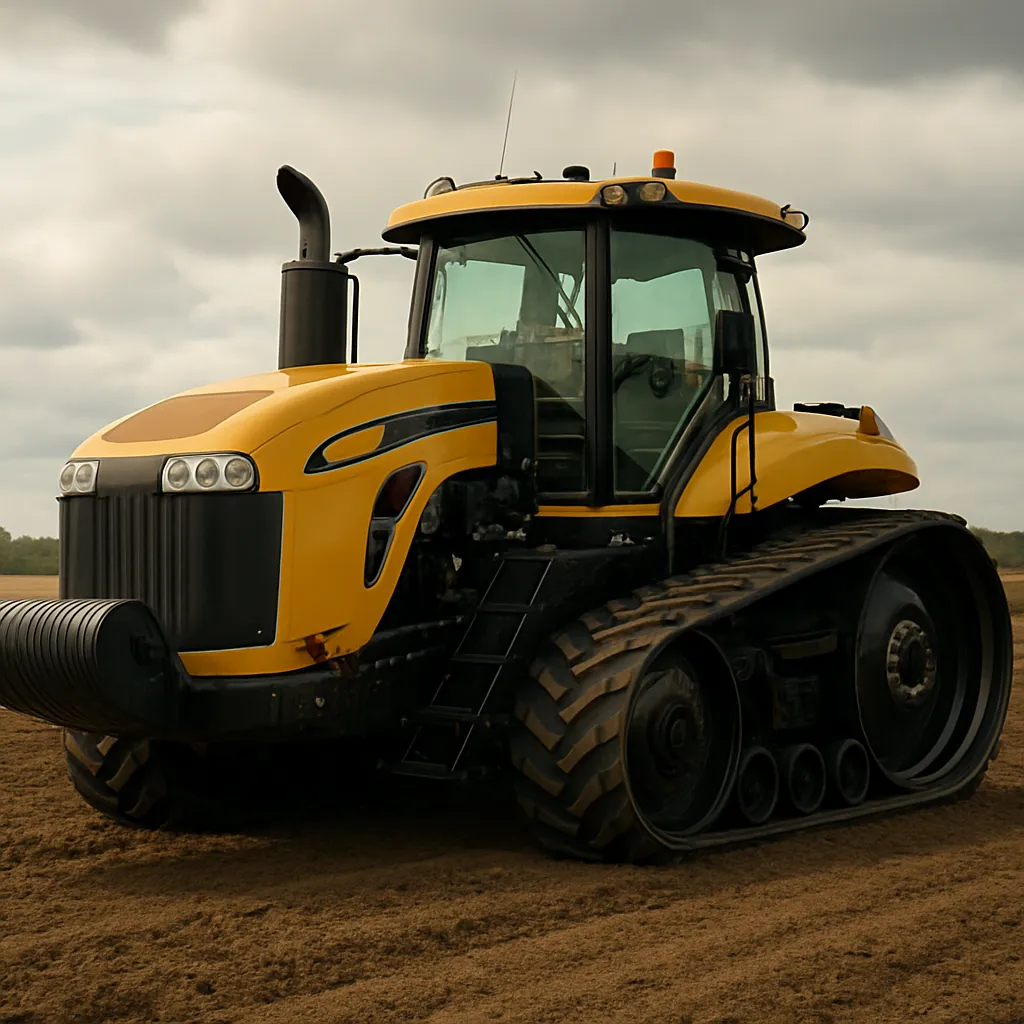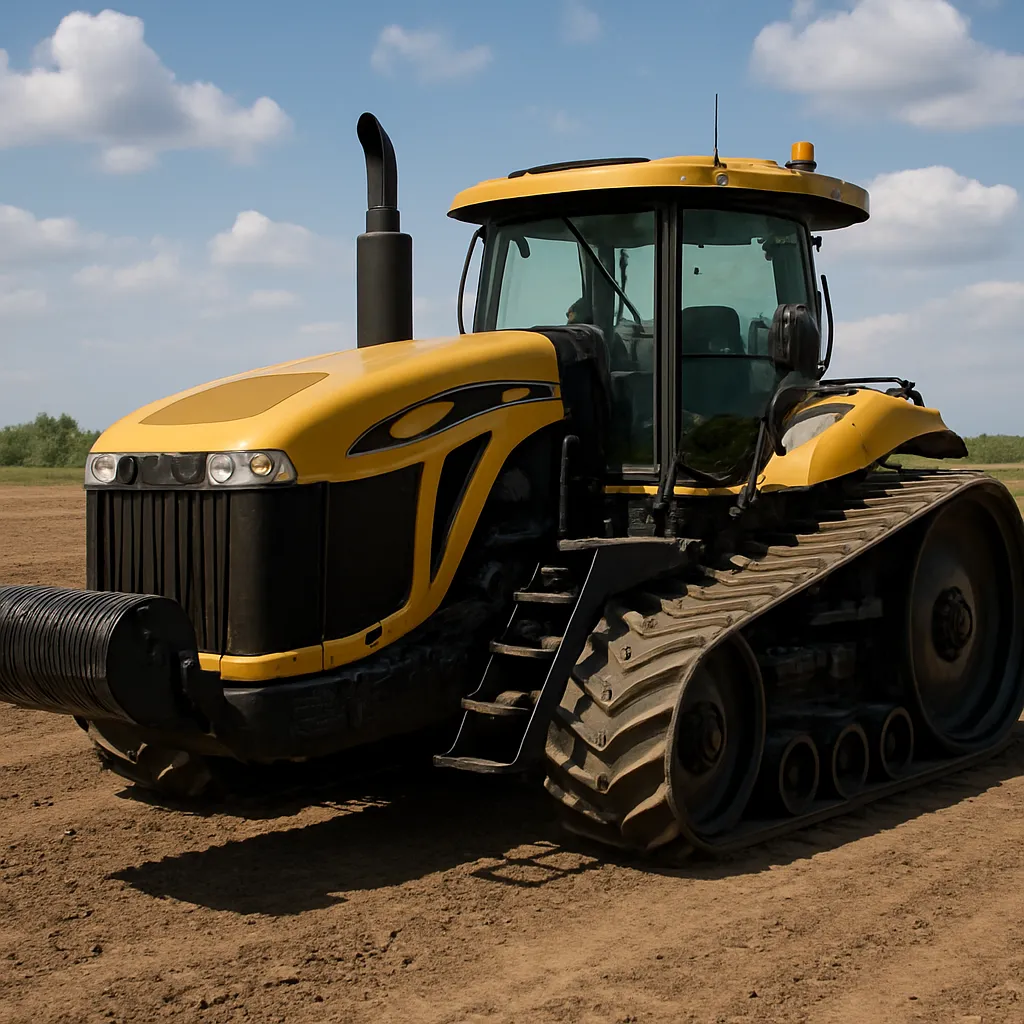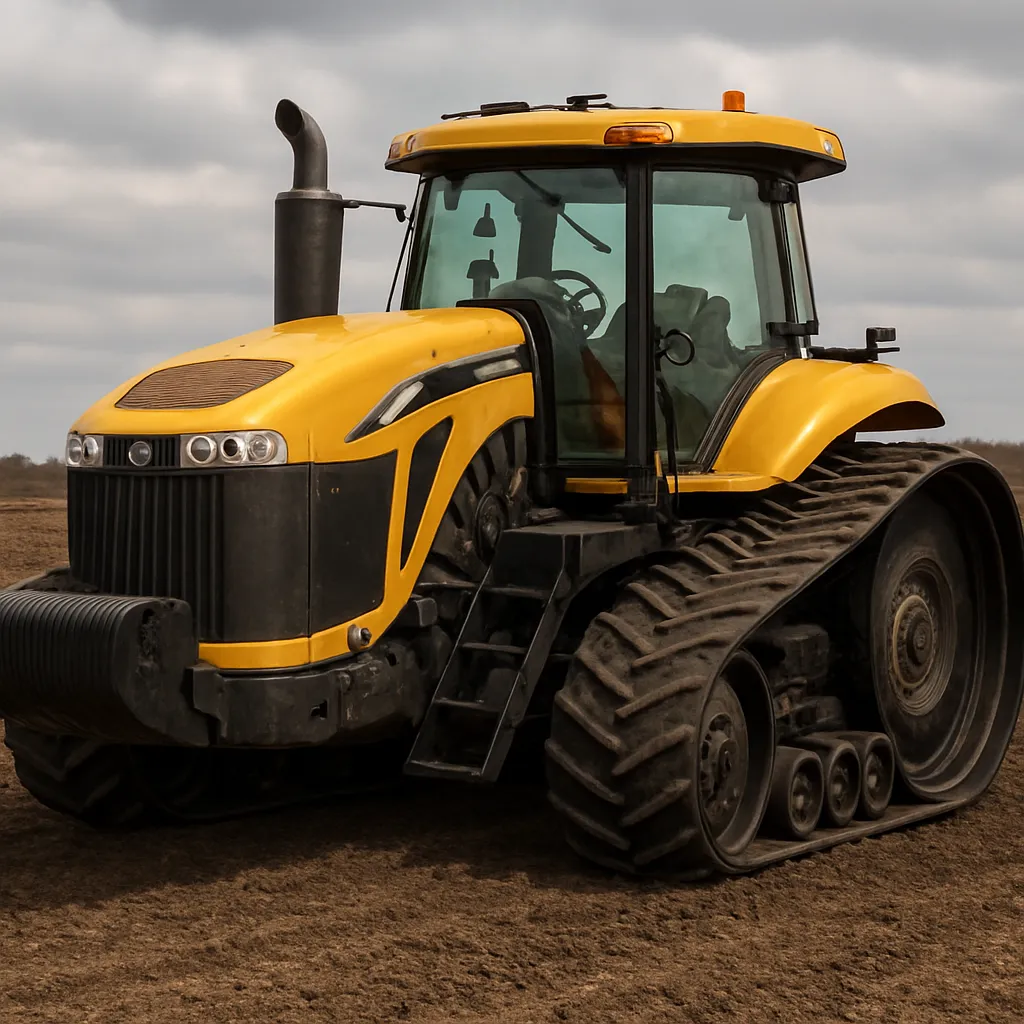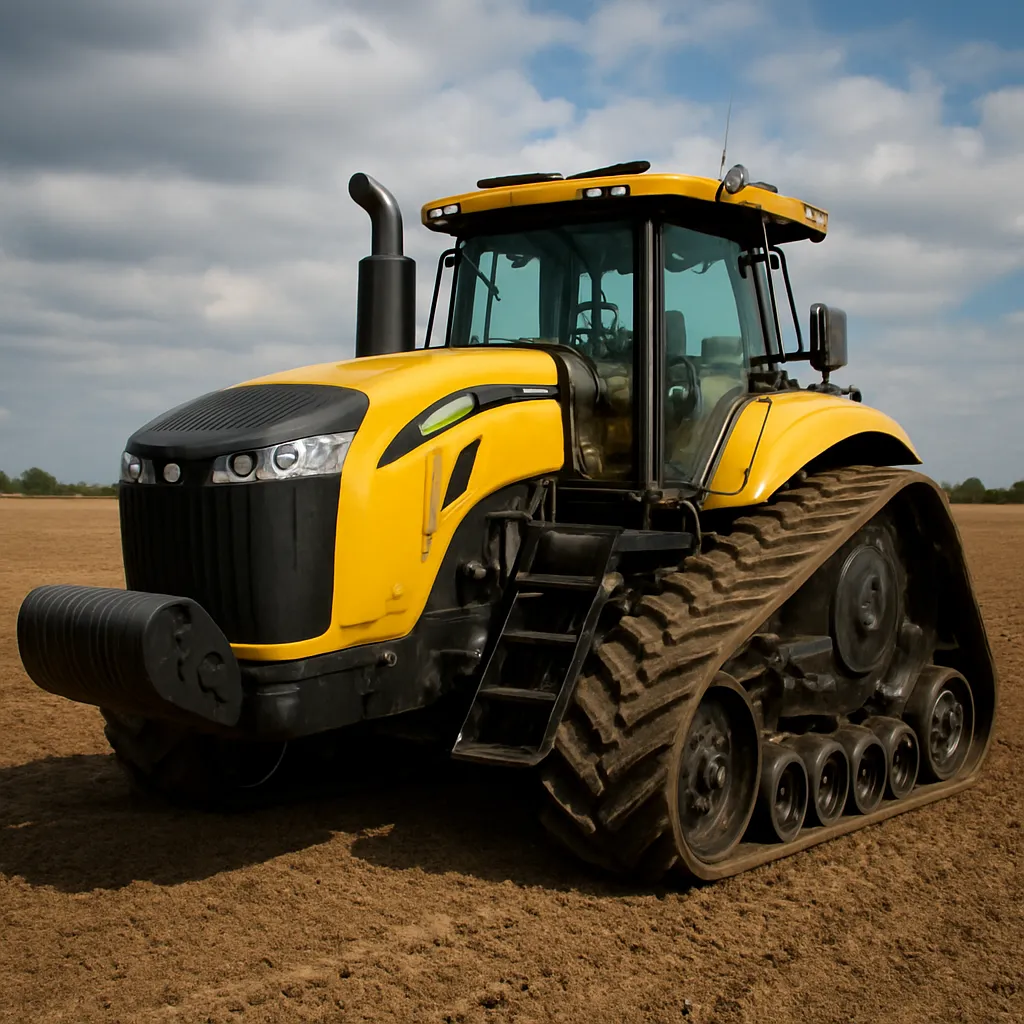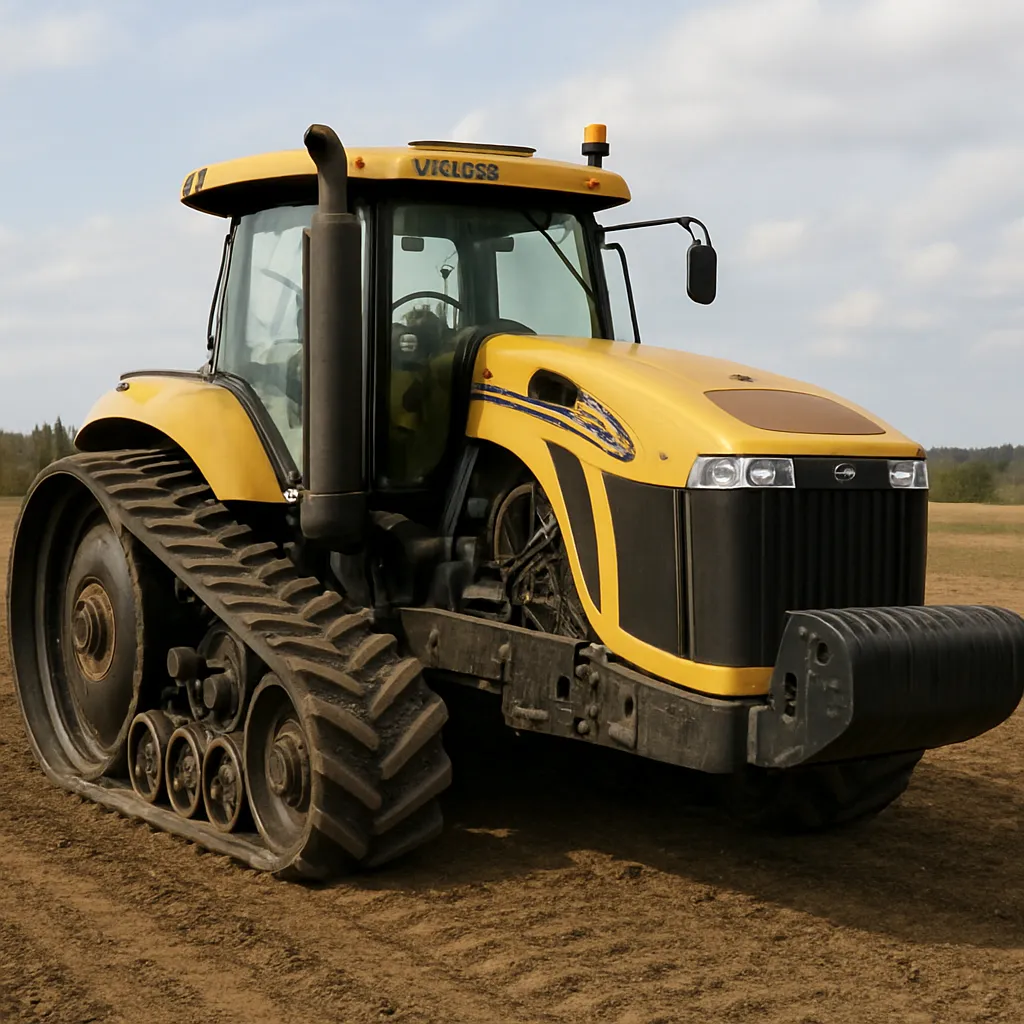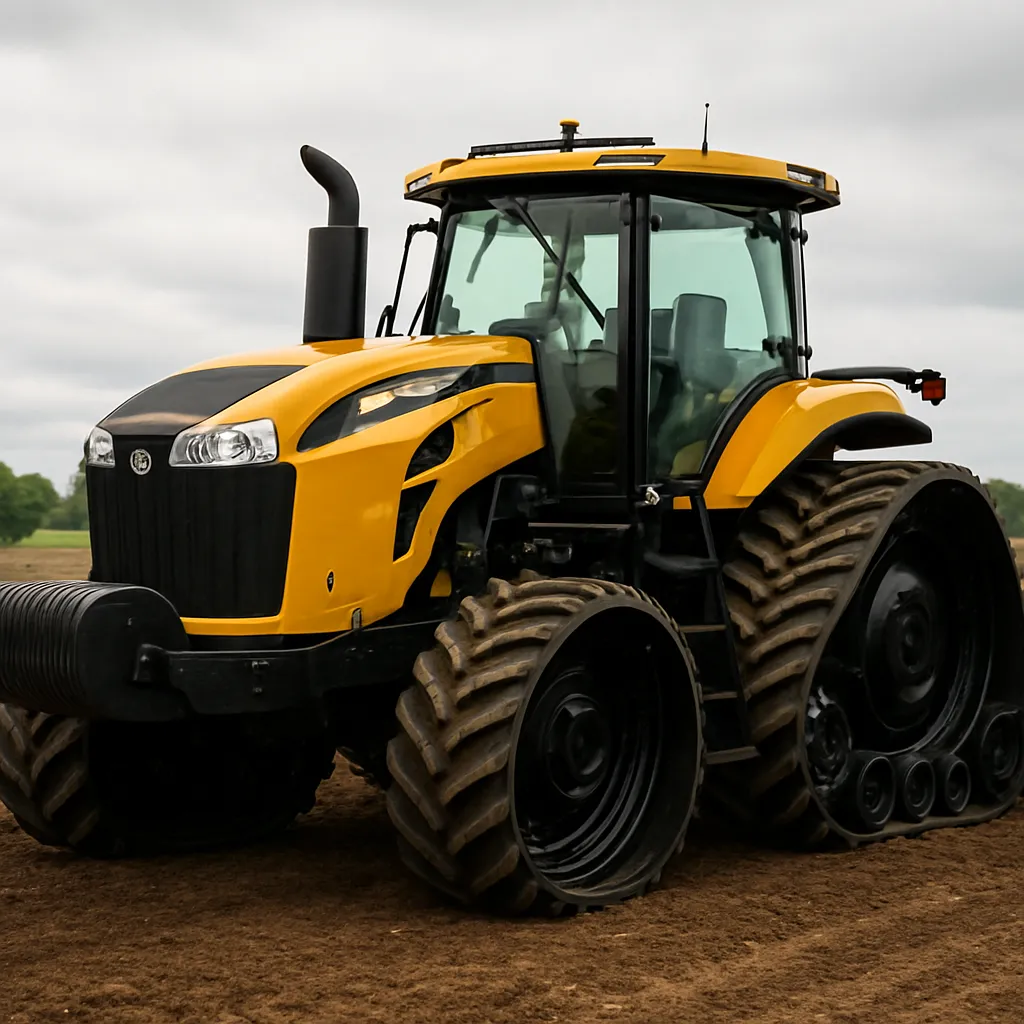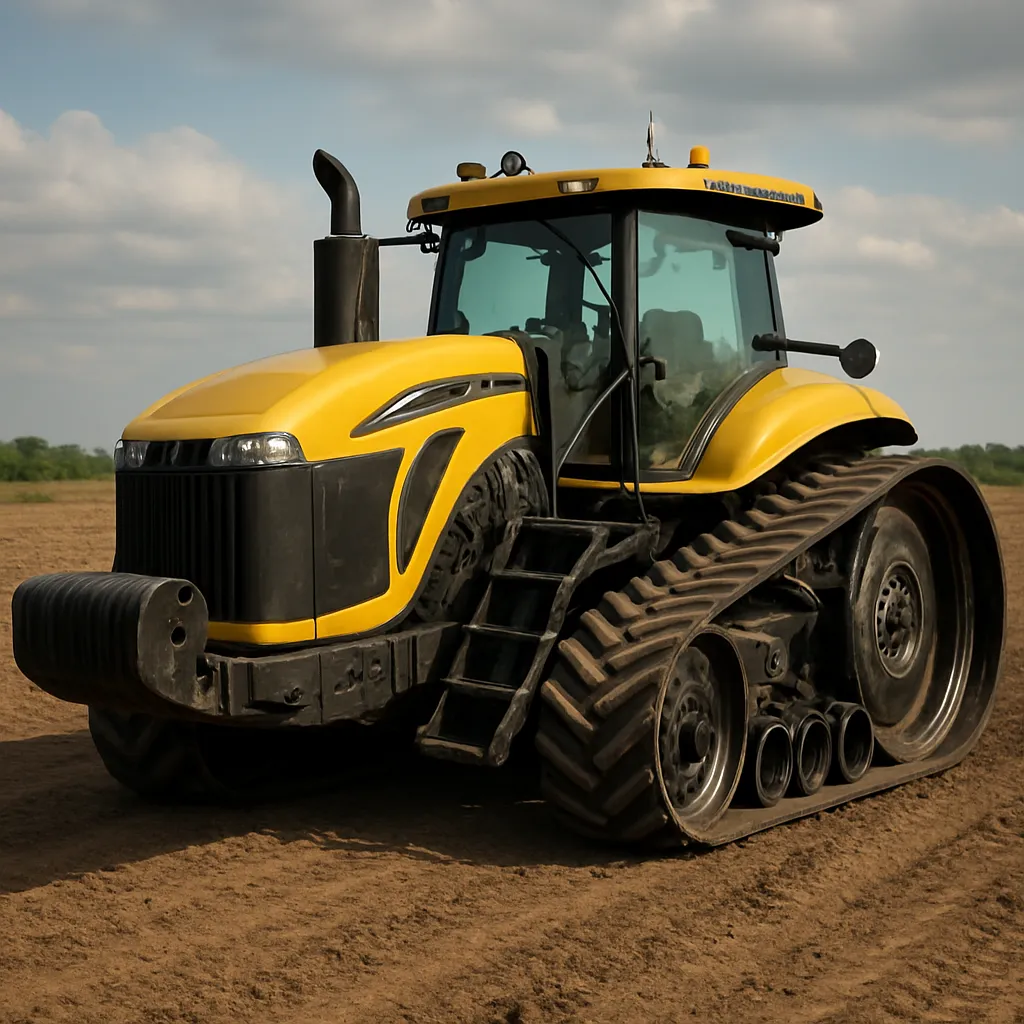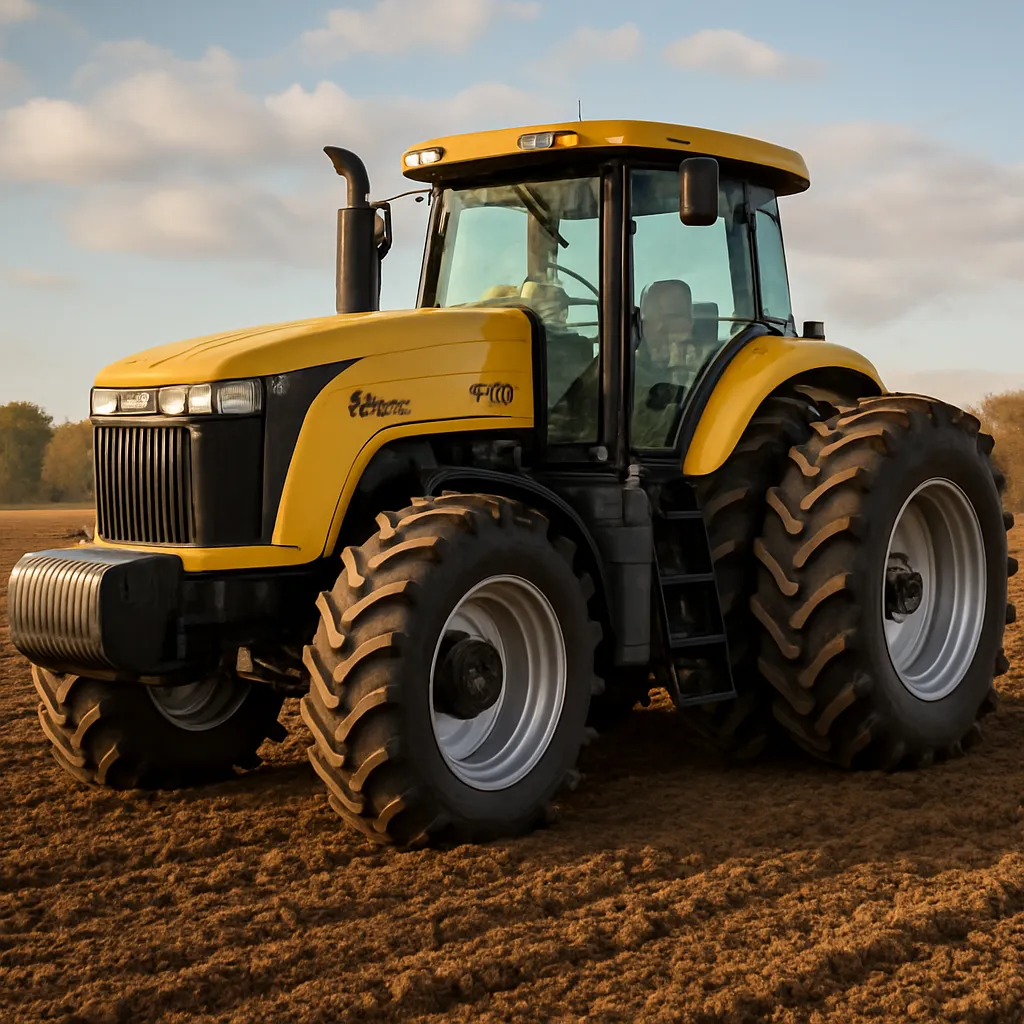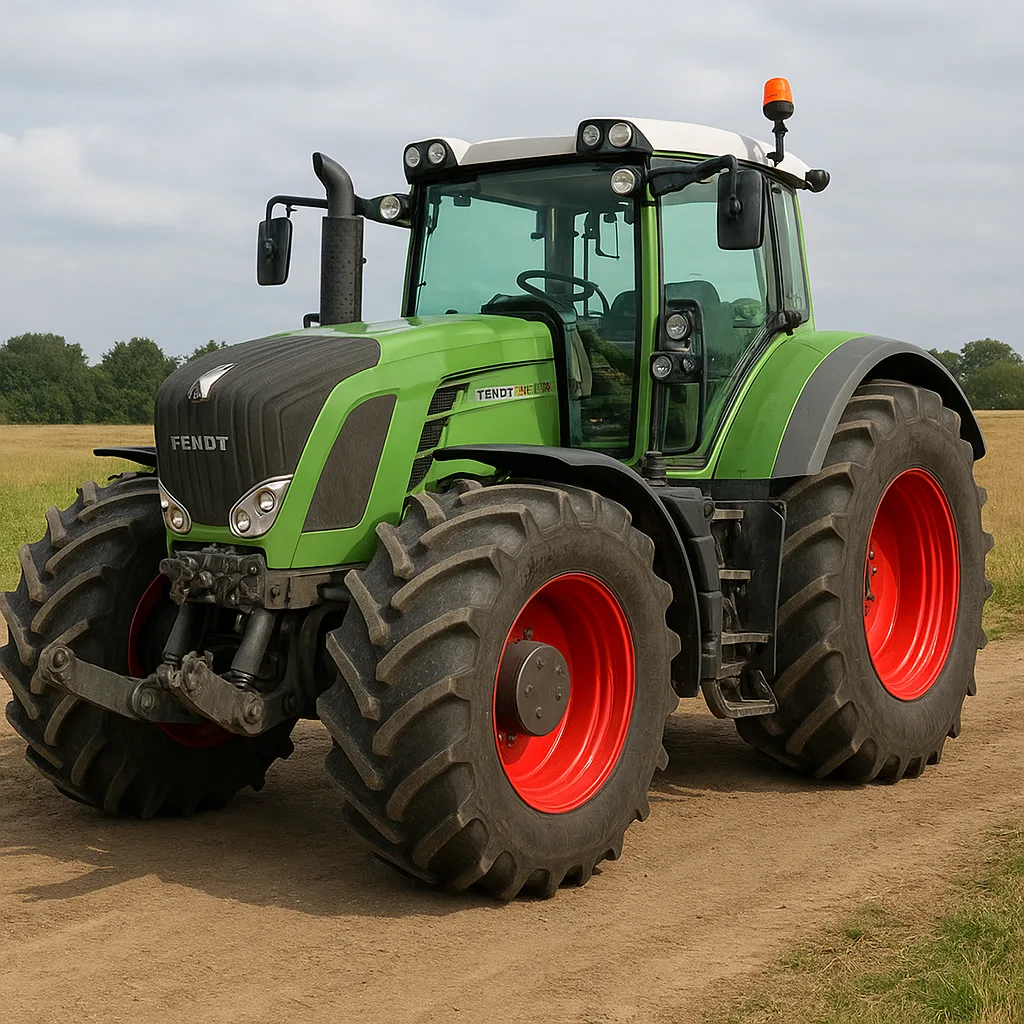
The Fendt 927 Vario represents a high-performance agricultural machine designed to meet the demands of modern farming. This article explores the tractor’s core features, typical applications, technological innovations, and practical considerations for operators and farm managers. It also provides representative technical data and market context where available. The aim is to give a comprehensive view of why this model is valued in large-scale arable, livestock, and mixed farming operations.
Overview and position in the lineup
The Fendt 927 Vario is part of the renowned 900 Vario family, a series intended for heavy-duty fieldwork and demanding transport tasks. As a flagship tractor in its segment, the 927 is engineered for farms and contractors that require a balance of high power, reliability and advanced electronics to optimize productivity and reduce operating costs. The 9-series tractors have long been associated with top-end agricultural capability, integrating advanced drivetrain systems, operator comfort features and scalable precision-agriculture functions.
Engine, drivetrain and performance
At the heart of the 927 Vario sits a powerful engine coupled with Fendt’s stepless transmission technology. The use of a smooth, continuously variable drive provides seamless speed control and improved traction management during field operations. The combination of a torquey diesel engine and the Vario transmission enables responsive acceleration under load and efficient power distribution to wheels and implements.
Power delivery and EPM
Fendt frequently uses Engine Power Management (EPM) systems that allow the engine to temporarily deliver extra output under heavy loads (for instance during PTO or transport peaks). The result is improved productivity when engaging high-resistance implements or when rapid changes in load occur. The transmission can adjust to keep the tractor operating in its most efficient rpm range, reducing fuel consumption while maintaining performance.
Traction systems and driveline options
Advanced four-wheel drive systems, differential locks and selectable traction control are typical options. These features help transfer engine output to the ground with minimal slippage, which is vital for heavy tillage, deep cultivations and transport on loose surfaces. Some configurations include electronic limited-slip differentials and hydraulic suspension systems for the front axle to enhance ride quality and traction.
Hydraulics, PTO and implement compatibility
Hydraulic capability is a major consideration for large implements and front-mounted equipment. The 927 Vario is designed with a robust hydraulic system offering high flow rates and multiple circuit options to reliably power seeders, planters, sprayers, loaders and secondary hydraulic motors.
- High-flow main hydraulic pumps for continuous implement operation
- Multiple remote valves with adjustable flow and timing parameters
- Rear and mid-PTO options to support a wide range of implements
- Category-compatible three-point hitch with significant lifting capacity to handle large mounted implements
Connectivity to implements is further enhanced by modern electronic control standards such as ISOBUS, which enables plug-and-play communication between the tractor and many modern implements, centralizing control and reducing setup times.
Precision farming and on-board electronics
One of the 927’s strengths is its suite of precision-agriculture technologies. On-board computers manage guidance, section control, variable-rate application and implement automation. The integrated displays provide a comprehensive interface for telematics, performance monitoring and data logging, helping farm managers make informed decisions and document operations for compliance and traceability.
- GPS-assisted guidance and autosteer for reduced overlap and consistent field passes
- Section and swath control to minimize input waste
- Yield and task data logging compatible with farm-management software
- Telematics and remote monitoring for fleet management and preventive maintenance
Operator comfort and cab design
Long operating hours demand ergonomic design and a comfortable environment. The 927’s cab is engineered to reduce operator fatigue through refined suspension, noise insulation and an ergonomic control layout. Visibility is optimized for both implements and field edges, and climate control systems maintain a consistent environment across seasons. Modern control consoles place frequently used functions within easy reach, while customizable displays allow operators to configure the interface to their working preferences.
Additionally, enhanced safety and convenience features—such as multi-zone lighting packages, camera systems for rear and implement views, and easy-access maintenance points—improve daily usability and reduce downtime.
Applications and field use
The 927 Vario is versatile and suitable for a broad range of large-scale agricultural tasks. Typical applications include:
- Primary tillage with heavy ploughs and cultivators
- Large-scale seeding and planting operations, where consistent forward speed and hydraulic control are essential
- Fertiliser and chemical application using mounted or trailed sprayers and spreaders
- Baling and forage harvest support, where PTO performance and hydraulic response are critical
- Heavy transport of trailers and tankers between fields and yards
- Contracting work that requires multi-day reliability, quick implement changes and robust serviceability
The machine’s flexibility makes it a common choice for contractors and large arable farms where a single tractor must perform a wide variety of jobs with different implements.
Fuel economy and operating costs
Fuel consumption, maintenance intervals and resale value play large roles in the long-term cost of ownership. The 927 benefits from engine and transmission calibrations that aim to optimize efficiency per hectare by keeping the engine operating in its most economical band and by reducing the number of gear changes and clutch engagements. Additionally, regenerative braking features on modern models can recapture energy during transport, while predictive management systems help reduce idle time.
Real-world fuel consumption will depend on tasks, terrain, implement load and operator technique. Heavy tillage will raise specific consumption relative to lighter tasks like transport or spraying. Proper matching of implement size to tractor capacity and attentive maintenance are important ways to keep operating costs predictable.
Maintenance, reliability and service
Large-scale operations require machines that are easy to service and reliable under tough conditions. The 927 Vario generally includes design features meant to simplify daily checks and routine servicing: accessible filters, grouped service points and durable component choices. Engine and transmission diagnostics, often available via the on-board electronics and remote telematics, reduce diagnostic time and help plan service interventions.
Service contracts and dealer support networks are common with premium brands, which can reduce downtime risk for contractors. Planned maintenance intervals and OEM parts availability are essential factors when evaluating lifecycle costs.
Safety and regulatory considerations
Modern tractors must meet safety and emissions standards. The 927’s engine control and after-treatment systems are designed to comply with prevailing emissions regulations in its sales regions. Operator safety features—rollover protection, automatic parking brakes, lighting and signaling options—support safe field and road operation. Additionally, integrated telematics and logging can assist in regulatory reporting, such as for pesticide application or cross-compliance schemes.
Representative technical data (typical values and notes)
Exact numbers depend on the model year, regional specification and optional equipment. The following figures are representative of the 9-series class and similar 927 branded tractors; confirm factory data or dealer documentation for precise, model-year-specific figures.
- Engine: six-cylinder turbocharged diesel (regional variations in displacement and tuning)
- Rated power: approximately in the high-200s horsepower range (commonly referenced around 270 hp); peak boost may provide additional temporary output under load
- Transmission: continuously variable CVT (Vario) with smooth speed regulation from crawl speed to transport speeds
- Hydraulic system: multiple pump options with high-flow auxiliary circuits to power large implements
- PTO options: rear PTO with multiple speed selections and optional mid-PTO configurations
- Lift capacity: robust rear three-point hitch capable of lifting large mounted implements used in primary tillage and seeding
- Maximum permitted road speed: configurable (commonly between 40 and 60 km/h depending on local regulations and gearbox options)
- Weight and ballasting: base mass that can be supplemented with front and rear ballast to optimize traction and ground pressure
Market context and typical customers
Farmers running large arable operations, livestock enterprises with significant forage demands and contractors who must complete varied tasks quickly and reliably are primary customers for this class of tractor. The investment in a high-capability tractor is balanced by machine utilization: the more hours and varied jobs a machine performs, the more economical the investment becomes. Fendt’s market positioning focuses on premium features, operator-centric design and advanced electronics which attract buyers looking for long-term productivity gains rather than lowest purchase cost.
Environmental and sustainability aspects
Modern tractors, including models like the 927 Vario, evolve with emissions-control technologies and fuel-efficiency improvements that reduce greenhouse-gas intensity per hectare. Precision-farming tools reduce overlap and over-application of inputs, which lowers the environmental footprint of operations. Furthermore, efficient powertrains and the option to pair tractors with more sustainable fuels or biofuels (where supported) contribute to farm-level sustainability initiatives. Effective maintenance and correct implement matching also reduce unnecessary fuel use and soil compaction, indirectly supporting soil health.
Buying considerations and lifecycle planning
When evaluating a tractor like the 927 Vario, buyers should consider:
- Typical annual hours and primary tasks — ensure the tractor’s class and options match operational needs
- Service network and parts availability in the buyer’s region
- Financing, warranty packages and trade-in or resale estimates
- Available precision-agriculture packages and whether they are compatible with existing farm systems
- Operator training needs—advanced electronics and autonomous features require familiarization
Long-term value is influenced by how well the machine is maintained, the dealer support network and the flexibility of the tractor to accept new implements or control systems as farm practices evolve.
Conclusion
The 927 Vario is designed to deliver high productivity, versatility and operator comfort for demanding modern agricultural operations. Its blend of robust mechanical systems, advanced hydraulics and sophisticated electronics makes it suitable for a wide range of tasks from deep tillage to precision seeding and long-distance transport. Farms and contractors considering this class of machine should carefully match specifications to intended use, evaluate total cost of ownership, and plan for operator training and service support to maximize the tractor’s contribution to overall farm efficiency.
Overall, the Fendt 927 Vario stands as a representative example of premium large-frame tractors: engineered to handle heavy workloads while offering the tools necessary to support precision farming, sustainability goals and efficient fleet management.