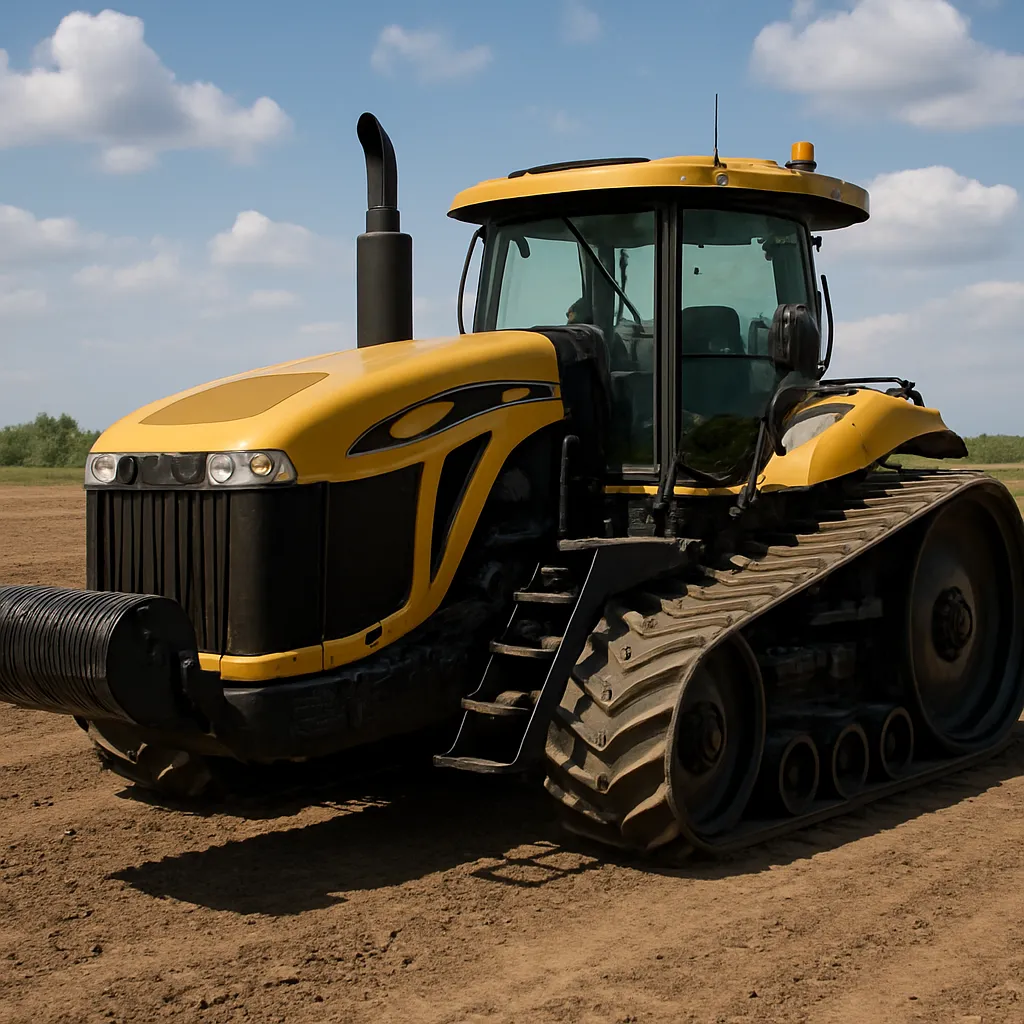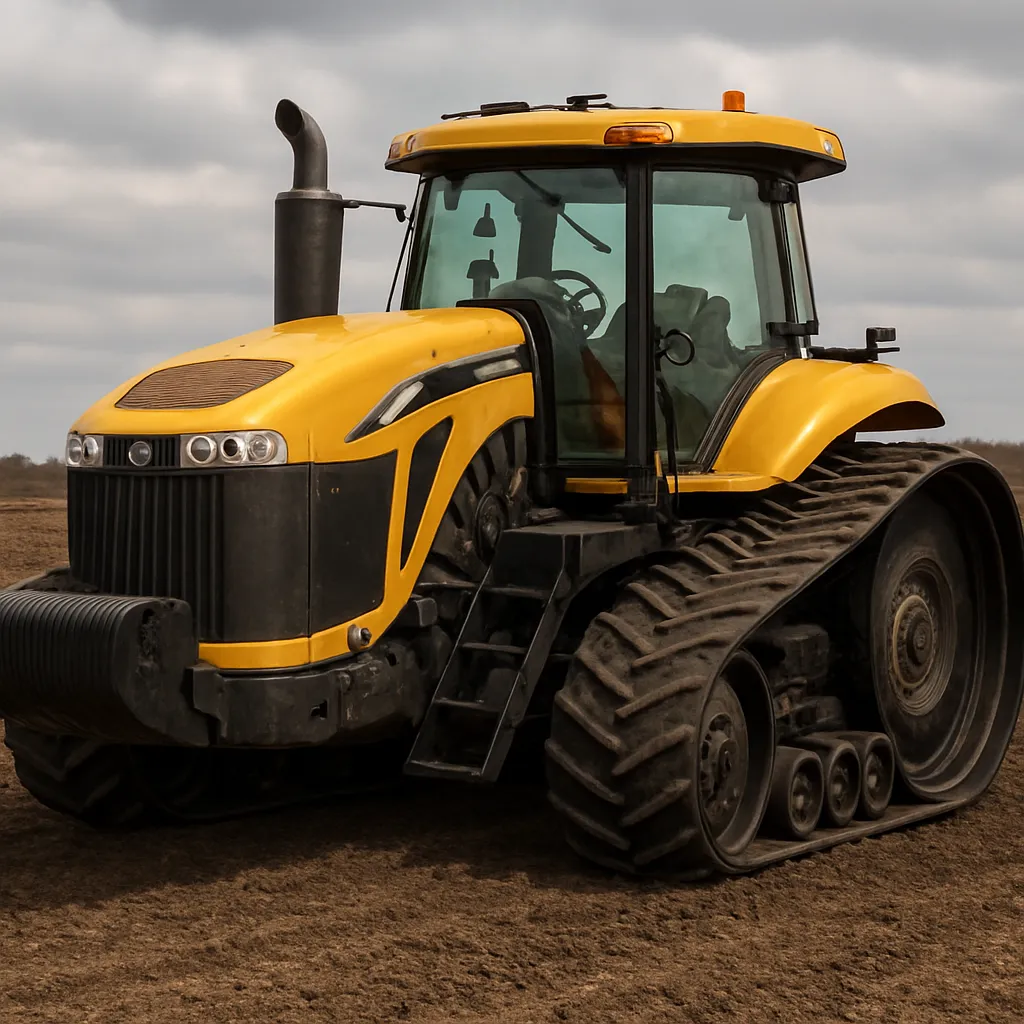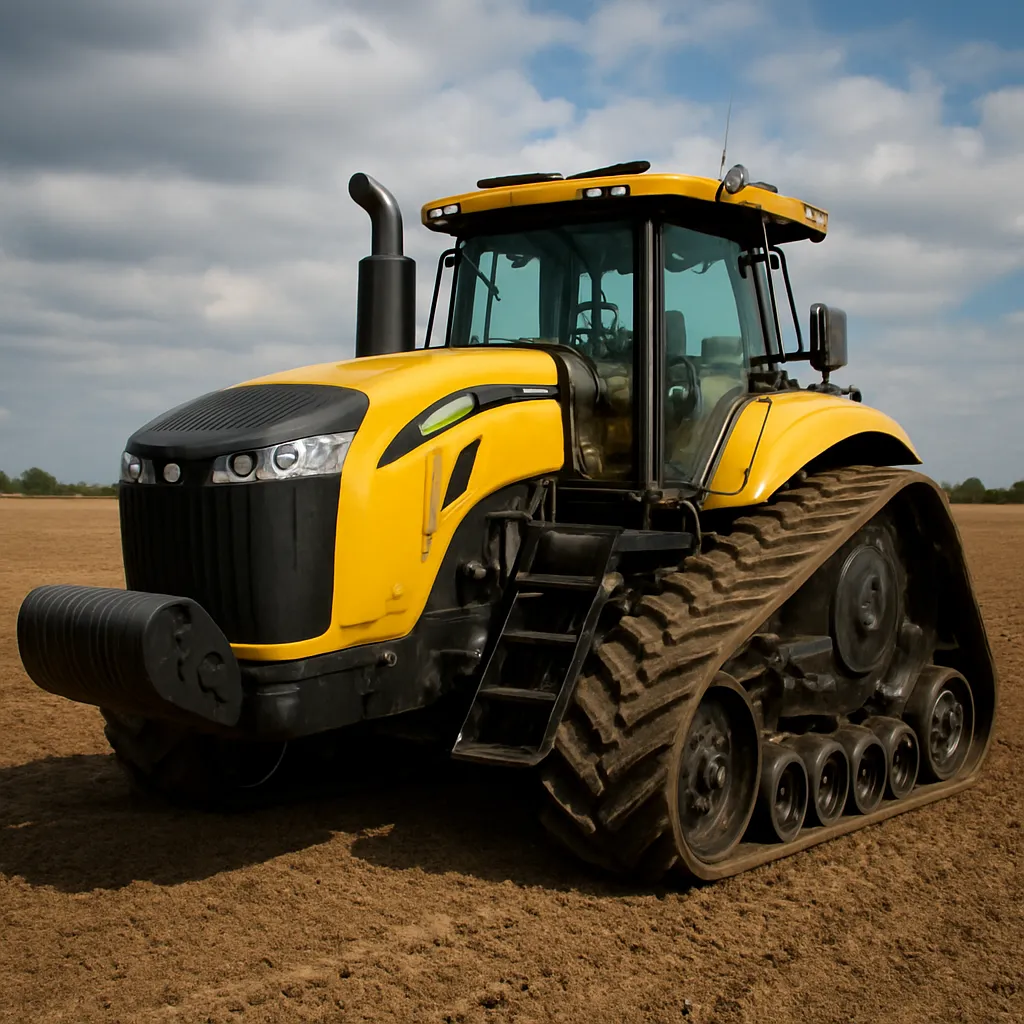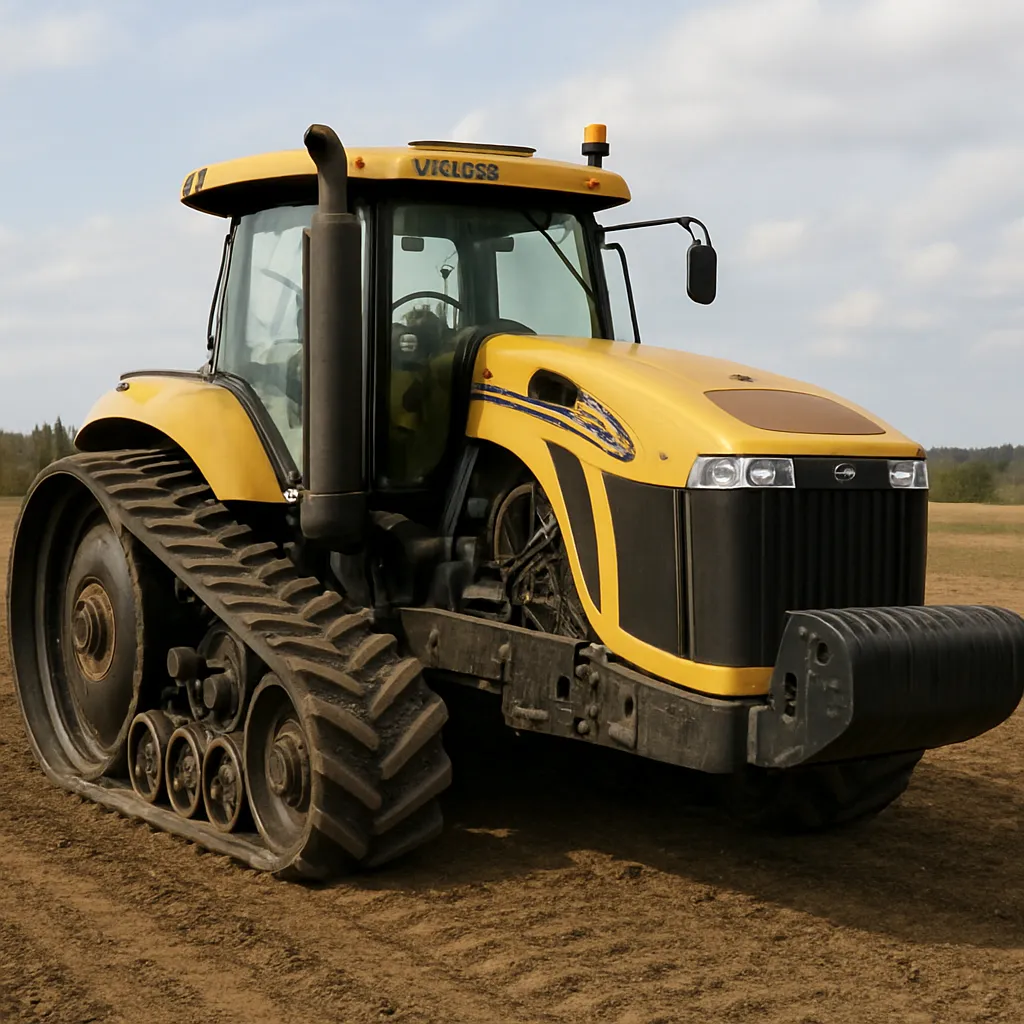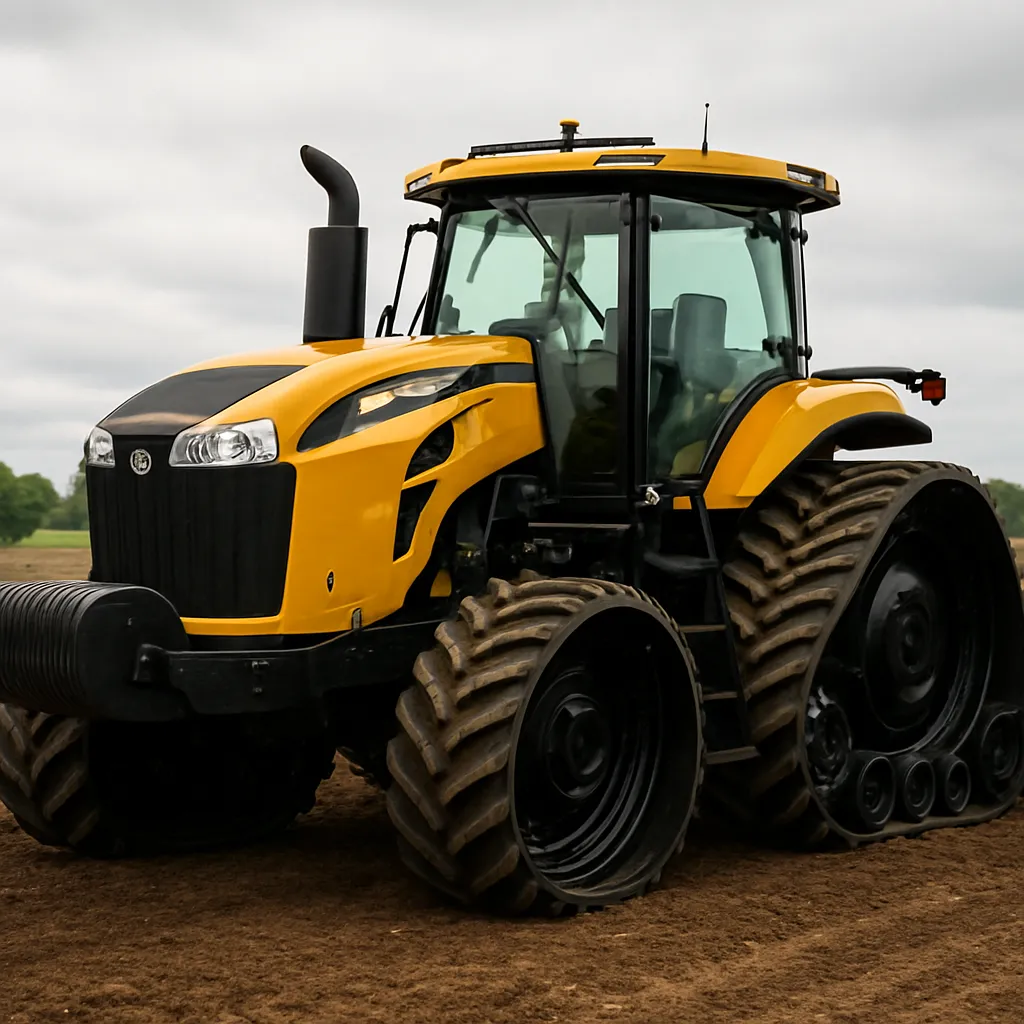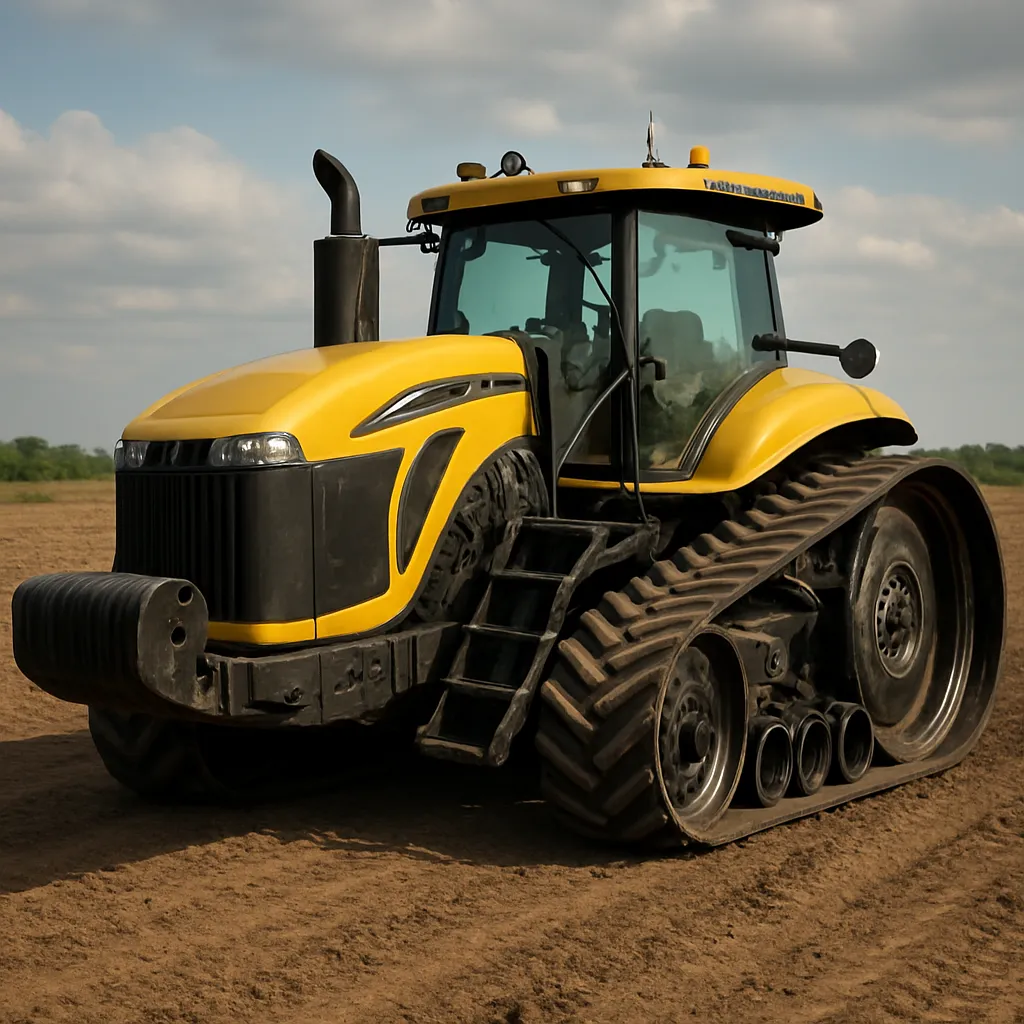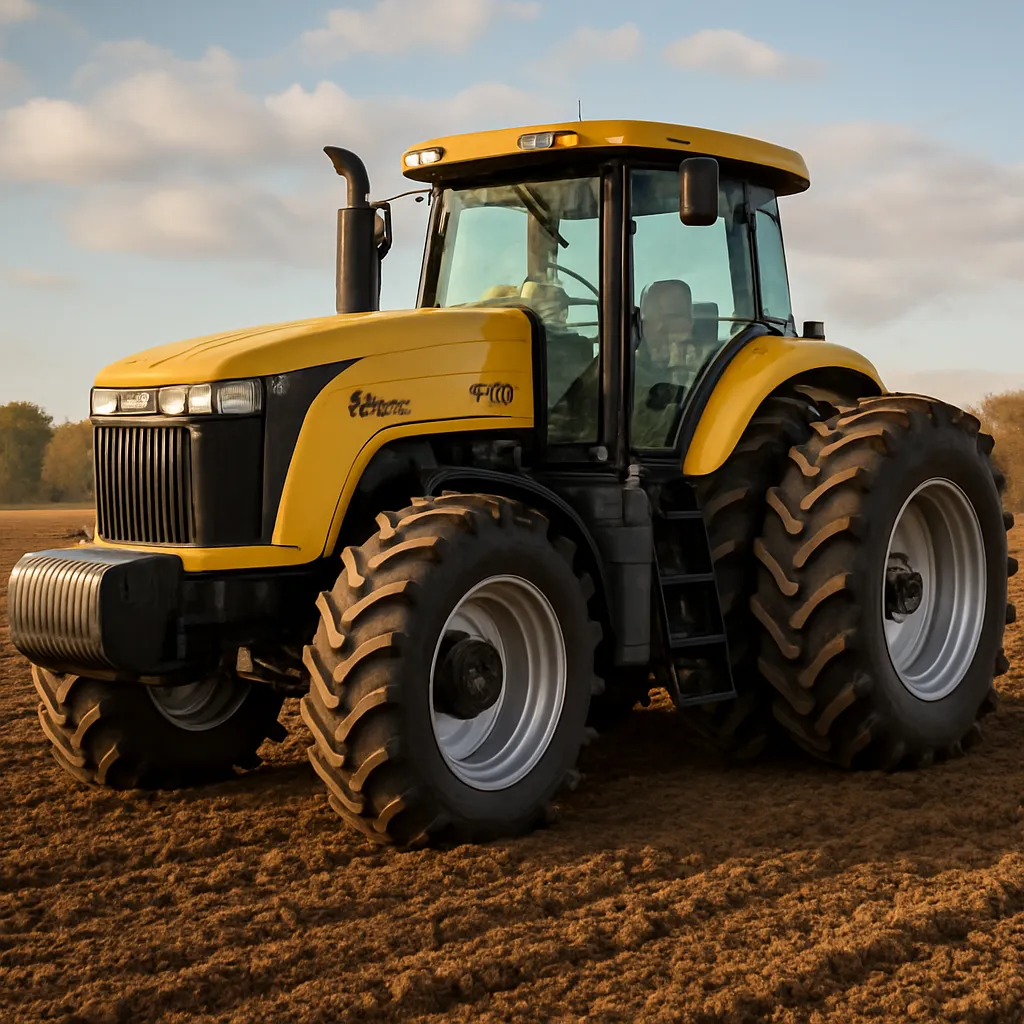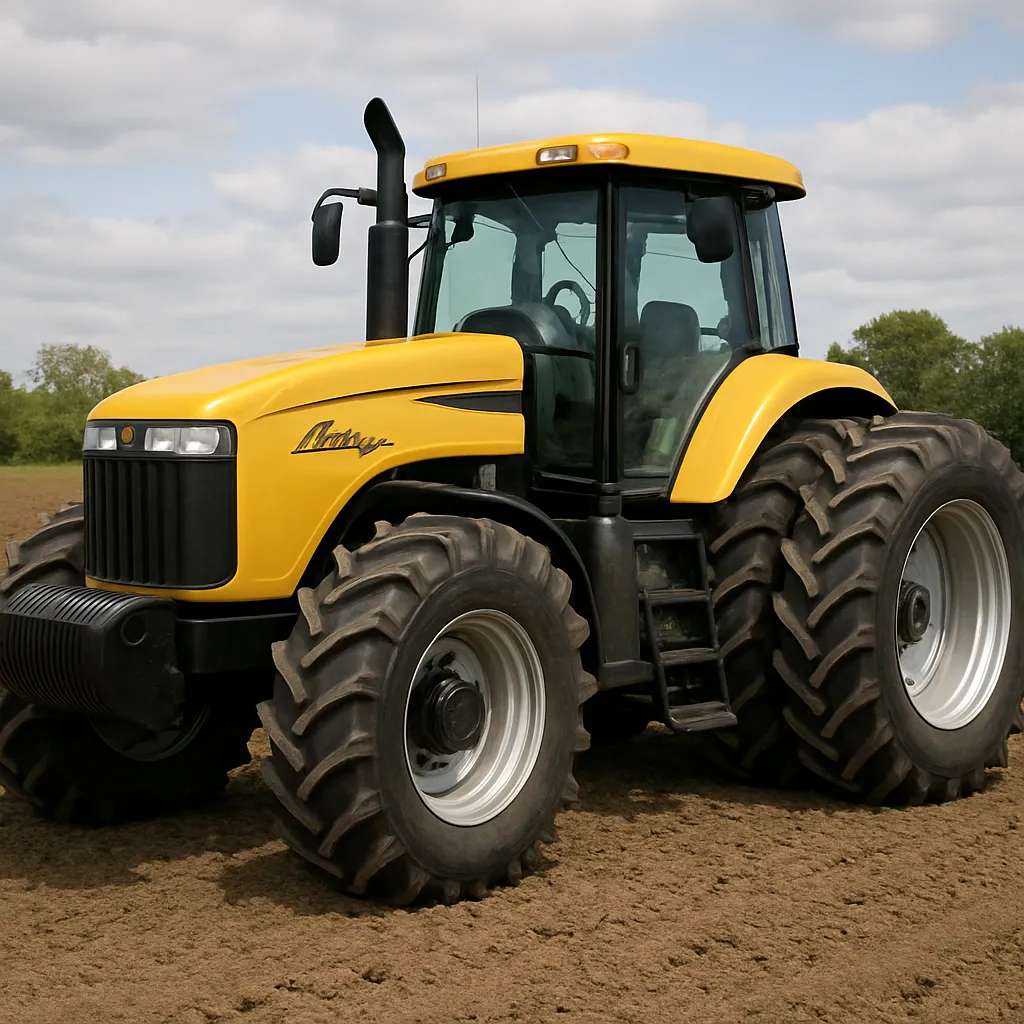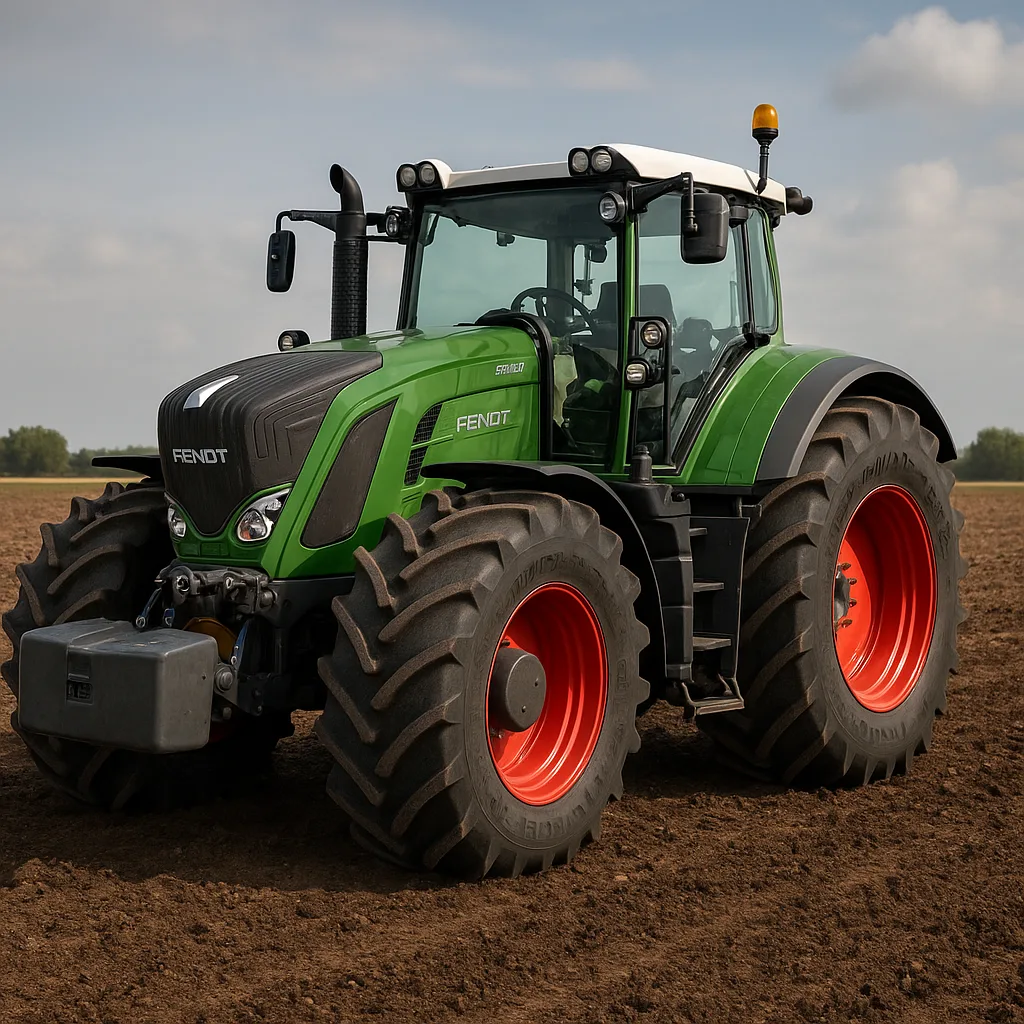
The Fendt 939 Vario is a high-performance agricultural tractor that combines robust engineering with advanced electronic systems to meet the demands of modern large-scale farming, contracting and multifunctional land management. Built to deliver a balance of power, comfort and efficiency, the 939 Vario is part of Fendt’s renowned 900 Vario family, known for its continuous variable transmission, sophisticated hydraulics and operator-focused cab design. This article explores the tractor’s construction, capabilities, typical applications, and technical highlights to give a comprehensive picture of where and how the Fendt 939 Vario is used, along with practical considerations for farm managers and operators.
Design and engineering philosophy
Fendt designed the 939 Vario around a philosophy of integration: mechanical reliability combined with intelligent electronics. The tractor emphasizes strong components—frame, axles and powertrain—that are engineered to work seamlessly with advanced control systems. The result is a machine that can sustain heavy workloads while improving operator productivity and reducing inputs such as fuel.
Chassis, engine and transmission
The frame and undercarriage of the 939 Vario are built for durability under high towing and lifting loads. The tractor typically uses a powerful six-cylinder engine tuned to deliver high torque at low RPMs, which enhances tractive effort and reduces fuel consumption in fieldwork. The hallmark of the model is the continuously variable Vario transmission, which provides stepless speed control, smooth power delivery and optimal engine load management during a wide range of tasks.
Cab and operator ergonomics
Operator comfort is a central design element. The cab offers panoramic visibility, climate control, adjustable seating, and logically arranged controls. Integrated displays and controls reduce operator fatigue and improve task precision. This focus on ergonomics translates directly into longer productive shifts and reduced downtime related to operator discomfort.
Performance and technical specifications
Below are the characteristic performance aspects and commonly cited technical figures for the Fendt 939 Vario. Values can vary depending on the production year, optional packages and market-specific configurations; the figures provided are representative ranges.
- Engine power: approximately 350–400 metric horsepower (commonly quoted around 380–390 hp at peak boost in some configurations).
- PTO power: often rated slightly lower than engine peak, typically in the 300–360 hp range depending on drivetrain configuration and transmission losses.
- Torque: high peak torque available at low engine speeds to improve pulling power and fuel economy.
- Transmission: Fendt continuously variable Vario transmission with a wide speed range and multiple operating modes for field, transport and precision work.
- Hydraulic flow: substantial hydraulic capacity for large implements—implement pump flows often exceed 160–220 L/min in many configurations, with additional options for high-flow circuits.
- PTO speeds: multiple PTO speed options (e.g., 540/1000 rpm) to suit a wide variety of implements.
- Axle and weight: heavy-duty front and rear axles designed to handle significant payloads and tractive forces; operating weight generally ranges between 10,000 and 13,000 kg depending on ballast and attachments.
- Fuel capacity: large tanks to support extended field operations without frequent refuelling, commonly in the range of 500–700 liters depending on configuration.
- Top speed: high transport speeds up to legal road limits in many markets (e.g., 40–60 km/h depending on gearing and country regulations).
These specifications make the 939 Vario suitable for high-intensity tasks requiring both sustained horsepower and flexible speed control.
Typical applications and use cases
The Fendt 939 Vario is a versatile machine used across many agricultural and land-management scenarios. Below are the most common areas of application.
Arable farming
Large arable operations frequently deploy the 939 Vario for primary tillage (ploughing, subsoiling), planting and seedbed preparation, and heavy traction tasks such as pulling large cultivators and seed drills. The strong torque curve and Vario transmission allow precise speed management during seeding and tillage, which improves seed placement and reduces fuel consumption.
Harvesting and transport
During harvest, the 939 serves as a haulage tractor for trailers and chaser bins, transporting grain and silage between fields and storage. Its high road speed options and comfortable cab make long transport runs more efficient and less fatiguing for operators.
Forage and livestock operations
In mixed or livestock farms, the 939 Vario handles heavy-duty implements such as forage harvesters, mowers, balers and feed mixers. The high hydraulic flow and PTO capacity allow it to operate demanding machinery required for large-scale forage production and livestock feeding systems.
Contracting and specialized services
Contractors benefit from the 939’s power-to-weight ratio, reliability and flexible electronics, making it suitable for tasks ranging from land preparation to precision application of pesticides and fertilizers. The advanced electronics facilitate quick changeover between implements and job documentation, which is critical in contracting businesses where time equals money.
Technology features and precision agriculture
Fendt equips the 939 Vario with a range of technological features that bring precision, connectivity and automation to everyday farm tasks. These systems are focused on improving productivity while lowering costs.
- Vario transmission: the core of the drivetrain, enabling stepless speed control, adaptive power management and efficient transfer of engine output to the wheels.
- ISOBUS compatibility: standardized implement communication for plug-and-play control of compatible machines, reducing setup time and minimizing operator error.
- Precision farming tools: GPS guidance, auto-steer, section control and variable-rate application integration that reduce overlap, save inputs and increase yield consistency.
- Telematics and fleet management: remote monitoring systems for operational data, maintenance alerts and job documentation. These systems allow fleet managers and contractors to track fuel use, working hours and implement performance.
- Hydraulic and hitch control systems: electronically controlled rear linkage and hydraulic outputs for precise implement positioning and responsive operation across a range of implements.
These technologies collectively provide measurable advantages: improved input efficiency, faster job completion, and the ability to document operations for regulatory compliance and traceability.
Operational efficiency and economics
High-horsepower tractors like the 939 Vario must justify their cost through improved efficiency and productivity. Several factors contribute to the economic case for this model.
- Fuel efficiency: torque-rich engines and the Vario transmission are optimized for operating at low engine speeds with high load, reducing fuel consumption per hectare compared with older fixed-gear models.
- Lower implement wear: smoother power delivery reduces shock loads on tractors and implements, which can extend the service life of attached machinery and reduce maintenance costs.
- Time savings: higher working speeds and the ability to pull wider implements reduce the hours needed per hectare, increasing the area that can be managed within narrow weather windows.
- Residual value: Fendt tractors traditionally hold good second-hand value in many markets due to brand reputation, build quality and broad aftermarket support.
Decision-makers should weigh acquisition cost against lifecycle benefits including fuel savings, productivity and resale value when considering investment in a 939 Vario.
Maintenance, reliability and service
Maintenance considerations for the 939 Vario reflect its complexity and scale. Owners can expect robust intervals for major services, but advanced electronics and high-pressure hydraulics require knowledgeable technicians and proper diagnostic equipment.
Routine maintenance
- Regular engine oil and filter changes per manufacturer schedule.
- Hydraulic and transmission fluid checks; replacement at recommended intervals.
- Inspection of electronic systems and software updates to ensure compatibility with implements and telematics services.
- Tire and axle checks due to high loads; attention to ballast and weight distribution for optimal traction and reduced soil compaction.
Service network and support
A broad dealer network and manufacturer support are important for uptime. Fendt’s dealer infrastructure commonly provides parts, diagnostics and on-site support. For contractors, access to prompt service can be a deciding factor when selecting machines.
Environmental impact and sustainability
Modern tractors are judged not only by output but also by environmental footprint. The 939 Vario incorporates features that help reduce emissions and improve sustainability:
- Engines designed to meet current emissions standards for the market (Stage V / Tier 4 Final in many regions), employing aftertreatment technologies to reduce particulates and NOx.
- Efficient powertrain operation that reduces fuel consumption and greenhouse gas emissions per unit of work.
- Precision application systems that minimize overuse of fertilizers and crop protection products, reducing environmental runoff and chemical use.
When paired with conservation-oriented farming practices—such as controlled traffic farming and variable-rate seeding—the 939 Vario can contribute to a lower overall environmental impact per hectare.
Market position and comparable models
The Fendt 939 Vario occupies the high-power premium segment of the tractor market. It competes with other manufacturers’ large tractors offering similar power bands and technology suites. Buyers often choose the 939 for its combination of advanced drivetrain, operator comfort and integration with precision-ag technologies.
- Competitive alternatives may offer similar horsepower but differ on features such as cab layout, hydraulic flow, or dealer support packages.
- Fendt’s reputation for innovation and strong resale values are commonly cited reasons for preference among large-scale farms and contractors.
Practical considerations when choosing a Fendt 939 Vario
Selecting a 939 Vario—or any large tractor—requires evaluating farm-specific needs and long-term strategy. Key points to consider:
- Match implement capacity and hydraulic requirements to the tractor’s outputs to avoid bottlenecks.
- Consider typical field sizes and transport distances—larger fields and long transit routes favor high-horsepower tractors with high road speeds.
- Factor in operator comfort and control systems if long operating hours or precision tasks are routine.
- Review maintenance capacity and availability of dealer support for diagnostics, software updates and parts.
- Assess total cost of ownership including fuel use, maintenance, insurance and expected resale value.
Summary of strengths and limitations
The Fendt 939 Vario is a powerful, technologically advanced tractor tailored for demanding agricultural tasks. Its major strengths include the seamless Vario transmission, comfortable cab, high hydraulic capacity and strong integration with precision farming systems. These qualities make it especially valuable for large-scale arable operations, contractors and mixed farms requiring a versatile high-power tractor.
Limitations to consider include higher acquisition and maintenance costs compared with lower-power or simpler tractors, and the need for trained technicians to support advanced electronic systems. For operations that do not regularly require high horsepower or sophisticated electronics, a smaller or simpler model may be more economical.
Key technical highlights at a glance
- Model family: Fendt 900 Vario series
- Engine type: high-torque six-cylinder (market-dependent variants)
- Power range: typically around 350–400 hp (model- and year-dependent)
- Transmission: continuously variable Vario
- Hydraulics: high-flow implement pumps, multiple spool valves
- PTO: standard multi-speed PTO options
- Comfort: panoramic cab, advanced ergonomics, integrated displays
- Connectivity: ISOBUS, GPS-based guidance, telematics