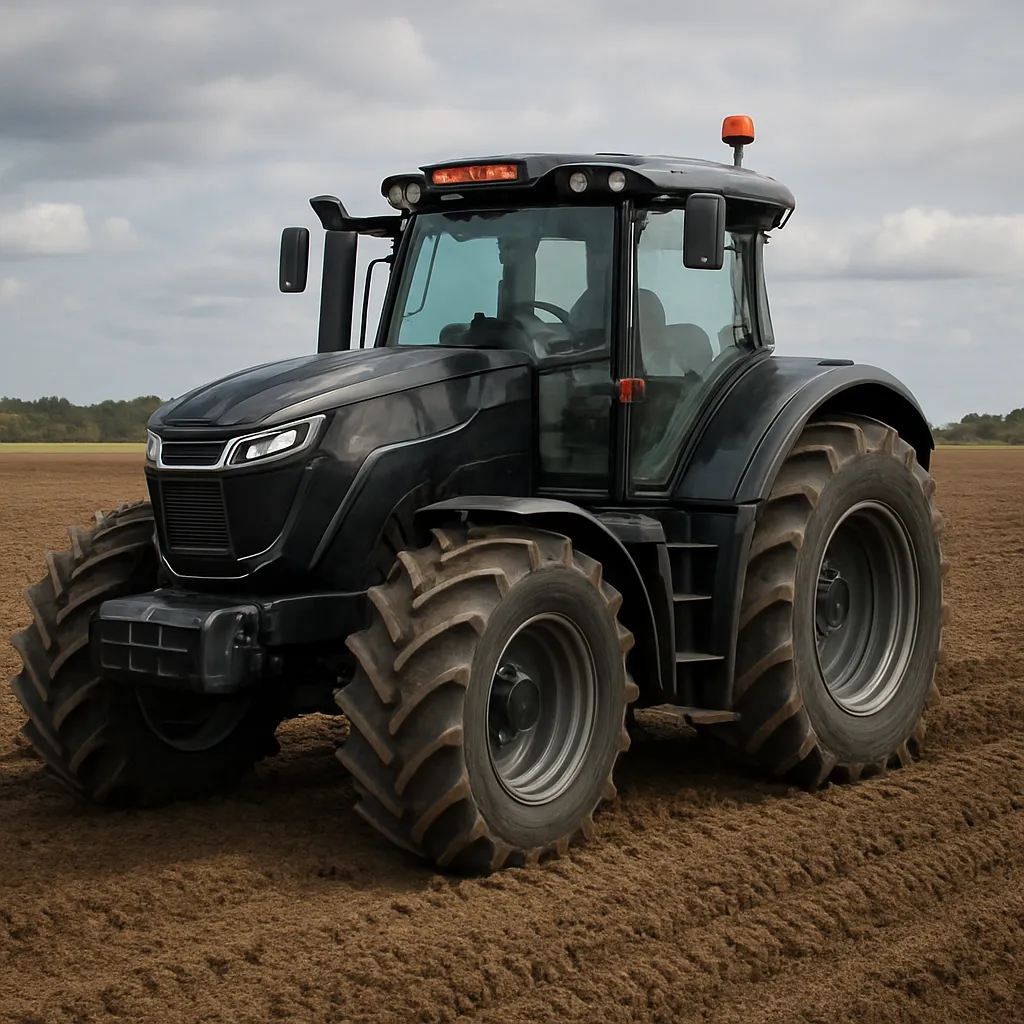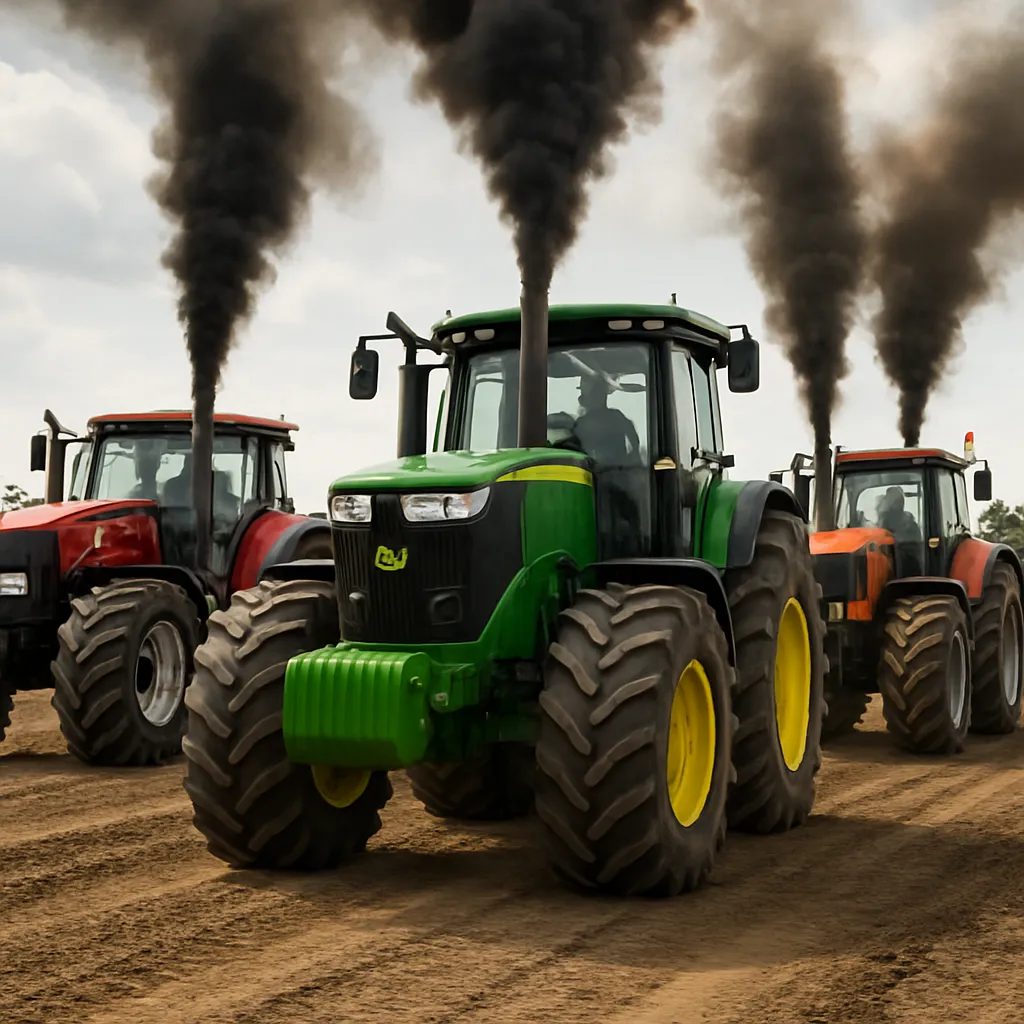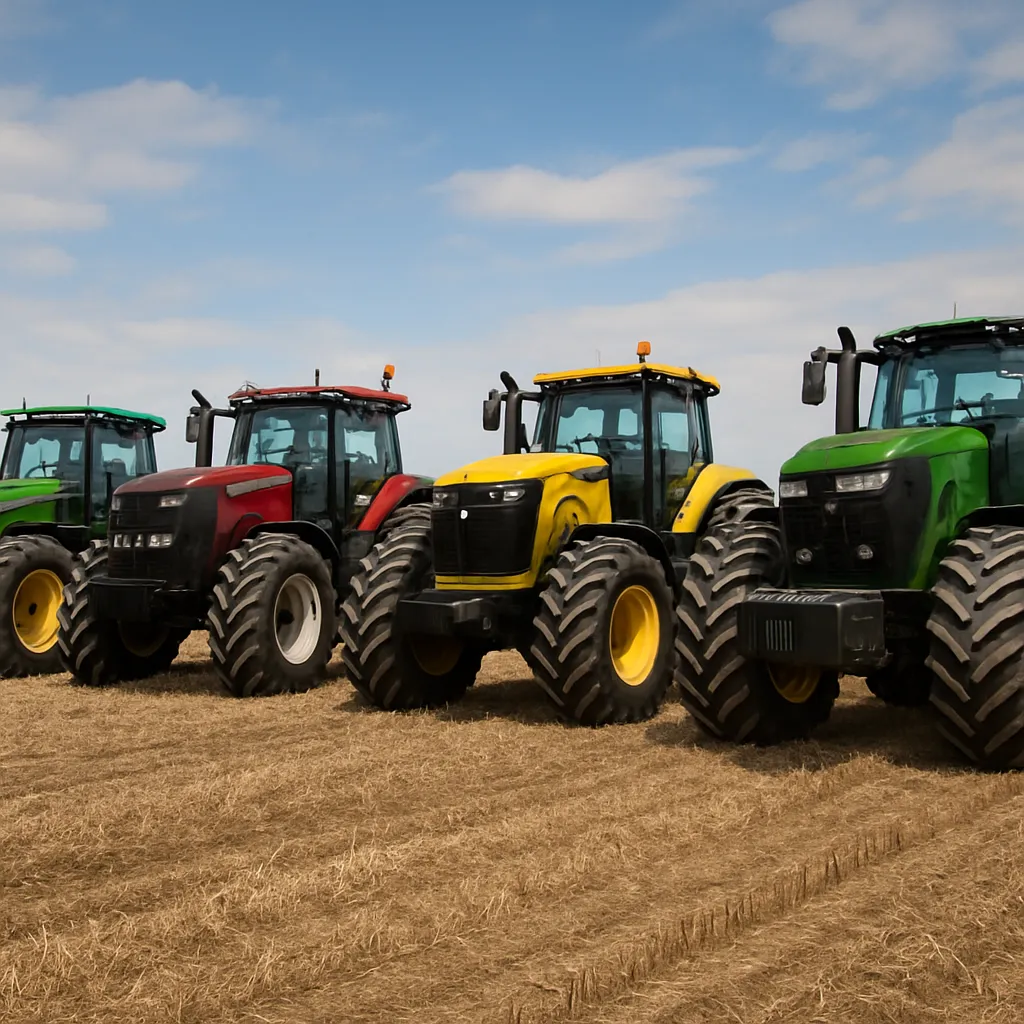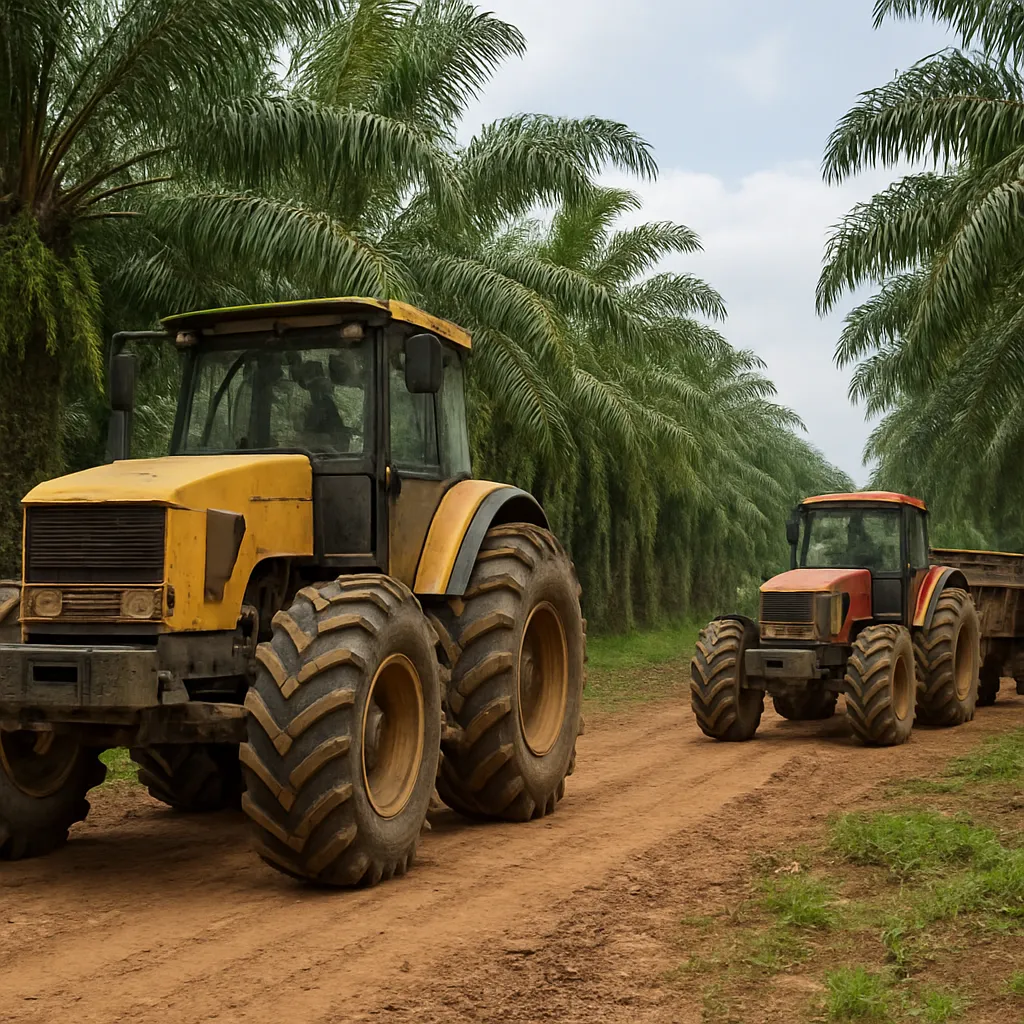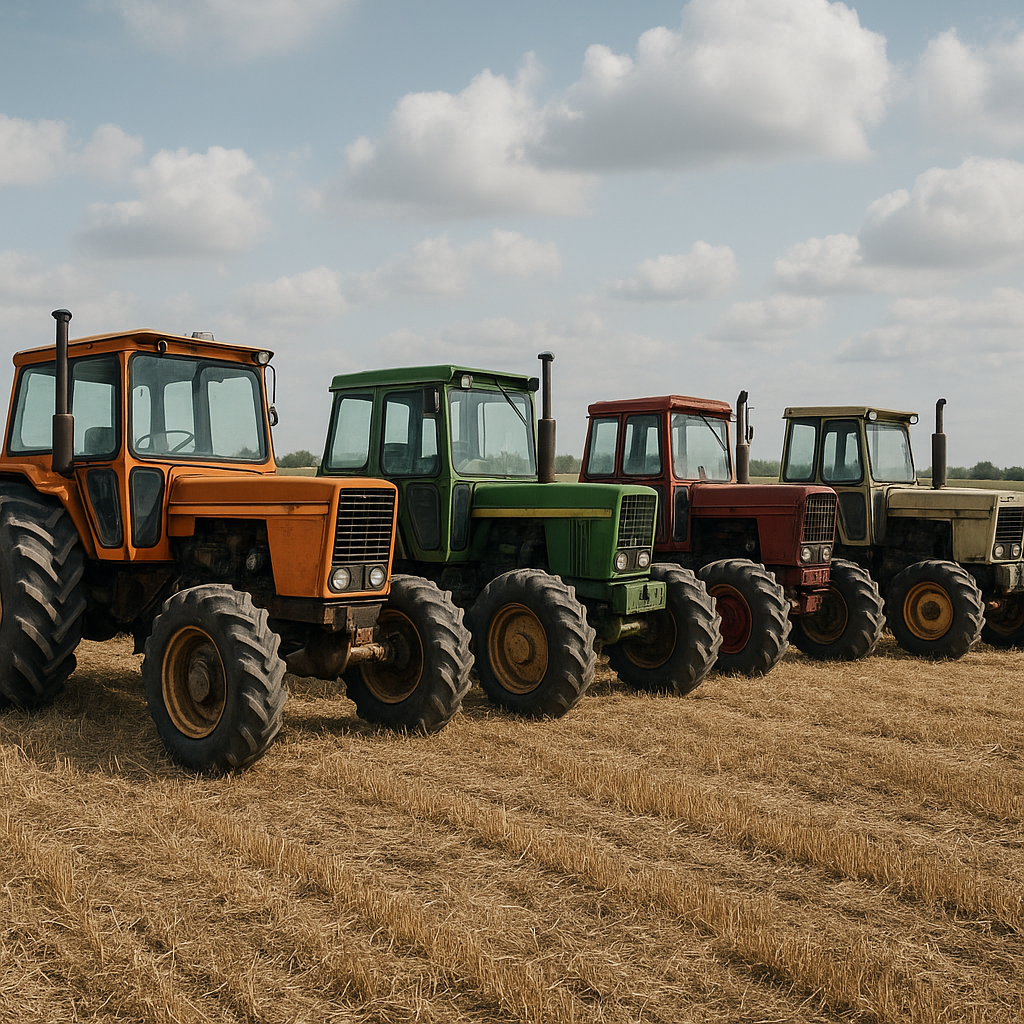
From massive agricultural fields to rugged construction sites, large tractors have etched their mark on the annals of industrial history. These impressive machines are defined by their power, durability, and remarkable longevity. In the following exploration, we dive into a selection of the Top 5 longest-lived large tractors still in active service, examine their groundbreaking engineering, and consider how they’ve shaped modern farming and heavy-duty work.
Origins and Evolution of Massive Tractors
Before the first diesel-powered behemoth rolled off the assembly line, agriculture leaned heavily on animal labor and smaller, less specialized equipment. As farms expanded and demands intensified, manufacturers raced to deliver machines that could handle greater loads, deeper tillage, and extended work hours. This evolution birthed a new class of iconic machines that combined mechanical ingenuity with robust materials. Key milestones in this history include:
- Early Steam Traction Engines – Prototypes in the late 19th century demonstrated the concept of mechanized plowing, paving the way for internal combustion models.
- First Gasoline Tractors – During the 1910s and 1920s, brands like Fordson introduced compact, affordable units that revolutionized small-scale farming.
- Rise of Diesel Giants – Post–World War II, the shift to powerful diesel engines enabled tractors to handle enormous implements and extended operational lifespans.
- Technological Integration – From hydraulic systems to GPS-assisted guidance, modern large tractors became precise, efficient, and reliable beyond imagination.
Each of these stages contributed crucial improvements in torque, fuel efficiency, and structural integrity, setting the foundation for the super-sized workhorses highlighted below.
Top 5 Longest-Lived Giants Still in Operation
The following list spotlights five heavy-duty tractors that have defied age and continue to tackle demanding tasks. These models stand as testaments to engineering excellence and dedicated upkeep over decades.
-
1. International Harvester 986 (1969)
Introduced in the late 1960s, the International Harvester 986 pushed agricultural boundaries with its six-cylinder diesel delivering over 180 hp. Known for its robustness and simple mechanical design, many 986 units built more than 50 years ago still haul grain carts and operate draft plows. Owners praise the ease of sourcing replacement parts and performing routine maintenance on the reliable C301 engine.
-
2. John Deere 4440 (1978)
Often dubbed the “workhorse” of the John Deere lineup, the 4440 introduced Turbo PowerShift transmission, providing seamless gear changes under load. These tractors routinely surpass 20,000 service hours, thanks to solid cast-iron frames and effective cooling systems. The 4440’s popularity spawned a robust aftermarket for performance upgrades and refurbishing kits.
-
3. Fiat 130-90 (1972)
The Italian-made Fiat 130-90 combined elegance with muscle, featuring a 6.0-liter engine rated at 95 hp. Its modular design simplified component swaps, extending operational life. Renowned for versatility, this model handles vineyards, open fields, and heavy transport tasks. Collectors and farmers alike continue to maintain these tractors in working condition across Europe and North America.
-
4. Massey Ferguson 1155 (1974)
Equipped with a 3.2-liter Perkins diesel engine, the MF 1155 carved a niche for mid-sized, yet heavy-duty performance. Its hydraulic system, rated at 25 gpm, allowed powerful implements to operate efficiently. Durable axle assemblies and rugged front-end design contribute to lifespans exceeding 40 years on many farms.
-
5. Case IH Steiger 535 (1981)
A pioneer in four-wheel-drive tractor design, the Steiger 535 delivered over 200 hp and featured dual turbochargers for instant torque. Few tractors can rival its combination of traction, weight distribution, and modular engine blocks. Many units still field-test prototypes of modern precision agriculture equipment, underlining their ongoing relevance.
Crafting an Enduring Legacy: Maintenance and Upgrades
For a large tractor to remain operational for half a century or more, meticulous care and savvy upgrades are essential. Owners who succeed in preserving these machines often follow a regimen built around five pillars:
- Routine Inspection – Regular checks of fluid levels, belts, hoses, and filters prevent small issues from escalating into major failures.
- Component Refurbishment – Rebuilding engines, transmissions, and hydraulic pumps extends the tractor’s life far beyond its original service intervals.
- Aftermarket Innovations – Upgraded turbochargers, modern fuel injection systems, and synthetic lubricants deliver improved efficiency and performance.
- Electrical System Revamp – Rewiring harnesses, installing updated alternators, and converting to LED lighting reduce downtime and enhance safety.
- Protective Coatings – Application of rust inhibitors, powder coatings, and high-grade primers shield metal surfaces from corrosion.
By nurturing these best practices, farm managers transform aging equipment into formidable assets that rival modern machines in reliability and output.
Impact on Modern Farming and Future Innovations
The enduring presence of these tractors casts a spotlight on the lasting value of thoughtful design. Far from mere relics, they continue to influence the development of next-generation agricultural solutions. Key takeaways for the future of farm technology include:
- Modularity – Designing components for easy replacement and upgrade fosters longer machine lifespans and reduced environmental waste.
- Adaptability – Tractors capable of accommodating new implements and digital tools can shift seamlessly across various tasks, maximizing ROI.
- Precision Agriculture – Integration of GPS guidance, variable-rate seeding, and telematics can be retrofitted to vintage platforms to elevate productivity.
- Electrification – Emerging hybrid or fully electric powertrains may one day be installed in chassis that have already proven their mettle for decades.
- Sustainability – Extending the service life of heavy equipment aligns with circular economy principles, reducing the carbon footprint of agriculture.
As engineers and farmers collaborate to refine these concepts, the legacy of long-lived tractors will inspire machines that balance efficiency, sustainability, and cost-effectiveness.
Community and Cultural Significance
Beyond their functional value, the oldest large tractors have become symbols of heritage and innovation. Agricultural museums, vintage machinery rallies, and collector clubs rally around these heavyweights, celebrating their endurance and storied pasts. They often serve as hands-on teaching tools for a new generation of mechanics and operators, reinforcing the importance of:
- Hands-On Skills – Mechanical aptitude fosters independence on the farm and empowers youth to understand complex systems.
- Historical Appreciation – Examining the progression of tractor technology offers insight into broader trends in industry and society.
- Networking – Owners and enthusiasts exchange knowledge, spare parts, and restoration techniques, strengthening community bonds.
This cultural dimension ensures that the achievements of past innovators remain valued as the agricultural sector continues to evolve.