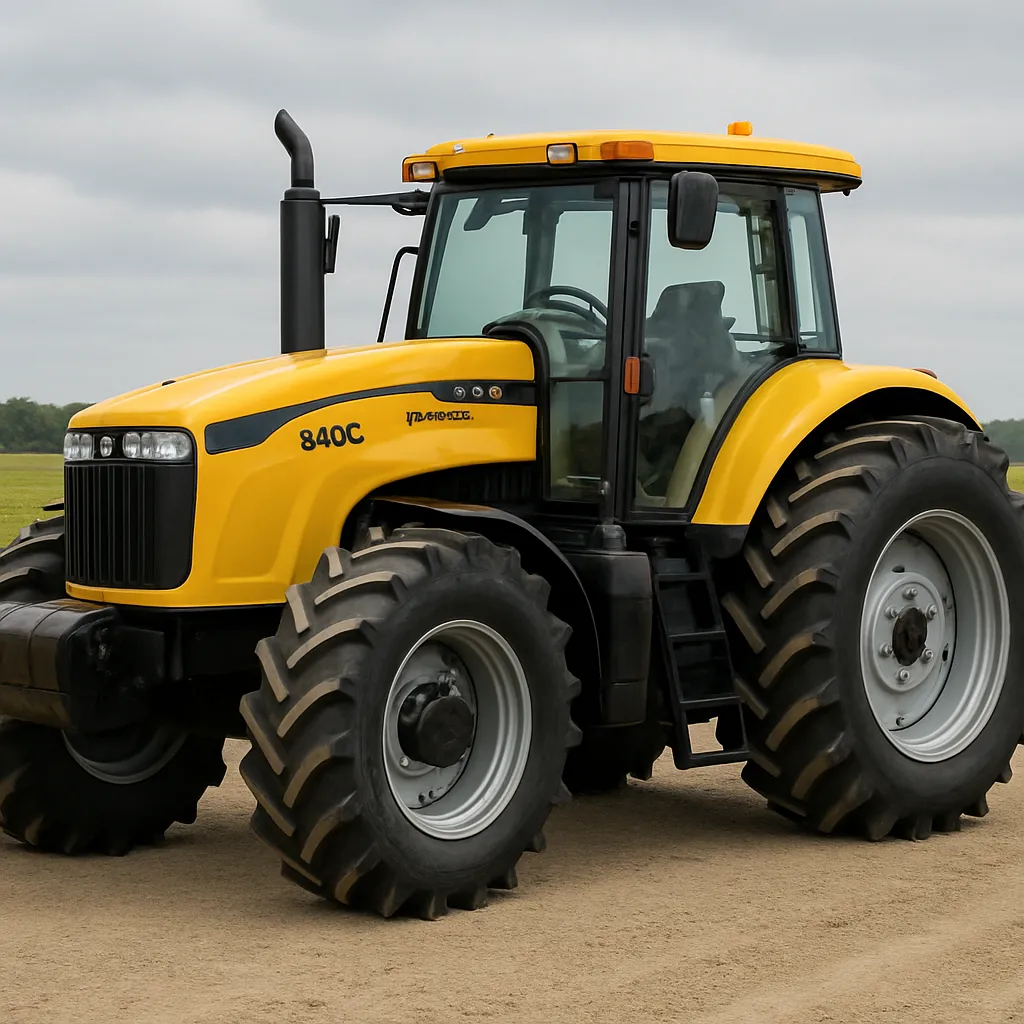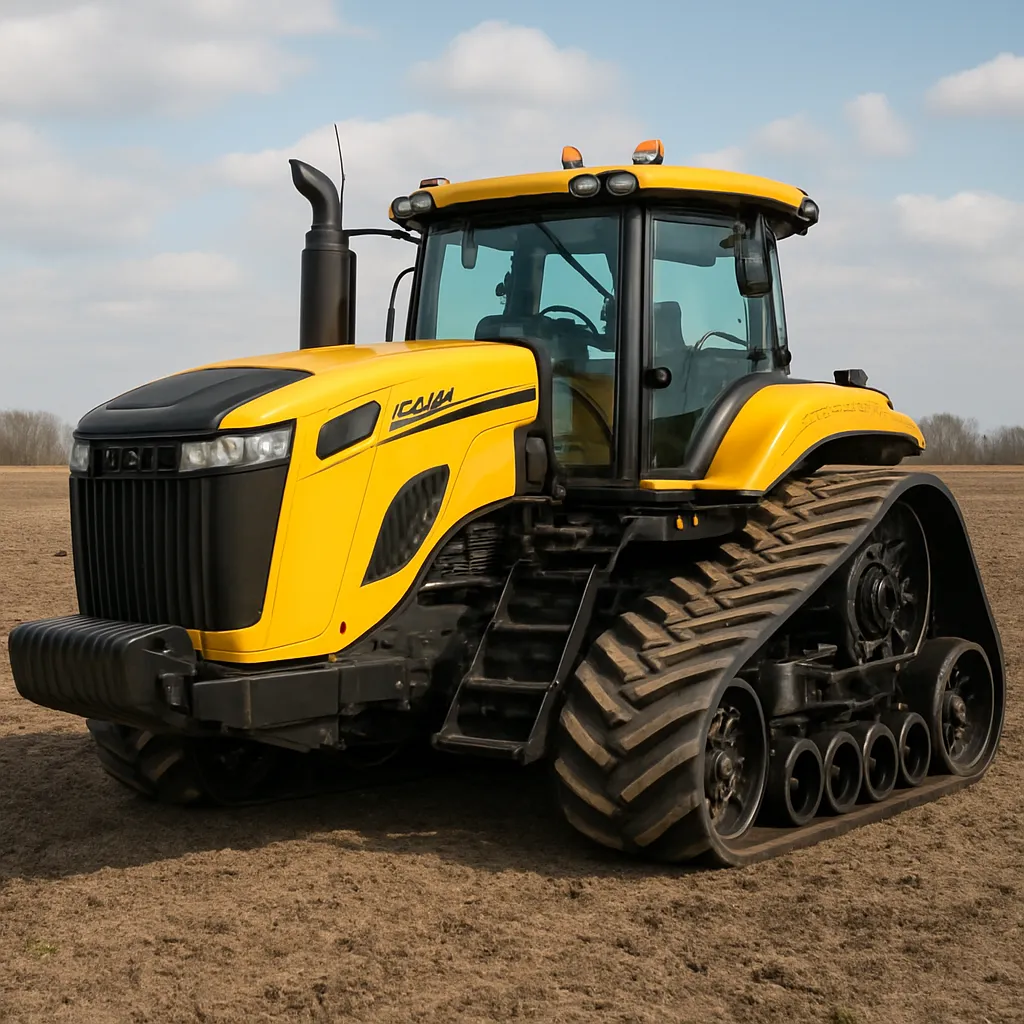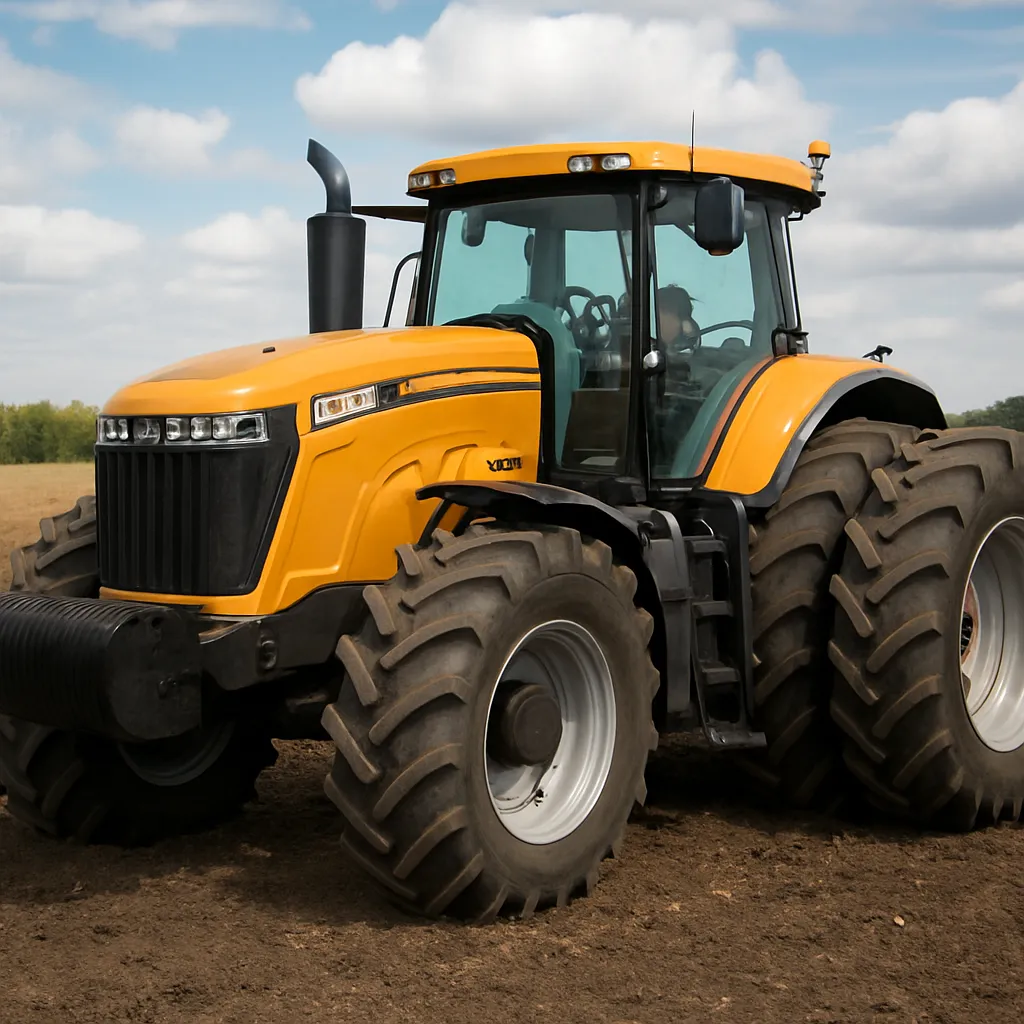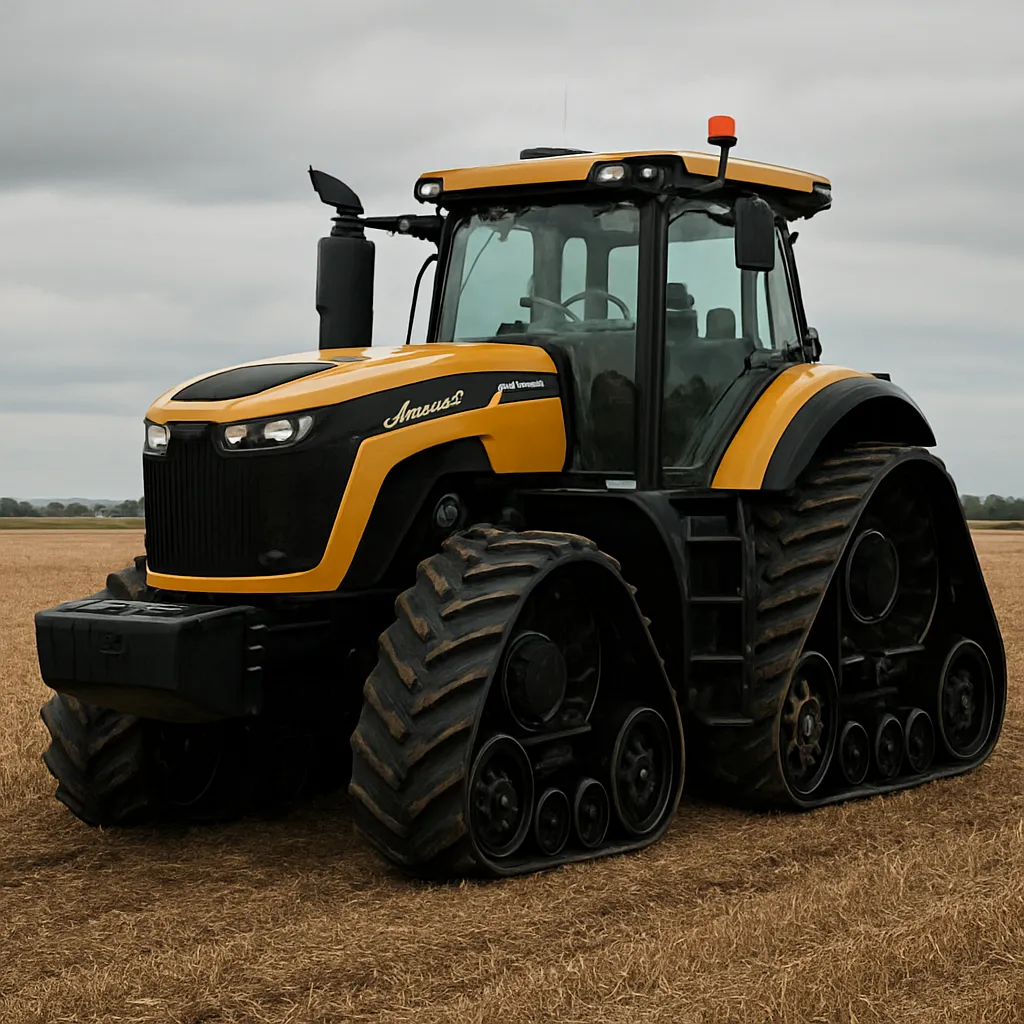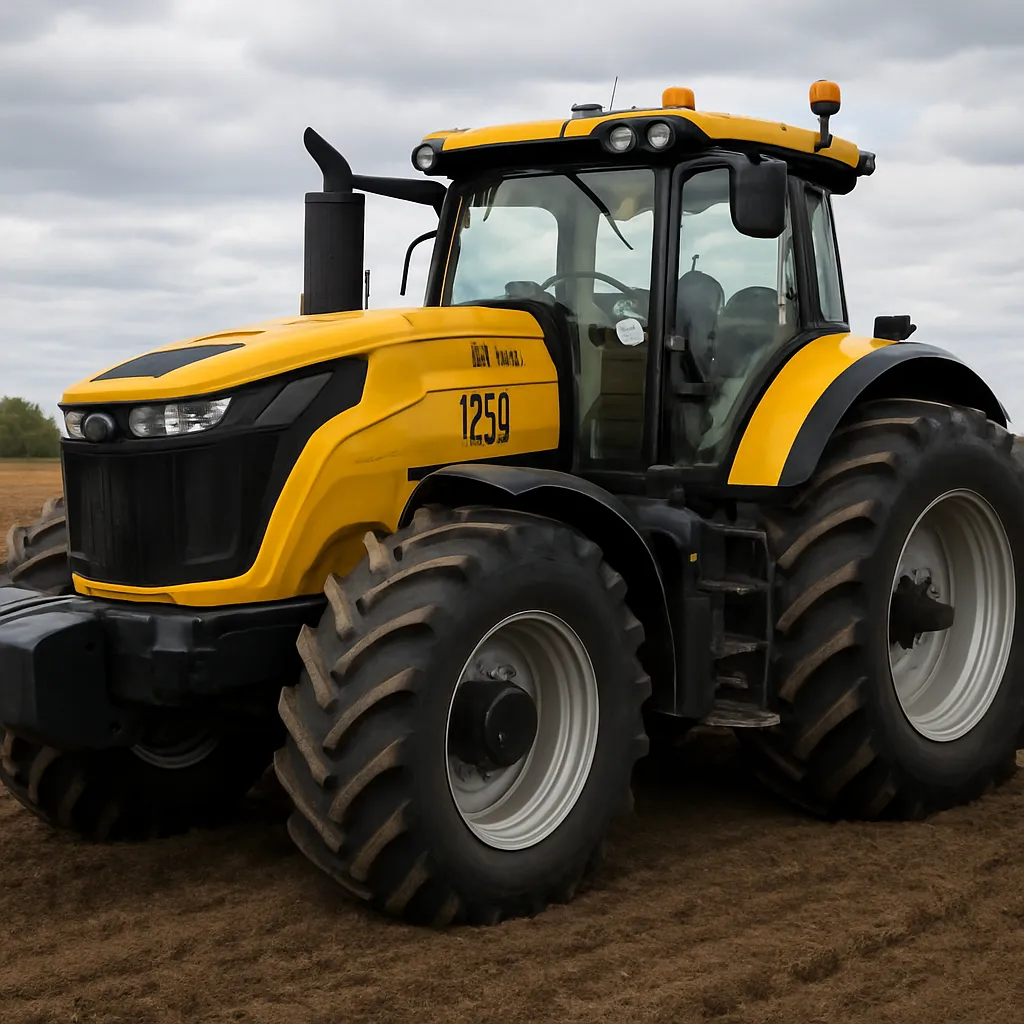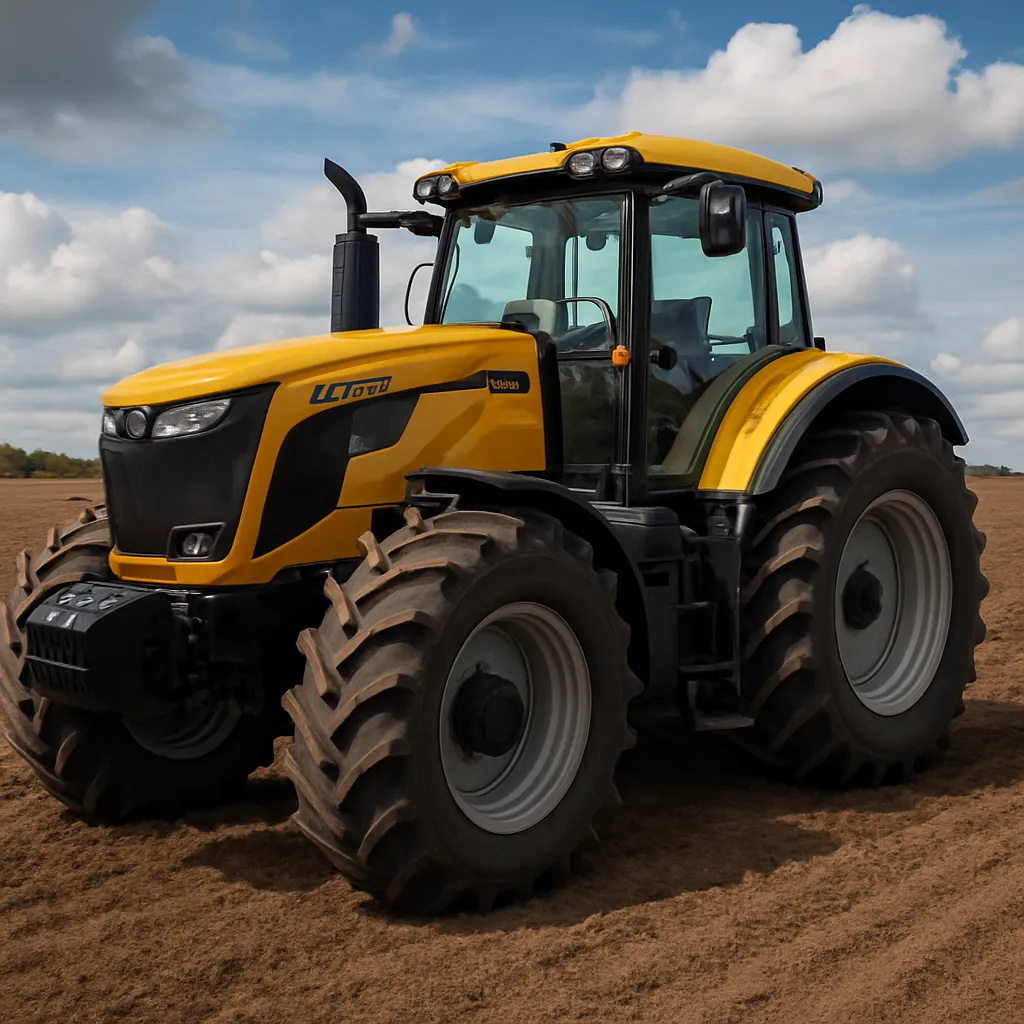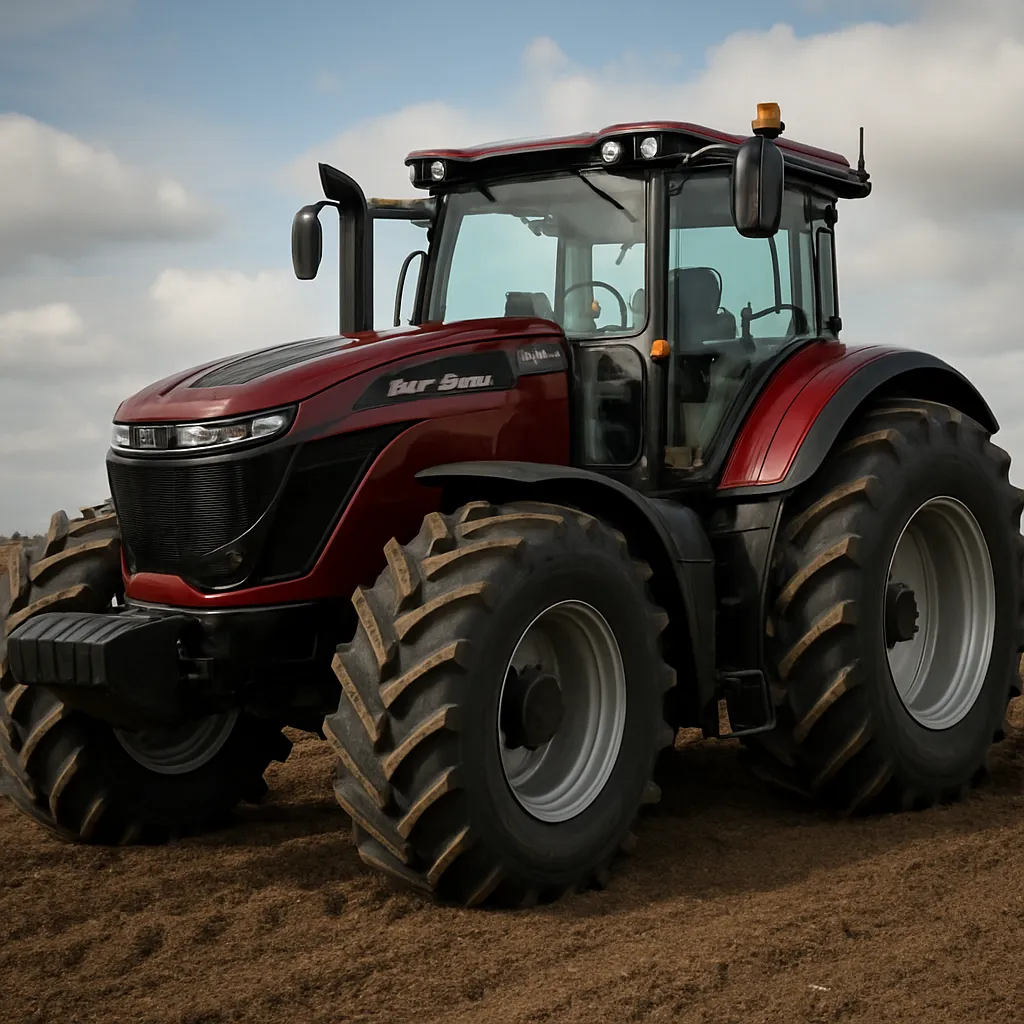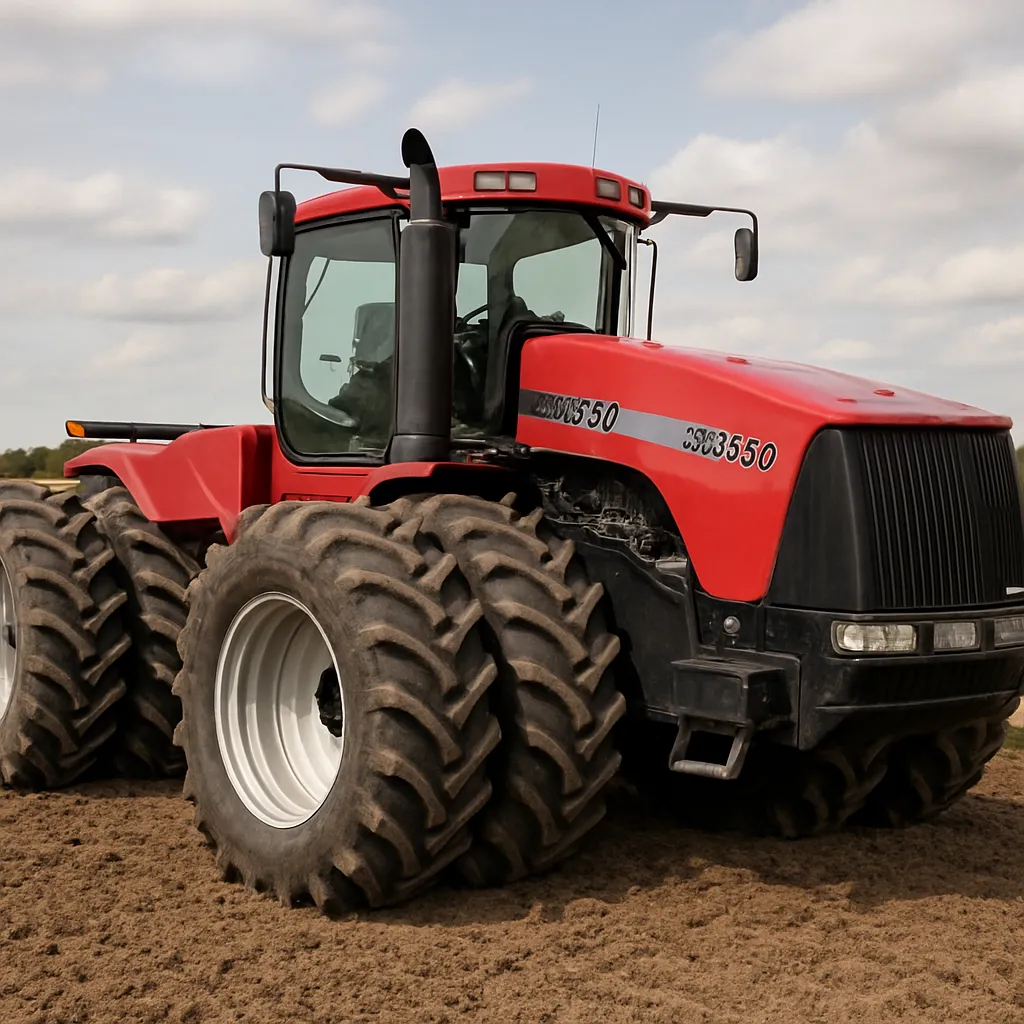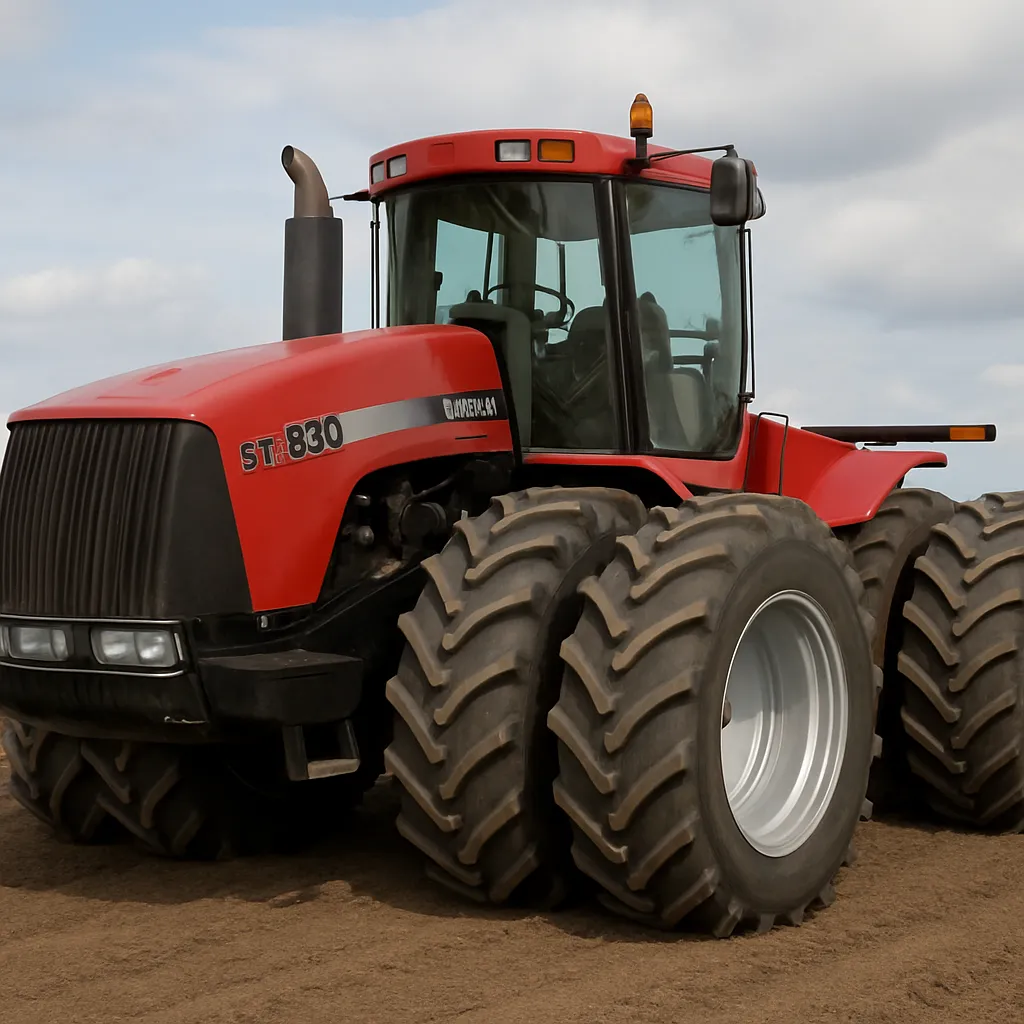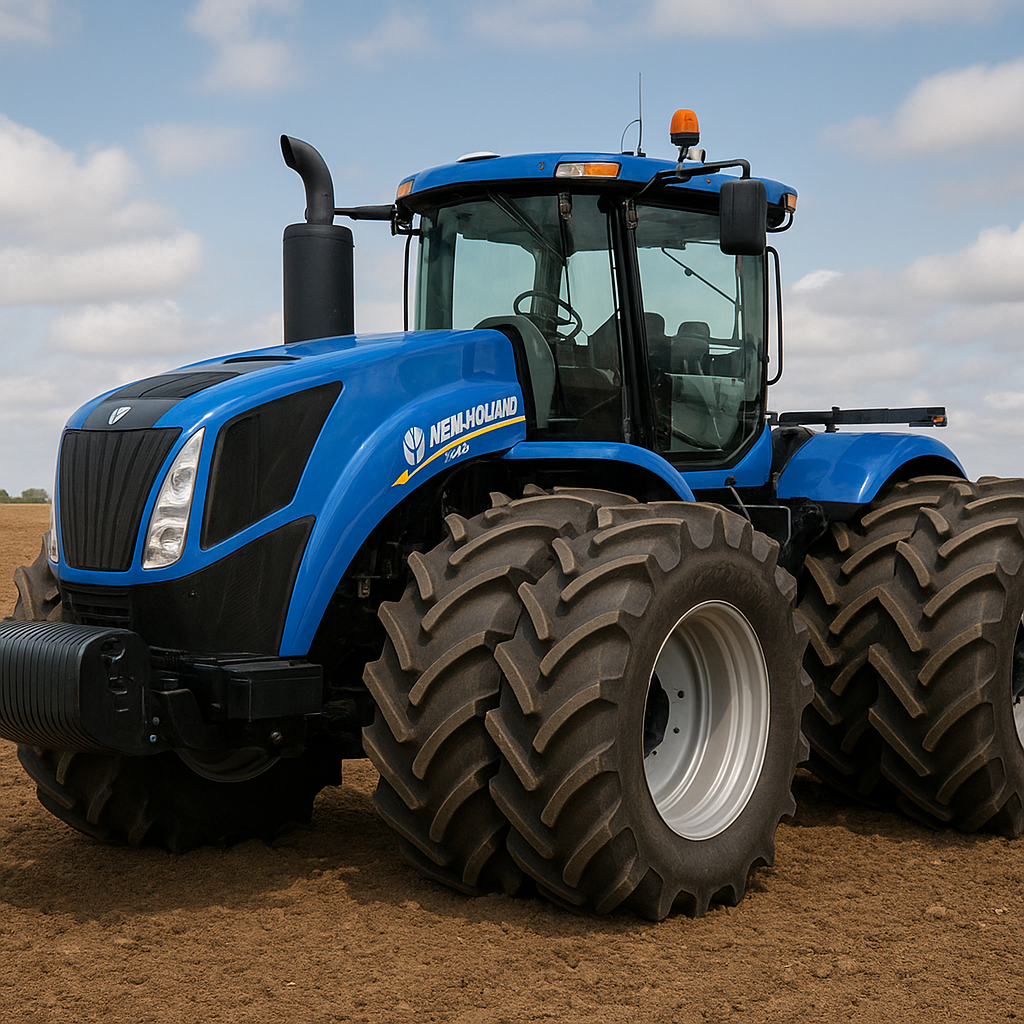
The New Holland T9.450 is a heavyweight contender in the world of high-horsepower agricultural machinery, designed to bring elite-level performance to large-scale farming operations. Combining modern engine technology, advanced traction systems, and operator-focused controls, the T9.450 aims to deliver productivity, comfort, and reliability across demanding tasks such as deep tillage, heavy hauling, and large-area seeding. Below are detailed insights into its design, applications, key technologies, and practical considerations for farmers and contractors.
Design and engineering highlights
The T9.450 is part of New Holland’s flagship T9 series, engineered for farmers who require sustained power, large traction footprint, and robust durability. The tractor’s architecture emphasizes stability and weight distribution to maximize field performance while protecting soil structure when equipped with track systems. Key design priorities include power delivery, cooling capacity, and serviceability to ensure long operating cycles during peak seasons.
Powertrain and engine features
At the heart of the T9.450 is a high-displacement diesel engine calibrated for both torque and longevity. New Holland fits its T9 machines with engines that meet rigorous emissions standards while delivering the continuous power needed for heavy implements. The engine is built to offer steady torque at low engine speeds, which improves fuel economy under load and reduces driveline stress. Manufacturers typically tune this model to produce around horsepower suitable for 4–6 m coulters, large seeders, and multi-furrow plows.
Transmission and driveline
The T9.450 is often paired with an advanced continuously variable or multi-range transmission that enables smooth speed changes and precise ground-speed control—critical for maintaining implement performance and distribution uniformity. New Holland’s driveline engineering focuses on reducing power losses between the engine and tracks/wheels, and on offering intuitive operator controls for speed and traction management.
Underfoot options: tracks and tires
One of the defining features available for the T9.450 is New Holland’s tracked configuration, which can include independent four-track systems such as the Quadtrac-style layout or heavy-duty dual wheel setups. Tracked variants provide a larger contact area, reducing soil compaction and improving traction on soft or uneven soils, while wheeled versions deliver high-speed road travel and different flotation characteristics. The choice of undercarriage directly influences the tractor’s field suitability and economics.
Primary applications and operational roles
The T9.450 is built for high-demand tasks where continuous high torque and traction are essential. It is a tool for large-acreage operations, contractors, and specialized applications where few machines can match its combination of power and endurance.
- Row-crop and broadacre cultivation: Deep tillage, primary plowing, and heavy cultivations benefit from the tractor’s sustained pulling power and traction control for consistent working depth and finish.
- Large-scale seeding and planting: When paired with high-capacity air drills, pivot planters, or multi-section seeders, the T9.450 ensures consistent ground speed and frame stability for accurate seed placement across hundreds of hectares.
- Heavy transport and hauling: With appropriate hitches and drive configurations, the T9.450 can move large trailers, tanks, or wagons, particularly on farms where single-pass logistics reduce field-traffic time.
- Specialized contractors: Land reclamation, subsoiling, and other heavy-duty contracting tasks rely on the tractor’s durability and torque to complete jobs efficiently in variable soil conditions.
- Non-agricultural uses: Forestry clearing, road-side mowing, and municipal large-landscape maintenance can also employ this model where large pulling force and robustness are required.
Why operators choose the T9.450
Operators and fleet managers often select the T9.450 for its ability to reduce the number of passes needed to complete a job, thereby cutting overall operational time. The combination of high power and advanced traction systems improves performance in adverse weather, variable soils, and on slopes, while modern cab ergonomics and controls reduce operator fatigue during long shifts.
Technology, comfort and operator environment
New Holland equips the T9 series, including the T9.450, with features aimed at boosting productivity through smarter operation and comfort. This includes advanced electronic control systems, ergonomic cabins, and integrated implement control options.
Cab and controls
The cab environment focuses on reducing operator fatigue and simplifying complex tasks. Features typically include climate control, air-suspended seating, adjustable steering columns, and an intuitive console layout with color displays. These systems present engine and implement data in real time, making it easier to optimize field settings and troubleshoot issues quickly.
Telematics and precision farming
Modern variations of the T9.450 often include telematics compatibility, allowing fleet managers to monitor machine location, fuel use, and performance metrics remotely. The integration with GPS-based precision farming tools enables auto-steering, variable-rate application, and section control, which together enhance efficiency, reduce overlap, and save inputs.
Hydraulics and implement interfaces
The tractor is equipped with high-capacity hydraulic systems to power large implements and attachments. Multiple remote valves, high-flow hydraulic pumps, and electronic control units ensure responsive implement performance and easier hookup. PTO and hitch controls are designed for heavy-duty implement management, with electronic assistance to match engine power to load.
Performance statistics and specifications (typical and approximate)
Specifications for the T9.450 can vary depending on the model year, regional emissions packages, and configuration (tracks vs. wheels). Below are typical, approximate figures intended to give a realistic expectation of capability—always consult official New Holland documentation or a local dealer for exact numbers for a specific tractor.
- Engine: inline 6-cylinder diesel, high-displacement design with advanced fuel injection and emissions controls (approximate displacement in the 12–13 L class)
- Rated power: around 450 metric horsepower (hp) at rated engine speed; peak or boost power figures can be higher depending on drive mode
- Transmission: continuously variable or multi-step transmission with multiple drive ranges and creep speeds; precise ground-speed control for seeding/planter applications
- Maximum speed: road speeds up to approximately 40 km/h depending on country regulations and configuration
- Operating weight: varies strongly with undercarriage and ballast; typical range from 16,000 to over 20,000 kg for tracked configurations
- Fuel capacity: large tanks to support long operating days—commonly in the range of several hundred liters up to around 1,000 L depending on options and auxiliary tanks
- Hydraulic flow: high-flow hydraulic systems supporting multiple remotes and high-demand implements
- Traction systems: track or dual-wheel configurations available; track options reduce ground pressure and increase pull in soft soils
Note:
The above figures are indicative; exact outputs and dimensions will be specified by New Holland for particular model years and configurations.
Maintenance, lifecycle costs and operational economics
Owning and operating a high-horsepower tractor such as the T9.450 involves balancing initial acquisition cost with long-term productivity gains. Larger tractors deliver economies of scale on big farms, but they also demand attentive maintenance planning to minimize downtime and repair costs.
Maintenance considerations
- Regularly scheduled engine and transmission services are critical, including oil and filter changes, coolant system checks, and fuel system maintenance to protect injectors and turbochargers.
- Track or tire maintenance differs greatly: track systems require inspection of undercarriage components and track tensioning, whereas heavy wheel setups require proper tire inflation management and ballast monitoring.
- Hydraulic system cleanliness and filter replacement extend component life and reduce the likelihood of costly failures during peak seasons.
- Telematics and diagnostic tools can reduce downtime by flagging issues early and enabling remote troubleshooting between dealer visits.
Operational economics
Large tractors like the T9.450 yield cost advantages when used on farms or contracts where their capacity is fully utilized. They reduce the number of machine passes, lower overall labor hours, and can improve timeliness of fieldwork—an important factor for planting and harvesting windows. Conversely, underutilized large tractors can be expensive to own; hence, matching machine size to workload is a key financial decision.
Comparative positioning and market considerations
Within the market, the T9.450 competes with other high-horsepower tractors from major manufacturers that offer track options, advanced transmissions, and intelligent control systems. Purchasing decisions often hinge on dealer support, parts availability, fuel efficiency, and resale values.
Strengths
- Traction and power delivery: The machine is engineered to pull heavy implements consistently across extensive fields.
- Operator comfort and technology: Modern cabs and telematics enhance daily productivity and reduce fatigue.
- Versatility: The ability to configure with tracks or wheels and to interface with a wide range of implements makes it useful for multiple farming operations.
Considerations
- High initial purchase price and higher maintenance costs compared with medium-size tractors.
- Appropriate only for larger-scale operations or contractors who can justify the footprint and power.
- Transportation logistics (width, weight) may require special permits or planning for road moves in some regions.
Real-world usage and operator tips
Farmers and contractors running the T9.450 report best results when they follow a few practical guidelines:
- Match the tractor’s capabilities to implement rating—ensuring that plows, seeders, and cultivators are sized to make efficient use of available horsepower without overloading components.
- Use GPS-guided auto-steer to maintain constant working speed and to reduce overlap on wide implements.
- Monitor fuel and oil consumption trends via telematics to spot inefficiencies or developing mechanical issues early.
- Educate operators on optimal use of transmission and engine modes to reduce wear and save fuel—particularly when performing tasks that cycle between load and transport.
Summary
The New Holland T9.450 stands as a capable and technologically advanced solution for large-scale agricultural tasks where high traction, sustained horsepower, and modern operator amenities are required. With configurable undercarriages, advanced engine and transmission systems, and integration with precision farming tools, the tractor is aimed at operations that demand efficiency and reliability over long working days. While ownership costs and operational requirements make it most suitable for larger farms and contractors, the productivity benefits can be substantial when the machine is well-matched to the workload.
New Holland and the T9.450 name evoke a class of machines focused on heavy-duty fieldwork, with features like Quadtrac options, substantial horsepower, durable engine design, superior traction, operational efficiency, user-friendly Auto Command style control systems, proven reliability, and broad versatility for demanding agricultural environments.