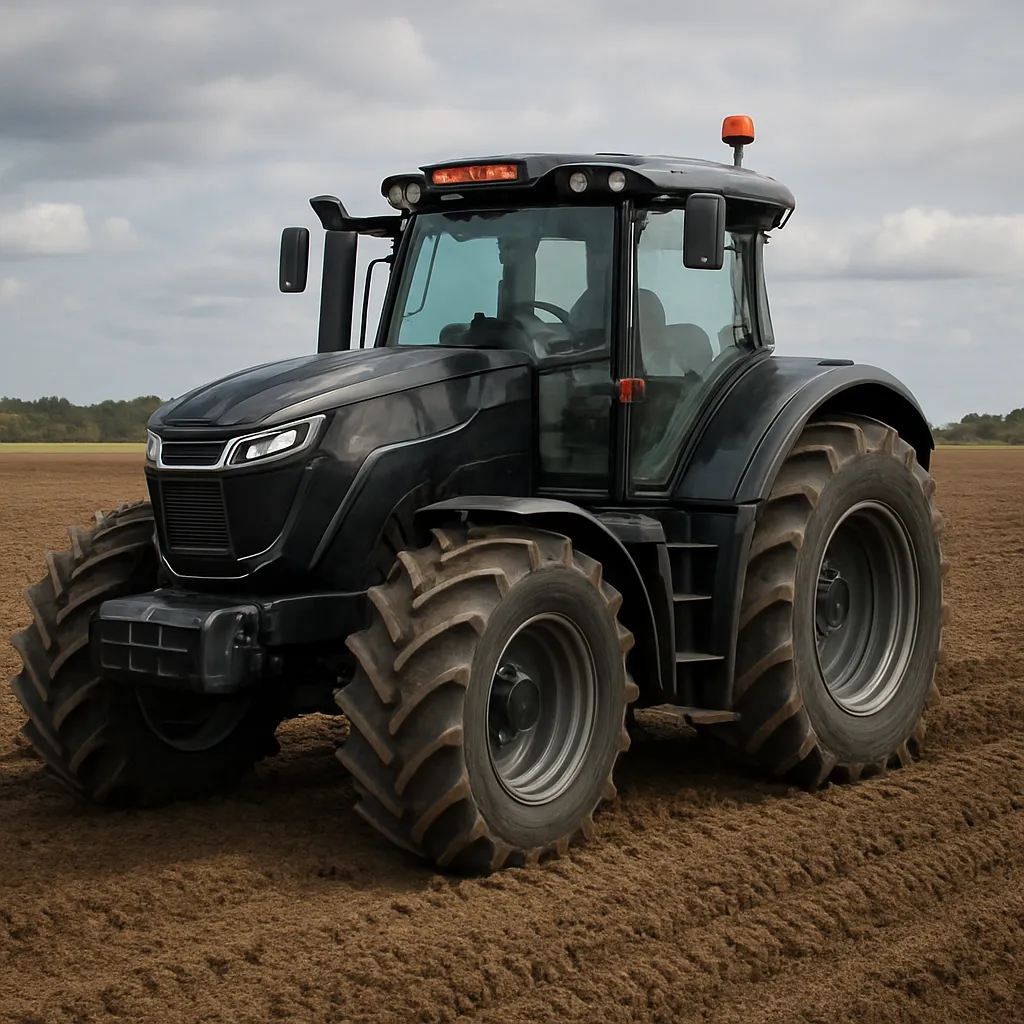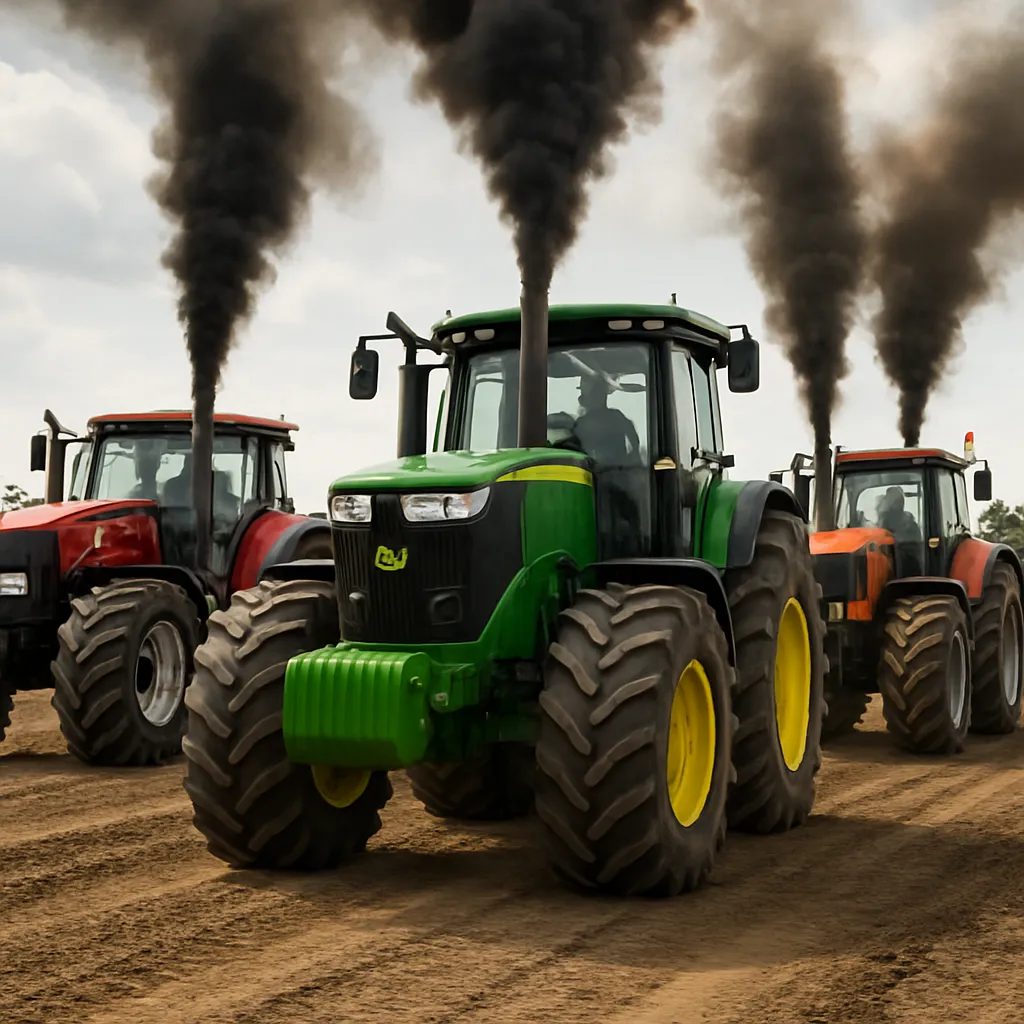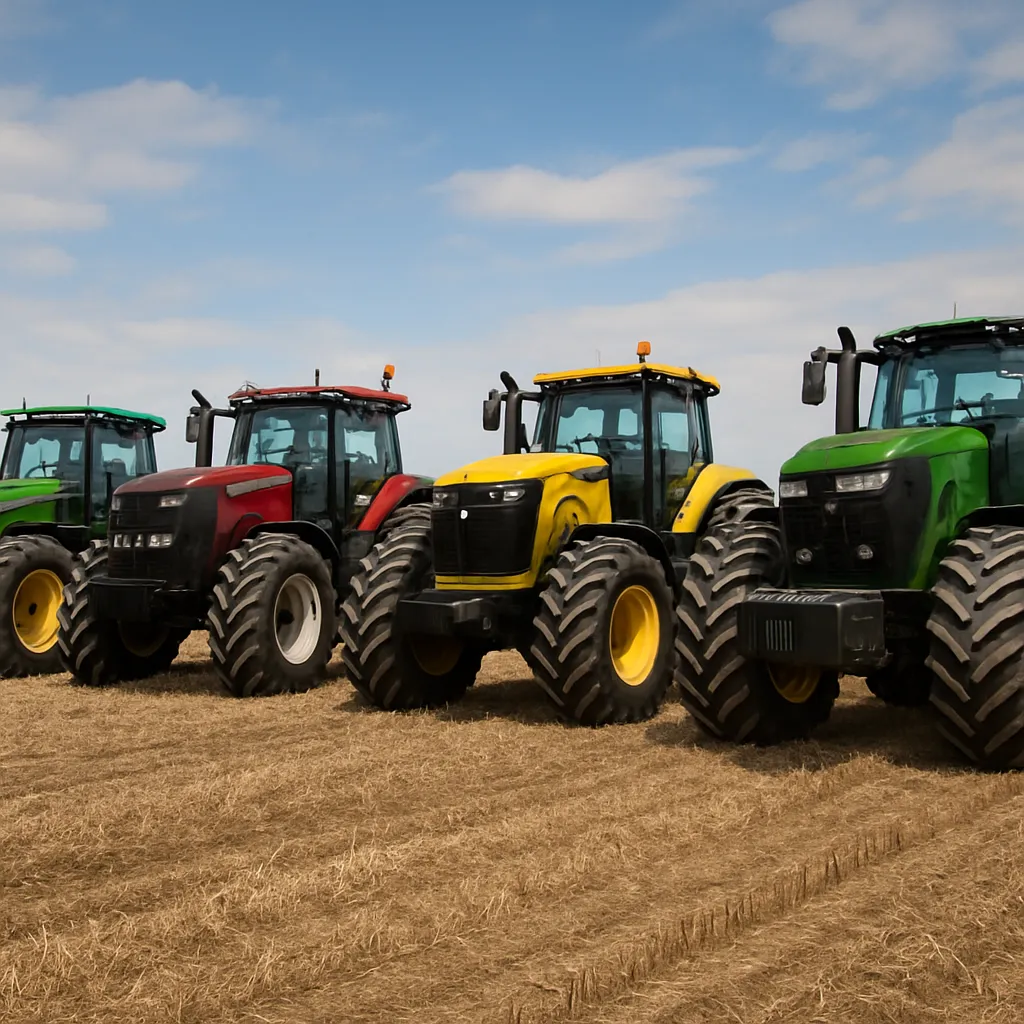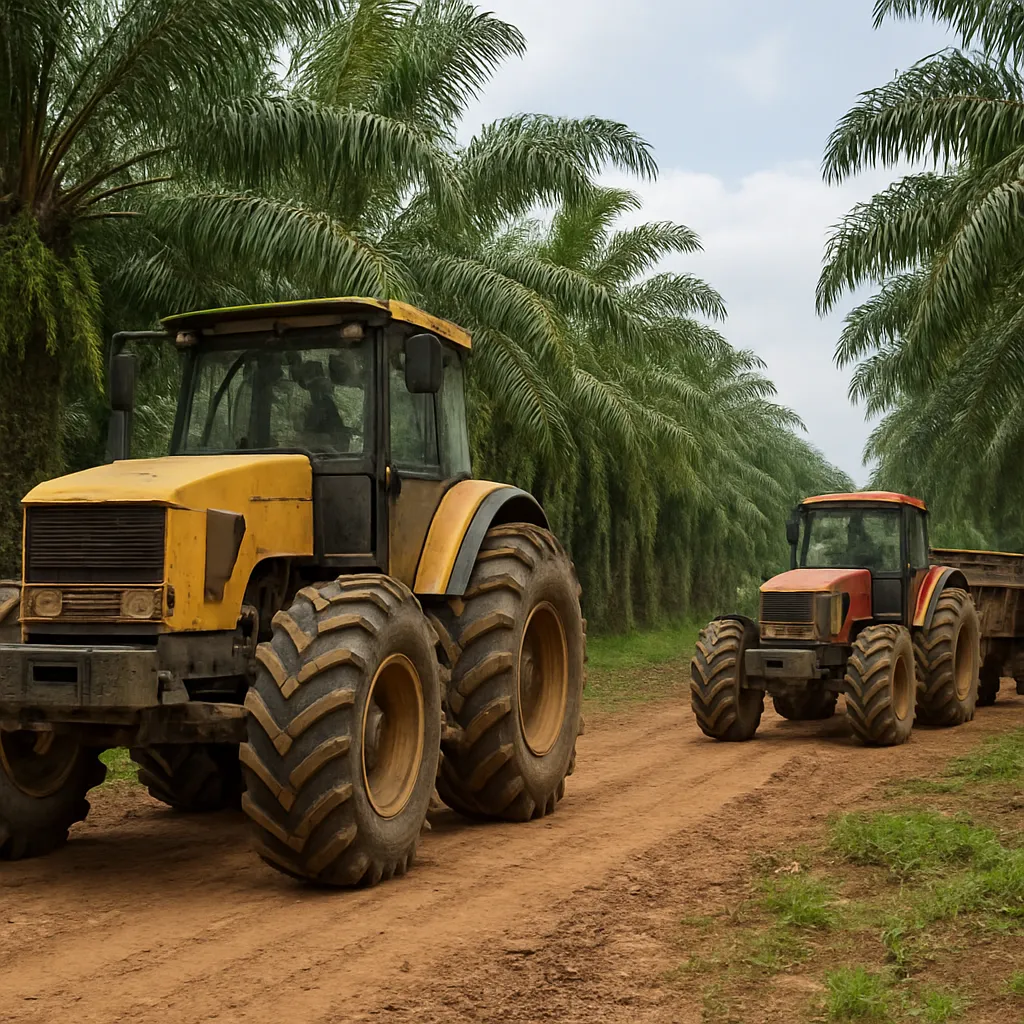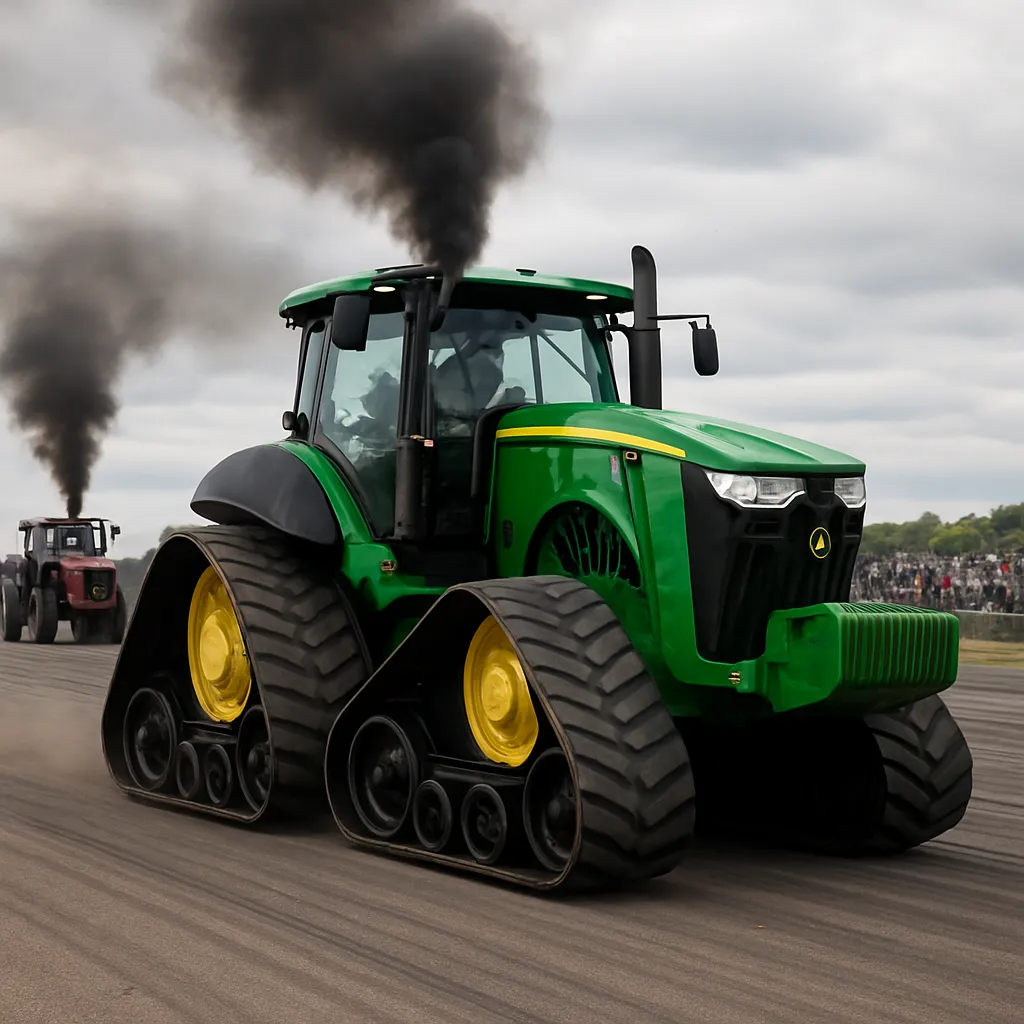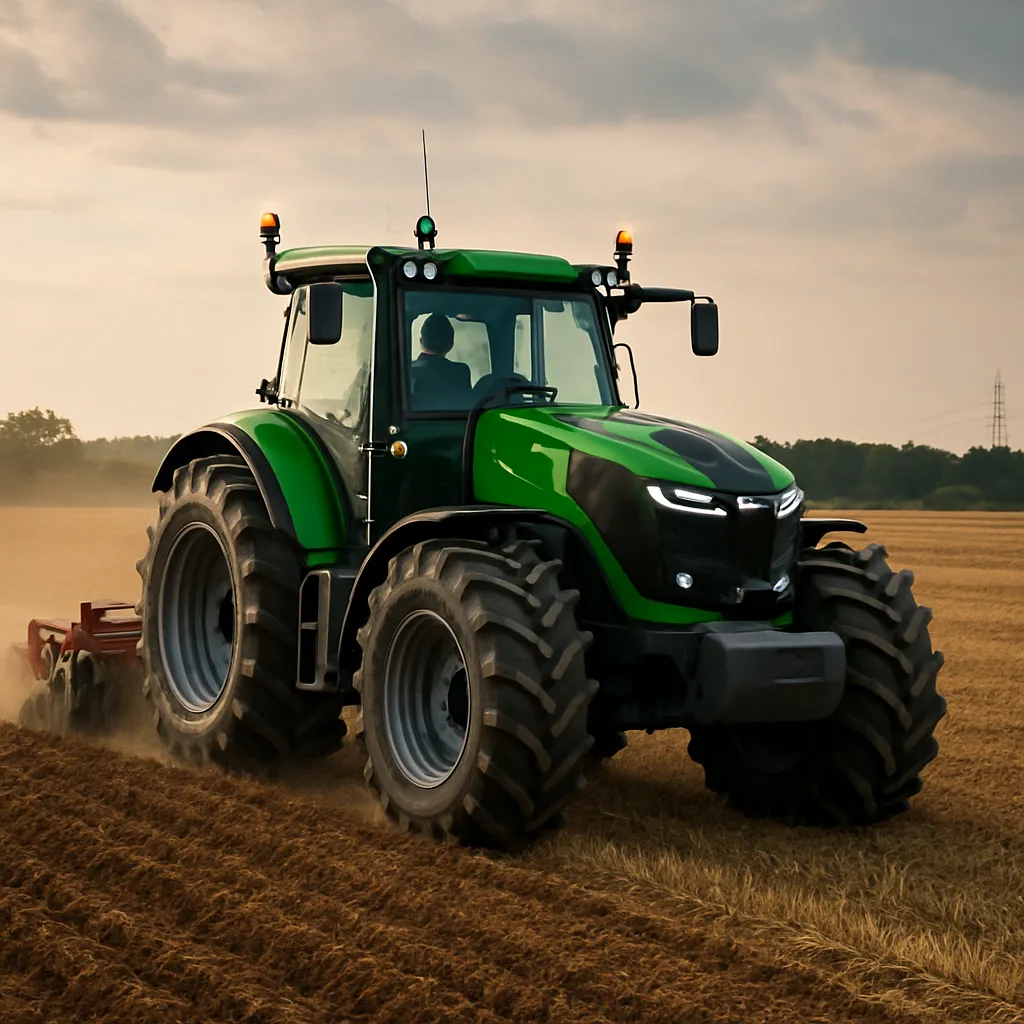
The agricultural industry is witnessing a groundbreaking transformation as smart, ultra-large tractors reshape the way farmers manage vast fields. These behemoths combine cutting-edge technologies with immense power, delivering unprecedented advancements in planting, tillage, and harvest operations. This exploration delves into the evolution, key characteristics, and far-reaching effects of the biggest connected tractors revolutionizing modern farming.
Technological Innovations Driving the Era of Massive Tractors
A convergence of innovations has given rise to tractors capable of covering acres in record time while minimizing waste. Among the most notable developments are:
- GPS guidance and autonomous navigation systems, enabling centimeter-level accuracy in field operations.
- Advanced sensors and telemetry platforms that monitor machine health and soil conditions in real time.
- Variable-rate application technology, optimizing seed, fertilizer, and pesticide distribution.
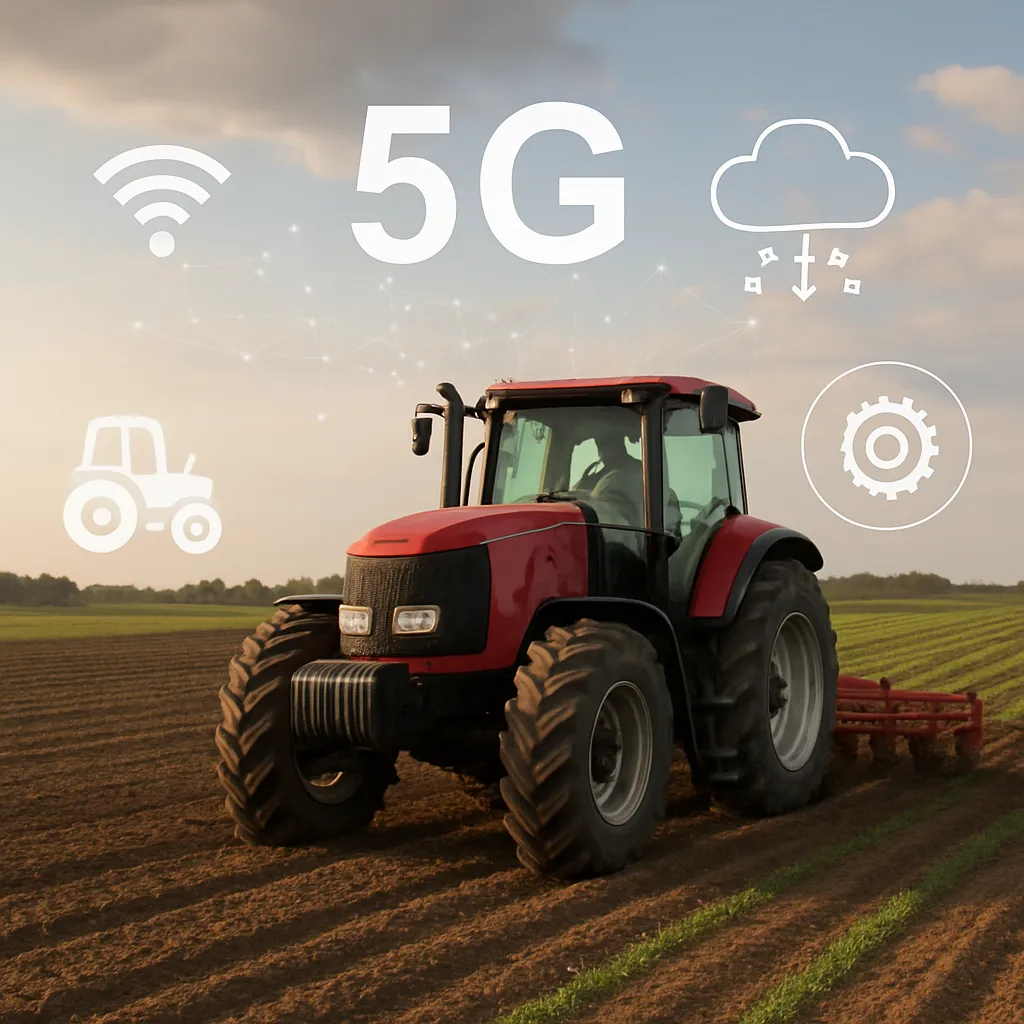
- High-bandwidth connectivity solutions, ensuring continuous data exchange between machinery and farm management software.
Precision Steering and Path Planning
By using RTK (Real-Time Kinematic) networks, today’s largest tractors can follow preprogrammed paths with sub-inch deviation. This level of precision not only reduces overlap and skips during planting but also conserves resources by keeping operations strictly within field boundaries.
Real-Time Data Analytics
Onboard computers process streams of sensor inputs, from fuel consumption metrics to soil compaction readings. With integrated AI modules, tractors can autonomously adjust engine settings, hydraulic flows, and implement angles to maintain optimal performance and efficiency. Alerts generated by these systems help farmers schedule maintenance before breakdowns occur, raising uptime and lowering repair costs.
Key Features of the Largest Smart Tractors
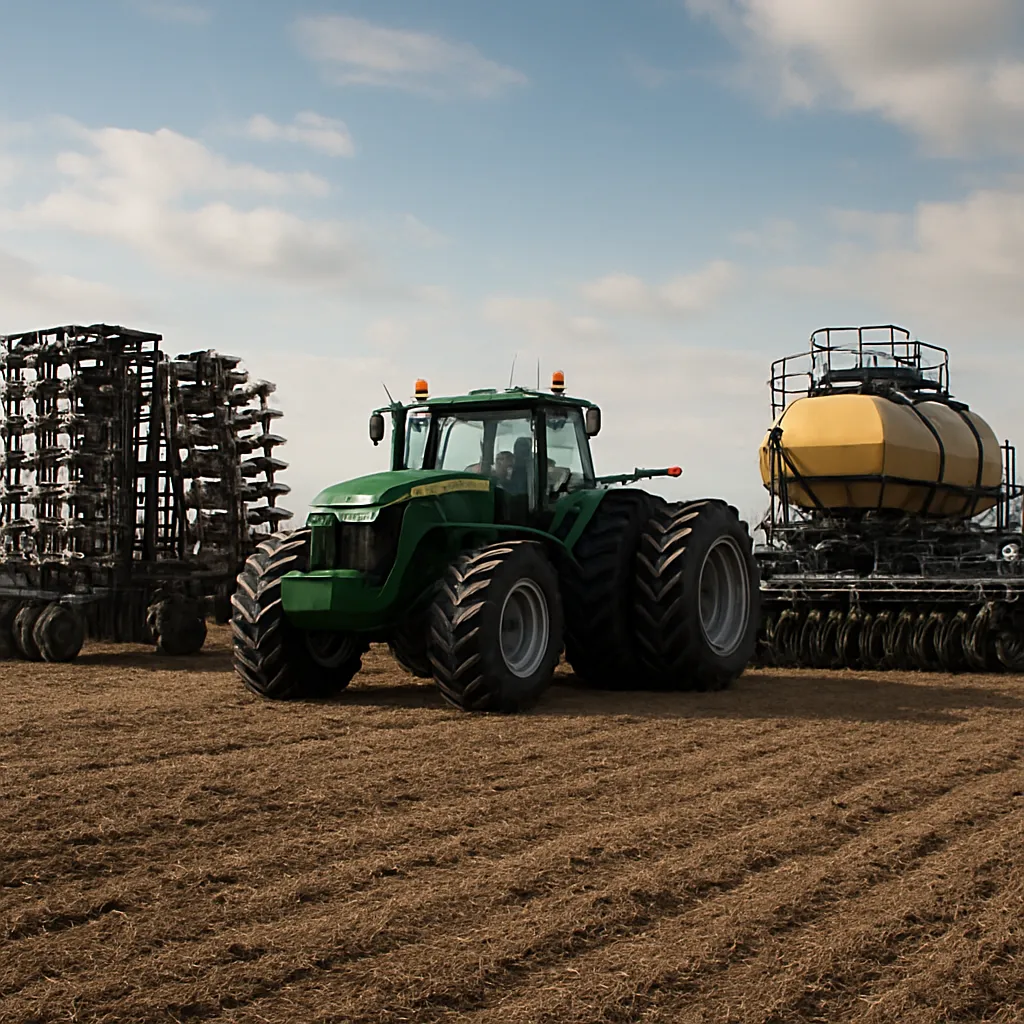
The ever-growing scale of commercial farms demands equipment with extraordinary horsepower and advanced functionality. Leading manufacturers are responding with models exceeding 600 HP, featuring:
- Multi-axle designs supporting massive weight and enhanced traction.
- High-capacity hydraulic systems to power robust implements like plows, cultivators, and seed drills.
- Ergonomic, climate-controlled cabs with intuitive touchscreen interfaces.
- Modular platforms enabling quick attachment swaps for diverse field tasks.
Enhanced Operator Comfort and Safety
Despite their size, these tractors place a high emphasis on operator welfare. Features include air-ride seats, panoramic visibility, integrated cameras, and collision-avoidance systems. Steering wheels and joysticks are calibrated to minimize fatigue during long hours of operation, while LED lighting arrays ensure safe night work.
Scalability and Fleet Management
With embedded telematics, fleets of giant tractors can be monitored and deployed through centralized dashboards. Farmers can track fuel usage, daily yield performance, and implement wear rates across multiple machines. Smart scheduling algorithms allocate the right equipment to the right field based on soil type, crop stage, and weather forecasts.
Impact on Agricultural Practices and Sustainability
Integrating the largest smart tractors into heavy agriculture has profound consequences for productivity and environmental stewardship:
- Reduced soil compaction due to optimized tire pressure control and intelligent route planning.
- Lower chemical runoff as variable-rate technology precisely meters inputs.
- Energy savings through engine load balancing and regenerative braking systems.
- Improved crop uniformity courtesy of consistent planting depths and spacing.
Environmental Advantages
By minimizing redundant passes and over-application of fertilizers, these machines help cut greenhouse gas emissions per unit of output. Many models now offer “eco-modes” that throttle engine output for light-duty tasks, further reducing fuel consumption. Additionally, real-time soil moisture sensors enable timely irrigation, conserving water in drought-prone regions.
Economic Benefits for Large-Scale Operations
While the initial investment in ultra-large tractors can be significant, operators realize returns through higher throughput and lower variable costs over time. Enhanced uptime boosts planting and harvesting windows, mitigating risks posed by adverse weather. Data-driven decision-making fosters better crop rotation planning and more accurate forecasting, strengthening profitability.
Future Outlook and Challenges for Giant Smart Tractors
As the agricultural tech landscape continues to evolve, several trends and obstacles will shape the next generation of mega tractors:
- Integration of electrified drivetrains and fuel-cell systems to further cut emissions.
- Enhanced machine learning models for predictive maintenance and yield optimization.
- Regulatory frameworks to ensure safe coexistence of autonomous tractors and human-driven equipment.
- Infrastructure upgrades, including robust rural broadband networks for uninterrupted connectivity.
Electrification and Alternative Fuels
Prototype tractors powered by batteries or hydrogen fuel cells promise performance parity with diesel models while slashing noise and tailpipe emissions. Challenges remain in energy storage density and refueling logistics, particularly for multi-thousand-acre operations.
Cybersecurity and Data Ownership
As tractors become software-centric, safeguarding operational data and preventing unauthorized access to control systems will be paramount. Farmers and manufacturers must collaborate on standards for data encryption, secure firmware updates, and clear policies on data ownership.
Bridging the Skills Gap
Advanced machinery demands a workforce versed in electronics, software, and agronomy. Training programs and partnerships with technical colleges will be vital to equip operators with the skills needed to harness the full potential of these mega-machines.