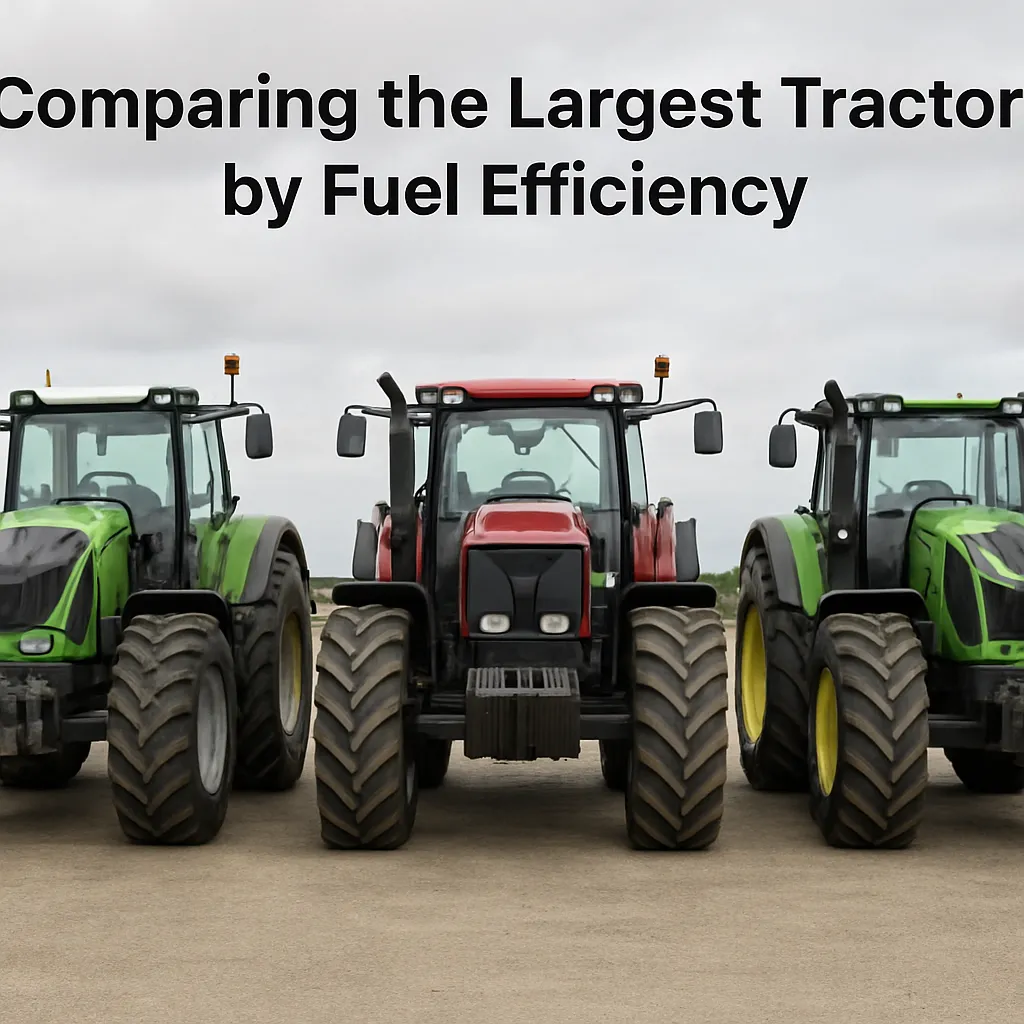
The agricultural landscape has witnessed a remarkable transformation driven by the demand for high-performance machinery capable of tackling large-scale operations. Comparing the Largest Tractors by Fuel Efficiency brings focus to the machines that balance sheer power with responsible fuel usage. As modern farmers seek ways to maximize yield while minimizing operational costs, understanding how these giants perform in terms of efficiency becomes crucial. This article explores cutting-edge designs, evaluates essential metrics, and offers insights into best practices that enhance productivity without compromising environmental goals.
Overview of the Largest Tractors
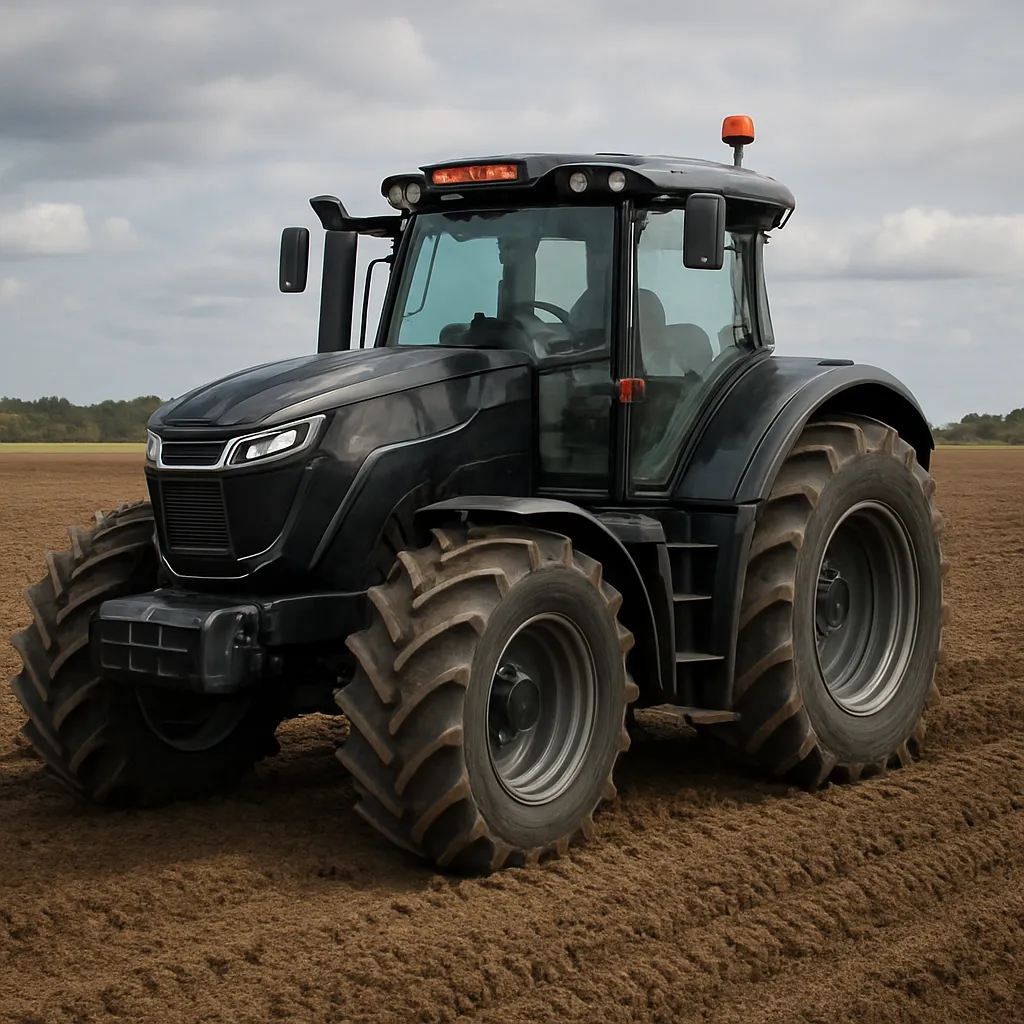
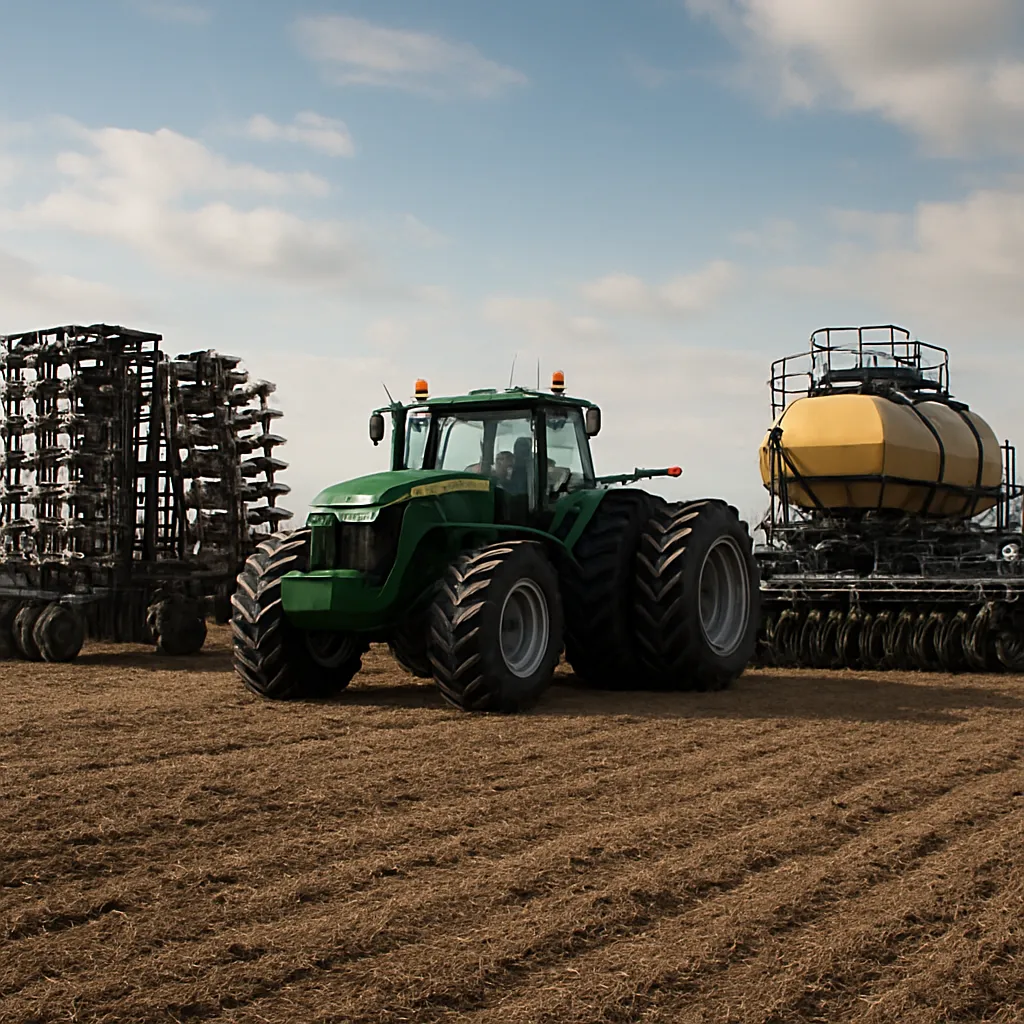
The biggest tractors on the market are engineered to deliver extraordinary levels of horsepower and torque for tasks such as deep plowing, large-scale seeding, and heavy towing. Leading manufacturers have introduced models exceeding 600 HP, equipped with advanced drivetrains, robust suspensions, and reinforced frames. These machines are not only about brute strength; they also integrate smart systems to monitor fuel consumption and optimize performance in real time.
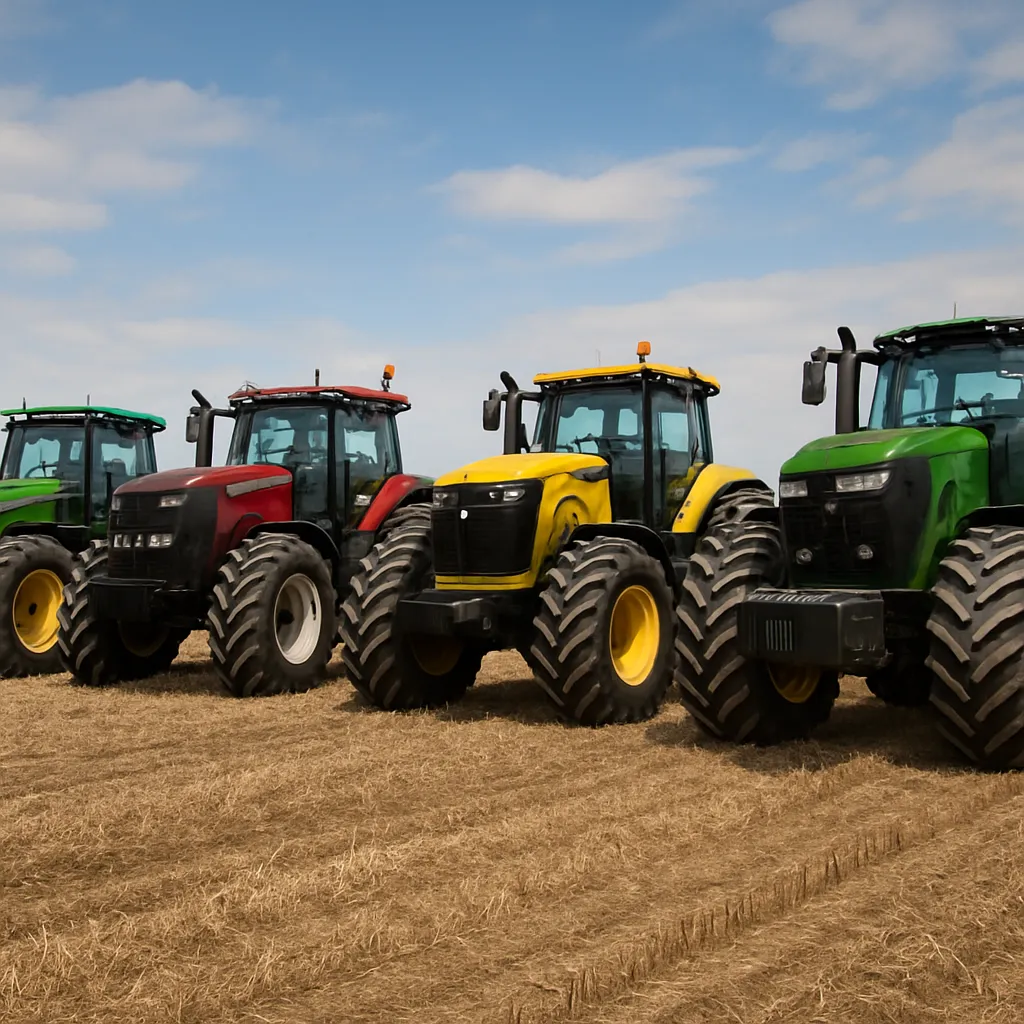
Key players in this segment include brands renowned for durability and innovation:
- Brand A’s flagship model boasting an efficient variable-speed transmission and a high-capacity cooling system.
- Brand B’s innovative diesel-electric hybrid prototype that recaptures energy during operation.
- Brand C’s modular platform allowing attachments from multitasking seeders to heavy-duty harvesters.
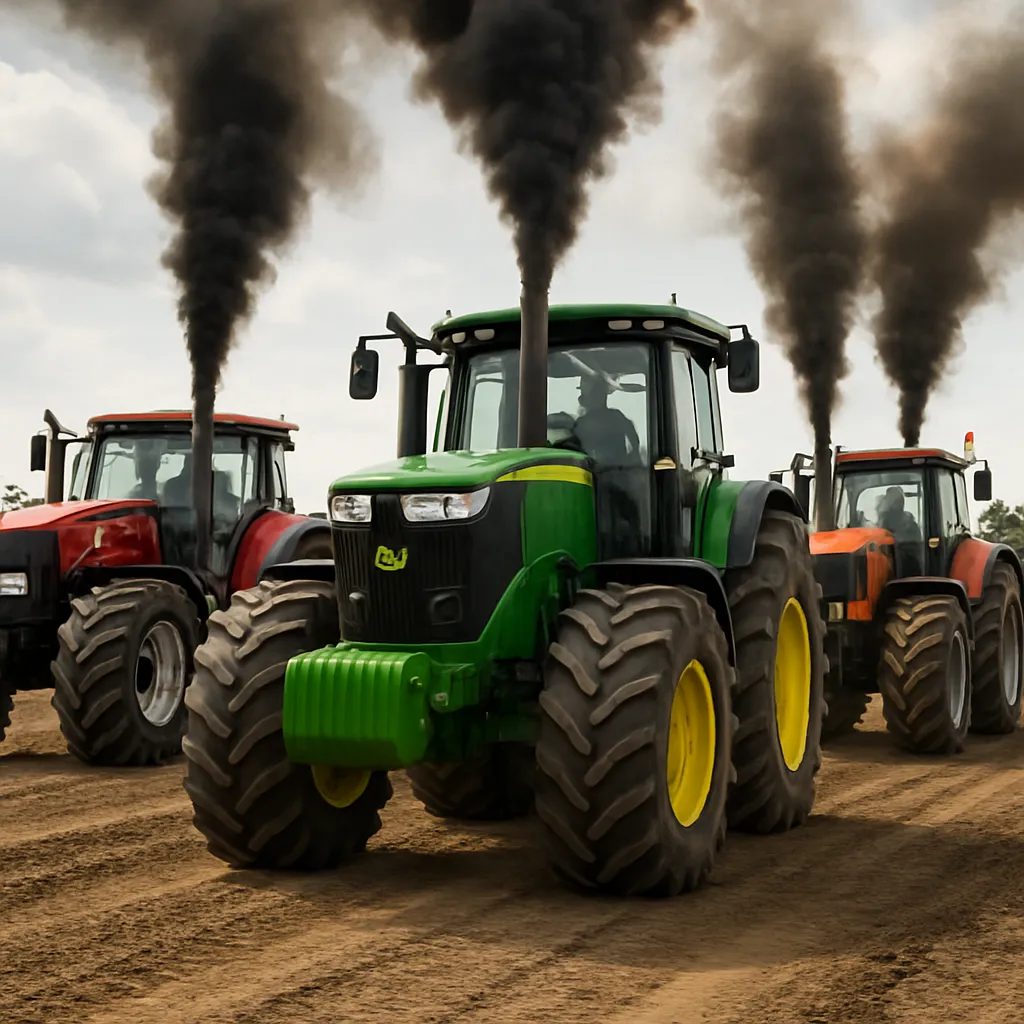
With rising fuel costs and tightening regulations on emissions, these behemoths are under constant scrutiny. Farmers and contractors are increasingly drawn towards models that promise lower operating expenses through enhanced fuel management strategies.
Evaluating Fuel Efficiency Metrics
Fuel efficiency in large tractors is not a single-dimensional measure. It incorporates:
- Specific fuel consumption (liters per kilowatt-hour) indicating how much fuel the engine uses to generate power.
- Effective fuel economy during various field operations, such as plowing, baling, and transport.
- Idle consumption rates, which can account for significant wastage during downtime.
Manufacturers typically publish laboratory-based figures under standardized conditions, but real-world performance can vary. Factors influencing actual fuel efficiency include soil conditions, implement type, operator behavior, and ambient temperature. Advanced onboard telematics now allow farmers to track metrics like:
- Average fuel burn per hour
- Operational load percentages
- Engine load factor and its impact on engine lifespan
Using this data, operators can tailor travel speeds, adjust throttle maps, or select gear ranges to maintain optimal consumption levels. Comparative trials often reveal differences of up to 15% in fuel usage between top contenders under identical work cycles.
Technological Innovations Driving Efficiency
Advanced Engine Design
Leading tractor models employ turbocharged, intercooled diesels with multiple injection systems to refine combustion. Variable geometry turbochargers improve torque at low RPMs, enabling machines to operate at reduced revs while maintaining pulling power. Some high-end models incorporate selective catalytic reduction (SCR) and exhaust gas recirculation (EGR) to meet stringent emission standards without sacrificing performance.
Transmission and Drivetrain Enhancements
Continuously Variable Transmissions (CVTs) and power-shift gearboxes have revolutionized how torque is transferred to wheels. By maintaining the engine within its most efficient RPM range, these transmissions reduce fuel waste. Additionally, advanced all-wheel-drive systems engage automatically based on traction needs, avoiding unnecessary power draw when full-time 4WD isn’t required.
Smart Farming and Precision Controls
Integration of GPS, variable-rate technology, and telematics has brought precision farming to the next level. Machines now adjust their operating parameters on the fly:
- Auto-guidance systems minimize overlap and reduce idle time in headlands.
- Load-sensing hydraulics allocate power only when implements demand it, cutting back on parasitic losses.
- Section control for sprayers and planters prevents over-application of inputs, indirectly saving on field passes and fuel.
These technologies collectively contribute to improved field efficiency, lower input costs, and a smaller carbon footprint, aligning with modern sustainability goals.
Comparative Case Studies
Field trials conducted across diverse geographies offer valuable insights into how the largest tractors stack up under varying conditions. Below are three representative studies:
Case Study 1: Temperate Arable Farming
In the rolling plains of a temperate region, two 650 HP tractors were tested over a 500-hectare seeding operation. Tractor A equipped with SCR/EGR consumed 12.5 L/h, while Tractor B’s hybrid system registered 10.8 L/h. Although Tractor B had a higher initial cost, its 14% fuel savings translated into substantial operational benefits over a five-year lifecycle.
Case Study 2: Heavy Clay Soil Tillage
Clay-rich soils increase draft requirements significantly. Three 600+ HP models were pitted in a strip-till exercise. Model X achieved an average of 15 L/h, Model Y managed 13 L/h via an optimized CVT, and Model Z, featuring a torque vectoring 4WD system, averaged 11.7 L/h. Torque management proved pivotal in reducing engine load and hence fuel consumption.
Case Study 3: Mixed Crop and Transport Operations
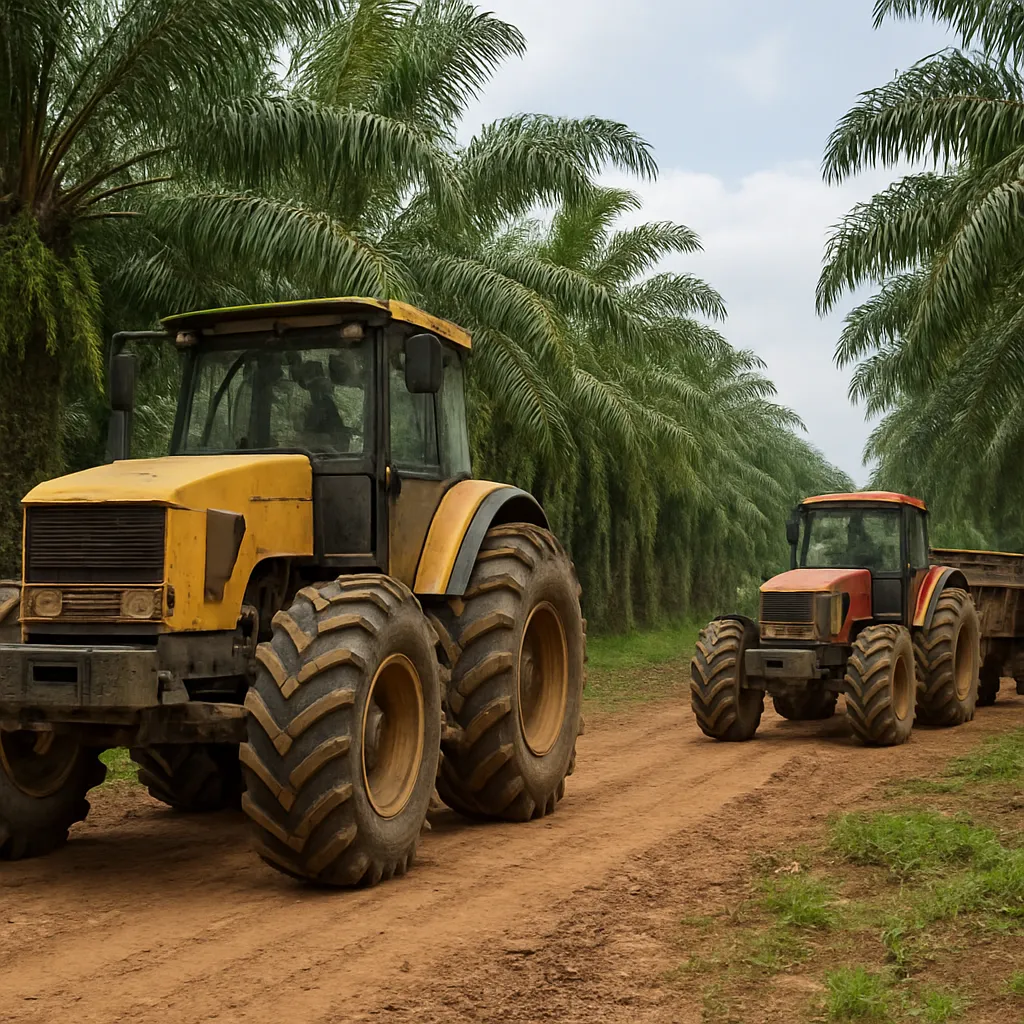
In regions requiring both fieldwork and road haulage, multi-drive tractors showed their strengths. A 620 HP machine with adaptive transmission recorded 9% better fuel economy on the highway and 7% in field tasks compared to a traditional power-shift model. Fleet operators highlighted the value of unified performance across diverse applications.
Maintenance and Operational Best Practices
Maximizing the efficiency of large tractors goes beyond choosing the right model. Proper maintenance and savvy operation are equally crucial:
- Regular engine tune-ups and timely oil changes keep combustion chambers and injectors free of deposits.
- Monitoring tire pressure and choosing low-rolling-resistance tyres can reduce drawbar power loss by up to 8%.
- Ensuring cooling systems are in top shape prevents derating and overheating, which can force the engine to burn more fuel.
- Operator training on throttle modulation, shift timing, and implement match improves overall system harmony.
By adopting these best practices, agricultural enterprises can boost productivity while upholding principles of sustainability and fiscal responsibility. As tractor manufacturers continue to push boundaries in technology, the alliance between human expertise and machine capability will define the future of high-efficiency farming.