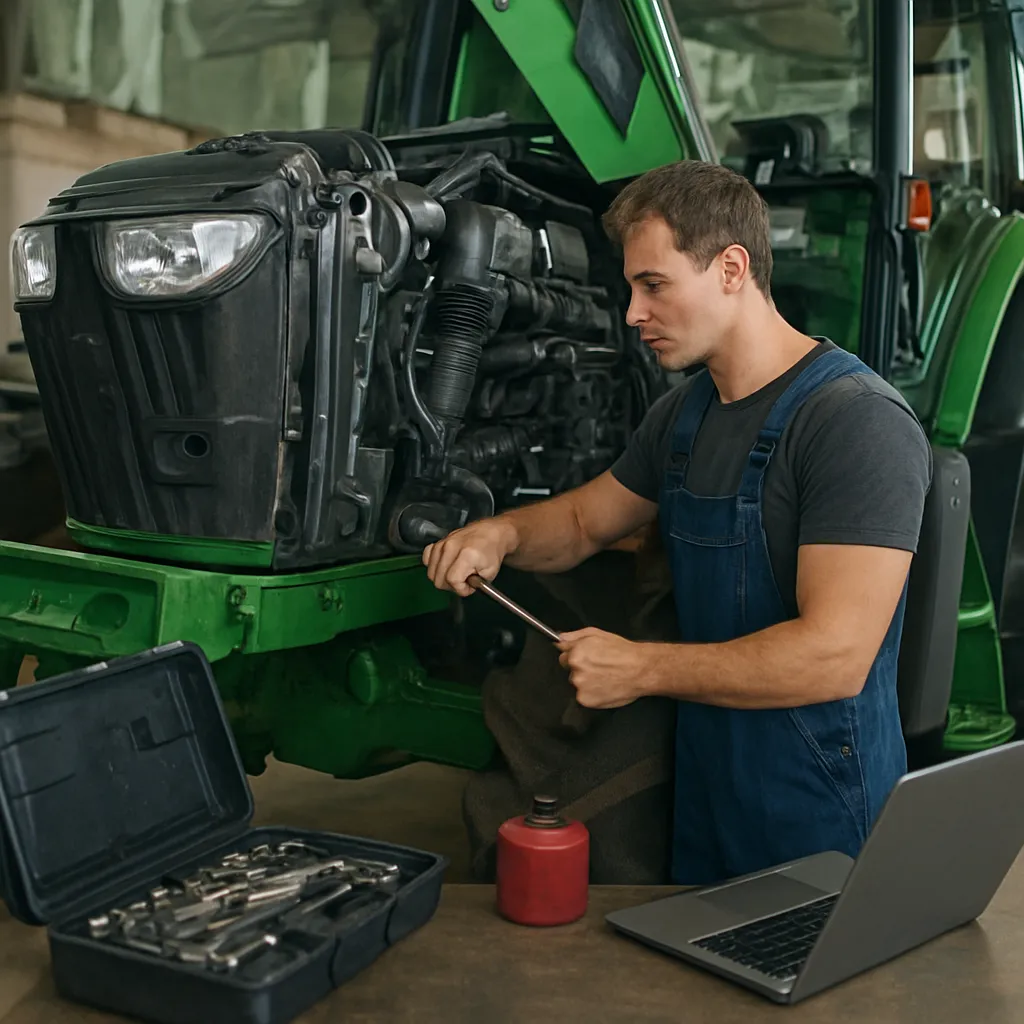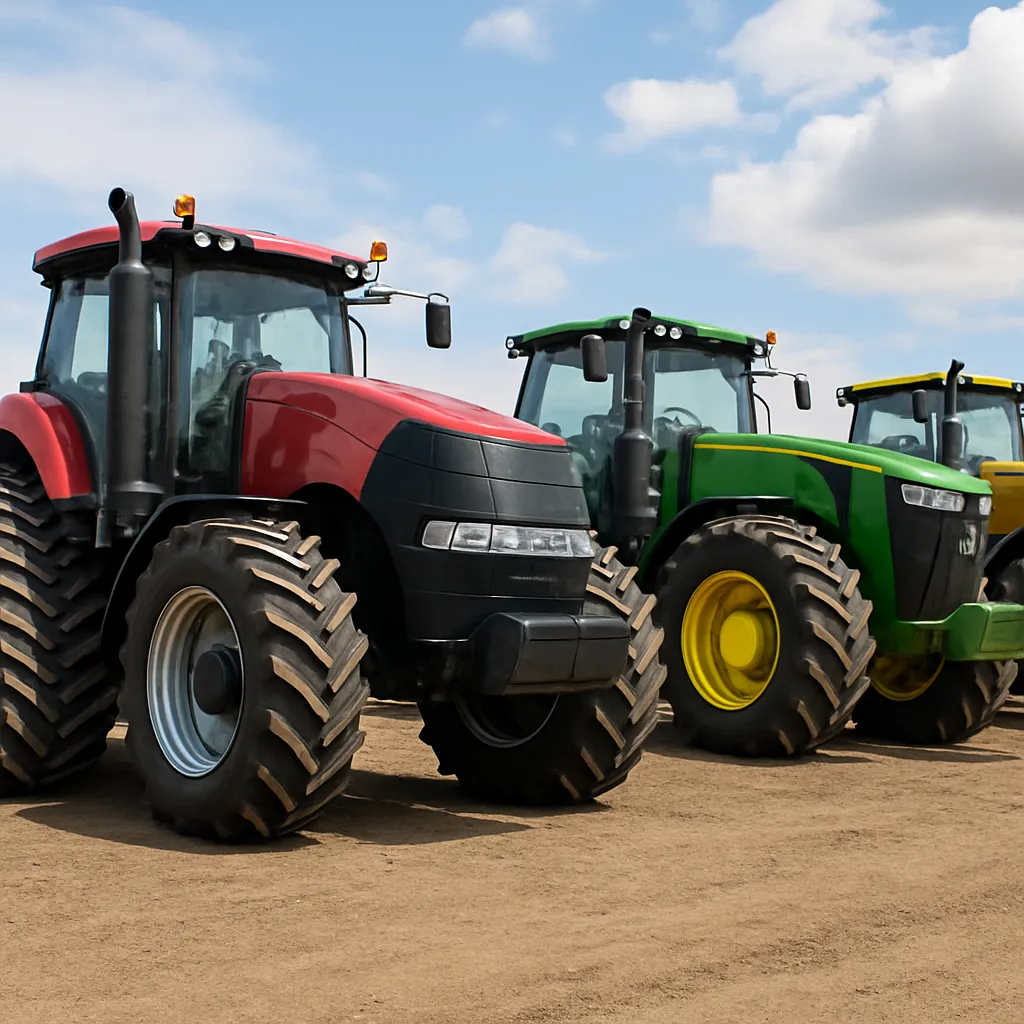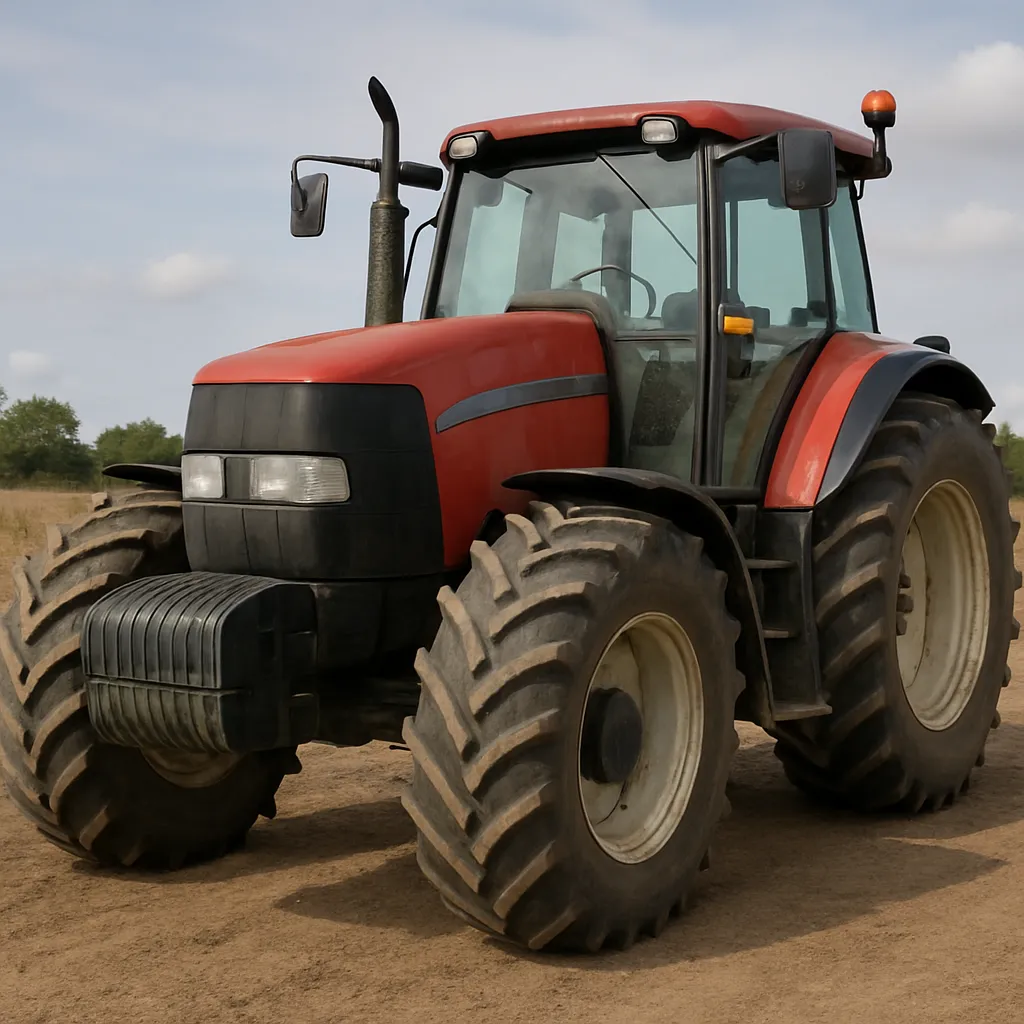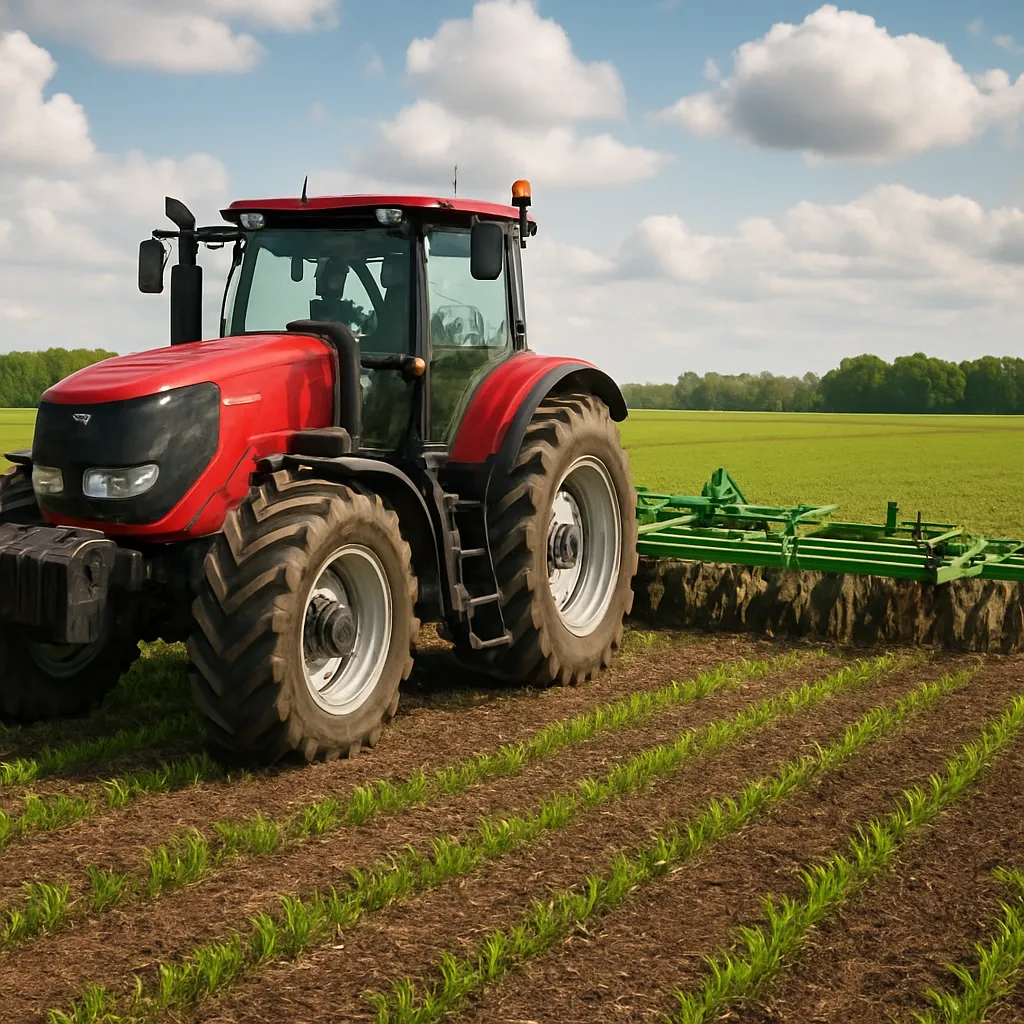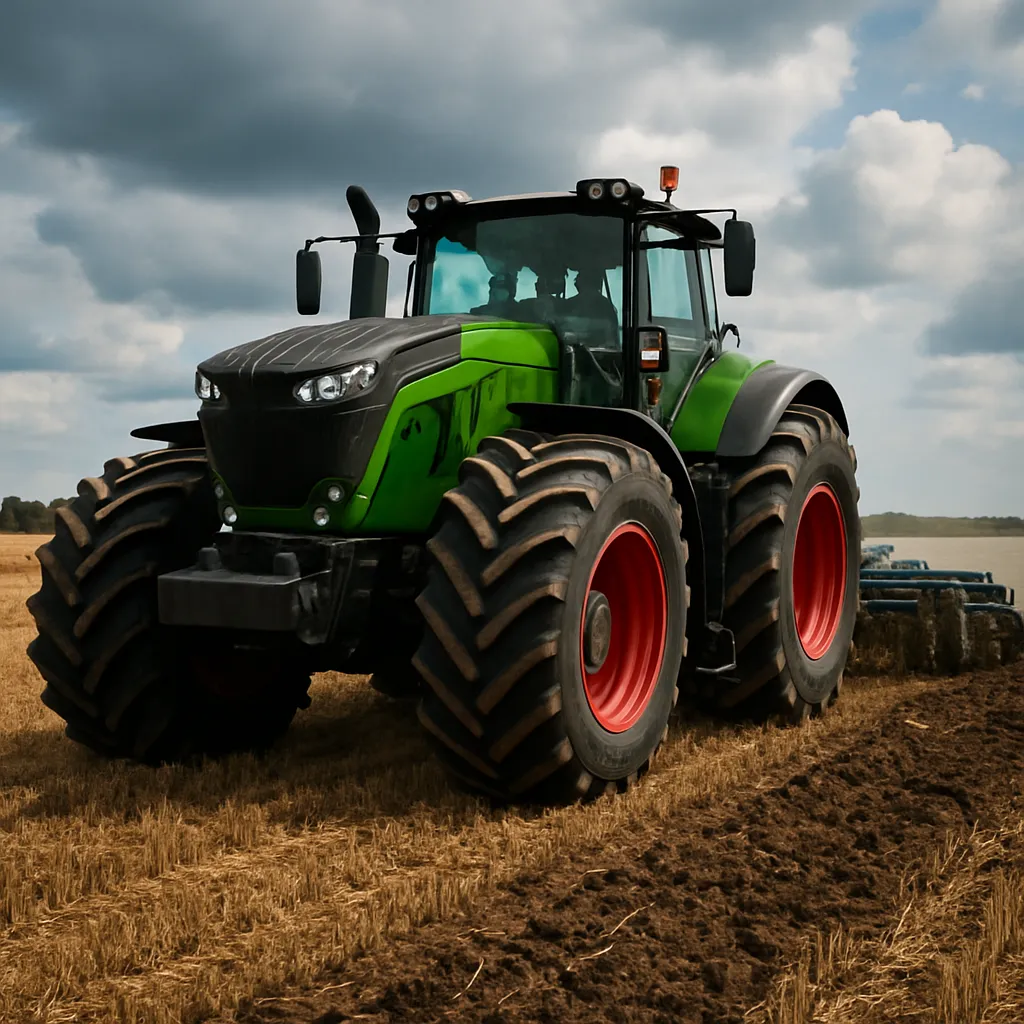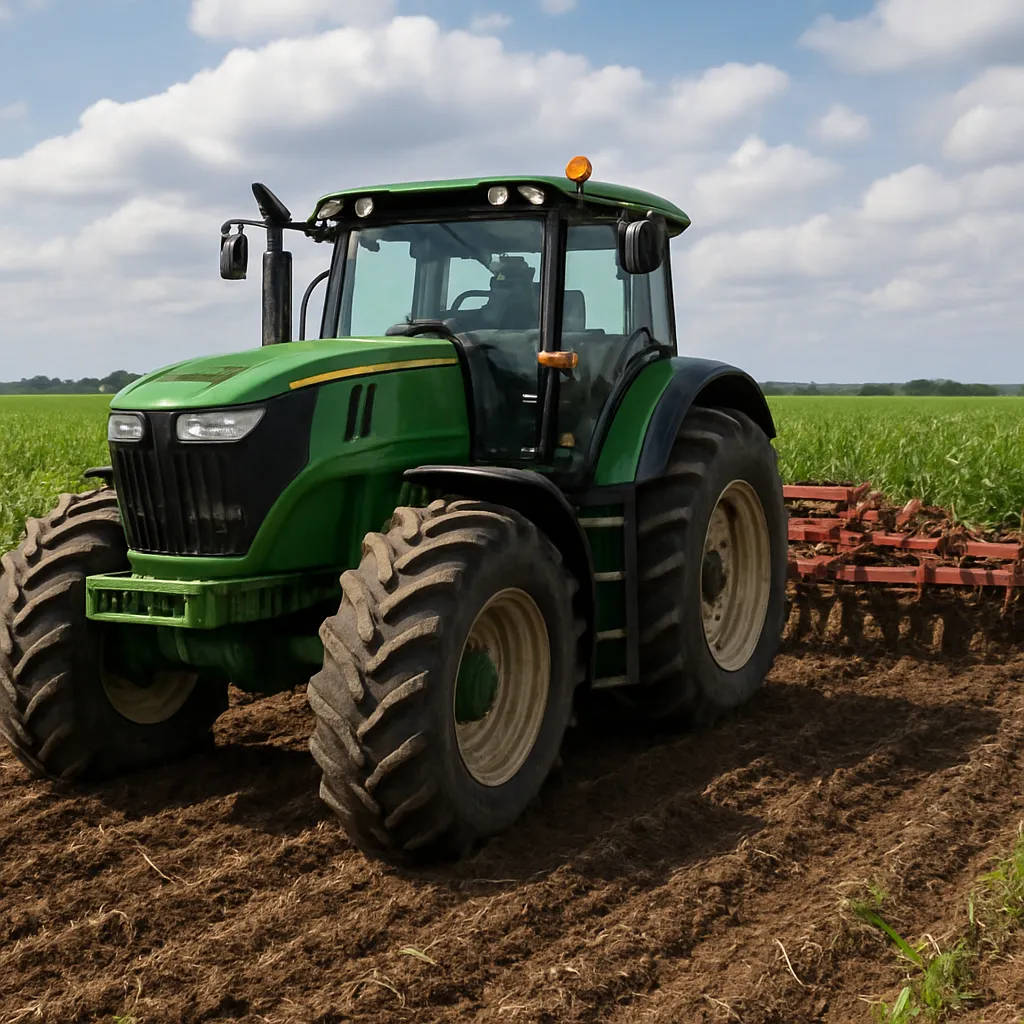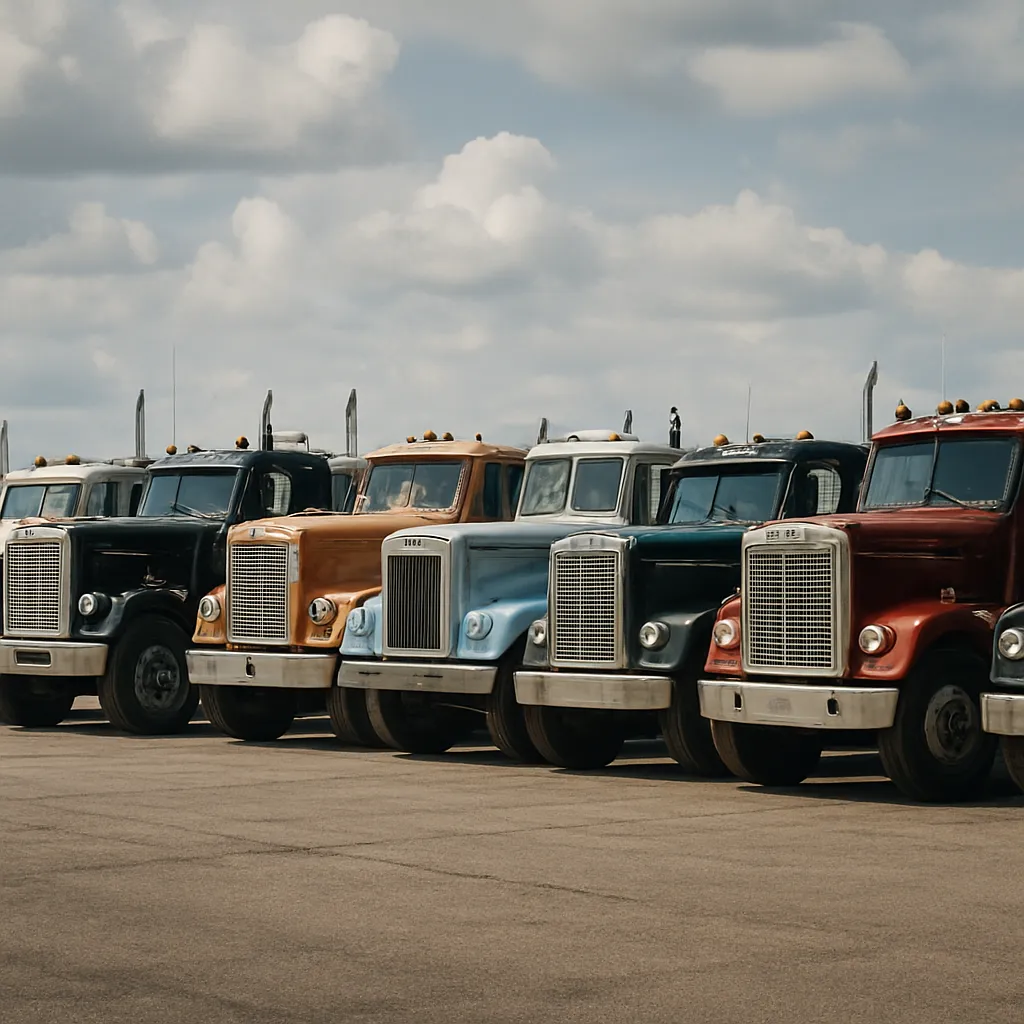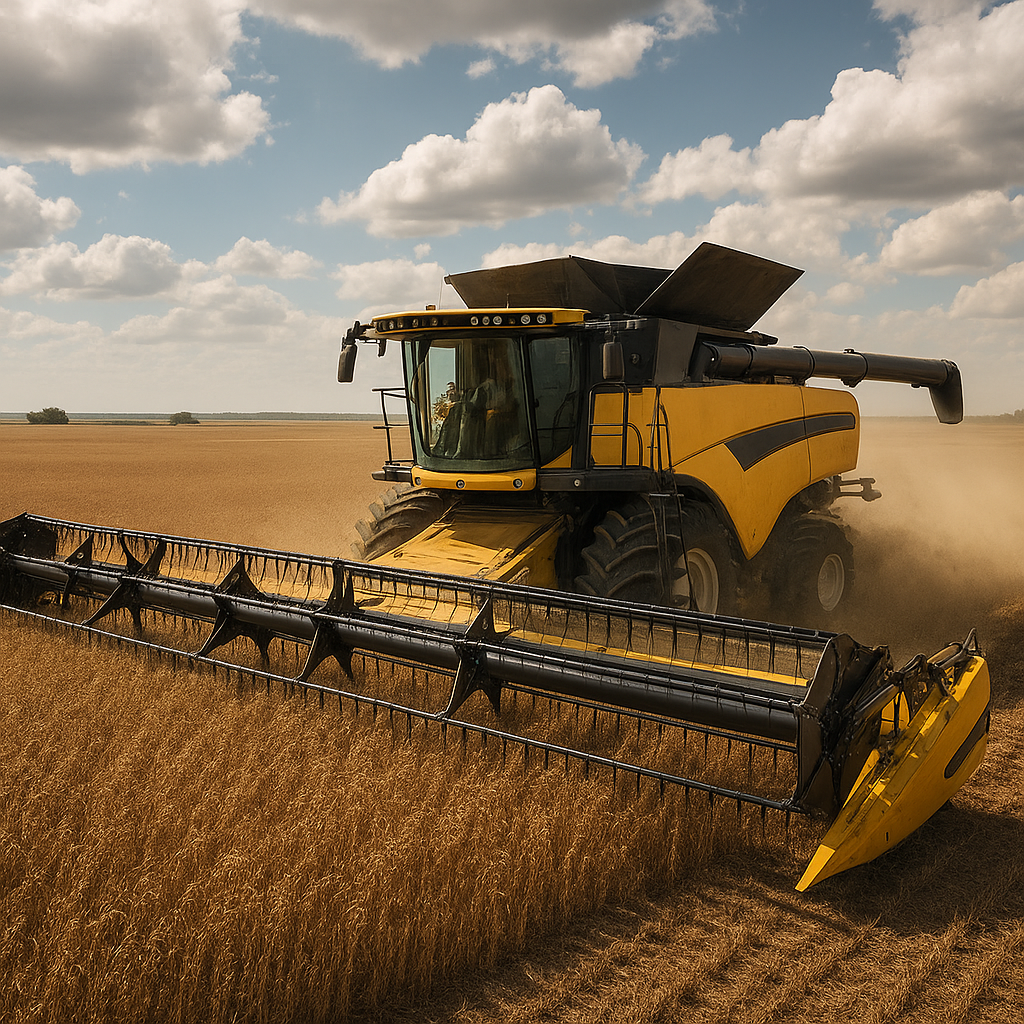
The World’s Largest Farm Equipment in Action showcases the monumental machines that have transformed the face of modern agriculture. These massive tractors and implements push the boundaries of size, power, and technological sophistication. As fields expand and demands for higher yields intensify, farmers turn to these mechanical giants for unmatched performance. This article delves into the most colossal tractors, the cutting-edge innovations that drive them, real-world applications in diverse environments, and the global implications shaping the future of farming.
Colossal Tractors: Powerhouses of Modern Agriculture
Among the largest farm vehicles ever built, certain models stand out for their sheer scale and capabilities. These tractors harness extraordinary horsepower and torque to tackle the toughest tasks, from deep tillage to heavy hauling. Here are some legendary examples:
- Big Bud 747 – Often cited as the world’s largest, this 110-foot-long behemoth generates 930 horsepower at the drawbar, designed in 1977 to plow cereal crops across vast Montana fields.
- Challenger MT900E – Featuring a diesel engine producing up to 575 horsepower, the MT900E integrates advanced hydraulics and steel tracks to minimize soil compaction while delivering consistent traction.
- John Deere 9RX Series – Offering between 470 and 620 horsepower, the 9RX tractors can be fitted with various attachments, from high-capacity seeders to disc harrows, enabling rapid operations on thousands of acres.
- Fendt 1050 Vario – Boasting up to 517 horsepower and a sophisticated continuously variable transmission, this German-engineered model blends raw strength with unparalleled operator comfort.
Each of these giants is a testament to exceptional engineering. Beneath their hulking frames lie complex drivetrains, reinforced chassis, and operator cabins equipped with climate control, touchscreen consoles, and AI-assisted navigation. Their ability to pull multi-ton implements across uneven terrain showcases the significant evolution from early single-cylinder tractors to modern multi-axle marvels.
Technological Marvels: Innovations Driving Efficiency
Advances in agriculture machinery go far beyond increased size. Today’s largest tractors integrate a host of high-tech systems to boost productivity and reduce environmental impact. Key innovations include:
- Precision Guidance Systems – GPS auto-steer ensures straight, uniform passes, eliminating overlap and saving fuel.
- Telematics and Data Analytics – Real-time monitoring of engine performance, fuel consumption, and implement status helps farmers optimize every operation.
- Autonomous Operation – Emerging self-driving tractors can perform repetitive tasks without human intervention, paving the way for 24/7 fieldwork.
- Variable-Rate Application – Using sensors and maps, machines adjust seed and fertilizer delivery on the go, maximizing input efficiency.
- Enhanced Safety Features – Cameras, LIDAR, and proximity sensors reduce the risk of collisions and operator fatigue.
Such developments are driving a paradigm shift. Modern farm vehicles no longer rely solely on brute force; instead, they combine raw power with smart systems. The integration of IoT devices allows entire fleets to communicate, enabling fleet-wide scheduling and maintenance alerts. This interconnected approach enhances efficiency and reduces downtime.
Under the hood, engines are designed to meet stringent emission standards. Advanced exhaust treatments and variable geometry turbos ensure compliance while delivering peak torque at low RPMs, optimizing fuel economy and prolonging equipment lifespan.
Real-World Applications: From Fields to Harvests
In large-scale farming operations, size matters—but so does versatility. These mechanical leviathans handle a range of tasks across diverse crops and terrains:
Soil Preparation
- Primary Tillage – High-capacity plows and cultivators break new ground, preparing acres of soil in a fraction of the time required by smaller machines.
- Secondary Tillage – Disc harrows and roller-crimpers smooth seedbeds, ensuring optimal seed-to-soil contact for germination.
Planting and Seeding
- Precision Planters – Equipped with section control to manage variable seeding rates, these implements adjust on the fly to soil conditions and moisture levels.
- High-Speed Seeders – Capable of planting hundreds of acres per day, reducing labor costs and ensuring timely emergence.
Crop Protection and Nutrition
- Self-Propelled Sprayers – High-clearance booms and variable-rate nozzles deliver pesticides and fertilizers uniformly across undulating fields.
- Fertilizer Spreaders – With hopper capacities exceeding 10,000 liters, they feed crops at optimal rates to promote steady growth.
Harvesting Assistance
- Grain Carts – Hitched to massive tractors, they shuttle between combines and storage bins, minimizing downtime during harvest season.
- Towed Windrowers – Cut and lay forages in neat rows, accelerating drying for silage production.
Farmers praise these giants for their unpredictable adaptability. Whether navigating rolling hills or vast prairie landscapes, the machines’ high ground clearance and track options prevent field damage. The combination of cultivation precision and multi-function attachments streamlines operations and boosts overall yield.
Global Impact and Future Trends
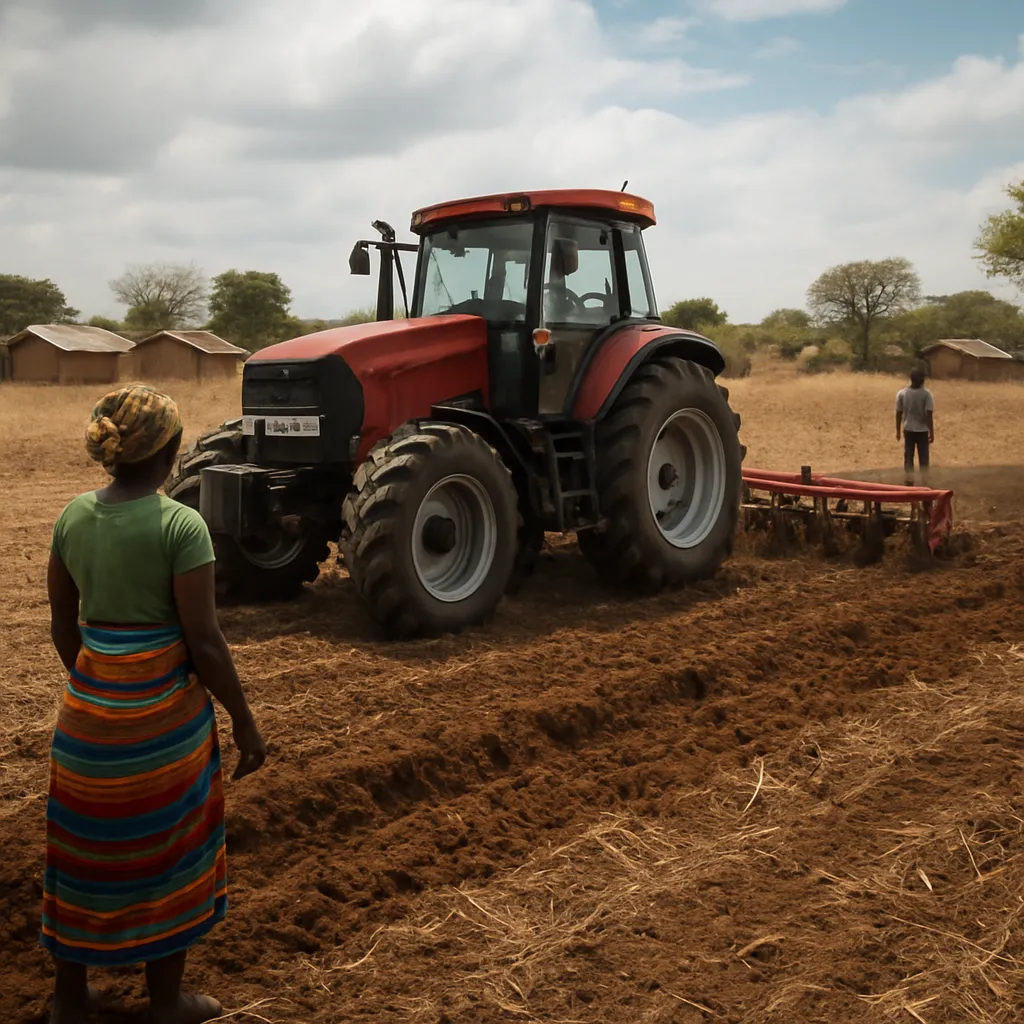
The proliferation of mega-tractors is not limited to North America and Europe. Across South America, Australia, and parts of Asia, large-scale producers increasingly adopt these machines to meet global food demands. However, challenges remain:
- Infrastructure Constraints – Narrow roads and small farmsteads can limit access for oversized equipment.
- Energy Consumption – High fuel usage calls for alternative power sources to improve sustainability.
- Skill Gaps – Operators must be trained to manage complex electronics and autonomous features safely.
Looking ahead, manufacturers are exploring hybrid and electric drivetrains to reduce carbon footprints. Robotics and drone integration promise even greater automation, supervising planting, spraying, and harvesting remotely. Advances in battery technology could soon enable autonomy without traditional fuel, further revolutionizing the field.
As the agricultural landscape evolves, the marriage of immense mechanical capability with state-of-the-art innovation positions these tractors at the forefront of a burgeoning era. By embracing cutting-edge technologies and focusing on eco-friendly power solutions, the farming sector can achieve higher productivity while safeguarding natural resources for generations to come.