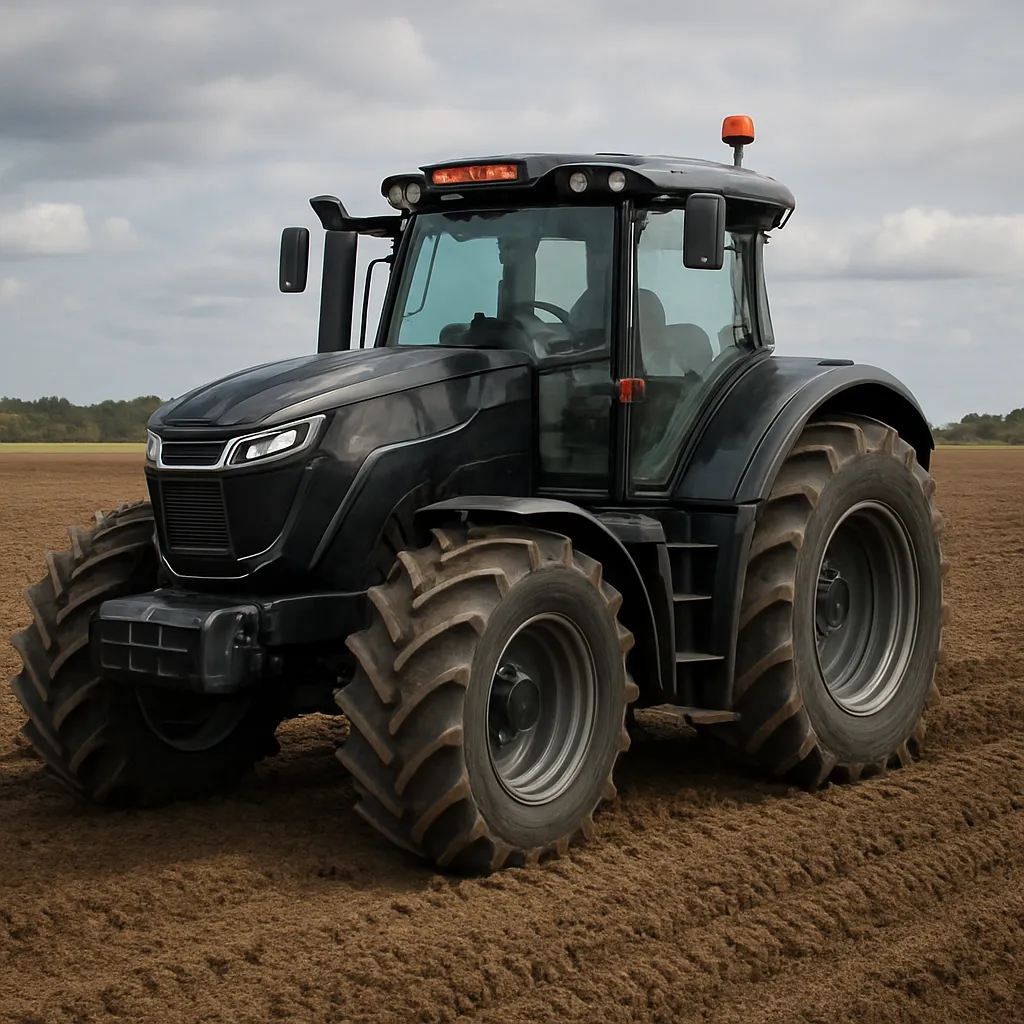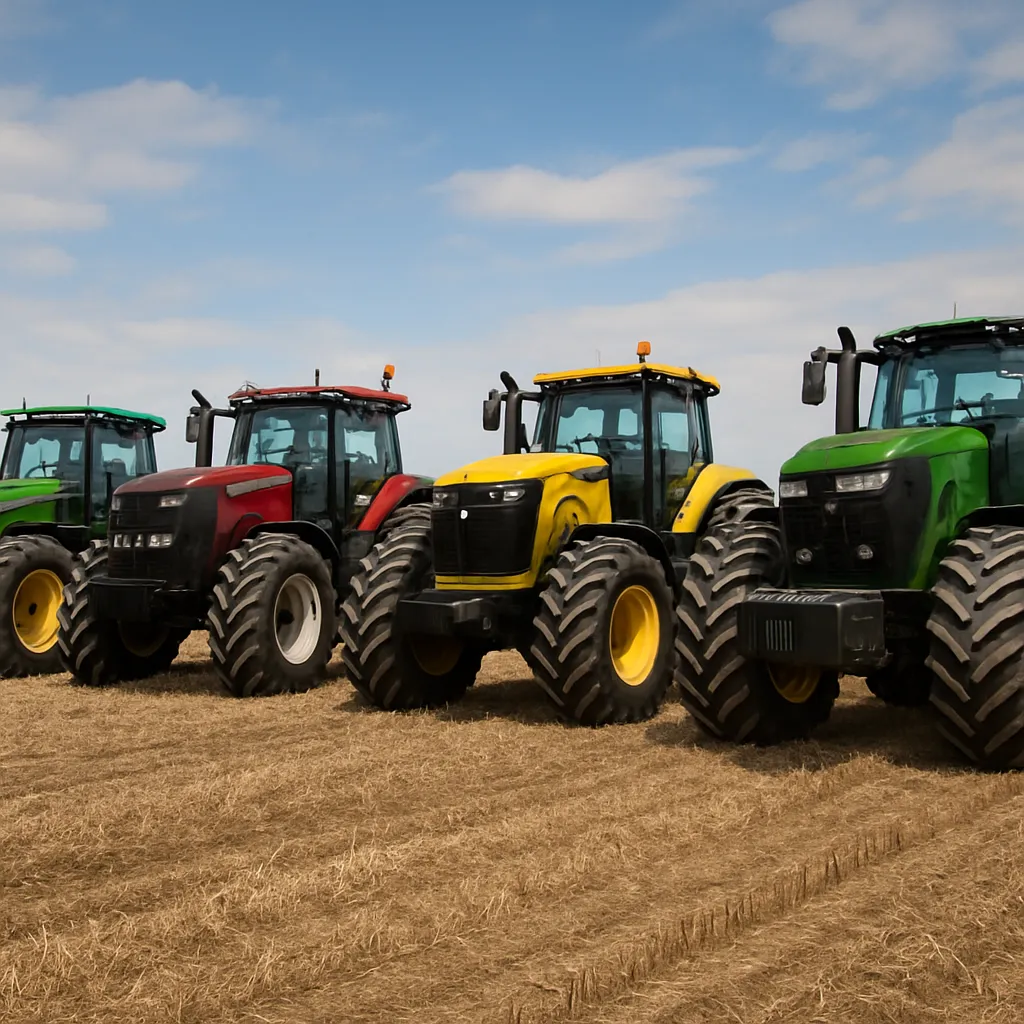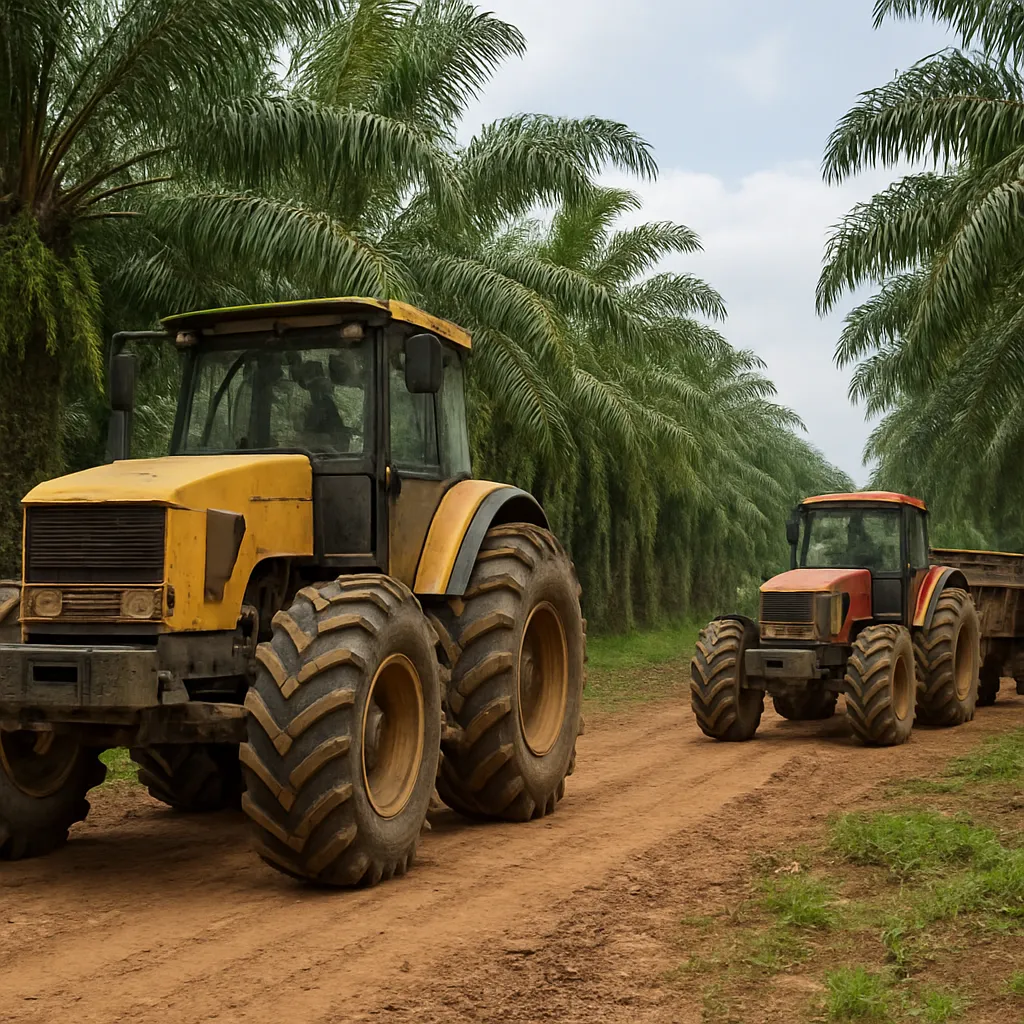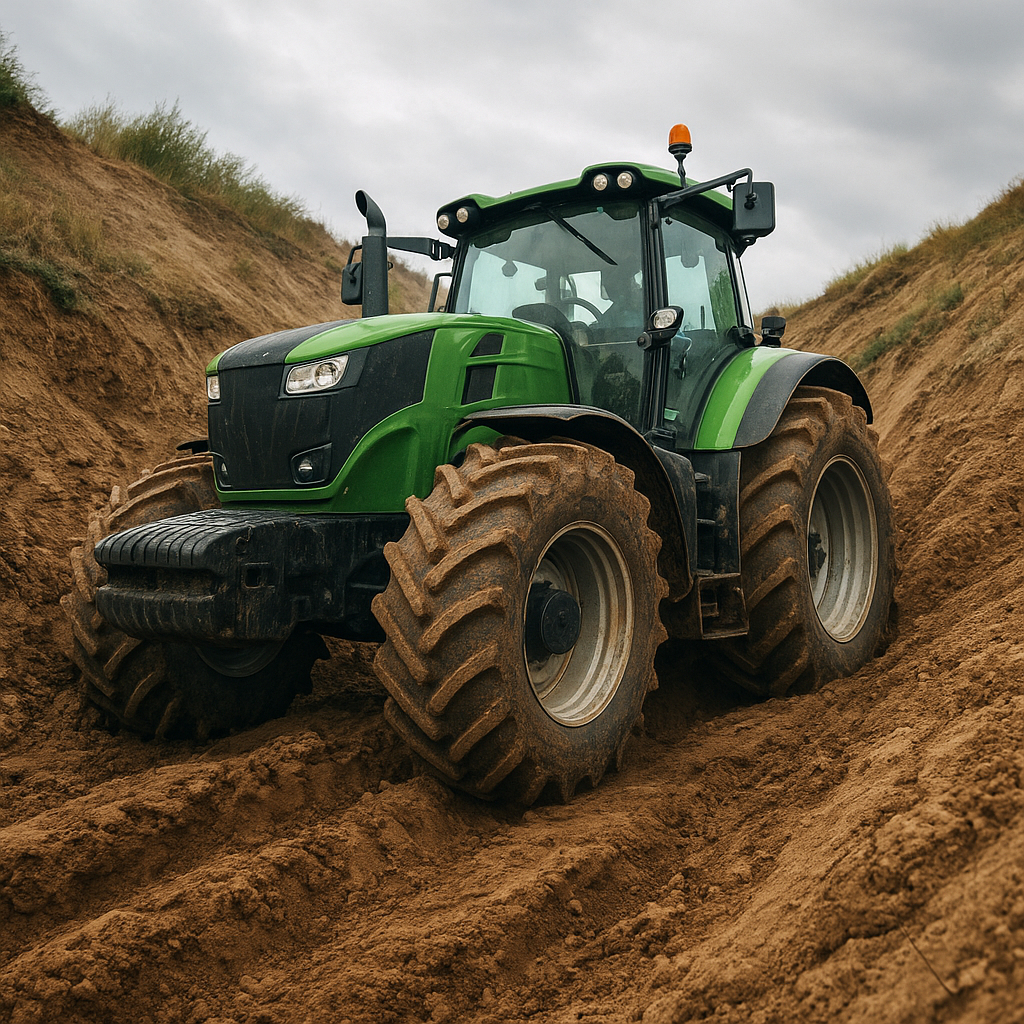
Across vast fields and rocky inclines, the most colossal agricultural machines demonstrate how sheer scale meets cutting-edge technology to conquer the harshest environments. From muddy riverbanks to steep mountain slopes, these giants combine raw power with refined systems to maintain stability, deliver high output, and ensure operator safety. This exploration uncovers the engineering marvels behind the world’s biggest tractors and reveals how they master extreme terrain.
Terrain Challenges and Tractor Design
Rugged landscapes impose a range of obstacles: uneven ground, soft soils, extreme gradients, and unpredictable weather. To address these, manufacturers integrate specialized chassis layouts and materials that withstand constant stress. A prime focus is on durability, ensuring that frames resist fatigue even when lifting heavy implements on steep slopes. Advanced metallurgy and reinforced welds allow these machines to shrug off impacts from rocks and debris.
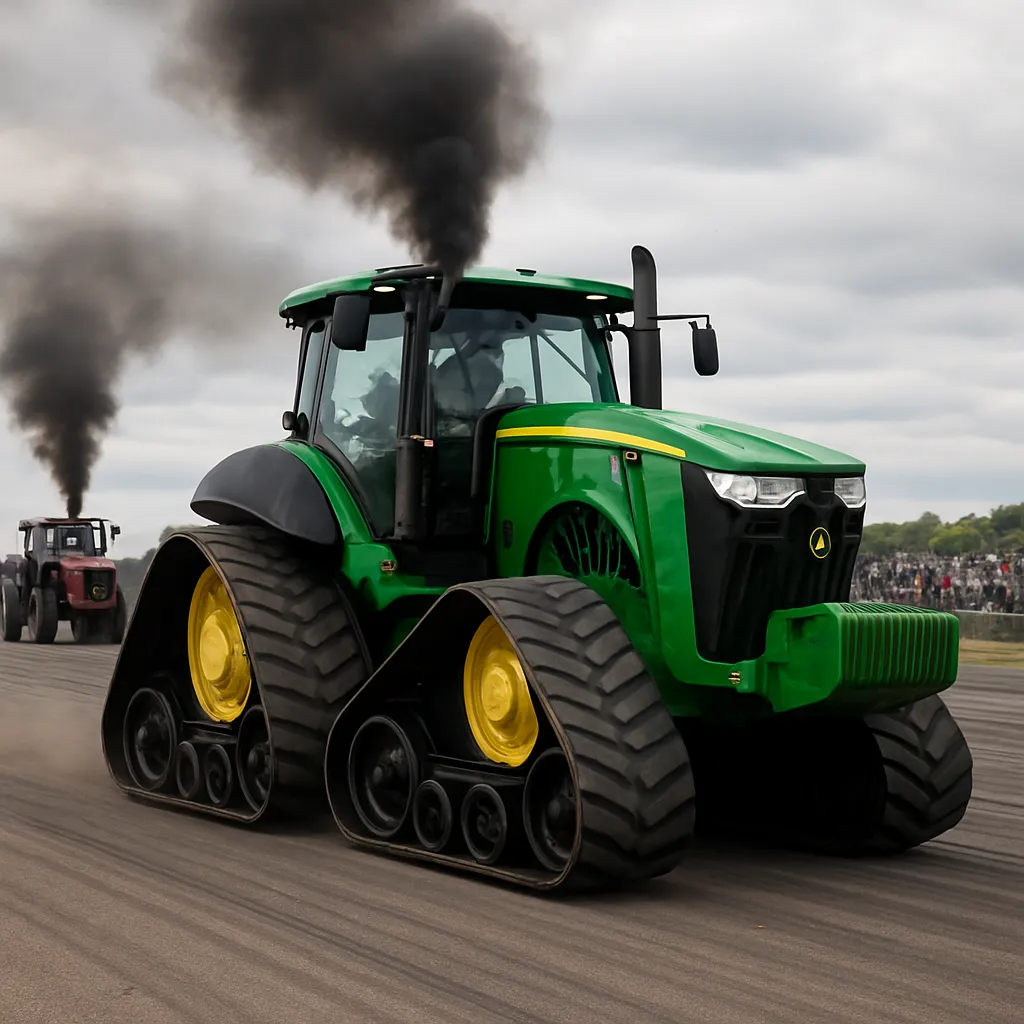
Effective traction is another critical factor. Giant tractors often employ dual or even quad tracks instead of conventional tires, dramatically increasing contact area with the ground. This not only prevents slippage in muddy fields but also distributes weight to minimize soil compaction. When wheels are preferred, oversized radial tires with deep lugs and optimized tread patterns help maintain grip on loose or icy terrain.
Weight distribution plays a dual role: lowering the center of gravity enhances stability on side slopes, while adjustable ballast systems shift mass to match the workload. Hydraulic weight transfer mechanisms can dynamically move ballasts front or rear, adapting in real time to changing implements and ground conditions. This active balancing act prevents rollovers, even on gradients exceeding 30 degrees.
Key Components Enabling Extreme Performance
Engine and Powertrain
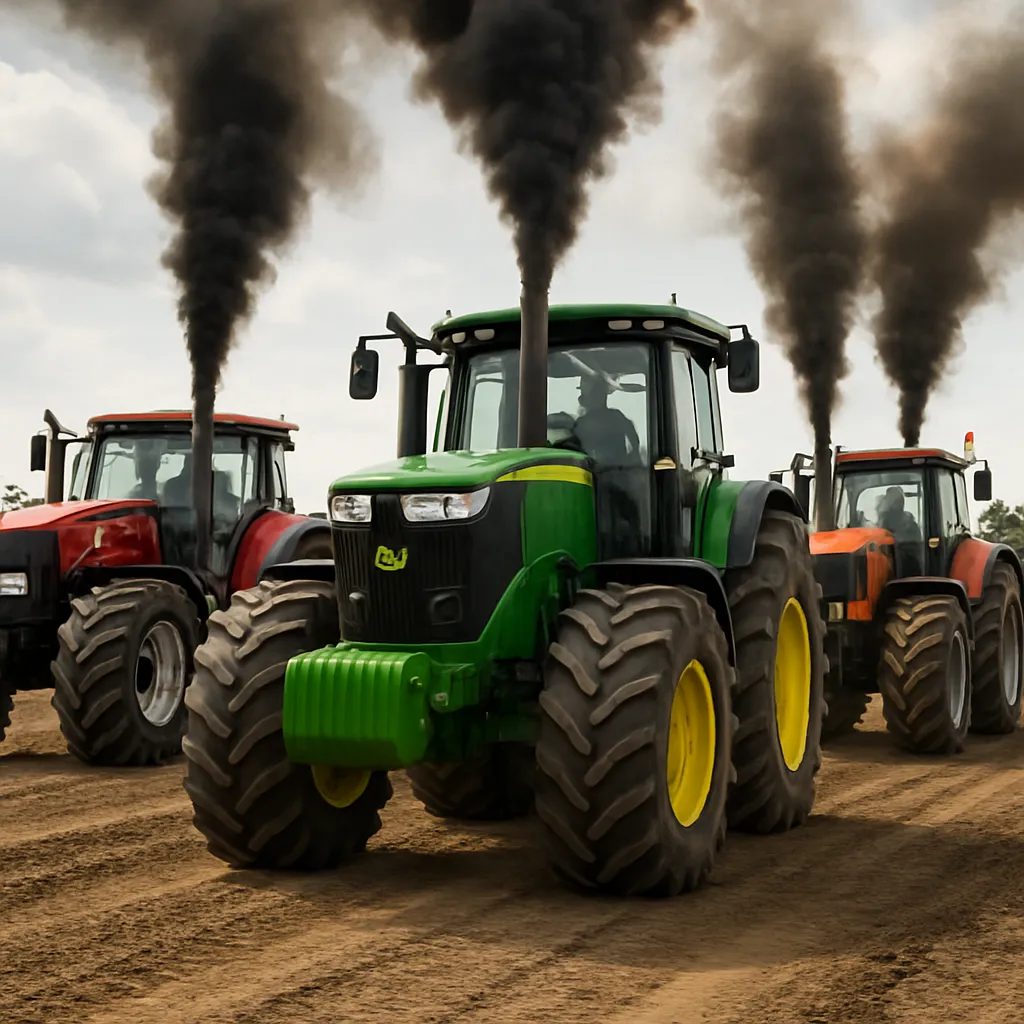
At the heart of every mega-tractor lies a colossal engine. These behemoths generate upward of 600 to 1,000 horsepower, thanks to advanced turbocharging and precise fuel injection controls. modern electronic engine management optimizes combustion for each cylinder, squeezing out maximum power while keeping emissions in check. The integration of selective catalytic reduction and diesel particulate filters ensures compliance with strict environmental standards.
Hydraulics and Control Systems
Robust hydraulics deliver immense lifting and steering forces. Load-sensing circuits automatically adjust pressure based on demand, preventing energy waste and maintaining smooth operation. Multi-pump setups separate steering, hitch, and implement functions, so one system’s surge doesn’t disrupt another’s operation. Operators can fine-tune flow rates for individual tools, from high-speed planters to heavy-duty earthmovers.
Suspension and Comfort
Traveling over unforgiving terrain demands a responsive suspension. Many large tractors feature independent front suspension or full-cab air-ride seats to absorb shocks. Beam axles with integrated shock absorbers flatten out jolts, reducing fatigue for the driver and protecting sensitive electronics. Cab isolators further isolate vibration, creating a comfortable environment for long shifts.
Navigation and Precision Farming
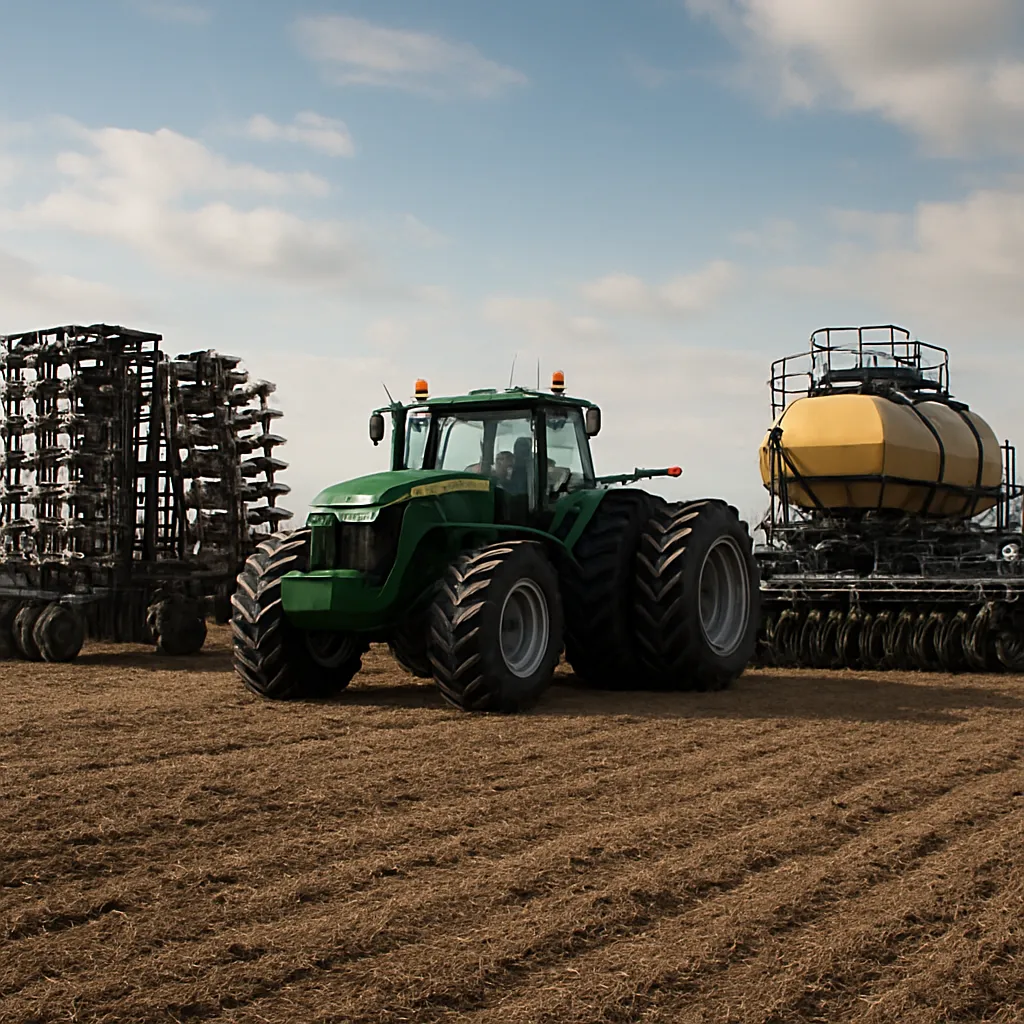
State-of-the-art navigation systems, including RTK GPS and GNSS augmentation, enable centimeter-level guidance. Automated steering keeps implements on exact paths, reducing overlap and ensuring uniform coverage. Terrain-following algorithms adjust hitch height moment by moment, maintaining consistent seed depth or tillage intensity, which is crucial on rolling landscapes.
- Transmission: Continuously Variable Transmissions (CVT) provide seamless speed changes and efficient torque delivery.
- Operator Station: Ergonomic layouts with touchscreen interfaces centralize controls for all functions.
- Safety Systems: Anti-rollover bars, stability sensors, and emergency braking keep both machine and operator secure.
Notable Models and Their Record-Breaking Feats
Big Bud 747
The legendary Big Bud 747 holds the title of the largest farm tractor ever built. With a monstrous 16-cylinder engine producing over 900horsepower, this machine stretches more than 27 feet in length and weighs upwards of 100,000 pounds. It operates on eight equally sized tires, ensuring uniform ground pressure across its massive footprint. Despite its age, the 747 remains a testament to pure mechanical engineering prowess.
Fendt 1150 Vario
Fendt’s flagship model not only delivers 517 horsepower but also integrates a fully active chassis suspension, enhancing stability on uneven fields. Its Vario CVT and high-capacity hydraulic circuits generate precise control for large implements. This model’s combination of agility and power makes it adept at working on hilly vineyards and orchards, where precise handling is paramount.
Versatile 610
Designed for North America’s expansive prairies, the Versatile 610 features a 10.8-liter engine paired with an IVT (Infinitely Variable Transmission). Generating 600 horsepower, it balances robust power with fuel efficiency. Its front axle suspension and optional two-speed final drives allow seamless adaptation between transport and fieldwork speeds, making it versatile across diverse American farmland.
Challenger MT900 Series
These track tractors emphasize low soil disturbance by maintaining under 7 psi ground pressure, thanks to their wide, triple grouser tracks. Outputting up to 575 horsepower, the MT900 series includes technologies like automated track tensioning and integrated implement control via ISOBUS. This synergy of traction and precision has led to record productivity in seeding and fertilizing operations.
Future Trends: Pushing Boundaries Further
The next generation of super-tractors will likely integrate hybrid drivetrains, combining diesel engines with electric motors to boost performance and reduce emissions. Advanced materials, such as carbon composites, promise to lower structural weight without sacrificing strength. Furthermore, AI-driven diagnostics and autonomous capabilities will allow machines to self-optimize for soil conditions, load, and weather, ushering in a new era of fully connected, smart farming equipment.