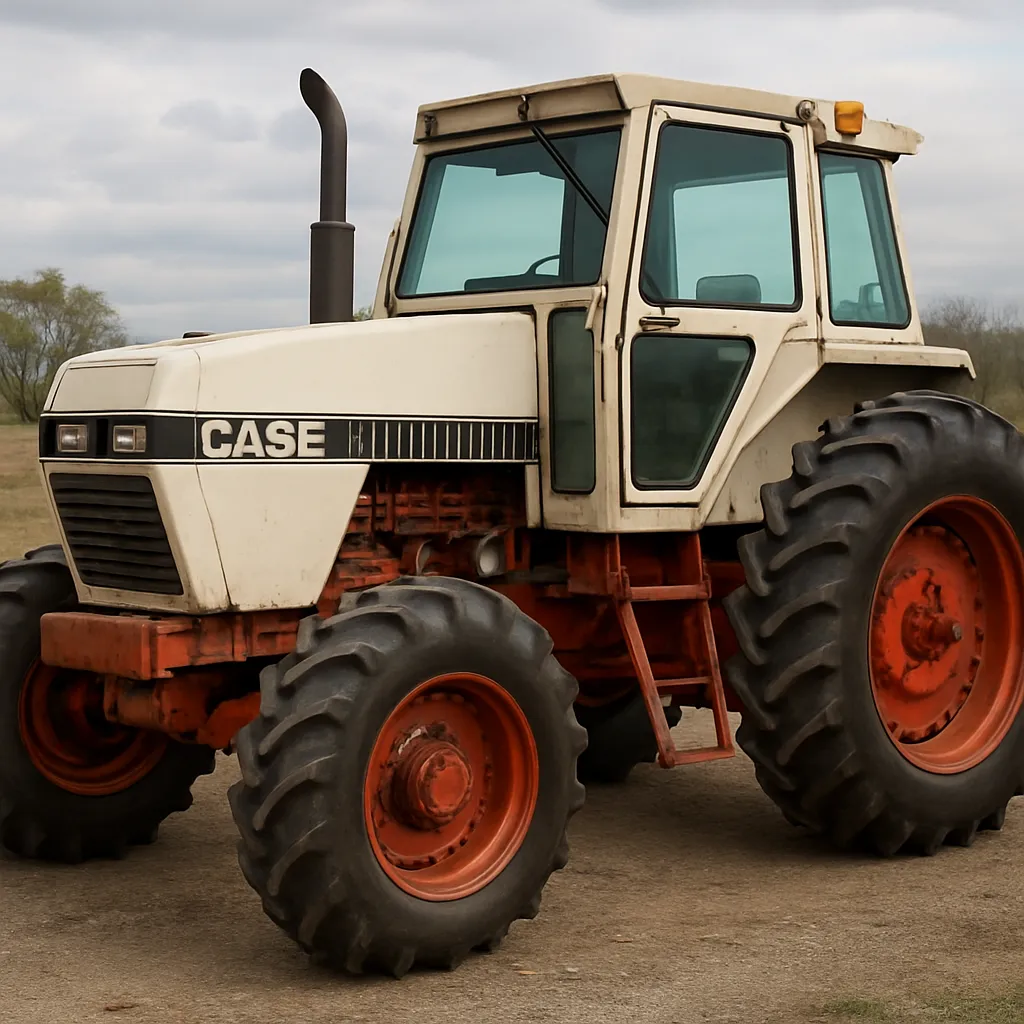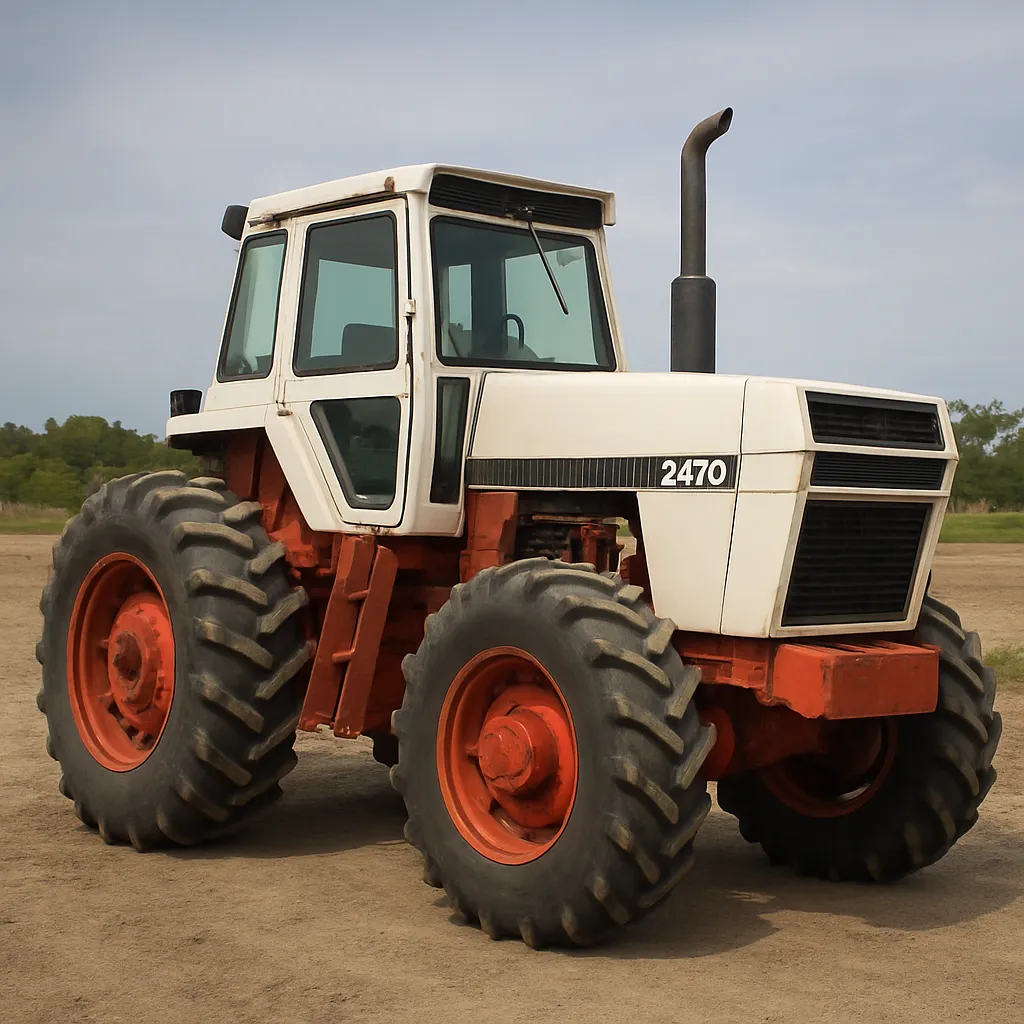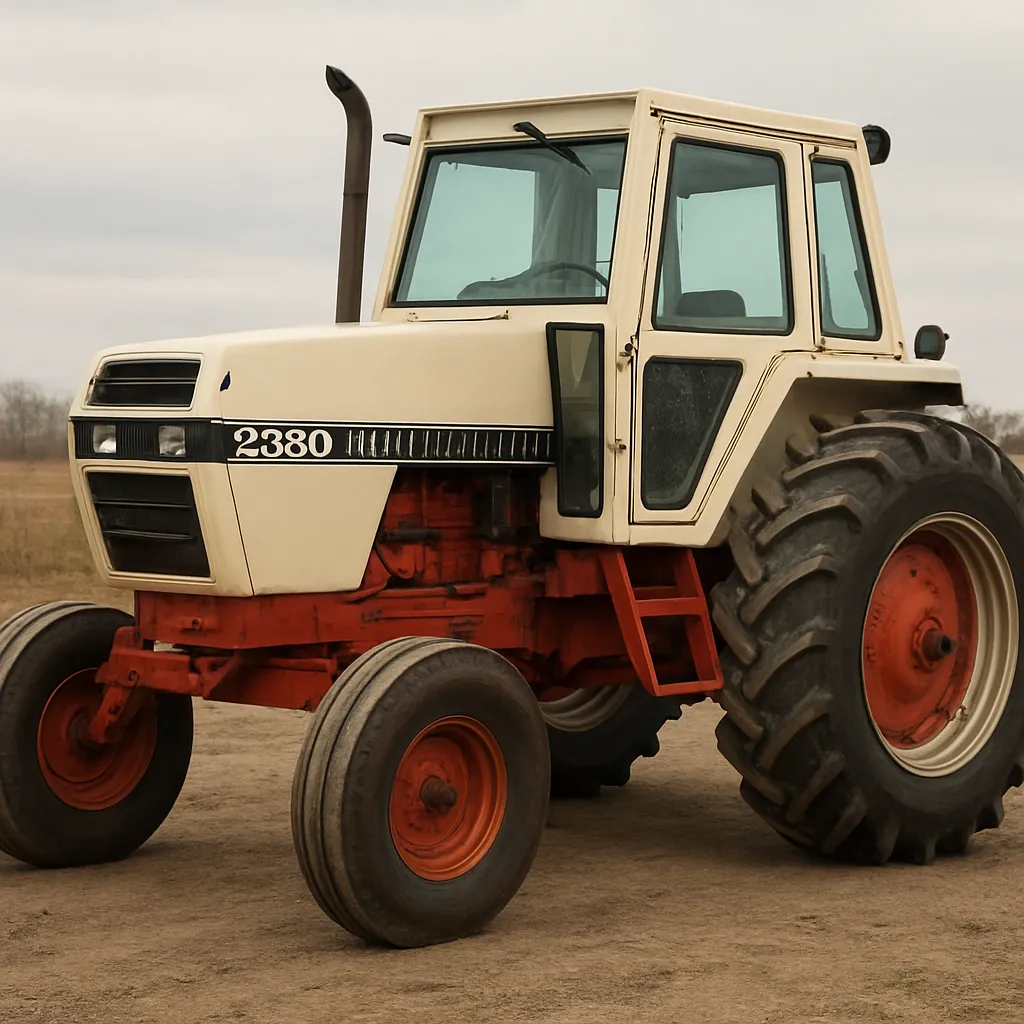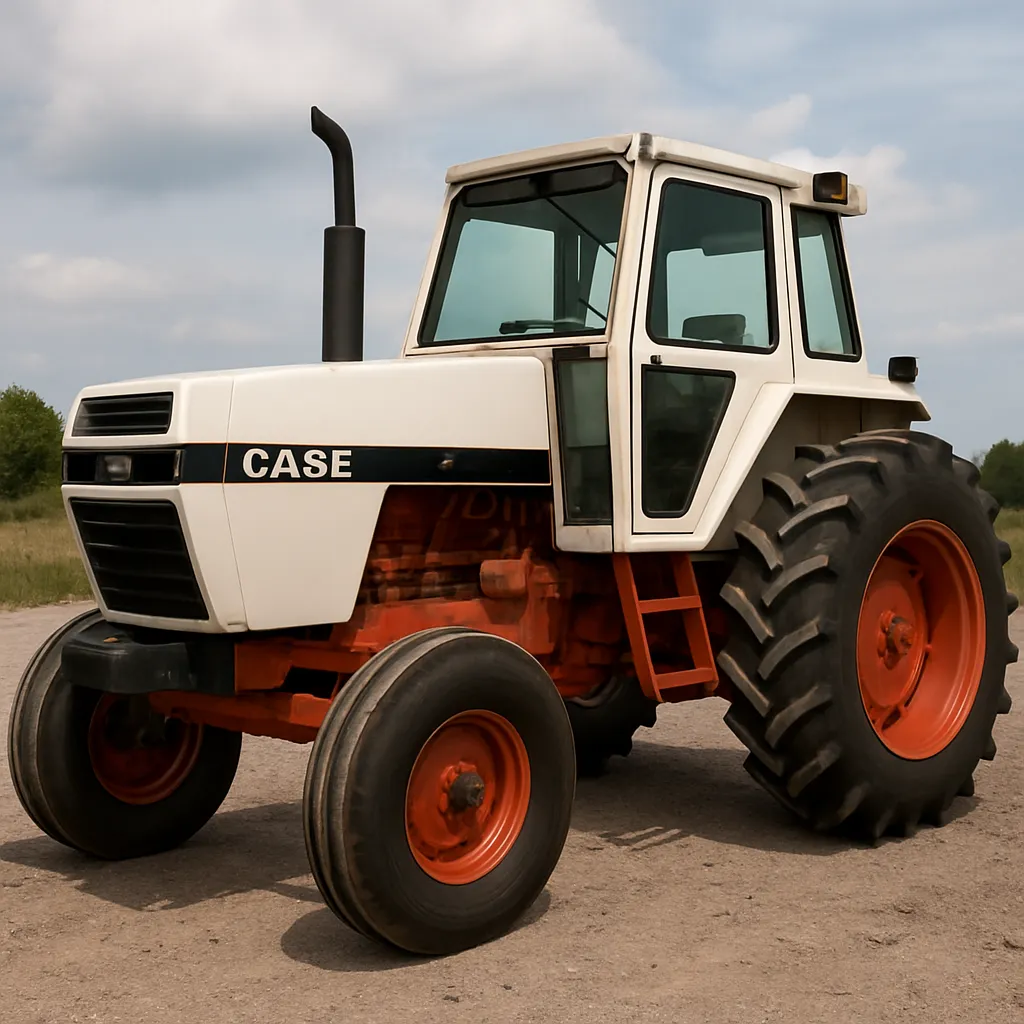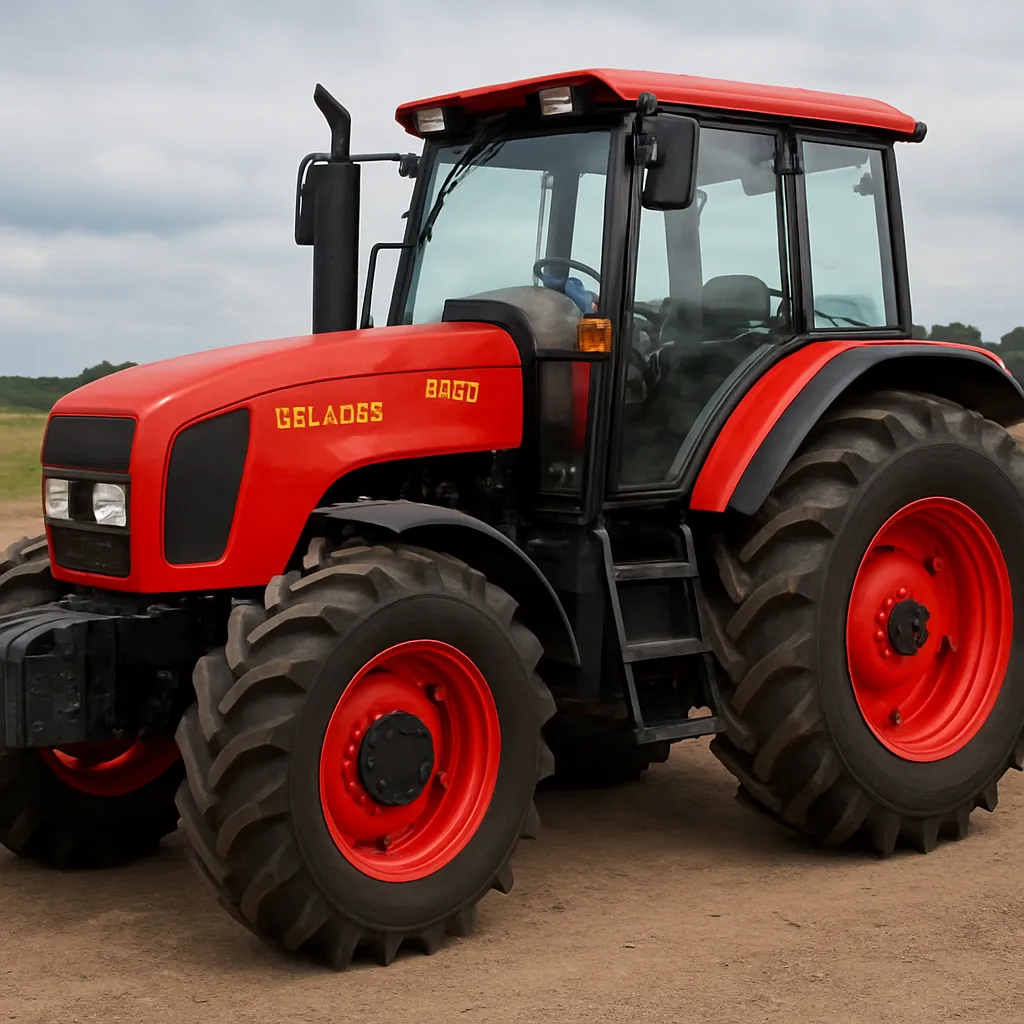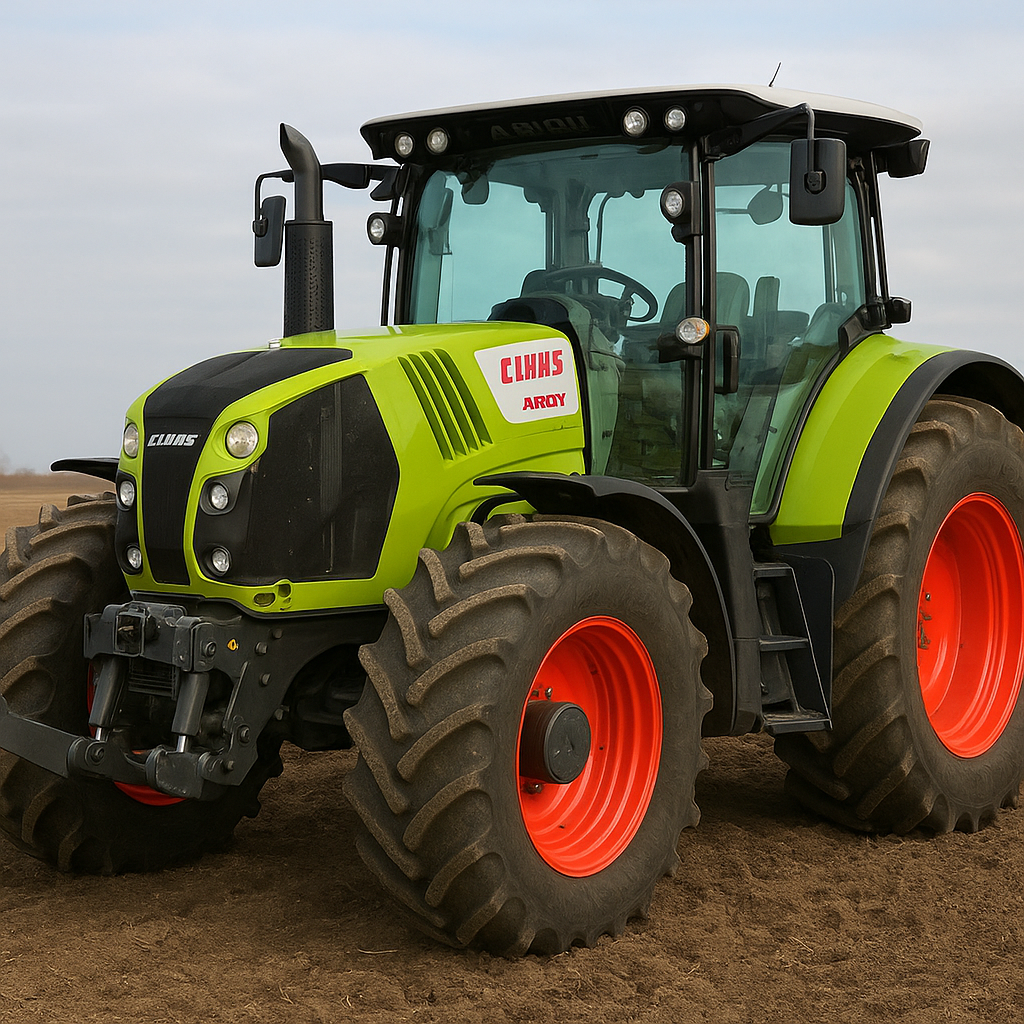
The Claas Arion 650 is a mid-size agricultural tractor designed to combine power, comfort and versatility for modern farms. Positioned within the Arion 600 series, it targets arable farms, livestock operations and mixed enterprises that require a reliable machine capable of handling fieldwork, loader tasks, transport and implements ranging from seed drills to round balers. In this article we explore the Arion 650’s features, typical specifications, practical applications, maintenance considerations and market context, highlighting why it remains a popular choice in its segment.
Design and Technical Overview
The Arion 650 is built as a workhorse with emphasis on ease of use and adaptability. Across its production run, Claas focused on combining efficient engines, user-friendly cab ergonomics and well‑spec’d hydraulics to meet a wide range of agricultural requirements. Exact specifications can vary by model year and optional packages, but several consistent elements define the Arion 650’s character.
Engine and Performance
- Engine type: Most Arion 600-series tractors, including the 650, are fitted with robust diesel engines—commonly 4-cylinder units—designed for high torque at low rpm to suit agricultural tasks.
- Power output: The Arion 650 is typically offered in a power band around 140–160 horsepower depending on year and configuration. This places it squarely in the mid-range segment suitable for medium-to-large farms.
- Emissions and fuel: Newer variants meet contemporary emission standards (e.g., Stage III B, Stage IV / Tier 4 Final for later models) using after-treatment systems. Typical field fuel consumption varies considerably with task but commonly ranges from about 8–15 L/h under working conditions; transport or light tasks consume less.
- Torque and drivability: Emphasis is on strong low‑end torque for draft work and PTO tasks, enabling consistent performance with heavy implements at moderate engine speeds.
Transmission and Drive Systems
The Arion 650 has been available with different transmission options to suit operator preferences and agricultural uses. Options typically include mechanical or semi-powershift transmissions as well as continuously variable or stepless systems on certain variants.
- Transmission types: choices often include a stepped powershift (multi-range) or a CVT-like option for smoother speed changes and improved efficiency in transport and field work.
- Four-wheel drive and front axle suspension are standard or optionally available, improving traction, ride comfort and stability when using front implements or loaders.
- Electronic management of driveline and differential locks simplifies operation in challenging field conditions.
Hydraulics, PTO and Linkage
- Rear linkage capacity: typical lift capacities range from about 4,500 kg up to 6,500 kg depending on specification—sufficient for most medium-sized implements such as ploughs, cultivators, seeders and large mowers.
- PTO options normally include 540 / 540E / 1000 rpm selections, enabling compatibility with a wide variety of implements.
- Hydraulic flow rates vary by configuration but commonly fall in the 70–110 L/min range for implement circuits, with multiple spool valves (electronic or mechanical) to control several hydraulic functions simultaneously.
Cab, Controls and Ergonomics
Claas places strong emphasis on operator comfort and productivity. The Arion 650 cabin is designed to reduce fatigue and provide excellent visibility and control.
- Comfort features: air‑suspended seats, climate control (heating and air conditioning), sound insulation and an intuitive control layout.
- Operator interfaces often include a multi-function joystick for loader and transmission control, and a user-friendly terminal for hydraulics and ISOBUS-compatible implements.
- Visibility is optimized for front loader work and rear implement monitoring, with optional cameras available in many configurations.
Applications and Practical Uses
The Arion 650’s combination of power, lift capacity and operator comfort makes it suitable for a broad array of agricultural tasks. Its versatility allows it to be a primary tractor on many farms.
Fieldwork and Crop Production
- Primary tillage: With adequate lift capacity and torque, the Arion 650 handles ploughs, disc harrows and cultivators on medium to heavy soils.
- Sowing and planting: Smooth speed control and precise hydraulics help deliver consistent seed placement with air drills and planters.
- Fertiliser and spraying: PTO and hydraulic outputs make the tractor suitable for spreading and towing sprayers and spreaders over moderate acreages.
Hay and Forage Operations
- Mowing, raking and tedding: The tractor’s PTO configurations and moderate power are ideal for self-propelled mowers and trailed implements.
- Baling and wrapping: With sufficient rear lift and PTO power, the Arion 650 works well with round and square balers.
Loader and Yard Work
- Front loader integration: Many users attach loaders for bale handling, silage work and material movement—an area where cab comfort and operator visibility are particularly valuable.
- Transport and towing: The transmission options provide efficient road transport capabilities for trailers and agricultural implements.
Specialized and Contracting Tasks
- Municipal work, contractors and mixed farms can configure the Arion 650 for tasks such as road maintenance, hedge cutting and snow clearing—areas that benefit from robust hydraulics and front linkage options.
- With ISOBUS compatibility and optional telematics, contractors can integrate precision farming workflows and implement data exchange for improved job tracing and efficiency.
Technology, Connectivity and Precision Farming
Modern variants of the Arion 650 are equipped to support precision agriculture workflows and connectivity features that improve efficiency and decision making.
ISOBUS and Implement Control
- The Arion 650 supports ISOBUS standards for plug-and-play implement communication. This allows implements and the tractor to share control parameters, reducing setup time and improving accuracy for seeding, spraying and variable-rate applications.
Telematics and Fleet Management
- Claas offers telematics packages (such as Claas Telematics) enabling remote monitoring of machine location, hours, maintenance alerts and fuel use. These systems assist farm managers in optimizing fleet utilization and reducing downtime.
- Data capture from the tractor can feed farm management systems, simplifying record-keeping for compliance and agronomic analysis.
Guidance and Autosteer
- Optional integrated guidance systems and autosteer functionality enhance precision in field operations, reduce overlap and operator fatigue, and support night-time or low-visibility work.
- These systems contribute to lower input costs (seed, fertiliser) per hectare by improving application accuracy.
Maintenance, Reliability and Operating Costs
Operating a mid-size tractor like the Arion 650 efficiently requires attention to routine maintenance and understanding total cost of ownership. Claas has aimed to design tractors with accessible service points and robust components to minimize downtime.
Routine Service Points
- Engine oil and filter changes, fuel filter replacement and air filter inspection are typical intervals—Claas documentation provides precise schedules that vary with use and hours.
- Hydraulic fluid and filter changes, along with checking of hose integrity and linkage pins, are important for safe and reliable implement operation.
- Transmission and final drive service intervals depend on the selected transmission type; CVT systems often have specific fluid change requirements.
Reliability and Lifecycle
- Well-maintained Arion tractors are commonly used for upward of 8,000–10,000 engine hours in large farm and contracting environments before major overhauls are required; exact lifespans depend on maintenance, environment and duty cycle.
- Claas’s dealer network supports parts availability and service, reducing downtime in many markets.
Operating Costs and Efficiency
- Key cost drivers include fuel consumption, tyres, routine servicing, and eventual replacement of wear items (brakes, hydraulic seals, PTO components).
- Efficient transmission choices and economy PTO modes can reduce fuel consumption during transport and light-load tasks.
Customization, Options and Attachments
One of the Arion 650’s strengths is the wide range of factory and aftermarket options, allowing farmers to tailor the tractor to specific tasks and work environments.
- Front loaders: dedicated mounting kits, industrial or agricultural style loaders, and quick-hitch options for fast implement changes.
- Cab packages: enhanced comfort packs, premium audio, cameras and lighting upgrades for extended hours of operation.
- Agronomic packages: ISOBUS terminals, guidance systems, section control and variable rate control for modern precision farming.
- Hydraulic upgrades: higher-flow pumps, additional spool valves and electrically controlled rear hydraulics for complex implements.
- Tire and axle options: varied tyre sizes, duals and track-compatible setups for different soils and traction needs.
Safety and Operator Wellbeing
Safety features and operator ergonomics are central to modern tractor design. The Arion 650 integrates components intended to protect the operator and reduce fatigue.
- ROPS-certified cab, safety interlocks for PTO engagement and clear instrument panels help prevent accidents.
- Excellent visibility from the cab reduces blind spots during loader and rear implement operations; optional cameras further enhance rear view when handling trailers or balers.
- Noise reduction and vibration control in the cab improve operator stamina during long working days.
Market Context, Resale and Comparisons
The Arion 650 competes in a crowded mid-range tractor segment. It is favored where a balance of power, comfort and cost-effectiveness is required. Buyers often compare it to models from other major manufacturers with similar power ratings.
Resale Value and Depreciation
- Resale values for well-maintained mid-range tractors like the Arion 650 typically remain stable compared with the market, provided service records are up to date and wear items are in good condition.
- Factors affecting resale include hours, condition of major systems (engine, transmission, hydraulics), and the presence of desirable options (guidance systems, front loaders).
Competitive Strengths
- Claas’s dealer support and integration of farm-focused technologies are key selling points.
- Comfort and cab ergonomics give the Arion 650 an edge for operators who spend long hours in the tractor.
- Flexibility of configurations—from loader work to precision seeding—makes it attractive to mixed farms.
Statistical and Specification Reference (Typical Ranges)
Exact numbers vary by model year and regional configuration, but the following figures represent common specifications for the Arion 650 or closely related Arion 600-series models. These should be checked against Claas factory data or a local dealer for precise values on a specific unit.
- Engine power: approximately 140–160 hp (depending on rating and boost).
- Engine type: generally 4‑cylinder diesel, displacement commonly in the 4.0–4.5 L range for this class.
- Maximum torque: values vary but high low-end torque is emphasized for draft work.
- Transmission: mechanical/powershift or CVT/stepless options; forward speeds up to typical road limits (40–50 km/h depending on gearbox and country restrictions).
- Hydraulic pump flow: commonly from 70 to 110 L/min depending on load-sensing options.
- Rear lift capacity: often between 4,500 and 6,500 kg, depending on linkage and chassis specification.
- PTO options: 540 / 540E / 1,000 rpm with electro-hydraulic engagement.
- Fuel tank: common capacities around 200–300 litres depending on chassis and options.
- Operating weight: typically in the region of 4,500–6,500 kg depending on ballast and equipment.
Buying Considerations and Final Thoughts
If you are considering an Arion 650, evaluate the following:
- Define your primary tasks: field tillage, loader work, transport—this determines power, linkage and hydraulics needs.
- Choose the transmission type that best matches the bulk of your work: powershift for heavy draft and simple operation, or CVT for maximum efficiency and smoother transport.
- Check optional equipment: guidance, ISOBUS, telematics and loader packages can add productivity but increase upfront cost.
- Inspect any used unit for service history, wear items (tyres, brakes, hydraulics) and check for signs of heavy loader/contractor use which can affect chassis life.
The Claas Arion 650 is a capable and adaptable tractor that suits a wide variety of agricultural operations. Its combination of power, comfort and modern control systems makes it a practical choice for farmers aiming for efficient, reliable performance across seeding, cultivation, forage and handling tasks. When properly specified and maintained, it provides strong value and long-term utility for mixed and arable farms seeking a mid-range workhorse with contemporary features.