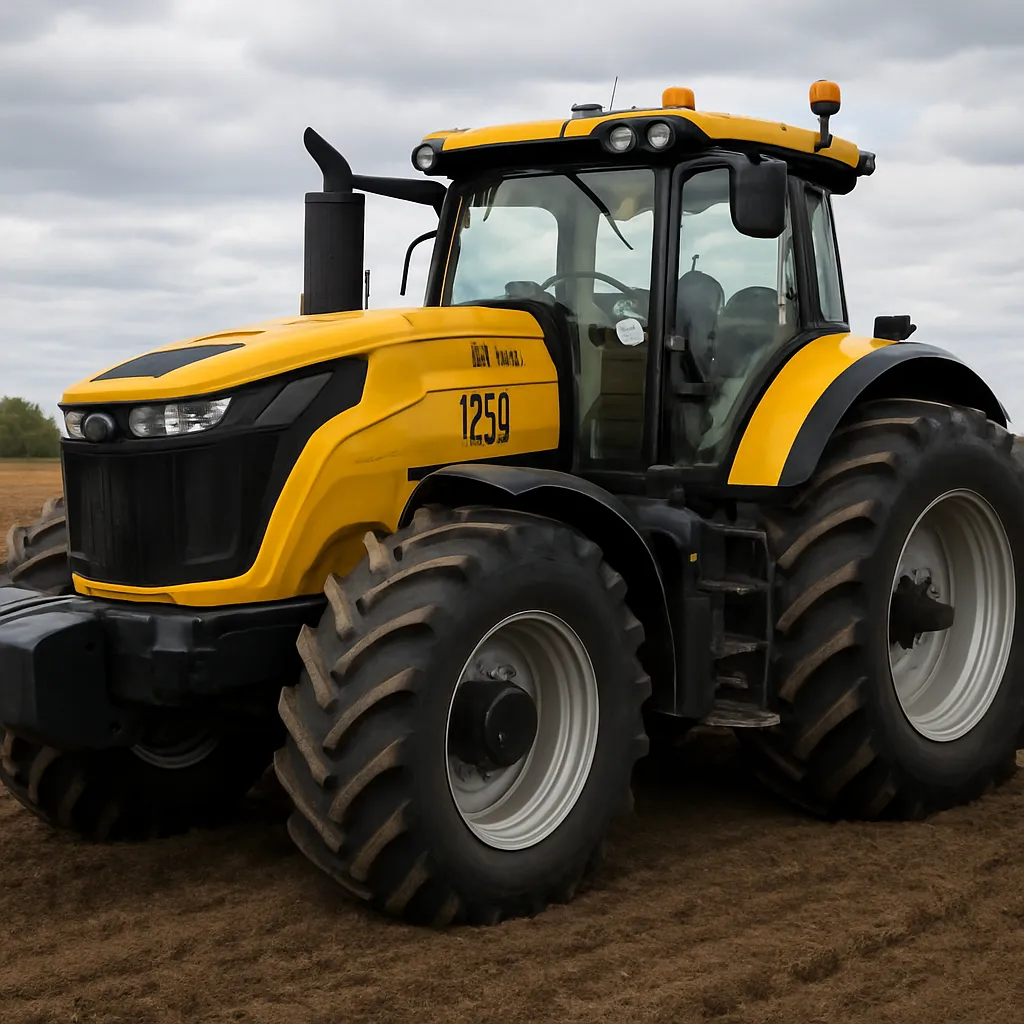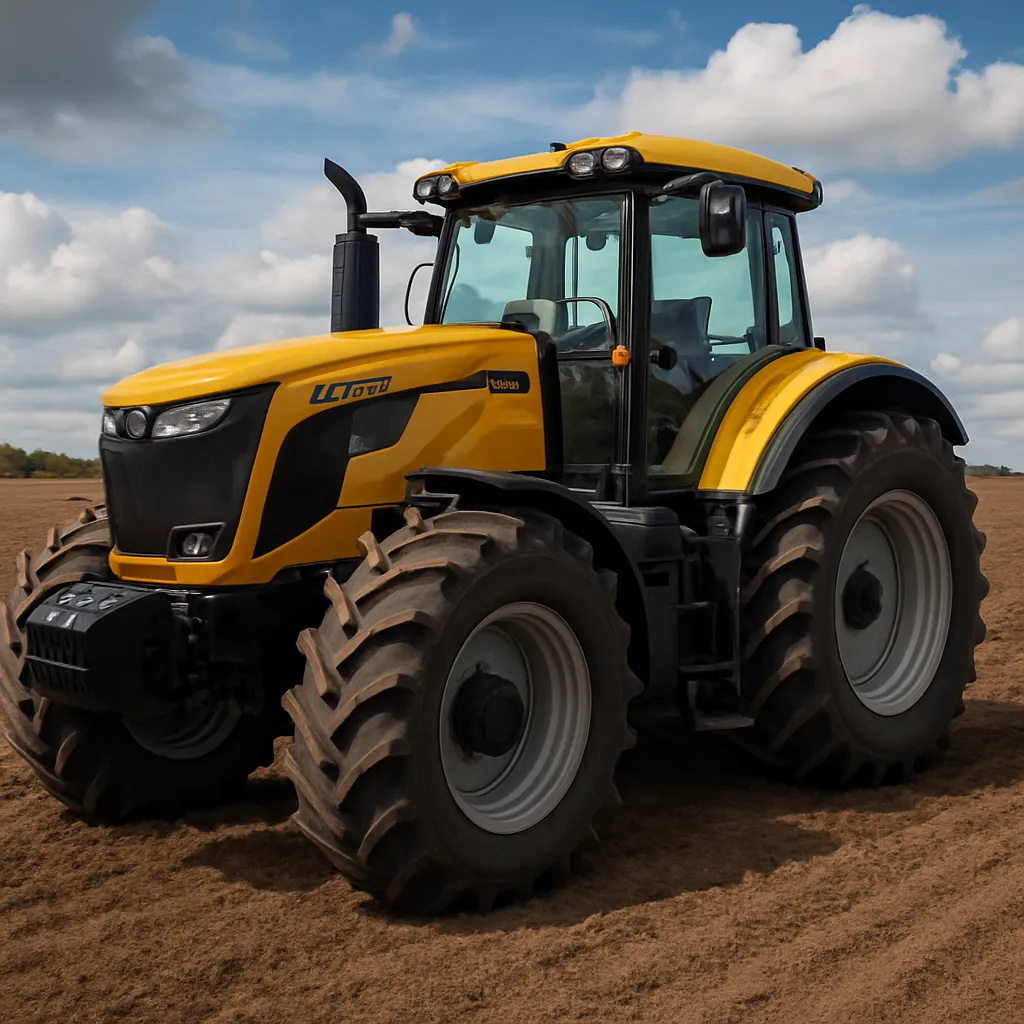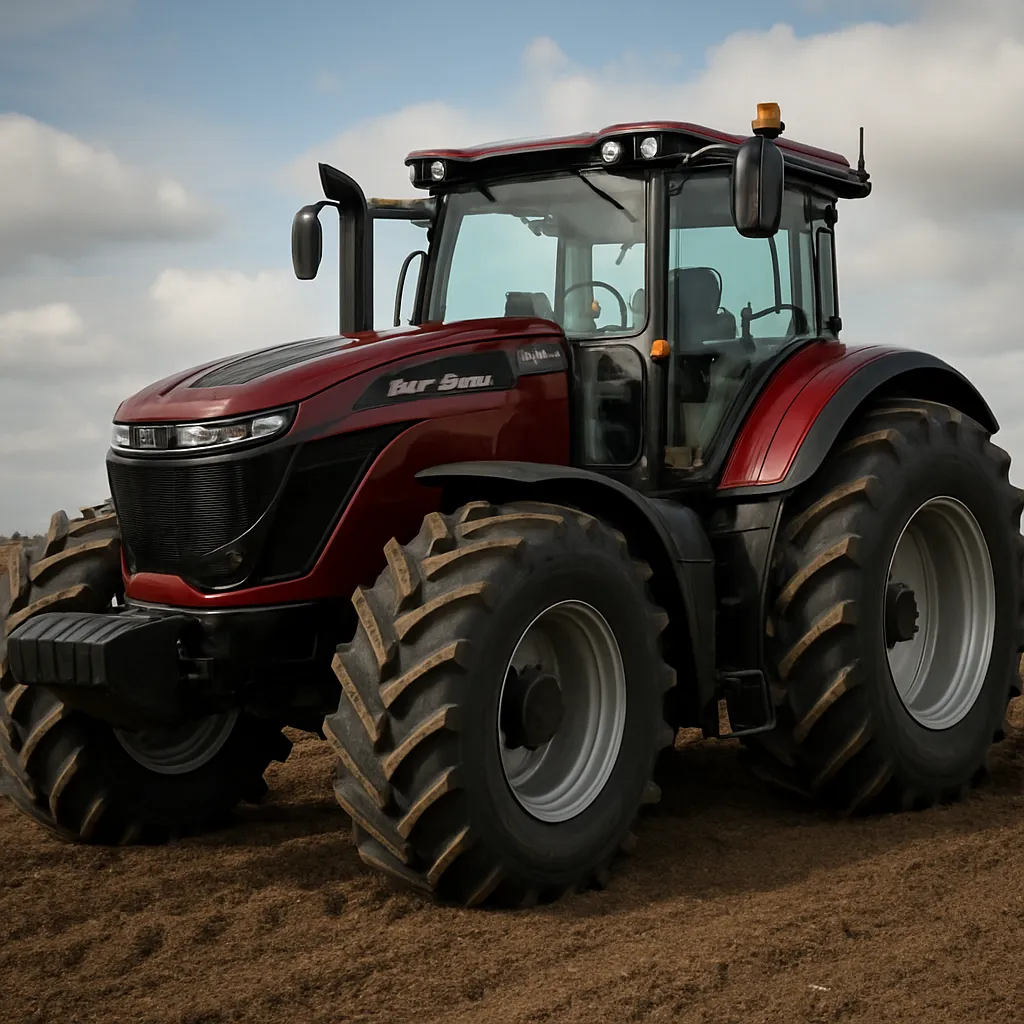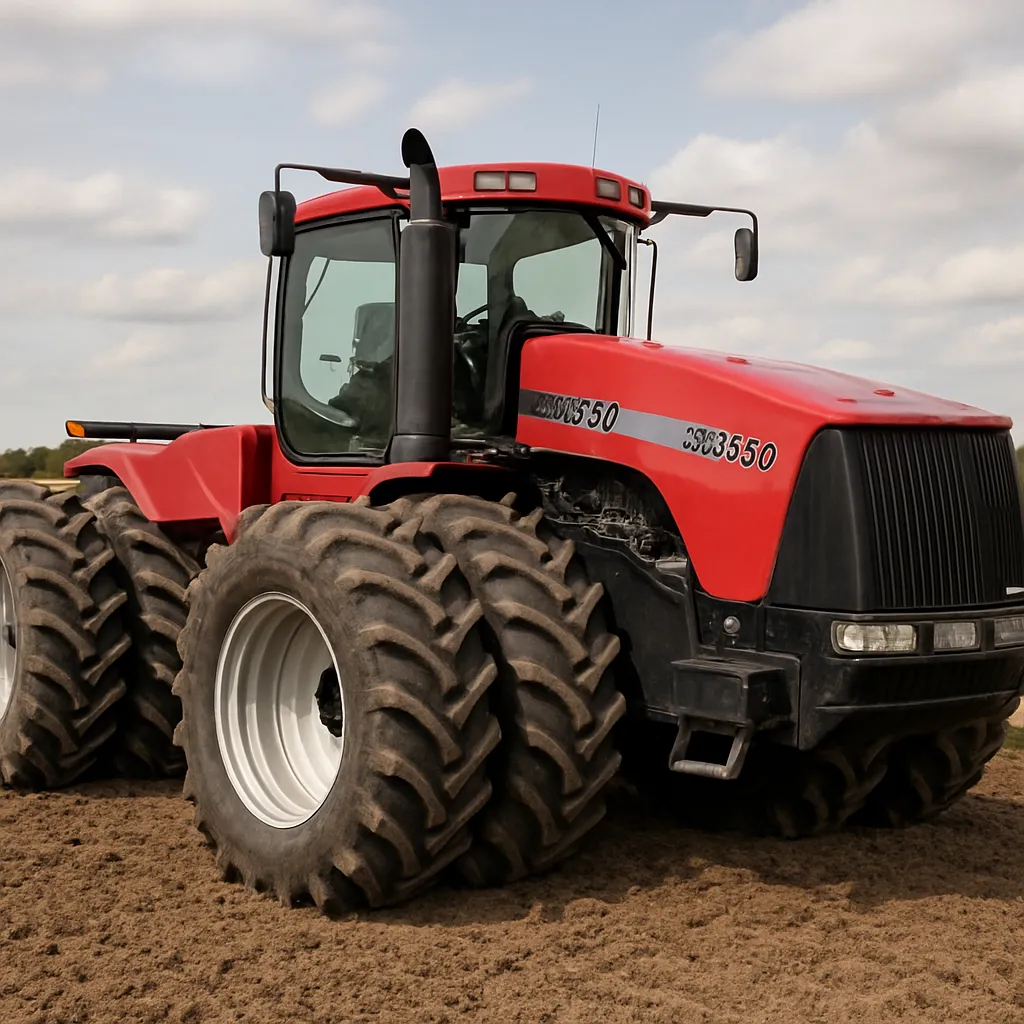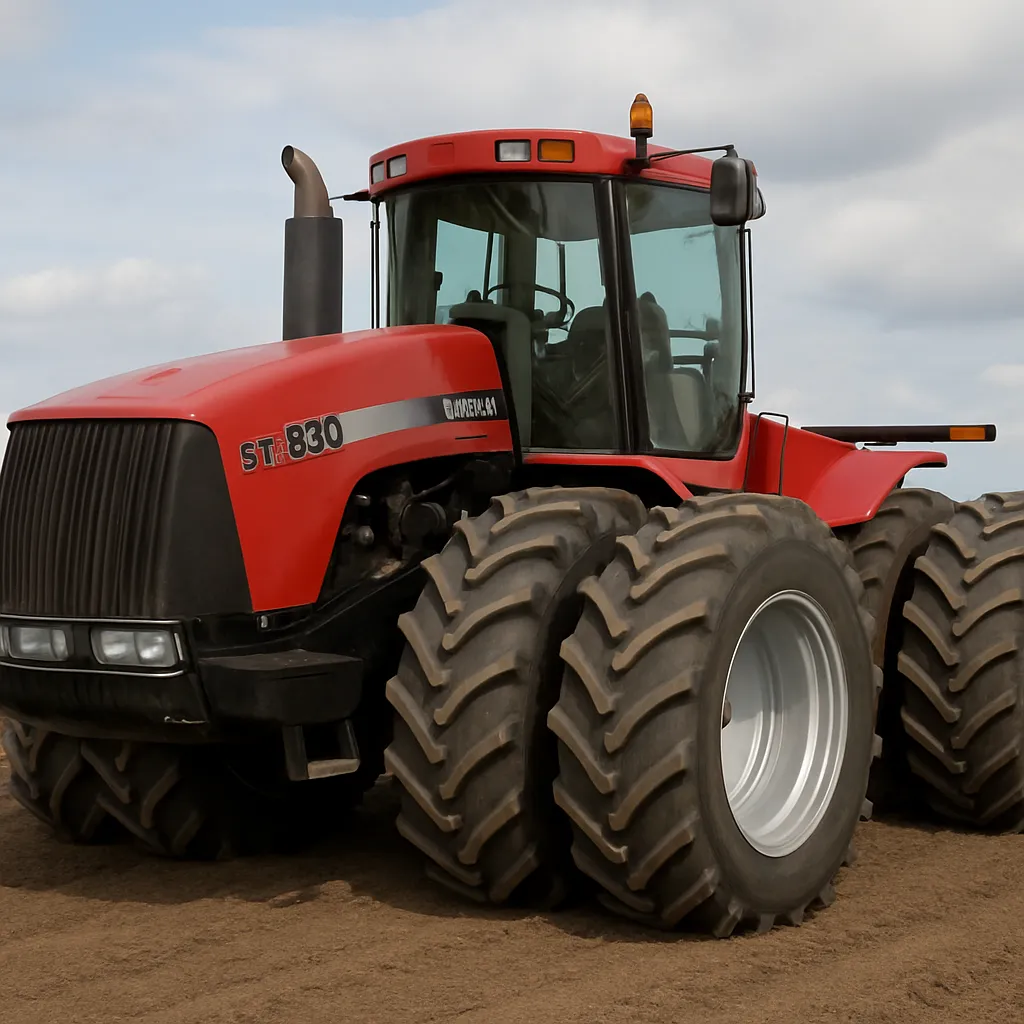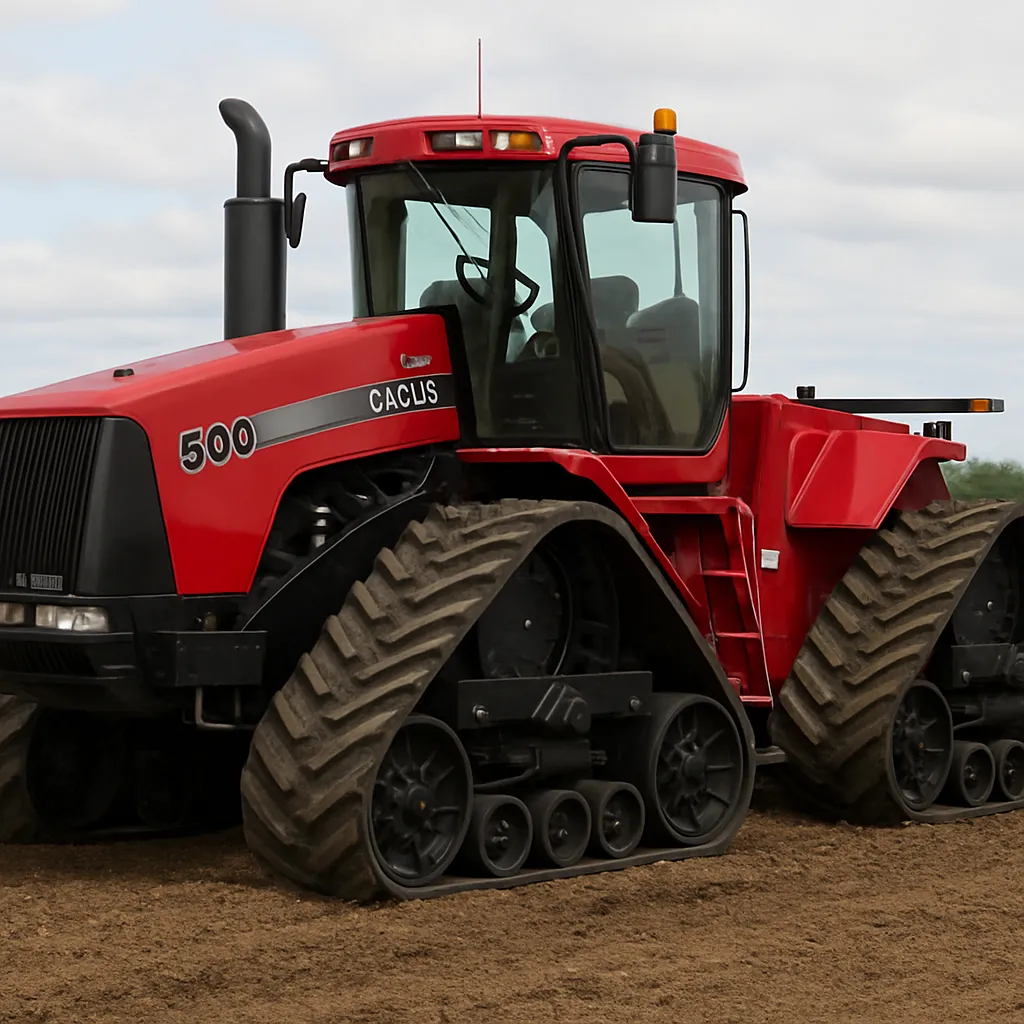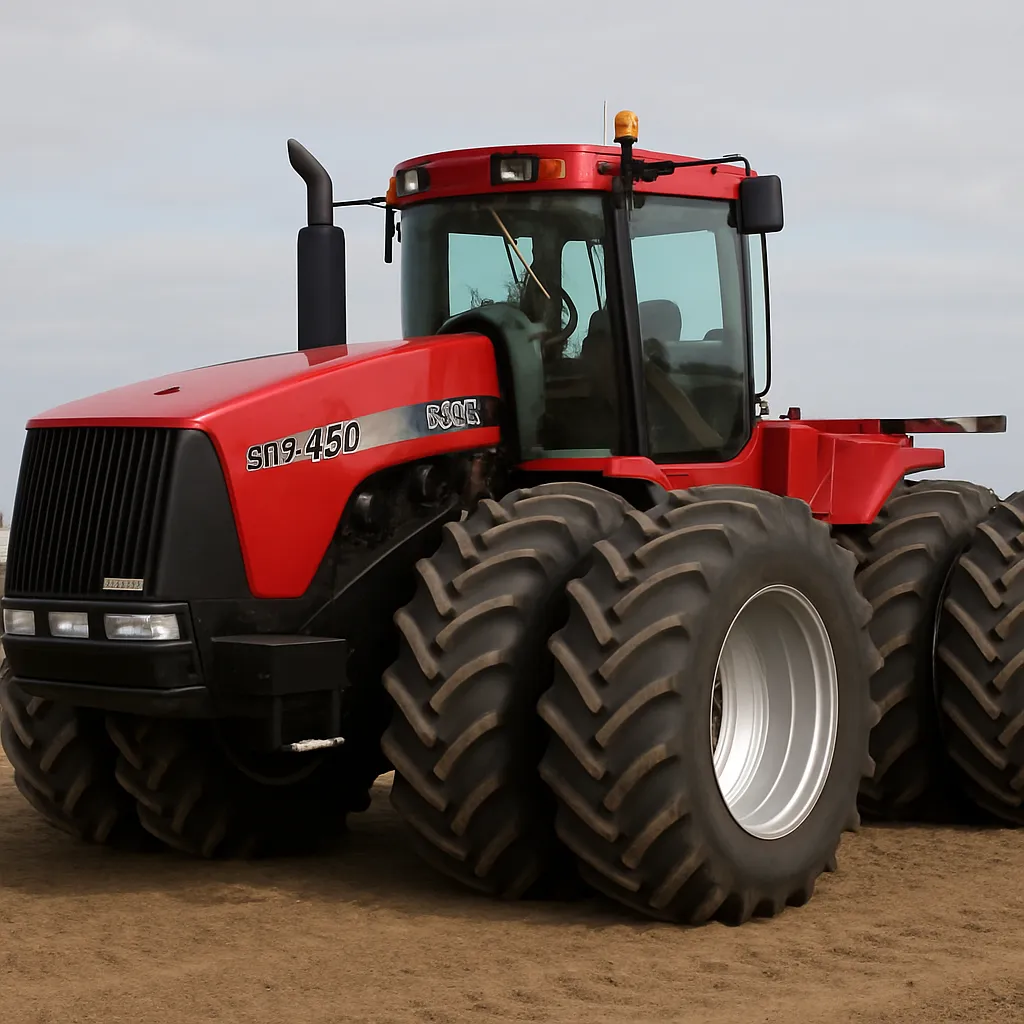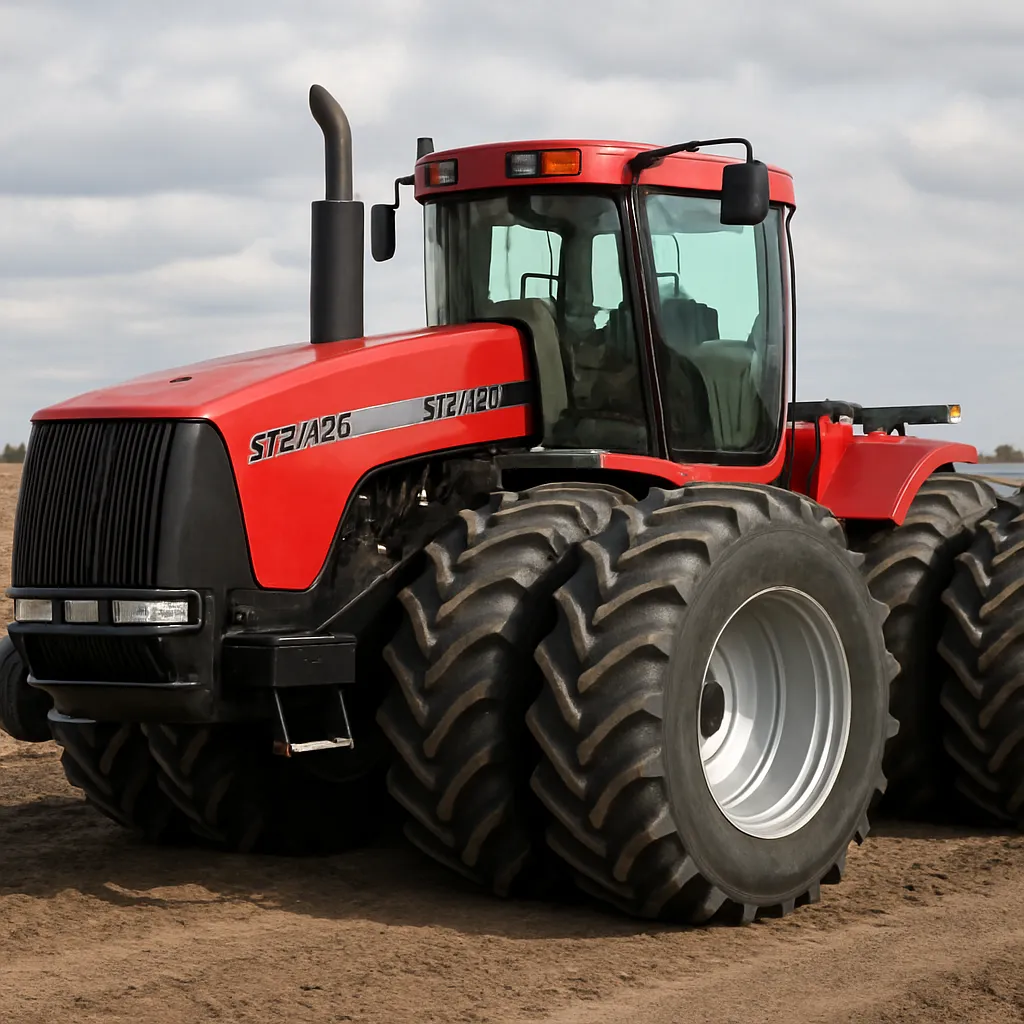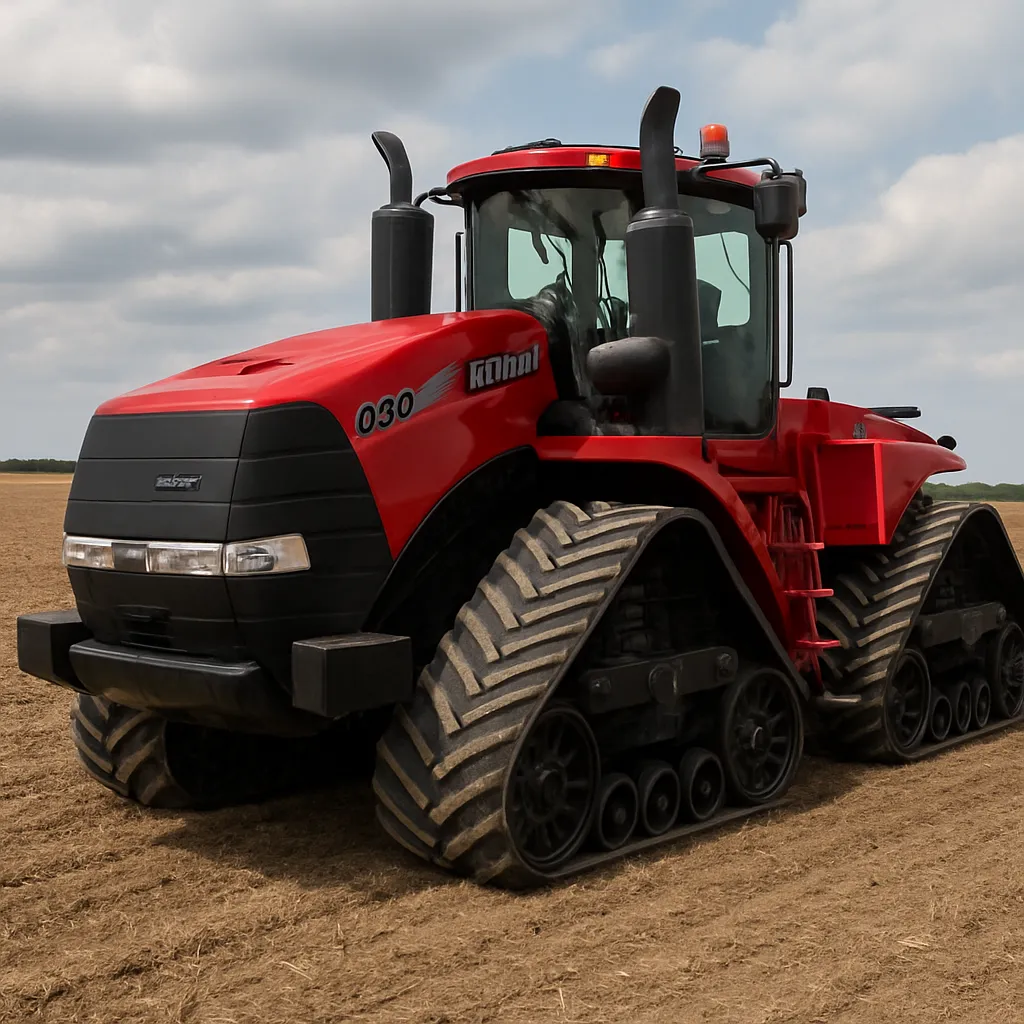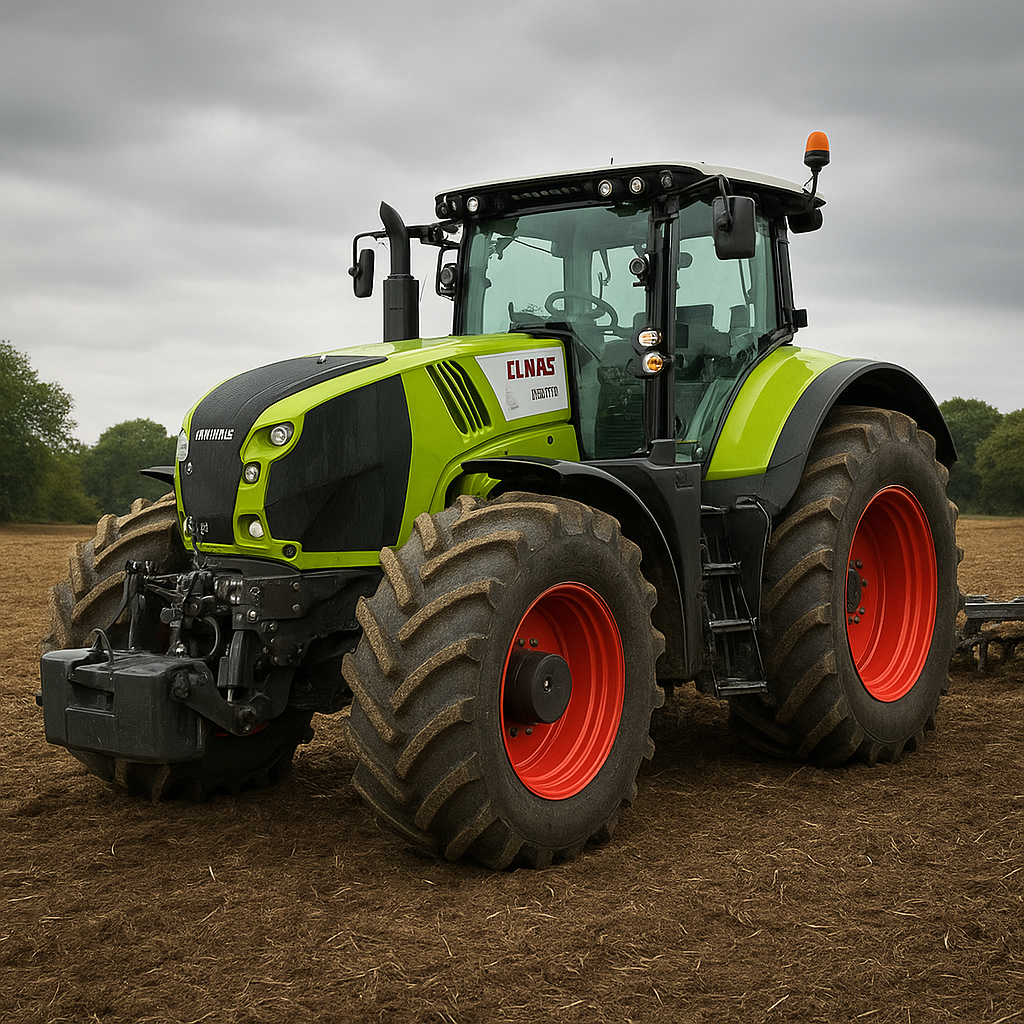
The Claas Axion 870 is a high-performance agricultural tractor designed for demanding fieldwork, heavy transport, and versatile farm operations. Combining robust mechanical engineering with modern electronics and operator comfort, the Axion 870 occupies a position among the larger utility tractors in Claas’s lineup. This article examines its design, typical applications, technical characteristics (with approximate figures where applicable), operational advantages, and considerations for buyers and fleet managers.
Design and engineering philosophy
Claas engineered the Axion range to deliver a balance between power, **efficiency**, and operator-focused features. The Axion 870 follows this philosophy by integrating a powerful powertrain, flexible transmission choices, and modular systems for hydraulics, PTOs, and three-point linkage. The result is a machine aimed at professional farmers, contractors, and mixed operations that require a tractor capable of sustained heavy-duty work.
Engine and drivetrain concept
At the heart of the Axion 870 is a modern, turbocharged diesel engine with common-rail fuel injection and exhaust aftertreatment systems designed to meet current emissions standards. Claas has prioritized a smooth torque curve and robust mid-range pulling power so implements and heavy loads can be handled with minimal gear changes. The drivetrain is coordinated with the engine to provide good fuel economy under load and usable power across a wide RPM band.
- Power class: positioned among the high-horsepower row-crop tractors suitable for large farms and contracting.
- Engine type: typically an inline six-cylinder turbocharged diesel with intercooling and advanced injection control (exact engine spec varies by model year and market).
- Aftertreatment: modern exhaust gas treatment to meet emission regulations while keeping service intervals practical.
Transmission and driveline options
One of the strengths of the Axion 870 is its flexibility in transmission setups. Claas offers several transmission options tailored to different uses—from efficient road transport to precision field speed control:
- Powershift variants for robust, manual-like gear selection and durability under continuous heavy load.
- Stepless or step-less variants (Claas CMATIC or similar systems in certain configurations) that improve comfort and allow precise ground-speed control—very useful for seeding, spraying, and variable-rate work.
- 4-wheel drive with selectable differentials and robust axles engineered for heavy traction applications.
Performance, capacities, and approximate specifications
Exact specifications for the Axion 870 depend on model year and regional configuration, but below are representative figures and ranges that illustrate the machine’s capabilities. Where precise data varies by market, figures are given as approximate ranges.
Engine output and torque
The Axion 870 is commonly classed in the high-power end of the Axion series. Typical figures include:
- Rated engine power: approximately 250–320 horsepower (hp) depending on configuration and boost modes.
- Maximum power with temporary boost (if applicable): up to roughly 330 hp on some configurations.
- Torque: strong mid-range torque delivery designed to excel at pull-intensive tasks; peak torque figures depend on engine calibration but are optimized for draft work and PTO-driven implements.
Fuel and fluid capacities
Large tractors like the Axion 870 are designed for long working days, which is reflected in their tank and reservoir sizes. Approximate figures:
- Fuel tank capacity: typically in the range of 350–500 liters, depending on optional tanks and market-spec choices.
- Hydraulic oil capacity: sized to sustain continuous implement operation—varies by hydraulic system and whether a high-flow pump is fitted.
Hydraulics, linkage and PTO
Hydraulic performance and implement compatibility are critical for a tractor in this class. Typical capabilities include:
- Hydraulic flow rate: standard systems offer ample flow; high-flow options can deliver around 160–200 liters per minute (approximate), enabling fast remote operation and large hydraulic motors.
- Rear lift capacity: designed to manage large mounted implements—rear linkage lift capacities commonly approach or exceed 8,000–10,000 kg on heavy-duty spec models (exact number varies by linkage and country calibration).
- PTO options: multiple PTO speeds such as 540, 540 ECO, and 1000 rpm, sometimes with ground-speed PTO options for specific tasks.
Speed, weight and dimensions
Practical operational data:
- Top road speed: commonly 40–50 km/h depending on gearbox and legal speed options in a given market.
- Operating weight: substantial ballast and optional equipment place the operating weight typically in the several-tonne range—often between 8,000–11,000 kg depending on configuration.
- Axle loads and transport dimensions: configurable with wide or narrow axles and front loaders or weights to match field or transport requirements.
Common applications and farm uses
The Axion 870 is a multi-role tractor designed to cover many tasks on medium-to-large farms and for contracting. Its power and versatility make it suitable for continuous heavy-duty tasks as well as precision work. Common uses include:
Tillage and primary cultivation
High draft capacity and torque make the Axion 870 effective with large ploughs, heavy cultivators, and subsoilers. The ability to maintain consistent ground speed under variable loads is a major advantage for uniform soil preparation.
Seeding, planting and precision agriculture
In combination with precision farming electronics and a stepless transmission option, the tractor can maintain highly consistent forward speed at low rpm for accurate seeding and planting. Integration with GPS guidance systems and ISOBUS-controlled implements lets the Axion 870 function as a hub for advanced precision farming workflows.
Spraying and spreading
Large spray booms and slurry or dry spreaders are handled effectively due to the hydraulic flow, stability, and option for large-capacity tanks. On rolling terrain the weight distribution and auto-level features help maintain boom height and consistent application rates.
Transport and heavy lifting
With optional high road speed and strong driveline components, the Axion 870 can be used for road transport of trailers, tankers, and mounted equipment. The front linkage and optional loader coupling extend its use into material handling, bale stacking, and logistic tasks on the farm.
Forage and harvesting support
High PTO power and torque allow the tractor to drive forage harvesters, large mowers, balers, and other harvest support equipment. The cab comfort and visibility also make long harvesting days less fatiguing for operators.
Operator comfort, cab features and controls
Claas places notable emphasis on the operator environment in tractors like the Axion 870. Comfort and ergonomics are important in reducing fatigue and improving productivity during long shifts.
- Cab design: a quiet, spacious cab with excellent visibility and sound insulation.
- Seating and controls: fully adjustable, often with air-suspension seats and ergonomic armrests that house transmission and implement controls.
- Display and connectivity: integrated terminals that support guidance systems, implement ISOBUS control, and telematics for fleet management and service alerts.
- Climate and visibility: effective climate control and optional lighting packages for night work or low-visibility operations.
Maintenance, reliability and serviceability
For professional users, uptime and total-cost-of-ownership are as important as raw capability. The Axion 870 features service intervals and design choices intended to simplify maintenance and maximize uptime:
- Accessible service points for routine checks (filters, fluids, belts) to reduce downtime during busy seasons.
- Longer service intervals for filters and oil elements where possible, depending on duty cycles and operating conditions.
- Telematics and diagnostics: many modern Axion tractors include telematics options that allow remote diagnostics, software updates, and proactive maintenance scheduling.
Economics, fuel efficiency and environmental considerations
Large tractors are significant investments, and cost efficiency across fuel use, maintenance, and resale is key to long-term value. Claas has incorporated features that address these concerns.
Fuel economy strategies
Claas assumes that the combination of a responsive engine, efficient transmission, and the ability to operate at lower engine speeds for PTO and transport work will reduce fuel consumption compared with older or poorly matched systems. Stepless transmissions and electronic engine-management systems help maintain optimum consumption rates across a variety of tasks.
Emissions and sustainability
Modern variants of the Axion 870 comply with contemporary emissions standards through exhaust aftertreatment systems and engine calibration. For operations prioritizing sustainability, Claas tractors can integrate into precision farming systems that reduce overlap in application and optimize input use—contributing to lower environmental impact per hectare.
Attachments, compatibility and aftermarket options
Versatility is enhanced by a wide range of compatible attachments and optional equipment. Common add-ons and systems include:
- Front loaders and quick-couplers for material handling.
- High-capacity front and rear linkage kits for large implements.
- Advanced guidance and autopilot systems for hands-off field passes.
- Telematics packages for fleet control, fuel monitoring, and maintenance planning.
- Specialized tyres, ballast kits, and axle options to adapt the tractor to soil conditions and transport needs.
Resale value and market considerations
Tractors in the high-power class tend to retain good resale value when well maintained because they appeal to contractors and expanding farms. Factors influencing resale value include service history, hours operated, presence of telematics, and level of optional equipment. The strong dealer network supporting Claas also contributes to stable used values, as buyers can access parts and service readily.
Safety and working environment
Claas equips the Axion 870 with safety-focused features appropriate to a large agricultural machine:
- Robust ROPS/foldable cab structures and seatbelt systems.
- Advanced braking systems and stability controls for safe road and field operation.
- Visibility enhancements—good lighting packages and large windows—help reduce accident risk during dawn/dusk work.
Summary and buying considerations
The Claas Axion 870 is designed for operators who need sustained power, advanced hydraulics, and a comfortable working environment. It is particularly suited to:
- Large arable farms that require high-capacity tillage, seeding, and transport.
- Contractors who need a versatile, reliable tractor for a wide range of jobs.
- Mixed farms seeking a single, high-performance tractor capable of handling most heavy-duty tasks.
When considering a purchase, evaluate:
- Which transmission option best matches your primary tasks (transport vs. precision fieldwork).
- Hydraulic flow and linkage capacity needs based on the implements you plan to use.
- Service network and telematics options to minimize unplanned downtime and manage operating costs.
- Total-cost-of-ownership calculations including fuel, maintenance, and expected resale value.
Final remarks
The Claas Axion 870 offers a combination of power, flexibility, and operator comfort that makes it a compelling choice for modern large-scale agriculture and contracting. While exact specifications depend on the model year and regional options, its general strengths—robust engine performance, versatile transmissions, high hydraulic capacity, and an operator-focused cab—make it suitable for the full spectrum of heavy farm tasks. For buyers, matching the machine’s configuration to intended workloads and ensuring good dealer support are key steps to maximizing return on investment.