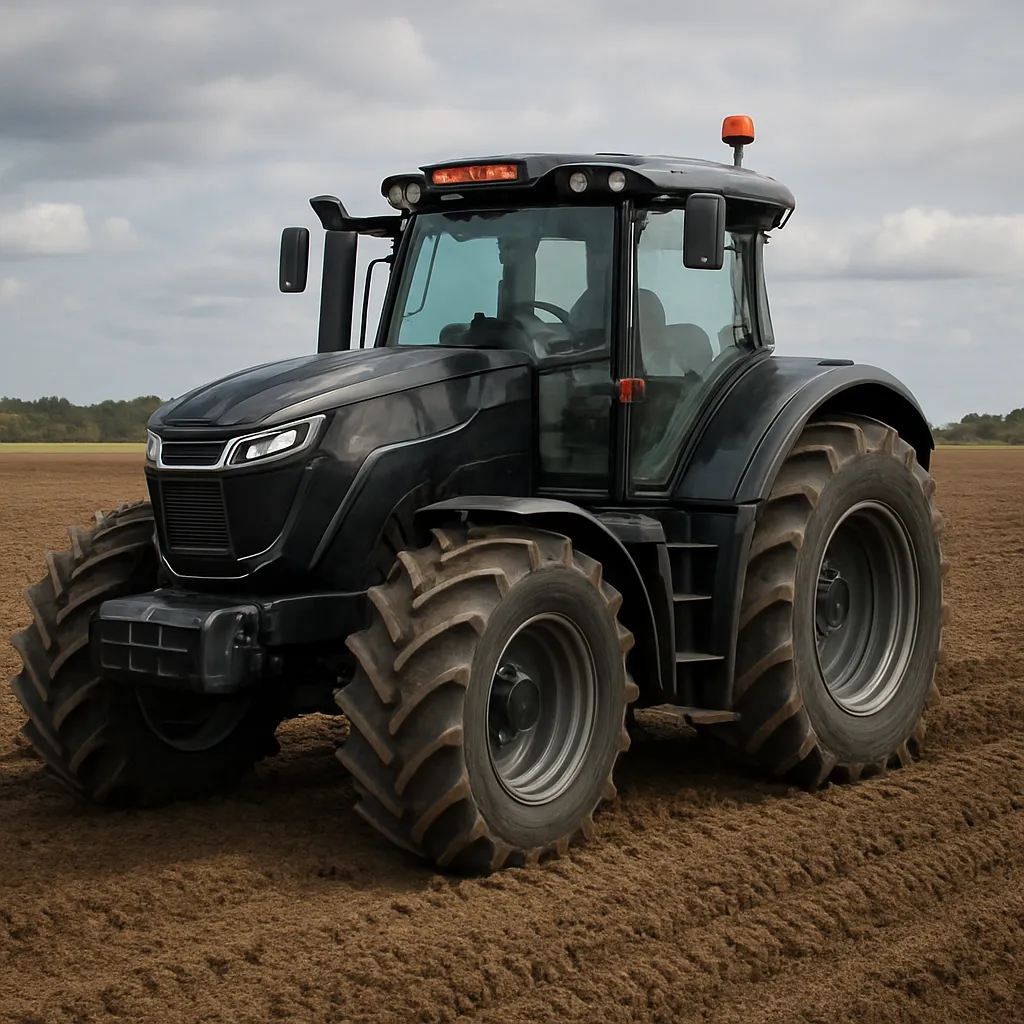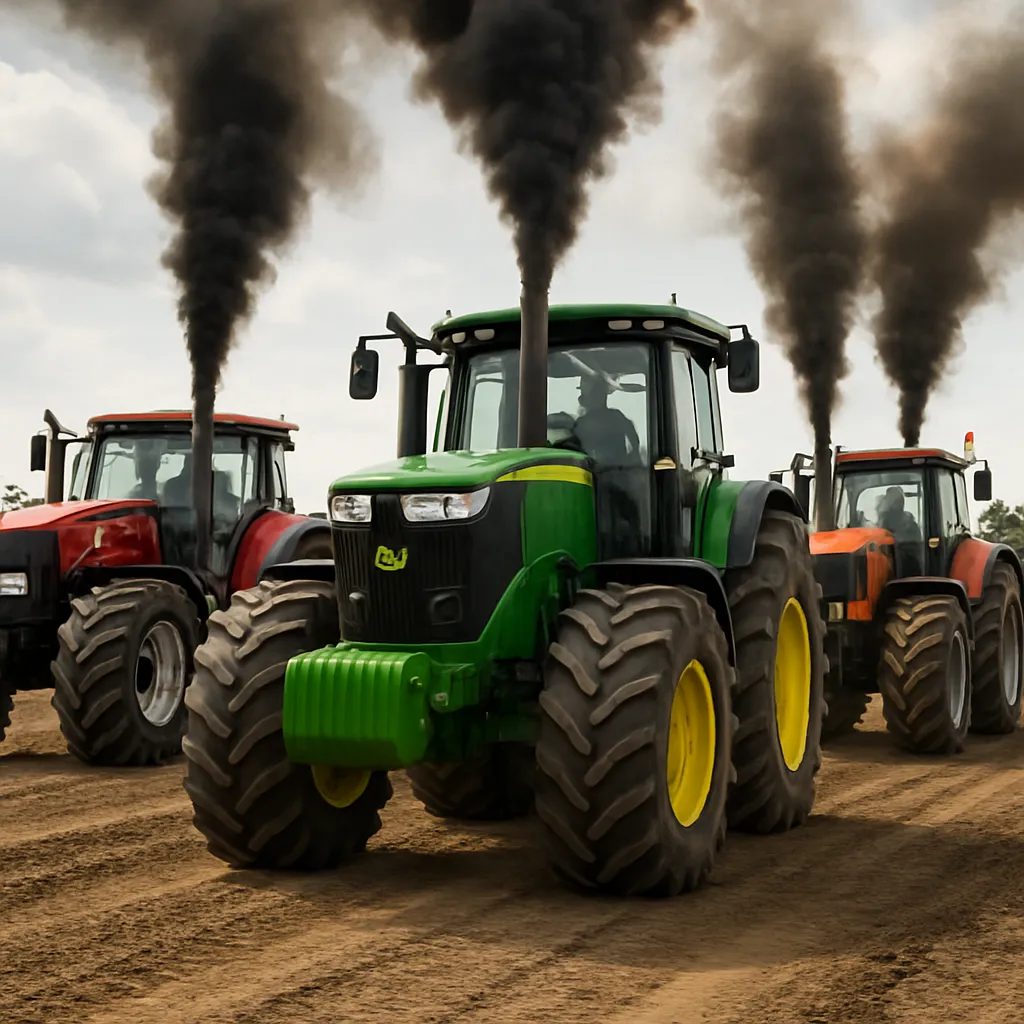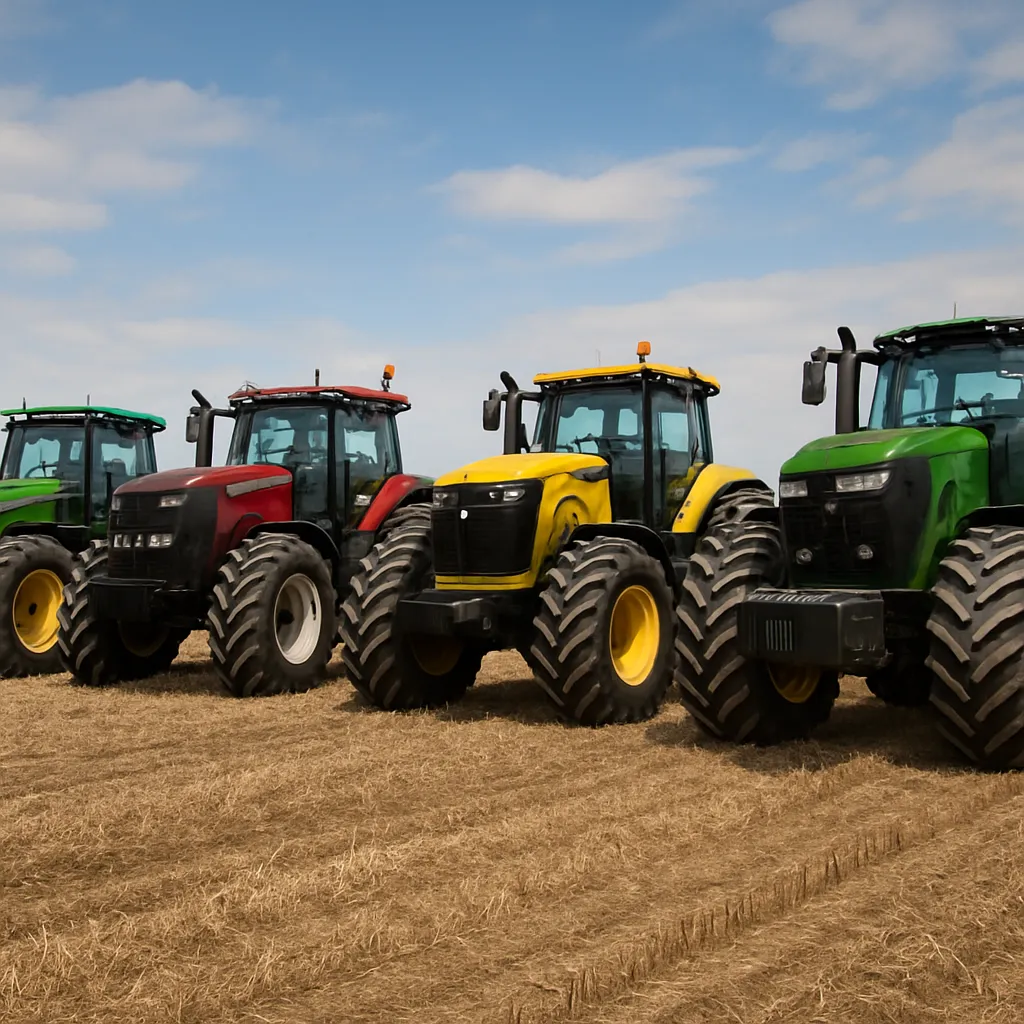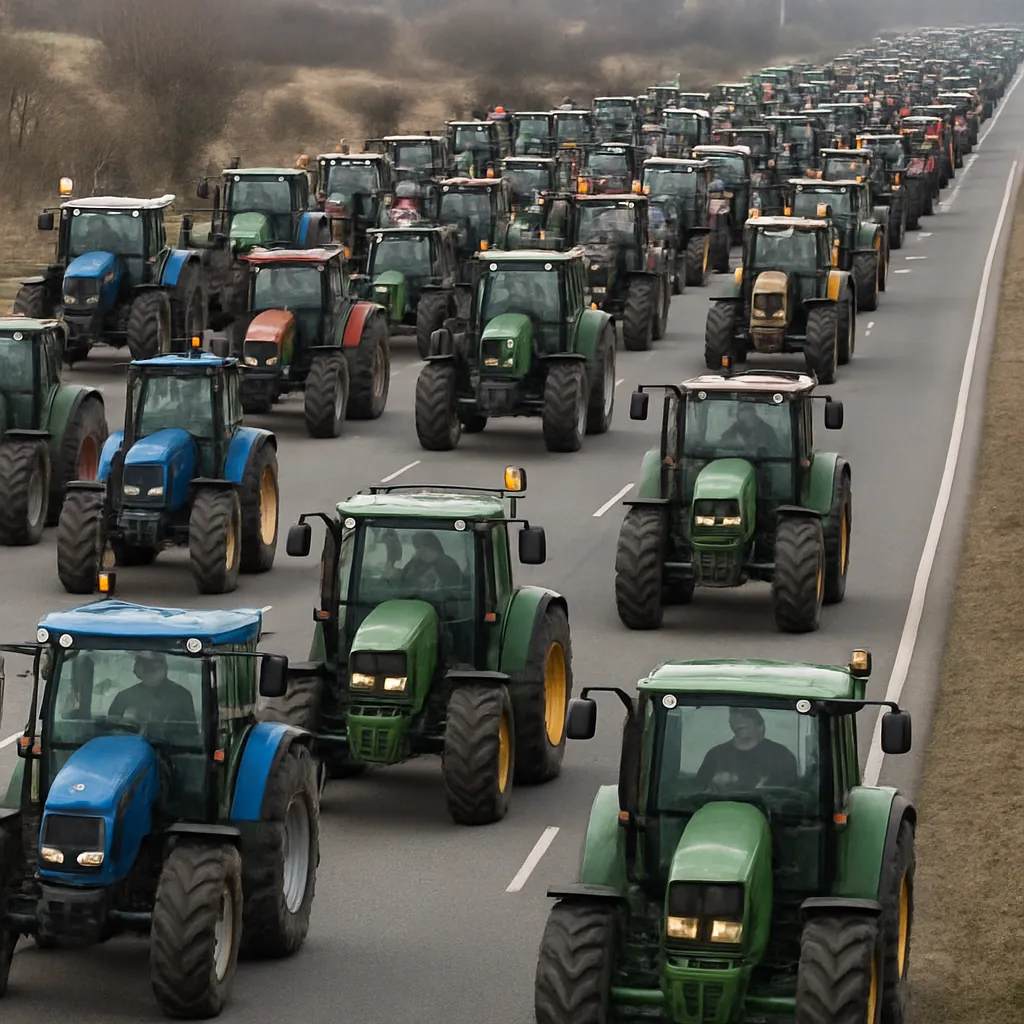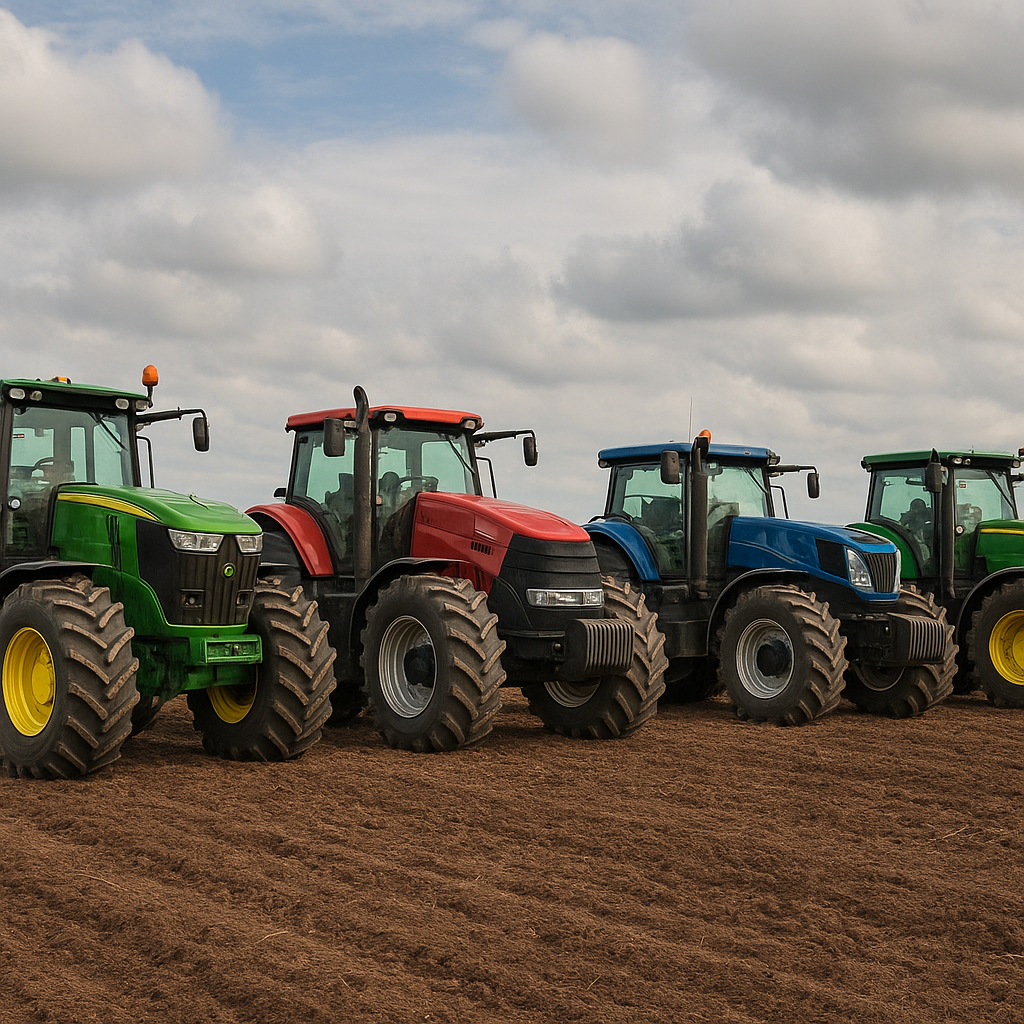
The scale of modern agricultural machinery has reached astonishing heights, with massive tractors redefining the boundaries of fieldwork. In North America, farmers and contractors rely on these colossal machines to tackle demanding operations, from deep tillage to hauling heavy implements across vast acreage. This article delves into the evolution, flagship models, advanced systems, operational considerations, and future directions shaping the world of the largest tractors on the continent.
Power Evolution: From Humble Beginnings to Spectacular Horsepower
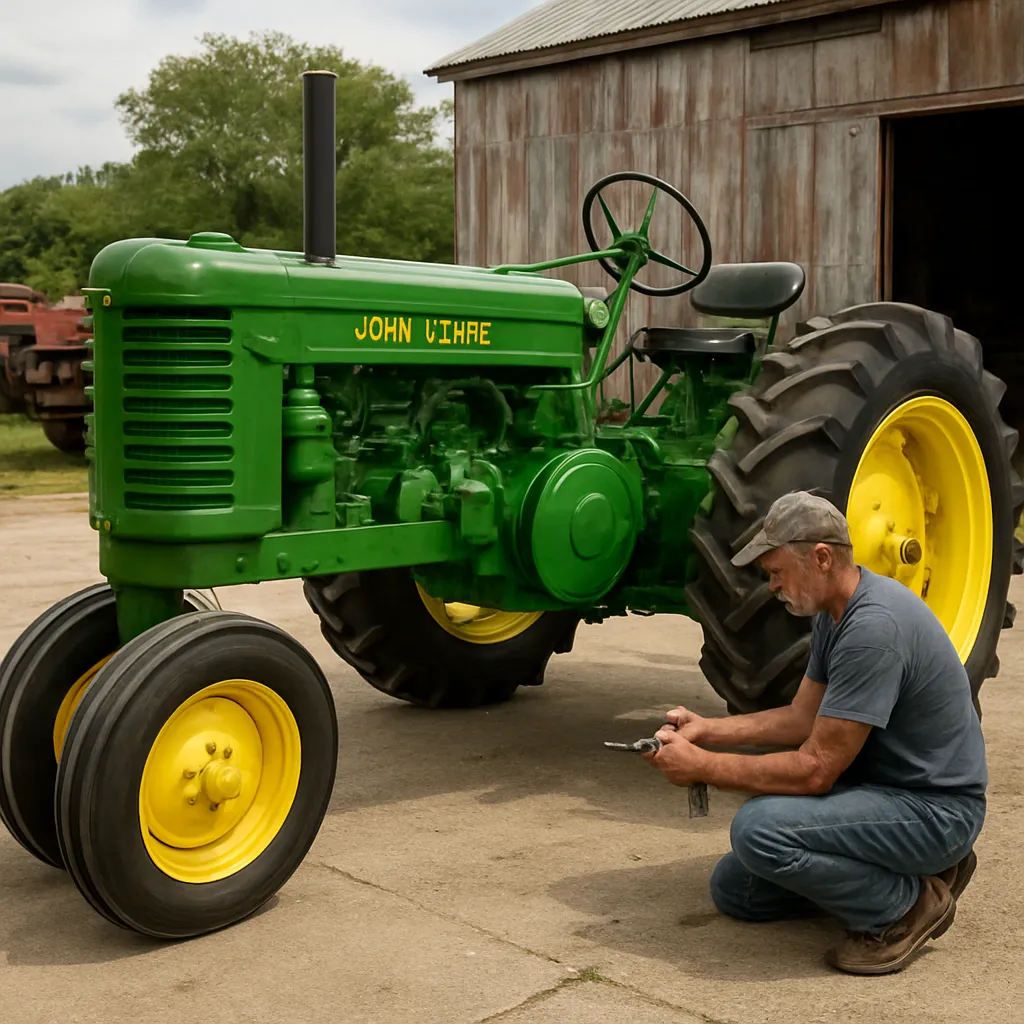
Early tractors in North America, built in the 1920s and 1930s, delivered under 50 hp and replaced teams of draft animals. Steady innovation in diesel engine design, turbocharging, and fuel injection led to incremental gains in output. By the 1960s, mid-range tractors produced around 100–200 hp, allowing farmers to expand their operations.
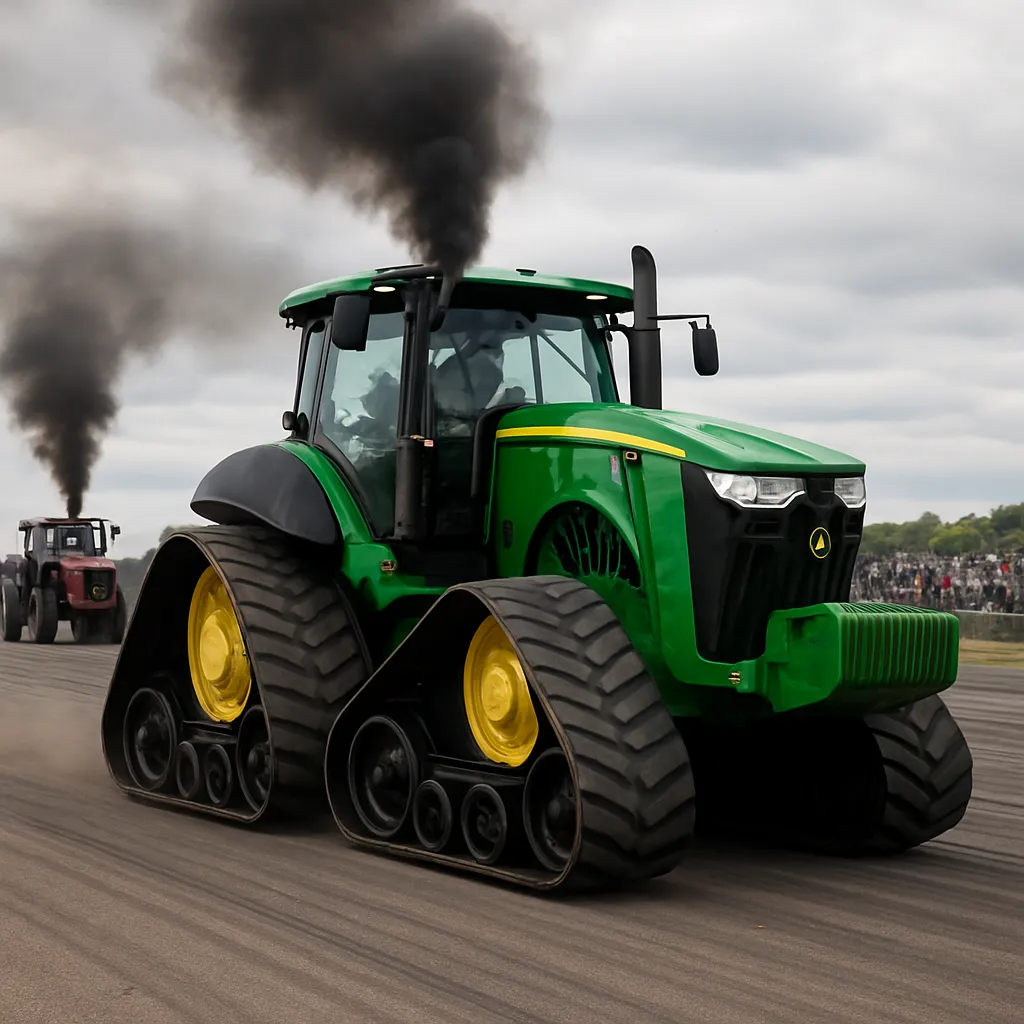
Advances in metallurgy and precision machining enabled manufacturers to develop heavy-duty blocks and crankshafts capable of >1,000 hp. Today’s behemoths boast ratings approaching 700–800 hp in wheeled configurations and even higher for tracked models. These gains in raw power, combined with robust drivetrains, transform previously monumental tasks into routine fieldwork.
Iconic Giants: Top Five Largest Tractors in North America
- Case IH Steiger Quadtrac 620: A four-track powerhouse delivering 620 hp peak, optimized for traction and flotation on soft ground.
- John Deere 9620RX: Featuring four rubber tracks and 620 engine hp, it emphasizes reduced soil compaction and exceptional pull.
- New Holland T9.700: The flagship of the T9 series, with 697 horsepower, advanced hydraulics, and cab comfort for all-day operations.
- Fendt 1167 Vario MT: Integrating the Vario stepless transmission and 673 hp, it leads European imports into North America with precision farming integration.
- Massey Ferguson RT160: A track-driven specialist rated at 620 hp, built for heavy-duty tillage and seeding across challenging terrains.
These giants share common traits: beefed-up cooling systems, heavy frames, and electronic controls that balance performance with reliability. The selection of wheeled versus tracked configurations often ties back to soil type and operator preference.
Key Technologies Driving Tractor Size and Efficiency
Advanced Engine Management
Modern controllers modulate fuel delivery and boost to optimize power curves while maintaining emissions compliance. The incorporation of selective catalytic reduction (SCR) and diesel particulate filters (DPF) reduces harmful output without sacrificing performance.
Stepless Transmissions and Drivetrains
Continuously variable transmissions (CVTs) provide seamless acceleration and ensure the engine operates in its most efficient range. Tracks and four-wheel drive systems enhance traction and distribute weight to minimize pressure per square inch.
Telematics and Precision Integration
Cloud-based telematics platforms collect data on fuel consumption, engine load, and field coverage. GPS-guided steering, automated headland turns, and section control boost overall productivity, reducing overlap and input costs.
Applications and Operational Challenges of Massive Tractors
Deploying high-horsepower tractors brings both advantages and hurdles. Key applications include:
- Deep ripping and subsoiling, requiring peak torque and robust undercarriage components.
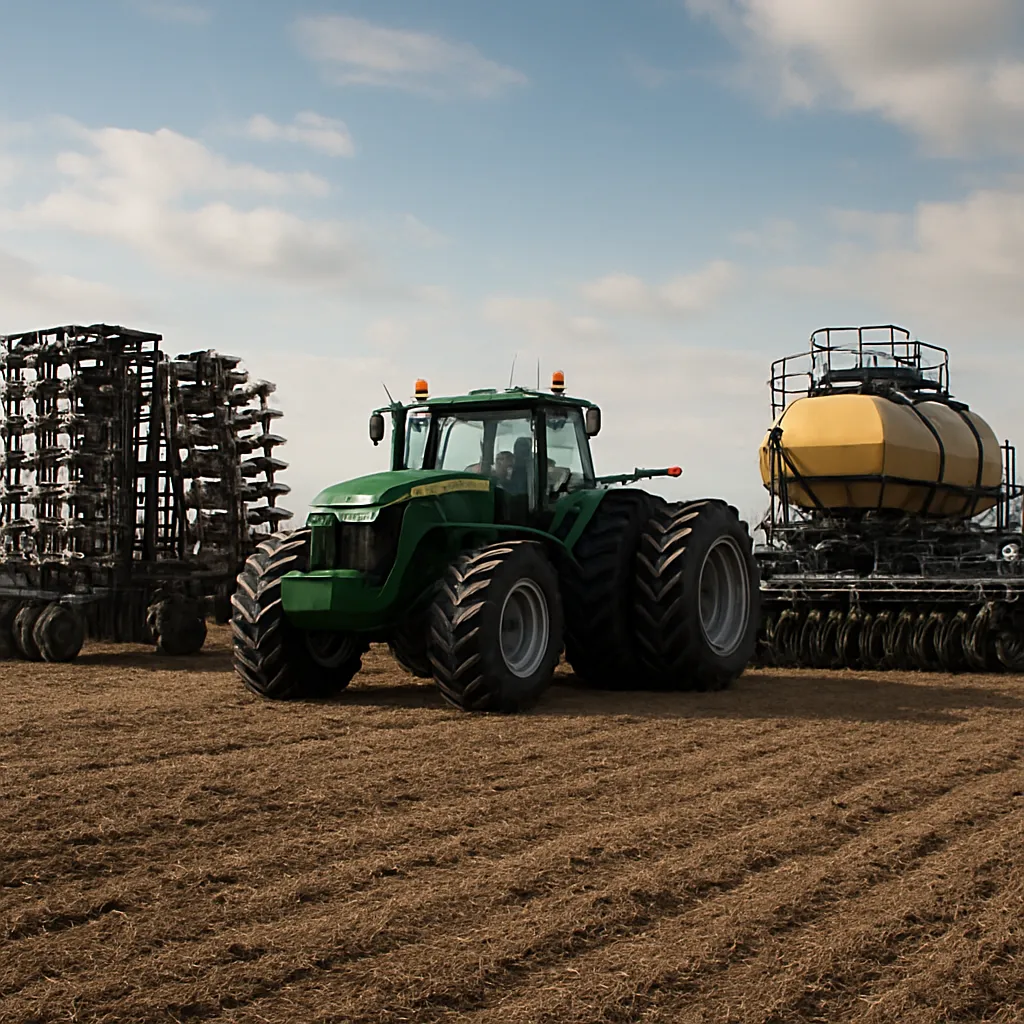
- High-capacity planters and air seeders, wherein large hydraulic systems manage multiple tool sections.
- Heavy haulage of bulk trailers or manure spreaders across uneven terrain.
However, these machines demand significant fuel volumes—often exceeding 15 gallons per hour under heavy load—and specialized maintenance. Service intervals for oil, filters, and track tensioning become critical to avoid downtime. Transportation between fields may require disassembly of duals or escorts on public roads due to wide axle assemblies.
Future Trends: Increasing Power and Sustainability
As environmental regulations tighten and farm sizes expand, tractor OEMs invest in research to balance muscle with eco-friendliness. Emerging developments include:
- Battery-electric drivetrains or hybrid systems aiming to cut diesel use and noise levels.
- AI-driven autonomous tractors capable of operating around the clock with minimal supervision.
- Lightweight composite materials to strengthen frames while reducing overall machine weight.
- Enhanced seed placement and variable-rate technologies pushing the boundaries of field-level precision.
These innovations promise to maintain or even increase raw power while addressing concerns over carbon footprint and soil health. As the next generation of mega-tractors emerges, the emphasis on smart resource management and reduced environmental impact will be paramount.