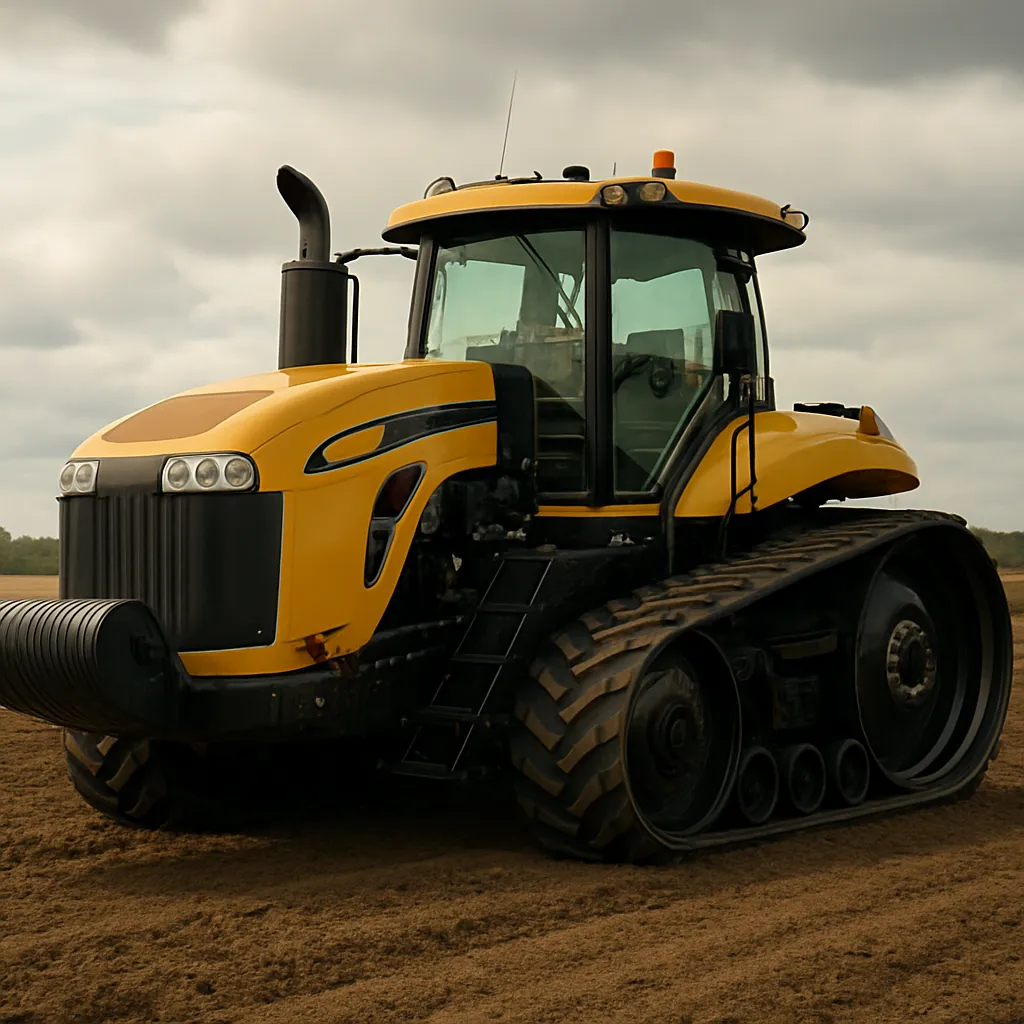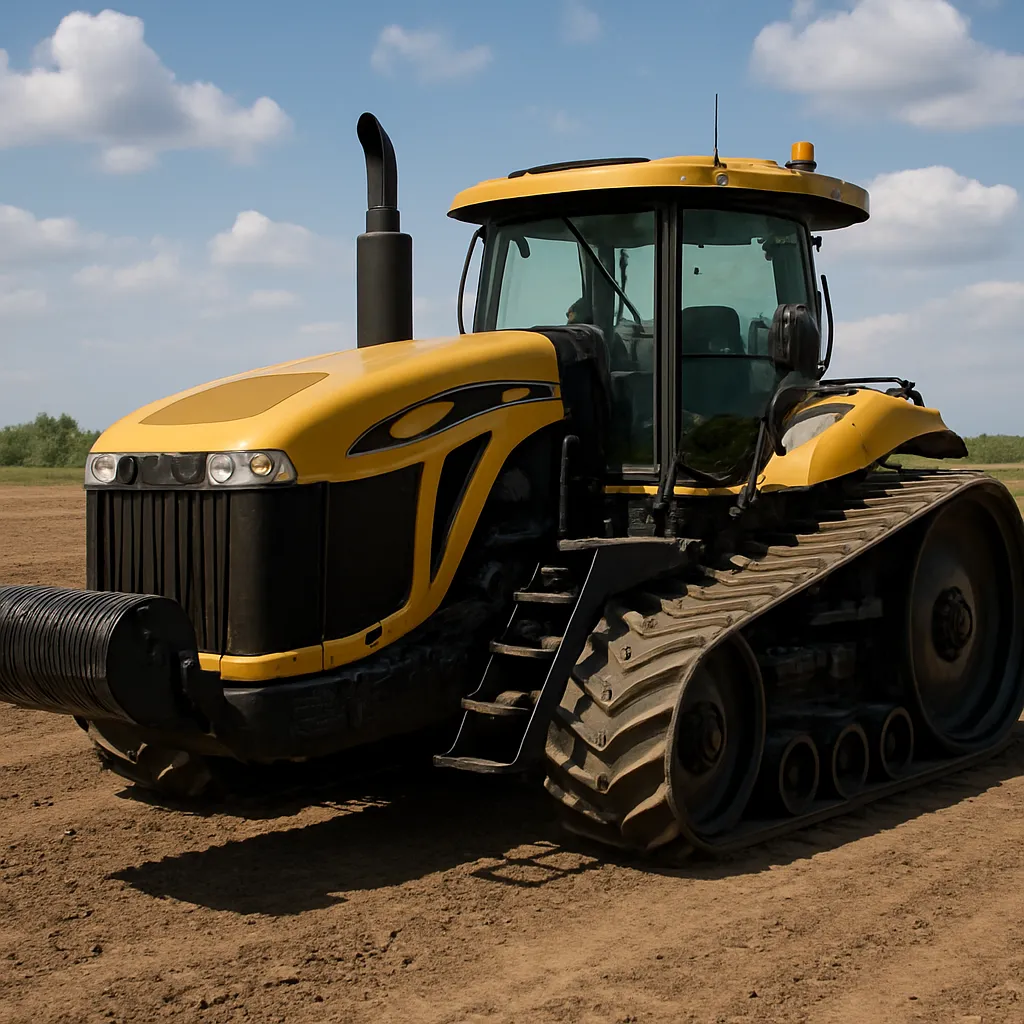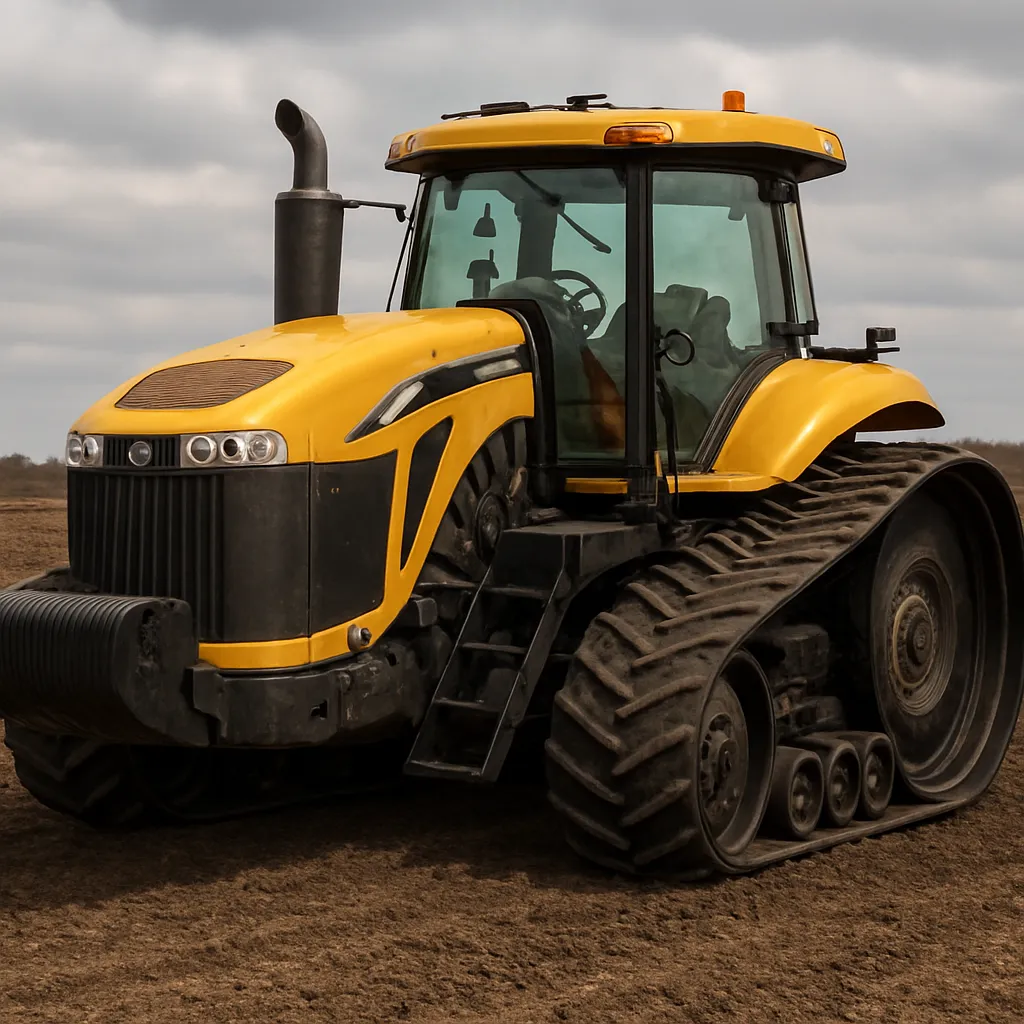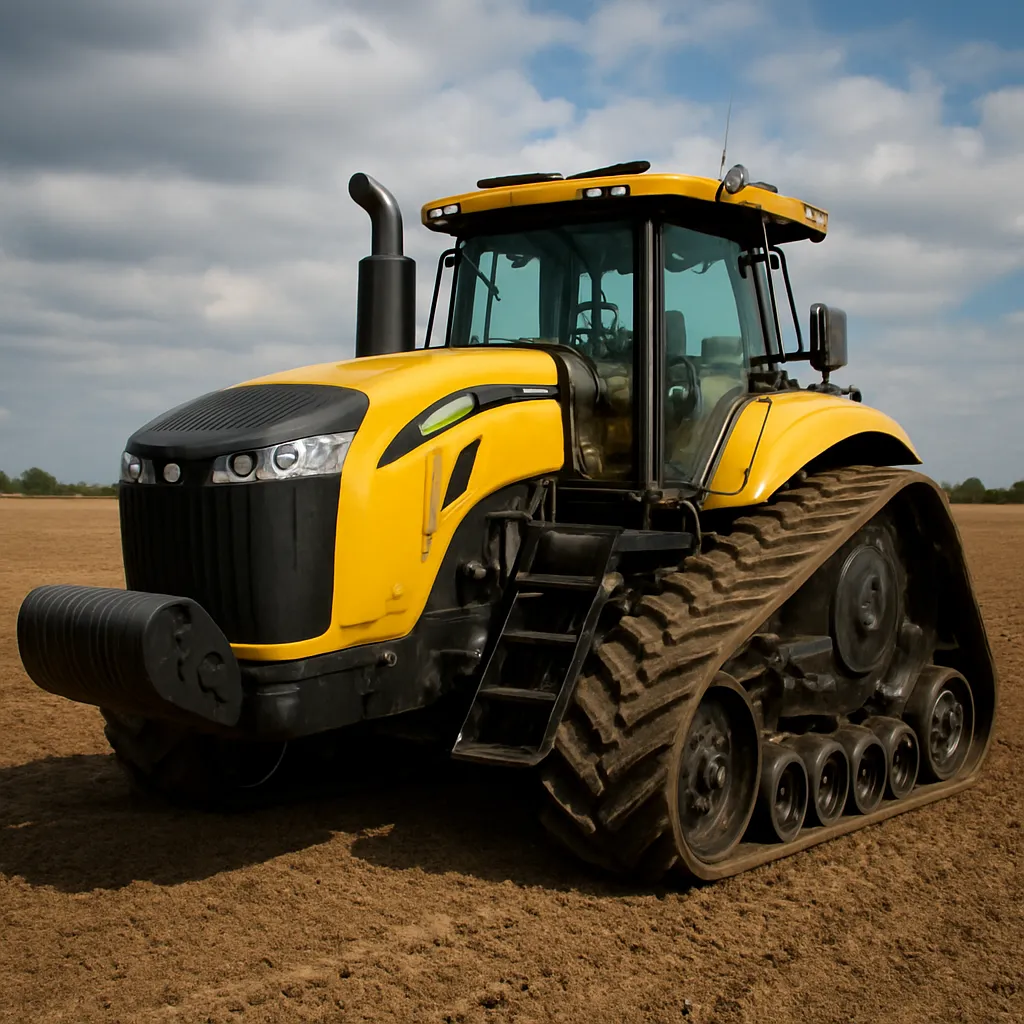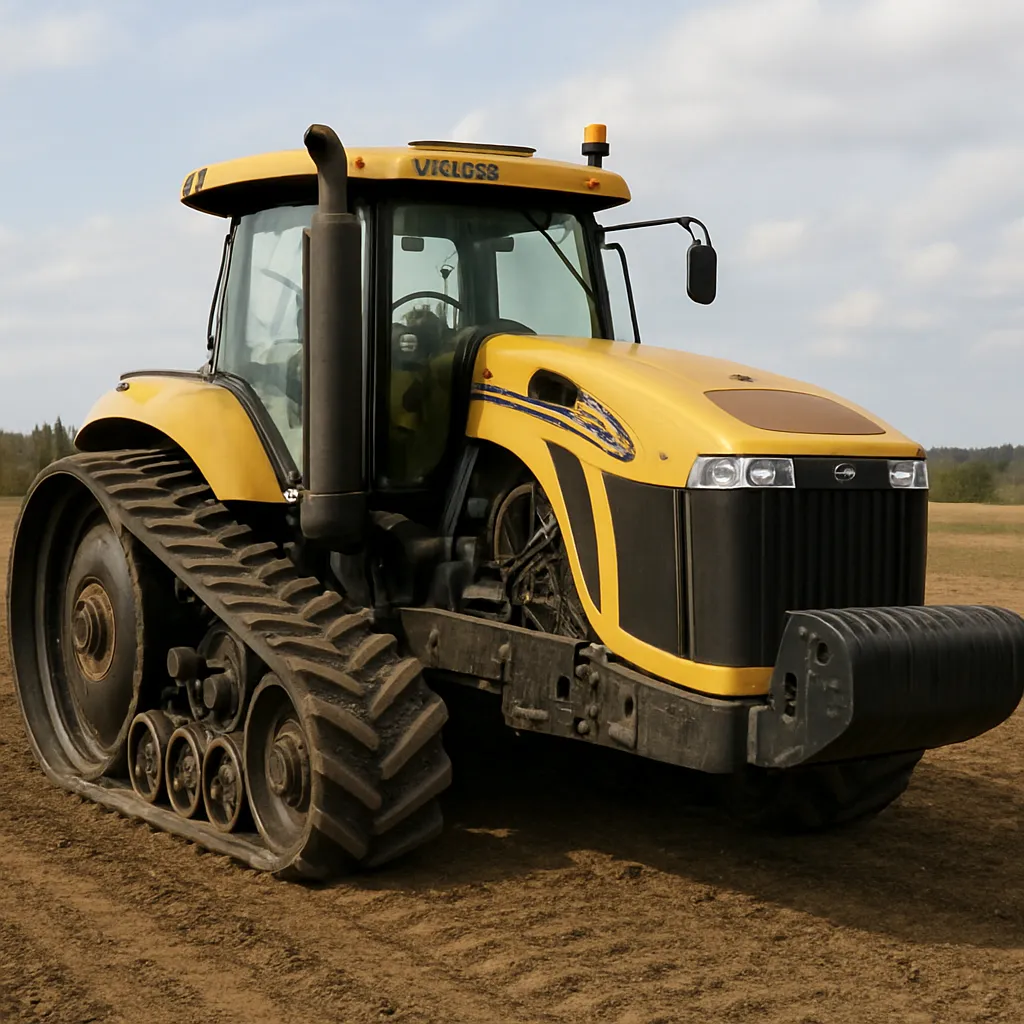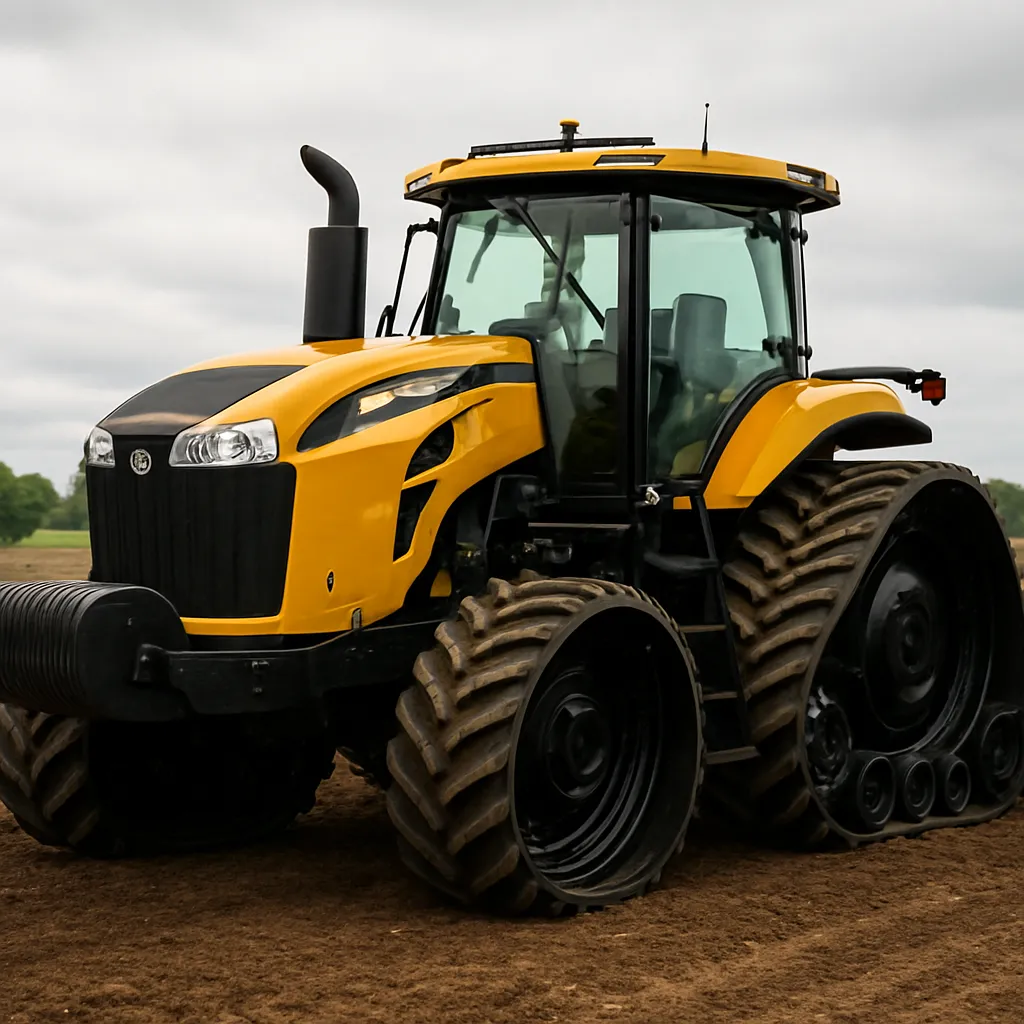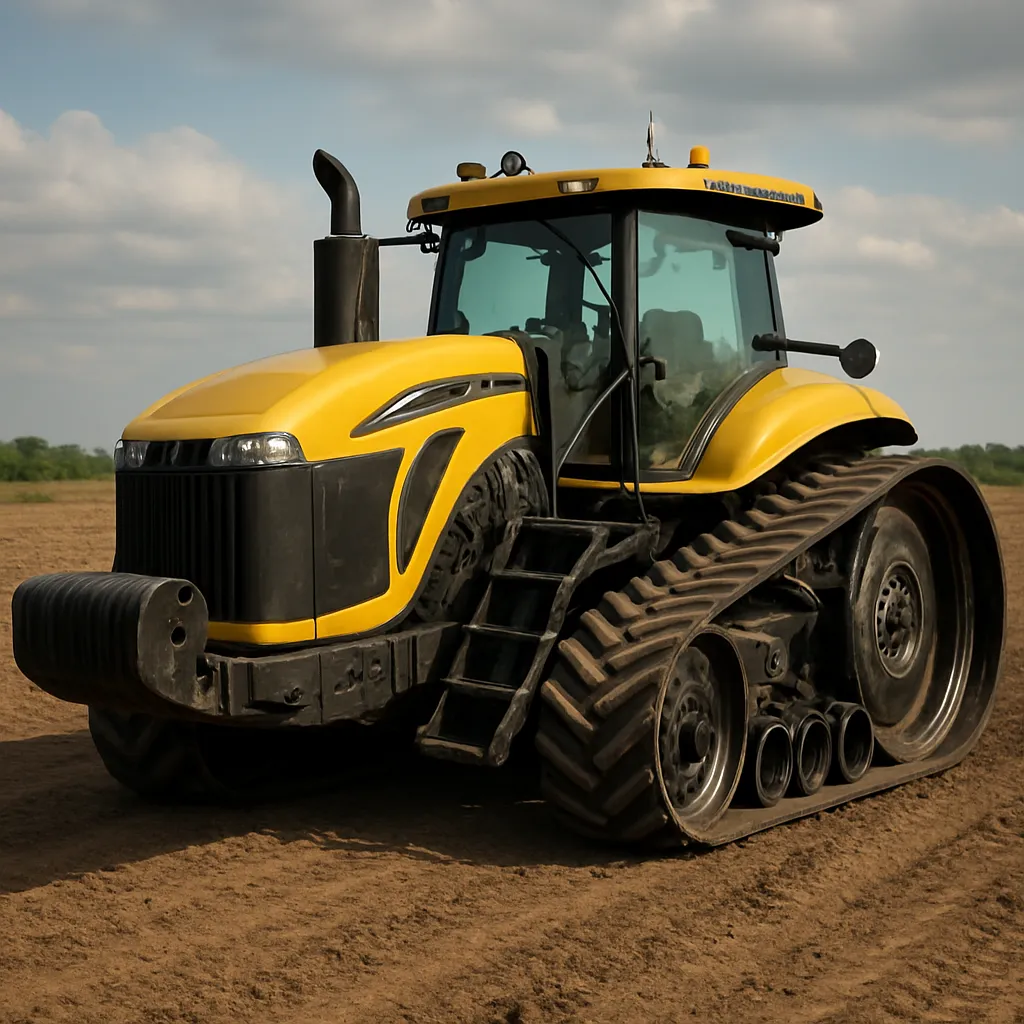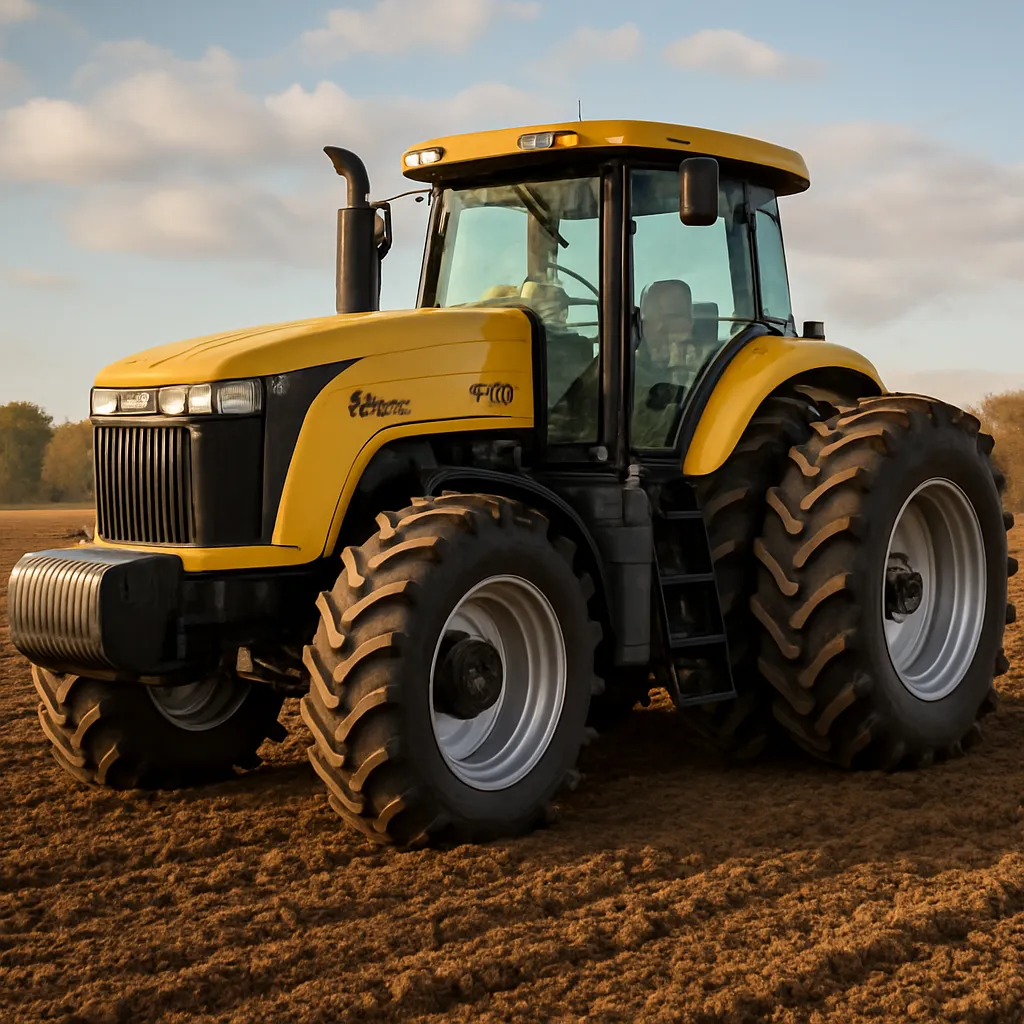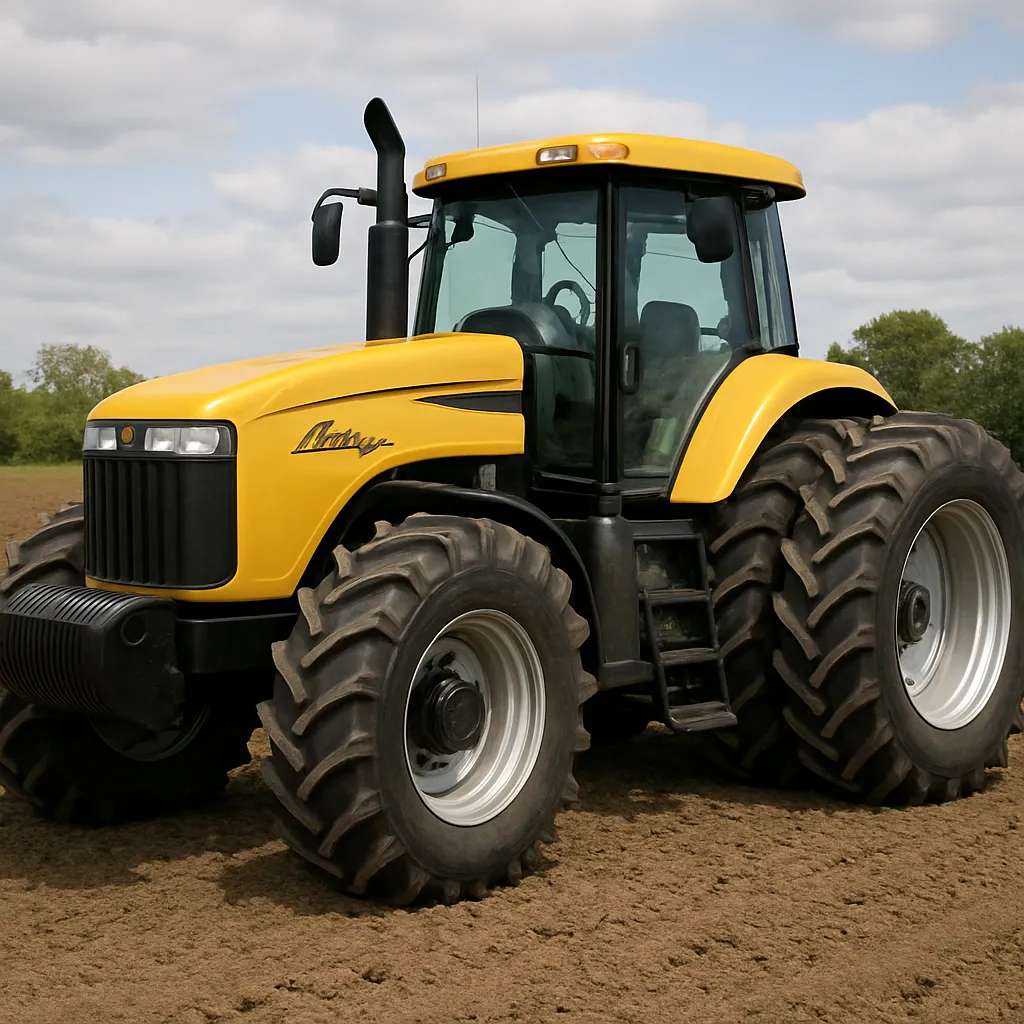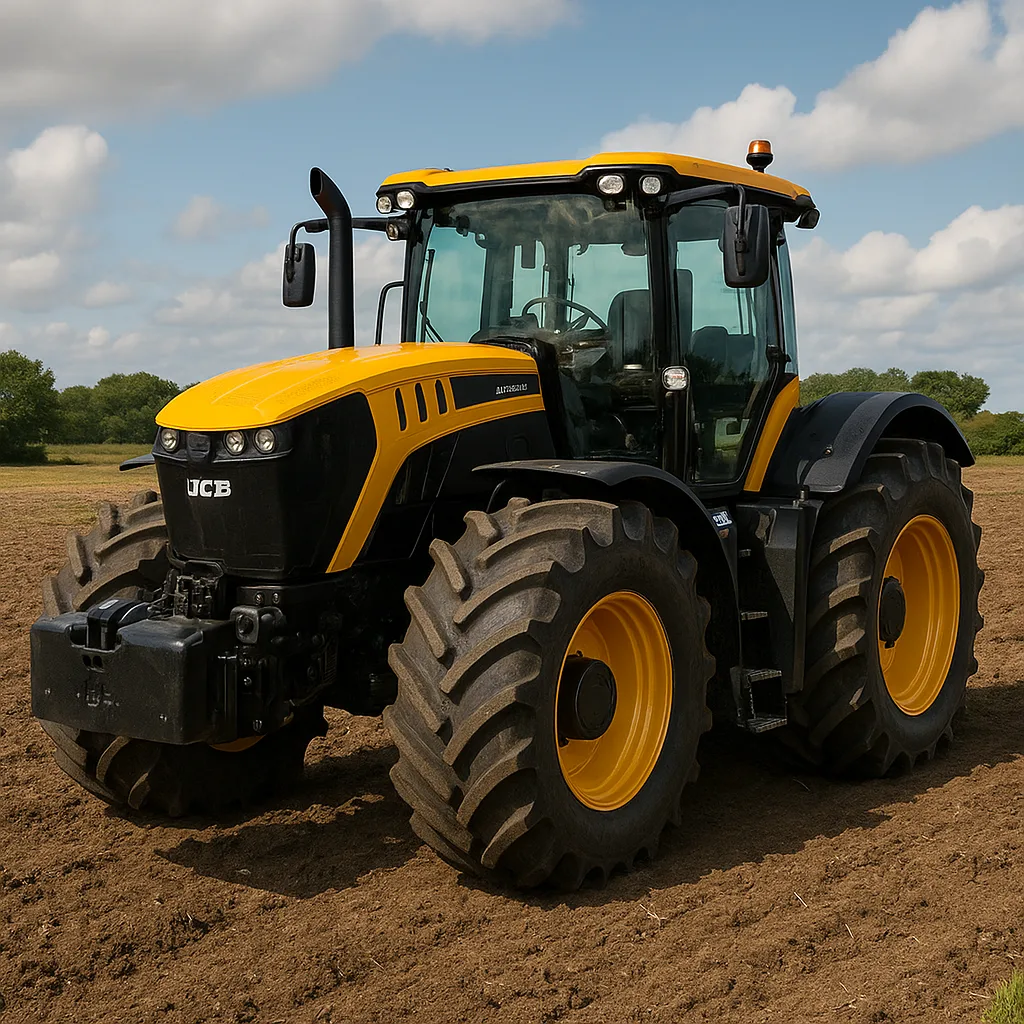
The following article explores the features, uses and technical aspects of the JCB Fastrac 4000 series — a high-performance agricultural tractor designed to bridge the gap between fieldwork and on-road transport. The Fastrac line established a new category by combining exceptional on-field capability with unusually high on-road speed and long-distance comfort. Below you will find an in-depth look at engineering highlights, practical applications, performance figures and real-world considerations for farmers, contractors and fleet managers who consider the 4000-series for their operations.
Design and engineering highlights
The JCB Fastrac 4000 is built around several core principles that set it apart from conventional tractors. At the heart of its design philosophy is an emphasis on mobility, comfort and year-round usability. The model range was developed as part of the broader Fastrac family (which first appeared in the early 1990s) and the 4000 generation represents a balanced package for medium-to-large farms and contractors who require both strong field performance and efficient road travel.
Chassis and suspension
One of the most distinctive engineering features of the Fastrac is its full-vehicle suspension system. Unlike most conventional agricultural tractors that rely on heavy rigid frames and limited suspension at best, the Fastrac 4000 incorporates purpose-designed suspension on both axles and, on many models, integrated cab suspension. The result is reduced vibration, improved traction over undulating terrain and far greater comfort during long road journeys. This design allows for higher travel speeds without compromising stability or implement control.
Powertrain and transmission
The 4000 series is offered with diesel engines that provide a useful balance of torque and fuel efficiency. Depending on the configuration and market, engines produce power in a range suitable for row-crop and heavier-duty tasks. Complementing the engine is a robust gearbox system providing smooth, reliable shifts and the adaptability needed for both tractive fieldwork and sustained high-speed road travel. The Fastrac’s drivetrain typically includes a multi-range powershift or equivalent transmission designed to deliver versatile ratios for field work and fast road gears — a core reason the machine is prized for mixed-use operations.
Braking and steering
Because many Fastrac operators use the tractor on public roads, braking systems and steering have been optimized for safety and repeatable response. Most 4000-series tractors come with hydraulically assisted braking, advanced parking systems and responsive steering with excellent on-the-move control. The layout ensures safe towing of trailers and implements at elevated road speeds. On-board hydraulics are sized to handle a wide variety of attachments while maintaining predictable steering and load control.
Applications and practical uses
The Fastrac 4000 is favored where multi-role capability is required. Operators who value rapid road transfer between fields, or who provide contract services across wide geographical areas, will find the model particularly compelling. Typical applications include:
- Field cultivation and primary tillage using ploughs and discs
- Seeding, planting and precision drilling when mobility between fields matters
- Spraying and crop protection where quick transit reduces downtime
- Transport tasks such as hauling grain, slurry tankers or trailers over long distances
- Mowing, baling and forage work where road speed reduces transit time between sites
- Loader work and material handling when fitted with front implements
The combination of road speed and respectable field power means the 4000 series is popular with mixed farms, contractors and conservation-focused operations where machines must operate across public lanes. Its capability to carry out both heavy pull tasks and fast on-road transits lowers the need for separate specialized vehicles, improving fleet efficiency.
Adaptability and implements
A major advantage of the Fastrac concept is versatility. The 4000-series platform accepts a wide range of implements: rear-mounted three-point gear, front linkage and PTO, power hydraulics for complex implements, and front loaders with high lift capacity. In practice this means the machine can switch between cultivation, application and transport roles with minimal downtime. The high hydraulic flow rates and robust PTO options permit the use of large sprayers, slurry injectors and PTO-driven harvest equipment.
Performance and technical specifications
Exact specifications vary with model year and configuration, but the Fastrac 4000-class tractors generally share a set of performance characteristics that explain their popularity.
- Horsepower: Engines commonly provide in the region of approximately 120–200 horsepower (roughly 90–150 kW), depending on the specific variant and market tuning. This range places the 4000 series in the medium-to-upper power band suitable for many farm tasks.
- Top speed: One of the defining attributes is on-road capability — many 4000 variants are rated for road speeds up to approximately 40–65 km/h (25–40 mph), enabling rapid transfer between jobs and shorter delivery times for contractors.
- Transmission: multi-range powershift or equivalent gearboxes with multiple forward and reverse ranges, designed for smooth load-shifts in the field and usable high gears on the road.
- PTO: standard rear PTO options (540/1000 rpm) with optional front PTO units on many models to support front-mounted implements and loaders.
- Hydraulics: high-capacity hydraulics (often in the order of 100–160 liters/minute, depending on pump options) with multiple auxiliary circuits and electronic flow control for complex implements.
- Weight and dimensions: curb weights often fall between approximately 5,500 kg and 8,500 kg, depending on ballast, front equipment and design options.
- Fuel consumption: real-world fuel use varies by task, but typical ranges under normal mixed duty might be around 8–20 liters per hour; heavy draft or transport at high speed will push consumption toward the top of that range.
These figures should be regarded as indicative; precise values depend on chosen attachments, axle configurations and optional equipment. Nevertheless, they illustrate why the 4000 series is seen as a multi-role workhorse rather than a single-purpose machine.
Field performance metrics
In-field metrics such as drawbar pull, implement power take-up and effective work rates are influenced by soil type and implement selection. The 4000’s combination of torque-rich engines and efficient transmissions allows it to maintain steady forward progress in medium to heavy soils when fitted with appropriate ballast and tires. Fuel efficiency per hectare often improves where the higher road speed reduces non-productive transit time between fields, and integrated hydraulic controls allow implements to run at optimal settings with lower fuel penalty.
Operator comfort, safety and technology
A significant selling point for the Fastrac 4000 is operator-focused design. Because many jobs include long periods on the road, and because modern agriculture requires attention to detail (e.g., precise spraying, seeding), JCB has prioritized cab ergonomics, visibility and user-friendly controls.
Ergonomics and visibility
The cab typically offers excellent all-round visibility, comfortable seating with multiple adjustments, and climate control systems designed for long operating days. Controls are laid out in a manner intended to reduce operator fatigue and improve task efficiency. For many users, the reduced vibration and improved ride quality — achieved by the suspension and cab isolation — are the most noticeable differences when compared with traditional tractors.
Safety systems
Given road usage, the 4000 series includes safety features such as robust lighting packages, beacon options, improved braking systems and comprehensive mirrors and camera options in later models. Roll-over protection and cab safety structures meet regional standards, and the braking and stability systems are designed to handle heavy towed loads at elevated speeds.
Connectivity and precision farming
Modern iterations of the Fastrac platform incorporate electronic controls and optional precision farming tools. These may include GPS guidance compatibility, ISOBUS implement control, telematics for remote monitoring of machine health and location, and engine-management tuning for task-optimized performance. These technologies increase operational productivity while enabling better fleet-level decision making and predictive maintenance.
Maintenance, total cost of ownership and market reception
When evaluating a Fastrac 4000, buyers should consider not only purchase price but also maintenance needs, fuel use and the potential savings from multi-role capability. The Fastrac’s more complex suspension and road-oriented systems can mean different maintenance items compared with conventional tractors, but they are typically offset by labor and time savings in multi-field operations.
- Service intervals and parts availability: JCB provides dealer networks in most markets, offering parts and service plans targeted at agricultural customers. Routine maintenance aligns with industry norms: oil and filter changes at scheduled hours, hydraulic system checks, and suspension inspection depending on usage intensity.
- Depreciation and resale: mixed-use tractors with good maintenance histories often retain value well, particularly in markets where road-capable tractors are in demand. Resale values are influenced by total hours, visible wear on suspension components and any modifications made for specific tasks.
- Total cost of ownership: for users who would otherwise operate separate transport vehicles or spend extensive time moving low-speed tractors between sites, the 4000’s higher speed and faster turnarounds translate into a measurable cost-per-hour advantage, particularly for contractors and large farms.
Market reception for the Fastrac family has generally been positive among users who value mobility and comfort. While some traditionalists prefer simpler, heavier tractors for extreme-pull scenarios, the 4000’s balanced approach has created a sizeable niche among modern mixed-fleet operators. Across the broader Fastrac line, JCB has reported sustained interest from large-scale producers and contractors in Europe, North America and other agricultural regions.
Real-world examples and operational tips
Contractors often cite the following as reasons they prefer the Fastrac 4000:
- Time savings: faster repositioning between job sites reduces unproductive hours.
- Multi-role flexibility: one machine performs transport, spraying and field work.
- Operator retention: better ride and cab comfort help retain experienced employees.
Practical tips for buyers and operators:
- Match tires and ballast to the primary tasks. Road travel favors low-rolling-resistance options, while heavy draft work benefits from aggressive tread and extra ballast.
- Maintain suspension components proactively; early detection of wear extends service life and preserves ride quality.
- Use telematics and engine data to build predictive maintenance schedules and optimize fuel usage across tasks.
- Choose hydraulic packages and PTO options that match the heaviest implement you plan to use to avoid costly retrofits.
Conclusion
The JCB Fastrac 4000-series represents a considered compromise between field capability and road-going efficiency. For operators who need to cover large distances between jobs, transport produce or run multiple implement types from a single chassis, the Fastrac offers a compelling mix of comfort, speed and practical power. While precise technical numbers vary with model year and options — with engines typically delivering between roughly 120–200 horsepower and road speeds often in the 40–65 km/h range — the defining advantage remains its integrated approach: strong engines, adaptable transmission systems, high-capacity hydraulics and a full-vehicle suspension that improves ride quality, reduces operator fatigue and increases overall productivity. For mixed farms, contractors and operations that value multi-site mobility, the 4000-series remains a noteworthy choice in modern agricultural machinery.