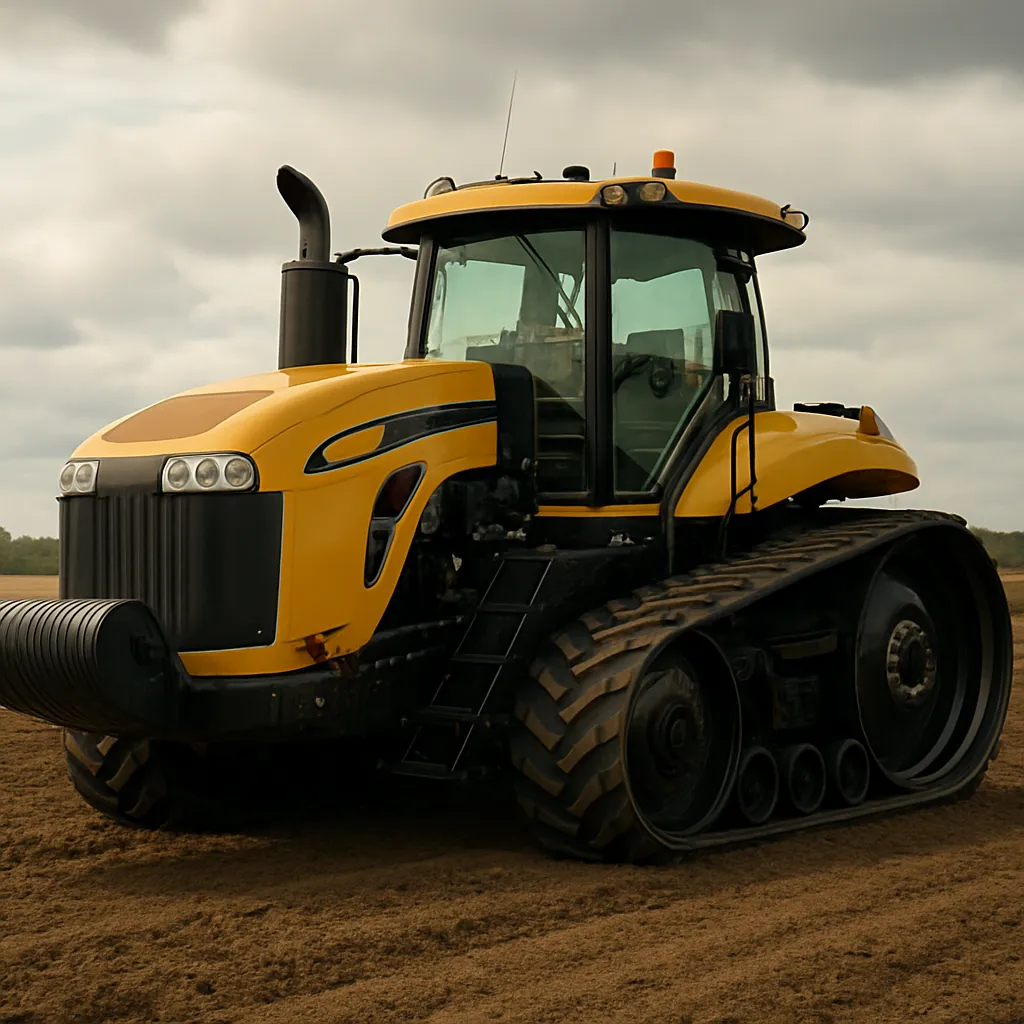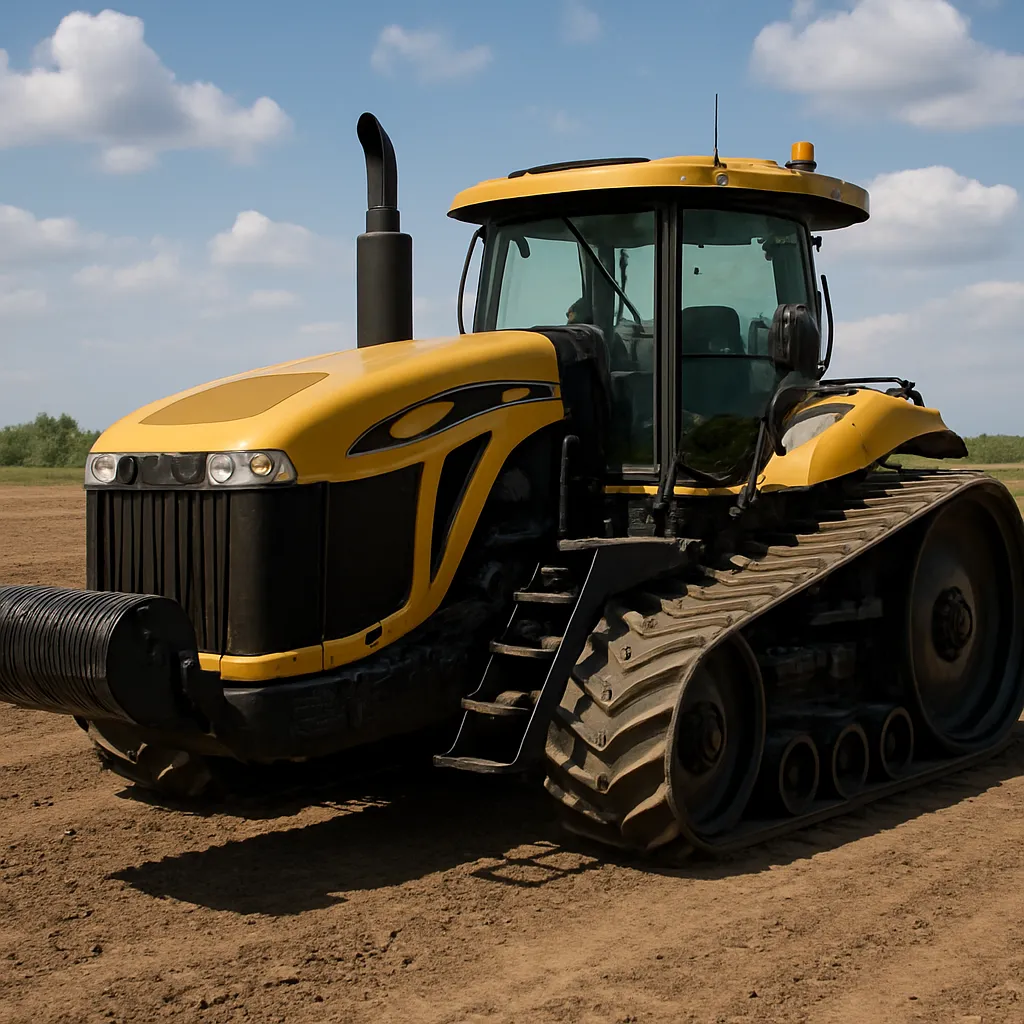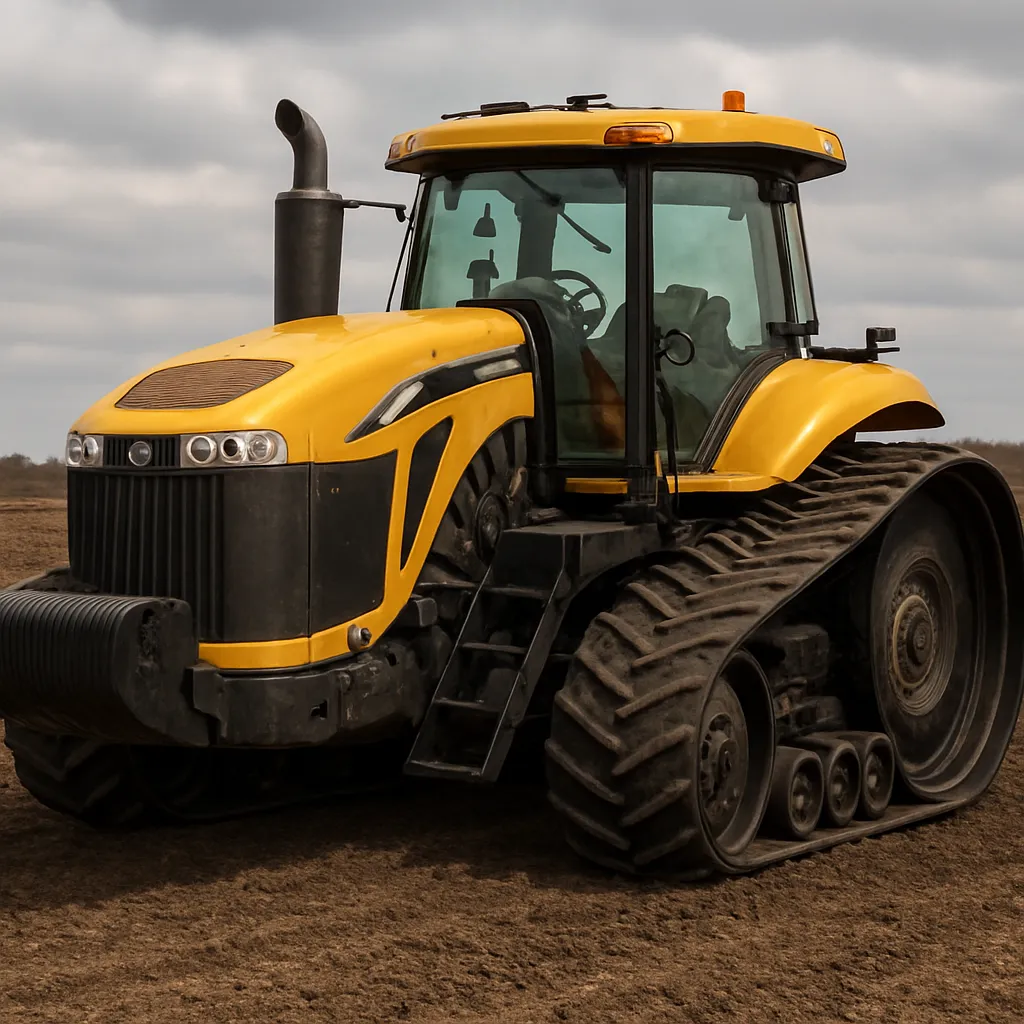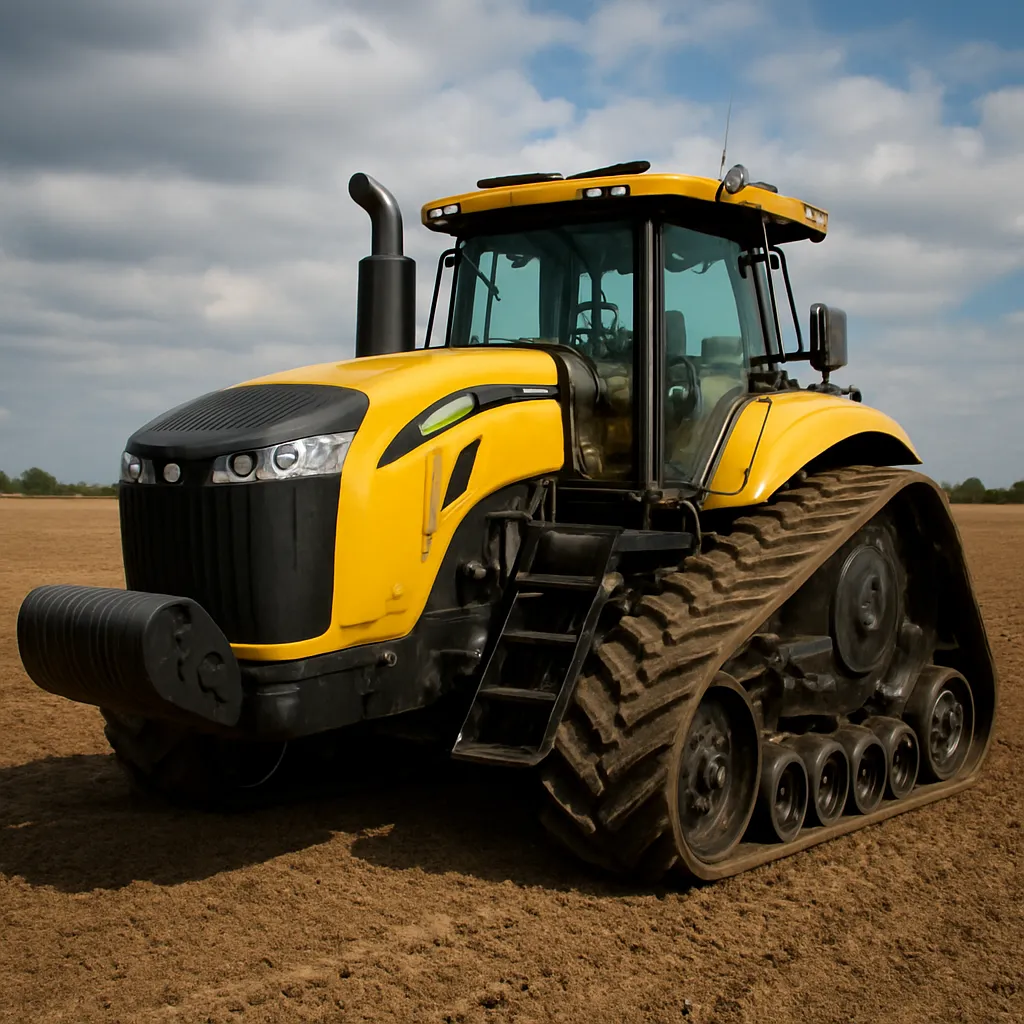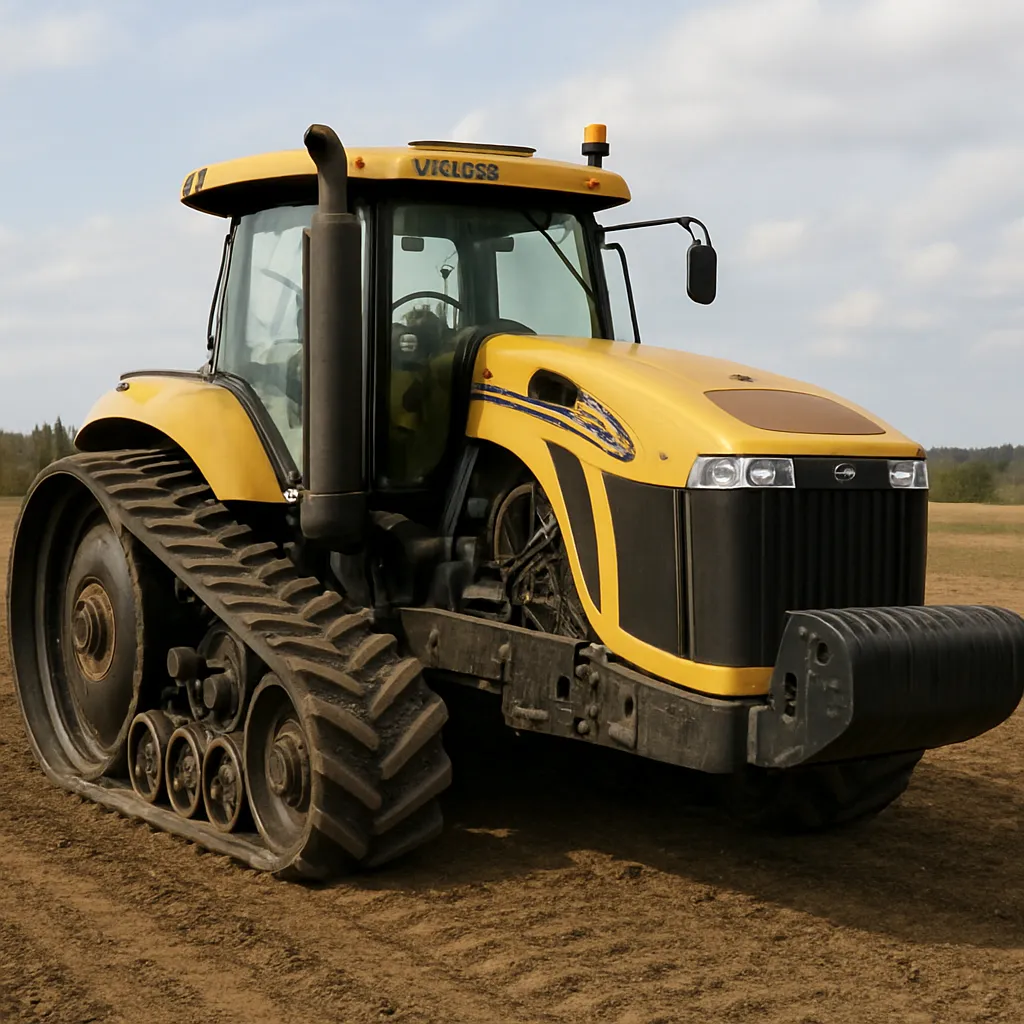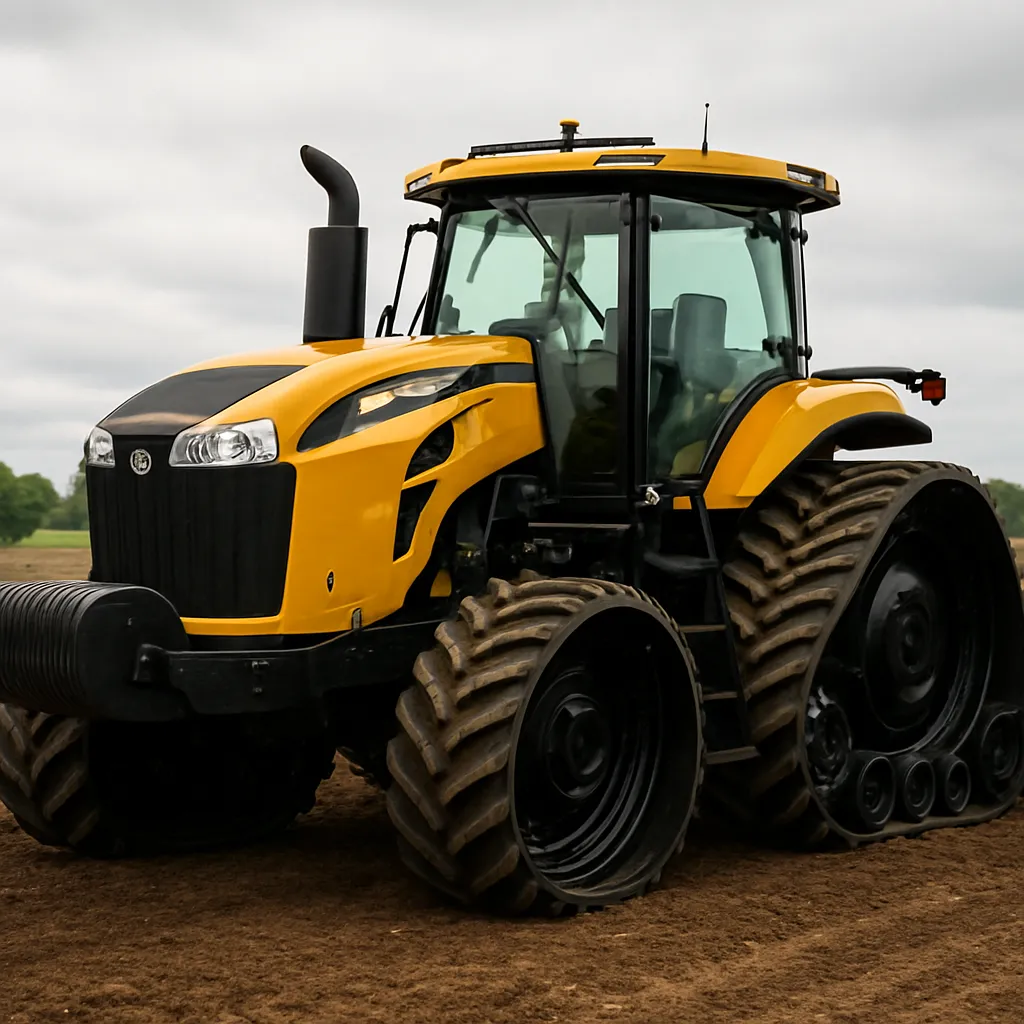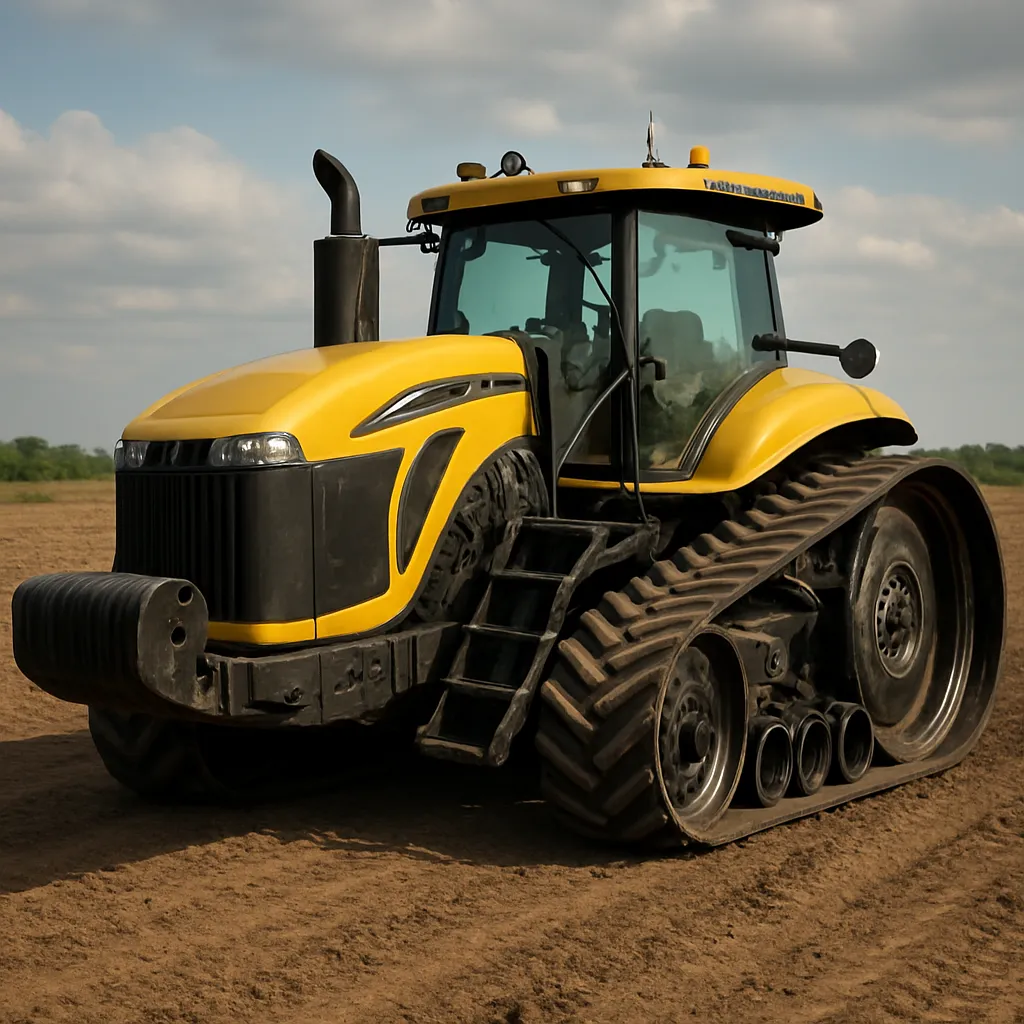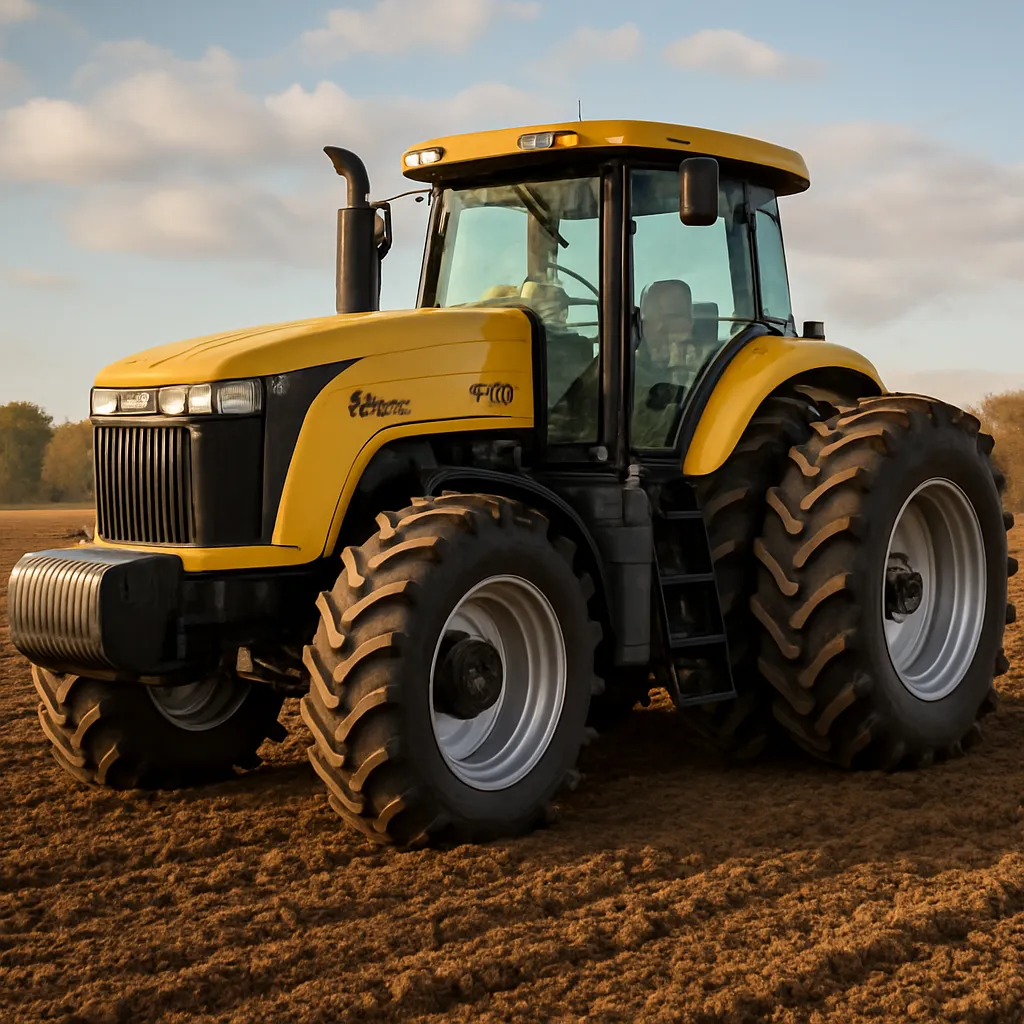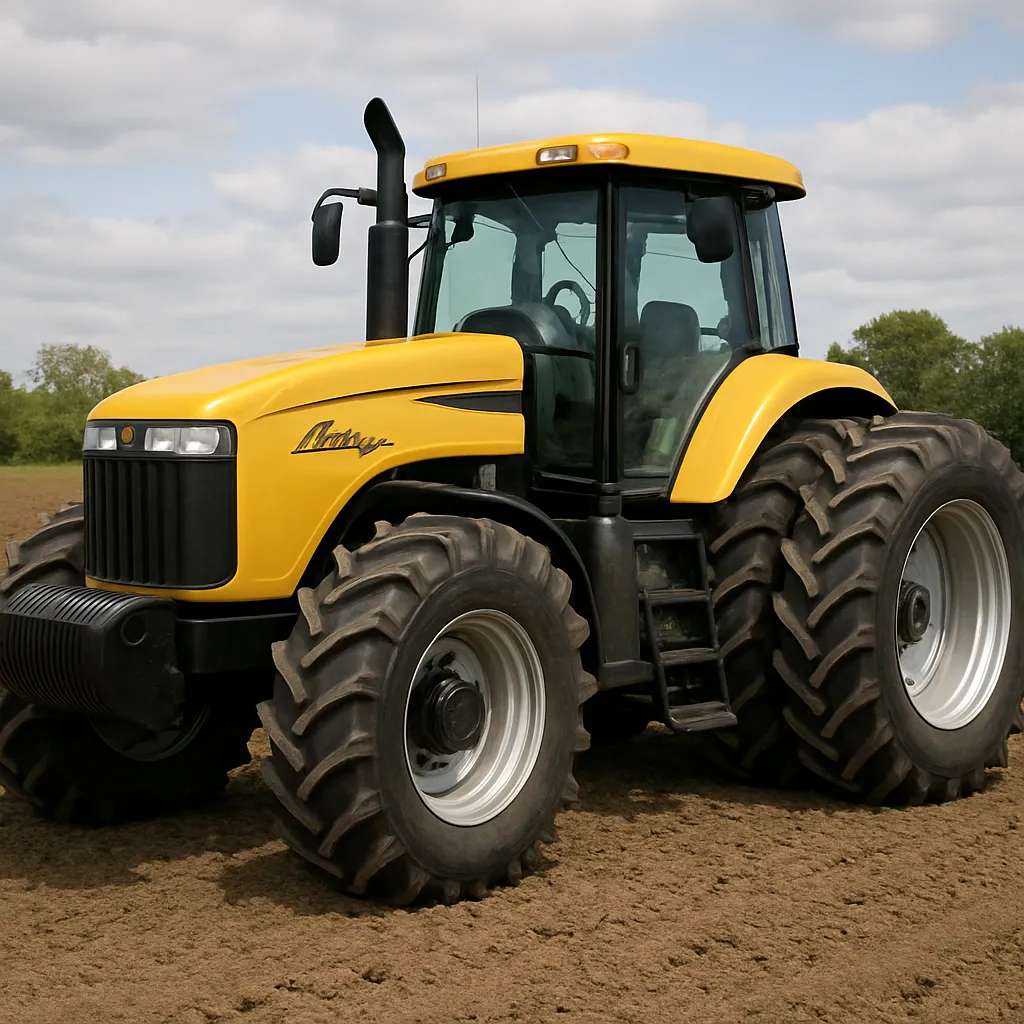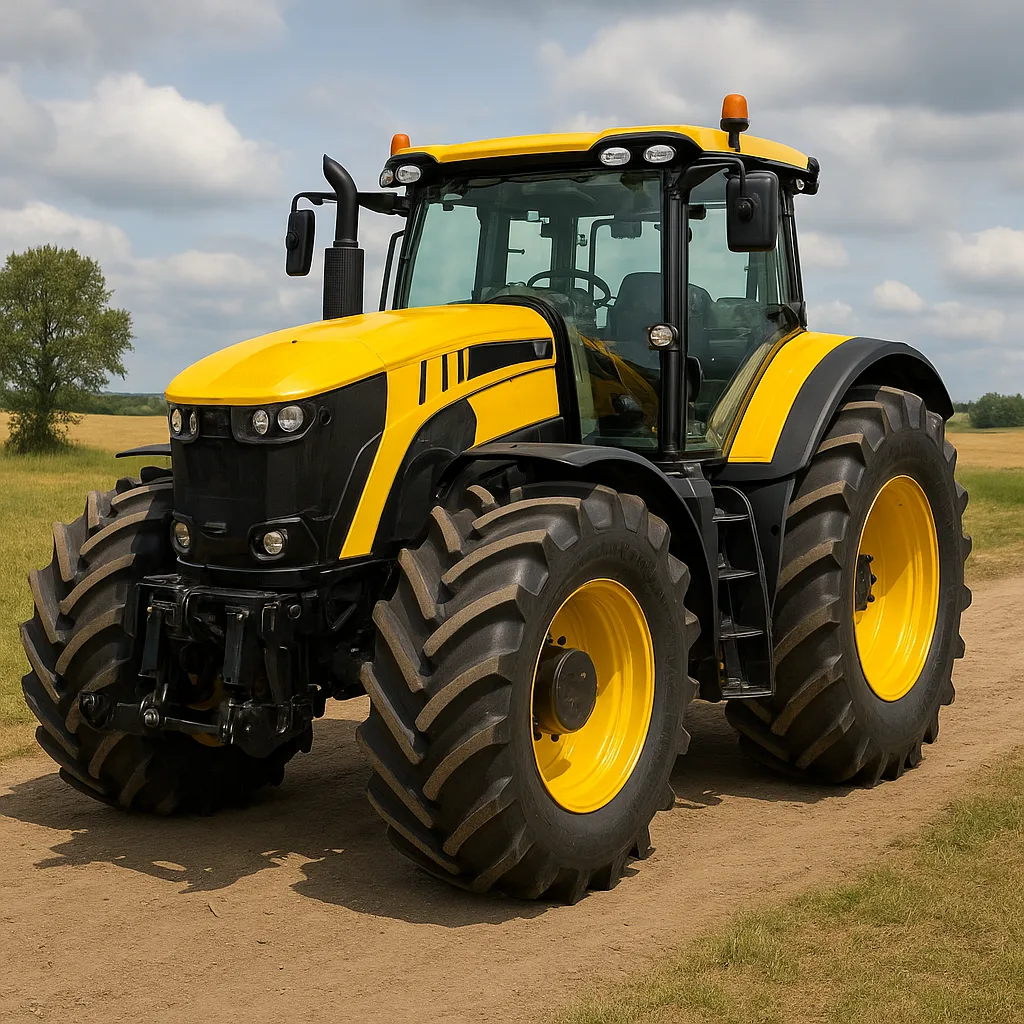
The Fastrac 8000 from JCB is a high‑performance agricultural tractor designed to combine exceptional road speed with field capability. Its distinctive combination of ride comfort, chassis design and job versatility positions it between dedicated field tractors and specialist transport machines. This article explores the machine’s design, typical uses, technical characteristics, operator experience, economic considerations and environmental context, providing a practical picture of where the Fastrac 8000 fits on modern farms and in contracting fleets.
Overview and market position
The Fastrac family has long stood apart in the tractor market because of its emphasis on high travel speeds and on‑road performance without sacrificing off‑road functionality. The 8000 series represents JCB’s approach to meeting operators’ needs for a tractor that can spend significant time on public roads while still delivering robust agricultural capabilities. This positions the model both for large arable farms that need quick, long-distance transport between fields and for contractors who move equipment frequently between sites.
Key selling points of the 8000 series include a long wheelbase and purpose‑designed chassis, full‑axle suspension, and a drivetrain optimized for higher maximum speeds compared with conventional tractors. These traits make it particularly appealing where time efficiency and operator comfort during long transits are priorities.
Design and technical features
At the core of the 8000 series is a chassis and suspension layout that differs from typical agricultural tractors. The design intent is to provide a stable, smooth ride at both road and field speeds while allowing heavy implements to be towed and carried safely. Important technical elements include:
- Independent suspension on front and rear axles for improved ride quality and traction.
- A long, low‑centered frame that supports stability during transport and when operating large implements.
- High‑capacity hydraulics and linkages to handle a broad range of rear implements as well as front linkage options for specialized tasks.
- Multiple transmission options that balance efficiency and drivability — in practice this includes multi‑speed powershift or advanced variable transmissions depending on specification.
- Robust braking and steering systems engineered for safe, predictable behavior at speed on public roads.
Engines used in machines of this class are built to deliver strong torque across a wide rev band, enabling productive PTO work and efficient road travel. Modern examples typically meet current emissions regulations with aftertreatment systems; depending on market and year, these solutions include SCR (selective catalytic reduction) and diesel particulate filtration.
Suspension and chassis advantages
The suspension architecture is a defining trait. By using suspension on both axles rather than relying solely on tire compliance or basic front suspension, the 8000 series reduces operator fatigue and protects implements from excessive shock loading. This system also helps maintain traction and ground contact when crossing uneven surfaces, improving fuel efficiency and work rates in many tasks.
Transmission and drivetrain
Transmission choices on the 8000 are made to optimize the balance between field controllability and high‑speed cruise. Transmissions provide a wide spread of ratios to keep the engine in an efficient rpm band whether towing a trailer on the road or turning a power take‑off. The presence of a robust transfer case and constant four‑wheel drive ensures traction when needed, and axle designs on the 8000 are formed to tolerate sustained road speeds while carrying heavy loads.
Applications and typical uses
The versatility of the Fastrac 8000 makes it suitable for a broad set of agricultural and commercial tasks. Common applications include:
- High‑speed haulage of grain, produce or equipment between fields and storage sites.
- Towed implement operations such as seed drilling, cultivations and slurry spreading where quick repositioning is valuable.
- Large‑area mowing, forage work and transport in livestock and mixed farms.
- Contracting work where time on the road is significant — contractors benefit from faster job‑site transfers.
- Specialist operations including beet harvesting support, sugar beet and potato lifting logistics, and airport/military/multi‑purpose tasks that require road‑legal speeds.
Because the 8000 series combines speed with implement capability, farms that operate multiple detached fields or that outsource transport tasks find the model particularly cost‑effective. It reduces total transit time, thereby increasing the productive window for time‑sensitive operations such as sowing and harvesting.
Performance, typical specifications and statistics
Exact specification varies by market, model year and optional equipment; however, representative figures for tractors in the Fastrac 8000 category are:
- Engine output typically in the range of roughly 230 to 400 horsepower depending on the variant and options chosen.
- Maximum road speed commonly set between 40 and 65 km/h (25–40 mph) depending on regional regulations and gearing.
- Hydraulic flow rates that support large implements — typical pump capacities are in the order of 150–250 liters per minute, with higher‑flow options available for specialist tasks.
- Rear linkage and hitching systems capable of handling heavy implements and loads; lift capacities for machines in this class are designed to suit large ploughs, cultivators and mounted seeders.
Manufacturers’ published data often include fuel consumption figures under ideal test conditions; in real operations, fuel use depends on payload, implement resistance and road vs field activity. In broad terms, higher average speeds and reduced transport time can improve overall operational productivity and reduce per‑hectare fuel use in systems where transport is a significant share of workload.
Operator comfort, cab features and technology
One of the strong selling points of the 8000 series is the focus on operator wellbeing during long shifts. The cab is typically roomy with excellent visibility, ergonomic controls and suspension isolation to reduce vibration and fatigue. Common features and technologies include:
- High‑spec seating with multiple adjustments and suspension settings.
- Advanced climate control and low‑noise cabs to improve comfort over extended road journeys.
- Integrated telematics and fleet management interfaces; JCB’s telematics solution (for example, LiveLink) allows remote monitoring of hours, fuel use, maintenance alerts and location.
- ISOBUS compatibility and precision farming integration for guidance, section control and data logging.
- Visibility enhancements such as LED lighting packages and optional camera systems for safer travel with trailers or when reversing large implements.
In addition, modern ergonomic layout of controls and touchscreen displays streamline the management of transmission settings, hydraulics and power take‑off, which helps maintain consistent output and reduces the learning curve for operators moving between machines.
Safety and road use considerations
Operating a high‑speed agricultural tractor on public roads brings special safety and regulatory requirements. The 8000 series responds to these with reinforced braking systems, trailer stability features, and compliance packages for lighting and signaling. Because the units can cover significant distances, manufacturers and owners often fit additional road‑safety aids such as enhanced mirrors, automatic speed limiters and differential locks that disengage at preset speeds to protect driveline components.
Maintenance, reliability and operating costs
Large, multi‑role tractors like the 8000 aim to be reliable workhorses, but their complexity does mean maintenance must be scheduled carefully. Key considerations for operating cost management include:
- Regular servicing of emissions aftertreatment systems (DPF/SCR) where fitted, to avoid performance loss and legal non‑compliance.
- Hydraulic system checks and filter replacements to ensure consistent implement performance.
- Axle and suspension servicing; because the machine is designed to sustain higher speeds, tire and brake wear may be greater than for slow‑moving field tractors and need proactive management.
- Utilizing telematics to optimize service intervals based on actual use patterns rather than fixed schedules, reducing downtime and unexpected failures.
When assessing total cost of ownership, operators often find that the 8000’s ability to reduce transit time and consolidate fleet functions (transport + field work) can offset higher initial capital cost and certain maintenance items, especially on larger farms and contracting operations.
Environmental impact and regulatory compliance
Modern high‑performance tractors are designed to meet stringent emissions standards in major markets. Typical approaches include the use of selective catalytic reduction and particulate filtration, and engine calibration that balances low emissions with high torque and fuel economy. The net environmental benefit of a high‑speed tractor can be positive where improved logistics and reduced on‑farm transport times lead to lower total fuel consumption per task.
Precision agriculture integration also allows for reduced overlap and more accurate application of inputs (seed, fertilizer, chemicals), which contributes to sustainability goals. For fleets, telematics and route optimization lower idle time and unnecessary travel, further reducing emissions.
Practical considerations for buyers
Prospective buyers should weigh several practical factors when considering a Fastrac 8000‑class machine:
- Match engine and transmission specifications to the primary tasks — a higher‑power option is useful for heavy implements but may not be necessary if the tractor’s main role is rapid transport.
- Consider tire and axle options carefully if working across soft soils versus predominantly road use, since contact area affects compaction and wear.
- Assess telematics compatibility with existing fleet management systems to simplify data flows and get maximum value from remote monitoring.
- Check local road regulations for maximum allowable speeds, lighting and signage requirements for tractors traveling on public highways.
- Think about resale and fleet flexibility — a machine that performs both transport and field roles can be an asset when operational needs change seasonally.
Future developments and trends
The agricultural machinery market is evolving toward greater electrification, autonomy and connectivity. For high‑speed tractors, future developments likely to influence the next generations of machines include:
- Hybrid or electrified drivetrains to improve fuel efficiency and reduce emissions during urban or sensitive area operations.
- Further advances in autonomous or semi‑autonomous travel for long transport legs, enabling safer and more efficient repositioning with lower operator fatigue.
- Expanded use of data and machine‑to‑machine communication to optimize task sequencing, equipment pairing and predictive maintenance.
- Lightweight materials and design approaches that preserve strength while reducing rolling resistance and improving payload efficiency.
Manufacturers such as JCB are active in research and demonstrator projects exploring these directions; as legislation and market demand evolve, the concept of a high‑speed, comfortable, data connected tractor will continue to adapt.
Conclusion
The JCB Fastrac 8000 stands out as a specialist solution for operations that value rapid transit between jobs without giving up the ability to handle large agricultural implements. With features focused on speed, ride quality, hydraulic capacity and telematics integration, it is tailored for large farms, contractors and mixed‑use fleets. While the purchase and operating costs can be higher than for a conventional farm tractor, the productivity gains from reduced transit times and improved operator comfort often justify the investment where road use is significant. For operators seeking to combine transport efficiency with robust field performance, the 8000‑class Fastrac remains a compelling option.