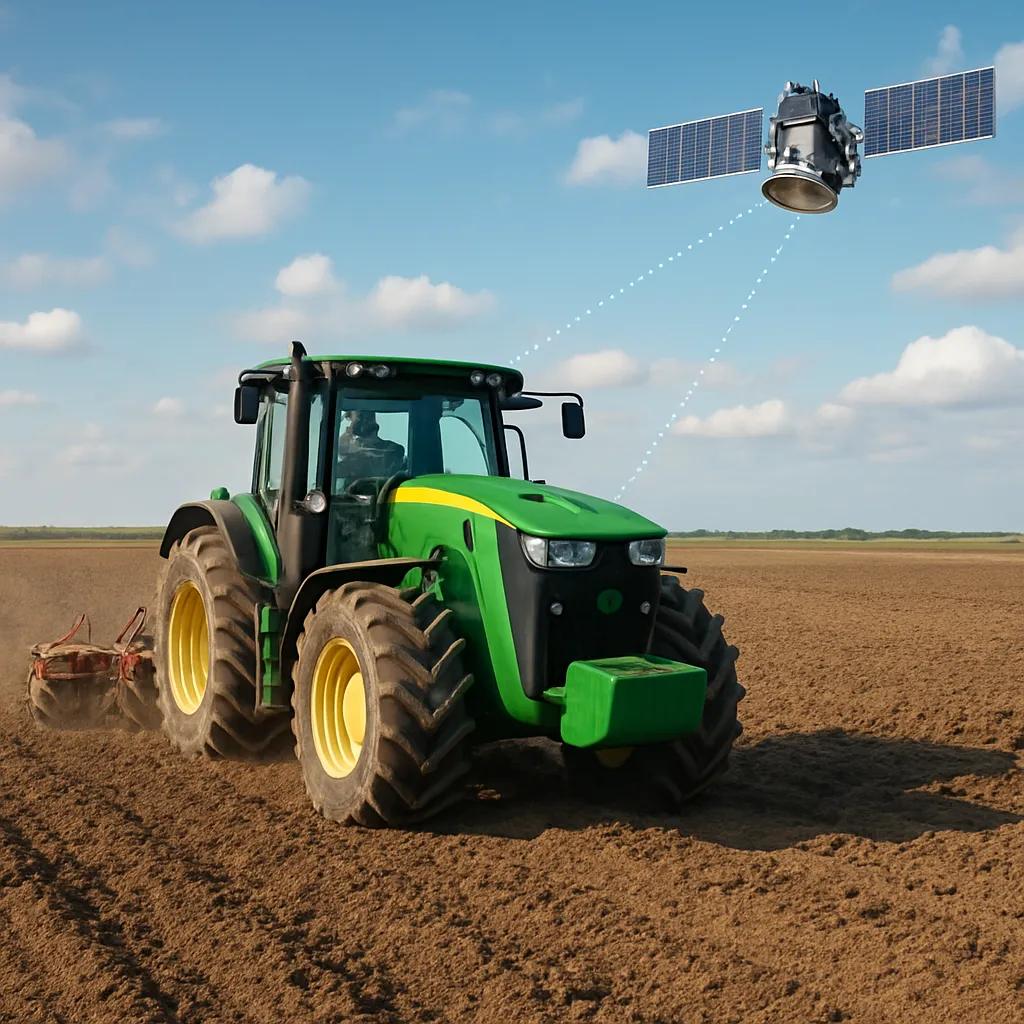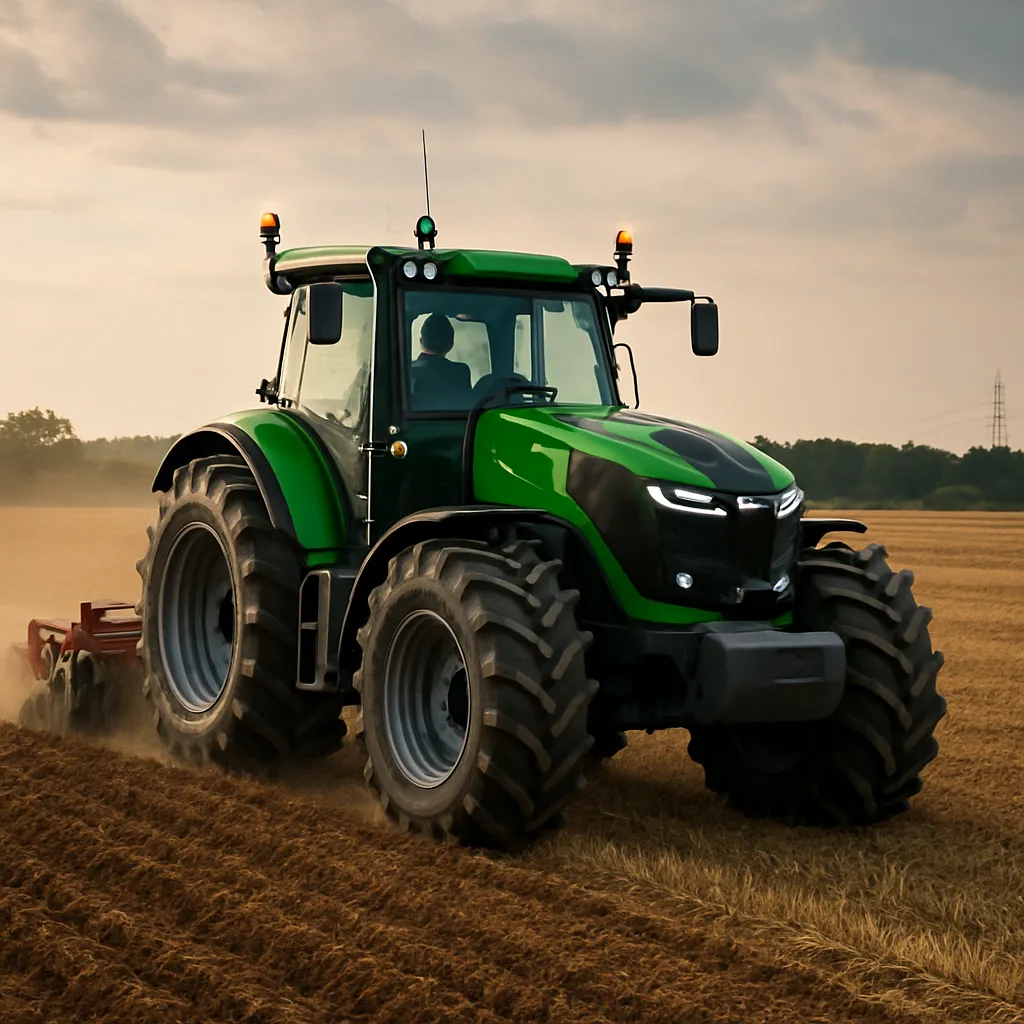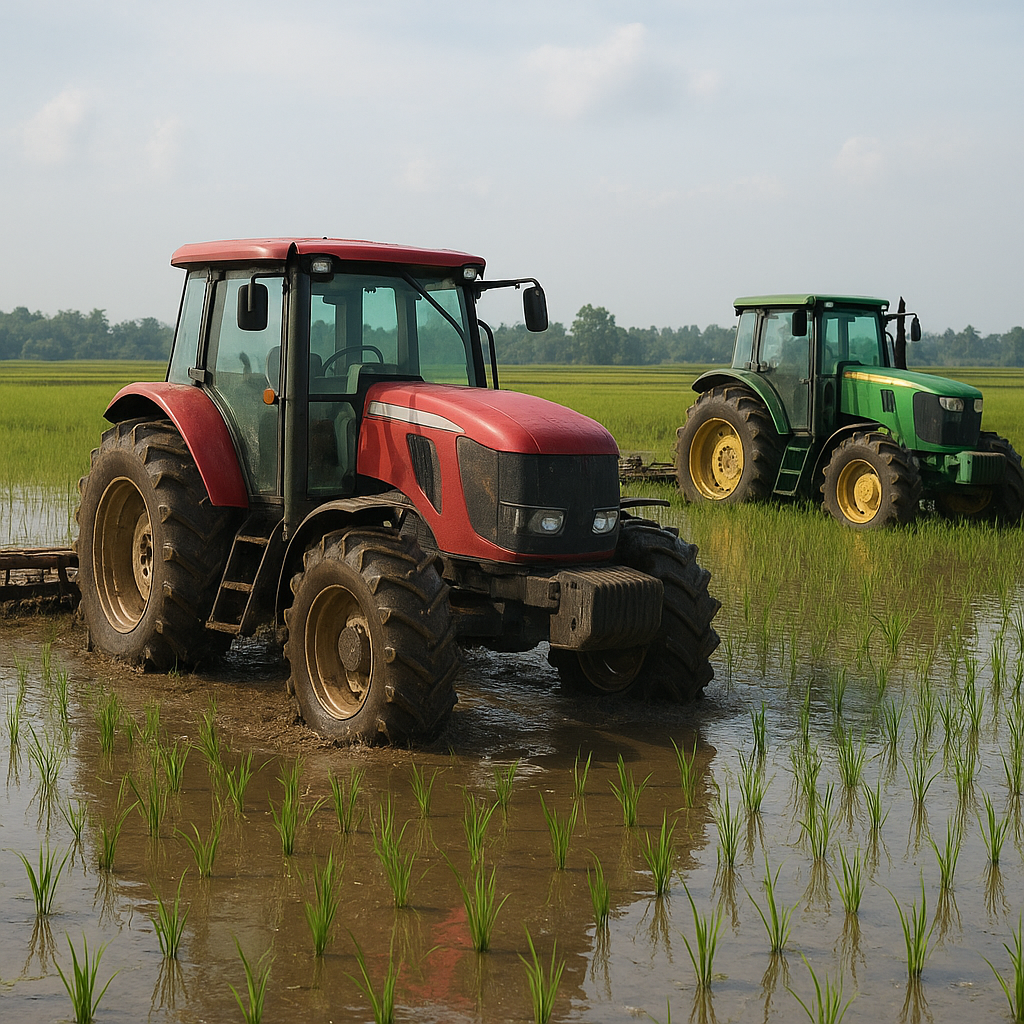
The world of agriculture relies heavily on the relentless pursuit of scale and efficiency, and nowhere is this more evident than in the domain of the biggest tractors. These engineering marvels combine raw power with cutting-edge technology to revolutionize farming practices around the globe. From the roar of a massive diesel engine to the seamless integration of GPS-guided planting systems, large tractors embody the intersection of tradition and innovation.
Assembly Line and Component Production
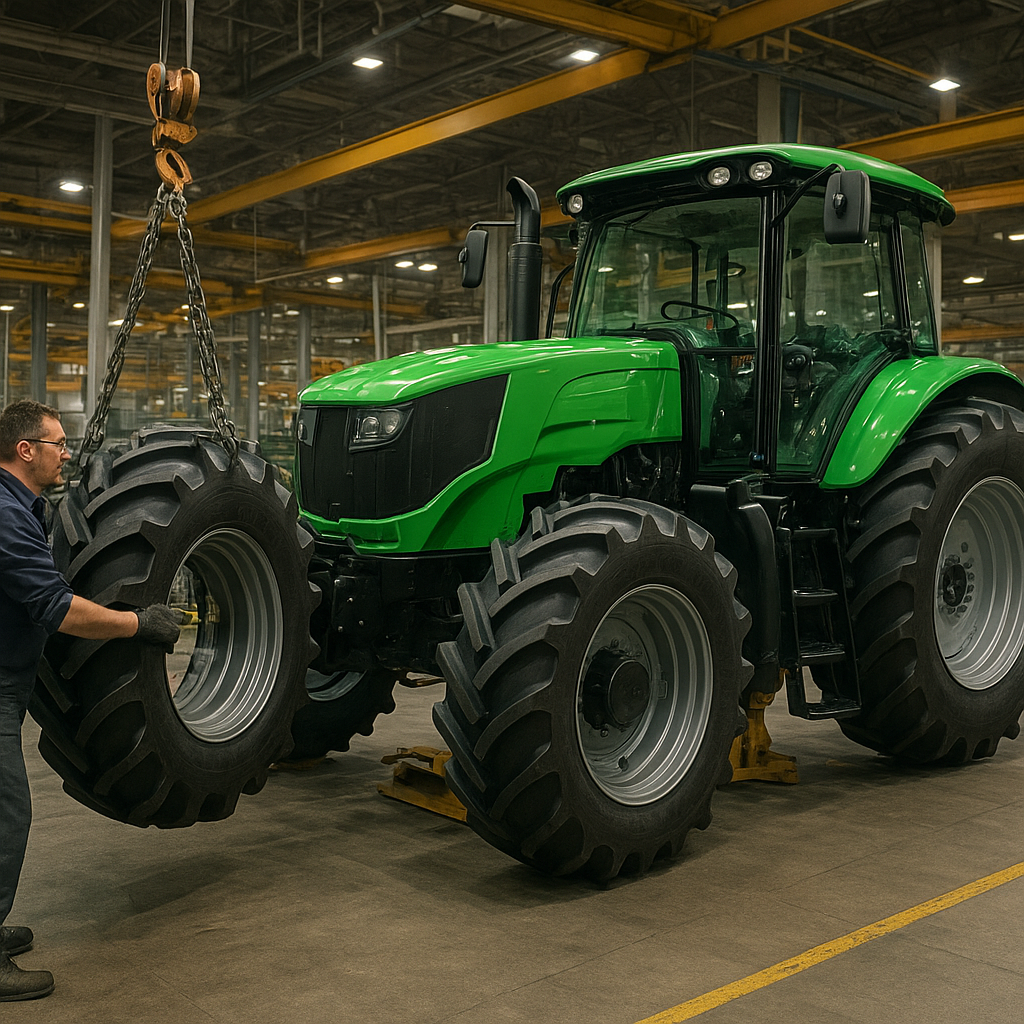
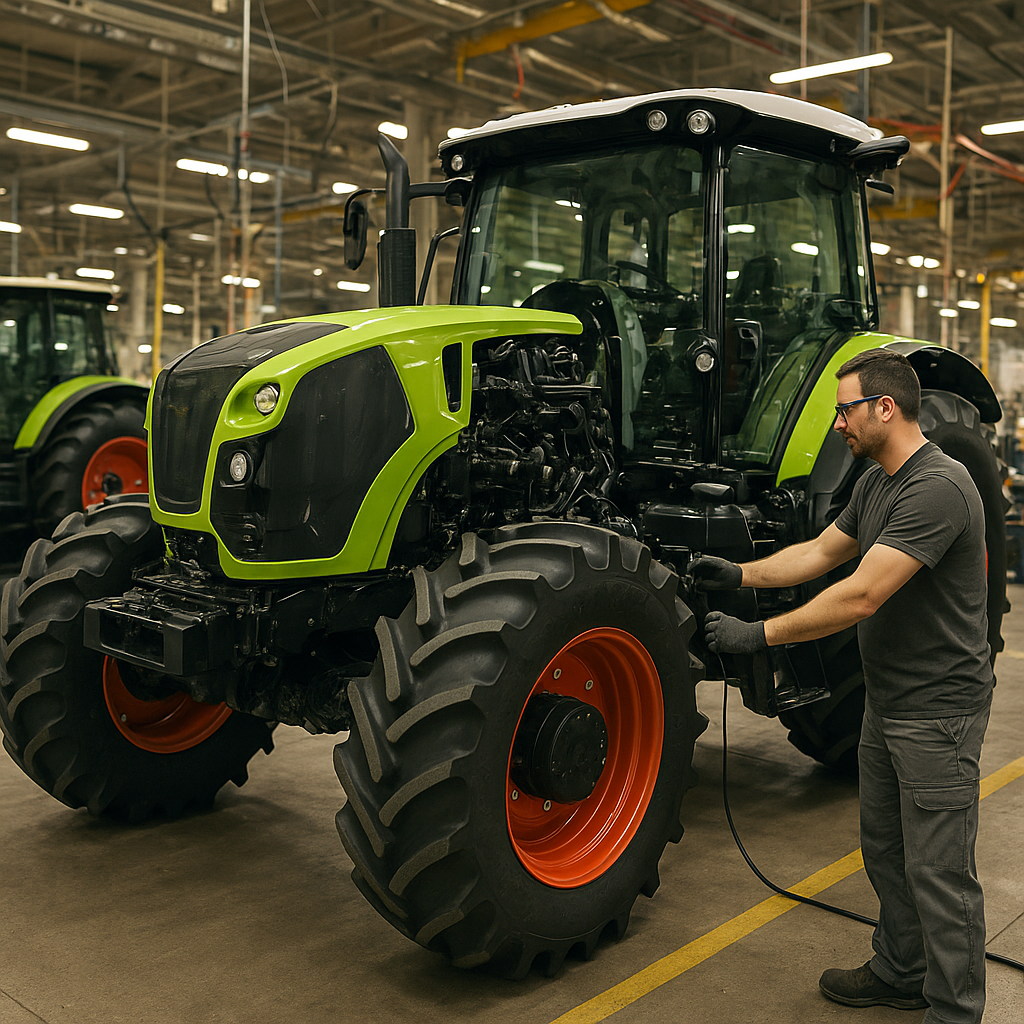
Every giant tractor begins its journey in a sprawling manufacturing facility where precision and consistency are paramount. The production workflow typically follows these stages:
- Chassis Fabrication: High-strength steel beams are welded and assembled to form the backbone of the tractor. Automated welding robots ensure exact alignment and uniformity, reducing human error and increasing durability.
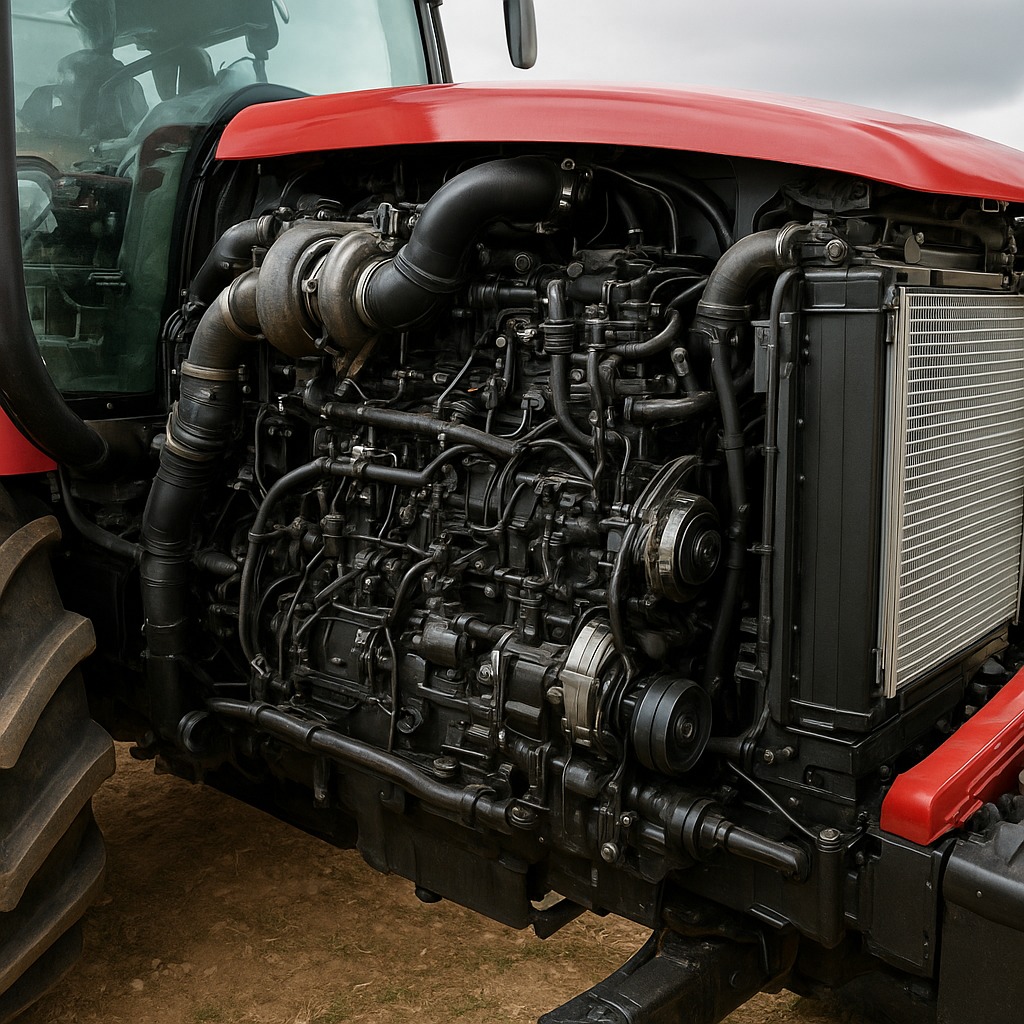
- Engine Assembly: Multi-cylinder diesel engines, rated well above 500 horsepower, are meticulously built. Technicians install crankshafts, pistons, and fuel injection systems under controlled conditions to guarantee optimal performance.
- Transmission Production: Heavy-duty gearboxes and continuously variable transmissions (CVTs) are calibrated for both power delivery and fuel economy. Each transmission undergoes rigorous bench testing to verify torque capacity and shift smoothness.
- Hydraulic System Integration: High-flow pumps, valves, and hoses are connected to create a system capable of lifting massive implements. These hydraulics deliver precise control over attachments such as plows, seeders, and sprayers.
- Electronics and Cab Installation: The operator’s cab is fitted with advanced display panels, joysticks, and climate control. Wiring harnesses link sensors, actuators, and the central ECU (Electronic Control Unit), establishing the core of modern precision farming operations.
Quality assurance teams inspect each component using coordinate measuring machines (CMMs) and non-destructive testing methods, ensuring that every part meets stringent industry standards.
Integration of Advanced Technologies
Large tractors today are more than mere steel and diesel; they are rolling laboratories of innovation. Key technologies driving the next generation of big tractors include:
Telematics and Connectivity
- Remote Monitoring: Fleet managers can track fuel consumption, operating hours, and maintenance schedules via secure cloud platforms.
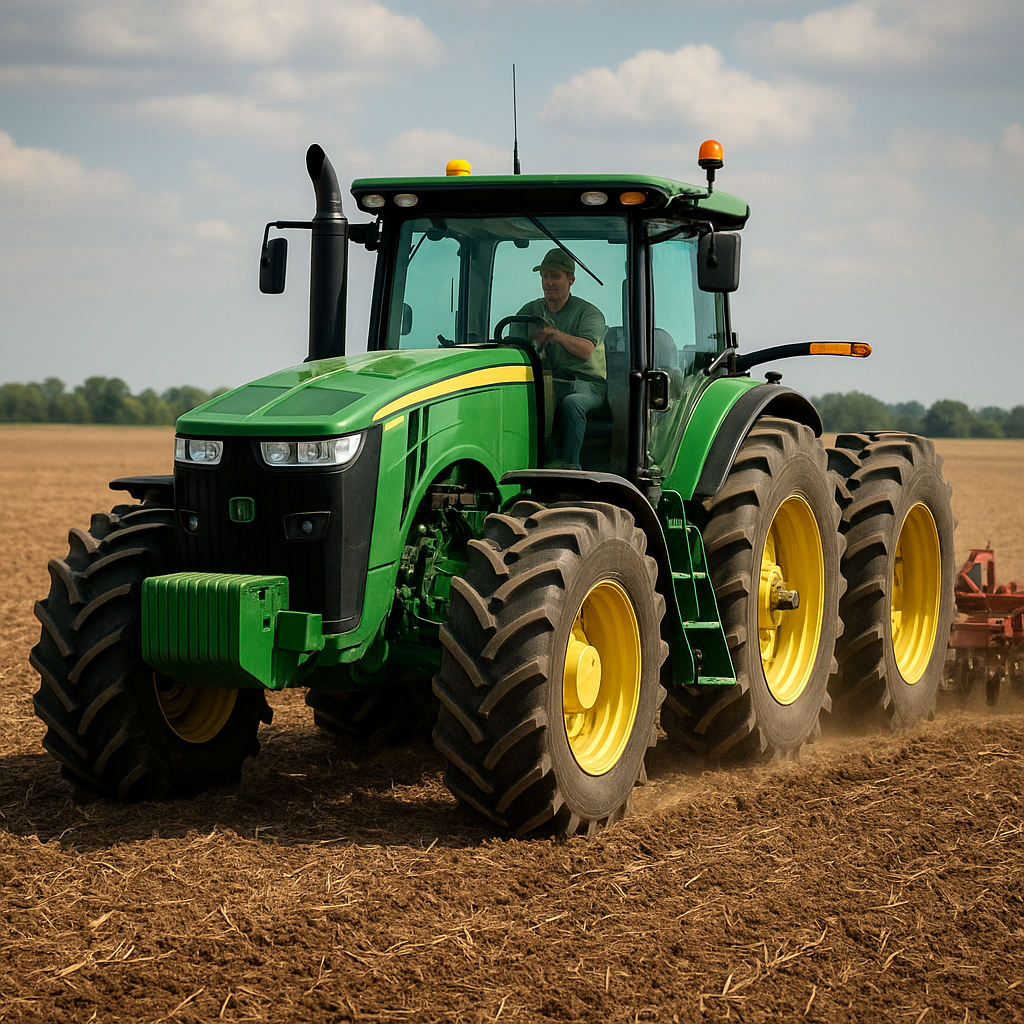
- Precision Guidance: GPS-based auto-steering reduces overlap and gaps in field coverage, boosting efficiency by up to 20%.
Automation and Robotics
- Autonomous Operation: Self-driving modes allow tractors to execute repetitive tasks without direct supervision, leveraging LiDAR and computer vision.
- Implement Control: Robotic arms adjust planting depth and spray nozzles in real time, responding to soil variability and crop health data.
Powertrain Innovations
- Hybrid Systems: Combining electric motors with diesel engines reduces emissions and improves torque responsiveness during heavy-duty tasks.
- Advanced Transmissions: Infinitely variable transmissions deliver seamless power transitions and optimal fuel usage across varying loads.
These breakthroughs not only enhance field performance but also contribute to environmental sustainability by cutting down carbon footprints and soil compaction.
Size and Power: The World’s Largest Tractors
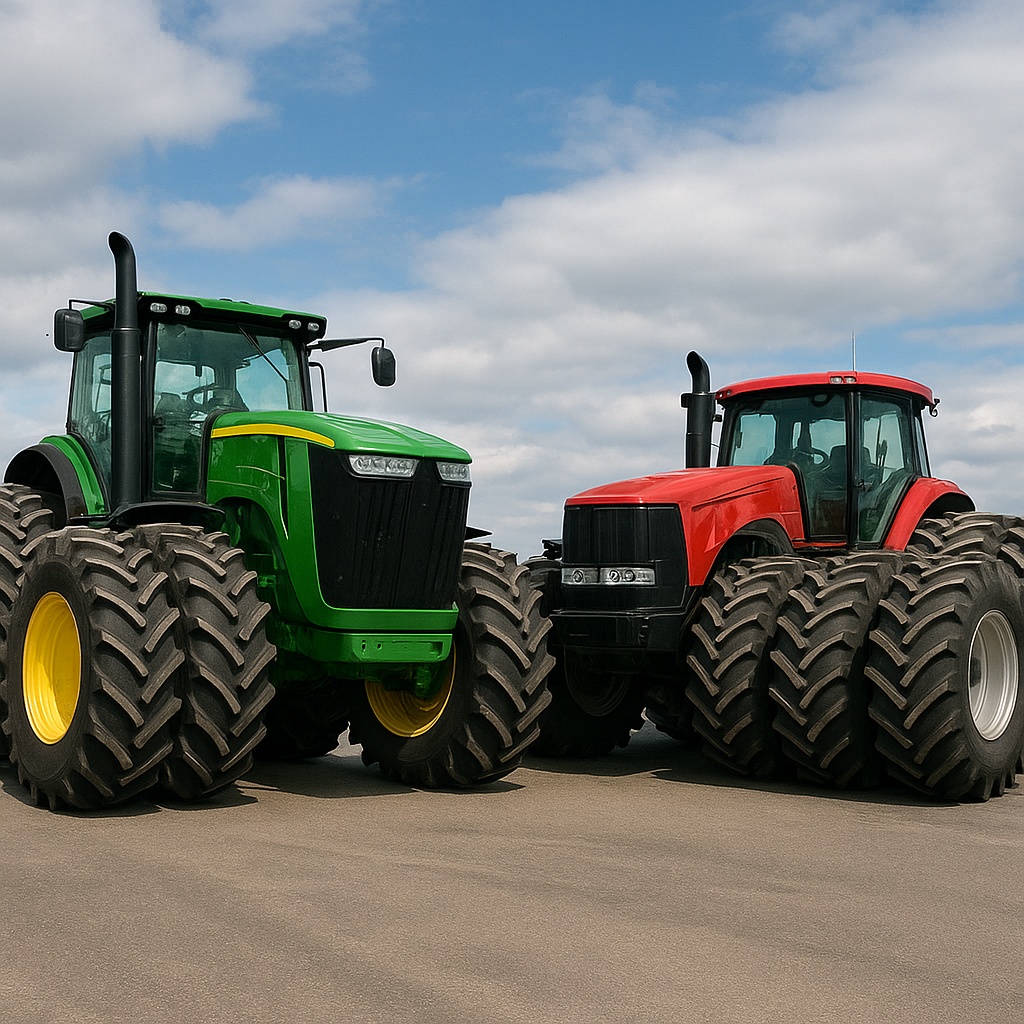
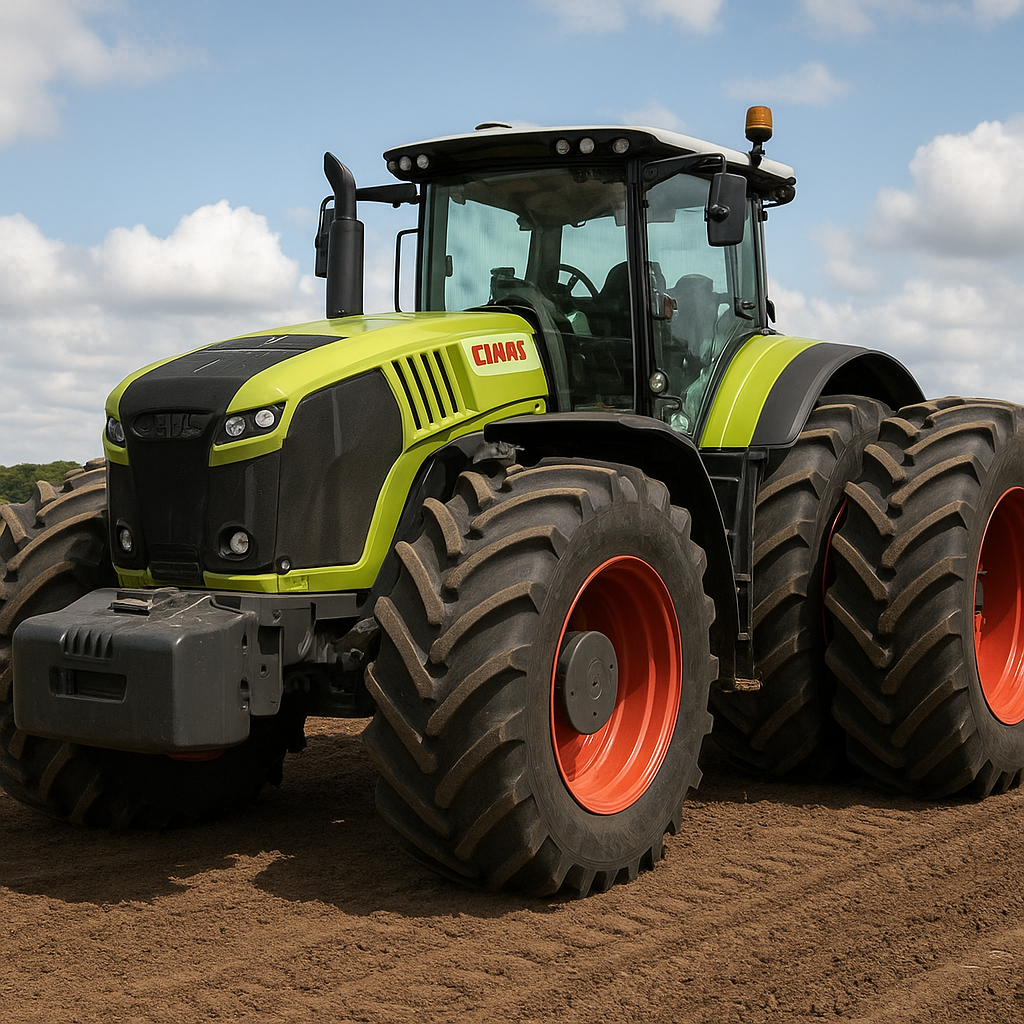
Some manufacturers compete to create the most colossal machines, boasting jaw-dropping statistics:
- Fendt 1167 Vario: Topping 700 horsepower, this tractor features a four-pump hydraulic system delivering up to 430 liters per minute.
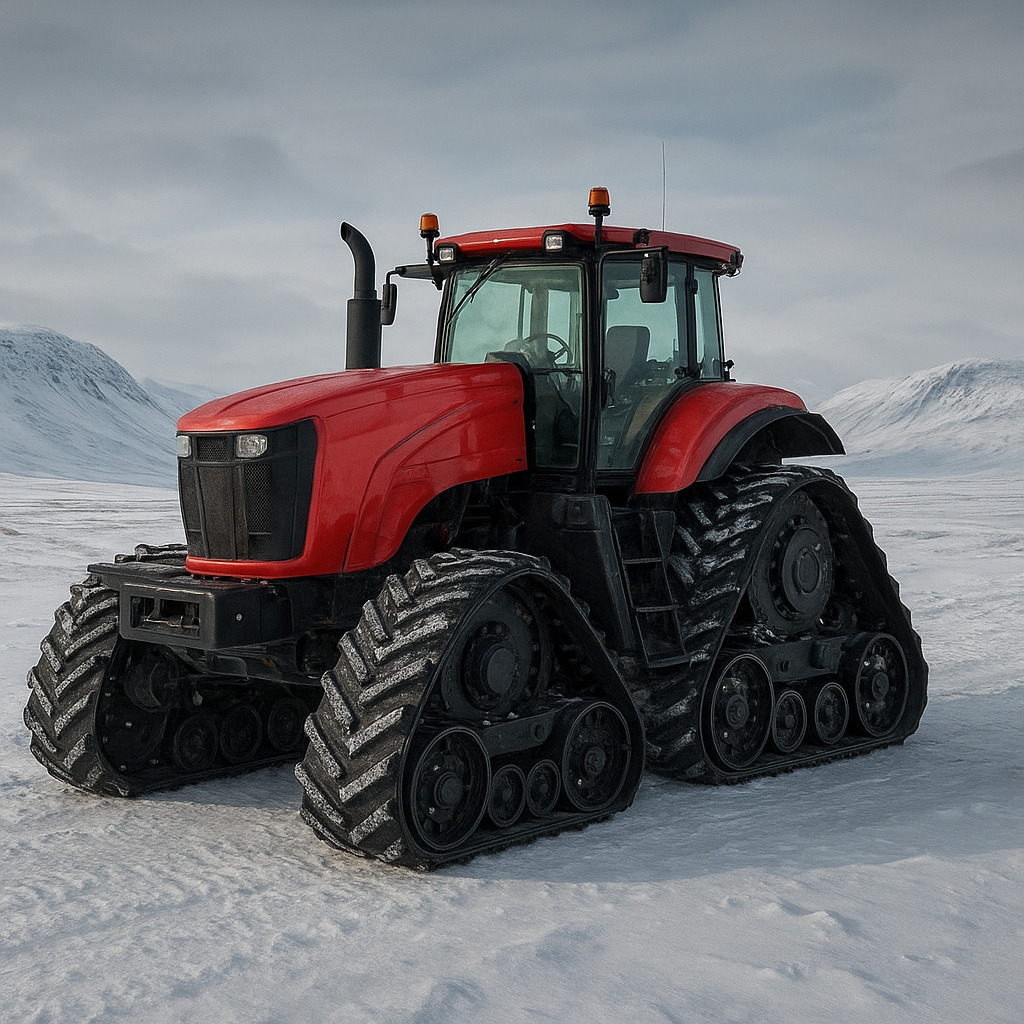
- Case IH Quadtrac 620: With four independent tracks, it offers unparalleled traction on soft ground, generating 620 horsepower and a tractive effort exceeding 20,000 pounds.
- John Deere 9RX Series: Up to 670 horsepower, advanced telematics, and a fully integrated suspension system make it a field-dominating behemoth.
Beyond raw power numbers, these machines showcase innovative design elements:
- Modular Frame Construction: Allows for easy attachment of front weights or additional ballast, adapting to different soil conditions.
- Cab Comfort and Safety: Rolls-Royce–inspired suspension seats, panoramic visibility, and rollover protection structures (ROPS). Adjustable LED light bars illuminate the field during overnight operations.
- Customization Options: Customers specify tire widths, track versus wheel configurations, and implement compatibility for maximum flexibility.
Market Dynamics and Future Prospects
The demand for large tractors is influenced by several intertwined factors:
Global Agricultural Trends
- Farm Consolidation: As smaller farms merge into larger operations, the need for high-capacity machines grows.
- Crop Diversification: Multi-use tractors adapt to different implements, from heavy tillage rippers to precision seed drills.
Economic and Environmental Pressures
- Fuel Costs: Rising diesel prices drive interest in hybrid and electric-assisted models.
- Emissions Regulations: Stricter standards push manufacturers to innovate cleaner engines and exhaust after-treatment systems.
Research and Development Directions
- Artificial Intelligence: Machine learning algorithms analyze field data to optimize planting patterns and input usage.
- Biomaterials: Development of eco-friendly composites for non-structural components reduces overall weight.
- Teleoperation: Farmers remotely control tractors via augmented reality interfaces, minimizing operator fatigue and safety risks.
As the agricultural sector embraces smart farming, large tractors will continue evolving into highly interconnected hubs of production data. Engineers and designers focus on creating machines that offer unmatched reliability, lower life-cycle costs, and seamless integration with digital farm-management systems.
Challenges and Considerations
Building and deploying the world’s biggest tractors comes with unique obstacles:
- Infrastructure Constraints: Narrow country lanes, low-clearance bridges, and storage facilities designed for smaller equipment complicate logistics.
- Skilled Workforce: Operating and maintaining advanced tractors requires technicians trained in electronics, hydraulics, and software diagnostics.
- Soil Health: Excessive machine weight can lead to compaction, demanding careful management and the use of wider tracks or flotation tires.
Addressing these issues involves collaboration between machine makers, farmers, and agricultural extension services to ensure that large tractors deliver maximum benefits without unintended consequences.
Innovation in large tractor manufacturing continues to accelerate, driven by the need for higher yields and sustainable practices. Each new model pushes the boundaries of what’s possible, blending brute force with smart technology to plant the seeds of tomorrow’s harvests.