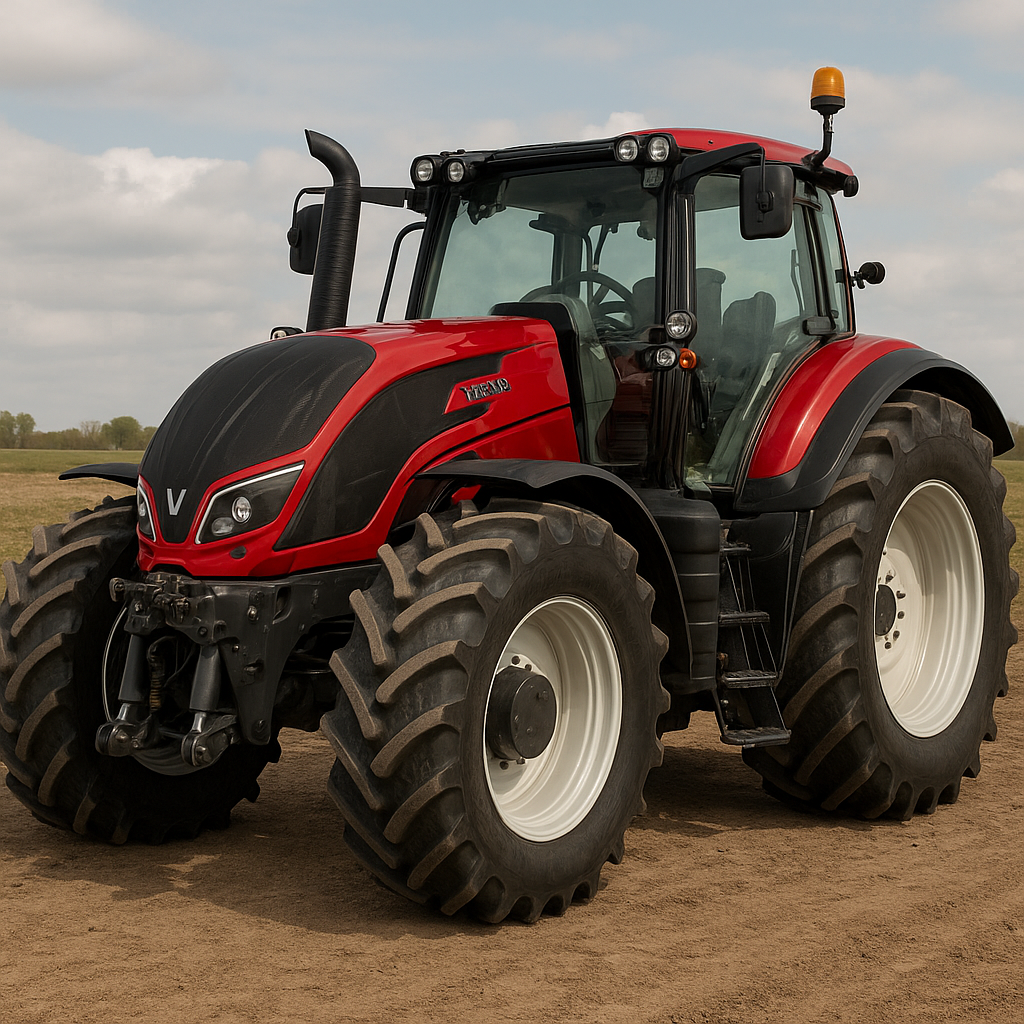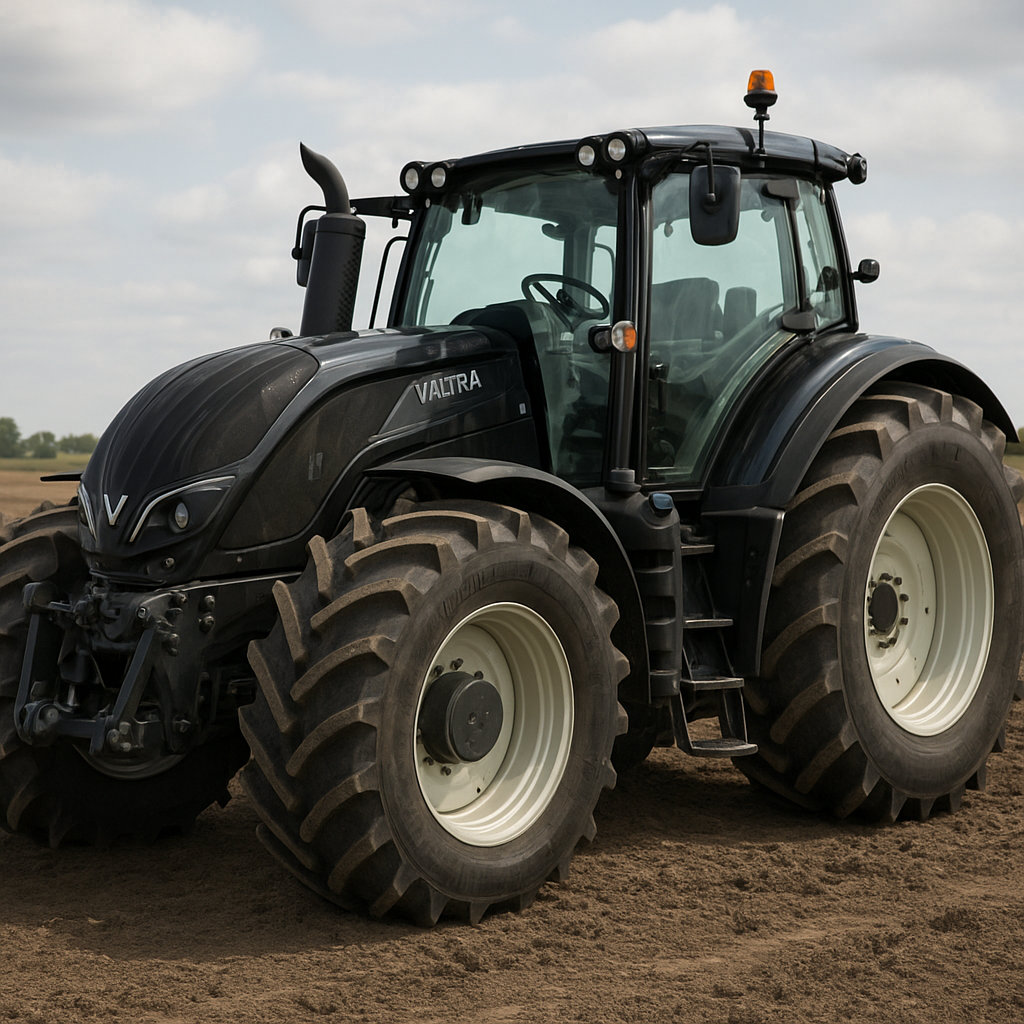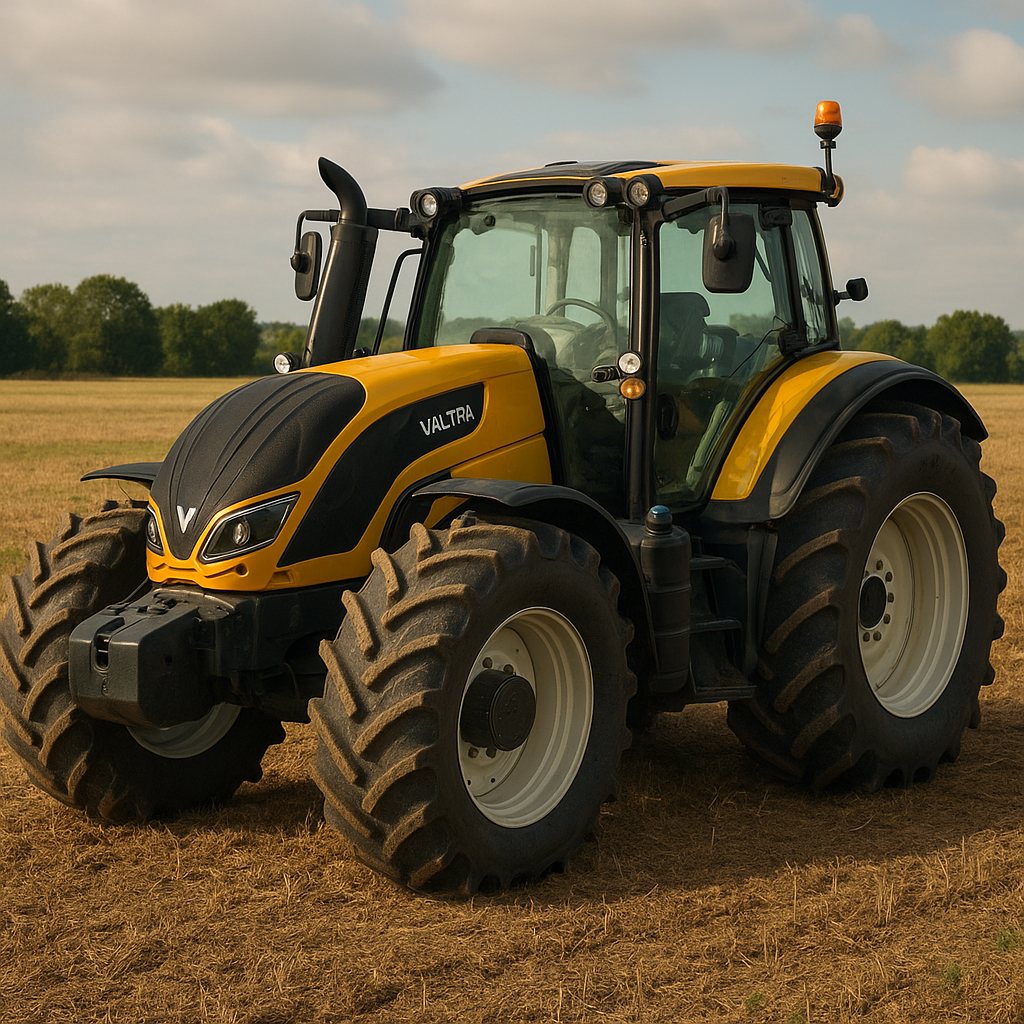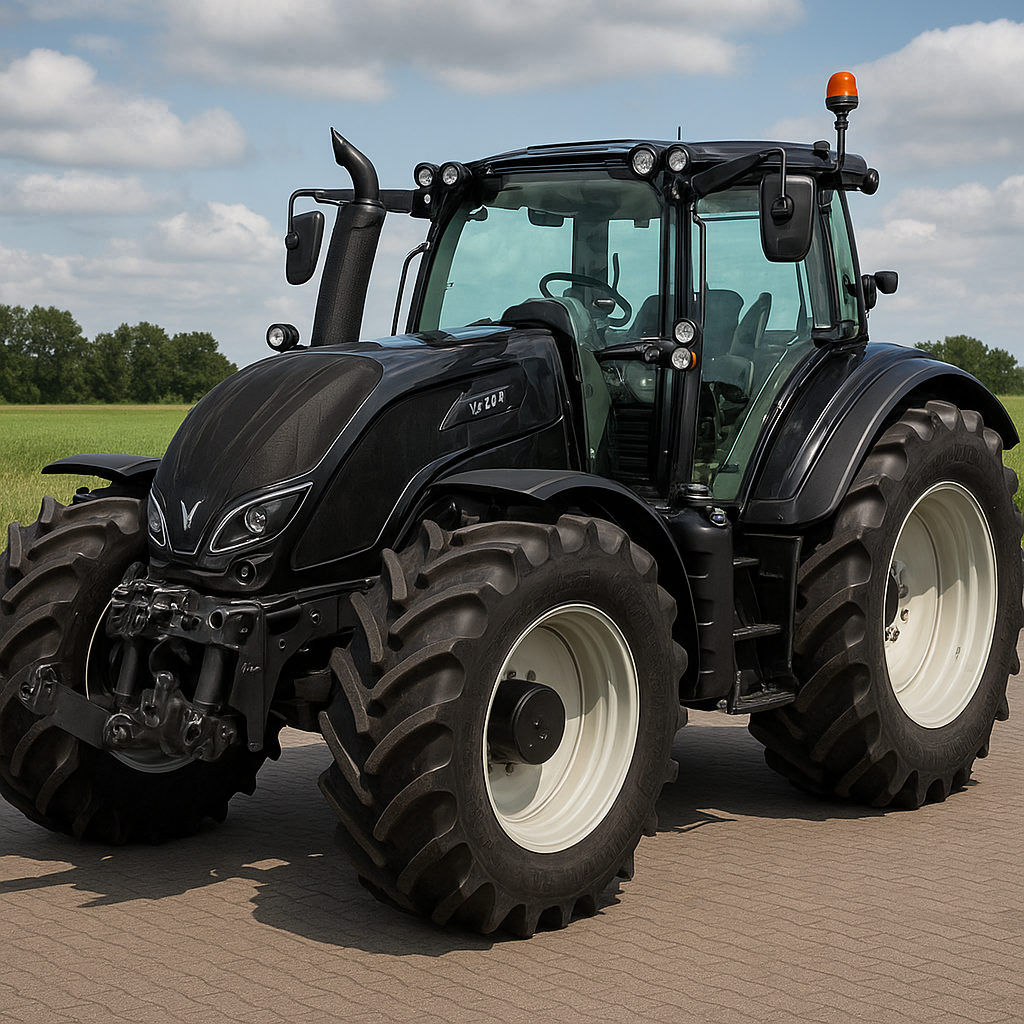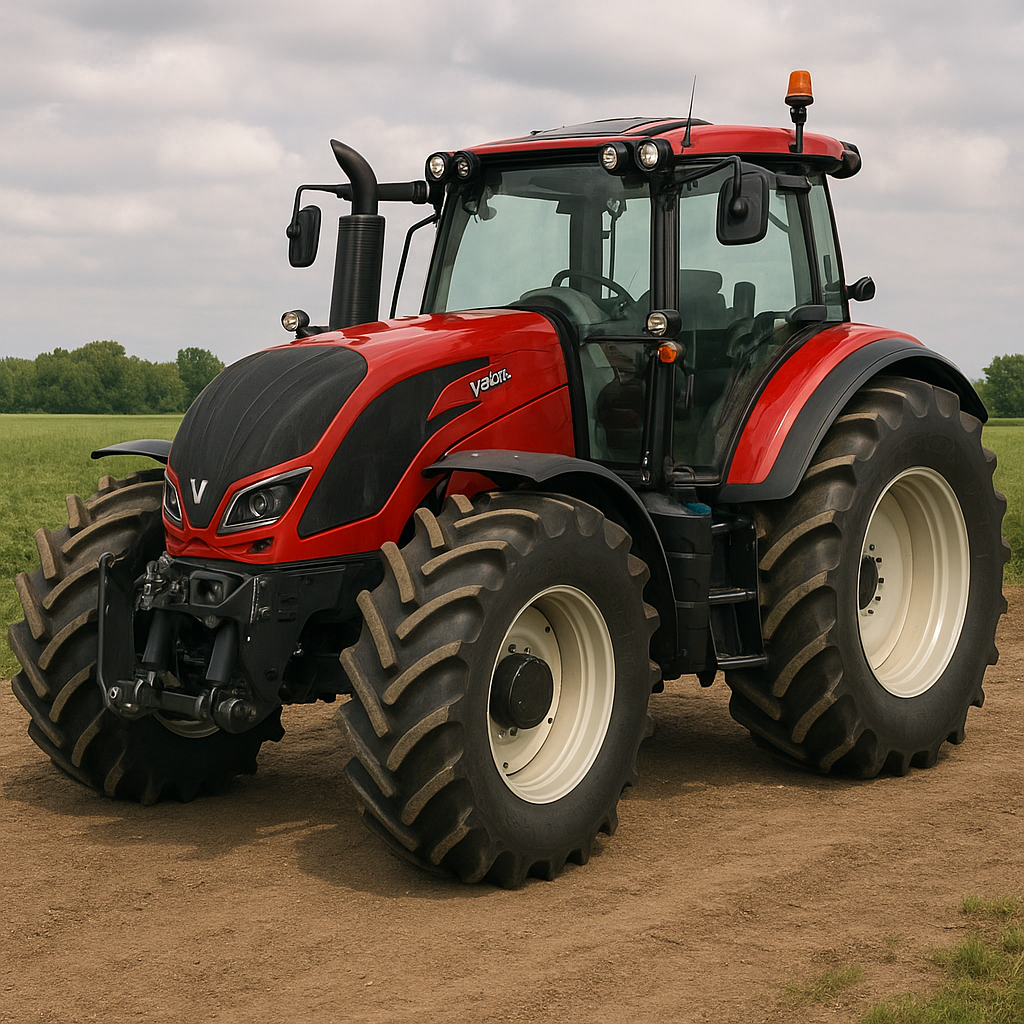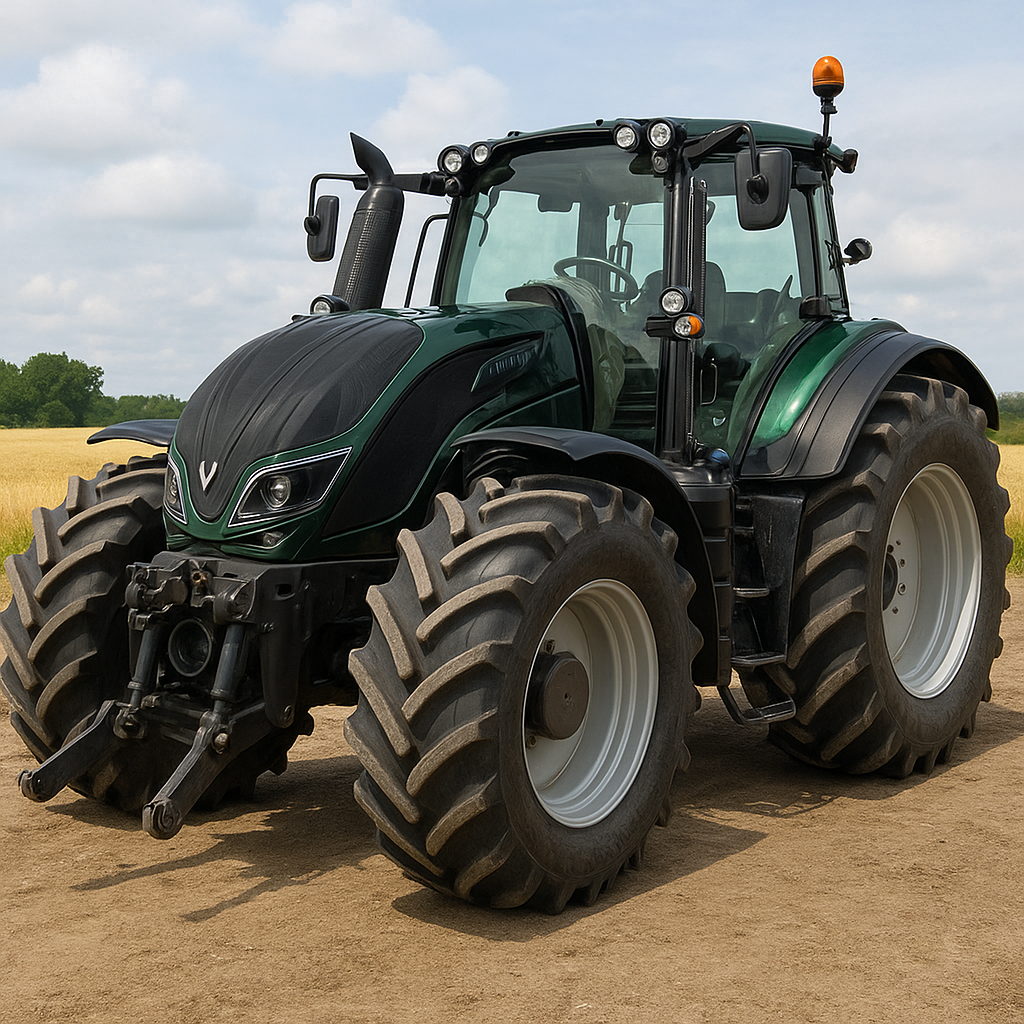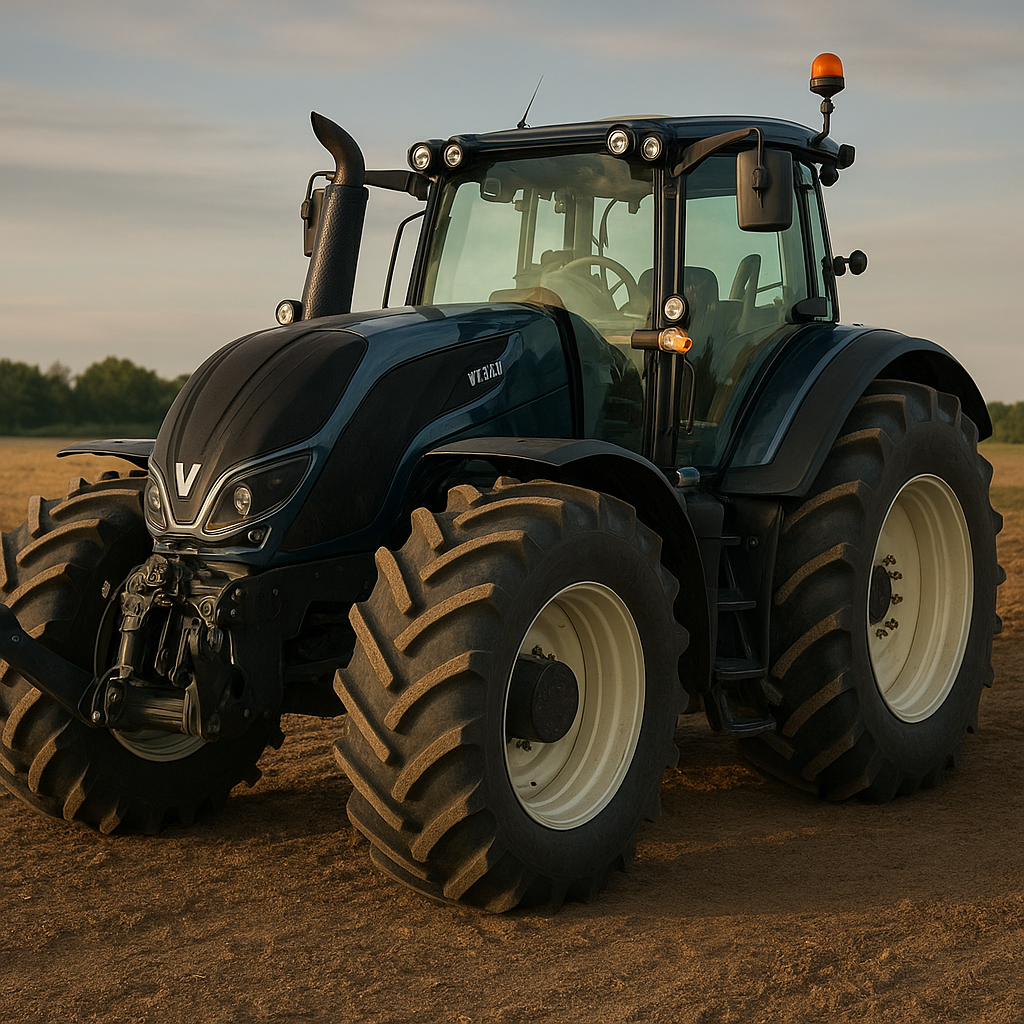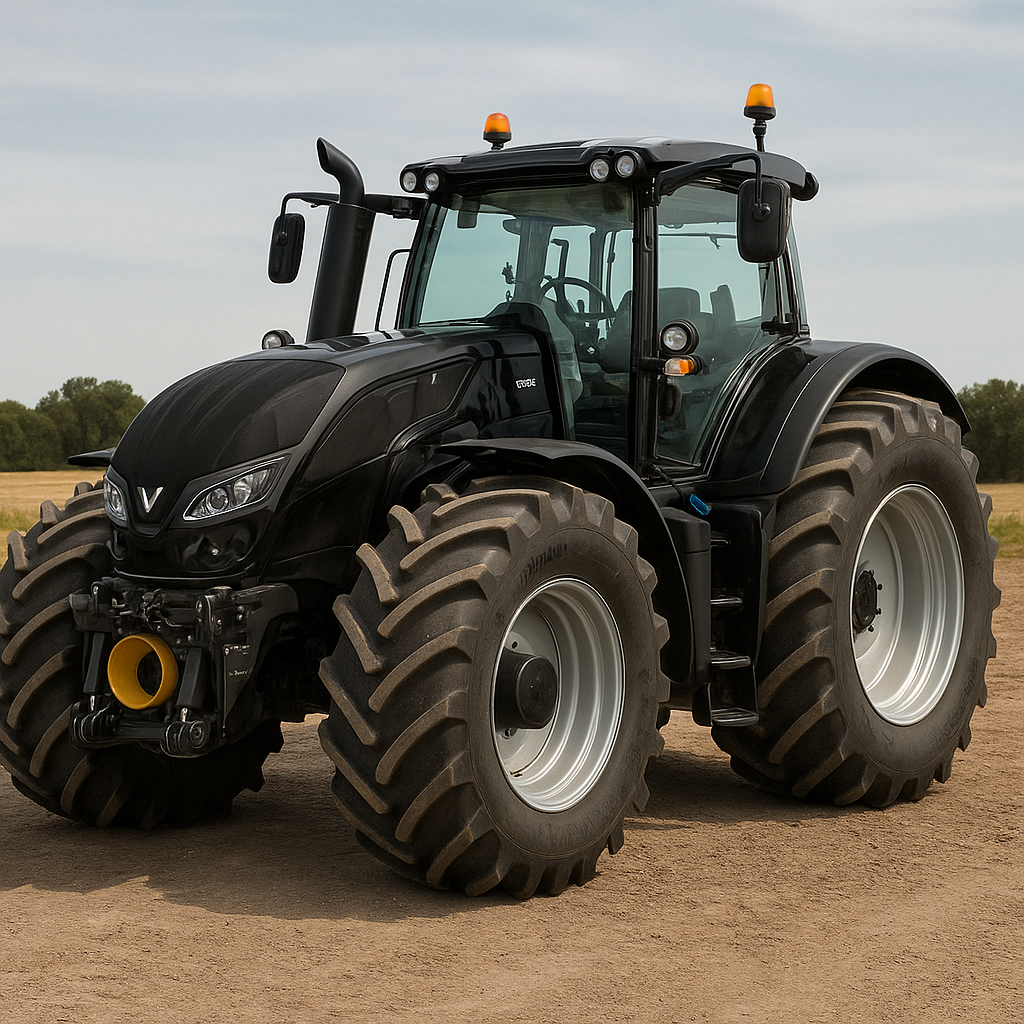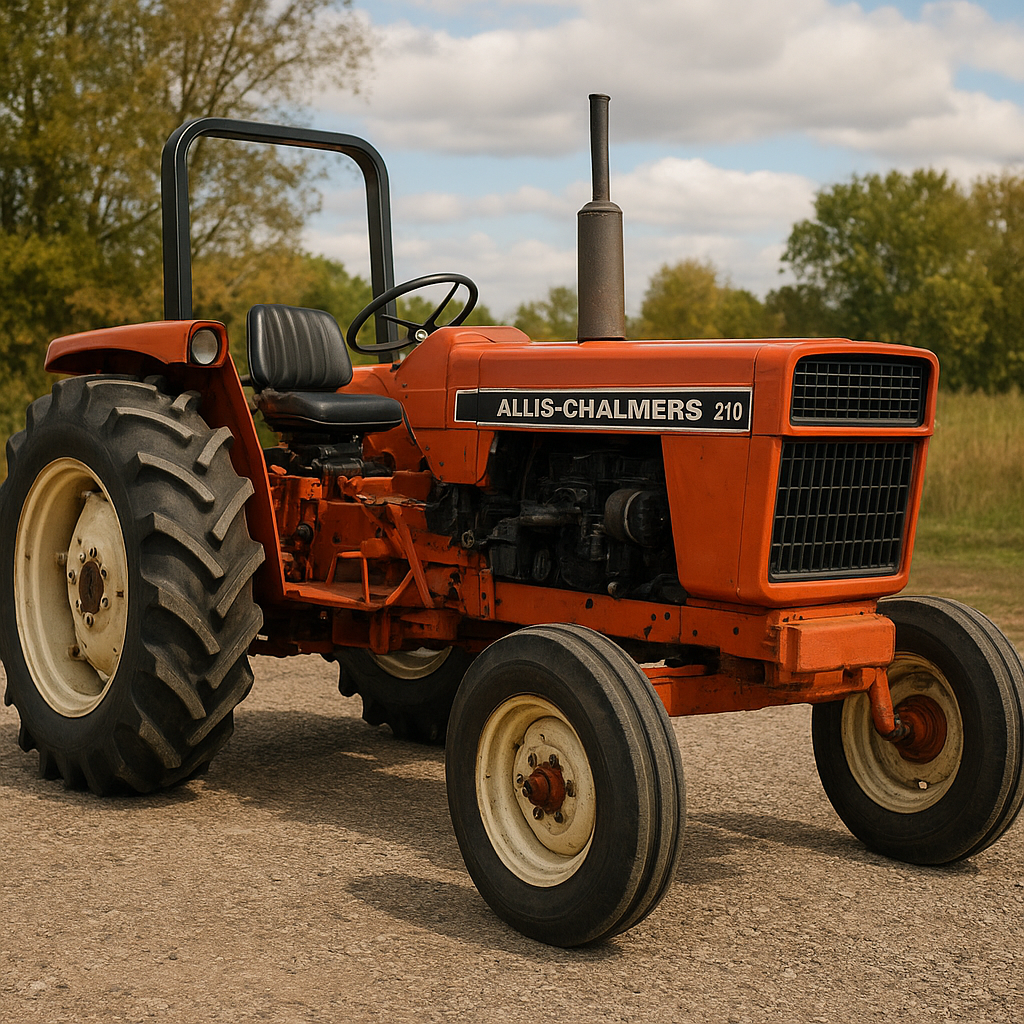
The Allis-Chalmers 210 is a noteworthy example of mid-20th century American tractor design, combining practical power, straightforward mechanics, and adaptability for a wide range of farm and utility tasks. In this article I will outline the tractor’s background, typical technical features, common applications, maintenance considerations, and its place among collectors and restoration enthusiasts. Wherever possible I provide approximate technical figures and contextual information to help understand why this model remains of interest to owners and historians alike. The following sections explore different aspects of the Allis-Chalmers 210 in detail.
History and background
The Allis-Chalmers company, once a major name in agricultural and industrial machinery, produced many models that became staples on North American farms. The model commonly referred to as the Allis-Chalmers 210 emerged in the context of post-war mechanization, when manufacturers responded to farmers’ demands for more power, greater comfort, and improved implement compatibility. Although not the largest or most technologically advanced machine of its day, the 210 earned a reputation as a dependable, mid-size utility and row-crop tractor suitable for many small to medium operations.
Typically marketed to customers who needed a tractor that balanced cost, serviceability, and capability, the 210 occupied a niche between compact tractors and the heavier, high-horsepower field models. It served as a replacement or upgrade for older models in many fleets, offering incremental improvements in ergonomics, transmission, and implement control. Over time the model found favor with hobby farmers and later with collectors for its practical simplicity and the availability of parts.
Design and technical features
One of the defining qualities of the Allis-Chalmers 210 is its straightforward mechanical layout. The tractor was engineered to be serviceable in the field, with accessible components and a durable drivetrain. Typical features and specifications (approximate and dependent on exact configuration) include:
- Engine: mid-size 4-cylinder gasoline or diesel options were common; engines in this class typically produced in the range of 40–50 horsepower at the PTO, depending on tuning and fuel type.
- Transmission: multi-speed synchronized or partially synchronized gearboxes provided a balance of speed range and torque; some versions offered multiple forward and reverse ratios to suit fieldwork and transport.
- PTO: a standard rear power take-off (PTO) with conventional speed (commonly 540 rpm) to operate implements such as mowers, balers, and tillage equipment.
- Hydraulics and hitch: 3-point hitch with category-compatible lift capacity for mid-size implements; hydraulic pump provided lift and remote function capability for implements.
- Wheel configuration: row-crop adjustable tread widths, standard 2WD layout for field traction; in some cases, narrow front or wide front options were available.
- Weight and dimensions: substantial enough to provide traction for a variety of implements while still being maneuverable on smaller farms; exact weight varied by configuration and optional equipment.
These characteristics made the 210 versatile across a range of tasks. The mechanical simplicity often meant that owners could perform routine maintenance themselves, which improved long-term ownership costs and vehicle uptime.
Variants and factory options
As with many tractors of its era, the Allis-Chalmers 210 was available in multiple trims and option packages so that buyers could tailor the tractor to their specific needs. Typical options included:
- Choice of fuel systems — gasoline or diesel engines to match fuel economy preferences and local fuel availability.
- Different gearbox ratios for more emphasis on field torque or road speed.
- Optional power steering for improved maneuverability in tight fields and during loader work.
- Factory and dealer-installed front loaders, mid-mount mowers, and other implement attachments to expand the tractor’s utility.
- Adjustable rear tread width and row-crop-specific front ends for cultivation and row-crop work.
Because multiple configurations were produced, exact spec sheets can differ between serial number ranges and dealer options. For owners and restorers, verifying the tractor’s original plate information and consulting factory or enthusiast manuals is essential for accurate restoration or parts replacement.
Common applications and practical uses
The Allis-Chalmers 210 excelled as a multi-purpose machine on small and medium-sized farms. Typical applications included:
- Field work: primary tillage with plows and disc harrows, secondary tillage, and seedbed preparation. Its horsepower range allowed it to pull single- and multi-bottom plows and light-to-medium discs.
- Planting and cultivation: row-crop configurations made it suitable for planting and inter-row cultivation on corn, soybeans, and other row crops.
- Hay and forage operations: powering mowers, rakes, balers, and small forage harvesters via the PTO.
- Livestock and dairy farm tasks: feeding chores, bedding, manure spreading, and small loader work when equipped with front-end attachments.
- General property and utility work: mowing, snow removal with blades or blowers, trailer hauling, and grounds maintenance on estates, orchards, and vineyards.
Its adaptability made the model popular for mixed farms where the same tractor had to perform a wide variety of tasks through the seasons. The 210’s utility characteristics also explain why many remained in service for decades and why they are still found on hobby farms and small estates.
Performance and statistical overview
Accurate, model-specific statistics can vary by production year and factory options. The following figures are representative estimates for the Allis-Chalmers 210 in common configurations; they should be taken as typical ranges rather than exact values for any single machine:
- Engine power (PTO): approximately 40–50 hp depending on engine and setup.
- Drawbar power: typically somewhat lower than PTO power—often in the mid-30s to low-40s hp range.
- Fuel consumption: dependent on load and fuel type; diesel versions generally offered better fuel economy under heavy loads.
- Operating weight: mid-size tractors of this class often weigh several thousand pounds; ballast and optional equipment significantly influence curb weight.
- Lifting capacity: the 3-point hitch and hydraulic system were sized to handle standard mid-size implements; exact lift capacity varies by hydraulic pump size and link geometry.
For precise numbers it’s advisable to consult factory specification sheets, dealer documentation, or enthusiast-maintained databases specific to the tractor’s serial number and year.
Maintenance, reliability, and common issues
The long-lived appeal of the Allis-Chalmers 210 is closely tied to its relative reliability and the simplicity of routine maintenance. Common maintenance items and potential problem areas include:
- Regular lubrication and oil changes: as with all diesel and gasoline engines, following recommended oil and filter intervals preserves engine life.
- Cooling system care: keeping radiators clean and monitoring coolant can prevent overheating, a common issue on older tractors that have seen heavy service.
- Hydraulic seals and hoses: over time these components can degrade; replacement is straightforward but important for hitch lift performance.
- Transmission and clutch wear: heavy-duty use or inadequate maintenance can lead to clutch slippage or gearbox wear; periodic inspection and adjustment are recommended.
- Electrical system: older wiring and charging systems may require refurbishment or conversion to modern alternators for improved reliability.
Many owners find that the 210 is forgiving of field repairs: straightforward access to mechanical components, plentiful aftermarket parts, and an active community of enthusiasts help keep these tractors in working condition. Preventive maintenance and addressing small issues early greatly extend service life.
Restoration and collecting
In the collector and restoration community the Allis-Chalmers 210 enjoys interest for several reasons. First, its mid-size status makes it a practical restoration project that can be returned to either show condition or full working capability. Second, parts availability—both NOS (new old stock) and aftermarket reproduction—means restorers can often source components without excessive difficulty. Third, the model’s visual identity and period styling resonate with fans of classic agricultural machinery.
Typical restoration steps include mechanical overhaul of the engine and transmission, paint and decal restoration to Allis-Chalmers orange (a recognizable brand color), and reconditioning of the hydraulics and PTO systems. For many restorers, preserving original serial plates, manuals, and period-correct accessories adds historical value.
Value considerations
Market values depend on condition, originality, and local demand. A well-restored tractor in show condition commands higher prices among collectors, while solid running machines are valued for their utility. Rare factory options or historically significant provenance (for example, continuous service on a historic farm) can increase desirability.
Comparisons and market position
Within its market segment the Allis-Chalmers 210 competed with mid-size offerings from other major manufacturers. Buyers compared factors such as fuel economy, horsepower, transmission options, and dealer support. The 210’s strengths were generally its simplicity, ease of maintenance, and the brand’s established dealer network. For operators prioritizing raw horsepower or the newest features, larger contemporary models from competitors might have been more attractive, but for many users the 210 represented the best balance of capability and value.
Safety and modern usage
As with any vintage tractor, operating a restored or preserved Allis-Chalmers 210 requires attention to modern safety standards. Important safety considerations include:
- Installing or maintaining roll-over protective structures (ROPS) where possible and using seat belts when ROPS are present.
- Upgrading lighting and reflectors for safe road travel, especially if the tractor is used between fields or on public roads.
- Checking brakes and steering thoroughly before heavy or high-speed operation.
- Keeping bystanders away from PTO shafts, hitch points, and moving machinery.
Some owners choose to retrofit modern safety features while maintaining the tractor’s historical appearance. This approach lets the machine remain useful while reducing the risk to operators and the public.
Legacy and cultural significance
The Allis-Chalmers 210 represents a period when agricultural mechanization became widely standardized and more accessible to smaller farms. Tractors like the 210 helped increase productivity on mixed and family farms and supported the diversification of agricultural operations. Today, the model stands as a testament to mid-century industrial design and practical engineering.
Among vintage tractor enthusiasts, the 210 is often celebrated for its workable design and approachable restoration process. It appears at local plow days, tractor shows, and farm museums, where it helps illustrate the evolution of farm machinery and the daily realities of farm work during its era of use.
Practical advice for potential buyers
If you are considering purchasing an Allis-Chalmers 210—either for restoration, collection, or everyday farm work—keep these practical points in mind:
- Verify the tractor’s serial number and check available records for production details; this helps confirm options and original specs.
- Inspect engine compression, look for signs of overheating or coolant leaks, and perform a test drive to assess transmission and PTO performance.
- Check hydraulics for leaks and adequate lifting capacity; worn pumps or cylinders can be expensive to replace if neglected.
- Assess body and frame for structural rust, especially around the battery box, fenders, and axle mounts—these areas often need attention on older machines.
- Ask about parts availability and confirm whether local suppliers or online communities can support repairs and restoration.
Conclusion
The Allis-Chalmers 210 occupies an important place among mid-size tractors of the mid-20th century. Its practical horsepower, straightforward mechanics, and adaptability for a wide range of tasks made it a sensible choice for many farms. Today the model is valued by collectors, hobby farmers, and restorers who appreciate its balance of capability and serviceability. While precise technical figures may vary by configuration, the general profile—moderate horsepower, accessible maintenance, and broad implement compatibility—remains consistent across surviving examples.
For anyone interested in a durable, historically significant, and versatile tractor, the Allis-Chalmers 210 is worth consideration. Whether used as a working machine or restored as a showpiece, it continues to represent a robust chapter in the history of agricultural mechanization.