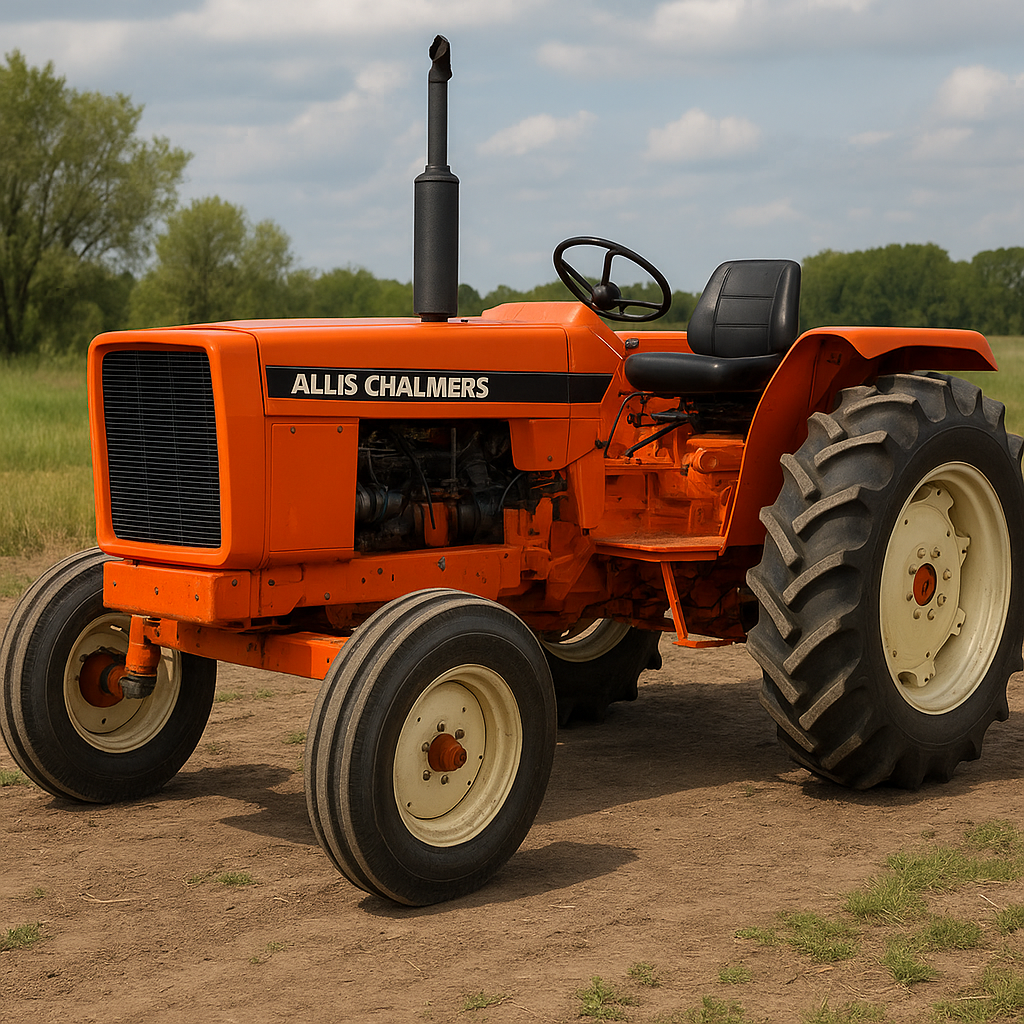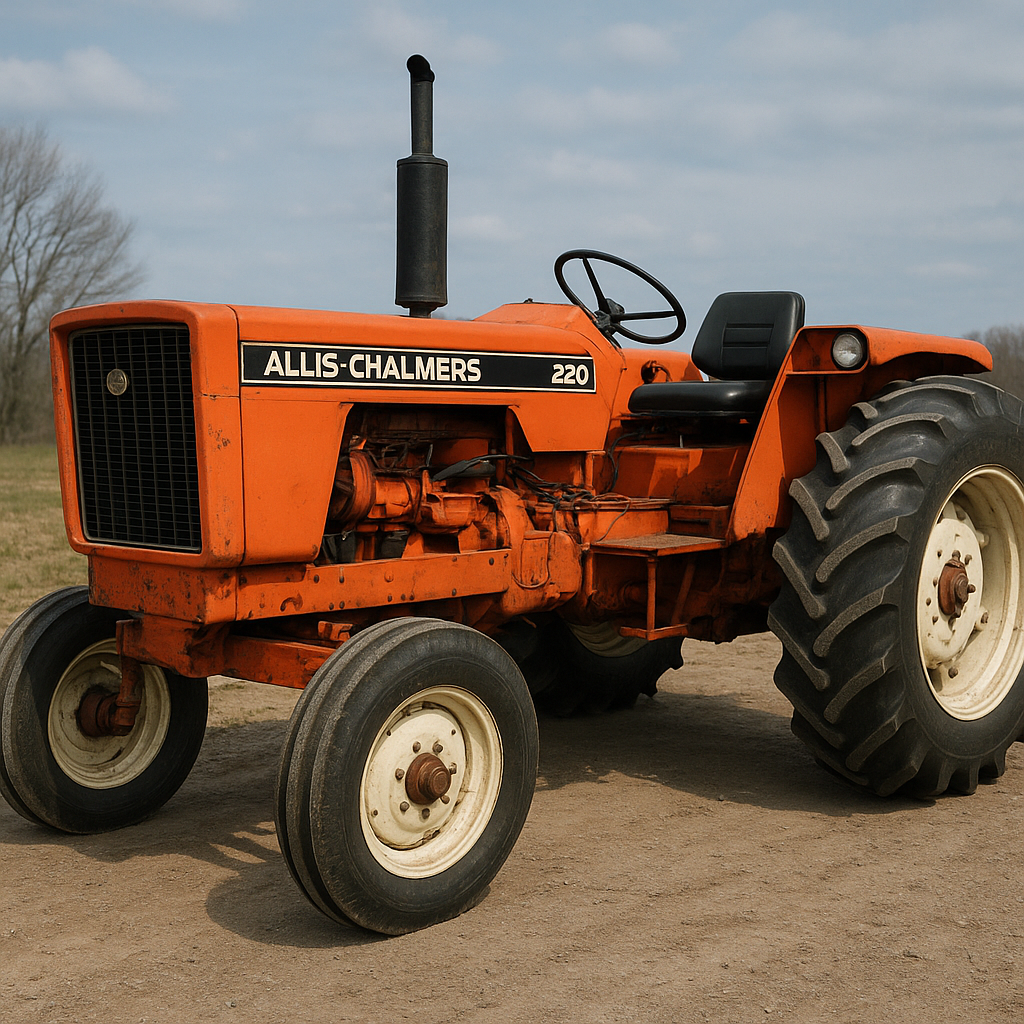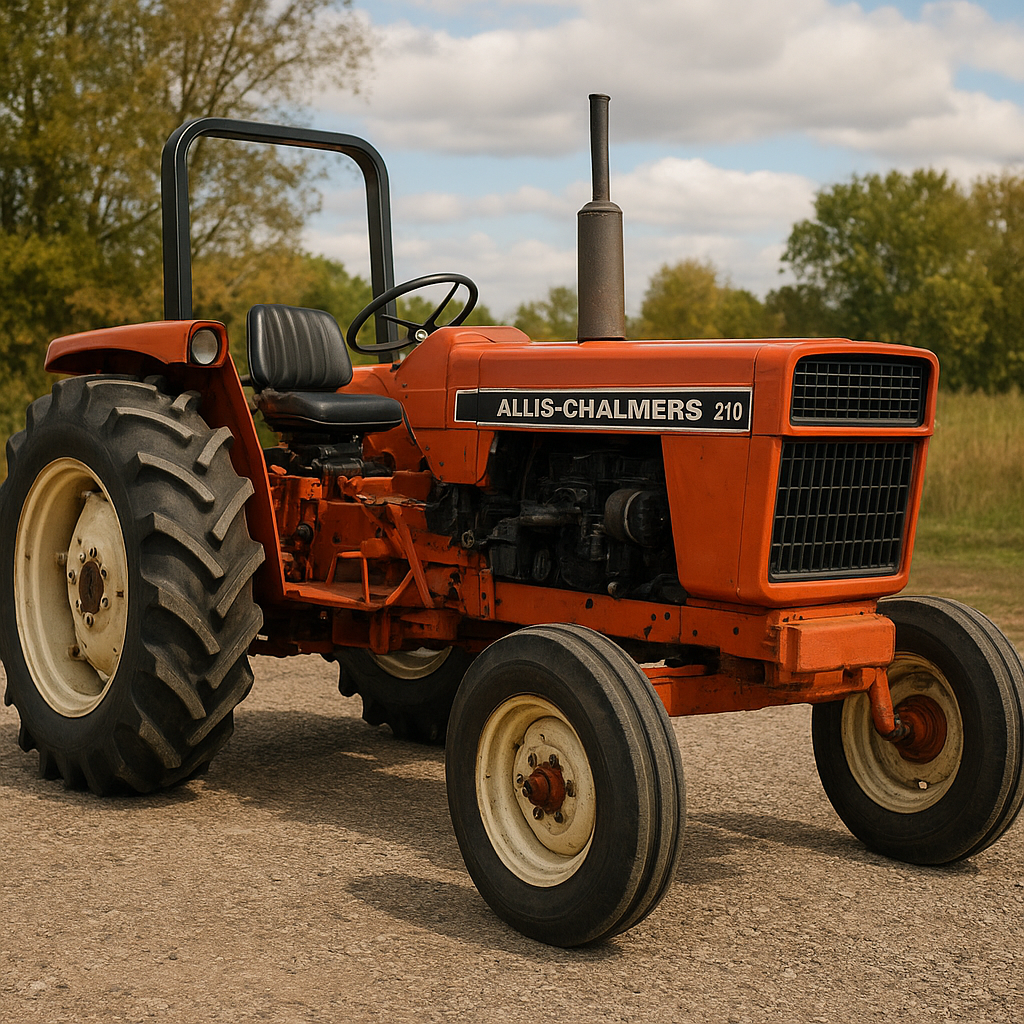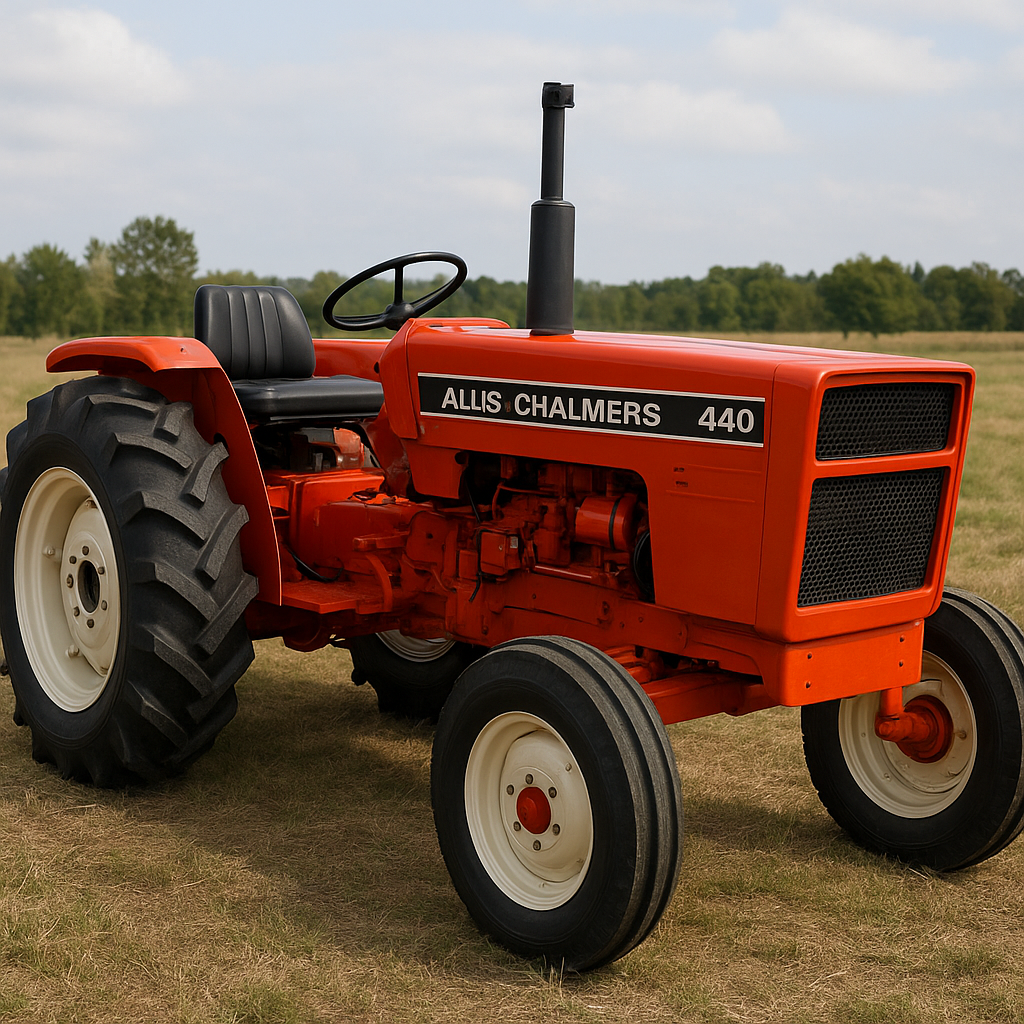
The Allis-Chalmers 440 occupies a respected place among classic small to medium-sized utility tractors produced in the mid-20th century. Known for its practical design, straightforward mechanics and adaptability, the 440 is still found today on hobby farms, in restoration garages and at vintage-tractor shows. This article explores the 440’s history, technical characteristics, typical applications and the reasons it remains valued by collectors and working owners alike. Throughout the text you will find details on performance, common attachments, maintenance tips and some commonly reported statistics that help frame the tractor’s role in agricultural and light-industrial contexts.
Overview and historical context
The Allis-Chalmers company, an important American manufacturer of agricultural machinery, produced a wide range of tractors that served small family farms through larger operations during the 20th century. The 440 series—positioned as a compact utility tractor—was designed to balance power, maneuverability and economy. Its combination of a relatively small footprint and practical power output made it attractive for a range of tasks where larger tractors were impractical or uneconomical.
Allis-Chalmers 440 models are best understood in context: they were conceived at a time when many farms were diversifying operations and needed a dependable machine for chores beyond heavy plowing. The design emphasized ease of use, serviceability and compatibility with common implements. The 440’s appeal lay in its ability to perform a broad set of tasks without the complexities or operating costs of larger, specialized tractors.
Design, engine and mechanical features
Mechanically, the 440 follows a tradition of utilitarian engineering: simple, robust components that can be repaired with basic tools. Typical features include a compact chassis, mechanical clutch, manual gear transmission (multi-speed), and an accessible engine bay for routine maintenance. Although production variations exist, many units were equipped with gasoline or diesel engine options, reflecting the transitional period when diesel engines became more widely adopted in agricultural equipment.
The engine layout was inline, often a three- or four-cylinder configuration depending on the year and factory option. The cooling systems were conventional liquid-cooled designs with a front-mounted radiator. Fuel delivery systems used carburetors for gasoline versions and mechanical injection for diesel variants. The tractor’s power was transmitted to the wheels through a straightforward gearbox with a selection of forward and reverse gears suitable for fieldwork, road travel and implement operation.
- Transmission: Manual gearbox with multiple forward speeds and reverse (commonly 6–8 forward speeds reported across similar models).
- PTO: Rear power take-off commonly fitted; many examples have a standard ground-speed PTO with optional live PTO in some variants.
- Hydraulics: Basic open-center hydraulic systems for 3-point hitch operation and external implement control; some tractors were sold with optional loader valve packages.
- Brakes and steering: Mechanical drum brakes and either gear or hydrostatic-assisted steering depending on equipment options and era-specific upgrades.
Reported performance figures vary by source and configuration, but commonly cited approximate values include drawbar or rated horsepower in the range of 30–45 HP and a marketed utility role rather than high-horsepower row-crop work. Operating weight generally falls into the compact utility class, often between roughly 3,000 and 4,500 lbs depending on ballast, implements and whether the tractor was equipped with heavier-duty options such as steel wheels or front-end loaders.
Common applications and attachments
The Allis-Chalmers 440 is inherently versatile. Owners have historically used it for a variety of tasks on small and medium-sized farms, hobby properties, municipal grounds and light construction work. Its compact size and moderate horsepower make it particularly well-suited to situations that require agility and implement compatibility rather than brute force.
Typical uses include:
- Plowing and tillage on small fields and garden plots—single or two-bottom plows and cultivators are common matches.
- Mowing and haying when fitted with mid- or rear-mounted mowers, haybines or balers sized for smaller tractors.
- Loader work with front-end loaders for material handling, landscaping, manure management and light earthmoving.
- Orchard and vineyard operations where a narrower stance and maneuverability are beneficial (some owners fitted low-profile fenders or canopy options).
- Roadside and municipal tasks such as snow removal with front blades or blowers, street-sweeper attachments and salt spreading.
- Towing and PTO-driven implements like post-hole augers, wood chippers and small rotary tillers.
Because the 440 can accept most standard implements of its era and size class, versatility is one of its strongest selling points. It is especially useful where a single machine must perform many different chores over the farm or property with minimal adjustments.
Reliability, maintenance and common issues
One reason the 440 remains in use is the relative simplicity of its mechanical systems. Routine maintenance is straightforward: oil and filter changes, valve adjustments, lubrication of chassis and linkage points, cooling system checks and carburetor or injection system tuning. For older machines, attention to seals, gaskets and electrical systems is common because wear items degrade over decades.
Common maintenance topics include:
- Regular oil changes for the engine and gearbox; checking for leaks around seals and gaskets.
- Cooling system care—flushing radiators, checking hoses and thermostat function to avoid overheating.
- Fuel system cleaning and filter replacement, especially on carbureted gasoline engines where varnish can build up.
- Hydraulic system servicing—changing hydraulic fluid and filters, inspecting hoses for cracks and leaks.
- Clutch and brake adjustments to maintain proper engagement and safety.
Known weak points on many tractors of this generation are aging electrical wiring, wear in manual transmissions and the potential for hydraulic or PTO seal failures. However, with regular attention and using replacement parts from aftermarket suppliers or salvage sources, many 440s continue to provide reliable service. The tractor’s mechanical simplicity also makes it a good candidate for restoration projects because parts are often generic or shareable with other Allis-Chalmers models.
Restoration, collector interest and market values
The Allis-Chalmers 440 has a steady following among vintage-tractor enthusiasts. Restoration projects vary from mechanical overhauls to cosmetic restoration for show. The availability of parts and the relative ease of mechanical work contribute to the model’s popularity with DIY restorers. Many clubs and online communities provide parts-sourcing tips, wiring diagrams and service manuals that support restorations.
Market values depend heavily on condition, level of originality, presence of documented maintenance history and rarity of specific options (such as original loaders, orchard fenders or rare factory colors). As a rough guideline—subject to local variations and the classic-tractor market cycle—fully restored, show-quality examples command a premium, while running-but-needy tractors sell at a fraction of that price. Typical price ranges often reported by collectors and marketplace listings include:
- Project tractors (non-running or partial): lower end of the market, often used for parts or major overhauls.
- Running, usable condition: mid-range values for owners who want a working machine.
- Fully restored, show condition: higher values, especially for machines with documented provenance or rare factory equipment.
Joining an Allis-Chalmers or antique tractor club can be invaluable when restoring a 440. Clubs often organize swap meets and parts exchanges, and they preserve technical documentation that can be difficult to find elsewhere.
Operational considerations and safety
Operating a vintage tractor like the Allis-Chalmers 440 requires attention to both performance and safety. While the 440 is not inherently dangerous, older machines lack many modern safety features such as rollover protection structures (ROPS) or comprehensive operator presence systems. Owners who plan to use their 440 regularly should consider retrofits where feasible. A few practical recommendations:
- Install ROPS and seat belts if the tractor will be used on slopes or for loader work—these additions significantly reduce the risk of severe injury in a rollover.
- Upgrade lighting and reflective markings if the tractor is driven on public roads, especially during dawn/dusk or poor-visibility conditions.
- Inspect the PTO shielding and driveline guards; replace missing or damaged covers to prevent entanglement hazards.
- Use modern hydraulic hoses and fittings where old rubber and braided lines show signs of wear to avoid sudden failures under pressure.
- Follow load limits for front-end loaders and rear-mounted implements; older tractors may tip if overloaded or improperly ballasted.
Routine pre-operation checks—fluids, tire pressures, brakes and steering play—help ensure safe, predictable behavior. Training new operators on older tractors’ idiosyncrasies (e.g., the feel of the clutch, the gearbox shifting pattern and the responsiveness of hydraulic controls) reduces the likelihood of accidents.
Technical variants and common upgrades
Over the years, owners and small manufacturers produced a range of aftermarket upgrades for tractors like the 440. Common modifications improve comfort, usefulness and safety without compromising the tractor’s historical character:
- Retrofit ROPS and updated seating for comfort and safety.
- Electronic ignition conversions to replace points-based systems—improves starting reliability and reduces maintenance.
- Hydraulic pump upgrades to increase the capacity of loader functions or allow a wider variety of implements.
- Modern brake linings and hydraulic-assisted steering conversions for easier operation.
- Accessory electrical circuits for power tools, lighting upgrades and battery isolators to protect charge systems.
These upgrades are widely accepted among owners who want to use their classic tractors regularly while maintaining much of the original appearance and mechanical layout.
Community, events and preservation
The 440 benefits from a vibrant community of owners, restorers and enthusiasts who organize gatherings, swap meets and shows across North America and beyond. These events are valuable not only for social reasons but also as practical hubs for parts exchange and technical advice. Preservation efforts often focus on maintaining operational examples rather than static displays—many owners prefer to keep their tractors working so subsequent generations can experience hands-on agricultural heritage.
Local cooperative extension services, historical societies and antique machinery clubs sometimes hold demonstrations that feature tractors such as the 440. These public events help preserve knowledge about older farming practices and the role of mid-century farm equipment in shaping rural economies.
Concluding perspective
The Allis-Chalmers 440 remains an emblematic example of a mid-century compact utility tractor: practical, serviceable and adaptable. Whether used as a daily workhorse on a small farm, maintained as a restored showpiece or preserved by an enthusiast community, the 440 combines a manageable size with enough power to handle a wide variety of tasks. Its enduring appeal stems from a mixture of straightforward mechanical design, parts availability and a passionate owner base that continues to celebrate and care for these machines.
Key takeaways: The 440 is valued for its versatility, relative reliability, manageable size and the active community that supports restoration and maintenance. Typical performance figures reported across surviving examples place its output in the 30–45 HP range and operating weight near 3,000–4,500 lbs, making it well-suited for light to moderate agricultural tasks, landscaping and utility work. With sensible maintenance, safety upgrades and careful use, an Allis-Chalmers 440 can continue to be both a practical tool and a cherished piece of agricultural history.