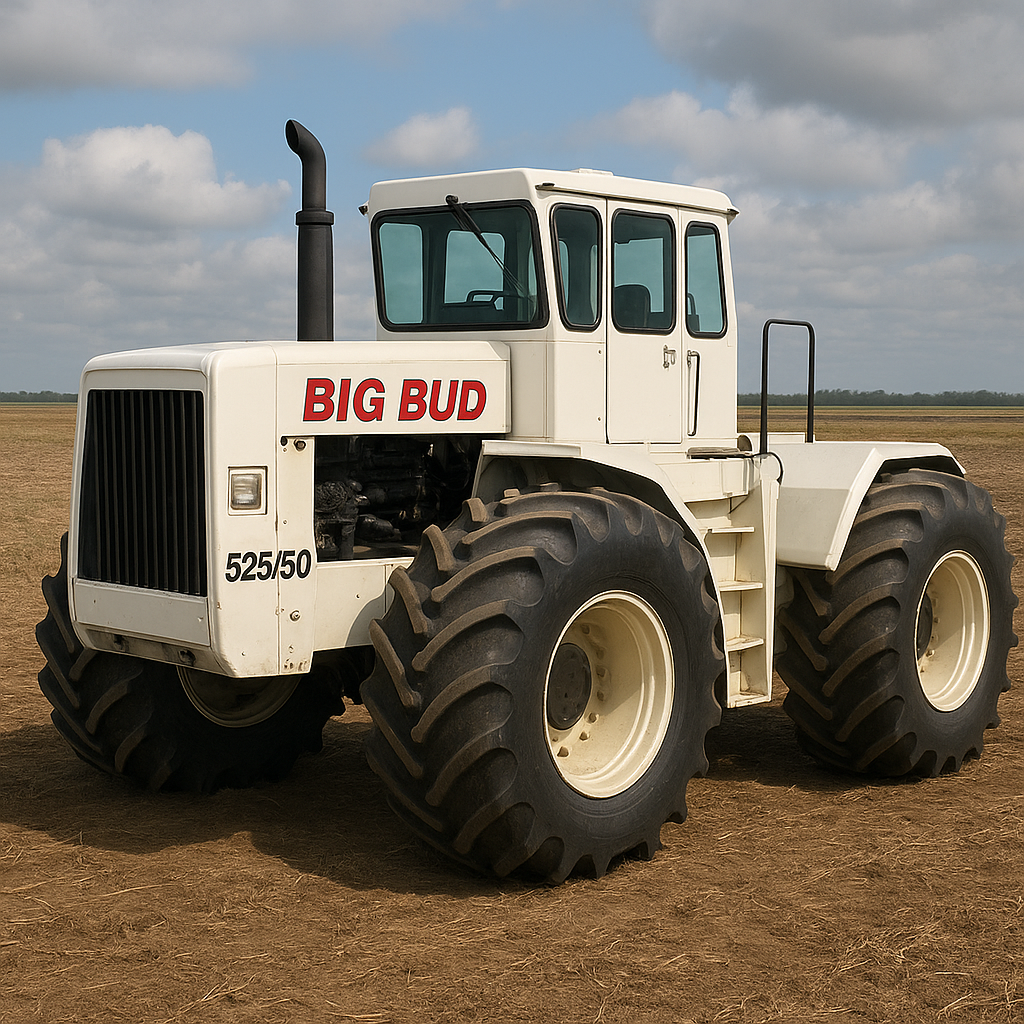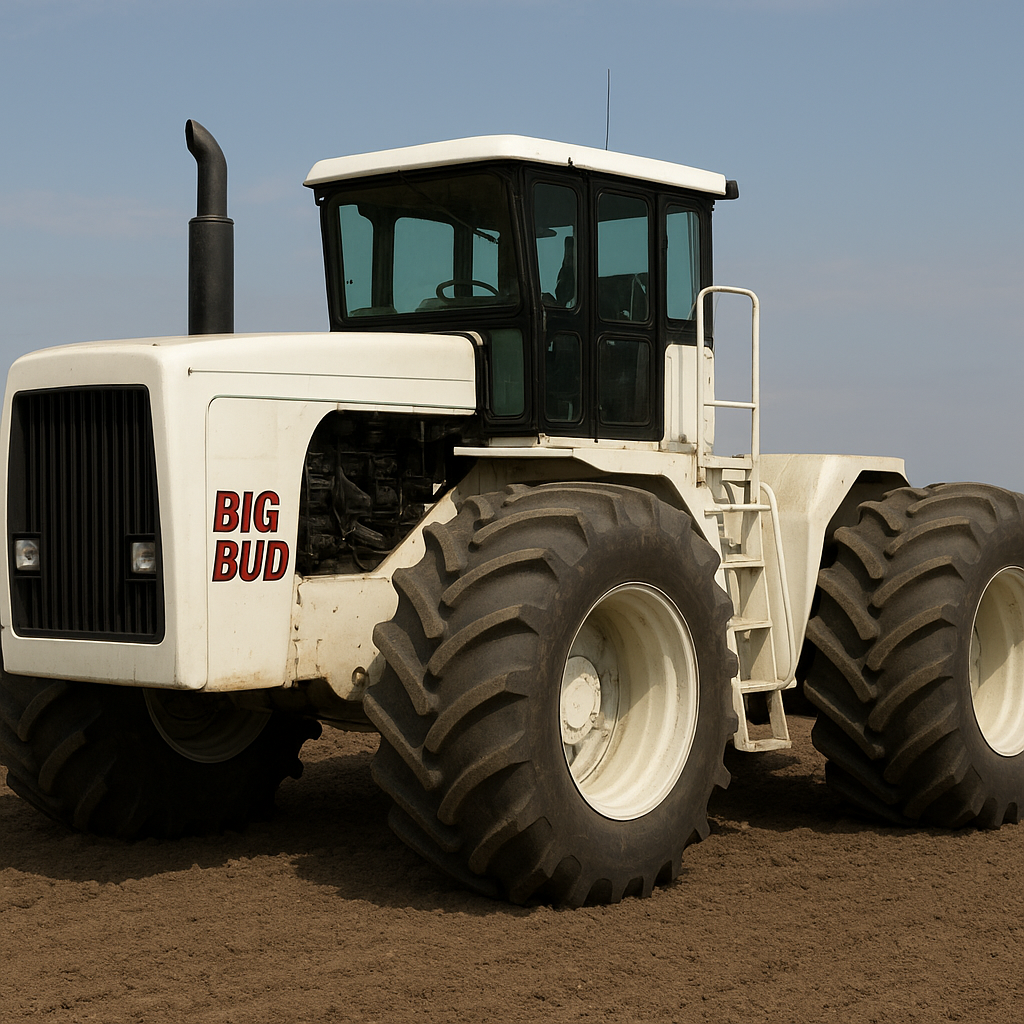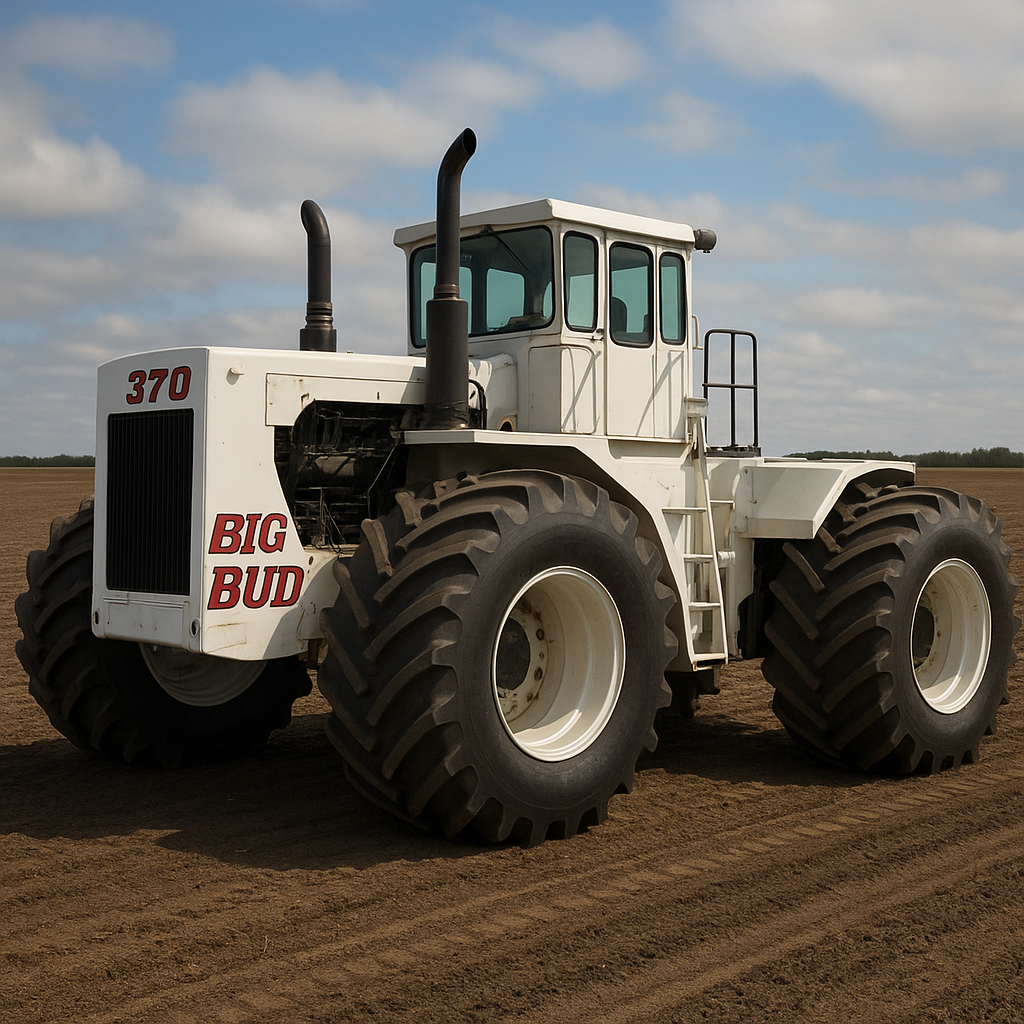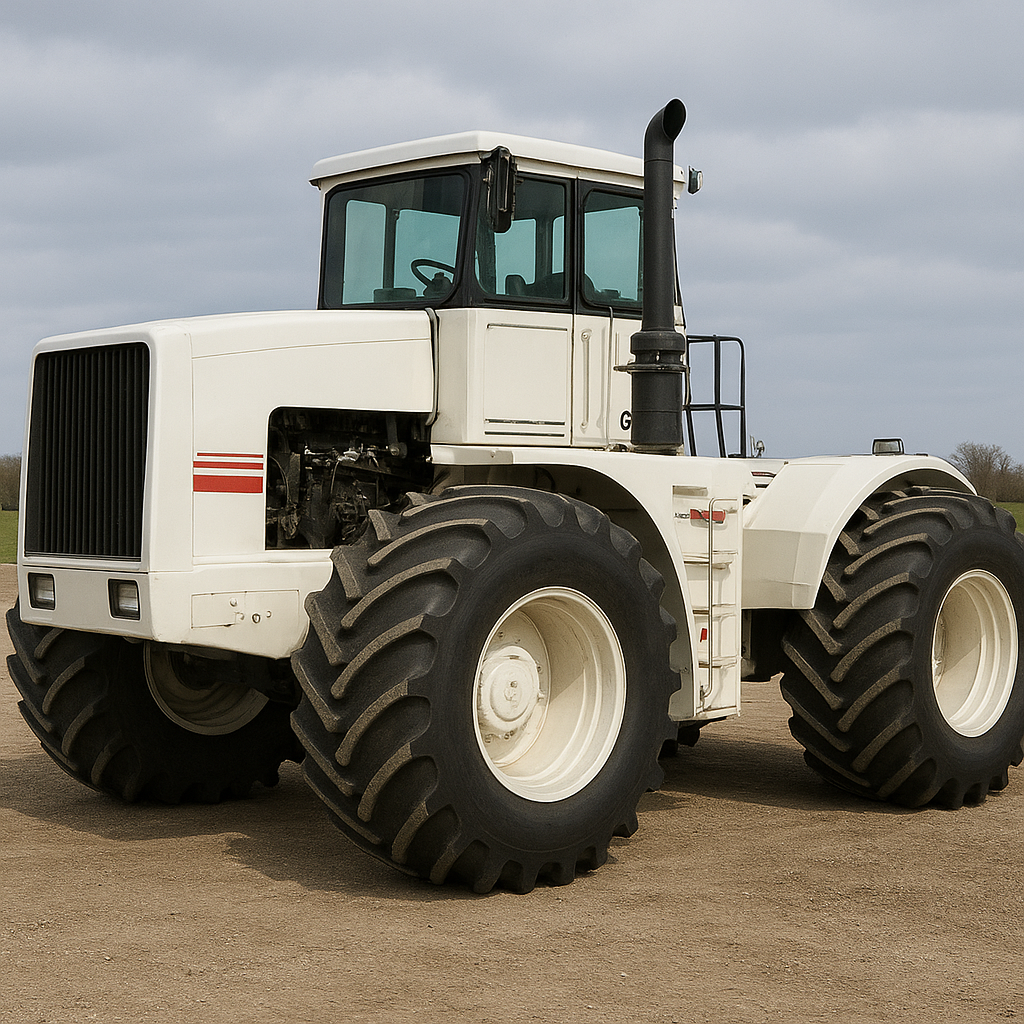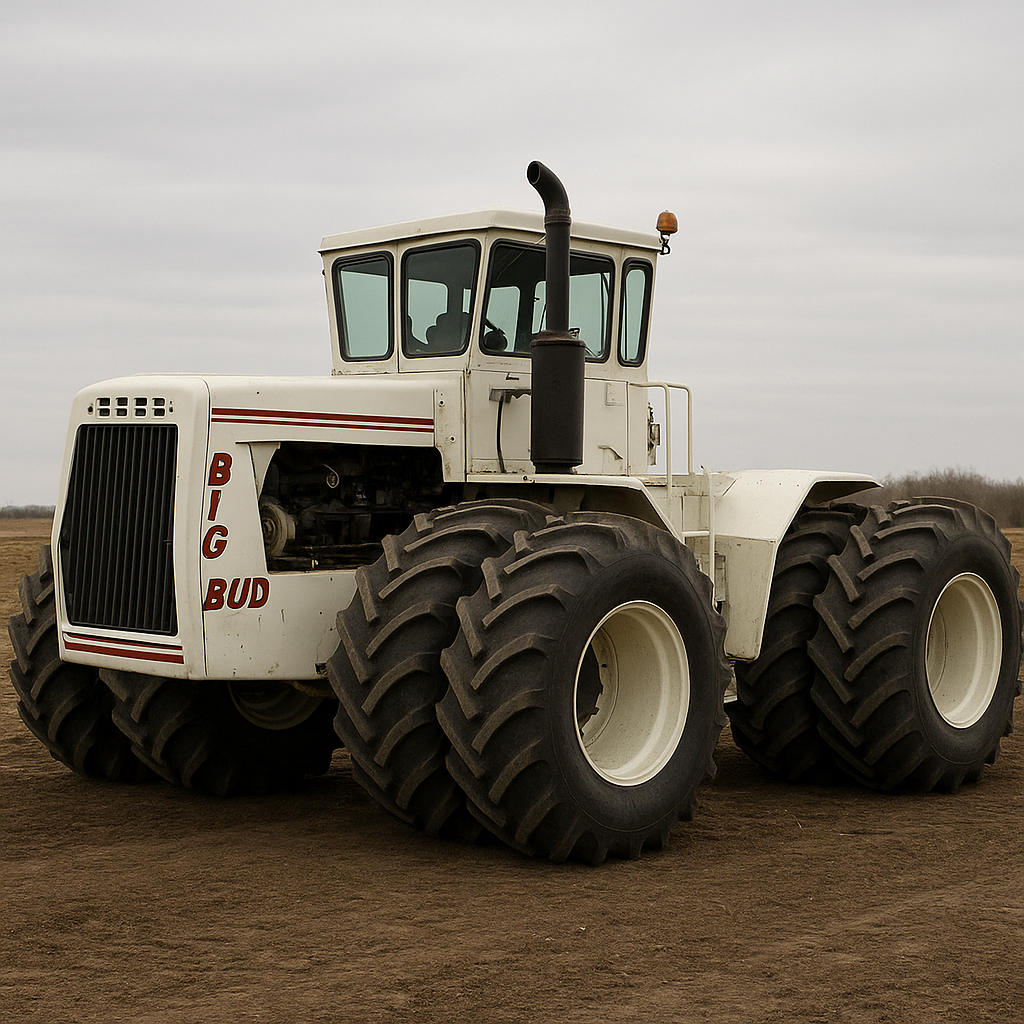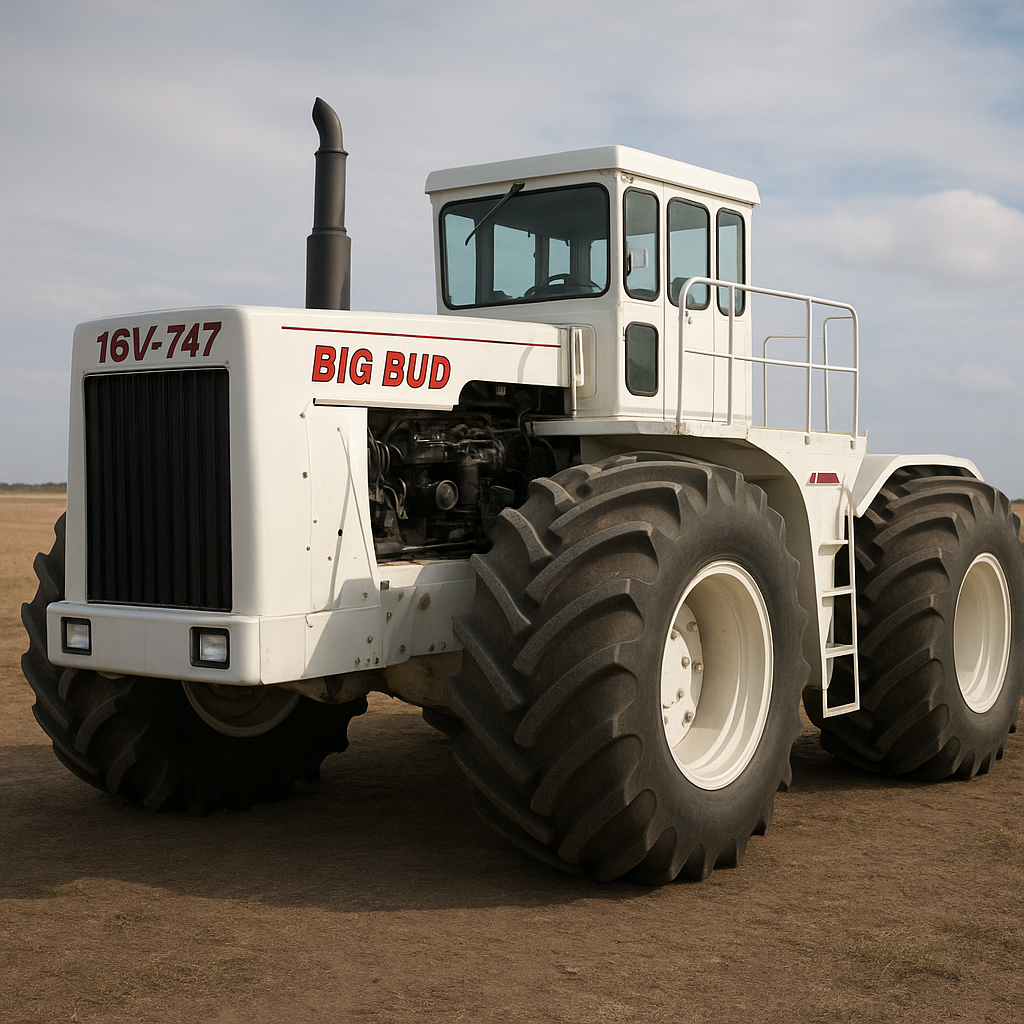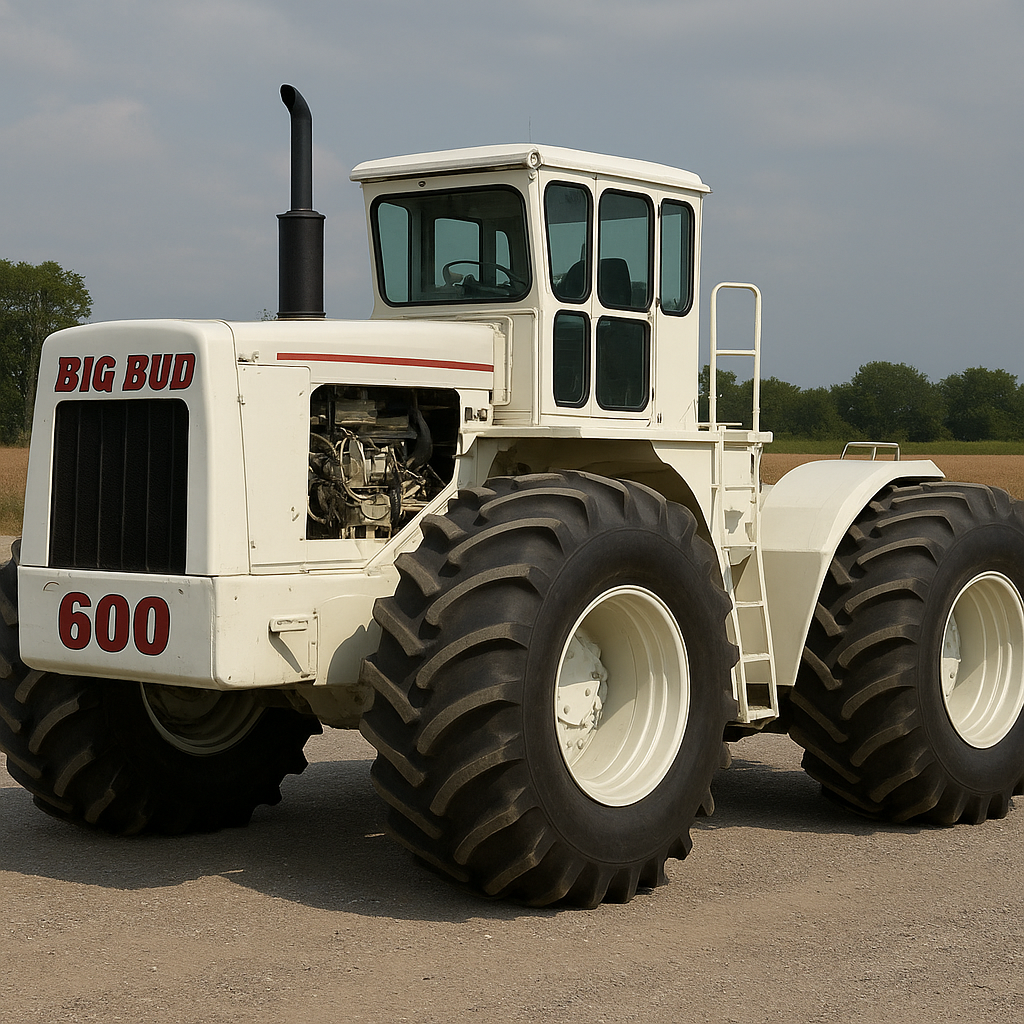
The Big Bud 600 occupies a special place in the world of large-scale farming equipment: a purpose-built, high-powered agricultural machine created to move massive implements and cover acres quickly. This article explores the origins, design, applications, operational considerations and cultural significance of the Big Bud 600. It outlines what makes this class of machine unique, provides practical information on how and where it is used, and offers statistics and comparisons where available. Whether you are a farm manager, equipment enthusiast or historian of agricultural technology, the Big Bud 600 is an instructive example of engineering pushed toward extreme productivity.
Origins and design philosophy
The name Big Bud has become near-synonymous with the largest row-crop tractors ever produced in North America. The company behind these machines sought to create a platform that could replace multiple smaller units and pull enormous tillage and seeding equipment in a single pass. The Big Bud 600 was designed with that same philosophy: optimize for continuous, high-power ground engagement, maximize traction and stability, and reduce the number of passes required to prepare and seed large tracts of land.
Unlike conventional tractors intended for a wide mix of tasks on medium-sized farms, the Big Bud 600 and similar machines were built primarily for major field operations on large, industrial-scale farms and for contractors who needed to work quickly across extended seasons. The design emphasis includes heavy-duty drivetrains, oversized tires or tracks, a reinforced frame, advanced cooling systems and very large fuel tanks to keep the machine active for long hours between refueling.
Technical characteristics and typical specifications
Specifications for high-horsepower tractors like the Big Bud 600 can vary by production run, customization and intended use. The model number “600” is commonly associated with roughly 600 rated engine horsepower, but published power figures can differ depending on whether quoted as drawbar, PTO or engine gross horsepower. To give a practical sense of scale, the following are typical characteristics for machines in this class:
- Engine power: often in the region of horsepower around 500–700 hp for a “600” class machine; peak power figures may be higher with boost or auxiliary systems.
- Weight: fully ballasted tractors in this category commonly exceed tens of thousands of pounds. Depending on ballast and attachments, overall weight may range from approximately 25,000 to more than 60,000 pounds (11,000–27,000 kg).
- Traction and torque: heavy-duty transmissions and drivetrains supply substantial torque to the wheels or tracks to pull large implements at field speeds.
- Fuel capacity: tanks are sized to permit long runs between refueling; typical fuel capacity values for large units may be in the low hundreds of gallons, though dual-tank or auxiliary systems are used to extend operation.
- Tire or track options: many Big Bud-type tractors are available with oversized agricultural tires or track systems to distribute weight and reduce compaction.
- Hydraulics and PTO: high-flow hydraulic systems and heavy-duty PTOs provide the power needed for large planters, air drills and tillage tools.
Because Big Bud machines were often built in limited batches or modified by owners, find exact figures from an individual unit’s documentation or serial plate when planning for transport, maintenance or field integration. Many operators also add ballast, liquid weights and custom hitching arrangements for specific tools, which alters gross weight and axle loads significantly.
Primary applications and fields of use
The Big Bud 600 is intended for large-scale agricultural applications where minimizing field passes and maximizing daily acreage coverage are essential. Typical uses include:
- Cultivation and primary tillage: pulling large chisel plows, tandem discs or heavy cultivators to prepare seedbeds across broad acreages.
- Large-scale seeding: operating wide air seeders and planters where a single pass can plant many acres, reducing time pressure during planting windows.
- Subsoiling and soil remediation: providing the drawbar pull needed for deep tillage implements that alleviate compaction.
- Land leveling and reclamation projects: working with heavy scrapers and land-shaping equipment on farms or construction-style earthmoving tasks.
- Crop establishment in wide-row systems and specialty cropping where ground engagement is intensive and equipment widths are substantial.
These applications are especially common in regions with large contiguous fields, such as parts of North America, Australia and Eastern Europe, where economies of scale make very large tractors efficient. Contractors offering custom tillage and seeding services also value the Big Bud 600 for its ability to move large implements quickly between jobs and complete wide swaths of work during narrow seasonal windows.
Operational considerations: fuel, maintenance and logistics
Operating a machine like the Big Bud 600 requires planning that differs from running a conventional tractor. The design favors long continuous operation, but that places special demands on fuel logistics, routine maintenance and transport.
Fuel and daily operating cycles
- Expect high fuel consumption under heavy load. Fuel use depends on field conditions, depth of implement engagement and operating speed, but large-tractor consumption rates can be multiple times those of smaller machines. Fuel supply points or tanker support are commonly used on large farms to keep the machine running.
- Operators often plan work cycles to align with refueling windows and to combine tasks that minimize off-field travel.
Maintenance needs
- Regular inspection of the drivetrain, cooling system, hydraulics and weight distribution is critical because failures can be costly to repair and time-critical during planting or harvest seasons.
- Because loads and stresses are high, operators maintain more aggressive inspection intervals for tires, tracks and wheel bearings than they might on smaller tractors.
Transport and access
- Road transport often requires disassembly, special permits or low-loader trailers since the machine’s width, length or weight can exceed road legal limits. Farms or contractors plan logistics to avoid frequent road moves.
- Field access points, gate widths and headland design must accommodate the larger turning radius and overall size of the machine and its implements.
Economic and environmental factors
Using a Big Bud 600 is an economic decision shaped by farm size, cropping system and labor availability. The machine’s ability to complete operations quickly can lower per-acre labor and fuel costs when compared to multiple smaller tractors operating in tandem. However, the initial acquisition, transport and specialized maintenance represent significant capital and operational expenses.
Environmental considerations include soil compaction, fuel consumption and emissions. Operators mitigate compaction by using tracks, wide tires and ballast strategies to reduce ground pressure. From an emissions perspective, newer engines and aftertreatment systems help reduce particulate and NOx output, but the absolute fuel consumption of a very large tractor is still high relative to smaller alternatives. Adoption of precision agriculture techniques—variable-rate seeding and targeted tillage—can improve overall resource efficiency when combined with a machine of this capacity.
Practical case studies and comparison to other tractors
In practice, a Big Bud 600 is most comparable to other high-power, four-wheel-drive tractors and track jobs designed for extensive acreage. Farmers often contrast the single-pass efficiency of a Big Bud-class tractor with the flexibility of multiple smaller tractors. The trade-offs include:
- Single-pass vs. distributed workload: One Big Bud can often replace two or more medium tractors for pulling very large implements, simplifying crew management but increasing dependence on a single machine.
- Transport vs. maneuverability: Smaller tractors are easier to transport between fields and offer greater agility; Big Bud units excel when fields are large and contiguous.
- Capital intensity: Big Bud-class tractors require higher upfront investment but may lower unit labor costs and shorten critical windows for seeding and tillage.
Examples from large row-crop operations show that when a farm’s average field size and cropping schedule align with the machine’s strengths, the Big Bud 600 can provide strong returns by enabling more timely operations and reducing overall field time. Conversely, farms with fragmented fields or frequent road travel may find such a machine less economical.
Safety, training and operator ergonomics
Working with a high-power machine demands trained operators. Safety protocols cover heavy implement hookup, safe operation on slopes, and procedures for working with hydraulic and PTO systems under high load. Modern cabs are designed for long hours with ergonomic seats, climate control and integrated controls for hydraulics and precision guidance systems.
- Training topics include hitching large implements, ballast management, tire/track maintenance and emergency procedures for drivetrain or hydraulic failures.
- Many operators rely on telematics and on-board diagnostic systems to monitor engine load, fuel consumption and maintenance intervals, enabling preventative action before a failure becomes critical.
Historical and cultural significance
The Big Bud series captured public imagination because of its sheer scale. For many, these tractors are symbols of the mechanization and industrialization of agriculture—machines built to match the scale of modern commercial farming. The Big Bud 600 fits into that narrative as a practical tool and a cultural icon among equipment enthusiasts.
Owners, collectors and museums sometimes preserve and display these machines, not only because of their rarity but because they illustrate a chapter in agricultural engineering where power and scale were pursued as primary objectives. Owners also adapt them for promotional events, parades and demonstrations of historic agricultural capability.
Statistics, production and availability
Precise production numbers for specific Big Bud models, including a “600” class, are often limited because many units were produced in small series or customized to order. A few general points can help when researching availability:
- Production scale: Big Bud-class tractors were typically produced in modest numbers—more limited than mass-market farm brands—so availability tends to be lower and resale markets less liquid.
- Resale values: Because of their niche use, resale values can vary widely based on condition, hours, and regional demand; interested buyers should evaluate service history and any custom modifications.
- Fleet considerations: Large farms may purchase such a machine outright or contract with custom operators. Rental or custom service options are common in regions where such equipment is advantageous seasonally.
When searching for a Big Bud 600-type tractor, check specialized agricultural auction houses, vintage equipment forums, and dealers who specialize in high-horsepower machinery. Many listings include serialized documentation and original build specifications that clarify engine rating, installed options and any owner-installed modifications.
Maintenance best practices and parts sourcing
Maintenance of high-power tractors follows the same basic principles as other heavy equipment but on a larger scale. Key practices include scheduled engine servicing, coolant and filtration checks, drivetrain inspections and proactive replacement of high-wear items such as bearings and seals. For Big Bud units in particular:
- Maintain a parts inventory for critical items when operating in remote regions; lead times for specialty parts can be significant.
- Establish relationships with heavy-equipment service providers who have experience with very large tractors and can handle transport, heavy lifting and alignment services.
- Document all modifications and service actions; machine value and serviceability often depend on continuous, verifiable maintenance records.
Future trends and adaptations
As agricultural technology evolves, machines like the Big Bud 600 may incorporate newer powertrain options, improved emissions control, and more advanced precision guidance systems. Possible trends include:
- Hybridization and alternative fuels: While mainstream uptake is still limited for machinery of this scale, hybrid or alternative-fuel adaptations could reduce fuel costs and emissions over time.
- Autonomy and remote operation: Semi-autonomous guidance and task-specific automation can increase productivity and reduce operator fatigue, particularly for long, repetitive passes.
- Modular implement systems: Improved hitching and implement-control integration make changing and controlling very large tools safer and faster.
These advances will likely be tested first on large commercial farms and in contractor fleets where the cost-benefit of integrating expensive systems is most favorable.
Summary and practical advice for prospective buyers
If you are considering a Big Bud 600 or a comparable high-horsepower tractor, evaluate the decision against clear operational criteria:
- Field size and layout: Do your fields and road networks support a very large machine?
- Implement compatibility: Can you source or build implements that fully utilize the tractor’s capabilities?
- Logistics and maintenance: Do you have fuel, transport and service arrangements to keep the machine productive?
- Economic model: Will the machine’s productivity improvements offset higher capital and operating costs?
Where these conditions align, a Big Bud 600-style machine can be a transformative asset—accelerating operations, simplifying crew requirements and improving timing-sensitive tasks like planting. Where conditions do not align, smaller, more flexible equipment or a combination of units may be more cost-effective.
Final note
The Big Bud 600 represents an approach to agricultural mechanization that prioritizes scale, power and continuous operation. While exact numbers and configurations vary by unit, the class’s defining characteristics—high horsepower, exceptional torque, substantive weight and generous fuel capacity—are what make it valuable for extensive primary tillage and seeding operations. Its versatility within large-scale cropping systems, combined with robust durability, explains why these machines continue to be sought after by commercial operators and collectors alike. For farms that operate at the necessary scale, the Big Bud 600-style tractor remains a powerful tool and a historic symbol of agricultural industrial capability.