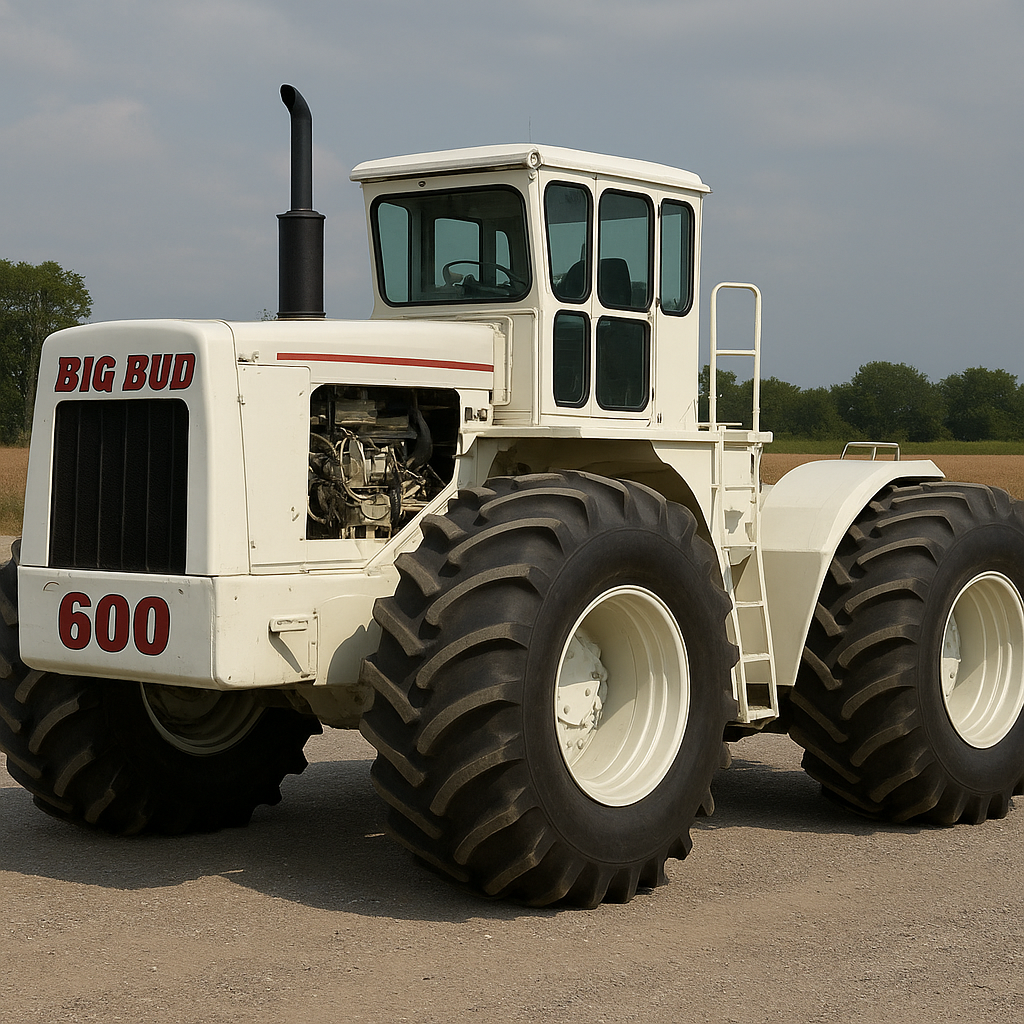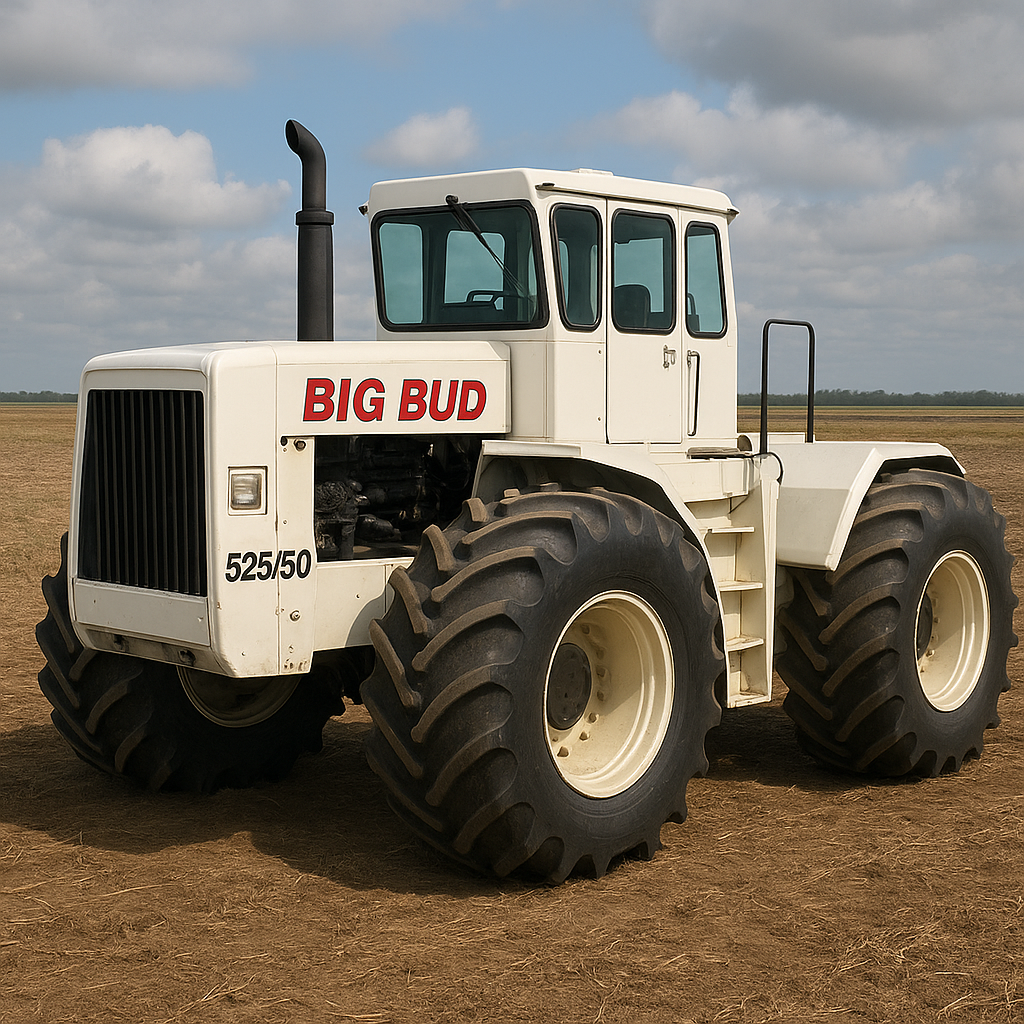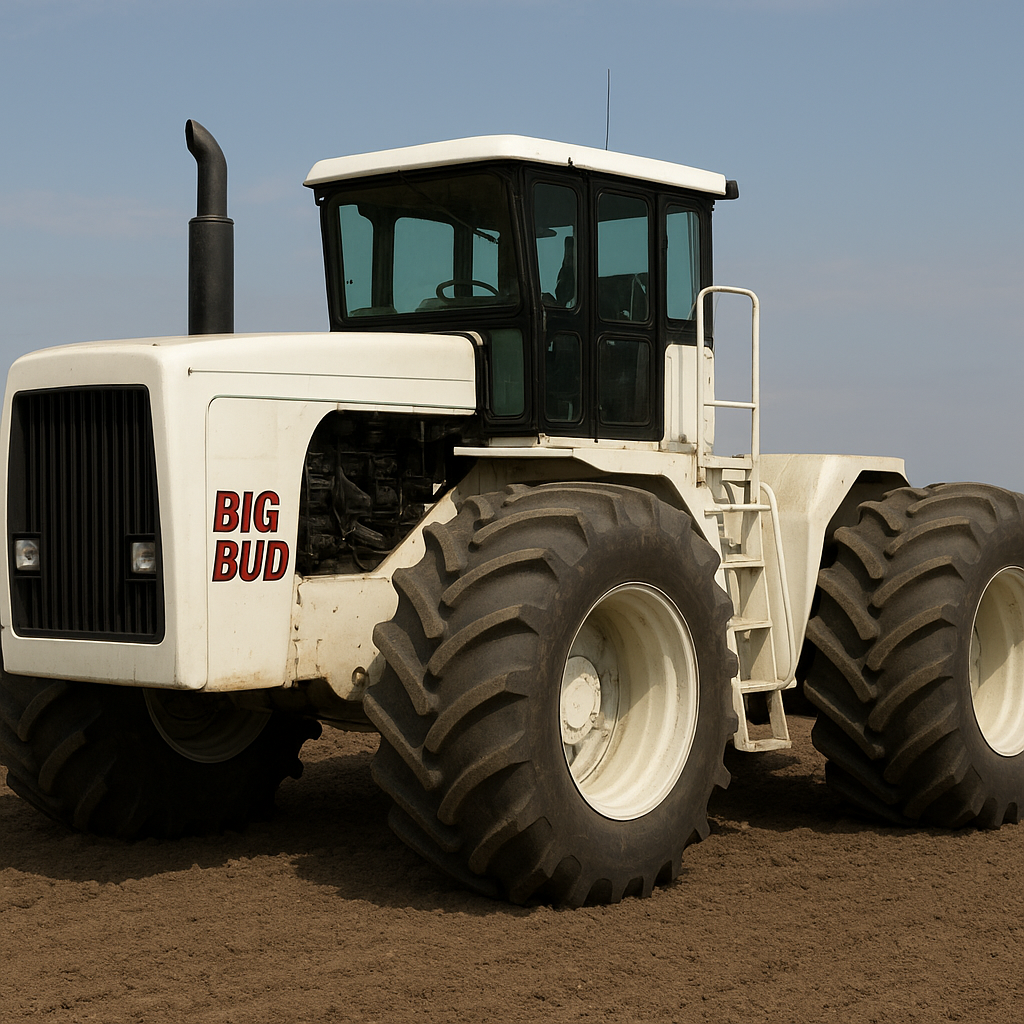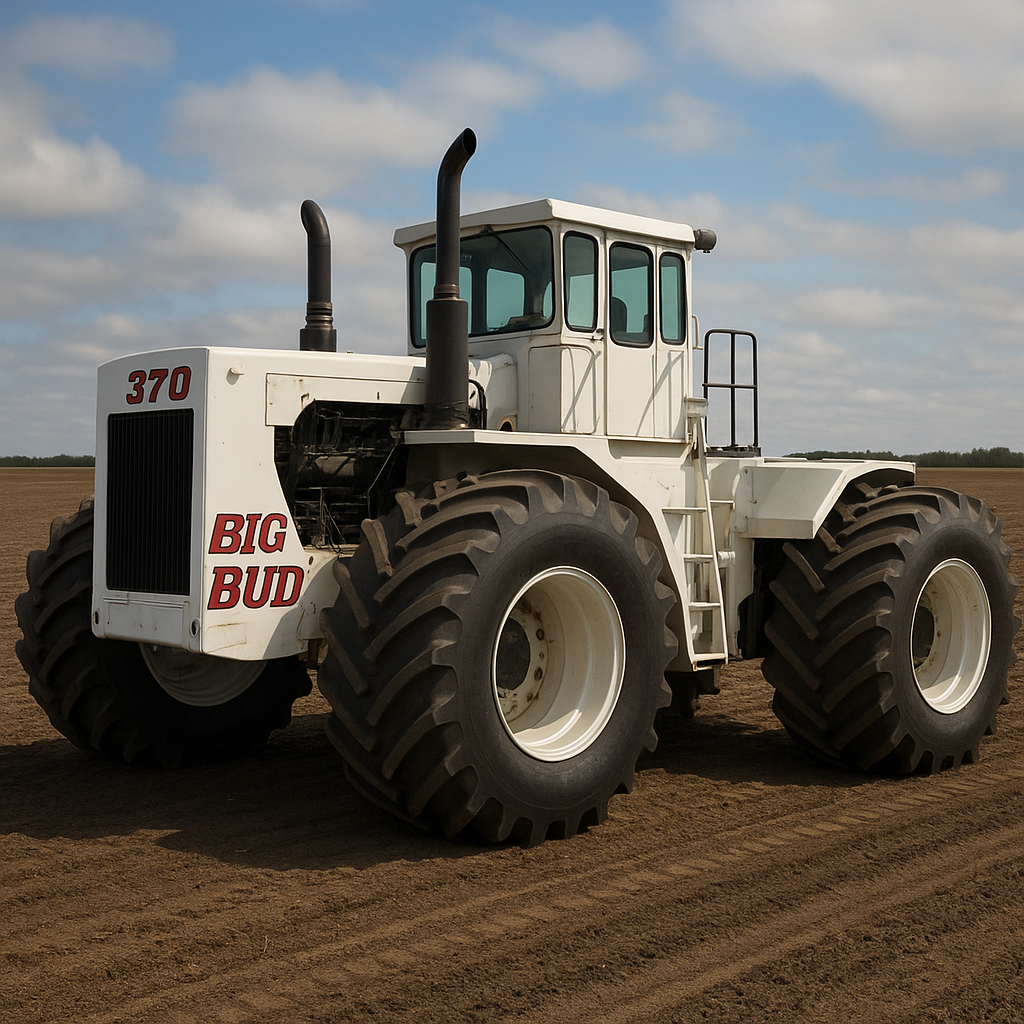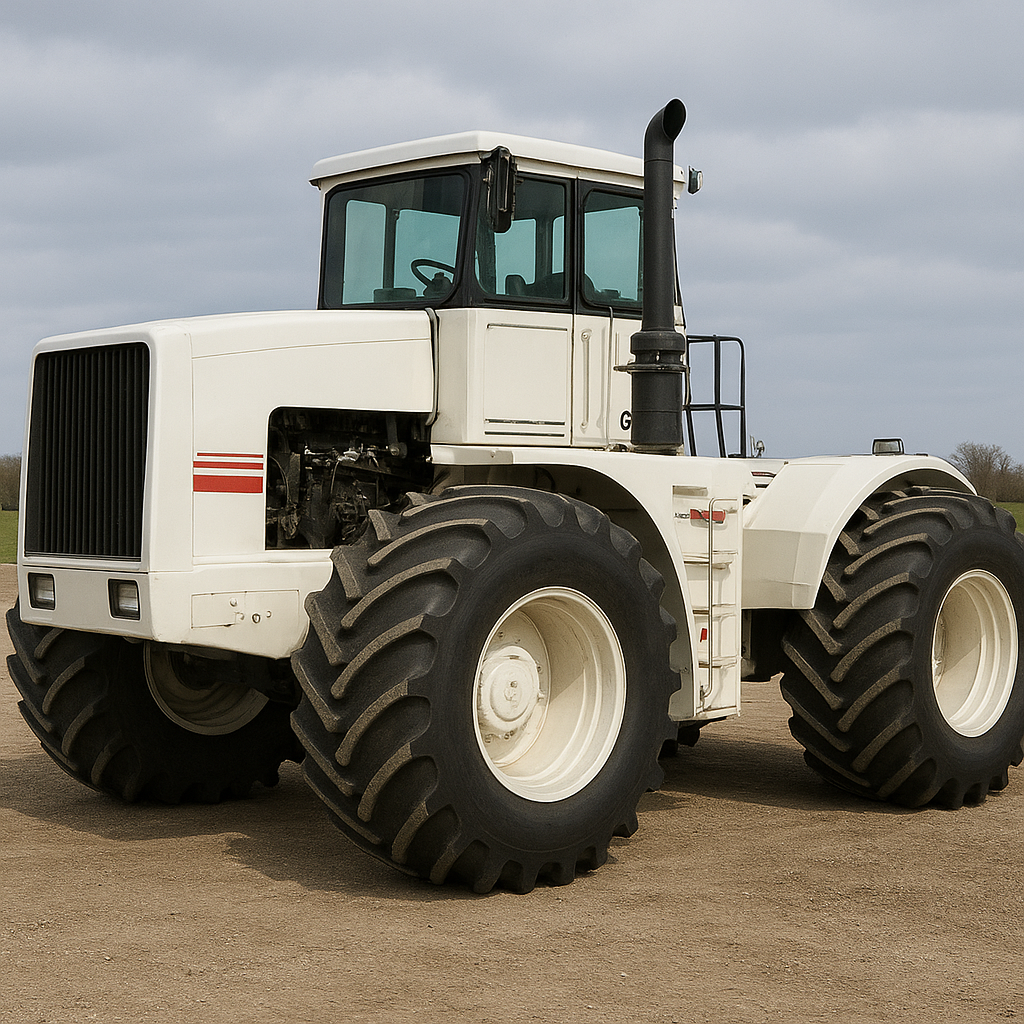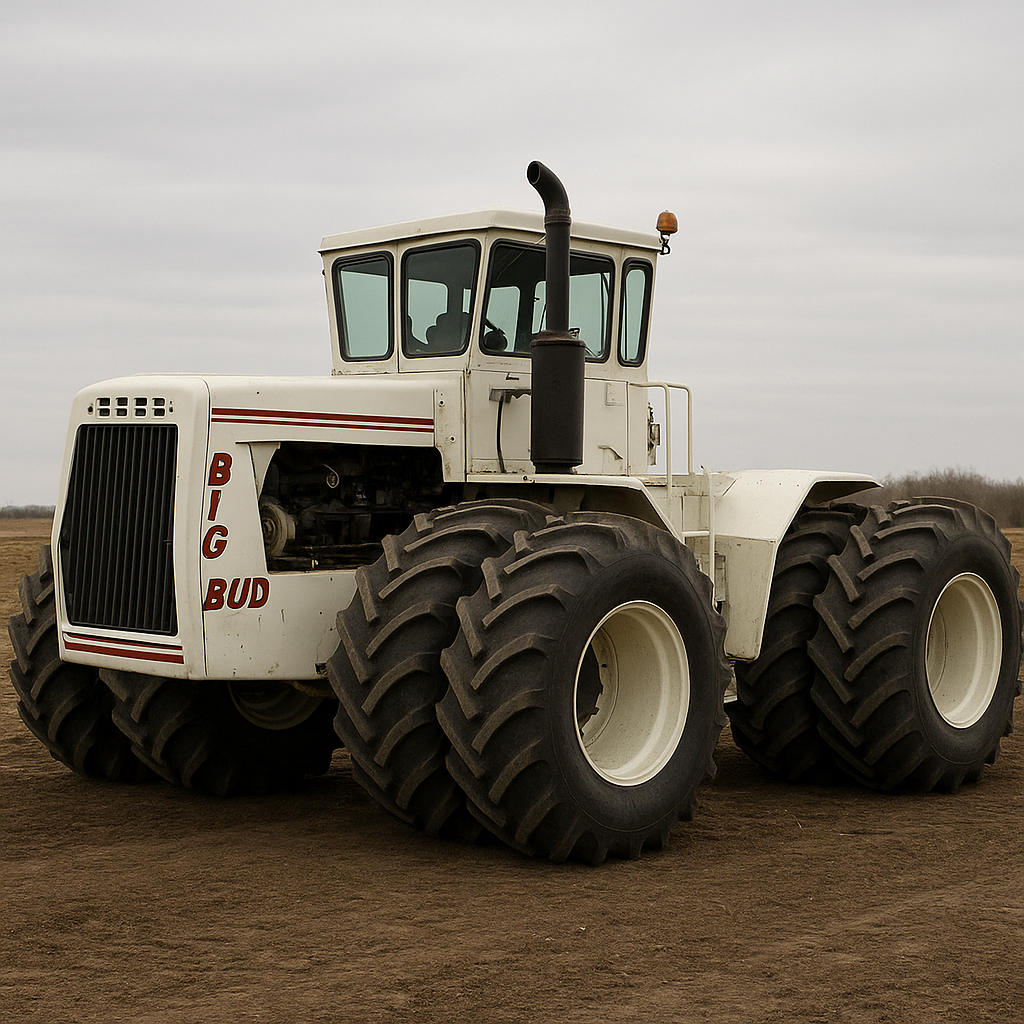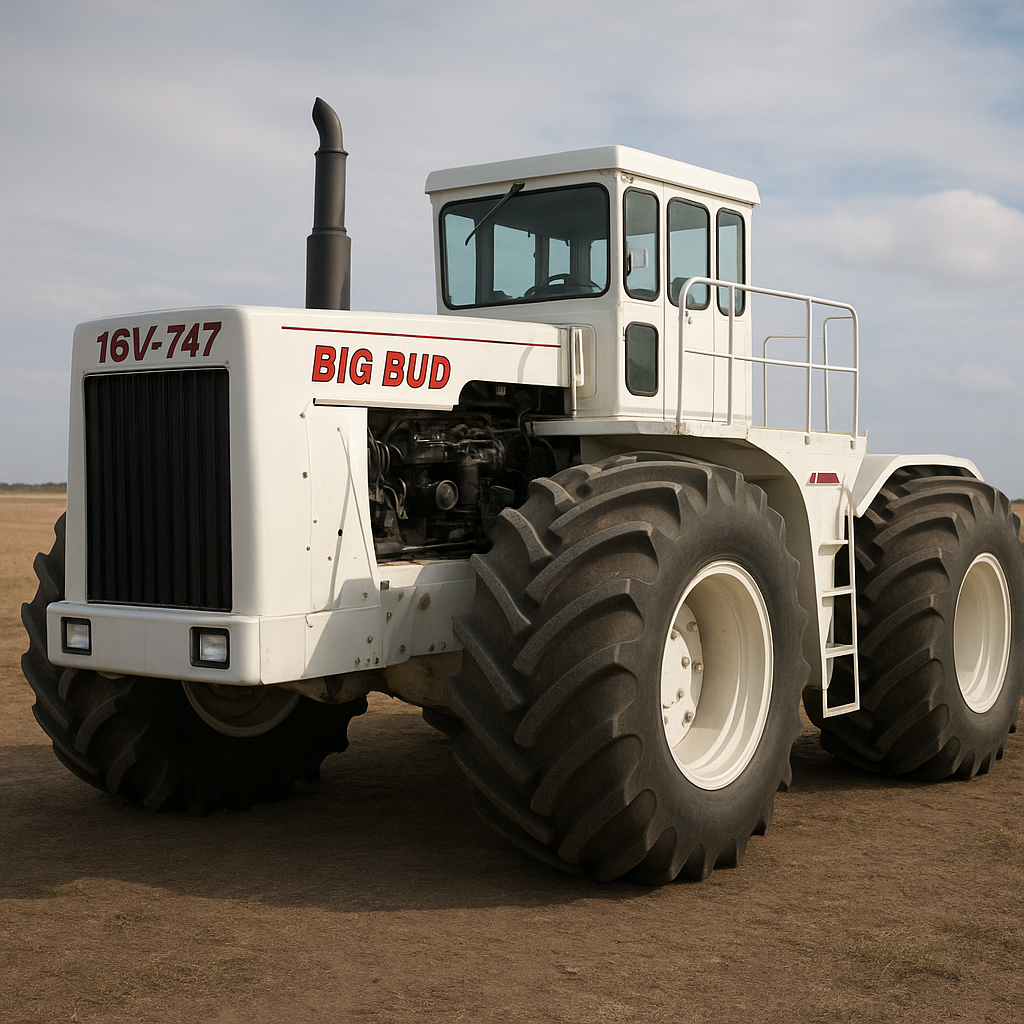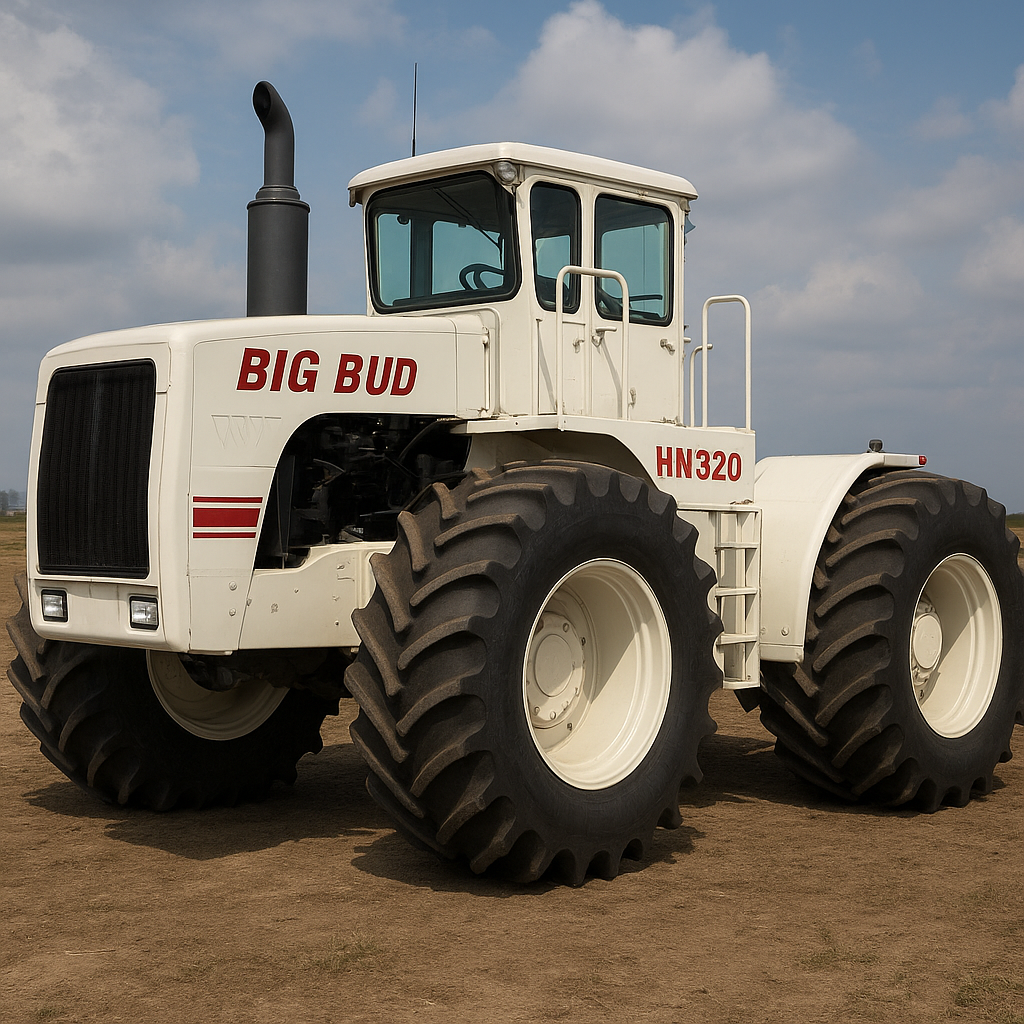
The Big Bud HN320 is a durable, purpose-built agricultural tractor known for its straightforward engineering and reliable field performance. Designed to meet the demands of medium-to-large scale farming operations, this model finds its place where consistent pulling power and long operational hours are essential. In the following sections we will examine the HN320’s technical characteristics, typical applications, operational strengths and limitations, and its place in modern farming systems. The goal is to provide a practical, informative overview for farmers, operators, and machinery enthusiasts.
Design and technical overview
The Big Bud HN320 emphasizes robust simplicity over elaborate electronics. With a focus on raw mechanical reliability, it combines a conventional layout with components chosen for longevity and ease of service. The HN320 is commonly equipped with a turbocharged diesel engine tuned for continuous field work and mid-range pulling power. Reported power figures for this model generally center around 300–350 rated horsepower, meaning it fits into the class of tractors intended for large implements without reaching the extreme sizes of the largest row-crop machines.
Chassis, transmission and drivetrain
- Frame and axle: Heavy-duty frame and reinforced axles designed for high draft loads and repeated heavy use.
- Transmission: Typically offered with a multi-speed powershift or synchronised gearbox providing a wide spread of speeds for field and transport work.
- Hydraulics: Strong hydraulic flow rates to operate larger three-point implements, planters and sprayers.
- Tires and ballast: Large agricultural tires or dual-wheel setups are common; ballast can be added to optimize traction and reduce slippage.
Engine and performance characteristics
The HN320’s engine is optimized for torque delivery in the working rpm range rather than for top speed. This makes it particularly suitable for implements such as ploughs, cultivators and seeders where steady pull is more important than rapid acceleration. Operators frequently value the machine’s predictable power curve and the ability to run many hours on a single fuel tank.
Applications and field performance
The Big Bud HN320 is a versatile machine that excels in several core agricultural roles. Its strengths are best leveraged in tasks that require sustained traction and implement control rather than in high-speed transport or highly specialized horticultural tasks.
Primary agricultural uses
- Agriculture — Primary row-crop operations such as deep tillage, seedbed preparation and planting on medium-to-large acreage farms.
- Tillage — Pulling heavy ploughs, disc harrows and cultivators where consistent draft and reduced slippage are essential.
- Seeding and planting — Capable of handling large planters and seed drills, enabling efficient planting windows on extensive fields.
- Heavy transport within the farm — Moving large trailers, wagons and equipment between fields and yards.
- Specialty roles — With appropriate implements the HN320 can be used for custom applications such as subsoiling, deep ripping and pulling specialized attachments.
Field efficiency and operational considerations
In real-world usage, the HN320 is valued for its ability to sustain long periods of work with predictable fuel consumption and mechanical simplicity. While not the most fuel-efficient model in every scenario, its ease of repair and component accessibility can reduce downtime, which is a critical factor during tight seasonal windows such as planting and harvest. Wheel slip, traction management and implement matching are key to achieving the best effective performance from the HN320.
Maintenance, reliability and operating costs
One of the HN320’s selling points is practical serviceability. The design philosophy favors components that farmers or local mechanics can diagnose and repair without specialized diagnostics. This translates into lower indirect costs and faster return-to-service compared to models heavily dependent on electronic systems.
Routine maintenance
- Engine oil and filter changes at manufacturer-recommended intervals to preserve power and longevity.
- Hydraulic system checks and periodic filter replacements to ensure steady implement operation.
- Drivetrain and gearbox servicing, including fluid changes and inspection of wear items.
- Tire and ballast management to maintain traction and protect the transmission from excessive strain.
Reliability and lifespan
With proper care, the Big Bud HN320 can provide many thousands of operational hours. Owners commonly report multi-decade service lives for these tractors when routine care and periodic overhauls are performed. The emphasis on mechanical simplicity contributes to the model’s durability and predictable lifecycle costs.
Economic and operational impact
For medium-to-large scale operations, the HN320 represents a balance between purchase cost, field capability and ongoing cost-of-ownership. The tractor’s strengths in pulling power and serviceability can translate into reduced reliance on external contractors and greater scheduling flexibility during peak seasons.
Cost-benefit considerations
- Acquisition cost: Typically lower than the newest high-horsepower tractors packed with electronics, creating a favorable capital outlay for budget-conscious farms.
- Depreciation and resale: Simpler machines often retain practical resale value among farmers seeking reliable workhorses.
- Operating costs: Fuel and maintenance are the main ongoing expenses. The HN320’s straightforward systems can keep labour and parts costs manageable.
Return on investment
ROI for the HN320 depends on how well it matches the farm’s needs: if operations involve extensive tillage, large planters, or long field days where uptime matters, the model can amortize quickly through increased efficiency and reduced downtime. Conversely, farms needing advanced precision features or GPS-integrated variable-rate control may find higher-end tractors more cost-effective in the long run.
Modern relevance and integration with precision systems
Although the HN320 prioritizes mechanical robustness, it can still be integrated into contemporary farming workflows. Many owners retrofit or add modular systems to enable GPS guidance, automatic steering and data logging. This hybrid approach allows farms to retain the tractor’s inherent strengths while gaining the advantages of modern agronomy tools.
Aftermarket upgrades and compatibility
- GPS and steering: Adding a GPS receiver and auto-steer system improves field accuracy and reduces overlap.
- Telematics: Basic telematic units can provide location, hours and simple engine data for fleet management.
- Hydraulic and PTO enhancements: In some cases, upgrades to hydraulic flow or PTO interfaces can broaden implement compatibility.
Comparisons, variants and buyer guidance
When comparing the HN320 to other tractors, evaluate the farm’s primary tasks, acreages, and workforce. The HN320 competes well against other mechanically-focused machines in its power class but differs from high-tech, high-cost tractors designed around automation and single-operator precision.
Choosing the right tractor
- If your operation values straightforward mechanics, ease of repair and strong pulling power, the HN320 is a strong candidate.
- If your operation requires integrated precision solutions, variable-rate application controls, or advanced operator-assist features out of the box, a more modern platform may be preferable.
- Consider total cost of ownership, not just purchase price: time lost during planting windows or unexpected repairs can outweigh a higher initial investment in some cases.
Statistical notes and reported figures
Available model information and owner reports typically place the Big Bud HN320 in the ~300–350 rated horsepower category, with many units configured for heavy draught tasks. Exact figures vary by year, engine option and market. Typical fleet operators report multi-thousand-hour service lives with regular overhaul intervals, and fuel consumption patterns consistent with tractors in this power class—significant but acceptable when matched to implement size and field conditions.
Typical numbers (generalized)
- Rated power: ~300–350 hp (range varies by configuration)
- Operational hours between major overhauls: owner-reported figures often exceed several thousand hours
- Fuel capacity and consumption: large fuel tanks are common to minimize refueling; consumption depends heavily on load and PTO usage
Practical tips for owners and operators
To get the most from a Big Bud HN320, focus on predictable maintenance and match implements correctly:
- Monitor oil and fluid levels regularly and use quality lubricants and filters.
- Keep a log of operating hours and service events to plan overhauls before failures occur.
- Match tire type, ballast and implement width to minimize slip and fuel waste.
- Consider incremental retrofits—such as GPS steering or telematics—to improve precision without sacrificing mechanical simplicity.
Summary
The Big Bud HN320 is a practical, reliable tractor built to perform sustained, high-draft agricultural tasks. It appeals to operators who value mechanical simplicity, predictable service life and solid pulling performance. While not the most advanced tractor in terms of electronics or factory-integrated precision farming features, the HN320 offers a robust platform that can be adapted with aftermarket systems. For many medium-to-large farms, its balance of durability, ease of maintenance and steady torque delivery makes it an attractive, cost-effective workhorse.