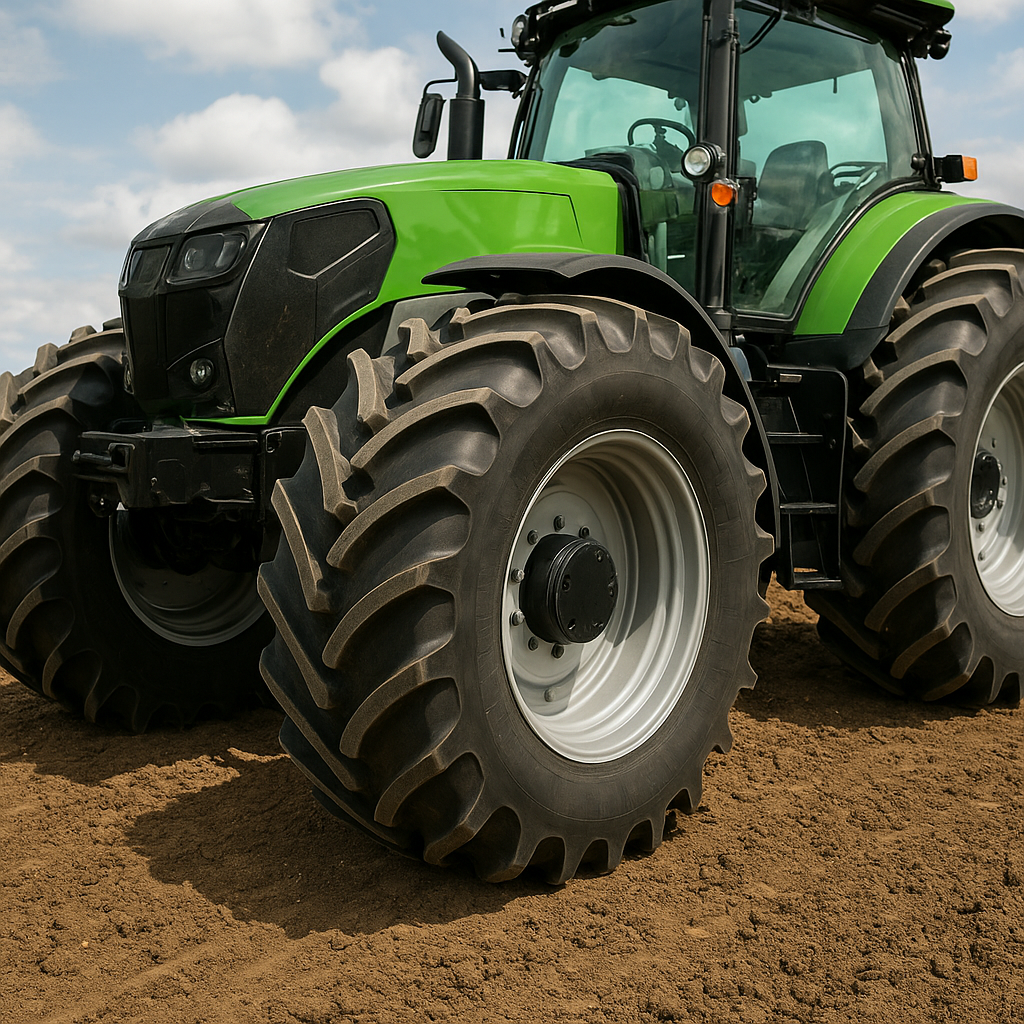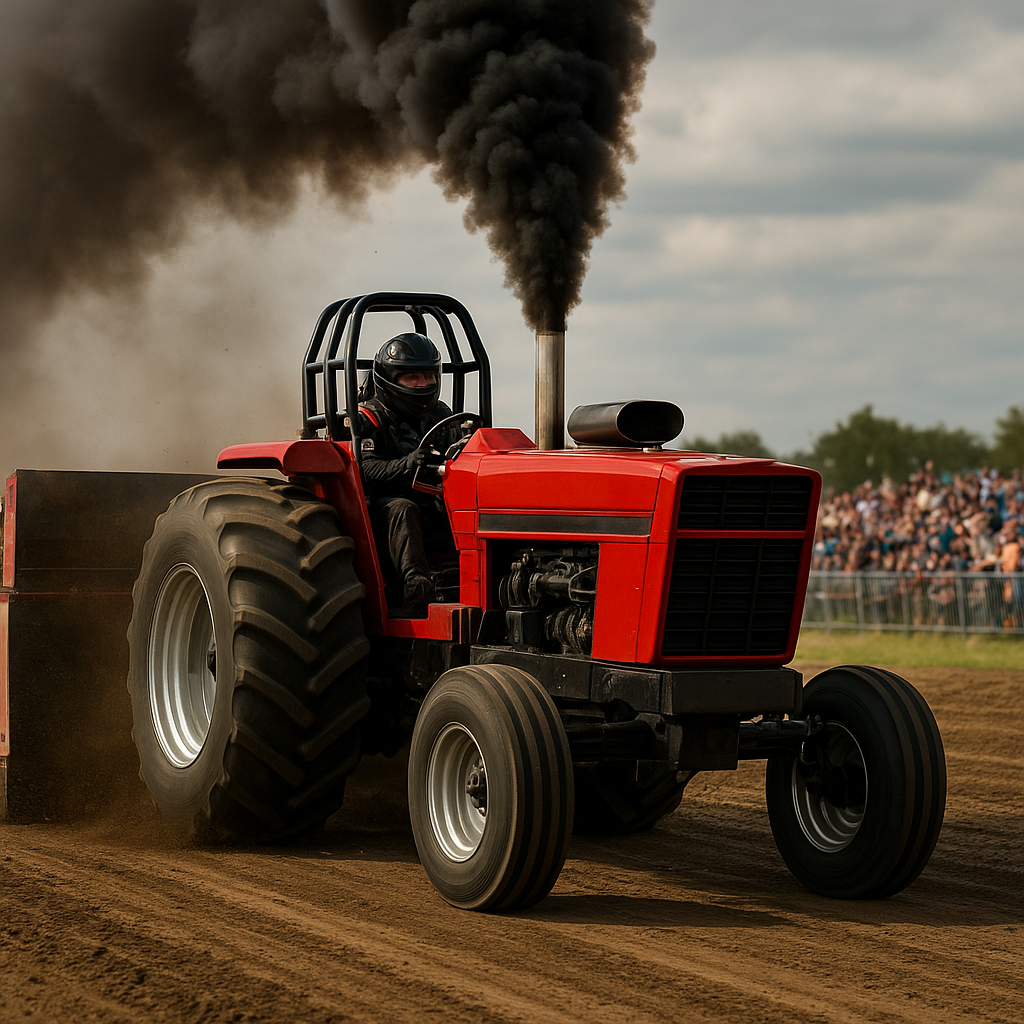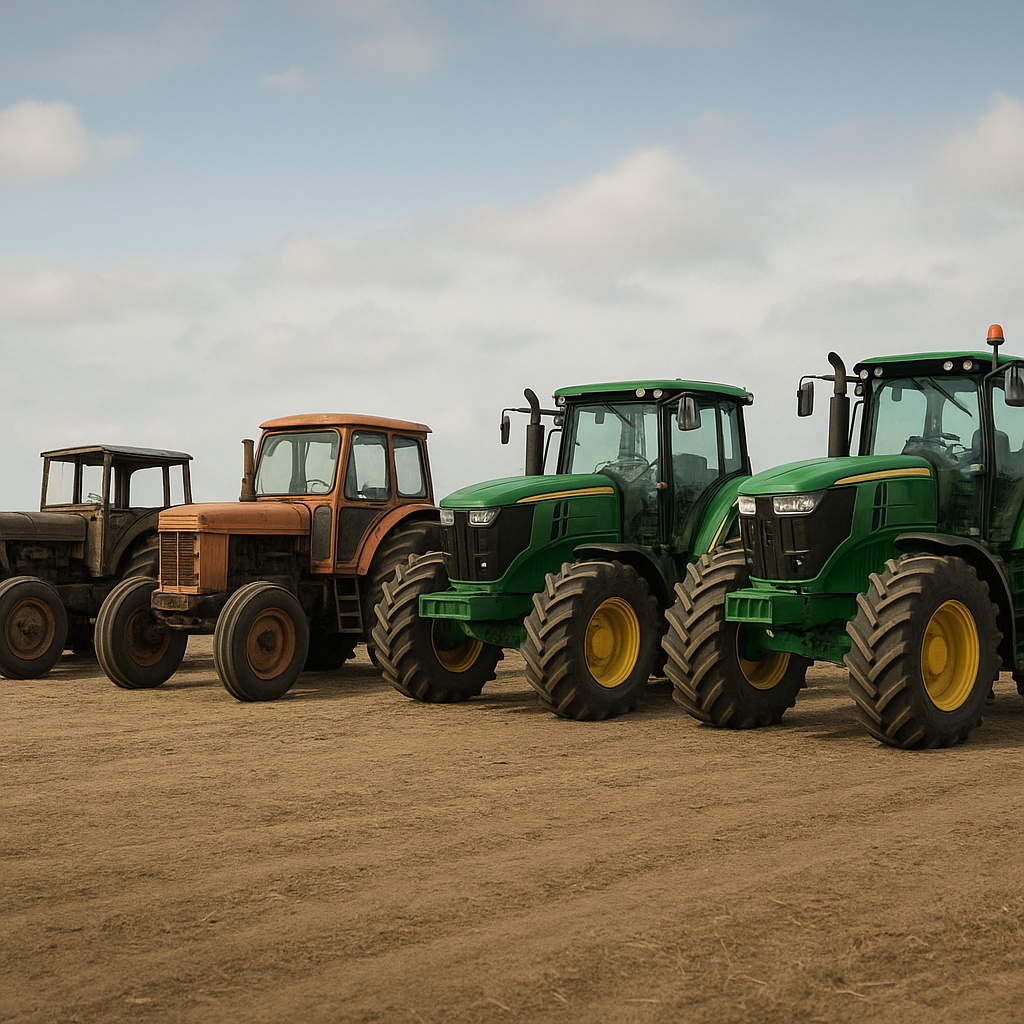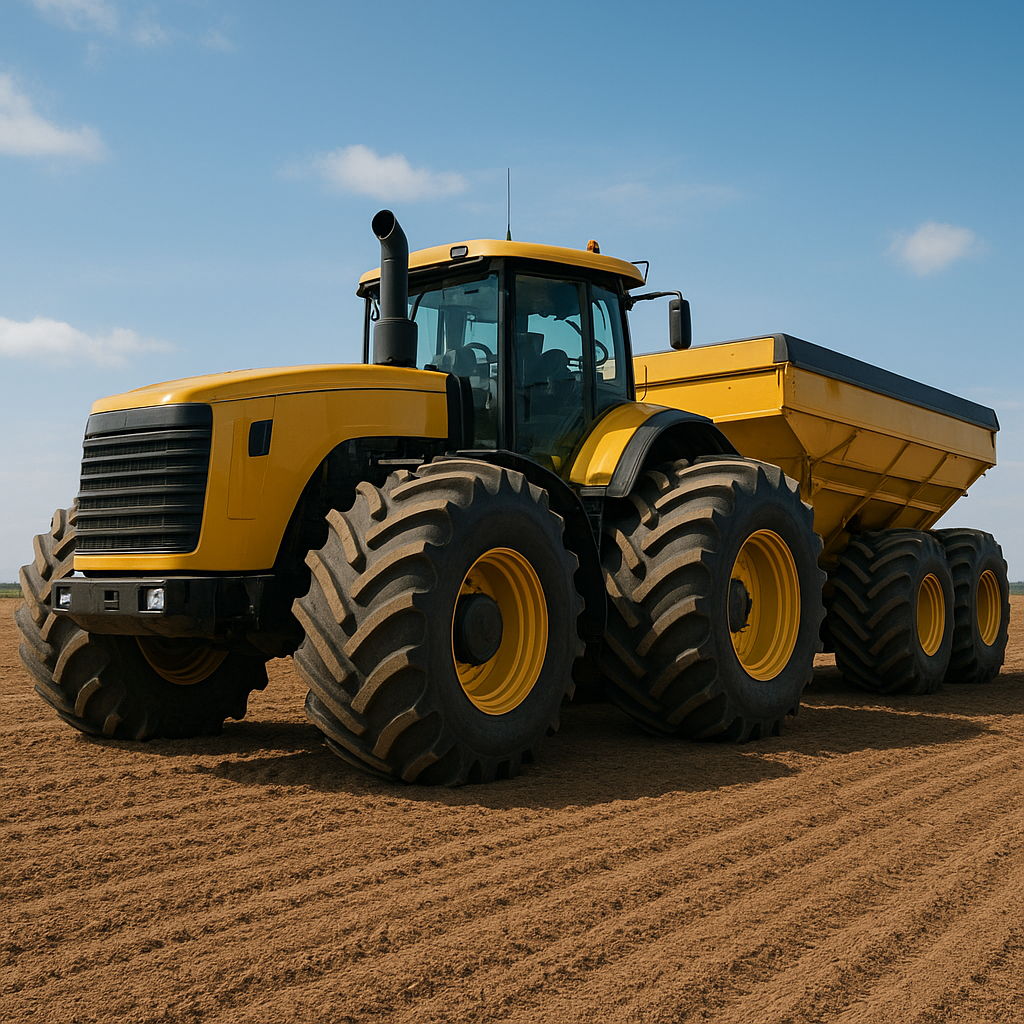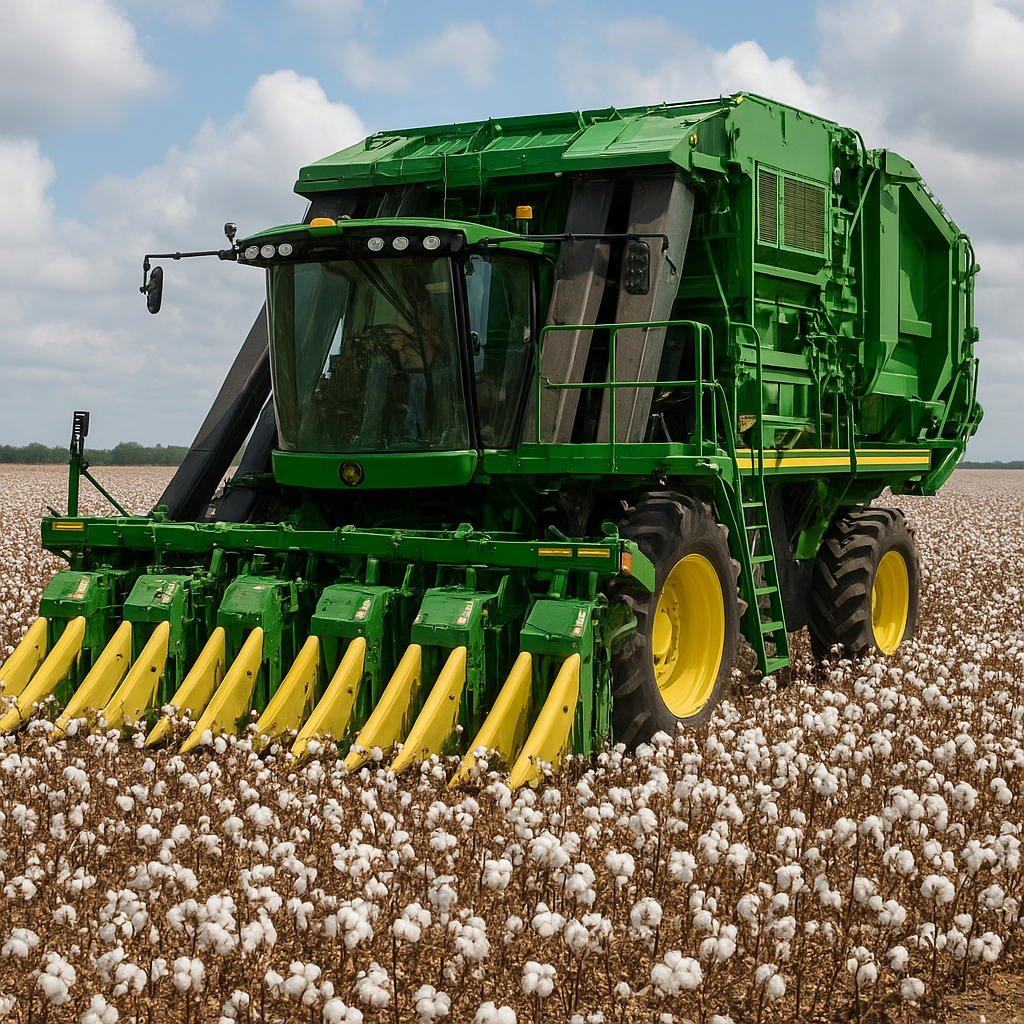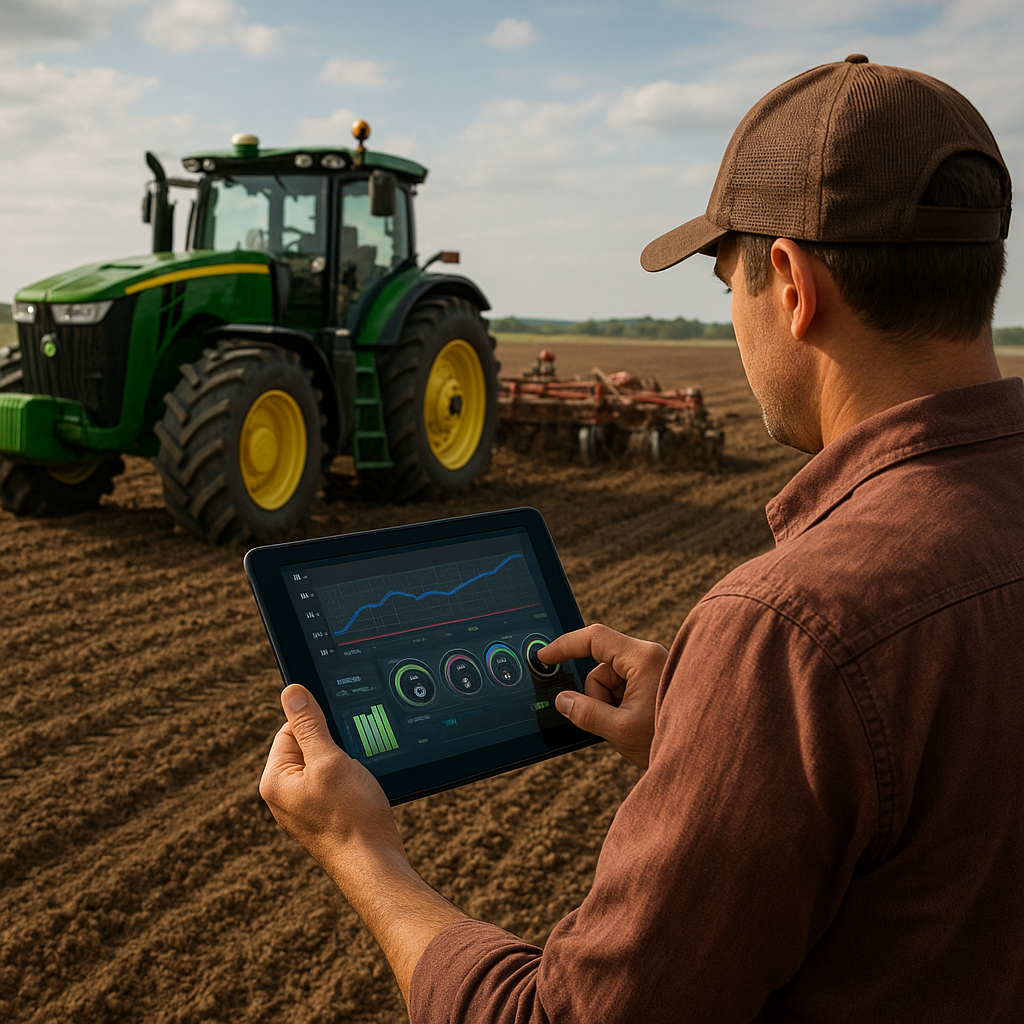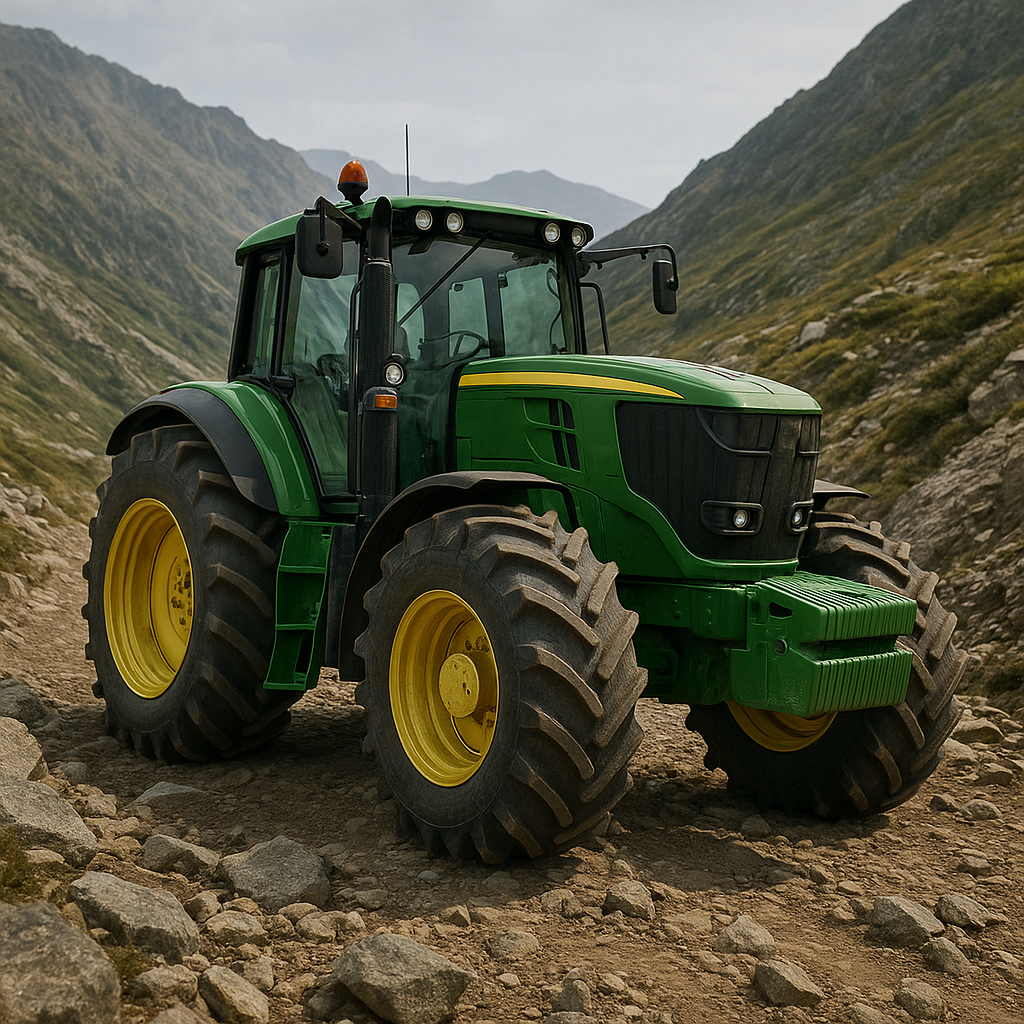
Big tractors designed for **mountainous** environments combine raw power and advanced engineering to tackle rugged slopes and unpredictable surfaces. These specialized machines must balance immense **horsepower** with precise **traction** control, ensuring both productivity and **safety** at high altitudes. From terraced vineyards to steep forestry roads, modern models deliver the **stability** and **efficiency** farmers and contractors demand on challenging gradients.
Overview of Mountain-Ready Tractor Innovations
Traditional tractors excel on flat fields, but steep terrain necessitates a radical redesign. Engineers integrate low centers of gravity, reinforced chassis, and torque-rich drivetrains to confront rocky paths and abrupt elevation changes. The fusion of mechanical robustness and digital **technology** optimizes performance, preventing wheel slip and ensuring reliable field operations even under adverse weather conditions.
Historical Milestones
Early mountain tractors of the 1960s featured widened wheelbases and mechanical differential locks. Over decades:
- Hydraulic four-wheel steering systems enhanced maneuverability around tight corners.
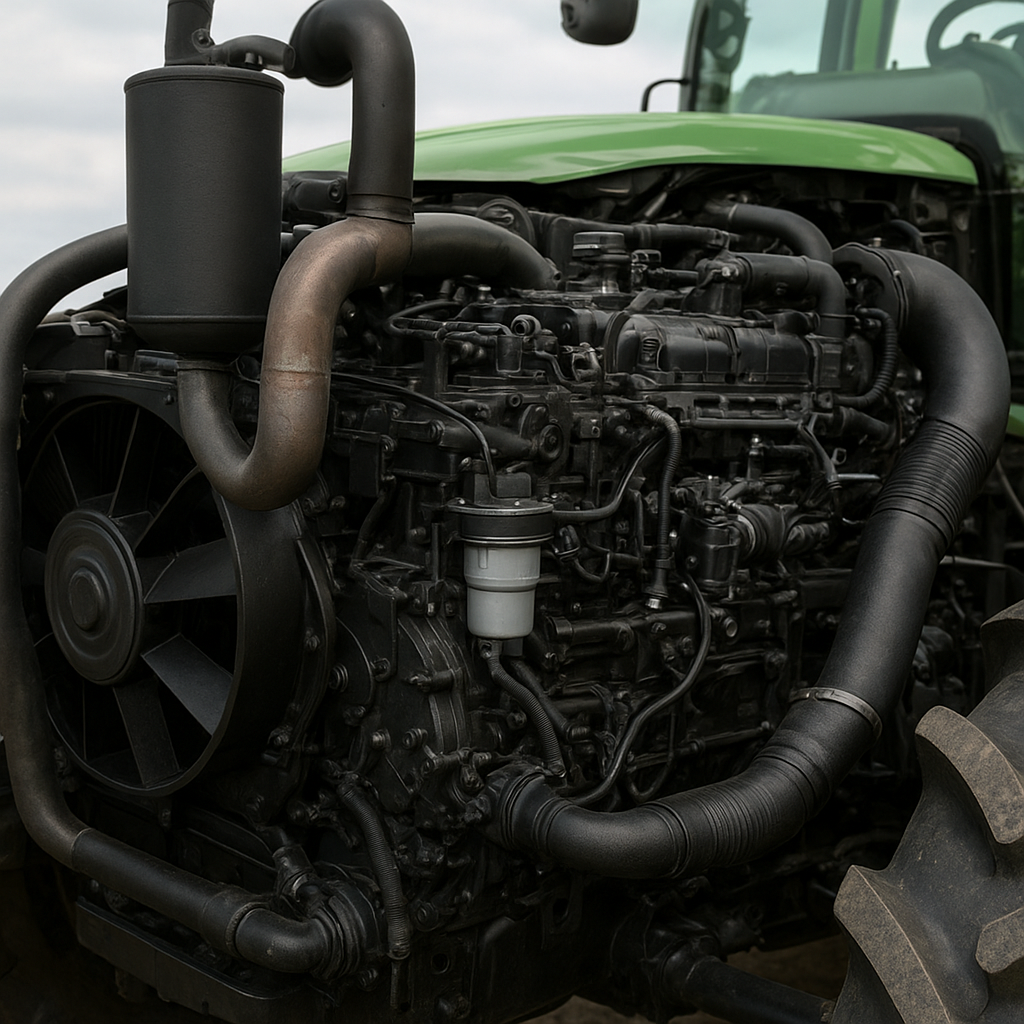
- Turbocharged diesel engines increased **horsepower** output, enabling heavier implements.
- Electronic traction management emerged, using sensors to distribute torque between axles.
Modern Breakthroughs
Today’s top models feature:
- Continuously Variable Transmission (CVT) for seamless speed adjustments on slopes.
- Active tilt-compensation to keep cabins level regardless of ground inclination.
- Telematics suites for remote monitoring of fuel consumption, **efficiency**, and maintenance needs.
Engineering Features Enabling Steep-Slope Performance
Designing a tractor to thrive above 1,500 meters requires a holistic approach. Key attributes include:
- Low Center of Gravity: Shifting major components closer to the ground reduces rollover risk on inclines.
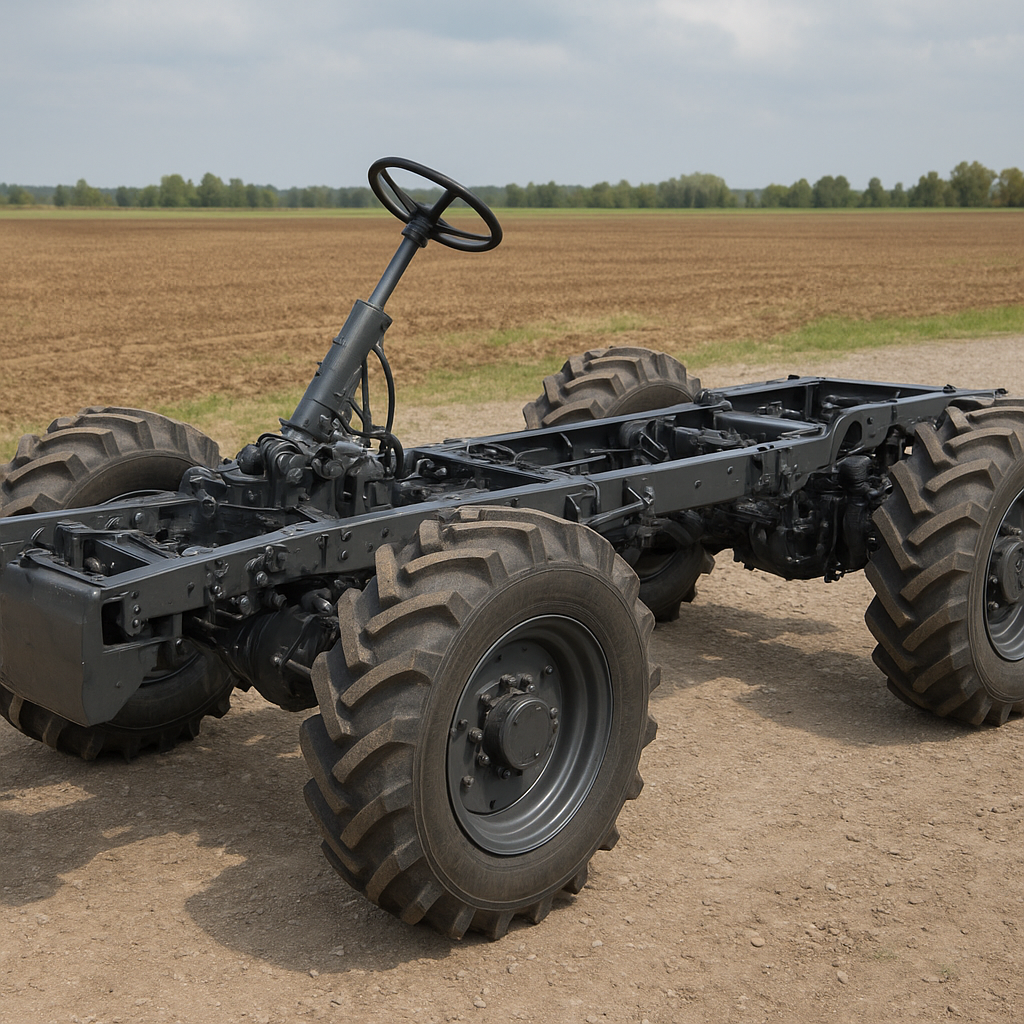
- Reinforced Chassis: High-strength steel frames withstand torsional stress from uneven surfaces.
- High-Torque Engines: Diesel powerplants deliver sustained torque peaks at low RPM for hill climbs.
- Advanced Traction Control: Electronic systems adjust power distribution to each wheel, preventing slip on loose gravel or wet mud.
- Hydraulic Stabilizers: Retractable outriggers maintain lateral stability when operating heavy attachments on steep ground.
Powertrain Innovations
State-of-the-art powertrains for mountainous applications incorporate:
- Dual-clutch transmissions that reduce power loss during gear changes.
- Selective catalytic reduction (SCR) to meet stringent emissions standards without sacrificing torque.
- Engine braking systems that assist downhill control, converting kinetic energy into hydraulic pressure.
Cab and Operator Safety
Operator protection gains paramount importance in high-altitude operations. Key safety measures:
- Roll-Over Protective Structures (ROPS) rated for extreme tilt angles.
- Ergonomic seating with multi-point harnesses to minimize fatigue during long workdays.
- Panoramic glass panels and high-intensity LED lighting for improved visibility in fog or at dusk.
Adaptable Implements and Attachments
Maximizing tractor versatility in steep landscapes demands specialized implements:
Terracing Equipment
Custom-built terracing plows carve precise benches into hillsides, reducing soil erosion and enabling row crop cultivation. Features include:
- Adjustable blade angles for various soil types.
- Integrated laser-guided leveling systems to ensure consistent slope grade.
Slope Mowers and Harvesters
Vegetation management on hillsides calls for:
- Side-mounted boom mowers that extend reach beyond the wheelbase.
- Self-leveling harvesting heads to maintain consistent cutting height.
Forestry Winches and Skidders
In mountainous woodlots, tractors double as logging machines. Typical features:
- High-capacity hydraulic winches capable of dragging heavy logs uphill.
- Grapple attachments designed for secure timber grabs on uneven ground.
Leading Manufacturers and Flagship Models
Several global brands stand out for their **innovation** in mountainous tractor design:
AlpineTech 9800 Series
- Engine: 280 HP Tier 4 Final diesel
- Unique low-slung frame for extreme roll safety
- SmartTrax rubber tracks providing up to 30% more ground contact than steel wheels
SummitPro XZ
- 165 HP turbocharged engine optimized for thin air performance
- Active Balance System that shifts ballast automatically during slope operations
- In-cab touch interface linked to satellite-based real-time topographic maps
MountainMaster MTX-400
- Compact 120 HP model with foldable ROPS for tunneling beneath tree canopies
- Integrated telemetry for fleet management across remote highland sites
Operational Strategies and Maintenance Practices
Maximizing uptime in remote, high-altitude areas involves proactive planning and rigorous service schedules:
Pre-Operation Inspections
- Check hydraulic fluid levels and look for leaks along steep-line runs.
- Inspect chassis welds and fasteners for stress fractures caused by slope navigation.
- Verify traction system calibration, ensuring sensors and actuators are functioning.
Fuel Management
High elevations can affect engine combustion. Best practices:
- Use low-sulfur diesel with high cetane ratings for consistent ignition.
- Install a fuel preheater to prevent waxing in cold mountain temperatures.
Winterization and Weatherproofing
- Install radiator shields against debris and ice buildup.
- Apply corrosion-resistant coatings on exposed hydraulic lines.
- Fit cold-start kits and block heaters for sub-zero operations above the treeline.
Operator Training and Safety Protocols
Equipping drivers with skills for slope operations is critical. Training modules cover:
- Proper use of differential locks when transitioning from loose scree to packed gravel.
- Emergency downhill braking techniques using engine braking and service brakes in tandem.
- Load balancing and attachment handling to prevent tipping on side slopes.