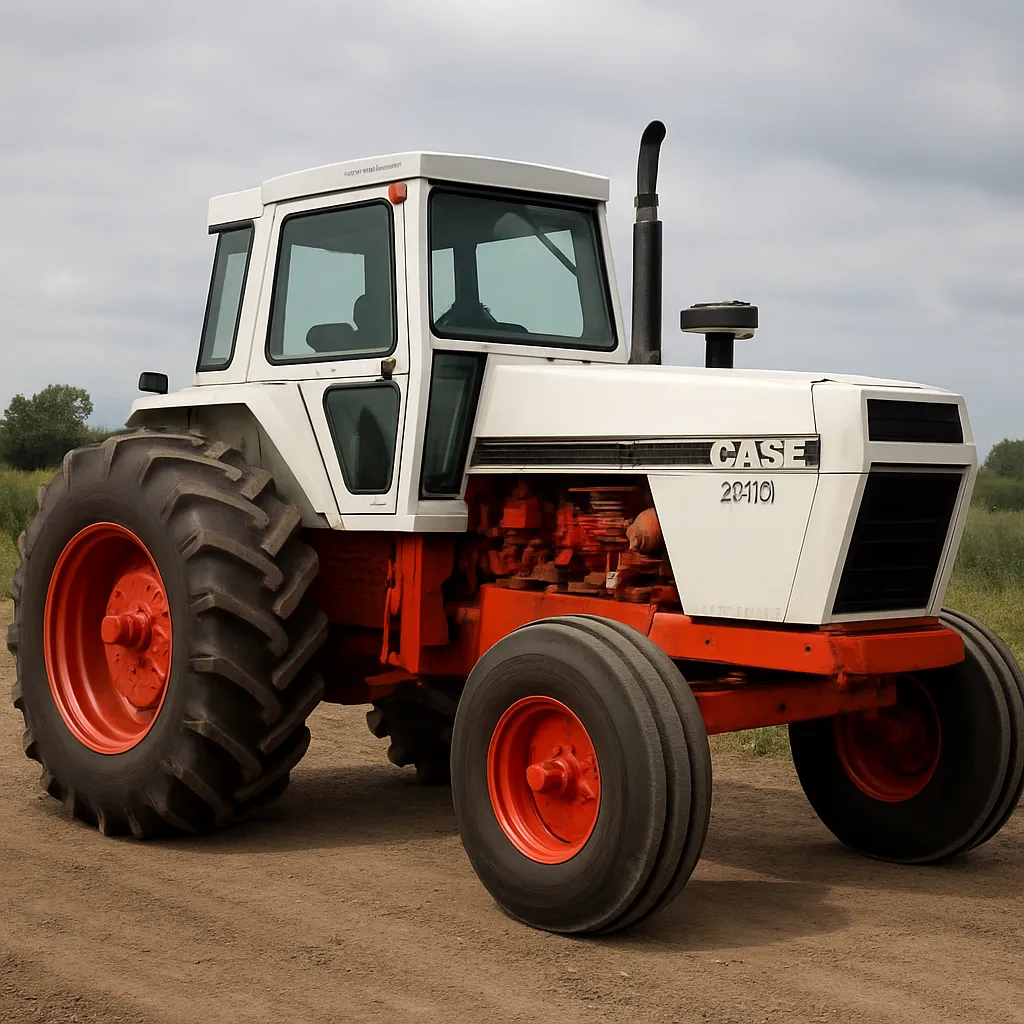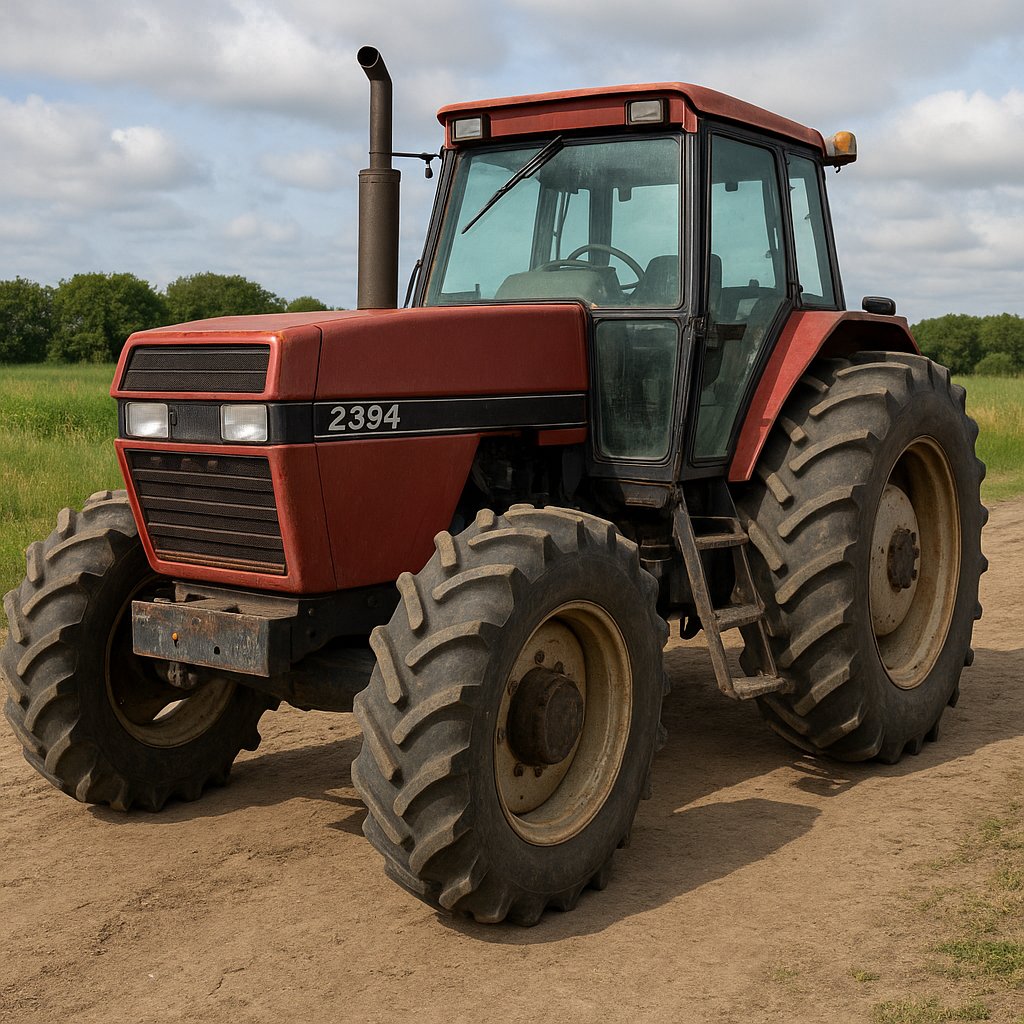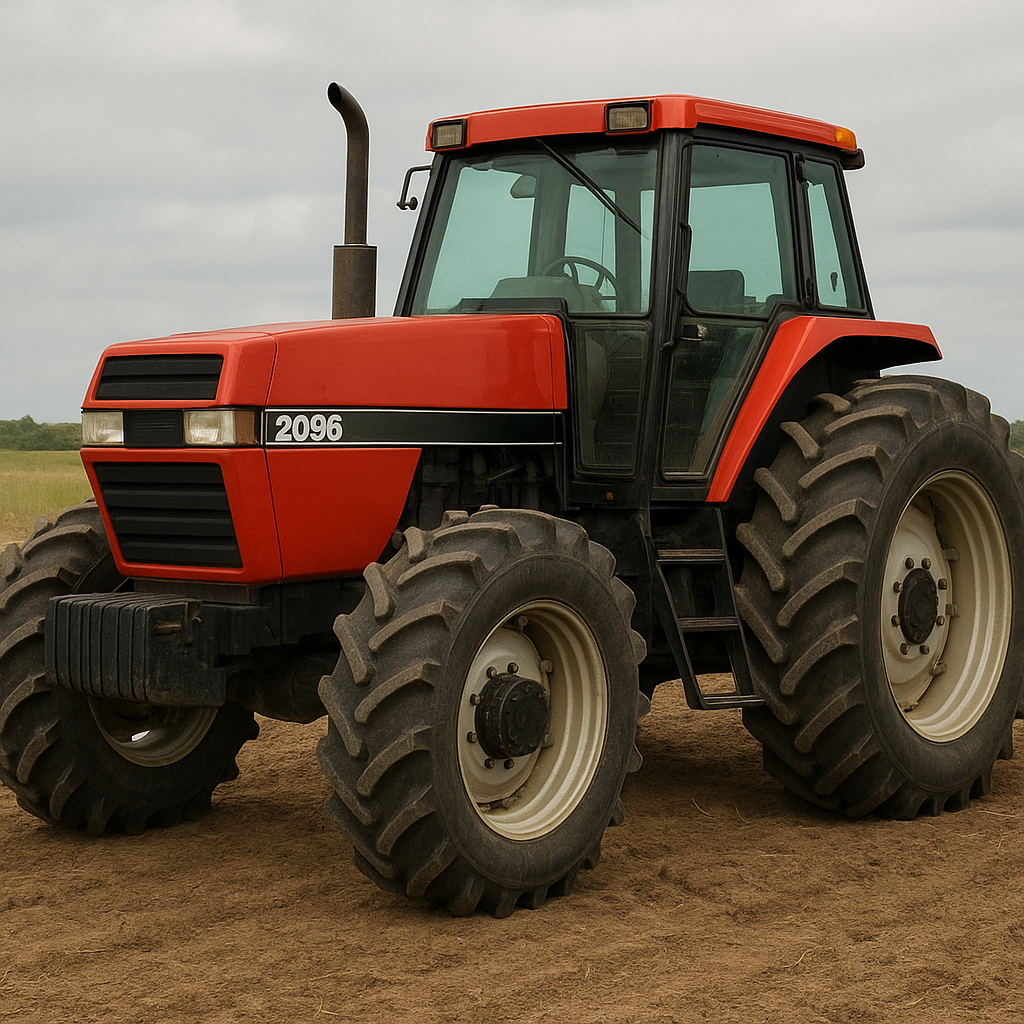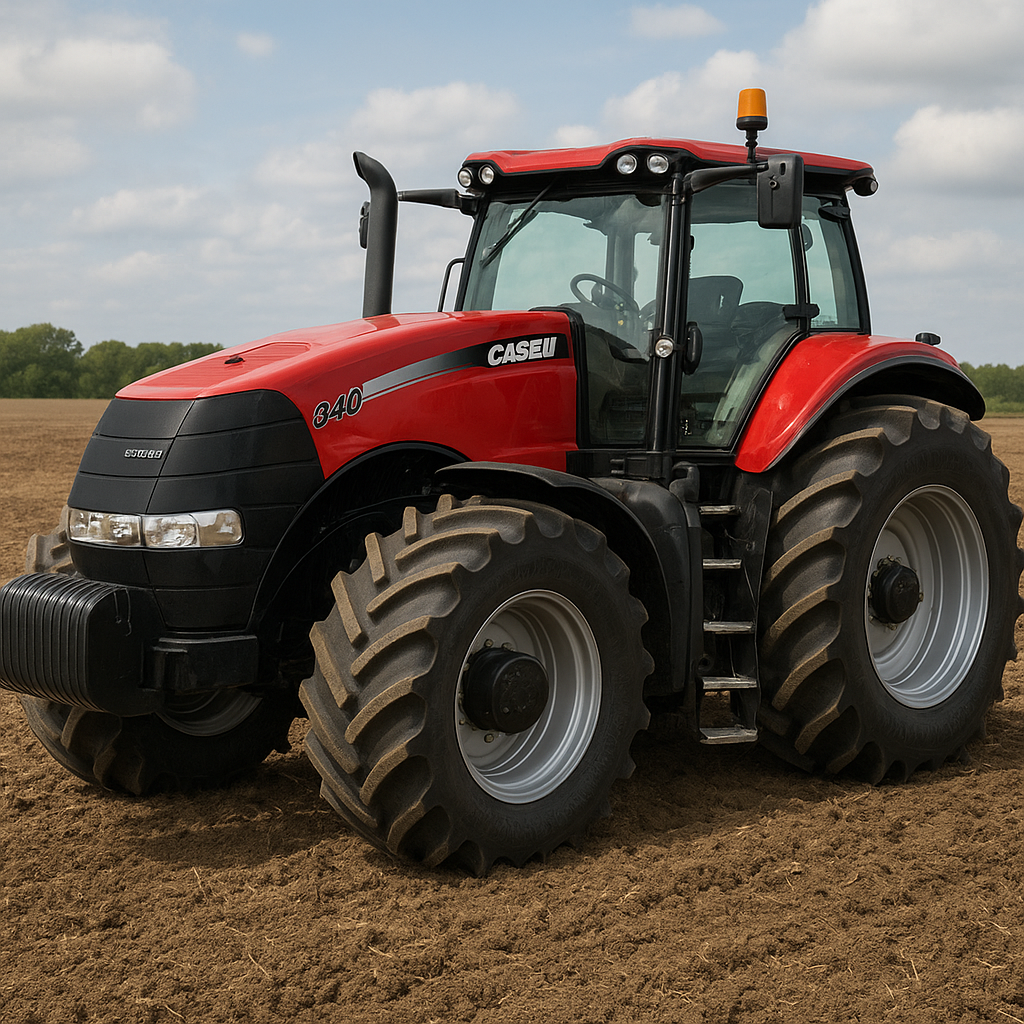
The Case IH Magnum 340 stands as a powerful, versatile workhorse in modern agriculture. Designed for demanding fieldwork, heavy tillage, and high-output transport tasks, the Magnum 340 combines robust engine performance with operator comfort, advanced hydraulics and a wide range of implement compatibility. In the following sections you will find a detailed look at its engineering, applications, practical strengths, maintenance considerations and how it fits into contemporary farm operations. Where available, commonly reported specifications and performance figures are included; note that exact values can vary by year, market and optional configuration.
Design philosophy and core features
Case IH developed the Magnum series to deliver a balance of power, reliability and operator-centered design. The Magnum 340 is engineered to perform long hours in the field while minimizing downtime and maximizing both fuel efficiency and implement productivity. Key design priorities include a robust engine package, adaptable transmission choices, heavy-duty chassis and axle configurations, and an ergonomic cab with integrated controls.
Durability and construction
The chassis and drivetrain components are built for heavy duty use: reinforced frames, rugged front and rear axles, and serviceable components that can tolerate repeated stress from large implements. This focus on durability reduces the frequency of major repairs in harsh operating conditions and supports a long service life on farms where tractors must do a wide range of tasks.
Operator-focused design
Inside the cab, visibility, control layout and comfort receive a lot of attention. The design aims to lower operator fatigue through adjustable seating, intuitive control consoles and professional-grade climate control, enabling longer productive shifts. The integrated displays and ergonomic controls make managing engines, hydraulics and transmissions smoother, contributing to overall field efficiency.
Engine, transmission and drivetrain details
The Magnum 340 is typically associated with high-displacement, turbocharged diesel engines that deliver strong low-end torque—an attribute essential when working with heavy implements or pulling high draft loads. While specifications can differ by model year and market, common powertrain characteristics for this class include:
- Rated power: commonly specified as 340 hp (approximately 254 kW).
- Boosted power: with Case IH intellectual power management features, peak power can be higher than the rated value during demanding operations—often delivering an extra margin of power for short intervals.
- Engine family: many Magnums use FPT (Fiat Powertrain Technologies) Cursor engines of large displacement (examples include engines around 8.7 liters in comparable models), optimized for torque and longevity.
- Transmission options: depending on production year and chosen specification, the Magnum 340 can be equipped with advanced continuously variable or stepped transmissions—designed to offer smooth power delivery and optimized fuel use. Case IH often markets variants such as CVT/CVX-style transmissions or high-performance powershift units.
- Drivetrain: 4WD configurations with heavy-duty differentials and selectable differential locks for traction in variable conditions.
Because Case IH sells the Magnum across many markets and offers multiple options, exact engine displacement, torque curves, transmission ratios and top speeds can vary. Farmers choosing a Magnum 340 should consult specification sheets for the exact year/configuration to match the tractor to the intended tasks.
Performance in field applications
The Magnum 340 is suitable for a wide array of agricultural tasks where high power and dependable tractive effort are required. Typical applications include:
- Primary tillage: pulling large ploughs, discs and cultivators across heavy soils.
- Seeding and planting: towing large air seeders or planters where precise ground speed and consistent hydraulic flow are essential.
- Hay and forage operations: powering large balers, forage harvesters and mowers with PTO and hydraulic demands.
- Transport: moving heavy trailers, grain carts and tankers on-farm and between fields.
- Loader and material handling: when equipped with front loaders, the Magnum 340 handles heavy bales, pallet loads and feed materials.
In large-scale farming, where a single tractor must accomplish multiple high-output roles, the Magnum 340 shines by offering sufficient power reserve and thermal capacity to sustain long working days without accelerated wear. The model’s capacity for continuous heavy-duty use makes it attractive for contractors and larger family farms.
Hydraulics, PTO and implement compatibility
High-flow hydraulics are a hallmark of tractors designed to run large implements. The Magnum 340 typically offers:
- Multiple hydraulic circuits and options for higher flow rates to drive hydraulic motors on modern seeders and spreaders.
- Rear and mid-PTO options with industry-standard speeds (e.g., 540/1000 rpm and potentially economy modes depending on configuration).
- Robust three-point linkage and heavy-duty hitch systems capable of lifting and controlling large implements safely and effectively.
These systems allow the Magnum 340 to remain versatile across seasons: from spring planting to summer harvesting and autumn tillage. The tractor’s hydraulic capacity and lift rating support large implements without compromising responsiveness—an important advantage when precision is required or when switching implements frequently.
Operator comfort, controls and technology
Modern Magnum models emphasize not only raw capability but also the daily comfort and productivity of the person driving them. Typical features that enhance operator experience include:
- Spacious, climate-controlled cabs with sound insulation for lower operator fatigue.
- Adjustable seating with suspension systems to smooth rides across rough terrain.
- Intuitive control consoles that position key levers, switches and multi-function joysticks within easy reach.
- Integrated displays for engine telemetry, implement control, GPS/auto-steer integration and task monitoring.
Case IH integrates precision farming technologies such as GPS guidance and telemetry options that enable automatic steering, section control and data logging. These technologies improve field accuracy, reduce overlaps, and can significantly lower fuel use and input costs when deployed correctly.
Maintenance, fuel consumption and operating costs
Operational costs are a critical consideration for tractors in this power class. The Magnum 340 offers features aimed at reducing downtime and simplifying servicing:
- Accessible service points for oil, filters and routine checks reduce time out of service.
- Rugged component choices and service intervals aligned with heavy-use cycles to keep maintenance predictable.
- Designs that facilitate rapid diagnostics—often with onboard fault codes and telematics for remote monitoring.
Fuel consumption depends heavily on application, load, terrain and operator habits. In heavy field work, tractors in the 300–400 hp class typically consume significantly more fuel than medium-duty machines, but advanced engine controls and transmission efficiencies help mitigate per-acre fuel costs. Employing strategies such as variable engine speed, correct implement matching and precision guidance can reduce total fuel use per hectare.
Safety and regulatory considerations
Safety features that are commonly found or available for Magnum-class tractors include rollover protection, robust lighting packages for all-weather and nighttime operation, warning systems for critical failures, and easy-to-reach emergency stops. Modern implementations also include systems to meet emissions regulations—such as aftertreatment devices—to comply with regional standards (Tier/Stage levels), which can affect maintenance needs and fuel quality requirements.
Economic and farm-management perspective
Purchasing a Magnum 340 is a major investment. The decision hinges on farm size, expected workload, and economic strategy (own vs hire or lease). Advantages of owning a tractor of this caliber include:
- High productivity: fewer passes and faster work rates on large acreage.
- Flexibility: ability to run large implements that smaller tractors cannot efficiently manage.
- Resale value: premium-class tractors often retain value when well-maintained.
Considerations against acquisition may include higher initial capital cost, increased fuel and service costs, and the need for larger implements to fully utilize the tractor’s potential. Custom hire operations can be an alternative to ownership for some farms; however, owning a Magnum 340 can make sense on farms where the tractor will be intensively used throughout the year.
Comparisons and positioning in the market
The Magnum 340 competes with other high-power tractors in its class from global manufacturers. Buyers typically compare:
- Fuel efficiency and power delivery characteristics.
- Cab comfort and operator interface quality.
- Dealer network, parts availability and service support.
- Availability of precision farming options and telematics.
Case IH positions the Magnum as a blend of robust mechanical design and modern operator amenities, appealing to large farms and contractors who require both power and long-term serviceability.
Practical tips for prospective owners
When evaluating a Magnum 340—new or used—consider these practical points:
- Match the tractor’s PTO and hydraulic capacity to your largest implements to avoid under- or over-specification.
- Inspect service records and confirm adherence to recommended maintenance schedules on used machines.
- Check for telematics and compatibility with existing precision-agriculture systems you use; integration saves time and money.
- Evaluate tires, ballasts and three-point linkage condition—components that reflect how the tractor was used.
- Discuss warranty, local dealer support and parts logistics—these affect total operating uptime.
Statistics and commonly quoted specifications
Below are typical, commonly quoted figures associated with the Magnum 340 class (note: exact numbers vary by year and optional configurations):
- Rated power: 340 horsepower (approx. 254 kW).
- Peak/boost power: frequently a modest increase above rated power available during heavy-load scenarios due to engine management systems.
- Engine type: turbocharged diesel engines from established families (e.g., FPT Cursor family in comparable Case IH tractors) with large displacement for high torque.
- Transmission: options including continuously variable or advanced powershift transmissions that optimize ground speed and engine rpm for fuel economy and implement needs.
- Hydraulic flow: high-flow options for demanding implements; typical high-capacity configurations serve modern seeders and spreaders.
- Weight and ballasting: gross vehicle weights and recommended ballasting vary widely depending on attachments and tire choices; correct ballasting is essential for traction and PTO performance.
For precise, up-to-date numeric values (such as exact torque, engine displacement for a specific model year, hydraulic flow in L/min, turning radius, or shipping weight), consult the manufacturer’s technical data sheet for the specific Magnum 340 year and configuration you are considering. Variants such as CVX vs powershift, front loaders, and dealer-installed packages will alter exact figures.
Real-world use cases and farmer experiences
Farmers and contractors frequently report that the Magnum 340 excels where a farm needs a dependable high-output tractor that can run many hours without strain. Users appreciate:
- Its ability to pull wide implements at consistent field speeds, improving seeding and tillage efficiency.
- The comfort of extended cab time during planting and harvest seasons, reducing fatigue and operator turnover.
- Reduced downtime when maintenance is performed on schedule—many owners emphasize the importance of good dealer support.
Conversely, smaller operations sometimes find the Magnum 340 more powerful than necessary for everyday chores. The best matches are medium-to-large farms, contractors and mixed operations with large acreage and a need for frequent heavy-duty work.
Conclusion
The Case IH Magnum 340 is a high-capacity, versatile agricultural tractor built to meet the demands of modern large-scale farming. With a strong focus on power delivery, durability, operator comfort and implement versatility, it performs well across primary tillage, planting, harvesting and transport tasks. While it represents a significant investment, its productivity potential and adaptability to a wide array of implements make it a compelling option for farms requiring consistent, heavy-duty performance. As with any major equipment decision, match the specific tractor configuration to your operational needs, check precise technical specifications for the model year and options you plan to buy, and factor in local dealer support and long-term maintenance plans to maximize return on investment.