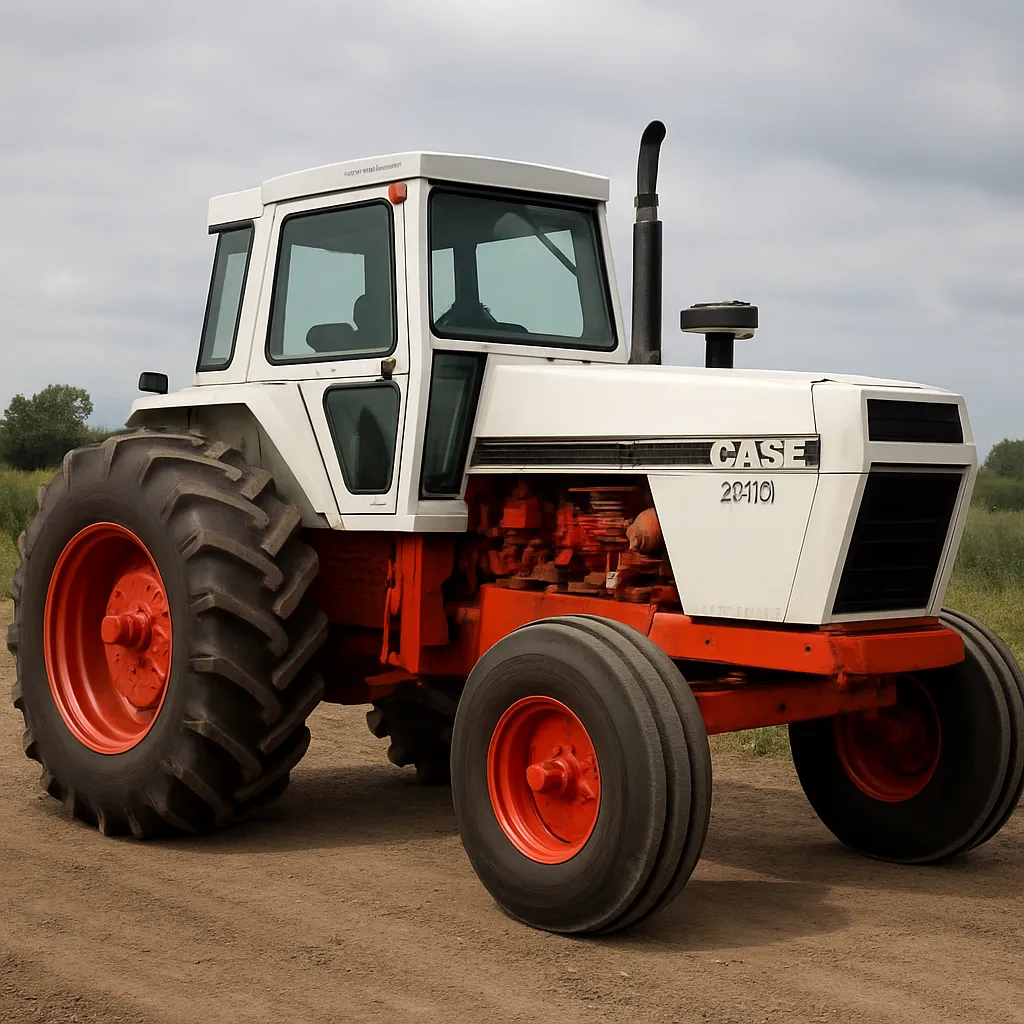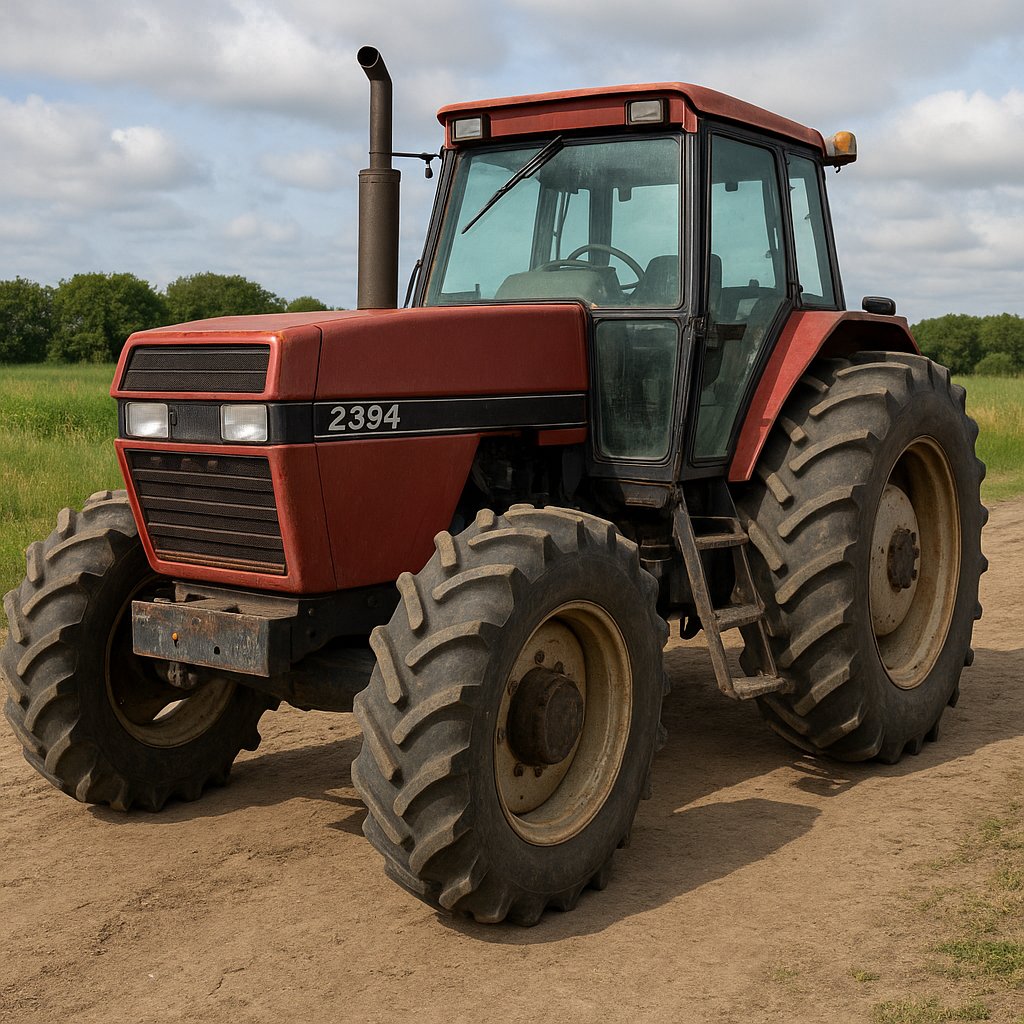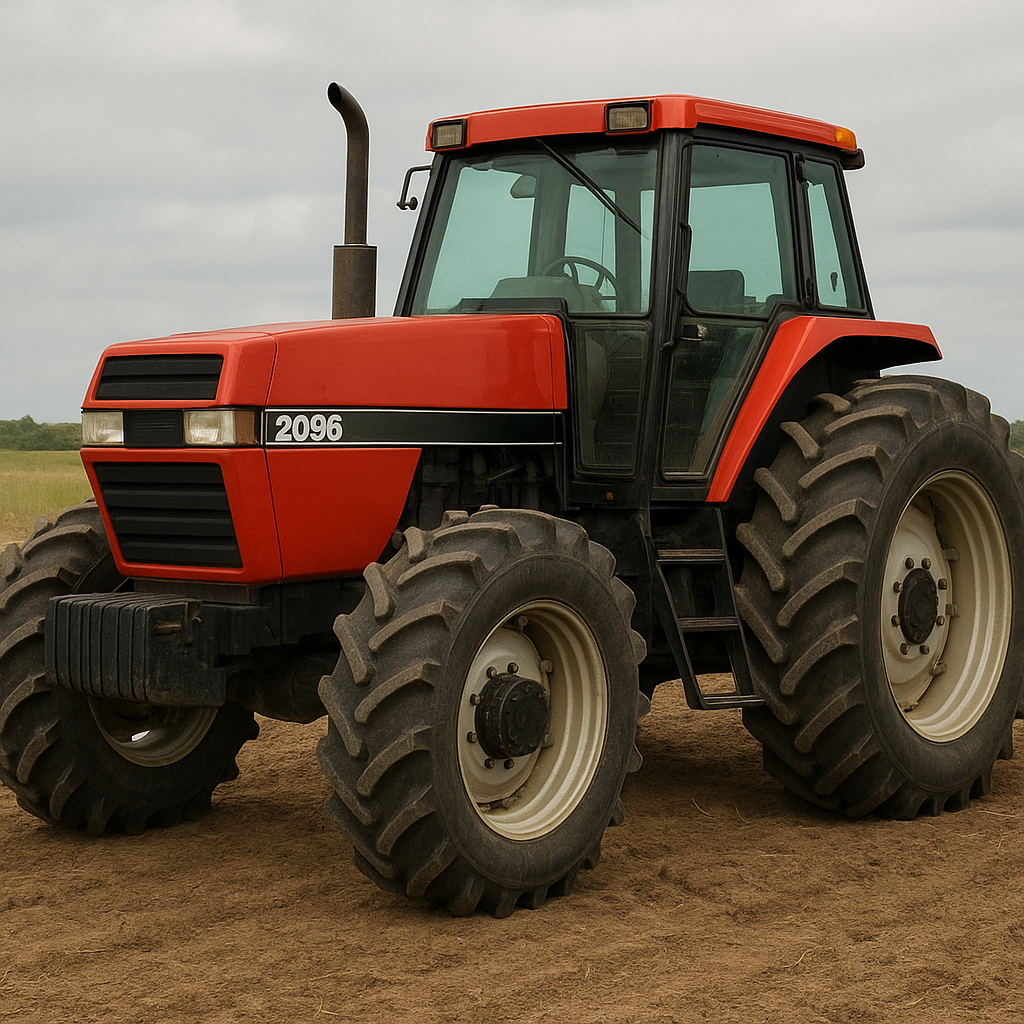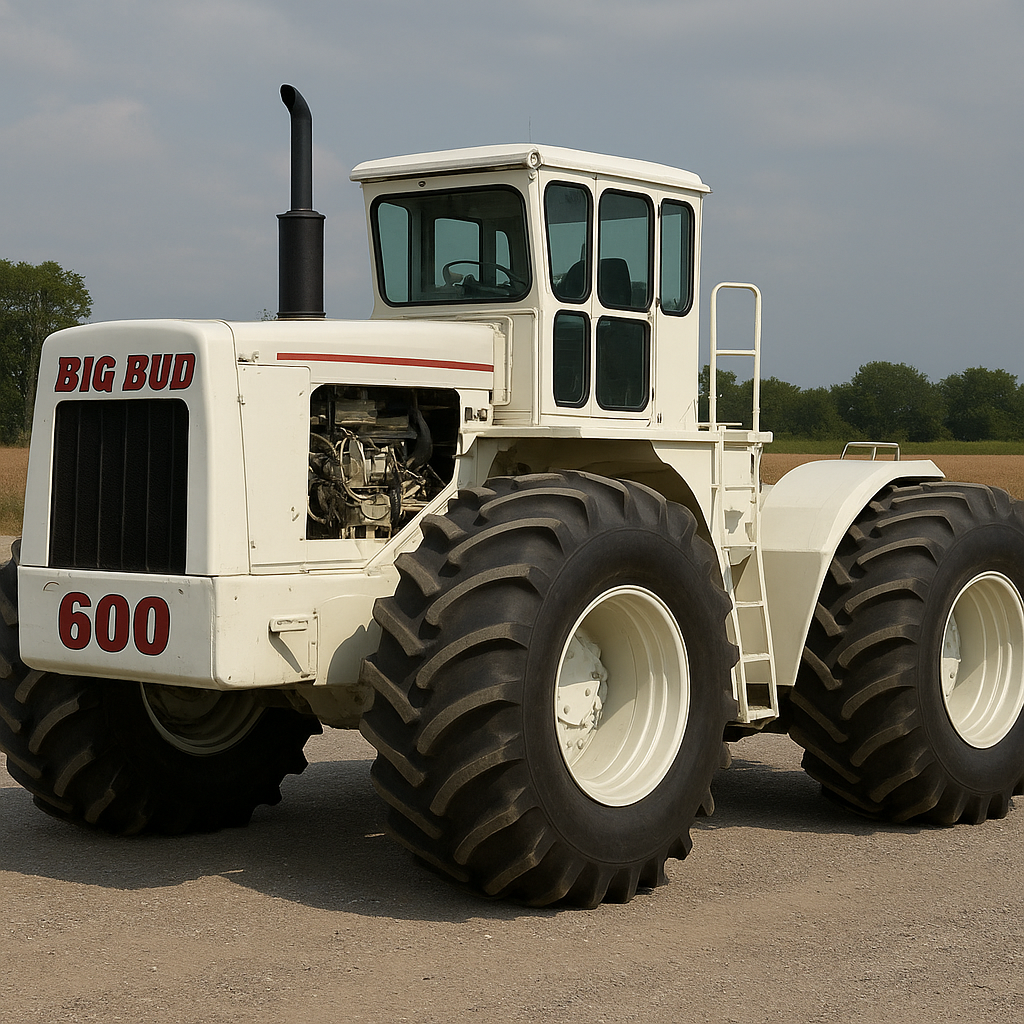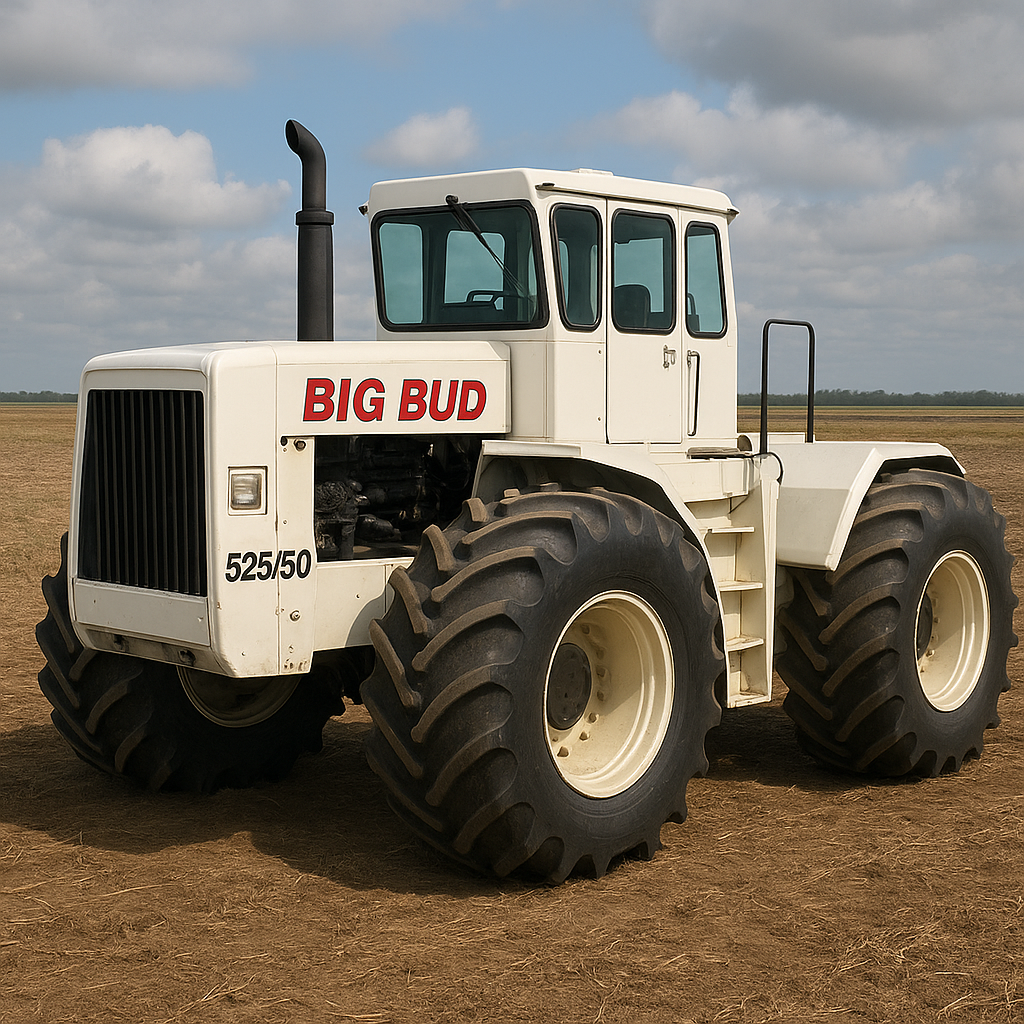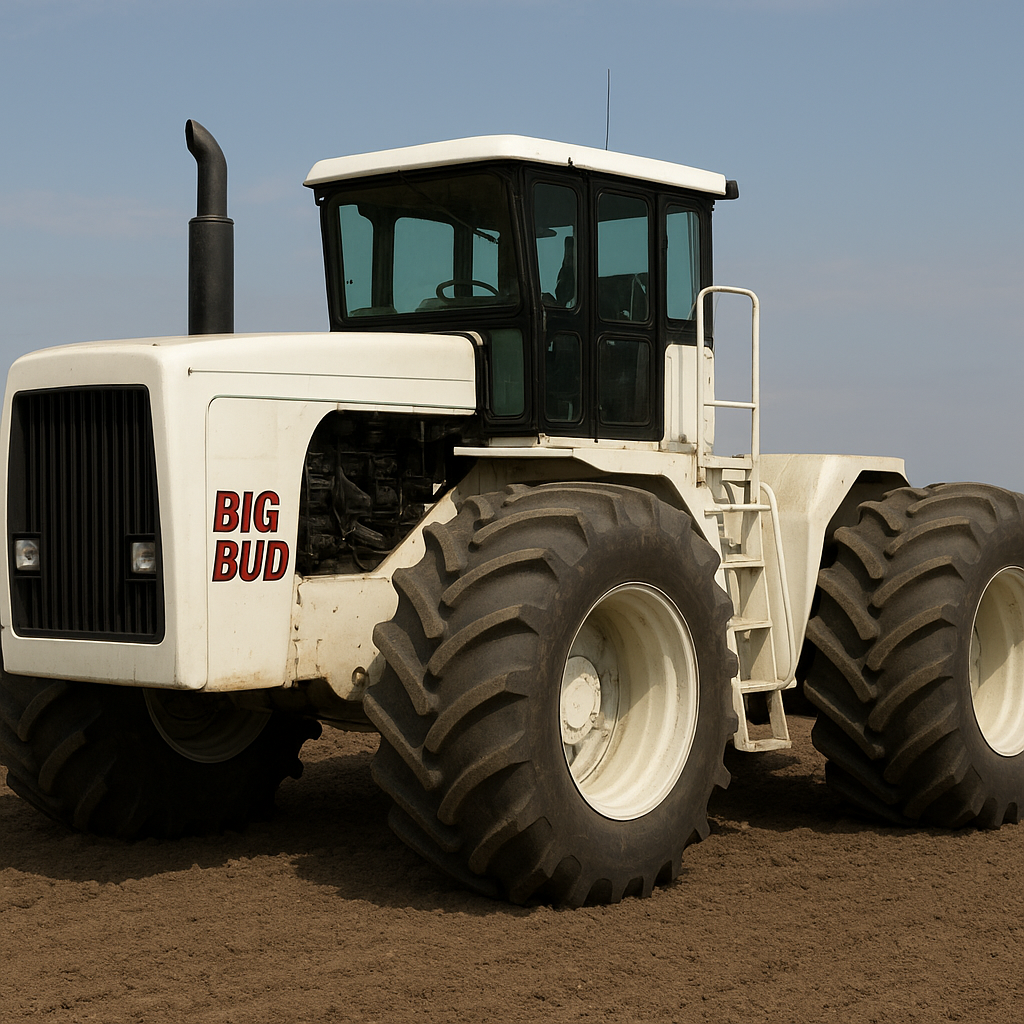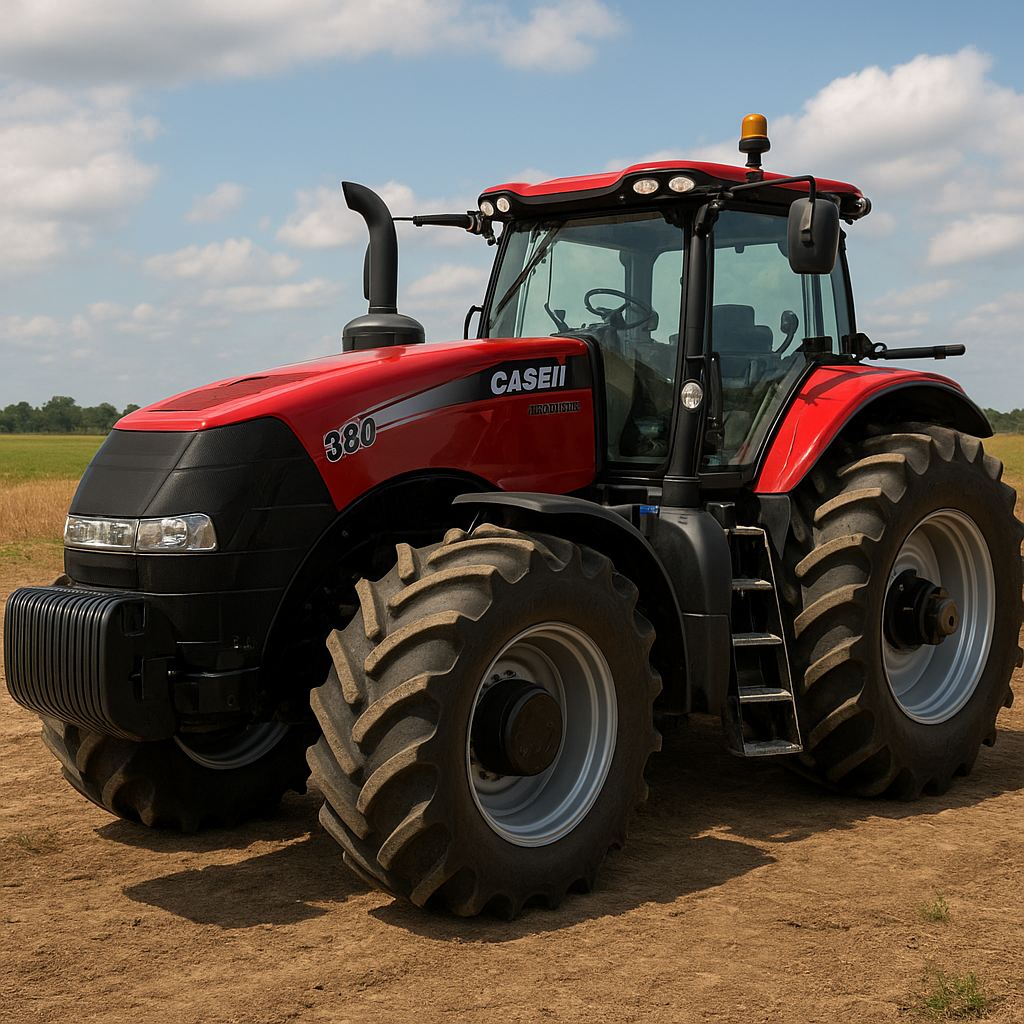
The Case IH Magnum 360 is a heavy-duty agricultural tractor designed to meet the demands of large-scale farming, contracting, and mixed agricultural operations. Known for its combination of robust power, advanced hydraulics, and comfortable operator environment, the Magnum 360 sits in the upper range of the Magnum family and is often chosen for high-productivity tasks such as intensive tillage, large-planter operations, and heavy transport. This article examines the Magnum 360’s design, typical specifications, applications, on-farm performance considerations, and practical guidance for prospective buyers and operators.
Design and engine characteristics
The Magnum 360 is built around a strong chassis and purpose-designed drivetrain to deliver sustained performance under heavy loads. While exact specifications can vary by year and market configuration, tractors in this class are characterized by several common design priorities: reliable engine output, efficient transmission choices, and heavy-duty final drives.
- Engine and emissions: Depending on model year, the Magnum 360 is typically offered with a mid-to-large displacement diesel engine producing power in the upper hundreds of horsepower range. Modern versions often meet contemporary emissions standards through selective catalytic reduction (SCR) and diesel particulate filter (DPF) systems. This combination balances raw torque with regulated fuel efficiency and emissions control.
- Transmission options: Case IH frequently equips Magnum-class tractors with multiple transmission options including powershift/fully synchronized transmissions, continuos variable transmission (CVT) variants or advanced semi-powershift systems (AutoShift/CMATIC/IVT depending on generation). These options allow operators to match the tractor’s behavior to field tasks: from steady low-speed power for tillage to efficient high-speed road travel for transport.
- PTO and hydraulics: A high-capacity PTO (commonly both 540/1000 rpm settings) and large-flow hydraulic systems enable the tractor to power large implements and maintain hydraulic responsiveness under load. Hydraulic flow rates typically support multi-function implements like planters, front loaders, and heavy seeders.
- Weight and balance: The Magnum 360 is designed with a substantial base weight and ballast options to ensure traction and stability for deep tillage and heavy draft implements. This makes it suitable for high-horsepower ground-engaging tasks while maintaining traction management systems to minimize slip and soil compaction.
Applications and typical use cases
The versatility of the Magnum 360 makes it suitable for a wide range of agricultural and contracting tasks. It is most often seen on medium-to-large farms and in contractor fleets where its combination of power and durability can be fully utilized.
- Tillage: Deep plowing, subsoiling, and heavy cultivations benefit from the sustained torque and traction the Magnum 360 delivers. Paired with wide multi-furrow plows or heavy cultivators, this tractor can cover ground efficiently and maintain consistent depth under variable soil conditions.
- Seeding and planting: When pulling large planters or air drills, the tractor’s PTO and hydraulic capabilities allow precise control of implement systems, seed metering, and start/stop functions, which is crucial for large-acreage planting windows.
- Transport: With a suitable gearing and transmission, the Magnum 360 is capable of road speeds that enable time-efficient transport between fields and yard operations, reducing idle cycles and increasing productivity.
- Forage and hay operations: The tractor’s PTO power is often used with large mowers, rakes, balers, and forage harvesters. High hydraulic flow supports header and pickup controls on large forage implements.
- Loader and utility work: While not primarily a loader tractor, the Magnum 360 can be equipped with heavy-duty front loaders for material handling, pallet work, and barn tasks when required.
Cab, comfort and operator-focused technology
For operators spending long hours in the field, the Magnum series emphasizes a high-comfort cab and intuitive controls. The Magnum 360 typically features a climate-controlled cab with excellent visibility, ergonomic seat and control placement, and low noise levels—factors that reduce operator fatigue and improve precision work over long shifts.
- Ergonomics: Adjustable seating, well-placed multi-function levers or joysticks, and clearly laid-out instrument panels allow operators to control multiple tractor and implement functions without unnecessary movement.
- Precision farming and telematics: Many Magnum 360 units can be equipped with Case IH’s AFS (Advanced Farming Systems) technology, enabling GPS guidance, automated steering, field documentation, and machine monitoring. Telematics platforms permit remote diagnostics, usage logging, and service scheduling to optimize uptime.
- Visibility and lighting: High-mounted lighting packages and panoramic glass in the cab support safe operation during early-morning and late-evening work, plus improved sight lines to front-mounted implements.
Performance data and typical statistics
Specific numbers vary across production years and market configurations, but the Magnum 360 sits among high-power agricultural tractors. The following figures represent typical values for tractors in this class and are indicative rather than definitive for every unit:
- Rated engine power: Often in the neighborhood of 300–360 horsepower (approx. 220–268 kW), depending on settings and whether boost or PTO-rated numbers are cited.
- PTO horsepower: PTO output typically falls slightly below peak engine ratings (varies with transmission and PTO type). Expect robust PTO capacity to power large implements.
- Hydraulic flow: Main hydraulic pumps commonly supply between 120 and 200+ liters per minute in high-flow configurations, supporting multiple hydraulic circuits and high-demand implements.
- Fuel capacity: Fuel tanks for tractors of this class frequently range from roughly 500 to 800 liters, allowing extended field work between refueling stops, especially valuable during busy seasons.
- Operating weight: Operating or gross weights for heavy tractors in this category are often in the range of 9,000–14,000 kg depending on ballast, tires, and optional equipment. Proper ballast is crucial for transferring power to the ground without excessive wheel slip.
- Top road speed: With appropriate gearing, these tractors can achieve road speeds anywhere from 40 to 60 km/h (25–37 mph) in certain markets where high-speed options are permitted.
Note: For exact specifications, including engine model numbers, emission controls, or specific hydraulic flow figures for a given production year or custom configuration, consult the operator’s manual or the manufacturer’s data sheet for that unit.
Durability, maintenance and lifecycle considerations
High-horsepower tractors like the Magnum 360 are engineered for long working seasons and high operating hours. Yet longevity and uptime depend heavily on proper maintenance and attention to service intervals.
- Preventive maintenance: Regular oil and filter changes, fuel system service, hydraulic fluid checks, and air filter replacement are foundational. Typical service intervals for heavy-use tractors may range from 200 to 500 operating hours for certain fluids and components, but follow the printed schedule for the exact model.
- Cooling and DPF care: Modern engines with after-treatment systems require attention to cooling systems and DPF regeneration cycles. Ensuring proper engine operating temperature and periodically inspecting exhaust after-treatment hardware reduces downtime and service costs.
- Tire and ballast management: Keeping correct tire pressure and ballast distribution improves traction and minimizes wear on driveline components. Over-ballasting raises fuel consumption; under-ballasting increases slip and implement inefficiency.
- Telematics and predictive maintenance: When equipped with telematics, the tractor can report anomalies before they become failures. Remote fault codes and parameter logging help dealerships and fleet managers schedule proactive service.
Attachments, implement compatibility and versatility
The Magnum 360’s capability is multiplied by the wide range of implements available. Its robust PTO, three-point hitch, and hydraulic systems make it compatible with large agricultural tools and specialty equipment.
- Large plows, cultivators and discs for primary and secondary tillage
- High-capacity seeders and planters (including air-seeder setups)
- Big square or round balers, mowers and forage harvesters
- Trailers and tanking systems for bulk transport
- Front loaders (for heavy material handling) and specialized attachments like pallet forks and buckets
- Precision agriculture sensors, fertilizer applicators, and sprayer booms
Compatibility often depends on hydraulic couplings, electrical control interfaces and electronic communications between tractor and implement. Contemporary Magnum tractors are typically designed with implement interfacing in mind, including CAN-bus communication and implement-ready hydraulic circuits.
Fuel economy and operational costs
Operating costs for a high-horsepower tractor reflect fuel consumption, maintenance, depreciation, and the cost of consumables like tires and filters. Fuel economy varies by workload, terrain, and operator technique, but effective strategies to reduce cost per hectare include:
- Using precision farming tools to avoid overlap and unnecessary passes
- Selecting the optimal gearing and engine RPM for the task rather than running at high revs continuously
- Properly matching implement size to tractor horsepower to avoid running underloaded or overloaded
- Scheduling preventive maintenance to avoid efficiency losses due to clogged filters or suboptimal engine performance
Operators who leverage guidance systems and automated rate control typically see a reduction in input waste and improved fuel economy across large acreage operations.
Comparison to other tractors and market position
Within the Case IH lineup, the Magnum 360 is positioned as a high-capacity workhorse, above mid-range tractors and below the ultra-high-horsepower flagship models. Compared to similarly rated models from competitors, it typically competes on the basis of operator comfort, integrated precision agriculture systems, and dealer service networks.
- Strengths: strong power delivery, advanced operator environment, factory-ready precision farming integration, and a reputation for heavy-duty reliability when maintained properly.
- Considerations: Higher acquisition and operating costs than mid-range tractors; buyers should ensure they have enough annual hours and appropriately sized implements to justify the investment.
Practical advice for buyers and fleet managers
If you are considering acquiring a Magnum 360—new or used—here are practical considerations to ensure the tractor is a good match for your operation:
- Match horsepower to implements: Confirm that your implements require the tractor’s power band. Oversized tractors for small implements reduce efficiency and increase costs; undersized tractors will struggle.
- Check service history: For used machinery, detailed service records, evidence of routine maintenance, and any telematics logs can indicate how the tractor was operated and cared for.
- Inspect after-treatment systems: If the tractor has SCR or DPF systems, verify their condition and whether regenerations and DPF cleanings have been done per schedule.
- Test hydraulics and PTO: Under field-simulated loads, confirm the hydraulic responsiveness and PTO stability—especially important for large planters, balers, and power-hungry implements.
- Consider resale and parts support: The Magnum is a common platform in many regions; check local parts availability and dealer network strength to avoid long downtimes.
Environmental and regulatory aspects
As emissions regulations have tightened, modern tractors in the Magnum class use after-treatment technologies such as SCR and DPF to comply with Tier 4 or Stage V standards in many markets. These systems deliver lower NOx and particulate emissions but require attention to urea (AdBlue) levels, DPF maintenance cycles, and proper engine operation to avoid regeneration issues. For fleets operating across borders, be aware of differing regional emission rules and how they affect equipment compliance.
Conclusion
The Case IH Magnum 360 is a purpose-built high-capacity tractor aimed at operations that demand sustained power, advanced hydraulic capability, and operator comfort for long working days. Its typical strengths include robust engine performance, flexible transmission choices, integrated precision agriculture systems, and the ability to handle the largest farm implements used in arable and forage production. When considering a Magnum 360, weigh the acquisition and operating costs against your available workload, maintenance capacity, and implement fleet to ensure you realize the maximum productivity and return on investment.