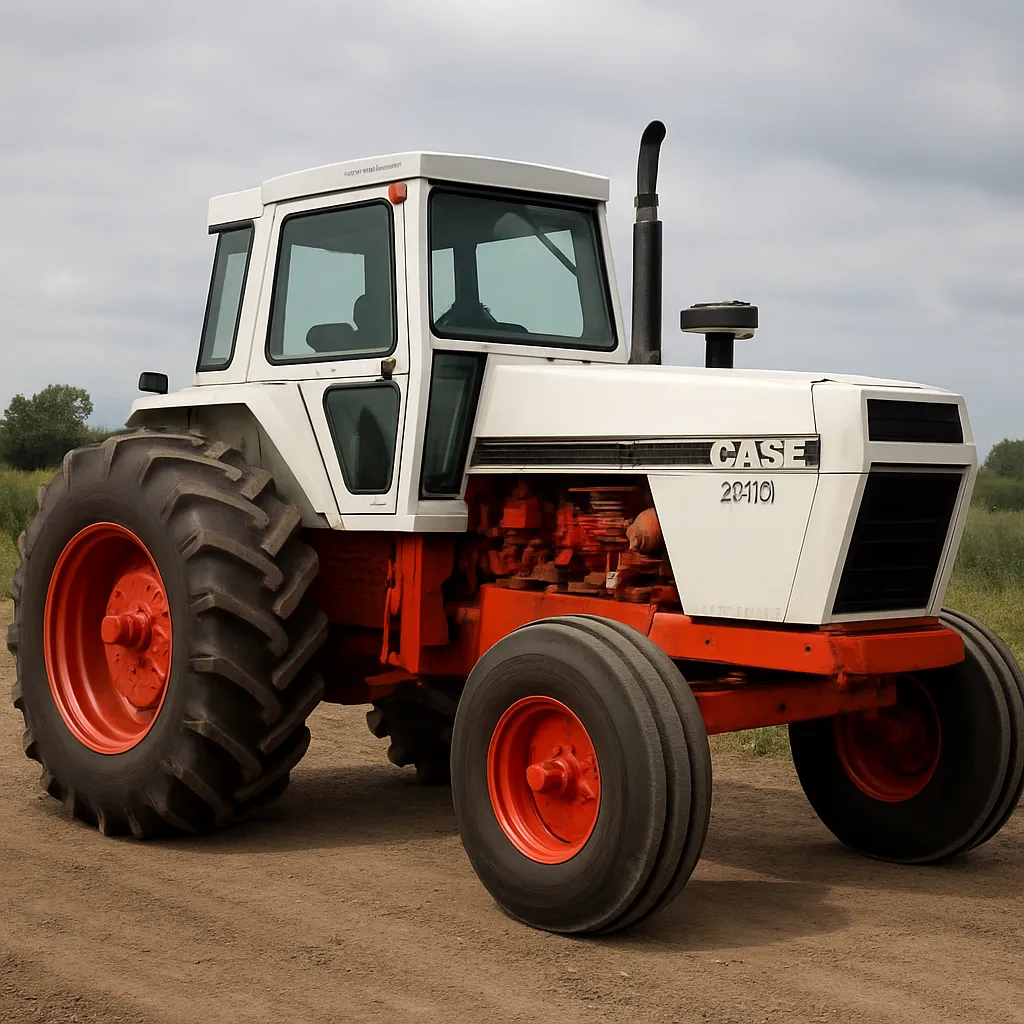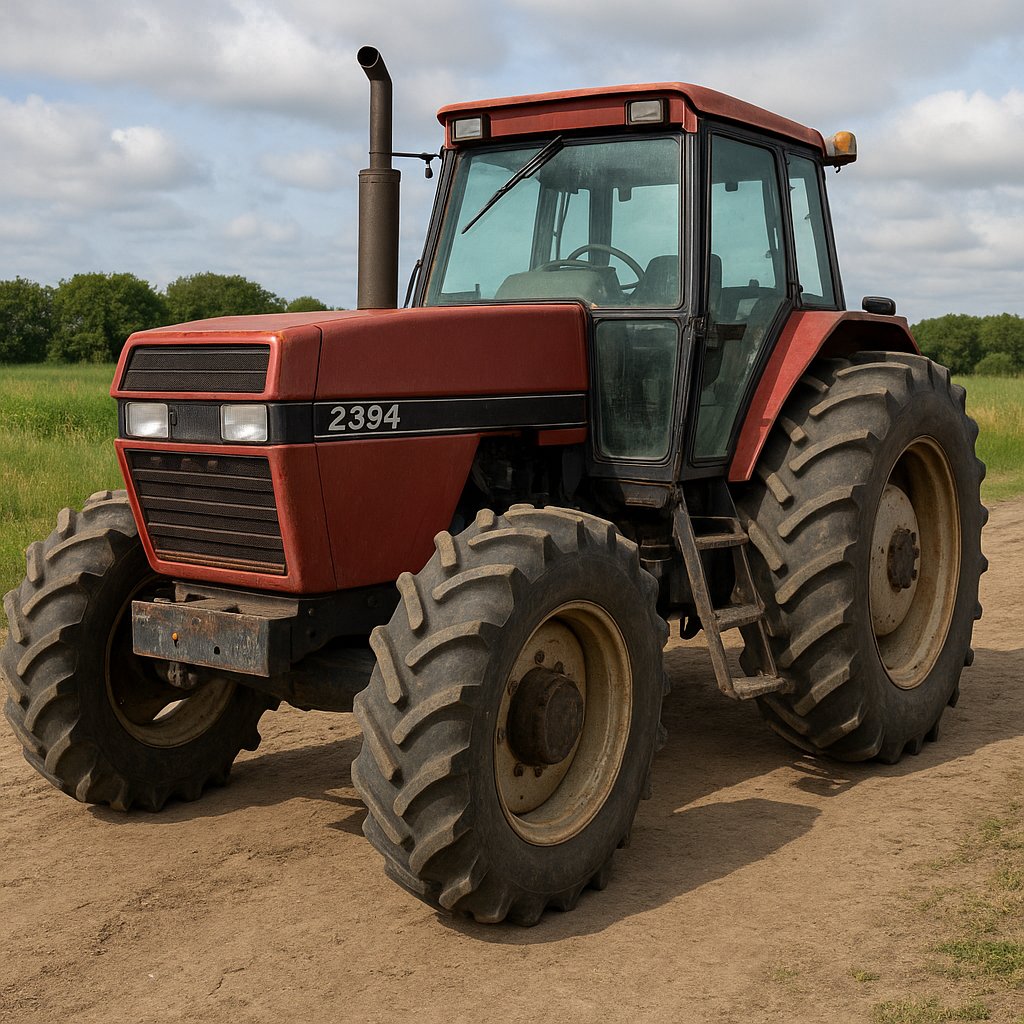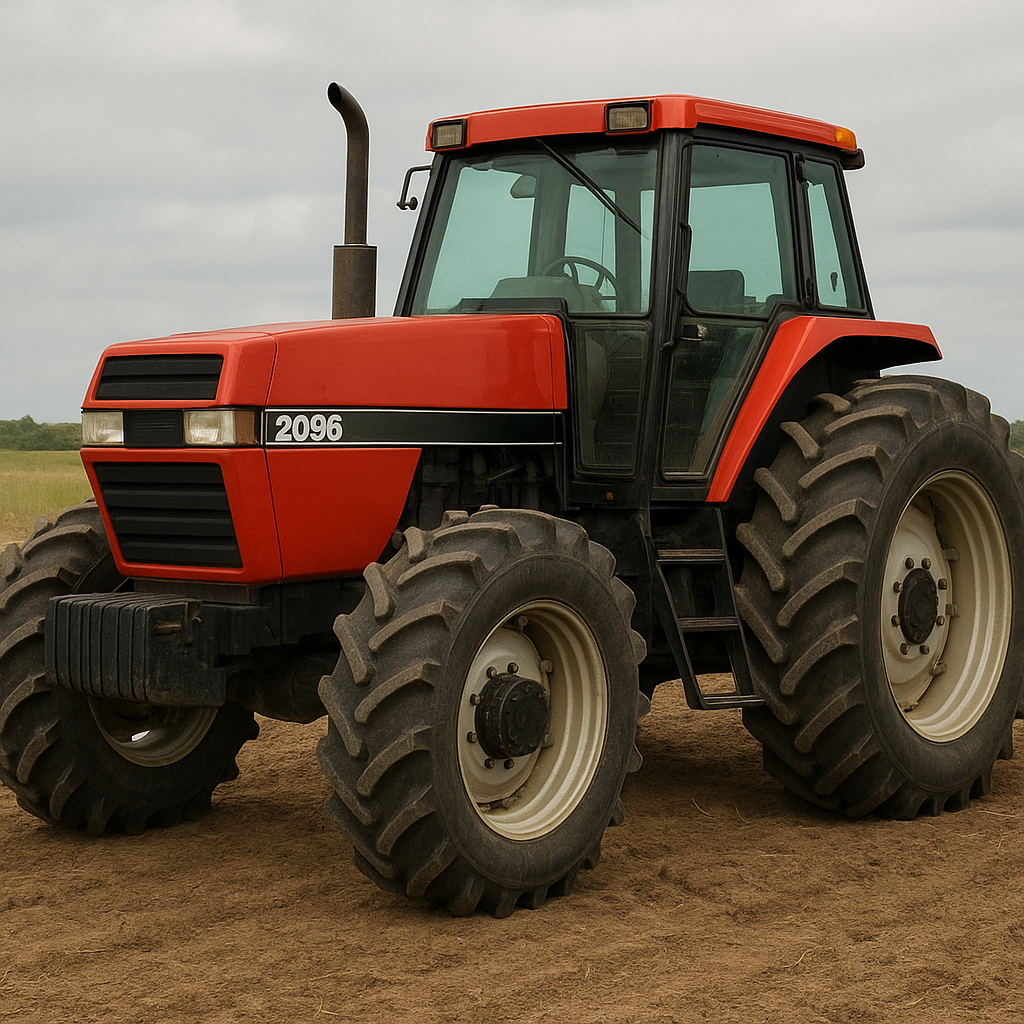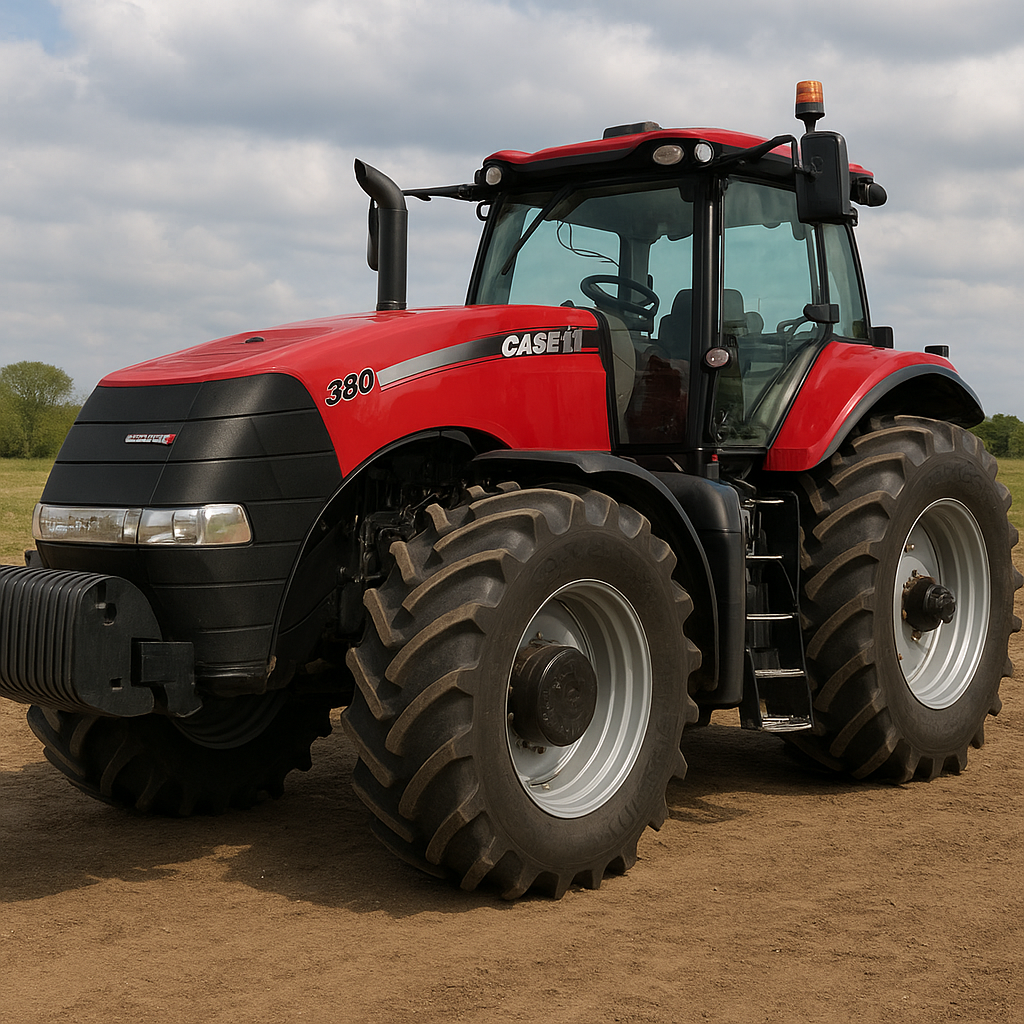
The Case IH Magnum 380 is a high-horsepower agricultural tractor designed for demanding fieldwork on large farms, contractors, and machinery fleets. Combining robust mechanical components with operator-focused features, this model is built to handle heavy tillage, large seeding and planting operations, hay and forage work, as well as heavy transport tasks. Below you will find a detailed overview of the Magnum 380’s characteristics, typical applications, technological features, maintenance considerations, and guidance for prospective buyers and fleet managers.
Overview and positioning
The Case IH Magnum 380 sits in the upper range of the Magnum family, a line that has historically targeted the market for high-capacity, versatile tractors. With a focus on delivering sustained field performance, the Magnum 380 is commonly valued for its power, durability, and ability to interface with a wide variety of implements. Farmers and contractors who operate large-acreage crops such as corn, wheat, soy, and cotton often select tractors of this class to maintain productivity during peak seasons.
Key design priorities for the Magnum series and, by extension, the Magnum 380 include efficient hydraulic systems, reliable drivetrains, comfortable operator environments for long shifts, and adaptability for both mounted and trailed implements. The Magnum 380 is typically used where a balance of raw pulling capability and on-road transport speed is required, making it suitable for mixed tasks that include heavy tillage, bedding, manure application, heavy seeding rigs, and large sprayer or spreader towing.
Technical specifications and performance (typical values)
Exact factory specifications can vary by year, market, and optional equipment. Below are commonly reported or typical values for a tractor in this horsepower class, to give a realistic sense of expected capabilities and dimensions.
Engine and power delivery
- Approximate rated engine output: 380 horsepower (about 283 kW) at rated RPM. This rating places the tractor squarely in the high-horsepower category for heavy-field applications.
- Engine type: turbocharged, intercooled diesel engine built to deliver strong low-end torque for draft work and steady PTO speeds for implements.
- PTO configurations: commonly fitted with rear PTO with selection for 540/1000 rpm to accommodate a broad spectrum of implements.
Drivetrain and transmission
- Transmission options: many Magnum 380 tractors are available with stepped powershift transmissions or continuously variable (CVT-type) options in some markets. These transmissions aim to provide smooth speed changes and efficient power transfer under load.
- Ground speed: top road speeds typically reach up to 40 km/h (about 25 mph) depending on gearing and legal restrictions in specific regions.
- Four-wheel drive and differential lock systems are standard for maximizing traction in field conditions.
Hydraulics and hitch capacity
- Hydraulic capacity: tractors in this class usually provide high-flow hydraulic systems to operate modern implements—typical flow rates fall in the higher end (often exceeding 150 L/min depending on pump configuration).
- Three-point hitch lift capacity: robust rear hitch capacity designed for heavy mounted equipment and large seeders/planters.
- Multiple remote hydraulic couplers are commonly provided to control hydraulically-driven implements and simultaneously run front loaders, steering, or auto-level systems.
Physical dimensions and mass (typical)
- Operating weight: often ranges from approximately 9,000 to 12,000 kg depending on configuration, ballast, and attachments.
- Fuel capacity: sizable tanks to support long field days; capacity often runs several hundred liters, with many configurations allowing for extended range between refills.
Applications and daily use cases
The Magnum 380 is engineered for large-scale farming operations and contractors who require a tractor that can take on long hours and heavy implements. Typical applications include:
- Heavy primary tillage: pulling large plows and cultivators that require steady, high-draft power to work deep or dense soils.
- Seeding and planting: operating large seed drills and planters where consistent traction and hitch control are required for precise depth and spacing.
- Hay and forage operations: running large balers, mower-conditioners, and high-capacity wrappers where both PTO power and hydraulic flow are important.
- Manure spreading and slurry application: towing heavy tankers and using pump systems that demand stable power delivery and hydraulic capacity.
- Transport duties: moving loaded trailers and implements between fields and storage areas at efficient road speeds.
- Specialized roles: such as chisel plowing, subsoiling, and equipment that require high torque at low engine speeds.
Cabin, ergonomics, and operator experience
Long hours in the field make operator comfort and intuitive controls critical. The Magnum 380 typically includes a spacious cab designed to reduce operator fatigue, featuring advanced suspension seats, clear visibility, and climate control systems. Controls are often grouped ergonomically for easy reach, and many models offer integrated information displays that provide telemetry on fuel use, engine parameters, ground speed, and implement status.
Modern versions or retrofitted units may include GPS guidance compatibility, auto-steer functionality, and ISOBUS support for plug-and-play implement control, increasing productivity and reducing overlap in the field. The combination of comfortable seating, low noise levels, and automated systems contributes to higher operational efficiency and better quality of work.
Technology and precision agriculture
Precision farming systems are increasingly standard in high-end tractors. The Magnum 380 can be equipped or retrofitted with technologies that improve yield and reduce input costs:
- GPS guidance and auto-steer systems for accurate passes and reduced overlap.
- Variable-rate application control for fertilizers and pesticides, reducing input waste and improving environmental outcomes.
- Telematics and fleet management tools to monitor hours, fuel consumption, location, and maintenance needs remotely.
- ISOBUS compatibility for easier implement-traktor communication and streamlined operator interfaces.
Maintenance, uptime, and lifecycle considerations
To preserve high availability and prolong service life, owners should follow a disciplined maintenance program. High-horsepower tractors like the Magnum 380 are reliable when properly maintained, but their complexity and the scale of work they perform make preventive care essential.
- Routine checks: daily inspections of fluid levels (engine oil, transmission oil, coolant, hydraulic fluid), tire pressures, and general visual checks for leaks or damage.
- Scheduled services: oil and filter changes, hydraulic filter replacements, and transmission servicing at manufacturer-recommended intervals to protect major components.
- Cooling system management: keep radiators and air intakes clean to prevent overheating under heavy loads or in dusty conditions.
- Fuel system care: use quality diesel and regular fuel filter changes to protect injectors and turbochargers.
- Software updates and calibration: when equipped with electronic controls and precision systems, periodic software updates and sensor calibrations ensure optimal performance.
With adherence to maintenance schedules and prompt attention to repairs, a Magnum 380 can serve as a long-lived asset in a large farm or contracting fleet. Total cost of ownership is influenced heavily by fuel consumption patterns, implement matching, and service availability.
Fuel use and efficiency
Fuel consumption depends strongly on workload, field conditions, and operator behavior. In heavy draft work, fuel burn increases proportionally with load; on transport or light-duty tasks it falls significantly. Typical high-horsepower tractors often show fuel-use rates in the range of several dozen liters per hour under heavy draft, while lighter tasks may reduce consumption substantially. Effective strategies to improve fuel efficiency include:
- Matching implement size to tractor capacity to avoid over- or under-loading.
- Using appropriate transmission ranges and engine speeds for the task to maintain efficient torque delivery.
- Maintaining clean air and fuel systems to keep combustion optimal.
Economic and resale considerations
The Magnum 380 represents significant capital investment. When evaluating purchase or fleet expansion decisions, consider the following economic factors:
- Initial purchase or lease cost vs. expected productivity gains—larger tractors reduce the need for multiple passes and can lower the per-hectare cost when well-matched to operations.
- Depreciation and resale value—high-demand, well-maintained tractors from reputable brands tend to retain value reasonably well.
- Maintenance and fuel costs—these are recurring expenses that should be estimated based on typical annual use hours.
- Availability of local dealer support and parts—access to service can reduce downtime and long-term costs.
Comparisons and fleet role
In a mixed fleet, a Magnum 380 often sits alongside slightly smaller tractors used for more frequent, lighter tasks and larger specialized machines used for ultra-heavy drafting. Its role is that of a workhorse capable of handling the bulk of high-impact field operations. When comparing to alternatives, consider:
- Whether a smaller tractor combined with multiple implements could achieve the same field throughput at lower running costs.
- Whether the added upfront cost is justified by reduced pass numbers, faster operations, or greater ability to handle extreme conditions.
- How resale values and maintenance agreements compare between manufacturers and local dealers.
Safety and regulatory considerations
Operators should be trained in safe operation, including the use of roll-over protection systems (ROPS), correct hitching techniques, PTO guarding, and adherence to regional transport regulations for wide loads and road speeds. Emissions regulations in some regions may affect resale or retrofit requirements; modern engines and emission control systems help ensure compliance but may require periodic maintenance or software updates to remain within legal limits.
Final remarks for buyers and operators
When considering a Case IH Magnum 380—new or pre-owned—evaluate machine history, service records, and implement compatibility. A thorough inspection should assess engine health, transmission condition, hydraulic performance, cab electronics, and overall structural soundness. For fleet managers, tracking operating hours, common failure points, and seasonality will inform optimal replacement or upgrade timing.
The Magnum 380 appeals to users who need a combination of sustained power, dependable engine performance, strong PTO capability, and high-flow hydraulics for modern implements. Longevity is closely tied to routine maintenance and proper matching of tasks to the machine’s capabilities. For large-scale producers and contractors, this tractor can become a backbone asset when supported by trained operators and a consistent service regime.
Key highlighted concepts
- Reliability
- Fuel
- Efficiency
- Versatility
- Operator
- Transmission