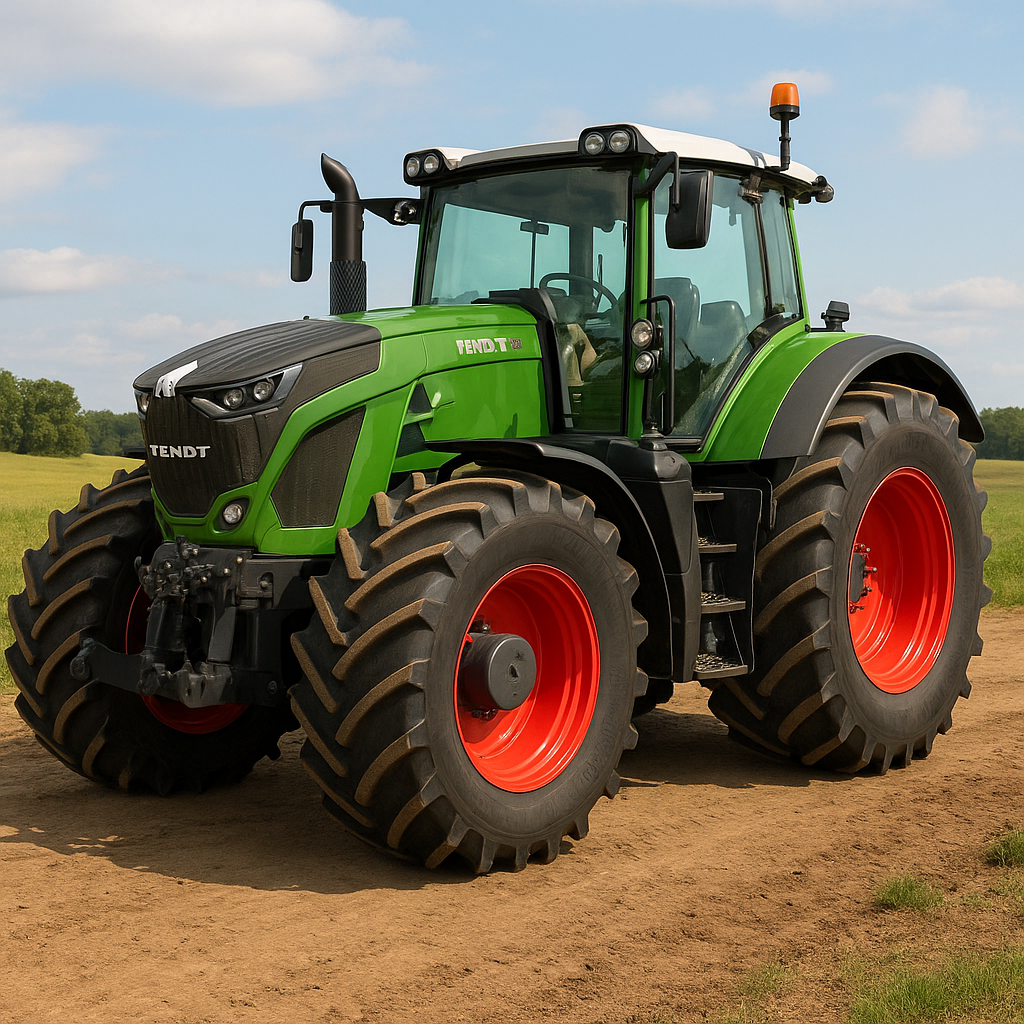
The Fendt 1015 Vario represents a member of the Fendt Vario family designed to deliver a combination of versatility, modern technology and operator comfort for demanding agricultural tasks. This article explores the tractor’s intended uses, technical concepts that make the Vario line distinctive, practical applications, maintenance and service considerations, and market context. Where possible the discussion highlights typical performance characteristics and useful statistics; specific figures may vary by year, configuration and optional equipment. The aim is to provide a comprehensive, practical overview for farmers, contractors, fleet managers and enthusiasts considering the Fendt 1015 Vario.
Design Philosophy and Key Technologies
Fendt has built a reputation around engineered solutions that prioritize efficiency, ease of use and long-term value. The Fendt 1015 Vario continues that tradition by integrating a number of technologies and design choices intended to optimize field performance, road transport and operator experience.
- Vario Continuously Variable Transmission (CVT): The hallmark of the Vario family is the stepless drive concept that eliminates traditional gear steps, providing smooth acceleration, precise speed control and improved fuel efficiency across a wide range of tasks.
- Engine Management and emissions compliance: Modern Fendt models use engines tuned to meet current emissions regulations while maintaining responsive torque delivery, particularly at lower engine speeds—important for PTO and load-sensing hydraulic applications.
- Hydraulics and implement control: Robust hydraulic systems with configurable flow rates and responsive controls allow efficient use of mounted and trailed implements, including fertilizer spreaders, seeders, mowers and heavy cultivators.
- Operator Environment: A focus on ergonomics, visibility and user interface reduces fatigue and increases productivity during long workdays. Integrated displays and intuitive controls simplify complex tasks.
- Connectivity and precision farming features: ISOBUS compatibility, GPS guidance support and data management tools enable precision farming workflows and integration into fleet management systems.
Transmission and Drivetrain
The Vario stepless transmission is central to the model’s performance. Instead of shifting gears, the system continuously adjusts the ratio to maintain optimal engine load and vehicle speed. Benefits include:
- Smoother acceleration and deceleration without torque interruption
- Ability to maintain consistent ground speed for seeding, spraying or harvesting tasks
- Improved fuel economy under variable loads because the engine can be kept at an efficient operating point
Four-wheel drive and differential lock systems provide traction in wet or uneven conditions. Robust driveline components enable heavy front or rear implement usage and frequent road travel with high transport loads.
Applications and Practical Uses
The Fendt 1015 Vario is designed to be a versatile workhorse in modern farming operations. It is suitable for a wide variety of tasks across crop, livestock and mixed farms, as well as contracting work.
- Arable Farming — seedbed preparation, primary and secondary tillage, planting and precision seeding thanks to precise speed control and powerful hydraulics.
- Crop Protection and Spraying — stable ground speed and smooth operation ensure even application rates and reduced overlap, particularly when combined with guidance systems.
- Harvest Support — towing trailers, operating chaser bins and powering harvest-support implements via PTO for combines and forage harvesters.
- Forage and Haymaking — mowing, raking, tedding and baling applications benefit from responsive PTO control and hydraulic capacity for pick-up headers and loaders.
- Livestock Operations — feed mixing, manure spreading and bedding tasks use compactness, maneuverability and hydraulic power.
- Transport and Road Work — comfortable cab and high transport speeds (depending on configuration) make the tractor suitable for long-distance trailer hauling and road services.
- Contracting — reliability, serviceability and broad implement compatibility are important for contractors who require day-to-day uptime and multi-farm flexibility.
Implement Compatibility and Flexibility
Compatibility with a wide range of implements is critical. The Fendt 1015 Vario typically supports:
- Rear and front three-point hitches (with variable lift capacities)
- Front and rear PTO shafts with selectable speeds
- External hydraulic couplings and high-flow options for power-hungry implements
- ISOBUS compatibility and electronic control for implement automation
This flexibility allows a single tractor to perform diverse roles across seasons, which is a key economic advantage for many operations.
Operator Comfort, Controls and Precision Farming
Fendt places significant emphasis on the operator environment because increased comfort and better controls generally translate into higher productivity and lower operator fatigue over long working hours.
- Cab Comfort — spacious, well-insulated cabs with adjustable seating, climate control and low noise levels create a productive workspace.
- Ergonomic Controls — logically arranged levers, armrests and multifunction joysticks place frequent controls within easy reach, shortening reaction times for implement operations.
- Display and Telemetry — multi-function displays present engine, transmission, implement and guidance information. Many Fendt models integrate telematics for remote diagnostics and fleet monitoring.
- Precision Farming — support for RTK-level GPS guidance, section control, variable rate application and data logging enhances input efficiency and reduces overlap and waste.
Technology Integration and Software
Modern tractors are as much about software as hardware. Features you can expect include:
- ISOBUS compatibility for plug-and-play implement control
- Guidance and autosteer systems to reduce overlap and operator fatigue
- Task management and data export for farm management systems
- Remote diagnostics and software updates that minimize downtime and keep systems current
Performance, Fuel Efficiency and Typical Specifications
Exact specifications for the Fendt 1015 Vario depend on the production year, configuration and market. Below are typical performance attributes and general ranges commonly associated with compact to medium-power Vario models. These are representative and should be verified for a specific machine:
- Engine: 4- to 6-cylinder diesel engines with electronic management, tuned for high torque at low rpm to support PTO and hydraulic functions.
- Power: Models in the lower-numbered Vario range often produce between 100 and 200 rated engine horsepower, though exact figures for the 1015 badge vary by generation.
- PTO: Multiple PTO speed options (e.g., economy and full-speed settings) with electronic engagement for smooth implement starts.
- Hydraulic Flow: Load-sensing hydraulics with standard flow rates adequate for most mounted implements; high-flow options available for hydraulically demanding tools.
- Fuel Tank: Sufficient capacity for multi-shift operations with options for extended-range tanks.
- Weight: Curb weight suitable for traction and implement stability while remaining within transport limits for roads and bridges. Ballast and tire options allow weight distribution tuning.
- Speed: Transport speeds up to the legal limits in many markets (often 40–50 km/h with appropriate tires and gearing options).
Because Fendt often offers tailored packages, a fleet manager should check the specific build sheet for items such as cab options, front axle/suspension packages, additional hydraulic pumps and PTO configurations.
Maintenance, Reliability and Total Cost of Ownership
When evaluating tractors, total cost of ownership (TCO) often matters more than purchase price. Fendt tractors are positioned as premium machines with an emphasis on durability, fuel efficiency and residual value—factors that can reduce TCO.
- Scheduled Maintenance — modern engines and emissions systems require regular service of filters, fluids and sensors. Fendt provides maintenance intervals and service plans designed to minimize downtime.
- Parts Availability — availability of genuine parts and a strong dealer network affects repair times. Fendt’s dealer network in many markets supports diagnostics, parts and warranty service.
- Diagnostic Systems — on-board telematics and diagnostic tools can pre-empt failures and speed repair through targeted troubleshooting.
- Longevity — robust components (axles, transmissions and hydraulics) are designed for heavy-duty use, but longevity depends on operator practices and maintenance discipline.
Service Contracts and Resale Value
Many operators choose service contracts that bundle scheduled maintenance and predefined support levels. These contracts can preserve warranty status and simplify budgeting. Fendt tractors historically retain good resale value compared to lower-tier brands, in part due to strong build quality and brand recognition.
Safety, Regulations and Environmental Considerations
Modern tractors must comply with occupational safety and emissions regulations while addressing the farm sector’s environmental concerns. The Fendt 1015 Vario aligns with these expectations through a combination of engineering and optional features.
- Emissions — engines are calibrated to meet applicable emissions standards, often complemented by exhaust aftertreatment systems. Efficient fuel use reduces CO2 emissions per hectare worked.
- Operator Safety — rollover protection, visibility enhancements and seatbelt systems are standard. Additional features such as cameras, LED lighting and proximity sensors improve safety during field and road operations.
- Soil Protection — options for wide, low-pressure tires and tire pressure regulation systems reduce compaction, a key sustainability concern for soil health.
Market Position, Use Cases and Comparative Strengths
Fendt positions its Vario tractors as premium, technology-rich machines aimed at professional farmers and contractors who require consistent uptime, high productivity and integrated precision farming capabilities. Typical use cases include:
- Large family farms with diverse cropping systems requiring a single multi-purpose tractor
- Specialized contractors who need reliable, high-hour machines with fast service support
- Operations prioritizing precision farming and data-driven input optimization
Comparative strengths of Fendt Vario tractors include transmission smoothness and efficiency, high-quality build and ergonomics, advanced control systems and generally strong dealer networks in many agricultural markets. These attributes often outweigh higher initial acquisition costs for buyers focused on long-term productivity gains.
Typical Buyers and Adoption Patterns
Buyers usually fall into these categories:
- Progressive arable farms investing in precision and high-productivity machinery
- Dairy and livestock farms that need multi-purpose tractors for feeding, bedding and fieldwork
- Contractors looking for robust machines for daily, high-hour usage across customers
Examples of Field Use and Productivity Gains
Several operational advantages commonly reported by users of Vario-equipped tractors include:
- Reduced fuel consumption due to optimized engine loading and elimination of inefficient gear changes
- Improved application uniformity in spraying and seeding because of constant ground speed
- Lower operator fatigue due to smoother driving dynamics and ergonomic cabs
- Time savings from integrated guidance and implement automation
These gains compound over seasons and across hectares, contributing to measurable improvements in input efficiency and labor productivity—especially in larger-scale operations.
Purchasing Considerations and Customization
If you are evaluating a Fendt 1015 Vario for purchase, consider these steps:
- Define primary use cases and required implement compatibility (PTO, hydraulics, weight and hitch capacity)
- Decide on precision farming and connectivity requirements (RTK, ISOBUS, telematics)
- Assess transport needs (desired road speed, lighting and hitch options)
- Compare service contract options and local dealer support availability
- Request a test ride and implement compatibility check with your own equipment
Customization options—such as front loaders, additional hydraulics, different tire and ballast packages, or comfort and safety upgrades—allow matching the tractor to the operator’s precise needs.
Summary and Outlook
The Fendt 1015 Vario is positioned as a versatile, technology-rich tractor suitable for a wide range of agricultural tasks. Its core advantages stem from the Vario stepless drive concept, integrated precision farming features, operator comfort and strong implement compatibility. While specific technical specifications and power outputs should be verified on a per-unit basis with the dealer or manufacturer documentation, the operational benefits commonly reported by users include improved fuel efficiency, more uniform application outcomes, reduced operator fatigue and high uptime when supported by appropriate service plans.
For operators considering an investment in a Vario tractor, the decision often comes down to the balance between upfront cost and long-term productivity, service support and resale value. The Fendt 1015 Vario can deliver strong returns in environments where technology, efficiency and reliability translate directly into farm profitability.
Important keywords
Fendt, Vario, transmission, horsepower, torque, PTO, hydraulics, efficiency, comfort, connectivity