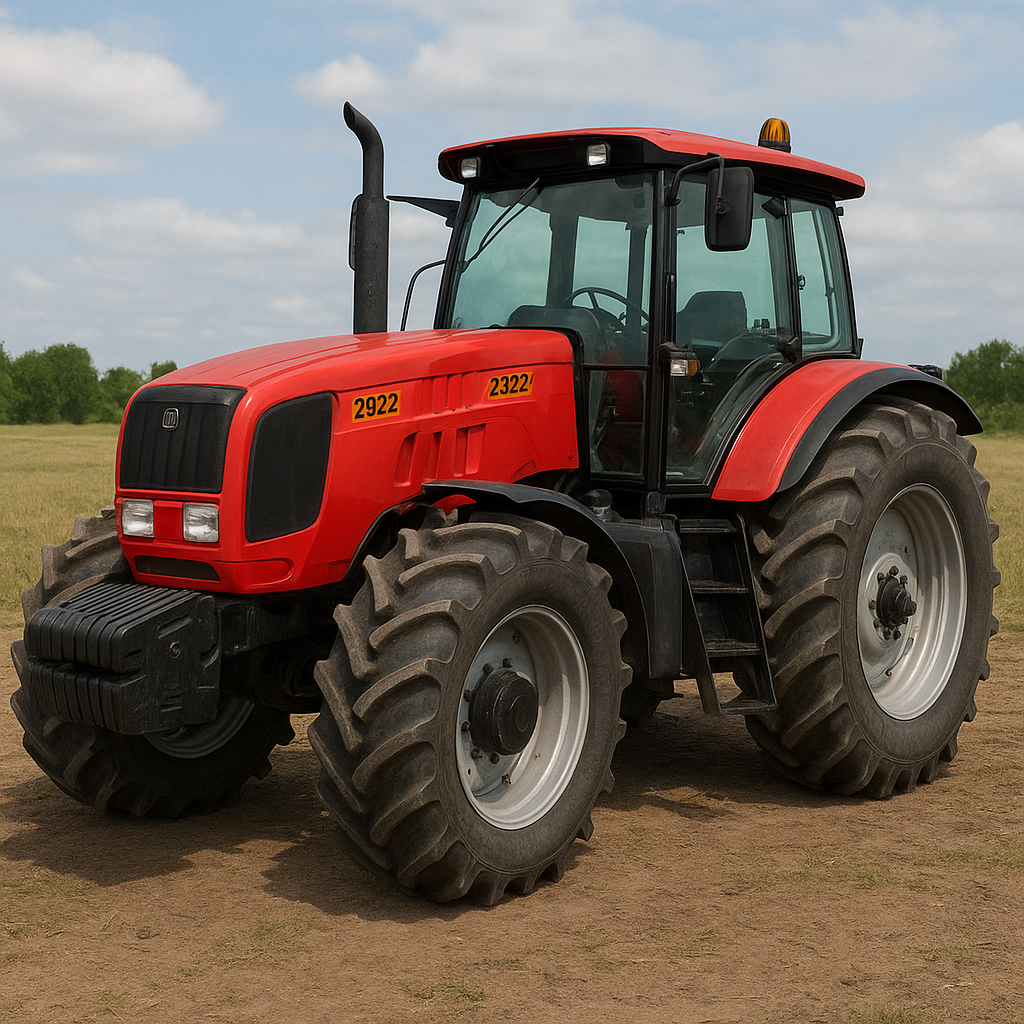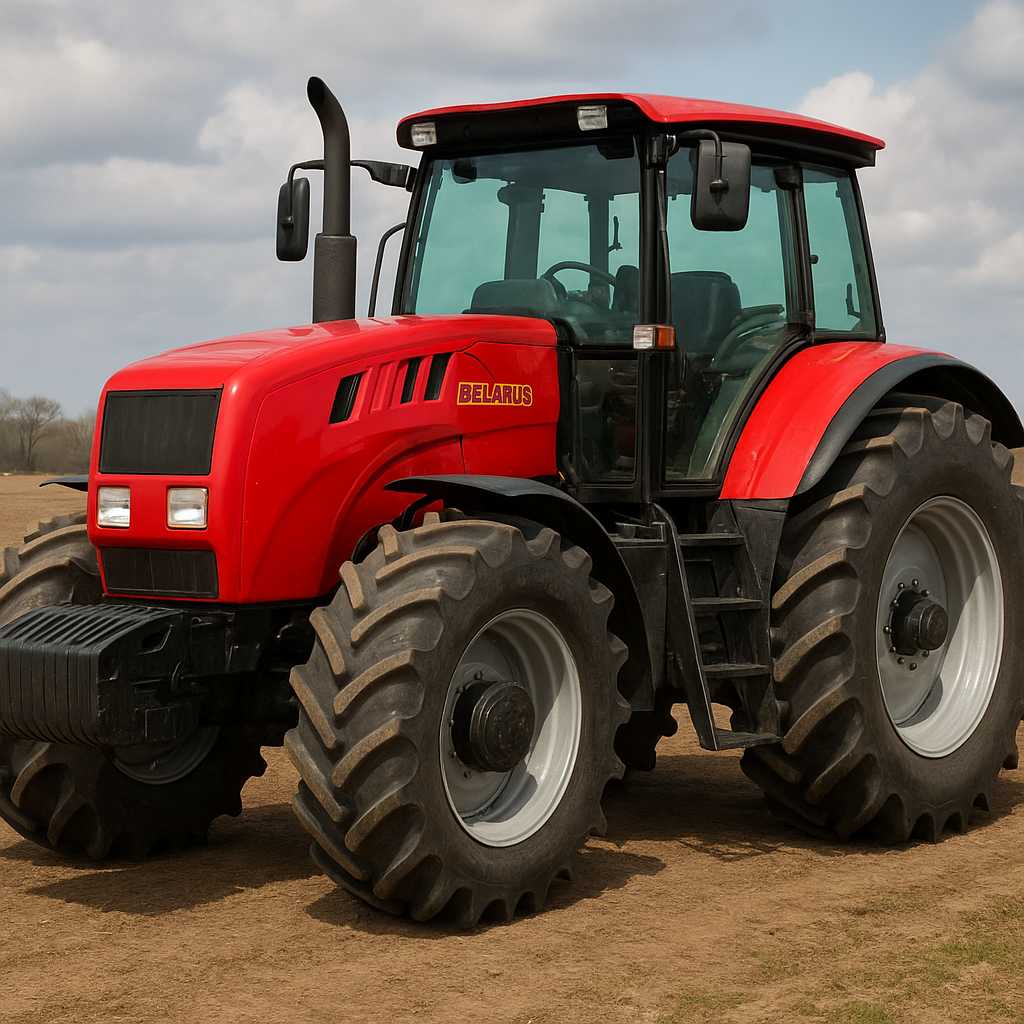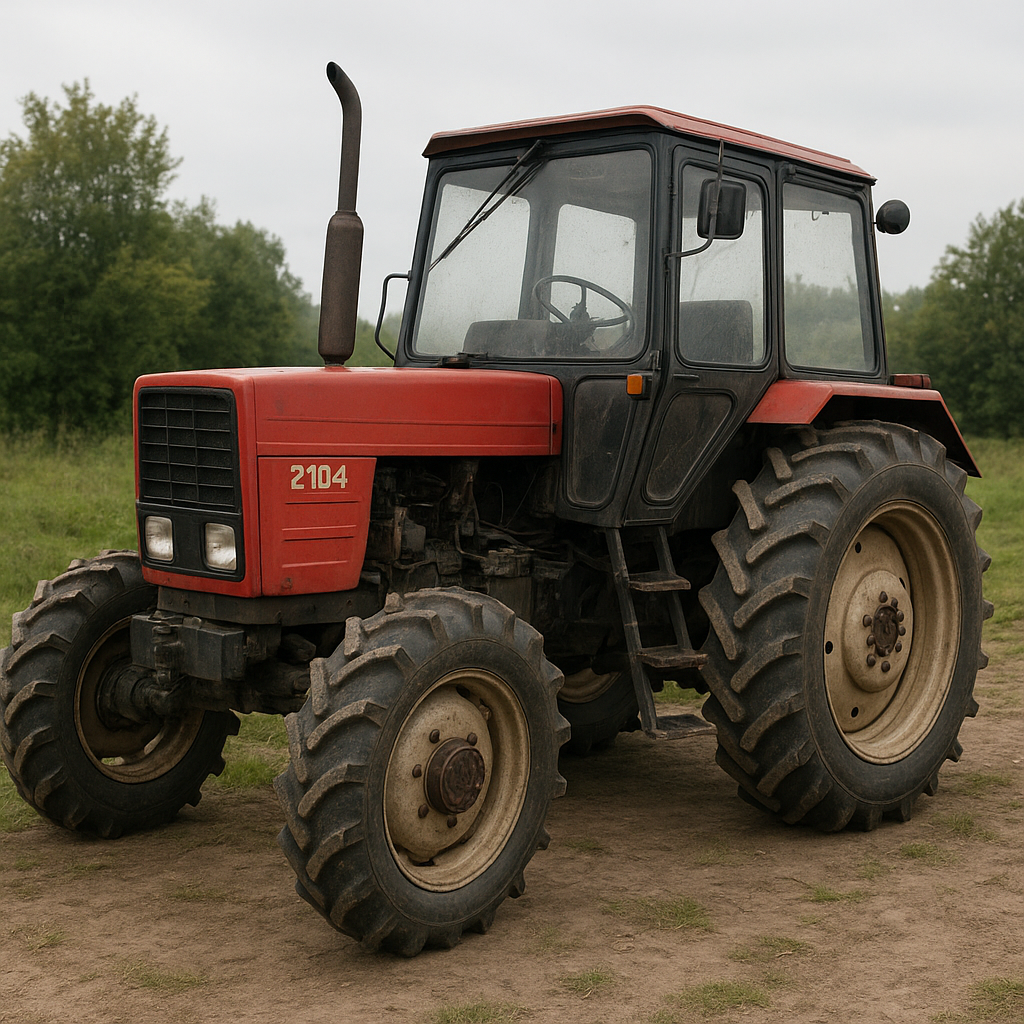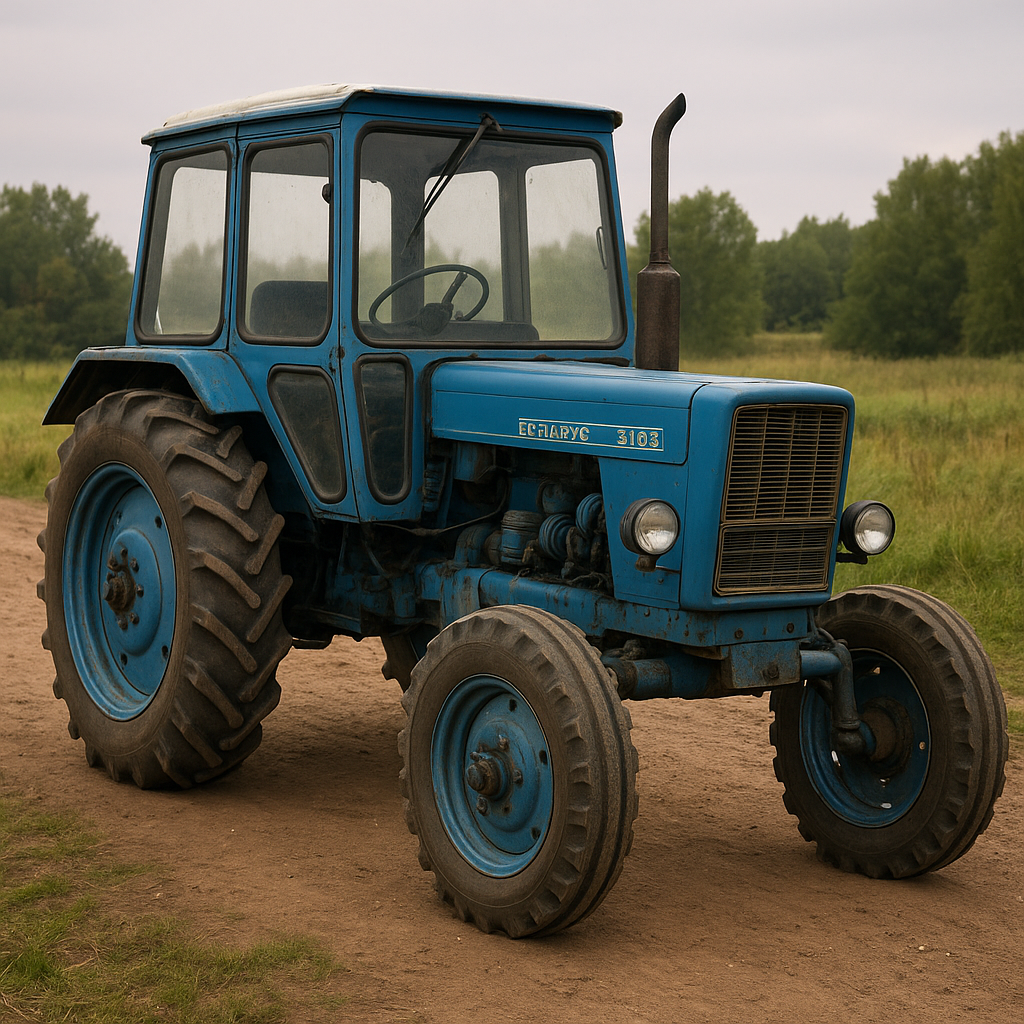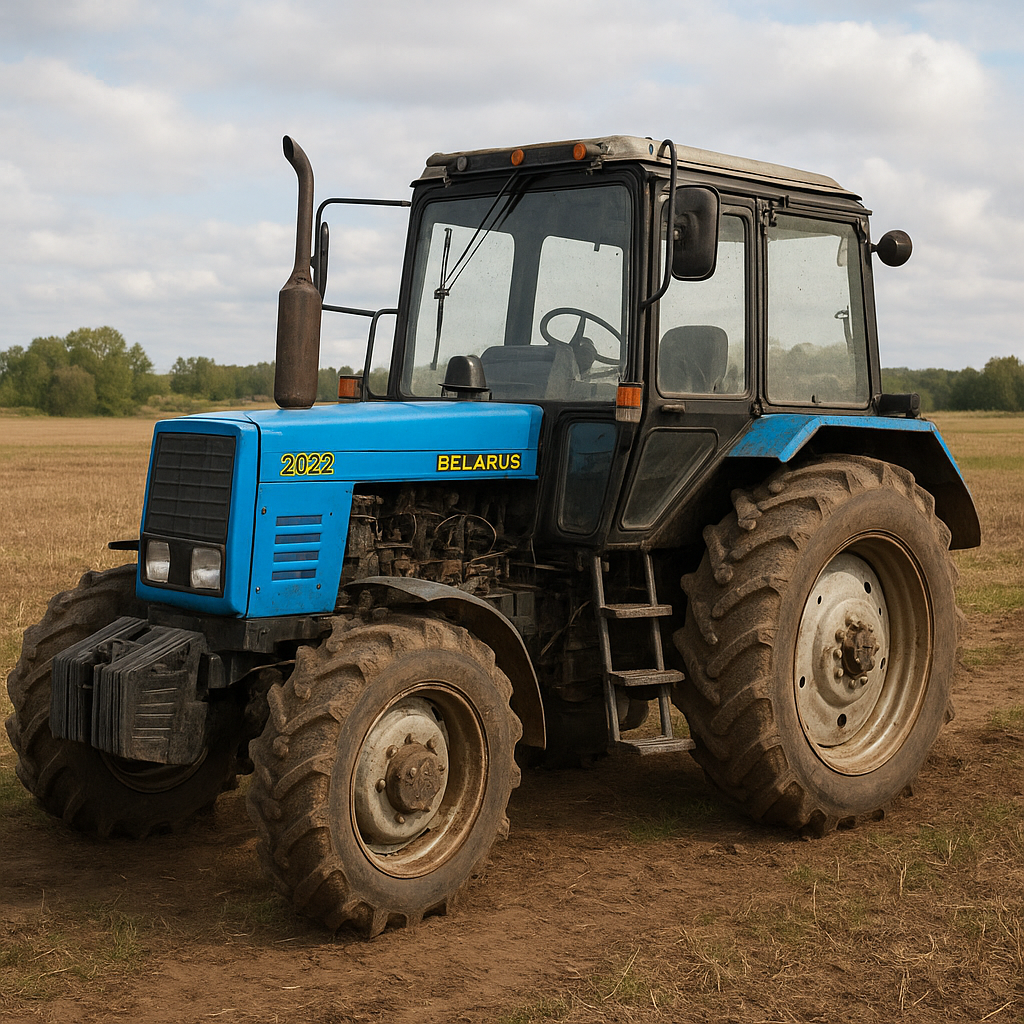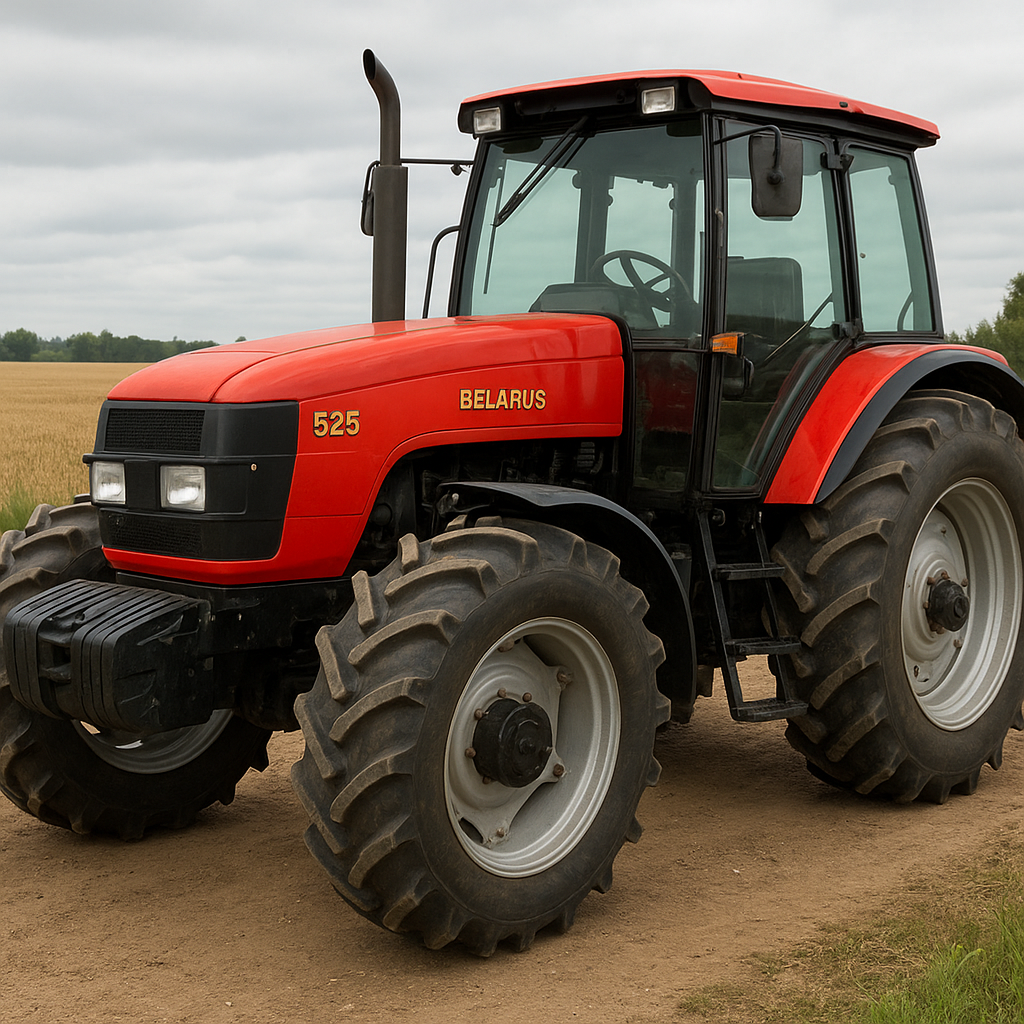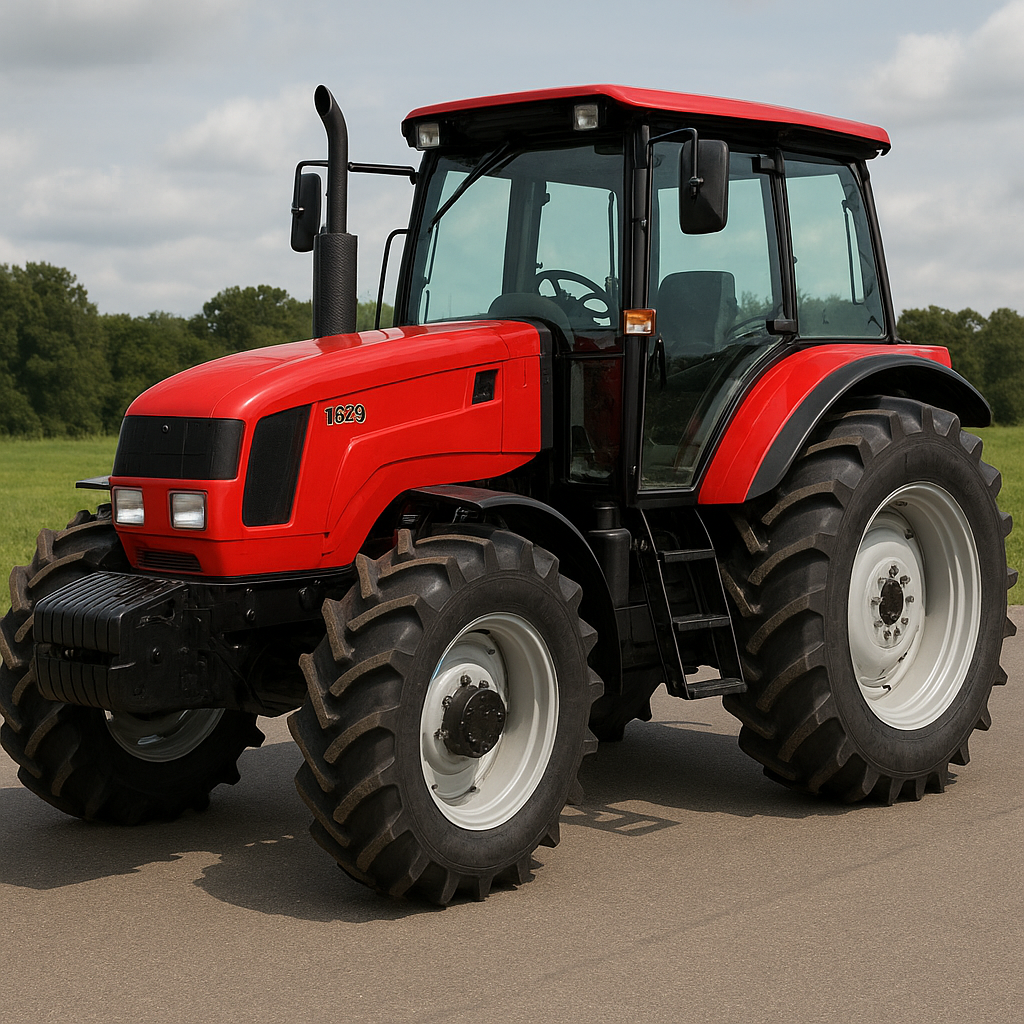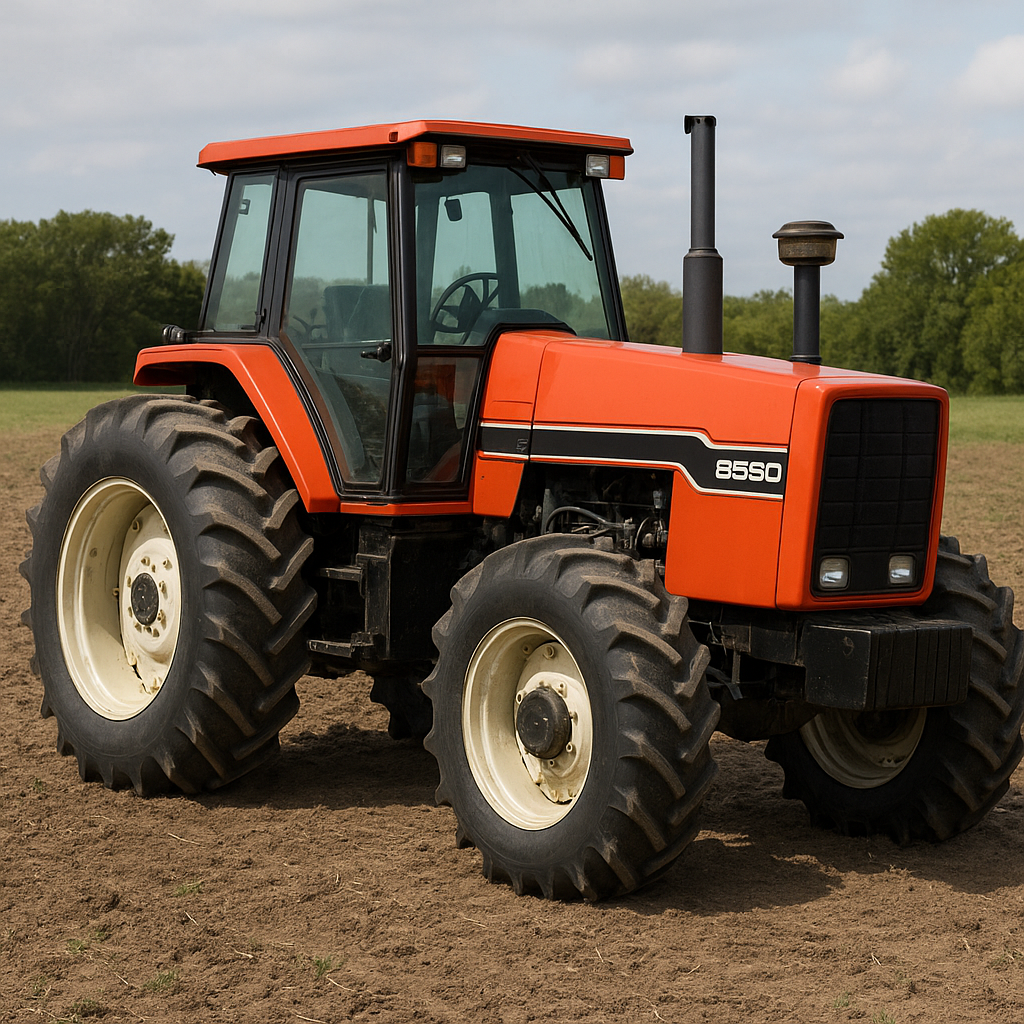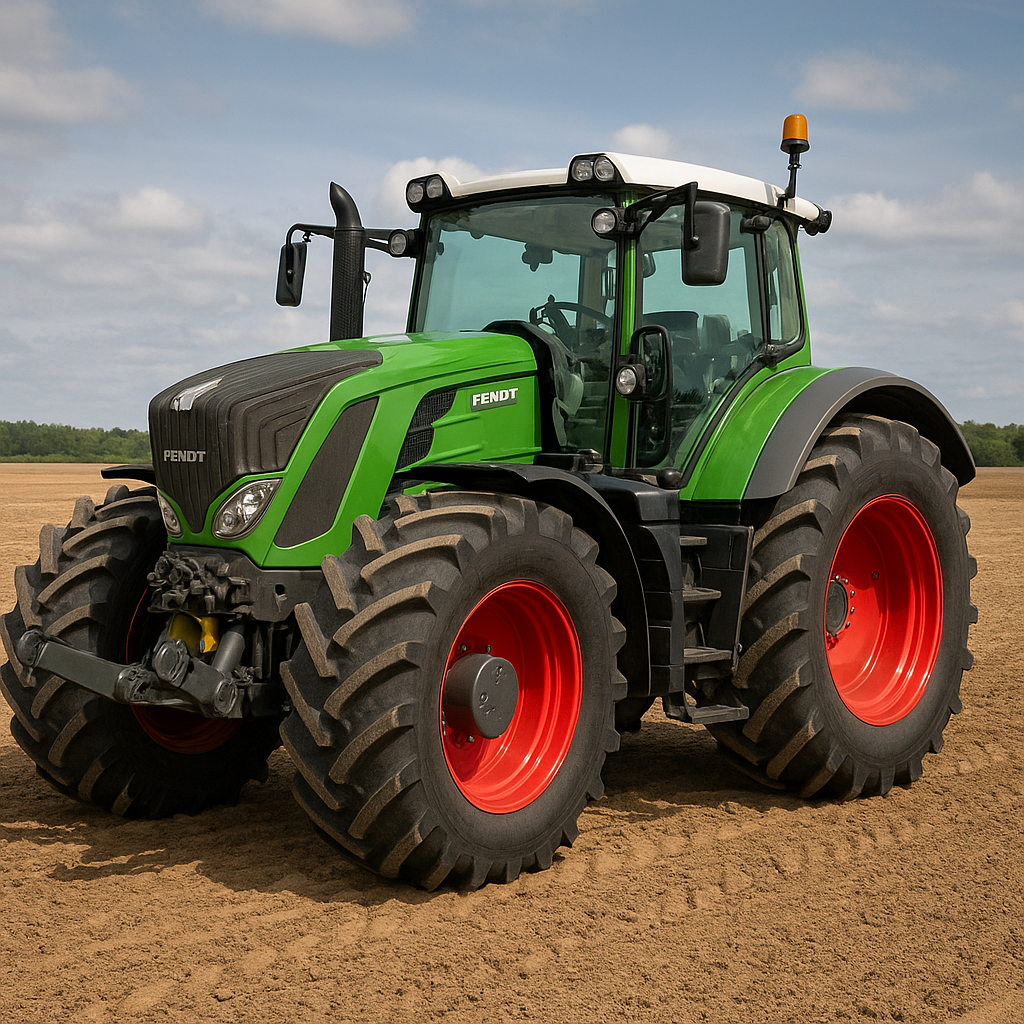
The Fendt 828 Vario stands out as a versatile and powerful agricultural machine in the upper mid-range of modern tractors. Combining proven mechanical design with advanced electronic systems, it serves a wide spectrum of farm tasks — from heavy tillage to precise transport and loader work. In the lines below you will find a detailed look at its capabilities, technological innovations, practical applications and the economic and environmental considerations that influence operators when choosing this model.
Overview and positioning
The Fendt 828 Vario is part of Fendt’s renowned 800-series family, a lineup designed to bridge the gap between compact tractors and the largest high-horsepower machines. Built for farmers, contractors and mixed-operations that require a reliable, comfortable and efficient machine, the 828 Vario emphasizes a balance between raw pulling power, comfort and smart control systems.
Design philosophy
Fendt’s approach to the 828 Vario centers on integration: mechanical robustness combined with electronics that simplify operation. The result is a tractor intended to reduce operator fatigue, increase daily productive hours and lower operational costs through improved fuel efficiency and intelligent power management. The model is frequently chosen by users who demand both field performance and road transport capability.
Target users
- Arable farms with medium to large acreage
- Dairy and livestock farms requiring mixed tasks (mowing, bale transport, loader work)
- Agricultural contractors who need a flexible machine for multiple jobs in different fields
- Specialty agriculture where precision control and comfort are priorities
Technical specifications and performance
While specific numbers can vary depending on the production year and optional packages, the Fendt 828 Vario typically features a combination of a robust diesel powerplant, a continuously variable transmission and heavy-duty driveline components suited for sustained agricultural workloads.
Engine and power
The 828 Vario is powered by a multi-cylinder, turbocharged diesel engine tuned to provide a balance of torque and efficiency. In practical terms the tractor is positioned in the high–mid power band: users can expect nominal and peak outputs that make it suitable for demanding implements such as large ploughs, cultivators and seed drills, as well as for transport duties at higher speeds.
- Engine configuration: inline multi-cylinder turbocharged diesel
- Power band: positioned in the upper mid-range class (suitable for 2–4 furrow ploughs and medium-large seed drills)
- Torque management: designed to maintain pulling power at low rpm to enhance fuel efficiency and reduce wear
Transmission and driveline
At the heart of the model’s drivability is Fendt’s stepless Vario CVT system, a hallmark of the brand that allows smooth acceleration without shifting gears. The Vario transmission enables precise speed control at any engine rpm, improving both field efficiency and operator comfort.
- Transmission type: continuously variable (Vario) with integrated management systems
- Drive options: 4WD with advanced traction control, differential locks and optional front axle suspension
- Top road speeds: configured for higher transport speeds while maintaining stability and safety
Hydraulics, PTO and lifting capacity
To handle a wide range of implements, the 828 Vario offers robust hydraulic flow and control, multiple PTO speeds and a rear linkage built for heavy implements.
- PTO options: selectable speeds commonly include 540 and 1000 rpm (dependent on configuration)
- Hydraulic system: multiple hydraulic circuits with high-flow options for power-hungry implements
- Rear linkage: strong lift capacity for large mounted or semi-mounted equipment
Weight and dimensions
The machine’s mass and footprint are designed to provide traction and stability while still offering maneuverability in headlands and yards. Exact weight and dimensions depend on wheel choices, ballast and added equipment; base machines are built to balance traction with soil compaction considerations.
Technology and operator comfort
The Fendt 828 Vario places a premium on the tractor operator’s experience. Comfort, intuitive controls and an array of electronic aids help reduce fatigue while improving precision of operations.
Cab and ergonomics
The cab is engineered for long working days. It features a well-isolated environment for noise reduction, clear visibility in all directions and ergonomically placed controls that can be learned quickly by experienced operators and newcomers alike.
- Seating: comfortable, adjustable seats with suspension and optional air-suspension
- Controls: joystick for implement and drive control, multifunction terminals, and logical layout for quick access
- Visibility: large glazed surfaces and optional camera systems for rear and implement monitoring
Precision farming and electronics
Fendt offers a suite of precision agriculture tools compatible with the 828 Vario. These systems help reduce overlap, optimize input use and log fieldwork data for later analysis.
- Guidance systems: satellite-assisted guidance for accuracy and reduced overlap
- ISOBUS compatibility: plug-and-play control of implements using a standardized communication protocol
- Automatic headland management and task recording: reduce operator workload and maintain consistent results
Applications and practical use cases
The Fendt 828 Vario’s combination of power, refinement and electronics makes it suitable for a wide range of agricultural tasks. Its adaptability is one of the major selling points.
Field work
For primary and secondary tillage the tractor provides the traction and hydraulic capacity needed for large implements. Its torque curve and CVT help maintain consistent working speeds even under load. Typical field tasks include:
- Ploughing and deep cultivation with heavy-mounted ploughs
- Seedbed preparation using heavy harrows and cultivators
- Sowing and seeding with large seed drills and air seeders
- Cultivation and inter-row work where predictable, low-speed torque matters
Transport and road work
Thanks to the smooth Vario transmission and comfortable cab, the 828 Vario is often used for road transport of grain, slurry or machinery between jobs. Its braking and stability systems make it suitable for higher-speed transit while still offering good fuel economy.
Loader and yard tasks
With the correct loader and front frame options, the tractor functions well in material handling roles — moving bales, loading trailers and general farmyard activities.
Economic considerations and maintenance
Purchasing and operating a machine like the Fendt 828 Vario requires balancing capital cost, operating expenses and expected productivity gains.
Operating costs and fuel use
Fendt emphasizes efficient engine mapping and transmission control to lower per-hour fuel consumption. Real-world fuel consumption depends on field conditions, implement size and average working speeds, but the CVT and torque management are designed to minimize fuel burn during heavy pulls and transport.
Maintenance and serviceability
An advantage of the 828 Vario is the accessibility of routine service points and the modular design of major systems. Regular maintenance intervals for oil, filters and hydraulic fluid are essential to long-term reliability. In addition, the use of common electronic diagnostic systems enables quicker troubleshooting by trained technicians.
- Routine checks: engine oil and filter, hydraulic fluid, coolant and air cleaner inspections
- Service network: wide dealer support in many regions simplifies scheduled maintenance and spare parts availability
- Resale value: Fendt machines historically retain value well among European and global buyers, which can offset initial investment
Environmental impact and regulations
Modern tractors must meet stringent emissions standards. The 828 Vario is equipped to comply with applicable emission stages in its production period through aftertreatment systems and engine management strategies.
Emission control
To address nitrogen oxides and particulate emissions, manufacturers typically integrate exhaust gas recirculation, diesel particulate filters and selective catalytic reduction systems requiring AdBlue (DEF). These systems help tractors meet regulatory thresholds while keeping engine performance optimized.
Soil compaction and sustainability
Operators concerned about soil health can select tyre configurations, ballast setups and dual-wheel options to distribute weight more effectively. Precision farming tools that minimize overlaps and optimize passes also contribute to a smaller environmental footprint per hectare.
Notable strengths and limitations
Like any machine, the Fendt 828 Vario has distinguishing advantages and some trade-offs that potential buyers should weigh.
- Strengths: excellent ergonomics and cab comfort, smooth and efficient CVT transmission, strong electronics suite for precision farming, good resale values
- Limitations: higher capital cost compared with lower-tier models, complexity of electronics requiring trained service personnel, weight considerations on lighter soils
Typical statistics and performance indicators
Exact specifications for the 828 Vario depend on the model year and configuration, but certain performance indicators are commonly referenced by users and dealers.
- Power class: upper mid-range (suitable as a workhorse for many arable and livestock operations)
- Transmission: stepless Vario CVT, enabling precise drive control
- PTO: multi-speed options to match a wide variety of implements
- Hydraulics: multiple pump configurations with optional high-flow delivery for demanding implements
- Operational focus: fieldwork efficiency, transport capability and operator comfort
Because exact numbers vary by year and options, potential buyers should consult local dealers for up-to-date spec sheets and performance test data specific to their region and requirements.
Buying considerations and tips
Before purchasing a tractor like the 828 Vario, evaluate your operation’s key metrics: average hectare workload, typical implement sizes, transport distances and available servicing infrastructure. Carefully consider optional packages that enhance functionality: GPS guidance, additional hydraulic circuits, front linkage and loader preparations, and advanced telematics.
Checklist for evaluation
- Match engine power to implement demand — avoid under- or over-specifying
- Consider fuel economy in real operating conditions, not only brochure figures
- Assess local dealer and service network — electronics and precision systems perform best with nearby support
- Compare total cost of ownership: purchase price, expected depreciation, fuel, maintenance and insurance
Conclusion
The Fendt 828 Vario is a compelling choice for farmers and contractors seeking a tractor that combines robust mechanical capability with modern electronic aids. Its CVT-based Vario transmission, comfortable cab and compatibility with precision agriculture tools make it a flexible asset across many tasks. While it requires a larger initial investment and trained maintenance support, the potential gains in productivity, operator comfort and operational efficiency often justify the choice for medium- to large-scale operations. For the most reliable purchasing decision, compare configured specifications and run-field demonstrations to confirm that the tractor meets your unique operational needs.