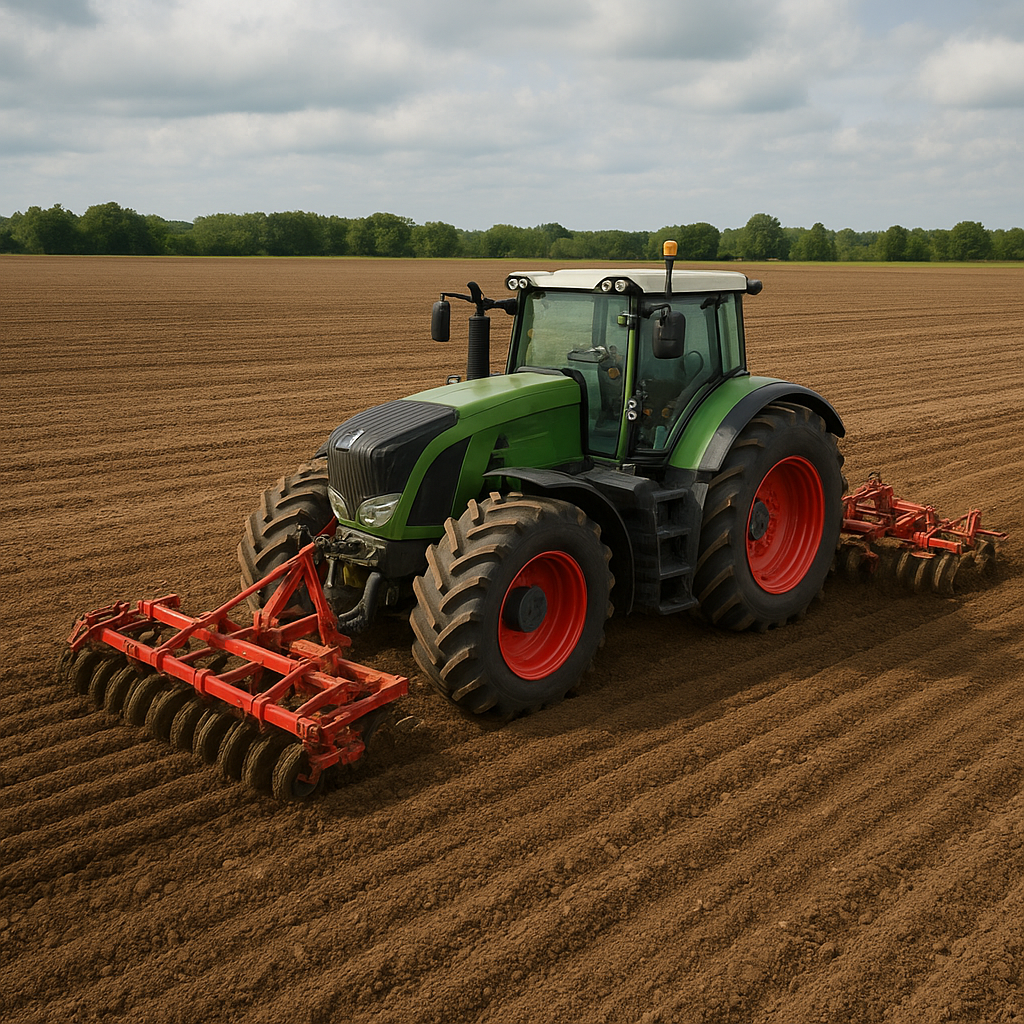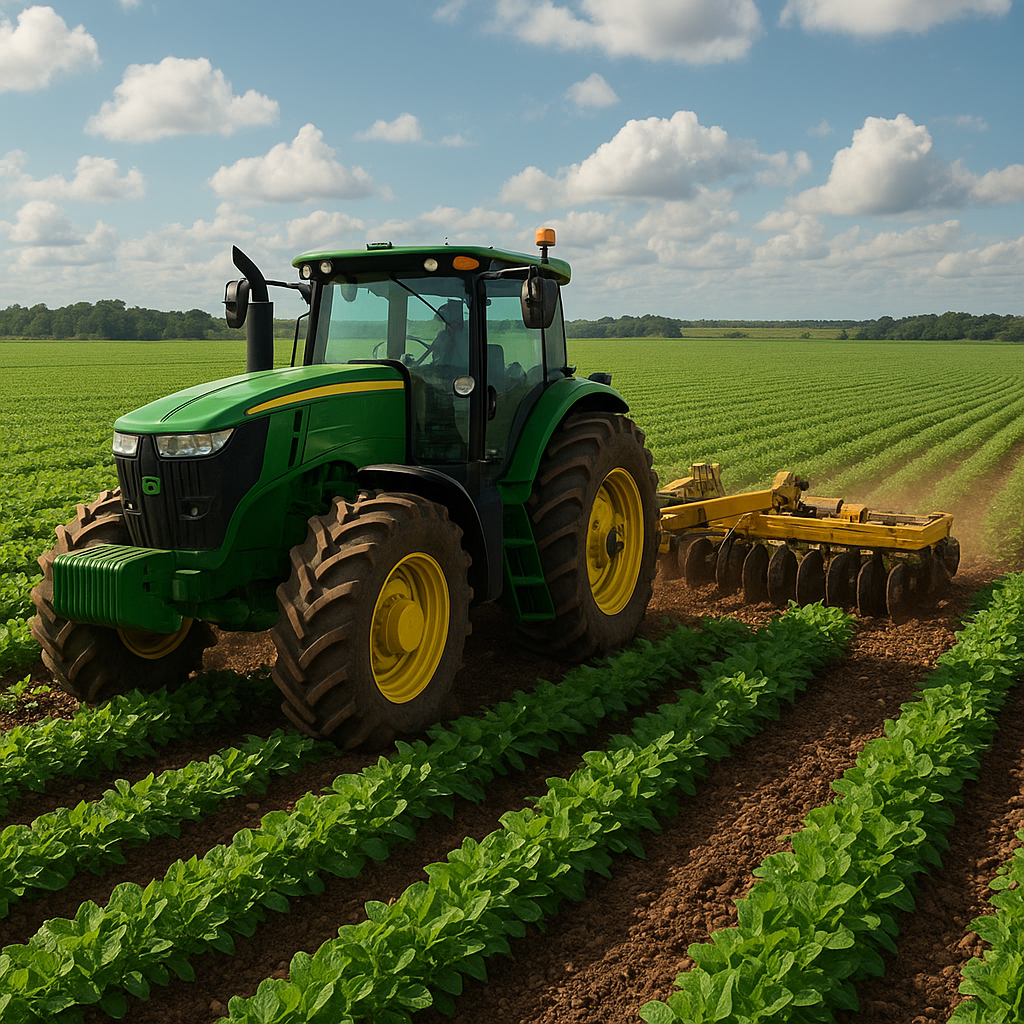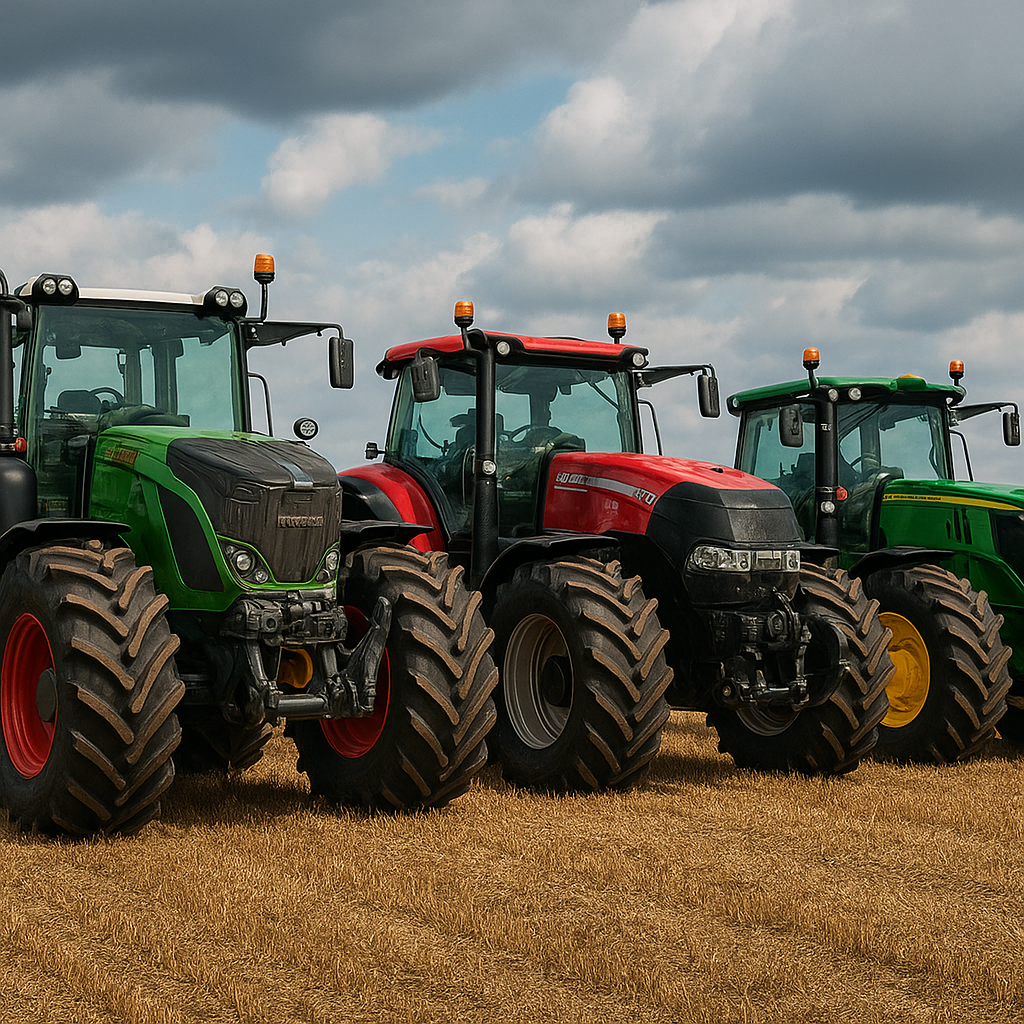
Across Europe’s sprawling farmlands, manufacturers are pushing the boundaries of power and efficiency by designing tractors that rival industrial machinery. These colossal machines combine cutting-edge technology with decades of agricultural heritage, delivering unrivaled performance in plowing, seeding, and hauling heavy loads. As global demand for ultra-capable farm equipment grows, European giants are stepping onto the world stage, challenging competitors on every continent.
The Evolution of European Tractors
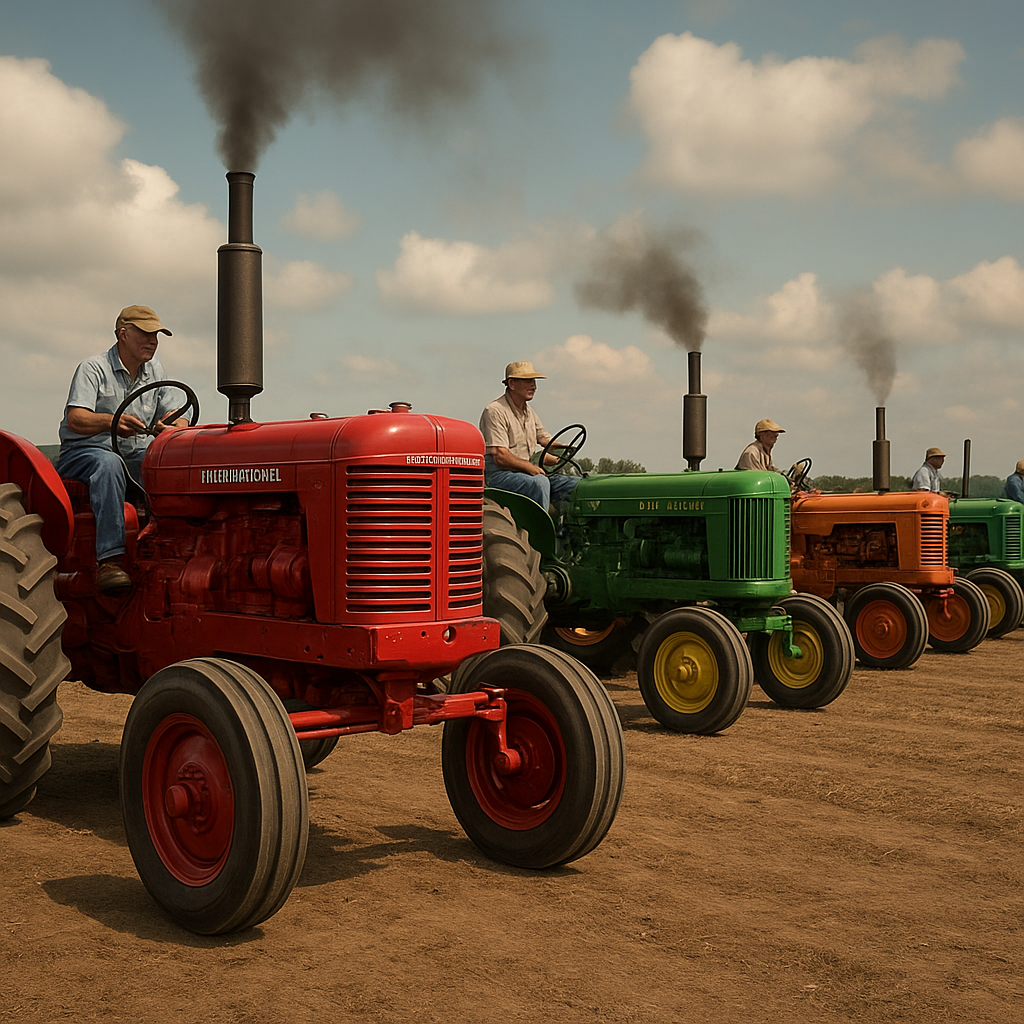
From the first steam-powered prototypes to the modern giants rolling off assembly lines, Europe’s tractor industry has undergone a remarkable transformation. In the early 20th century, simple mechanical devices replaced draft animals, ushering in new levels of productivity for farmers. By the mid-century, brands such as David Brown and Lanz Bulldog set the stage for robust diesel engines that could handle tougher terrain and heavier implements.
Advancements in engineering during the 1970s and 1980s introduced features like synchronized transmissions and dual-wheel configurations. These innovations bolstered traction and reduced soil compaction, attracting interest from large-scale commercial operations. As emission regulations tightened, manufacturers invested heavily in cleaner-burning engines. The result was a lineup of machines with unprecedented horsepower, meeting both environmental targets and the need for higher torque at the drawbar.
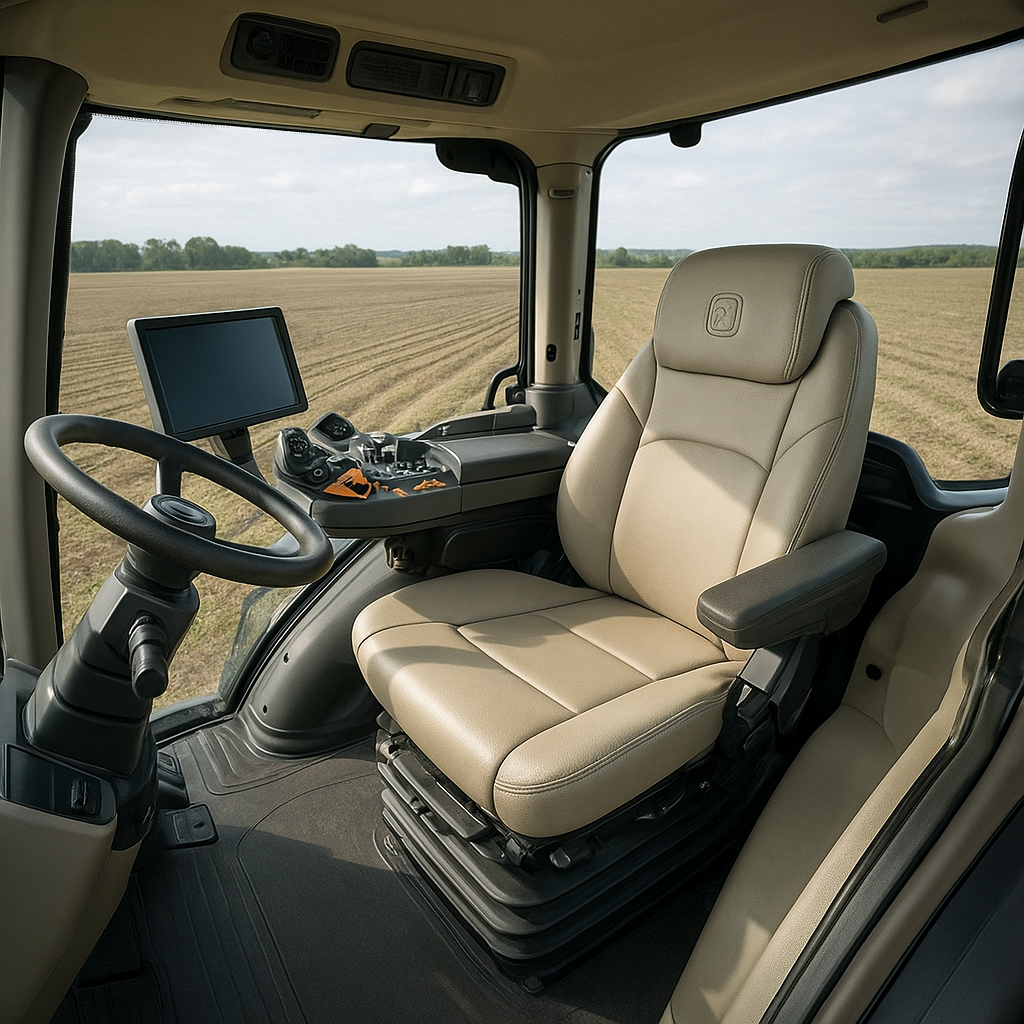
Today, European tractors are not only about raw strength but also about refined operator comfort. Cab designs now feature air suspension seats, climate control, and intuitive controls. These enhancements help farmhands work longer hours with less fatigue, reinforcing Europe’s reputation for blending brute capability with ergonomic excellence.
Leading European Models and Their Distinctive Features
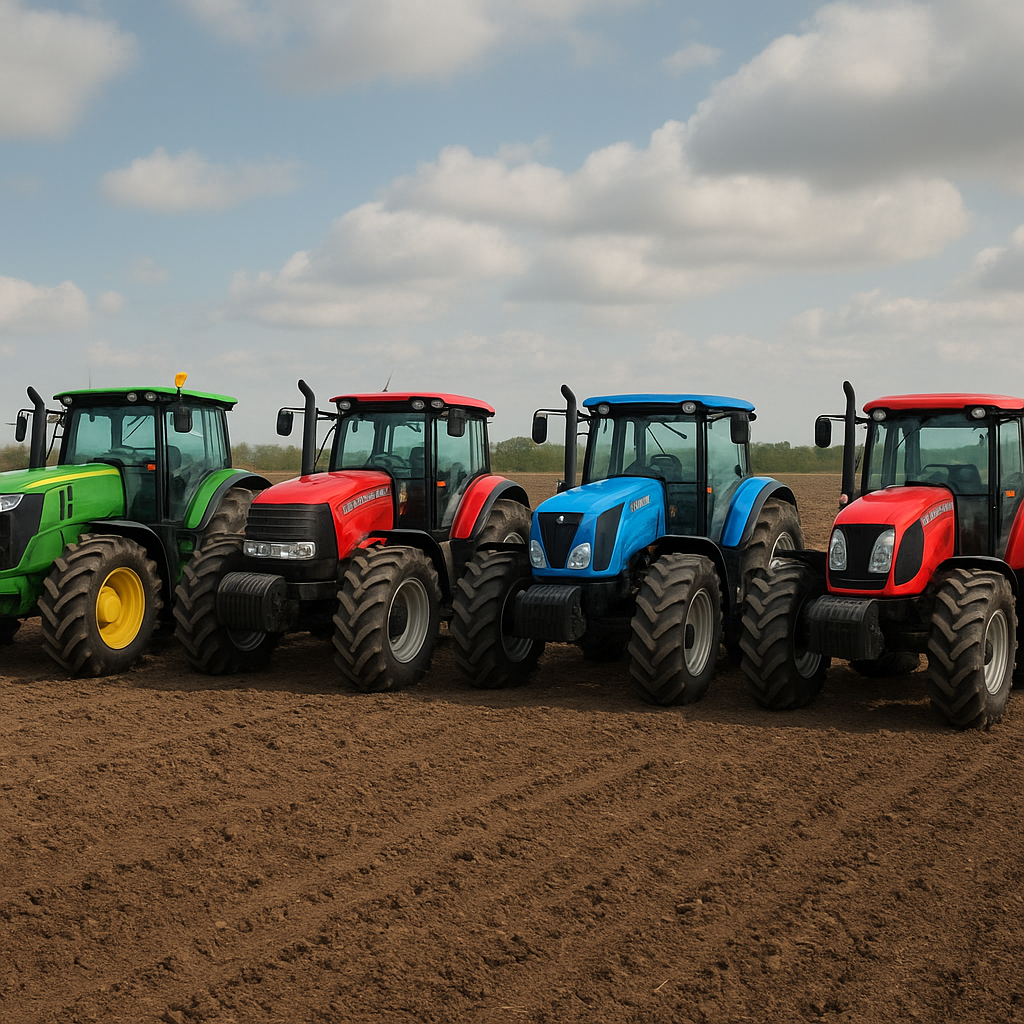
Several flagship models exemplify the region’s status as a tractor powerhouse. Brands like Fendt, Claas, New Holland, and Valtra compete fiercely to offer the best combination of reliability, versatility, and innovation. Below are some standout machines that have captured global attention:
- Fendt 1050 Vario: Boasting up to 517 horsepower, this model features stepless transmission for seamless speed changes and an advanced frontier loader.
- Claas Xerion 5000: Known for its four-wheel steering and panoramic cab, it delivers a turning radius often reserved for compact models, despite offering 530 engine hp.
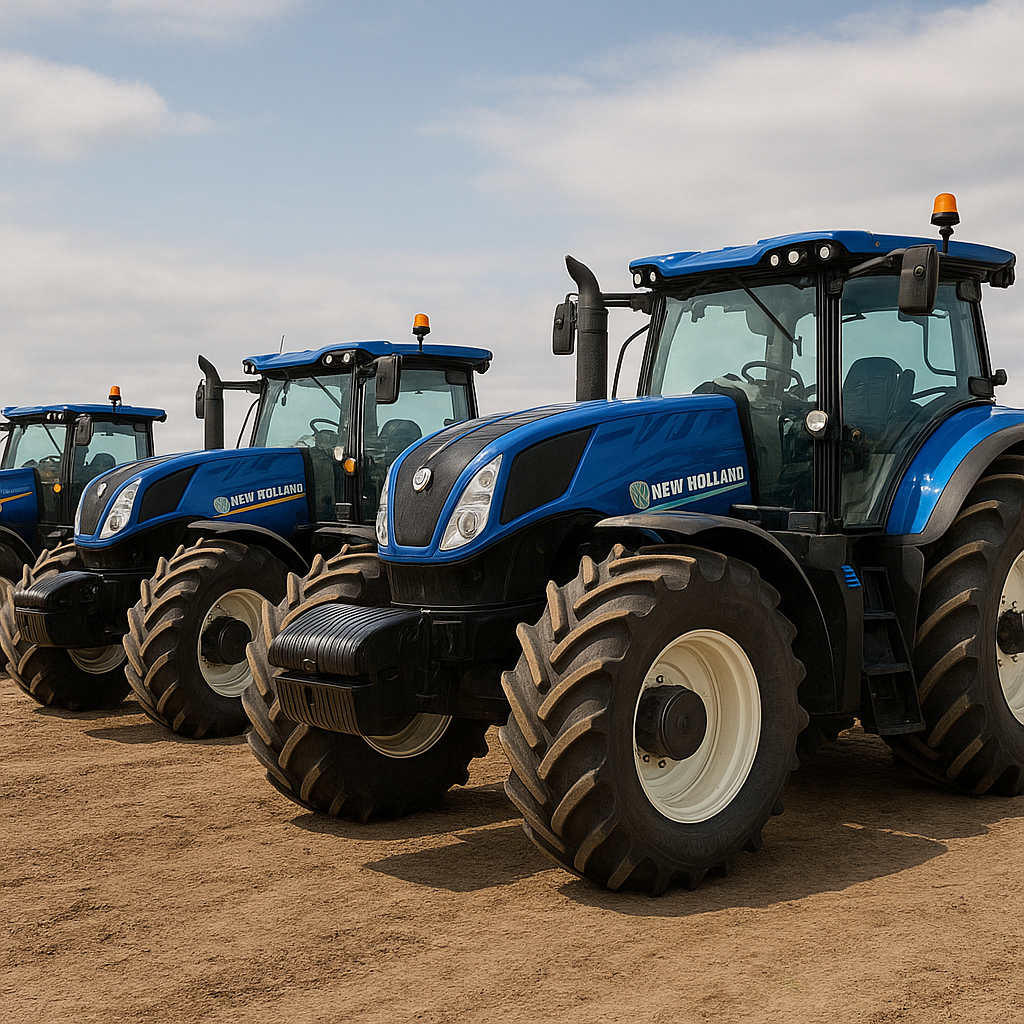
- New Holland T8 Heavy Duty: Offers up to 410 hp, smart transmissions, and full telematics integration for real-time performance monitoring.
- Valtra S Series: Customized builds allow for tailored hydraulic setups, optional track undercarriage, and up to 405 hp, appealing to diverse farming regimes.
These machines share several hallmark traits:
- Fully automatic or continuously variable transmissions that optimize precision in speed control.
- Advanced hydraulic systems delivering upwards of 300 liters per minute, ideal for heavy implements.
- Integrated telematics solutions enabling fleet management, remote diagnostics, and yield mapping.
Such features have positioned European tractors at the forefront of large-scale agriculture, from grain production to intensive livestock operations.
Technological Innovations Powering the Titans
Behind the towering frames and massive tires lie intricate networks of sensors, computers, and actuators designed to maximize efficiency and minimize waste. Precision farming tools, including GPS-guided auto-steering and section control, have become standard in the largest European models. These systems reduce overlap in field passes, saving on fuel and input costs while ensuring consistent coverage.
Emission standards such as Stage V in Europe have driven the adoption of selective catalytic reduction (SCR), diesel particulate filters, and exhaust gas recirculation (EGR). Recent models achieve lower NOx and particulate outputs without sacrificing torque or fuel economy. Manufacturers also explore alternative fuels, with trials of HVO (hydrotreated vegetable oil) and even hydrogen-powered prototypes under development.
Automation continues to revolutionize tractor operations. Some modern giants can execute pre-programmed field tasks with minimal operator input, automatically adjusting engine speed, gear selection, and implement depth. The drive toward fully autonomous tractors is underway, blending machine learning algorithms with robust hardware to navigate complex farm layouts safely.
Global Competition and Market Impact
European giants now face rivals from North America, Asia, and South America. U.S. manufacturers bring their own heavyweights, while Chinese companies aggressively enter markets with cost-competitive alternatives. In response, European brands emphasize after-sales service networks, training academies for operators, and long-term financing solutions to maintain a competitive edge.
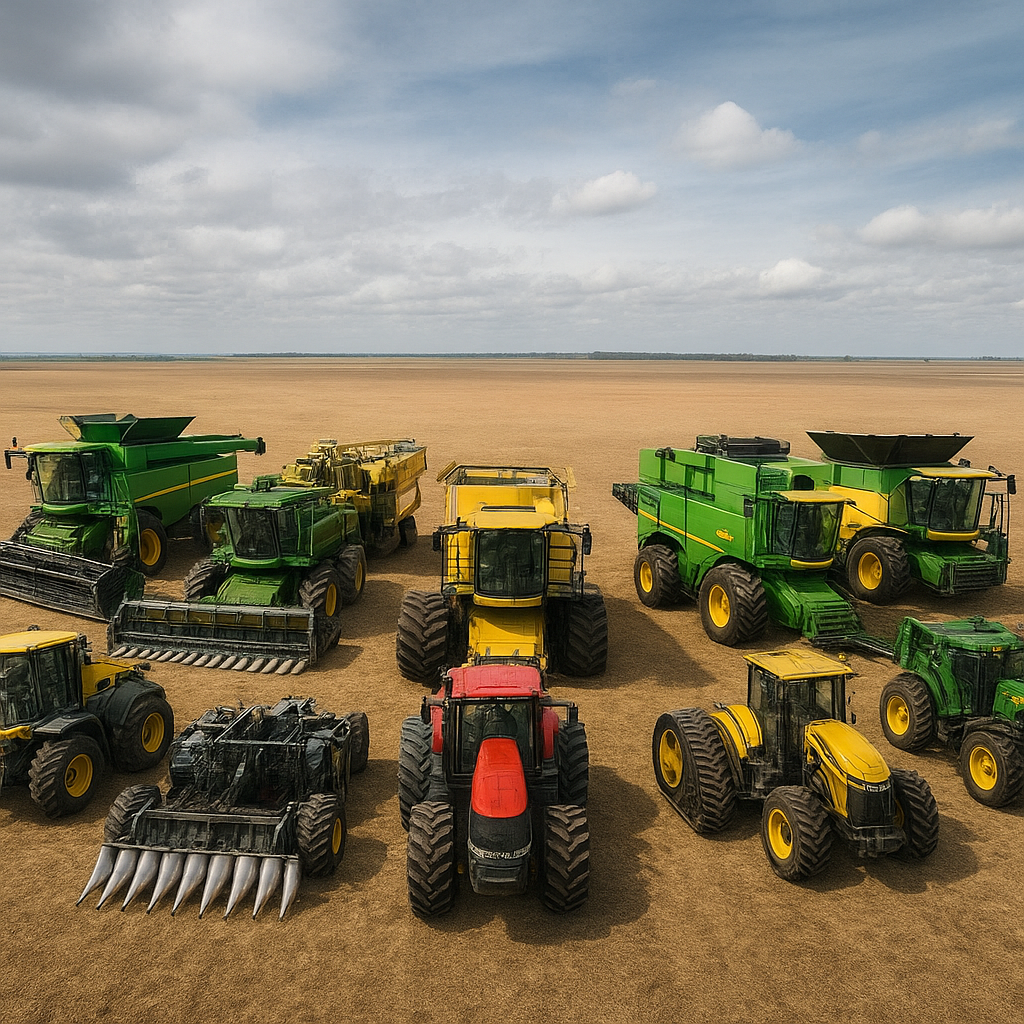
Exports of tractors over 300 hp have grown steadily, with major markets including Australia, Brazil, Russia, and Canada. Custom configurations—such as dual-wheeled axles for muddy soils or wider tracks for sand—allow European makers to tailor machines to regional conditions. This flexibility, combined with robust dealer support, has solidified Europe’s position as a top exporter of high-capacity tractors.
The push for larger, more capable tractors aligns with global trends toward consolidation of farmland and mechanization of labor-intensive tasks. As farm sizes increase, the ability to complete operations quickly becomes critical. European giants, with their blend of sustainability, technological prowess, and raw muscle, are poised to shape the future of large-scale agriculture worldwide.