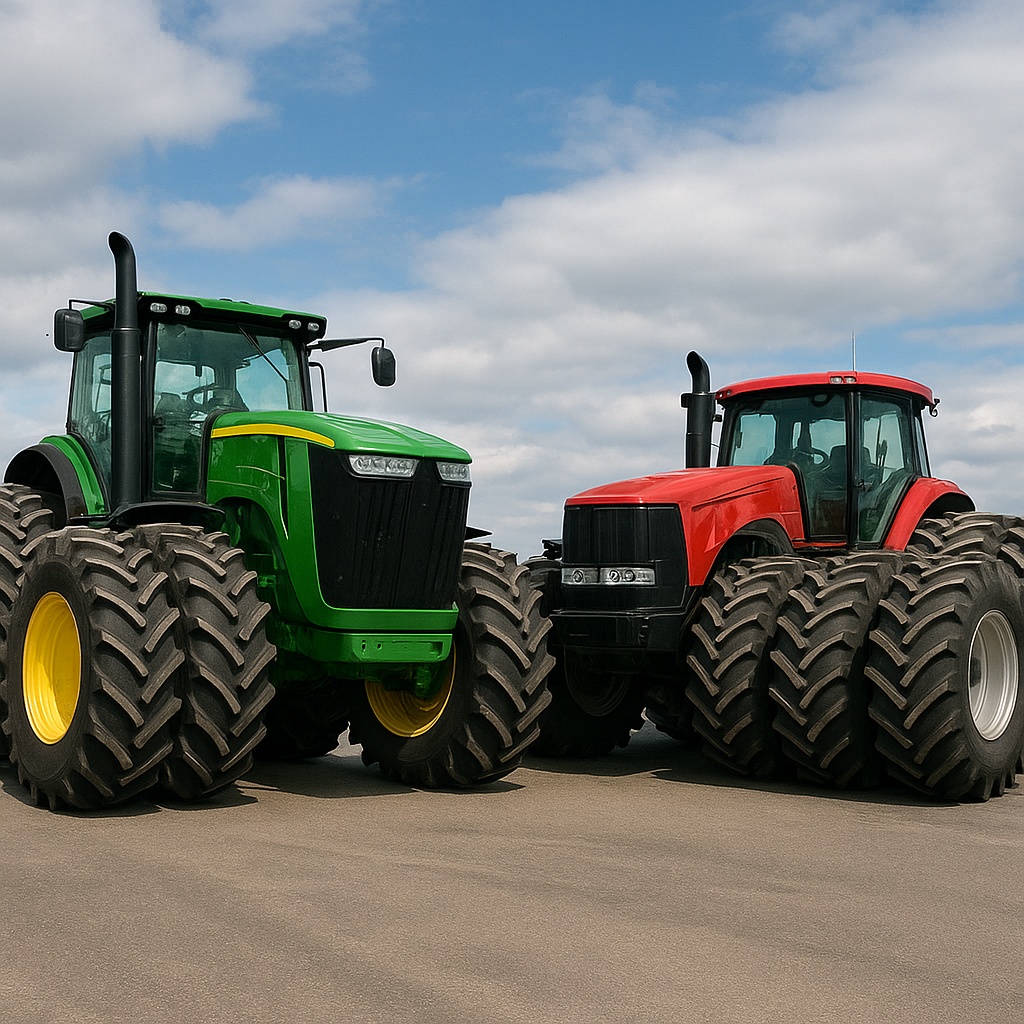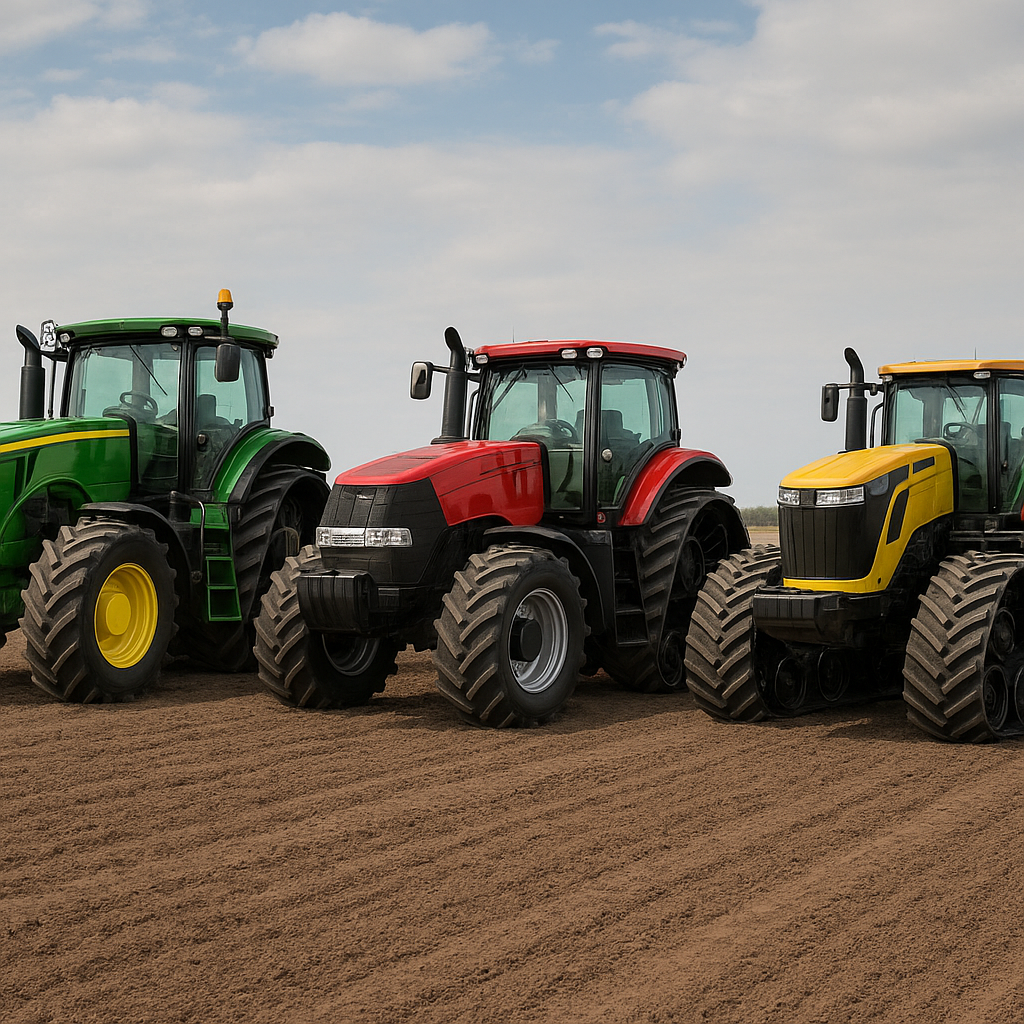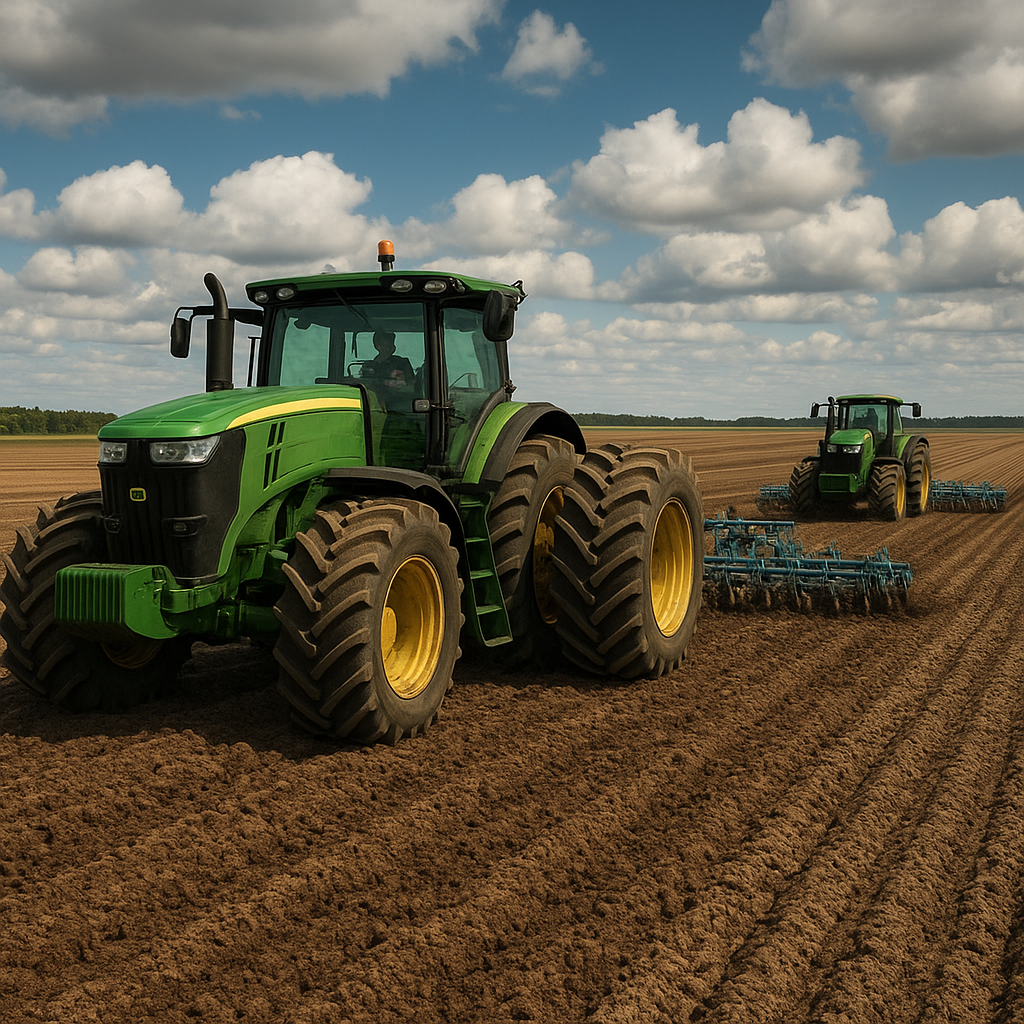
In the vast expanse of modern agriculture, the demand for ever-larger farm machinery has grown exponentially. Farmers operating mega farms require colossal machines capable of covering thousands of acres with remarkable speed and accuracy. Giant tractors stand at the forefront of this transformation, equipped with cutting-edge systems and robust designs that redefine agricultural boundaries.
Monstrous Horsepower: Pushing the Limits of Farm Machinery
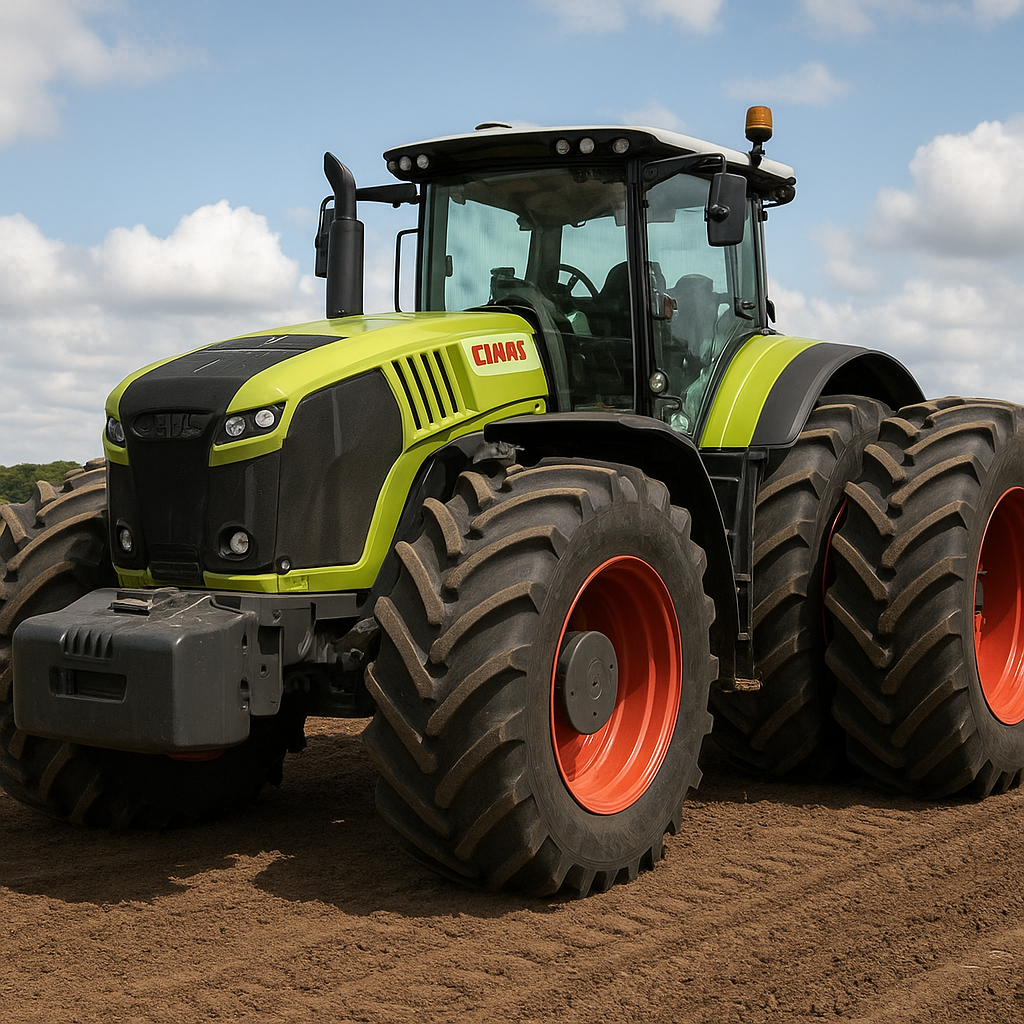
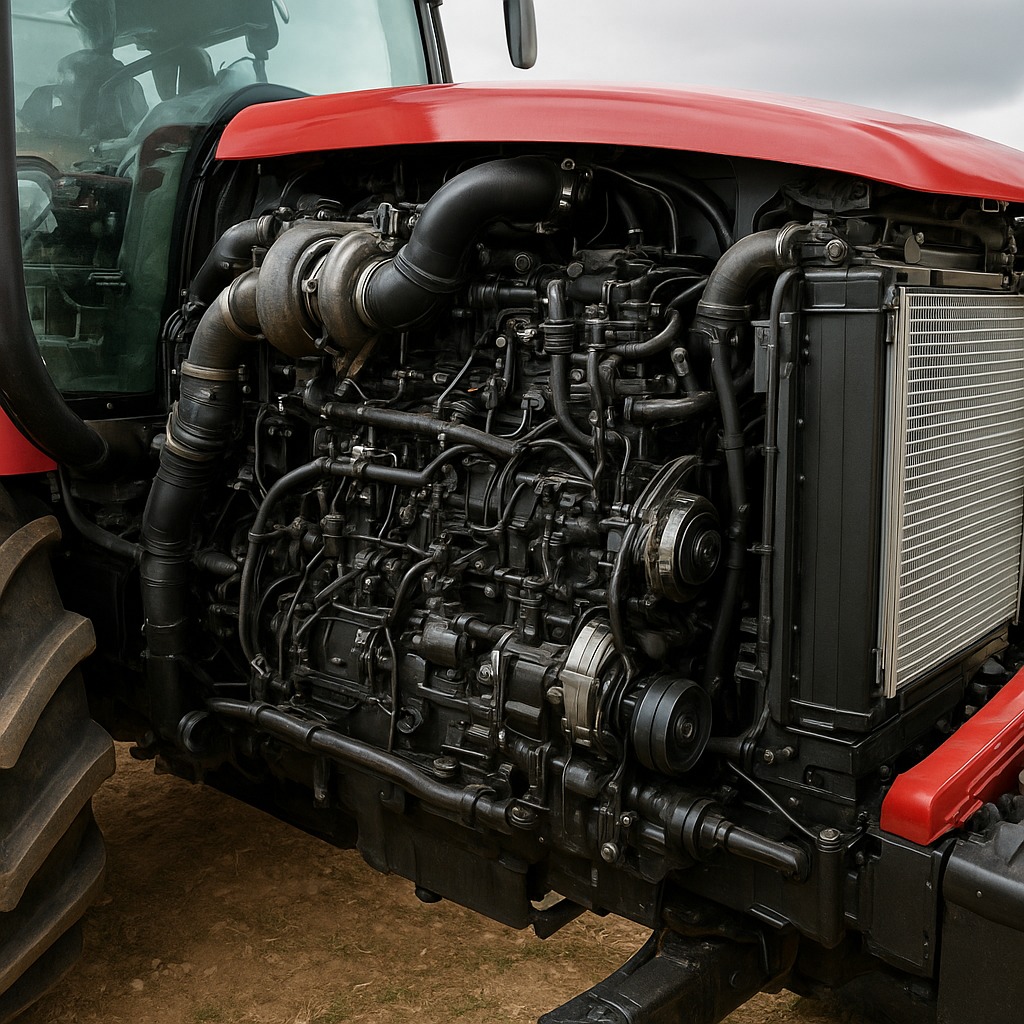
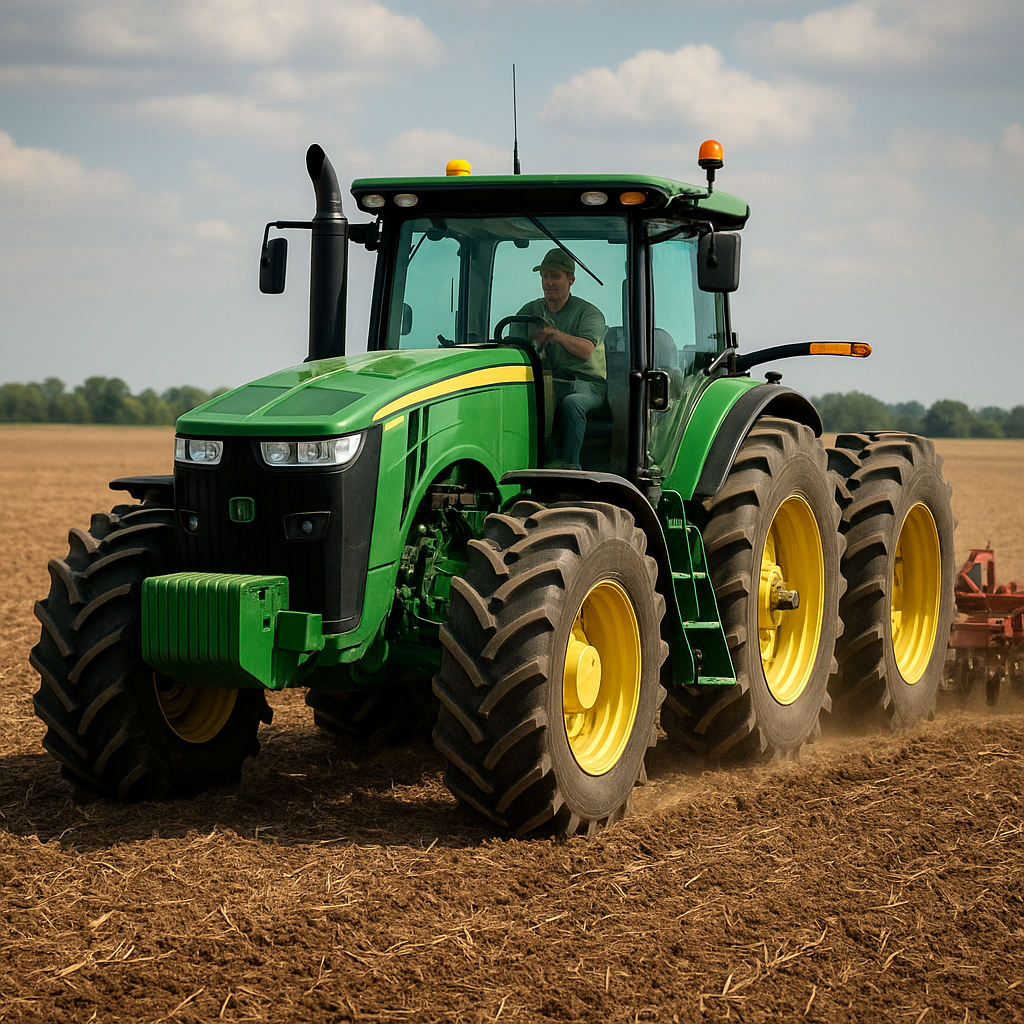
The race for greater horsepower has led manufacturers to engineer tractors that dwarf their predecessors. Today’s behemoths boast engines exceeding 600 to 900 HP, allowing them to pull the heftiest implements or till deep into challenging soil layers. These machines combine reinforced chassis, multi-range transmissions, and advanced cooling systems to handle continuous heavy-duty tasks without overheating or failure. A single pass across a field spans several football pitches, cutting down planting windows and maximizing seasonal yield potential.
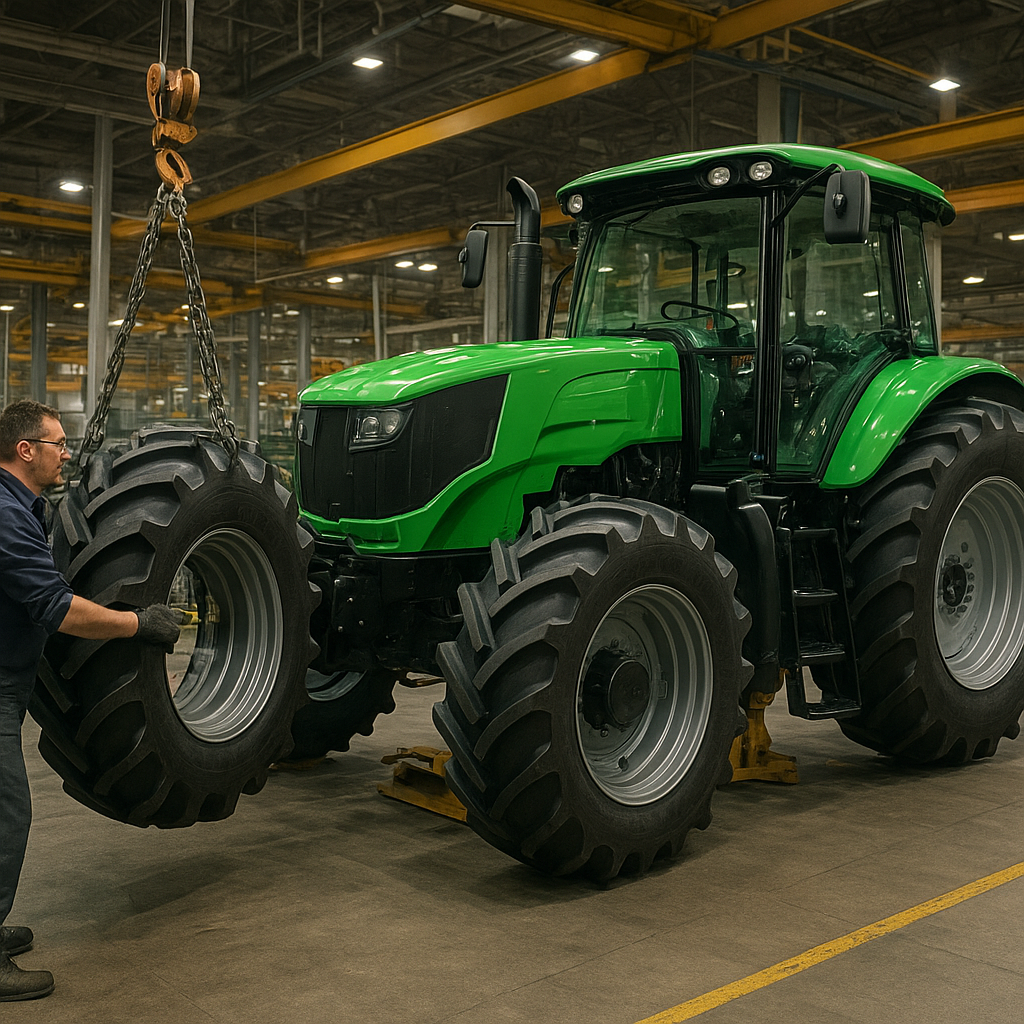
Key structural innovations include reinforced axles and bespoke suspension setups that manage weight loads often surpassing 30 tonnes. In addition, high-capacity fuel tanks and optimized intake systems ensure these giants maintain peak performance for extended hours, reducing refill stops and downtime. Operators rely on fine-tuned hydraulics to lift wide cultivators or fertilizer spreaders, achieving uniform seed placement and nutrient distribution at scale.
Technological Innovations Driving Modern Giants
Beyond sheer size, today’s largest tractors integrate sophisticated electronics and software packages. Precision farming has become the norm, with GPS-guided steering modules delivering centimeter-level accuracy. This level of precision minimizes overlap, saving fuel and inputs while protecting soil structure. Onboard sensors gauge soil moisture and compaction in real time, enabling variable-rate applications that optimize crop growth conditions.
Connected via telematics platforms, giant tractors transmit operational data to cloud networks, offering managers remote insights into machine health and field progress. The fusion of telemetics and predictive maintenance algorithms alerts technicians to parts nearing wear limits before breakdowns occur, slashing repair costs and averting unexpected stoppages. Meanwhile, touchscreen consoles provide intuitive dashboards, linking guidance, performance metrics, and implement controls in a unified interface.
Case Studies: World’s Largest Tractors in Operation
Among the most renowned giants is the Big Bud 747, often cited as the original record-holder with 1,100 HP. Though built in 1977, it remains iconic for its sheer scale and brute power. More recent contenders include the Fendt 1167 Vario, delivering up to 673 HP combined with an advanced Continuously Variable Transmission (CVT). Its low engine speed design enhances efficiency and reduces fuel consumption even under maximum load.
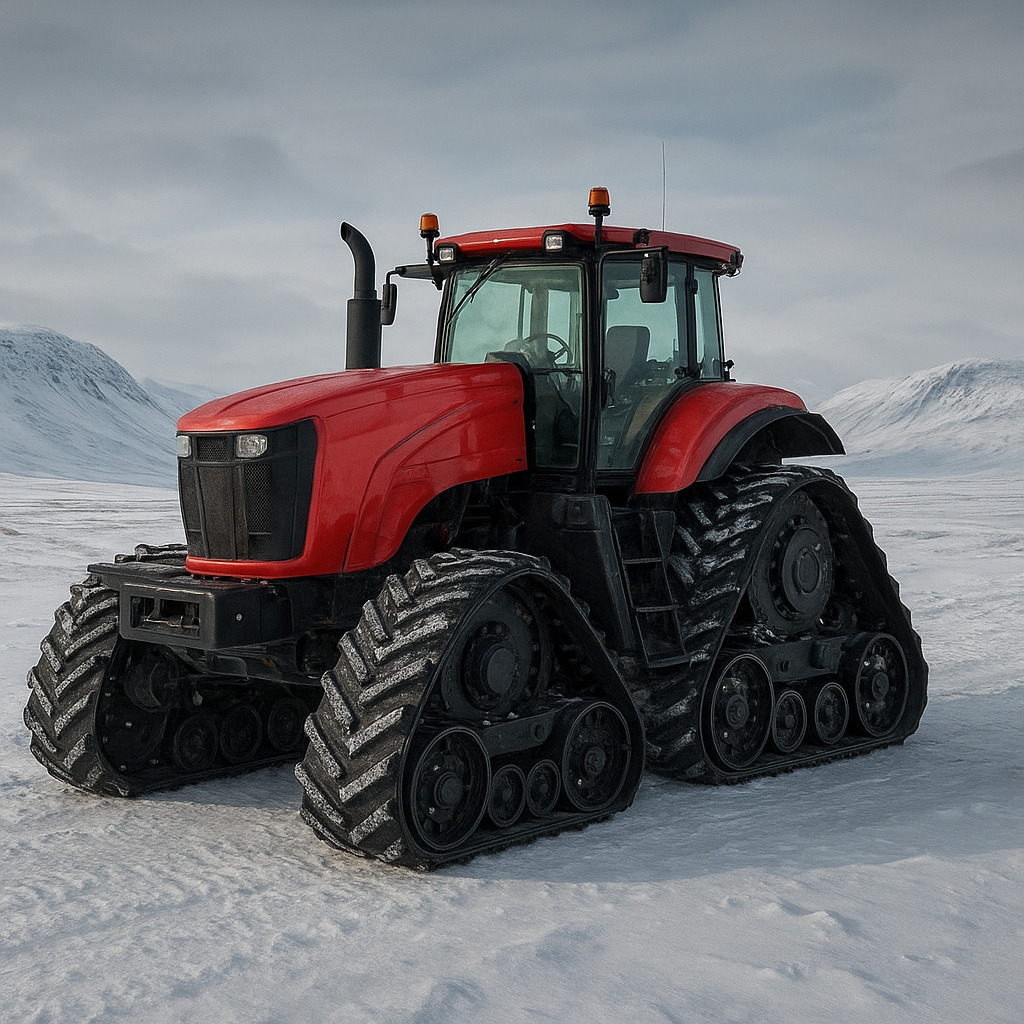
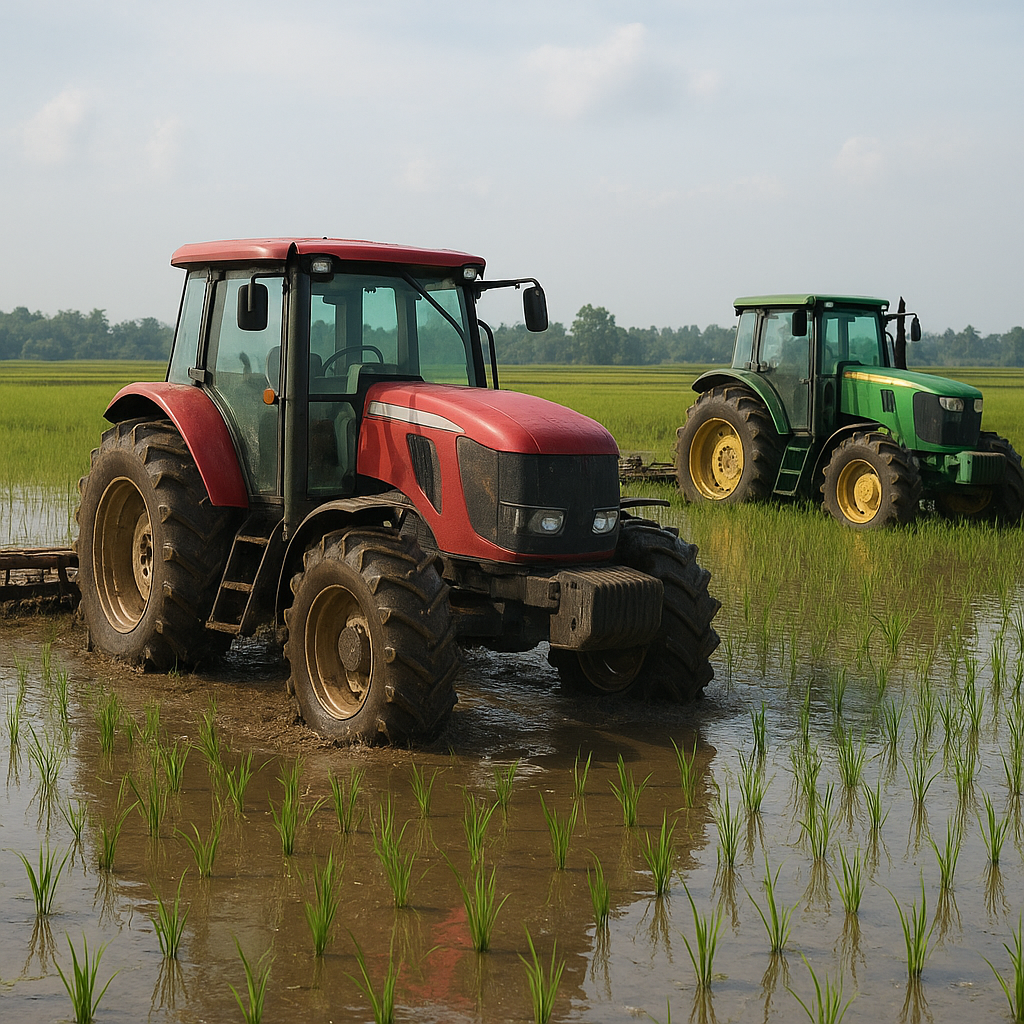
John Deere’s 9RX series has also made waves, combining 620 to 680 HP with quadruple tracks that spread weight evenly and minimize soil compaction. This undercarriage system delivers superior traction on wet terrains, preventing wheel slip and protecting the soil profile. Belarus tractors have responded as well, with the 3522 model offering 540 HP at a competitive price point, demonstrating that different markets demand tailored solutions.
Economic and Environmental Impact of Mega Tractors
Cost-benefit analyses reveal that while the initial investment for a mega tractor can exceed half a million dollars, the return on investment unfolds through reduced labor, fuel savings, and higher timely field operations. Farmers operating thousands of acres benefit from fewer passes, lower per-acre input costs, and the ability to complete critical tasks ahead of weather windows.
However, the environmental footprint of these machines must be carefully managed. Advances in engine technology have led to Stage V and Tier 4 Final emissions standards compliance, curbing nitrogen oxide and particulate releases. Furthermore, auto idle-shutdown features curb wasted fuel during pauses. Adaptive tire pressure systems continuously adjust to field conditions, further lowering fuel burn and soil erosion risks. By embracing sustainability protocols, manufacturers and farm operators collaborate to balance scale with ecological responsibility.
Enhancing Productivity with Integrated Implements
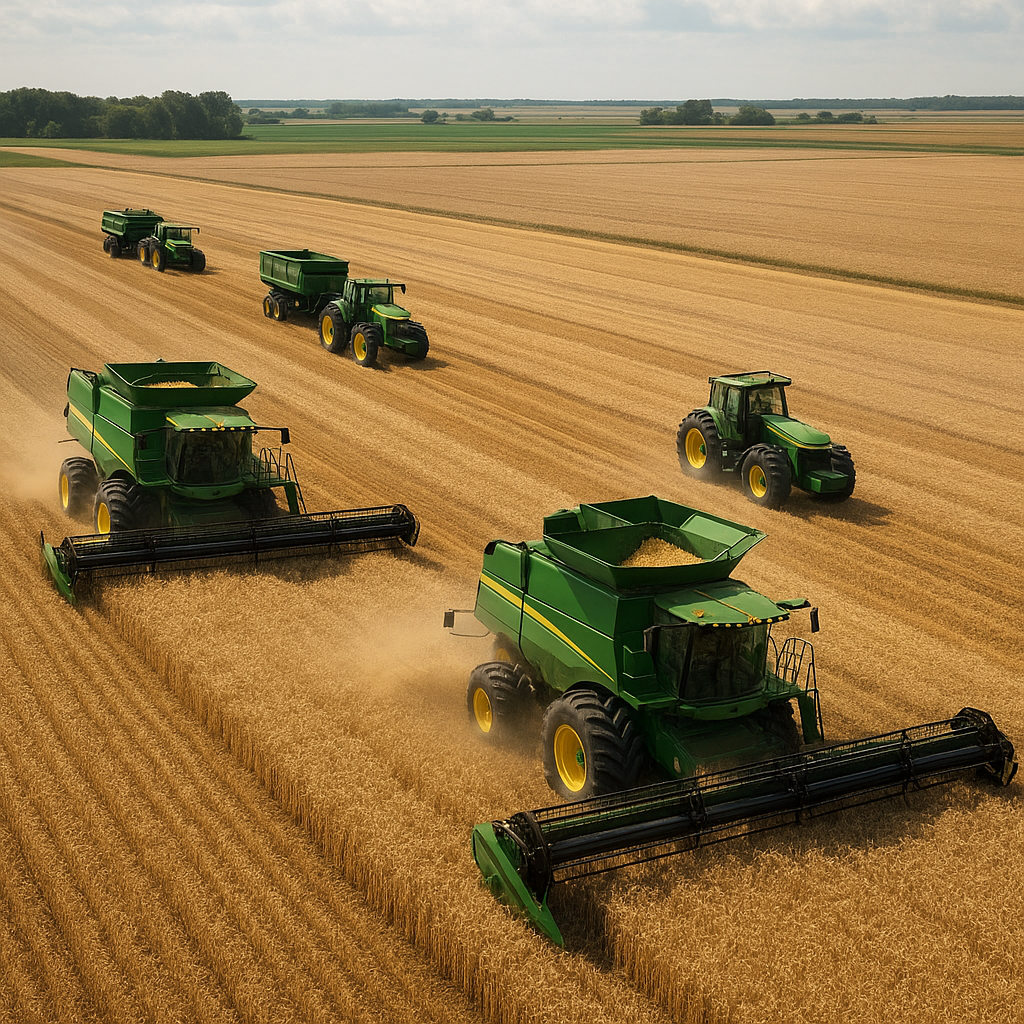
Giant tractors are only as effective as the implements they pull. Manufacturers now offer fully integrated air seeders, cultivators, and sprayers tailored to each model’s hydraulic capacity. These modular attachments fit seamlessly onto quick-coupling hitches, enabling rapid changeovers. Seed drills equipped with individual row monitoring ensure precise placement, while high-capacity tanks and booms cover dozens of meters in a single pass. The synergy of tractor and implement elevates overall farm throughput, reducing labor requirements and raising operational consistency.
The Future of Giant Farm Equipment
Looking ahead, the industry is exploring electric and hybrid powertrains to decarbonize heavy-duty field work. Early prototypes combine diesel generators with high-capacity battery packs, aiming to deliver the continuous torque characteristics needed for tillage. Electric drive lines promise instantaneous power delivery and lower maintenance points by eliminating complex transmissions and hydraulic pumps.
Meanwhile, robotic swarms of smaller machines offer an alternative approach to scaling. Coordinated via AI-driven fleets, they perform tasks in parallel with automation logic, reducing the need for massive single units. Yet, on high-acreage mega farms, one colossal tractor might still outperform dozens of mini-robots in terms of throughput and logistical simplicity.
Ultimately, the marriage of innovation and traditional mechanical robustness will define the next era of farming giants. Whether harnessing renewable fuels, implementing advanced human-machine interfaces, or further refining soil preservation strategies, these machines are set to transform agricultural practices and maintain global food supplies for generations to come.