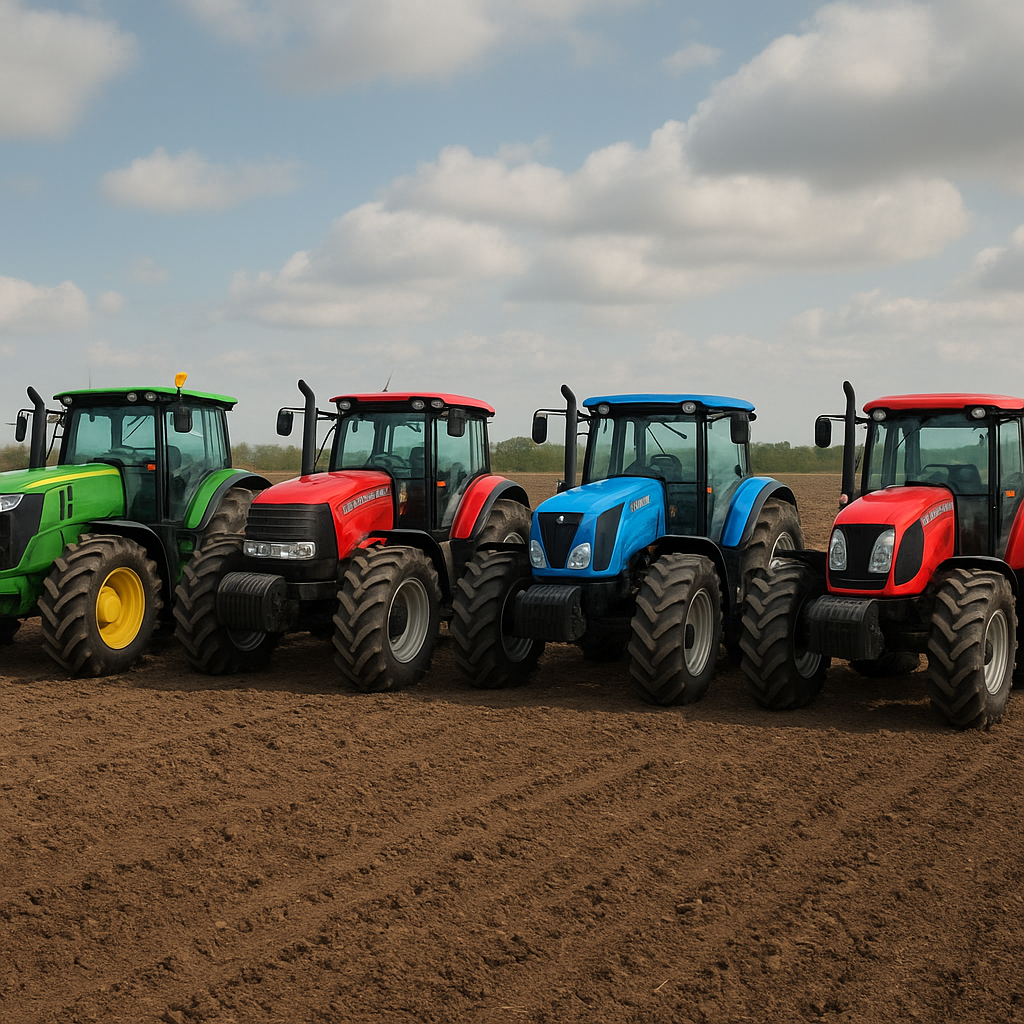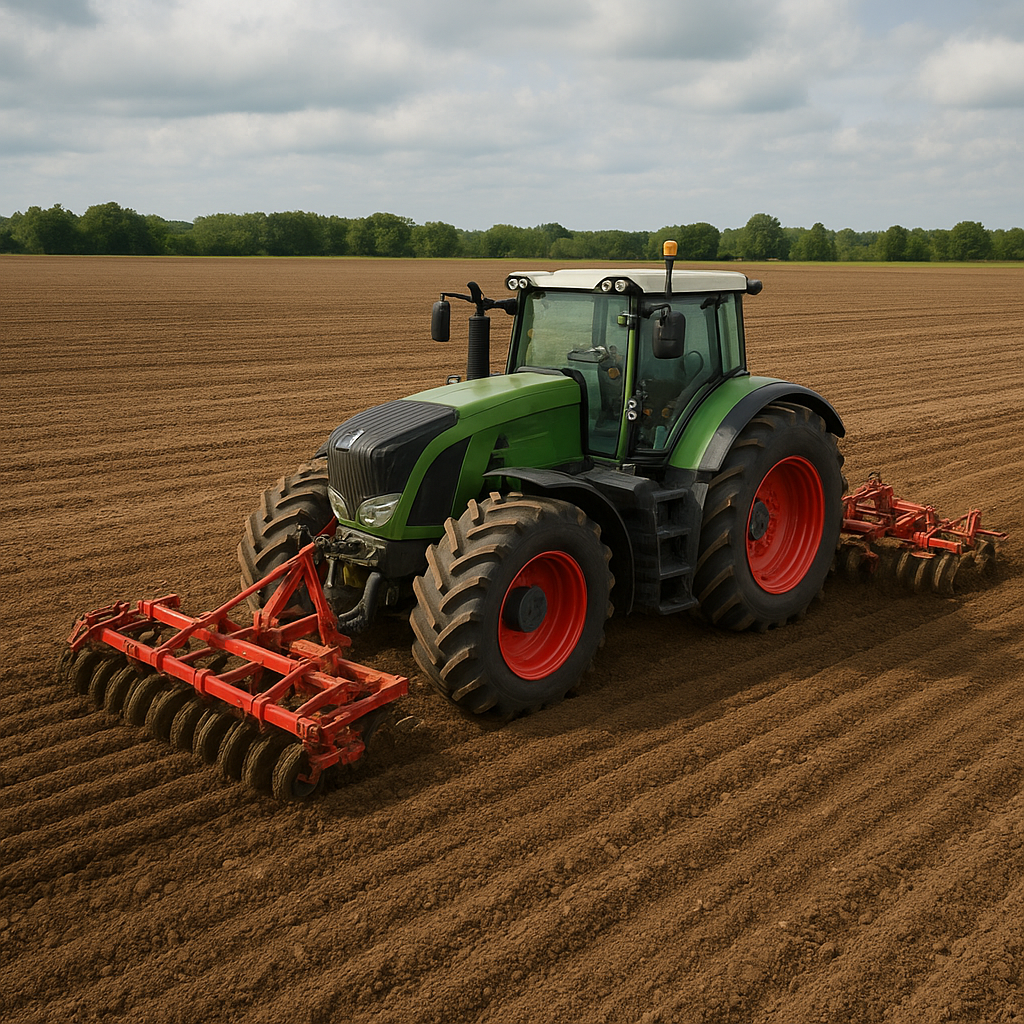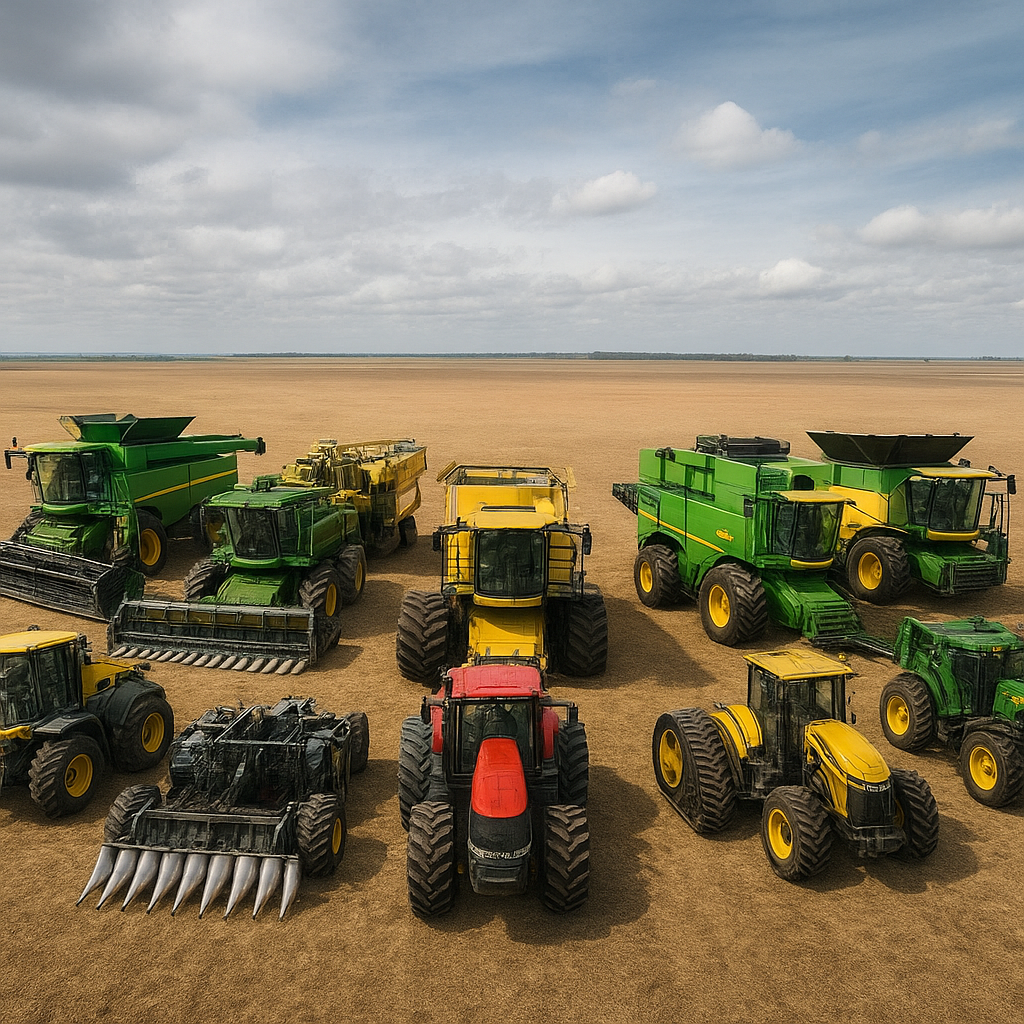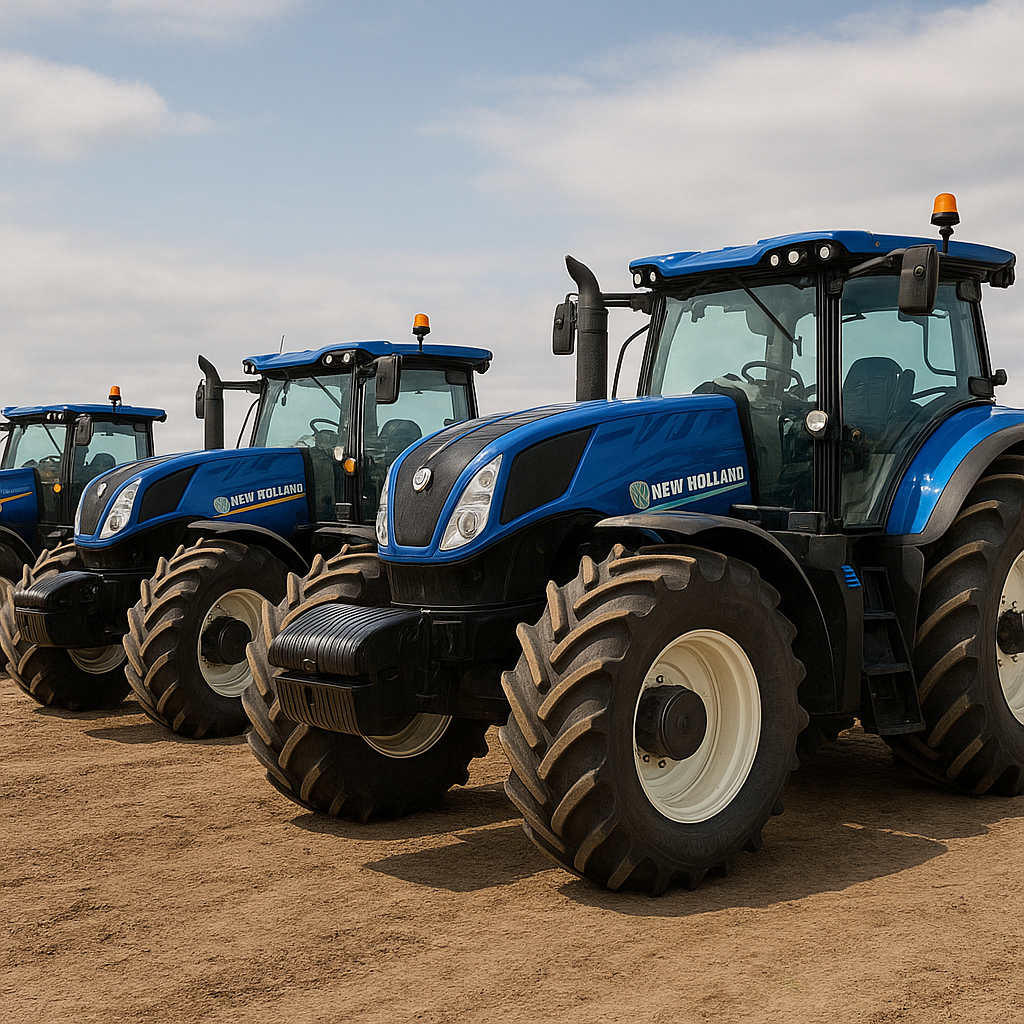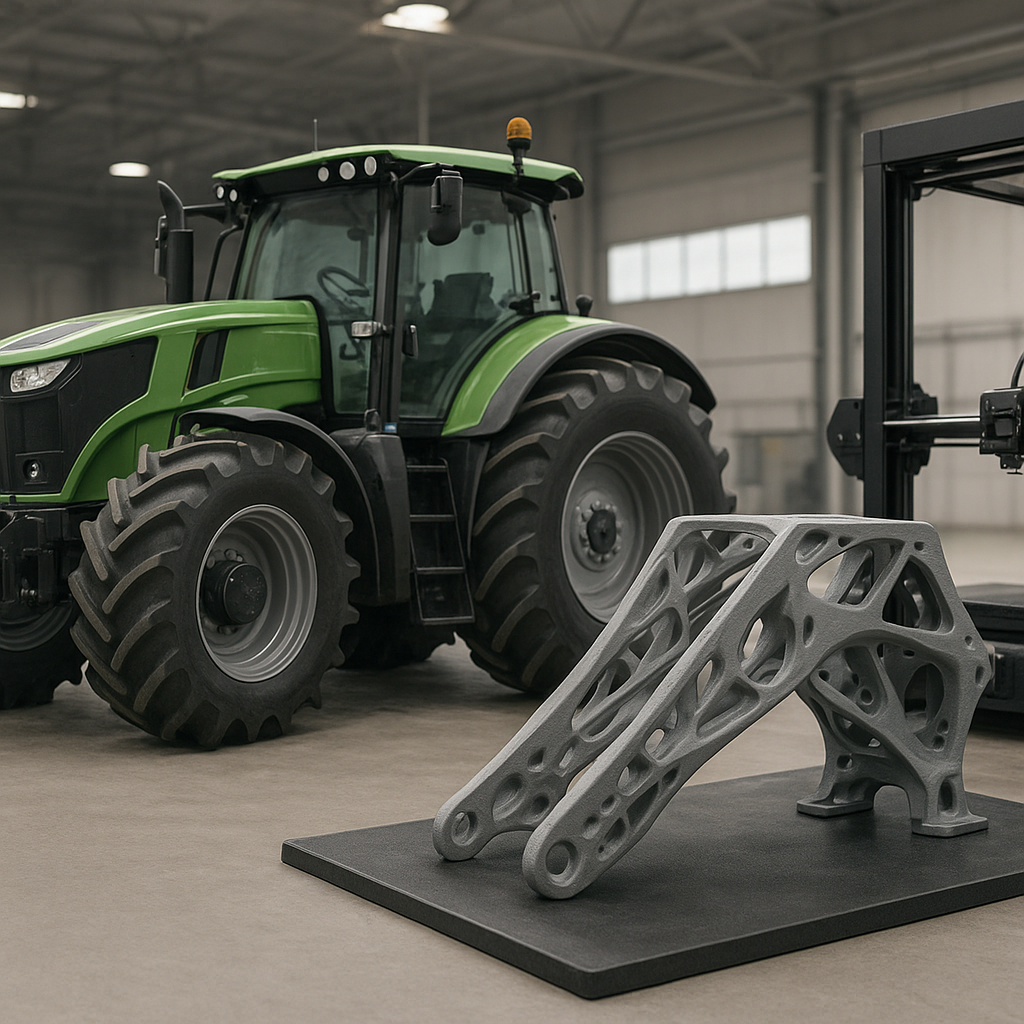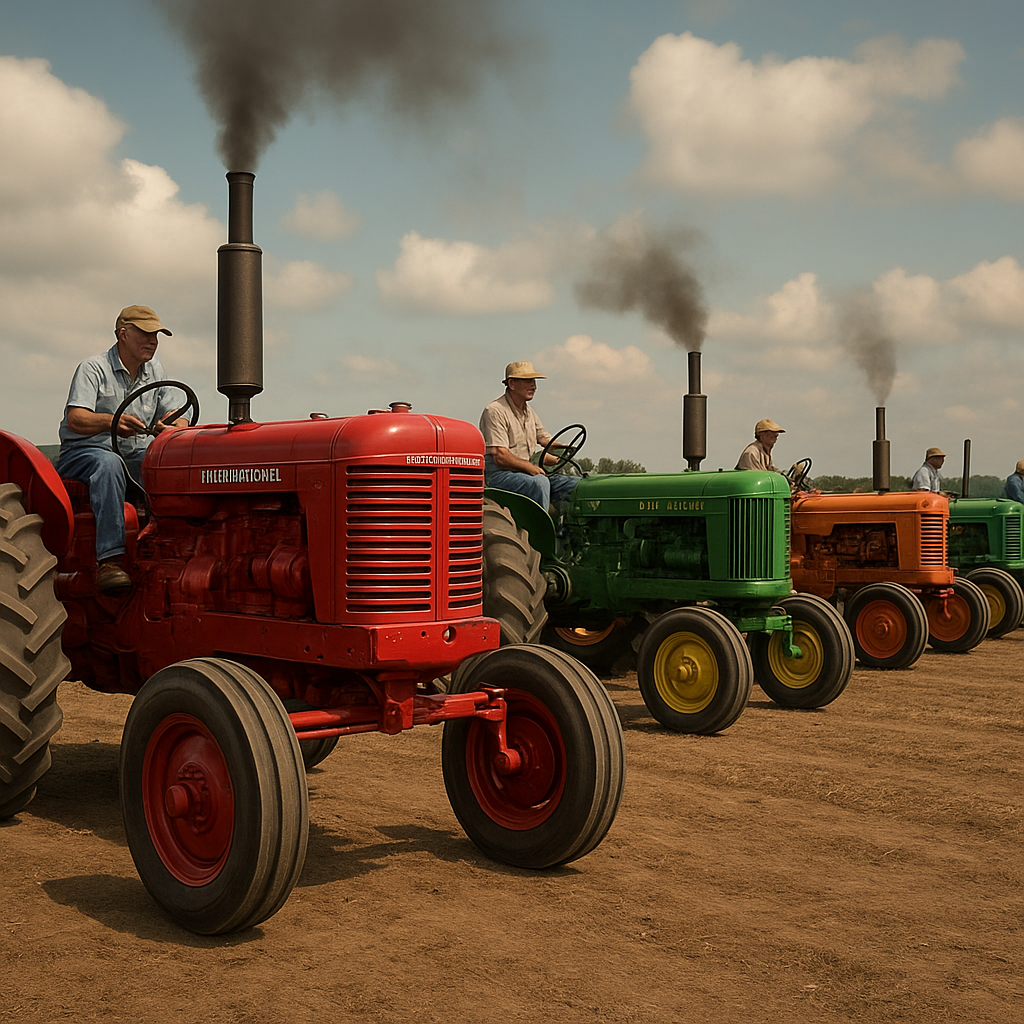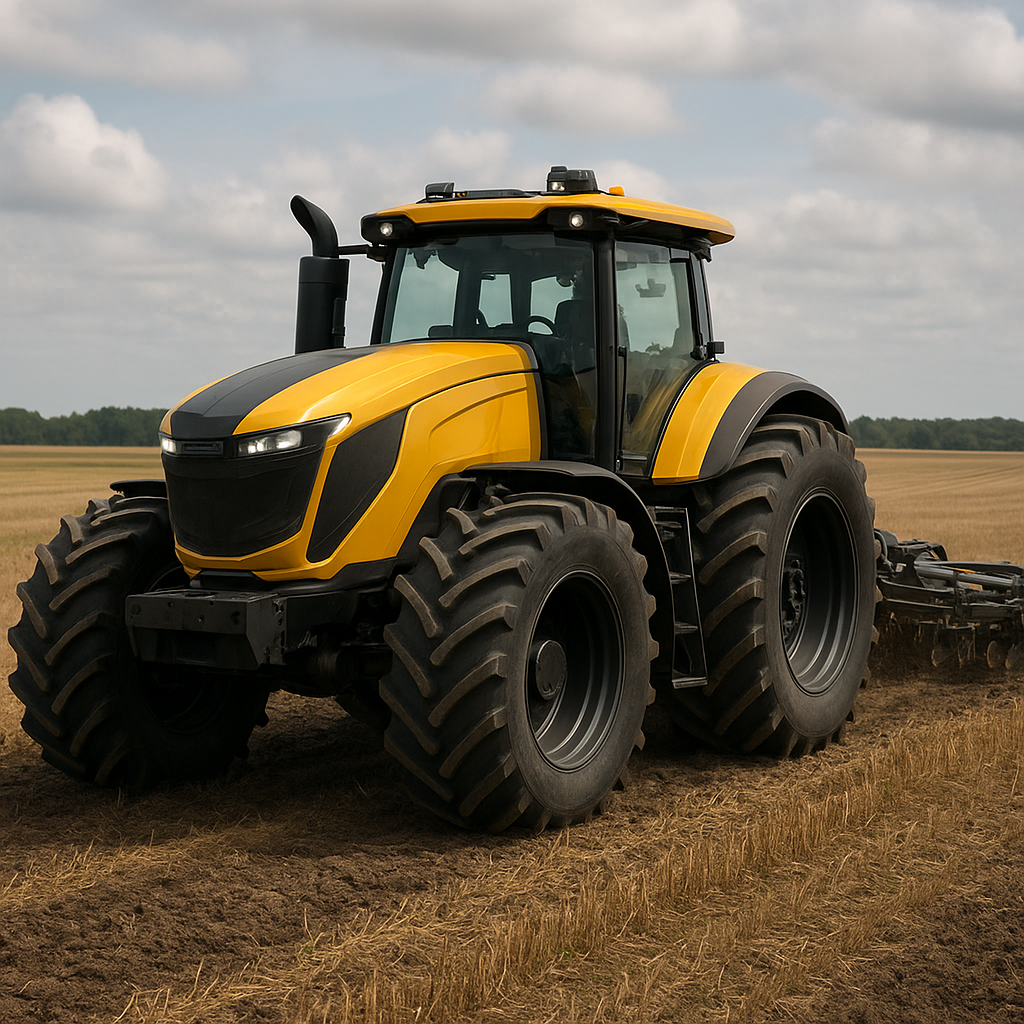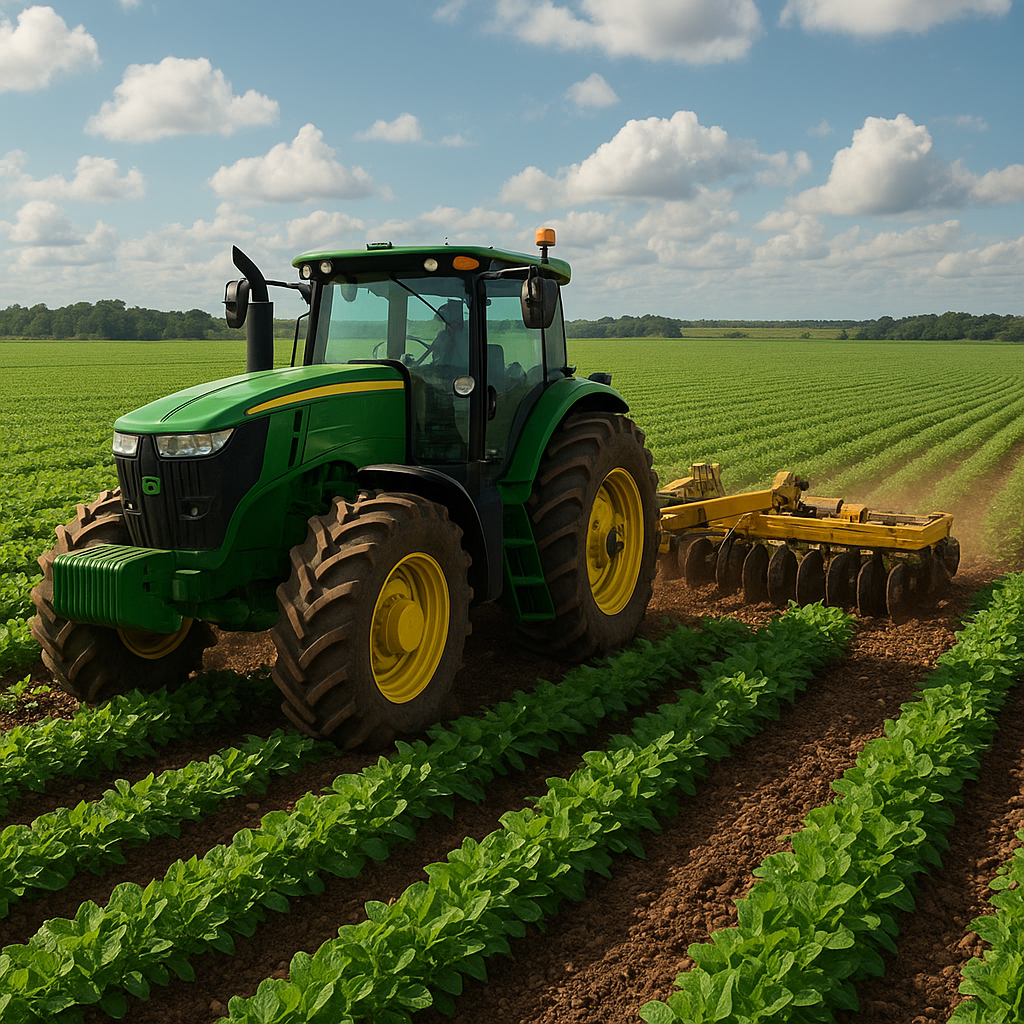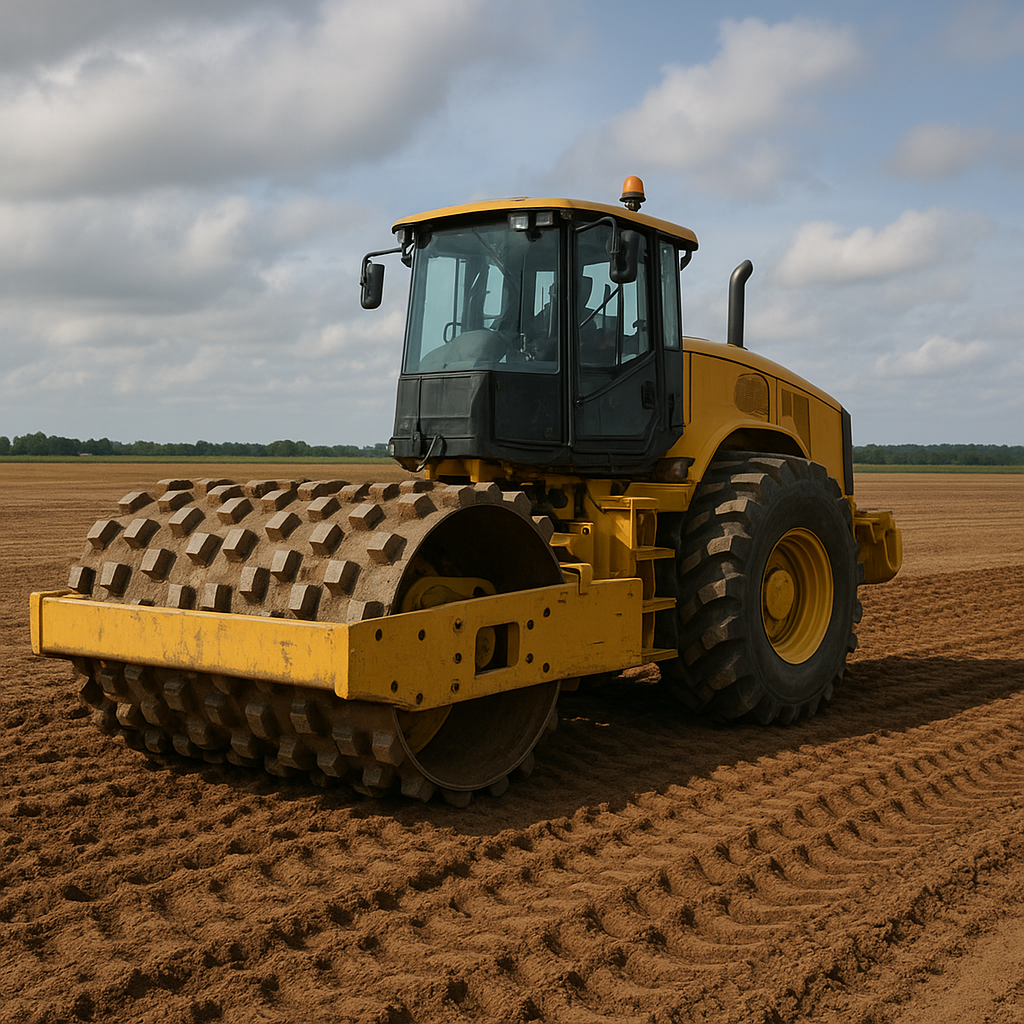
The world of heavy machinery has witnessed remarkable strides in the design of tractors built specifically for soil compaction. These colossal machines play a pivotal role in ensuring fields, roads, and construction sites boast optimal density, uniformity, and load-bearing capacity. From expansive prairies to intricate infrastructure projects, the biggest tractors combine raw power with cutting-edge technology to deliver unparalleled performance. This exposition delves into their evolution, defining characteristics, and the emerging trends shaping their future.
Evolution of Heavy-Duty Tractors in Soil Compaction
The journey toward today’s behemoth machines began over a century ago, when rudimentary steam rollers and early tractors served simple tasks. With the rise of mechanized agriculture and large-scale civil engineering, demand for specialized compaction equipment surged. Innovations in engine design, hydraulics, and control systems gradually transformed these machines from basic pull-behind rollers into self-propelled giants capable of tackling the most challenging soil conditions.
From Steam Power to Diesel Dominance
Early compaction efforts relied on durability rather than finesse. Steam rollers, while heavy, lacked precision and efficiency. The advent of internal combustion engines marked a turning point. Diesel powerplants delivered higher horsepower and improved fuel economy, enabling tractors to apply consistent pressure over wide swaths of ground. Manufacturers began integrating multi-speed transmissions and differential locks to maximize traction and control.
Technological Milestones
- Introduction of pneumatic tires and inflatable dual-wheel setups for adjustable contact pressure.
- Hydrostatic drives providing smooth speed modulation without clutching.
- Advanced ballast systems to fine-tune machine weight, optimizing soil structure preservation.
- Electronic sensors and onboard computers for real-time monitoring of compaction forces.
These milestones laid the groundwork for tractors that not only push massive loads but also protect delicate subsoils and root zones, balancing power with ecological responsibility.
Key Features of the Largest Compaction Tractors
Big tractors aren’t merely oversized versions of farm units—they represent a fusion of heavy-industry engineering and precise agricultural science. Below are the hallmark attributes that set them apart.
1. Unrivaled Weight and Ballasting
- Gross vehicle weights often exceed 30 tonnes, achieved through integrated water ballast tanks or hollow wheel designs.
- Adjustable front-to-rear weight distribution ensures even compaction, crucial for maintaining seedbed uniformity.
2. Exceptional Horsepower and Torque
- Engines rated between 400 and 800 HP provide the grunt needed to consistently press the soil surface.
- High-torque curves enable steady ground engagement even at low speeds, minimizing slippage and enhancing efficiency.
3. Advanced Traction Systems
- Tracks or multi-wheel arrangements distribute load, reducing ground pressure spikes.
- Variable tire pressures can be adjusted on-the-go to match soil moisture and texture, boosting traction and fuel economy.
4. Precision Control and Telematics
- GPS-guided steering facilitates overlapping passes with millimeter accuracy, eliminating under- or over-compacted zones.
- Telematics modules stream performance data to cloud platforms, enabling predictive maintenance and operator coaching.
5. Operator Comfort and Safety
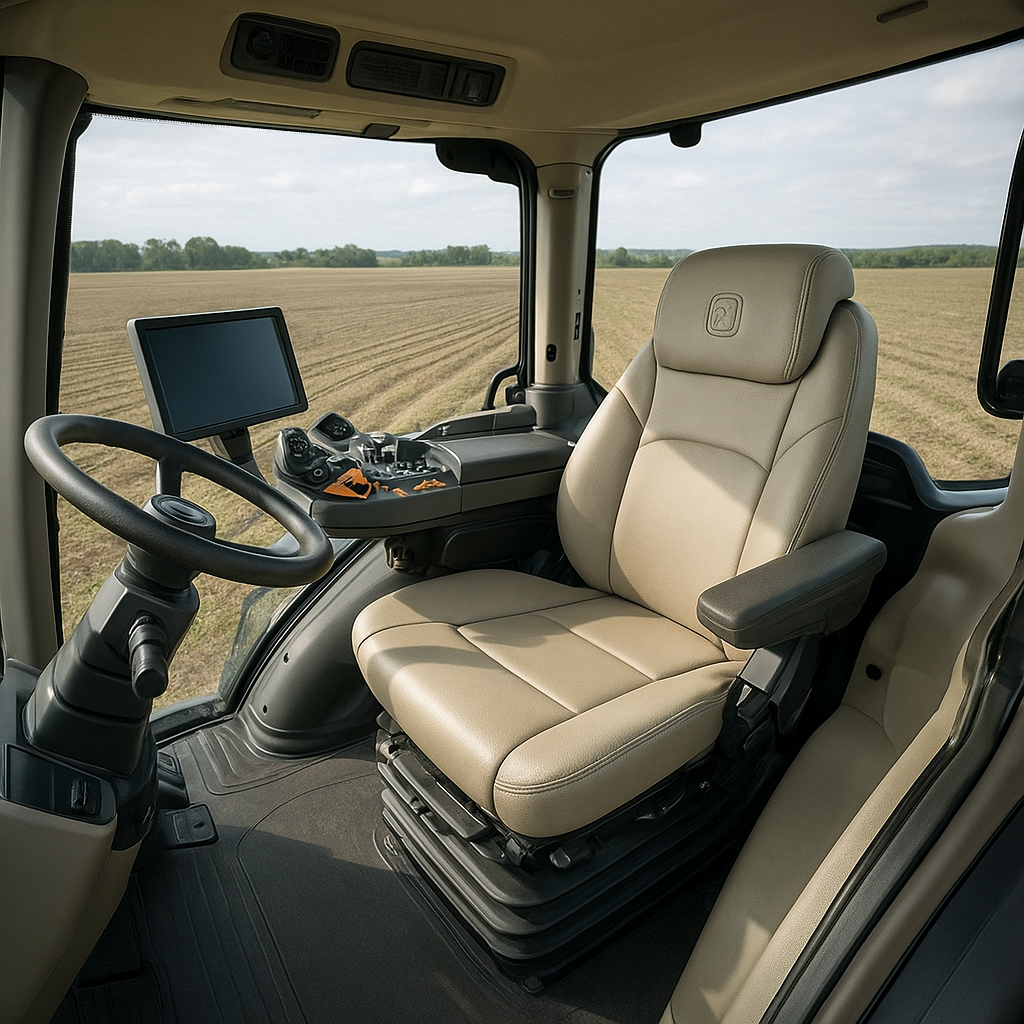
- Climate-controlled cabs with panoramic views reduce fatigue during marathon compaction jobs.
- Rollover protection structures (ROPS) and advanced braking systems keep both driver and machine secure on uneven terrain.
In combination, these features ensure the largest compaction tractors deliver consistent, high-quality results while safeguarding soil health and operator well-being.
Applications and Future Trends
Massive compaction tractors are indispensable across a range of sectors. Their ability to impose uniform pressure makes them ideal for:
- Agricultural seedbed preparation, promoting uniform germination and root establishment.
- Road foundation and highway shoulder stabilization, preventing rutting and subsidence.
- Landfill cell compaction, maximizing waste density and extending site lifespan.
- Airport runway construction, meeting stringent load-bearing criteria for heavy aircraft.
Embracing Automation and Innovation
The next generation of compaction tractors will integrate semi-autonomous and fully autonomous functions. Machine learning algorithms will adapt compaction intensity in real time, responding to moisture gradients and subsoil anomalies. Remote operation centers linked via high-bandwidth networks will supervise fleets across multiple sites, enhancing productivity and reducing labor costs.
Alternative Power and Sustainability
Electrification and hybrid drivetrains are on the horizon. By coupling battery packs with efficient diesel generators or hydrogen fuel cells, manufacturers aim to reduce emissions without sacrificing the enormous torque demands of heavy-duty compaction. Regenerative braking systems and low-impact tire compounds will further decrease environmental footprints, aligning with global carbon reduction targets.
Integration with Precision Agriculture
Data-driven farming practices are reshaping soil management. Integrated sensor suites on compaction tractors will measure parameters such as bulk density, moisture content, and organic matter levels as they operate. This information feeds into farm management software, guiding variable-rate seed placement and fertilizer applications. The synergy between compaction and precision agronomy heralds higher yields, reduced input costs, and healthier soils.
As these massive tractors continue to evolve, they will remain at the forefront of both agricultural advancement and infrastructure development. Their blend of brute force and refined technology underscores the enduring quest for efficiency and excellence in land preparation.