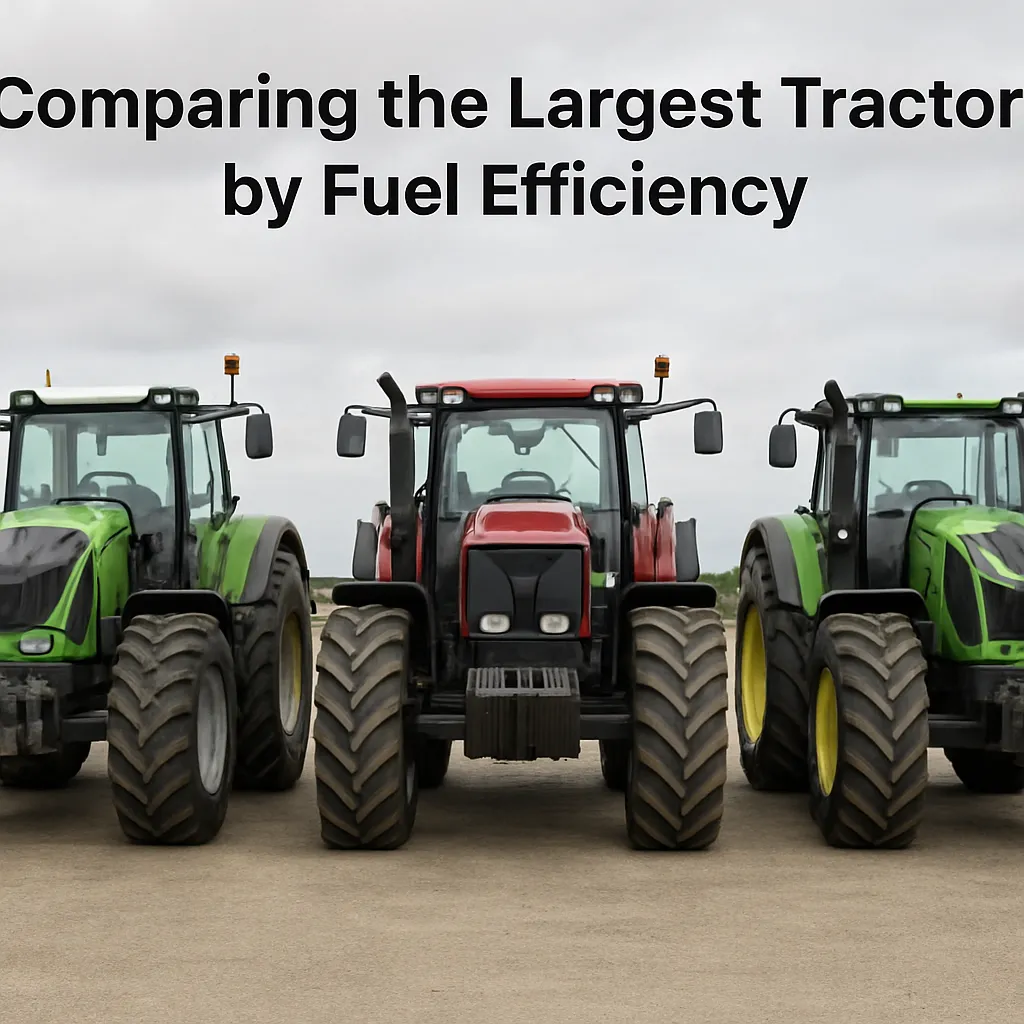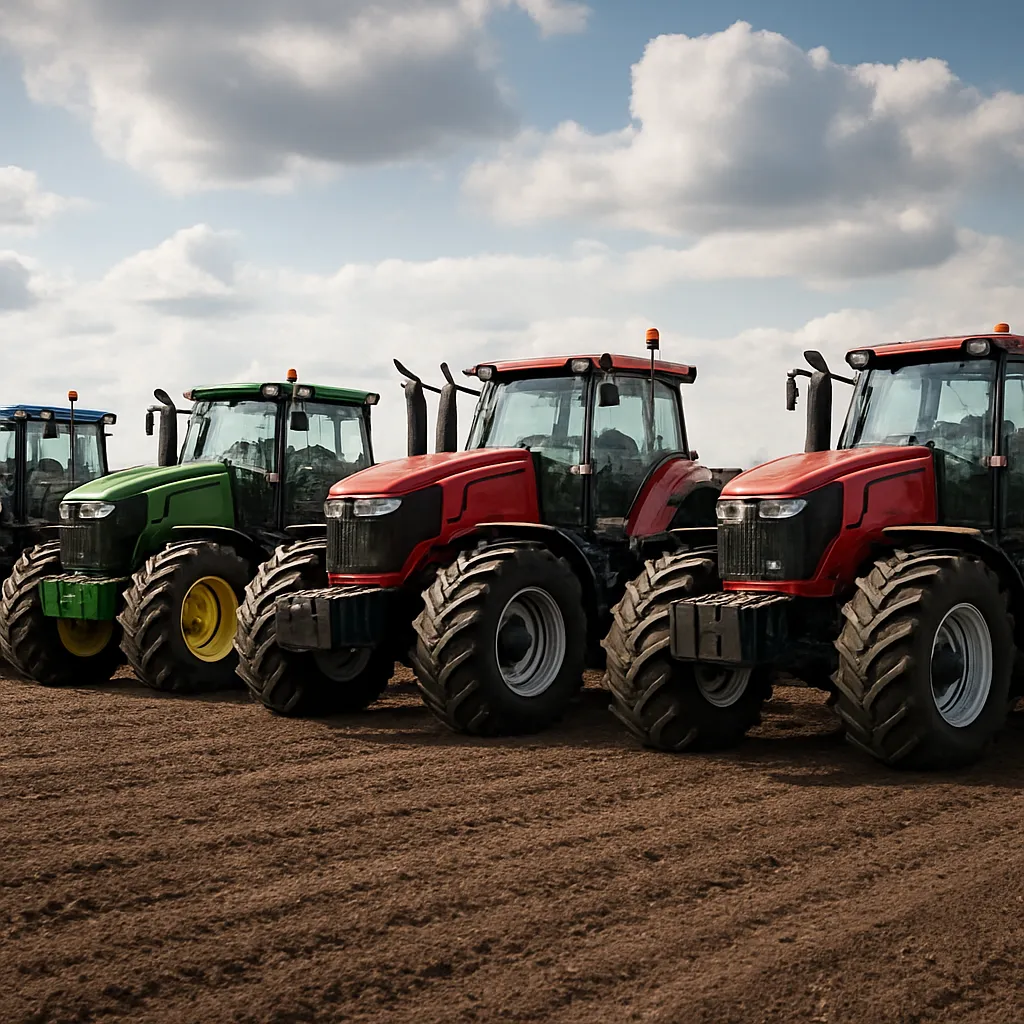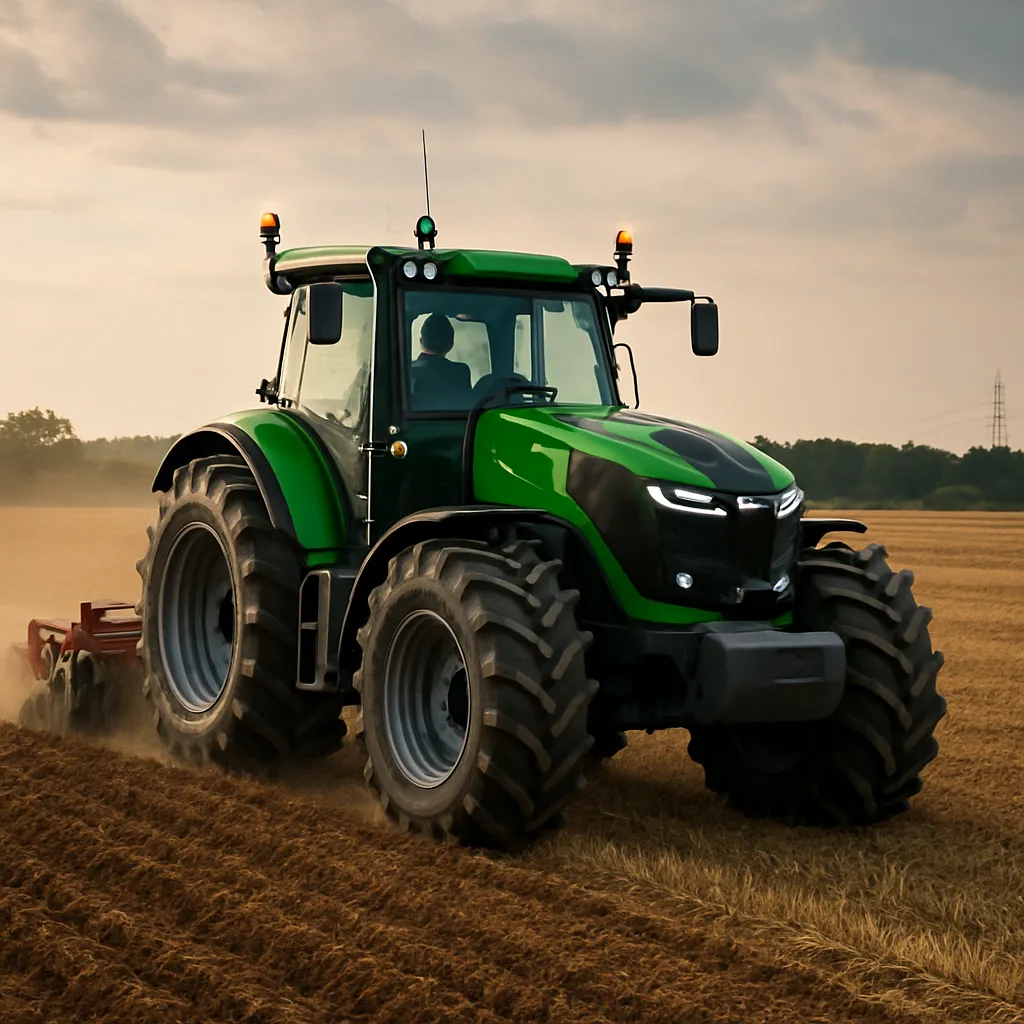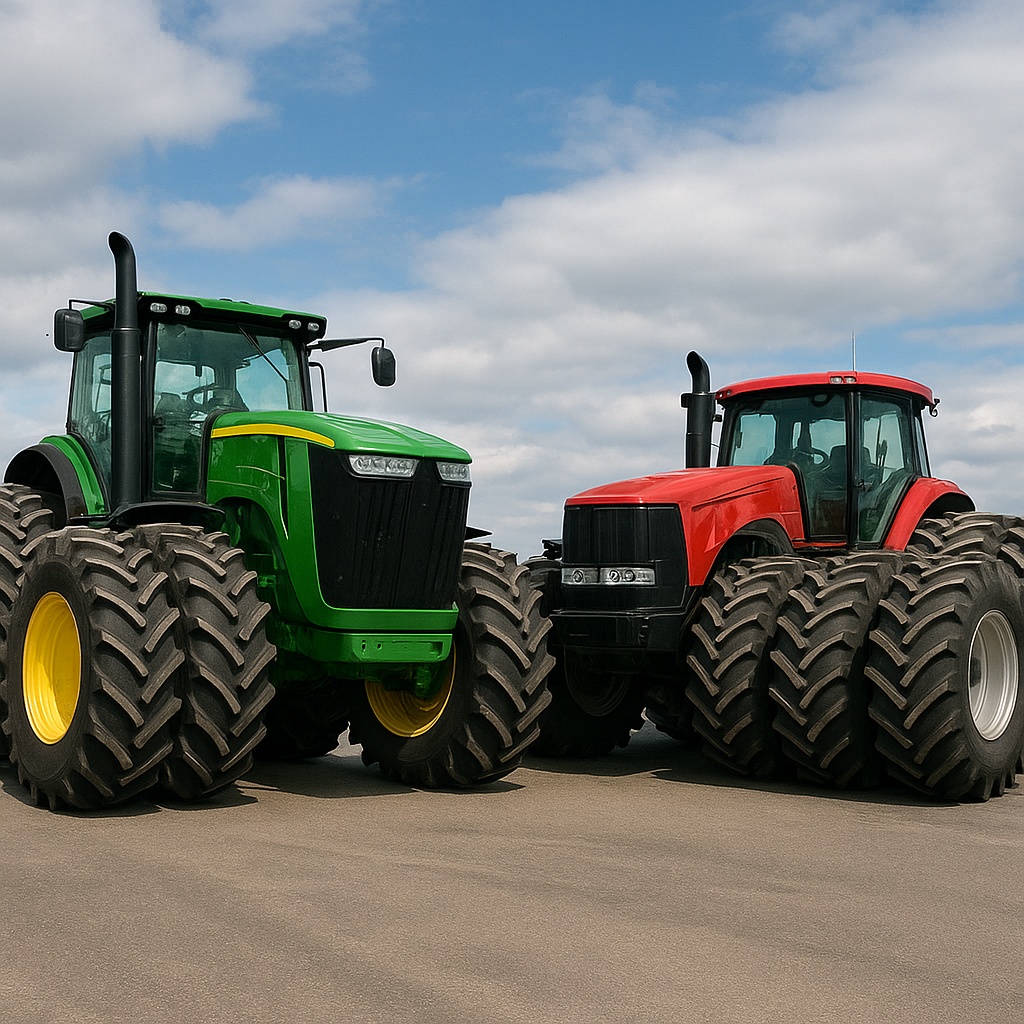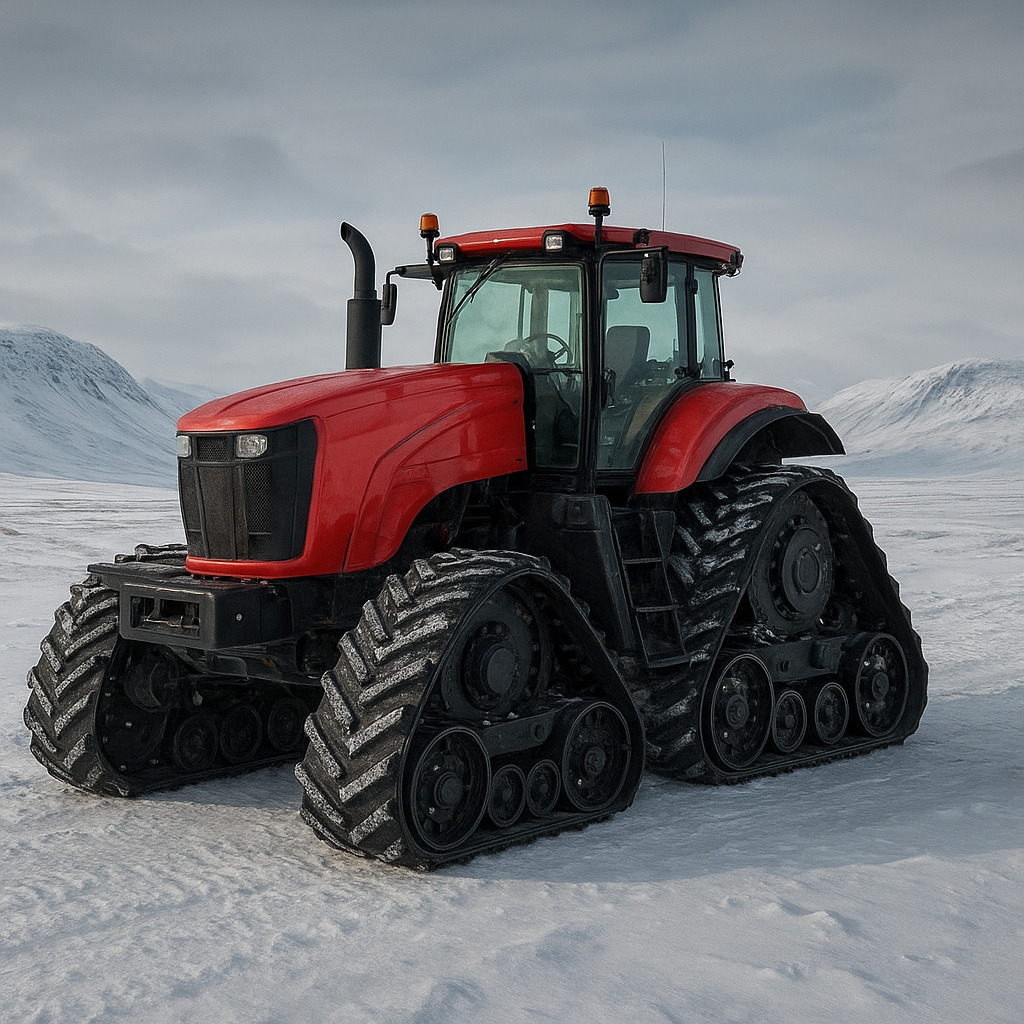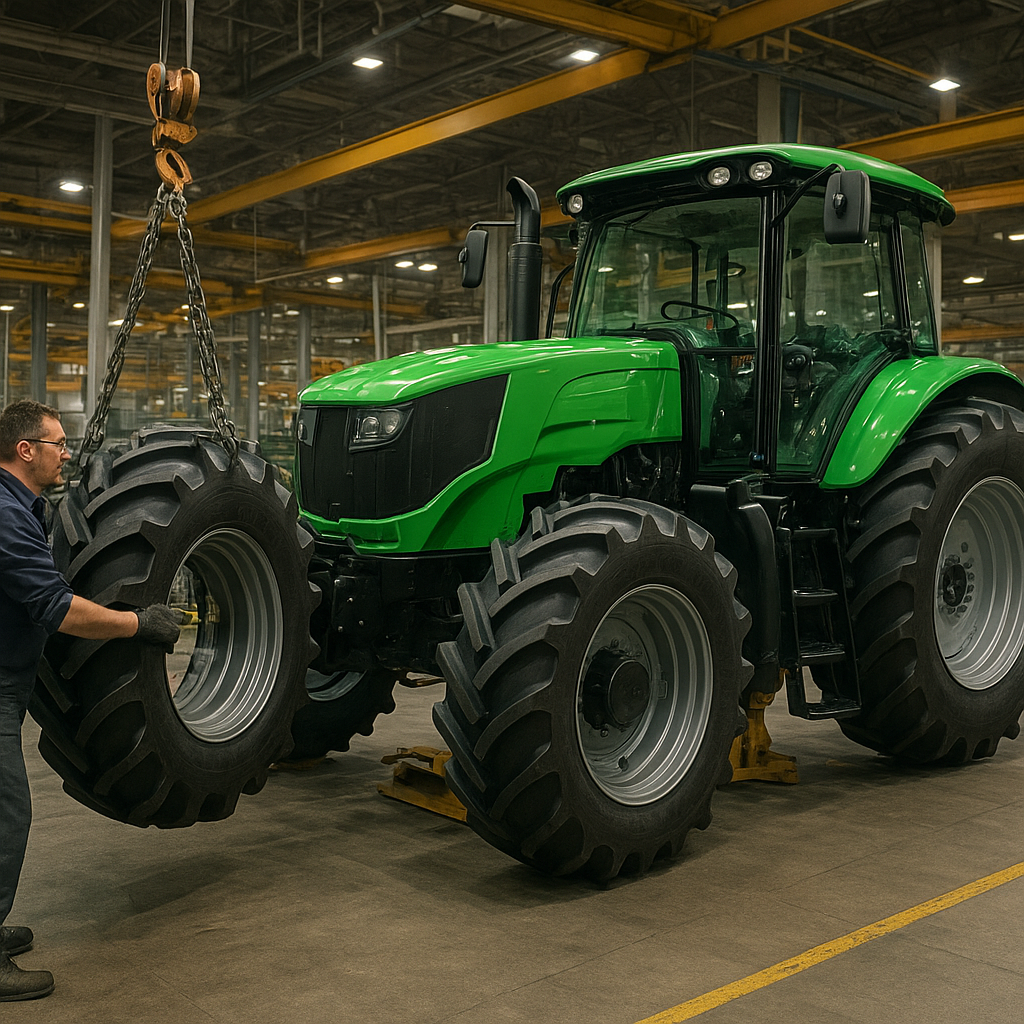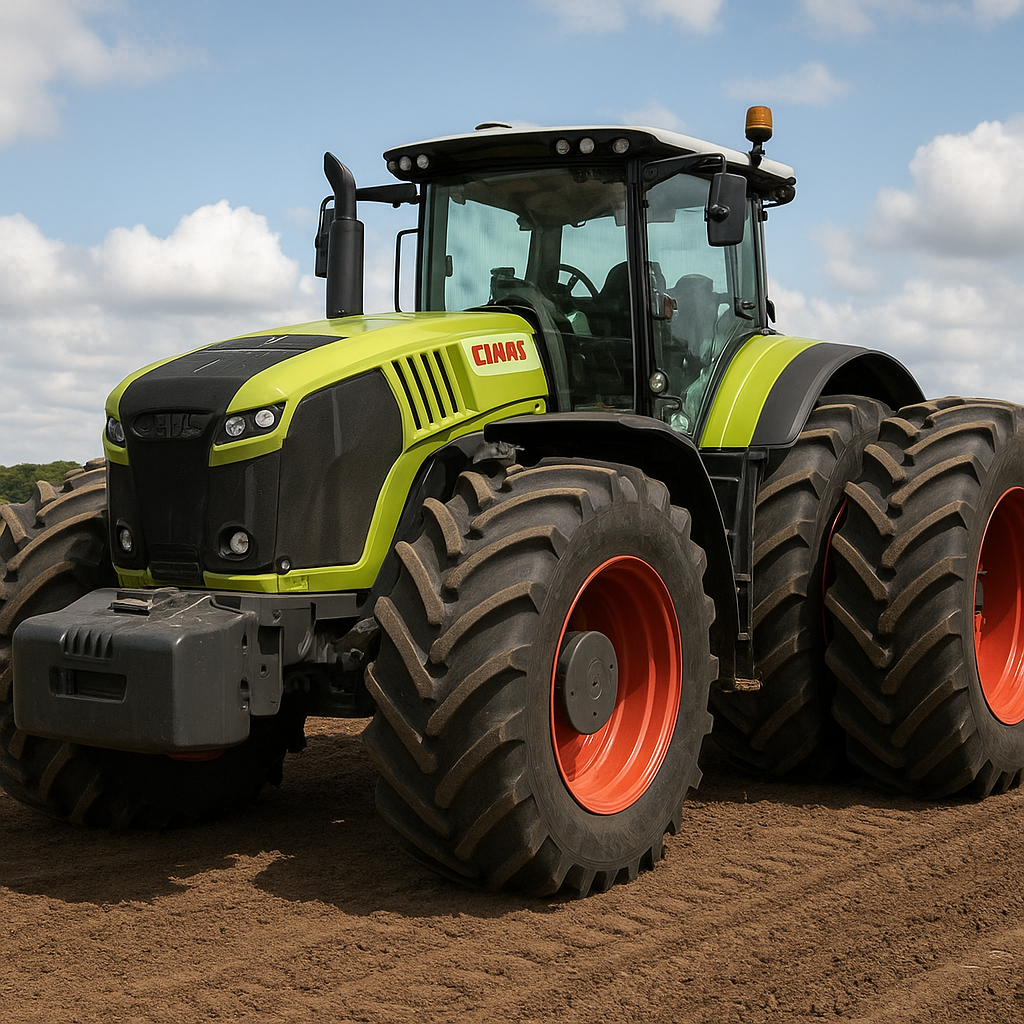
The advent of 3D printing in the agricultural machinery industry is reshaping how engineers design and build the biggest tractors on the market. From colossal, multi-axle giants that can exceed 600 horsepower to specialized machines for precision planting, the integration of additive manufacturing methods is driving radical improvements in performance, weight reduction, and cost efficiency. Farmers and OEMs alike are witnessing a new era of innovation as prototypes move from digital models to real-world giants in days, not months.
Next-Generation Frame Manufacturing
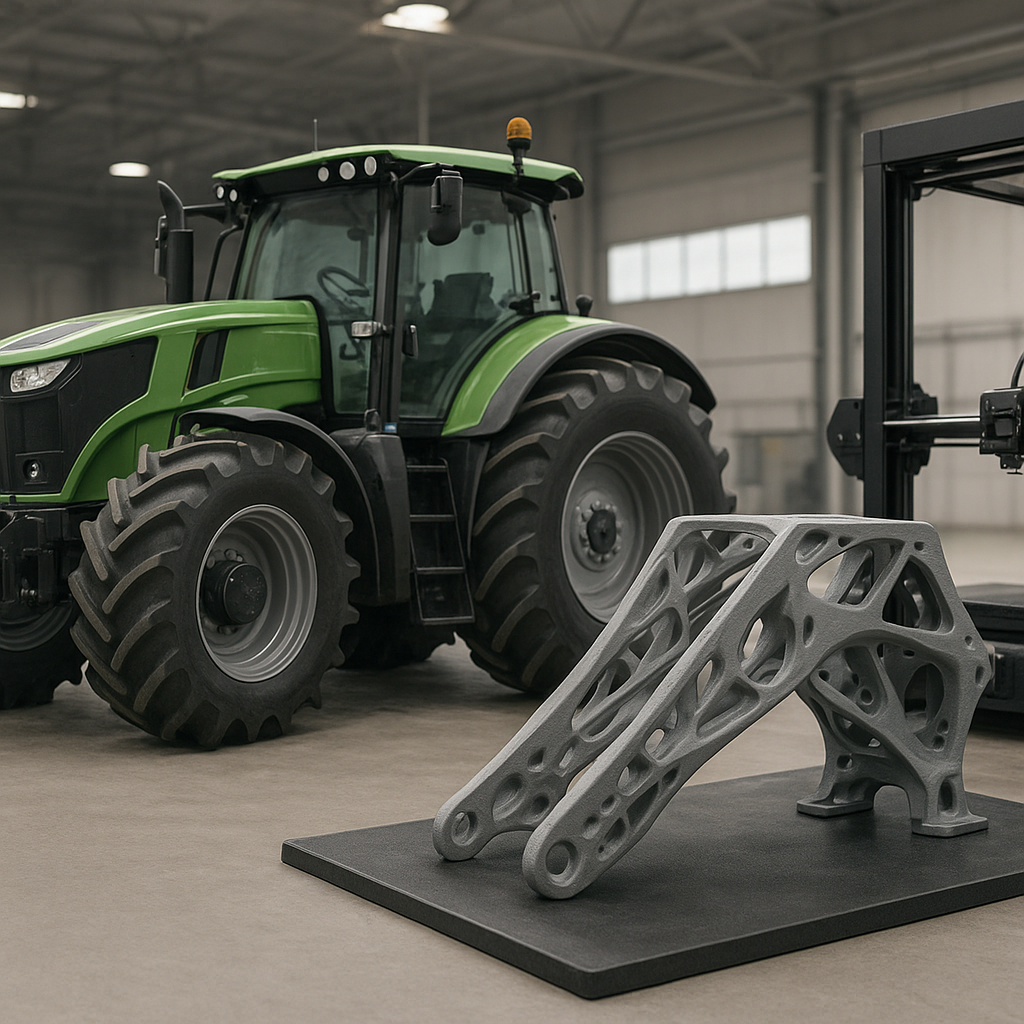
Traditional tractor frames are heavy, welded steel assemblies that can account for a significant portion of the vehicle’s overall mass. By contrast, 3D printing allows for the creation of lattice structures and topology-optimized designs that maintain structural integrity while shedding excess weight. Engineers use advanced simulation software to determine stress points and then apply additive manufacturing to produce frames with:
- Lightweight internal honeycomb patterns
- Strategically reinforced load-bearing nodes
- Integrated mounting points for attachments
With these innovations, mega-tractors can reduce frame weight by up to 20%, translating into improved fuel economy, reduced soil compaction, and the ability to add heavier implements without compromising stability.
Customization and Rapid Prototyping
The hallmark of 3D printing is its unrivaled capacity for rapid iteration. Engineers designing the next generation of high-horsepower machines can:
- Produce one-off components to test new hydraulic routing.
- Create bespoke cabin modules with ergonomic enhancements.
- Implement field-specific attachments without expensive tooling changes.
Thanks to a compressed feedback loop, concept to field-test phases shrink from months to weeks. This prototyping agility empowers small OEM teams to rival industry giants in innovation speed, and it permits a level of customization previously unattainable in large-scale agriculture equipment.
Complex Component Fabrication
Modern tractors rely on hydraulics, precision injection pumps, and advanced cooling systems that often demand intricate internal passageways and fine geometric detail. Traditional machining struggles to achieve these complex geometries cost-effectively. Additive methods excel by enabling:
- Internal channels within fuel injectors for improved spray patterns.
- Integrated heat exchangers in engine blocks to boost thermal efficiency.
- Lightweight, high-strength linking rods and brackets with reduced machining waste.
By replacing dozens of individually machined parts with a single printed assembly, manufacturers streamline supply chains and drastically lower part count—leading to enhanced durability and simplified maintenance procedures in field conditions.
Case Studies from Leading Manufacturers
Several industry leaders are already leveraging additive manufacturing to pioneer next-gen tractor designs:
- John Deere: Utilizes metal 3D printing for prototype fuel nozzles, enabling on-the-fly refinements based on real-world performance data.
- CNH Industrial: Employs polymer printing for cab components, reducing noise and vibration through custom-designed damping structures.
- AGCO: Partners with startup labs to develop hybrid metal-composite axle housings that cut weight by 15% while maintaining load ratings above 10 tons.
Real-world tests have shown that these tractors, when equipped with printed parts, outperform conventional models in tractive efficiency and service life—underscoring the practical benefits of optimization through additive methods.
Sustainability and Resource Efficiency
Beyond performance gains, sustainability is a driving factor for the shift toward 3D printing in agricultural machinery. Additive processes generate up to 90% less material waste compared to subtractive machining. Additionally:
- Scrap metal and polymer residues are recycled back into the printing feedstock.
- Lightened equipment reduces fuel consumption and carbon emissions in day-to-day operation.
- On-demand part production lowers the need for large warehoused inventories and long-distance shipping.
The combination of efficiency in design, resource management, and part lifecycle represents a holistic win for both OEMs and end users, delivering tractors that are not only more powerful but also kinder to the environment.
Future Directions in Tractor Design
Looking ahead, the synergy between digital modeling, sensor data, and machine learning will further amplify the role of additive manufacturing. We can anticipate:
- Adaptive chassis that self-optimize shape based on field terrain analytics.
- Self-healing composite panels infused with microcapsules for on-field damage repair.
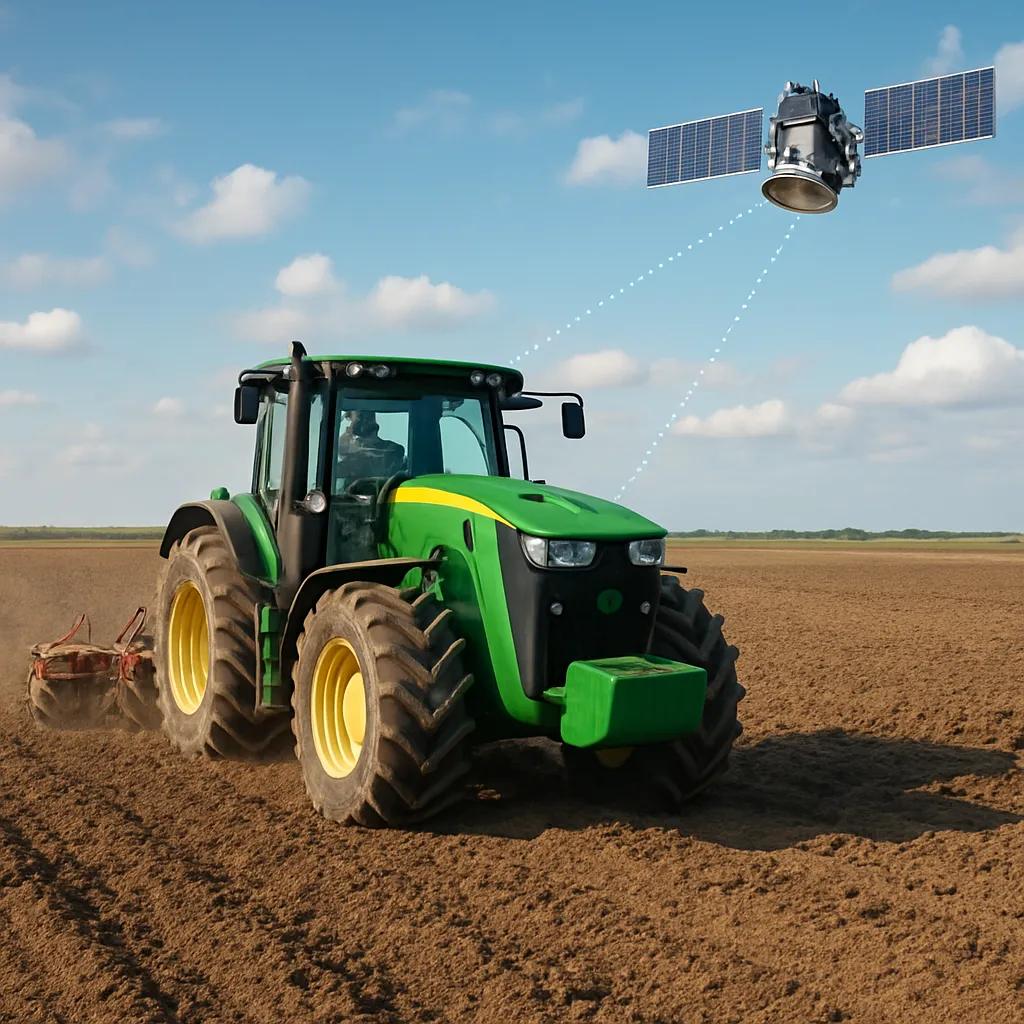
- Smart components embedded with IoT sensors during printing, enabling real-time health monitoring.
These developments will define the next generation of mega-tractors that combine raw power with unprecedented intelligence and resilience. As the agricultural landscape evolves, the integration of 3D printing into big tractor design will remain a cornerstone of progress, ensuring farmers have access to machines tailored for tomorrow’s challenges.