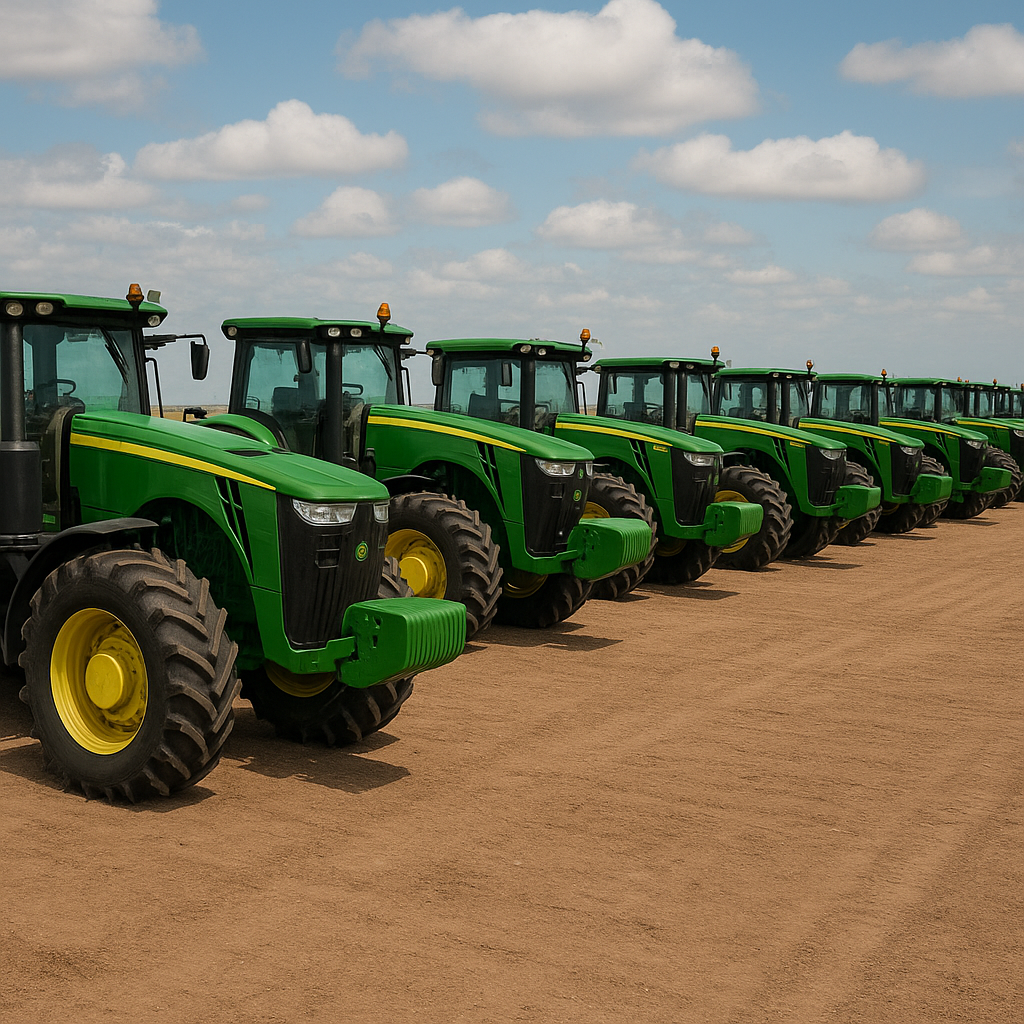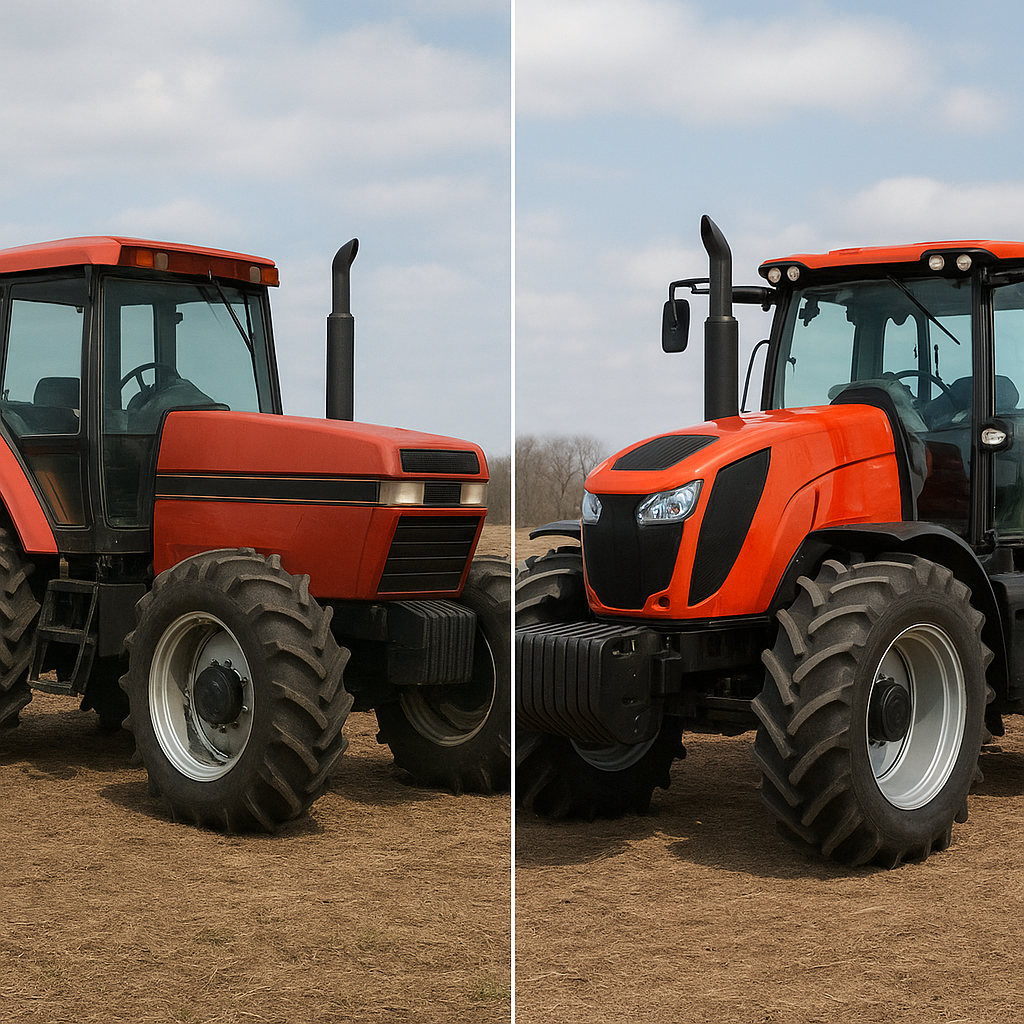
The perpetual drive toward enhanced efficiency in agricultural machinery has not only revolutionized field operations but also propelled a fundamental transformation in the design of some of the world’s biggest tractors. As farmers demand greater power output and lower operating costs, engineers have responded by integrating advanced engine technologies with innovative chassis and transmission systems. This article examines how breakthroughs in engine efficiency have shaped large tractor architecture, highlights landmark models in the “size race,” and explores the latest technological trends that define today’s field giants.
Evolution of Tractor Engine Efficiency
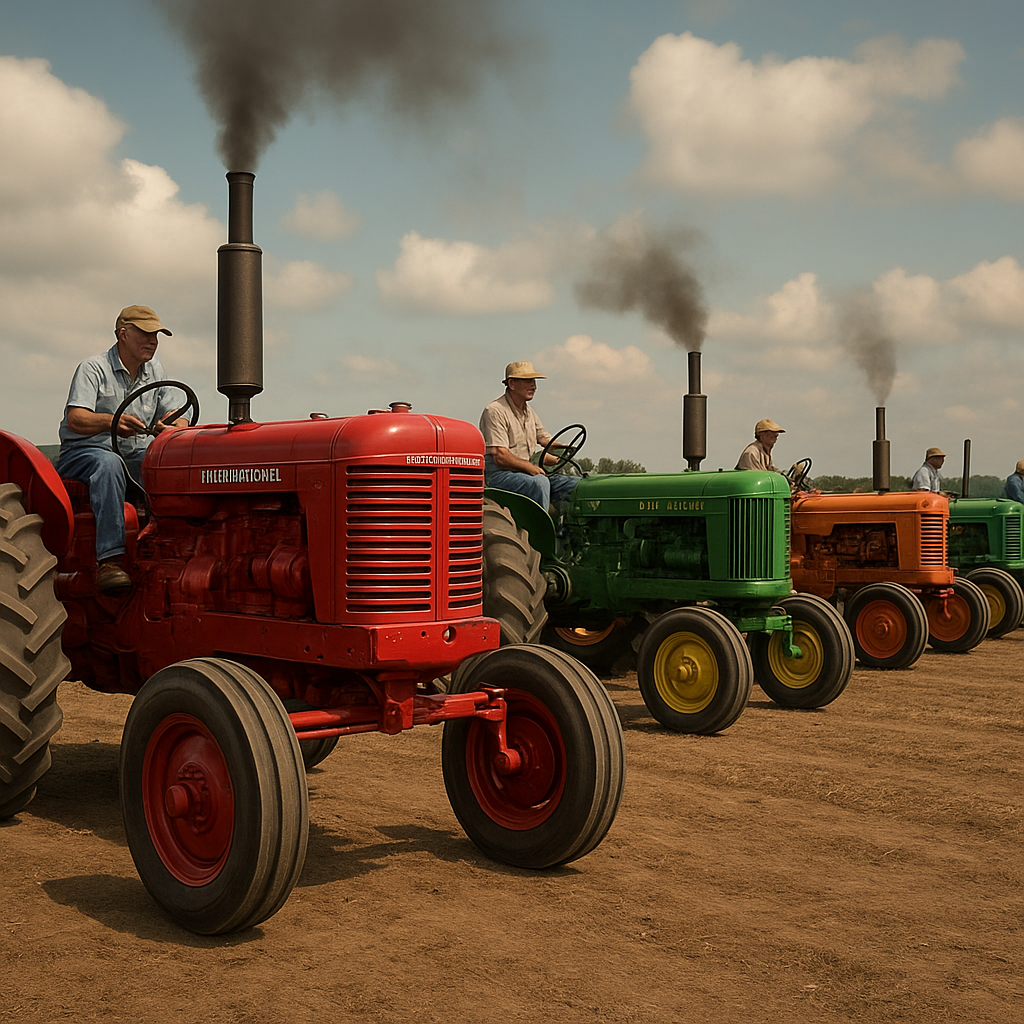
Early tractors relied on simple, low-speed diesel engines that provided modest torque but consumed large volumes of fuel. Over time, manufacturers introduced high-pressure fuel injection systems, turbochargers, and improved combustion chamber designs to optimize the air–fuel mixture and reduce losses. The transition from mechanical governors to sophisticated electronic engine management systems marked a significant milestone: real-time adjustments to timing and injection pressure under varying loads.
Stricter emission standards drove the adoption of aftertreatment systems such as selective catalytic reduction (SCR) and diesel particulate filters (DPF), which minimized particulate output and NOx emissions without compromising performance. These enhancements lowered fuel consumption by up to 15 percent compared to models from the previous decade, enabling tractors to operate longer on a single tank—an essential improvement for high-acreage operations.
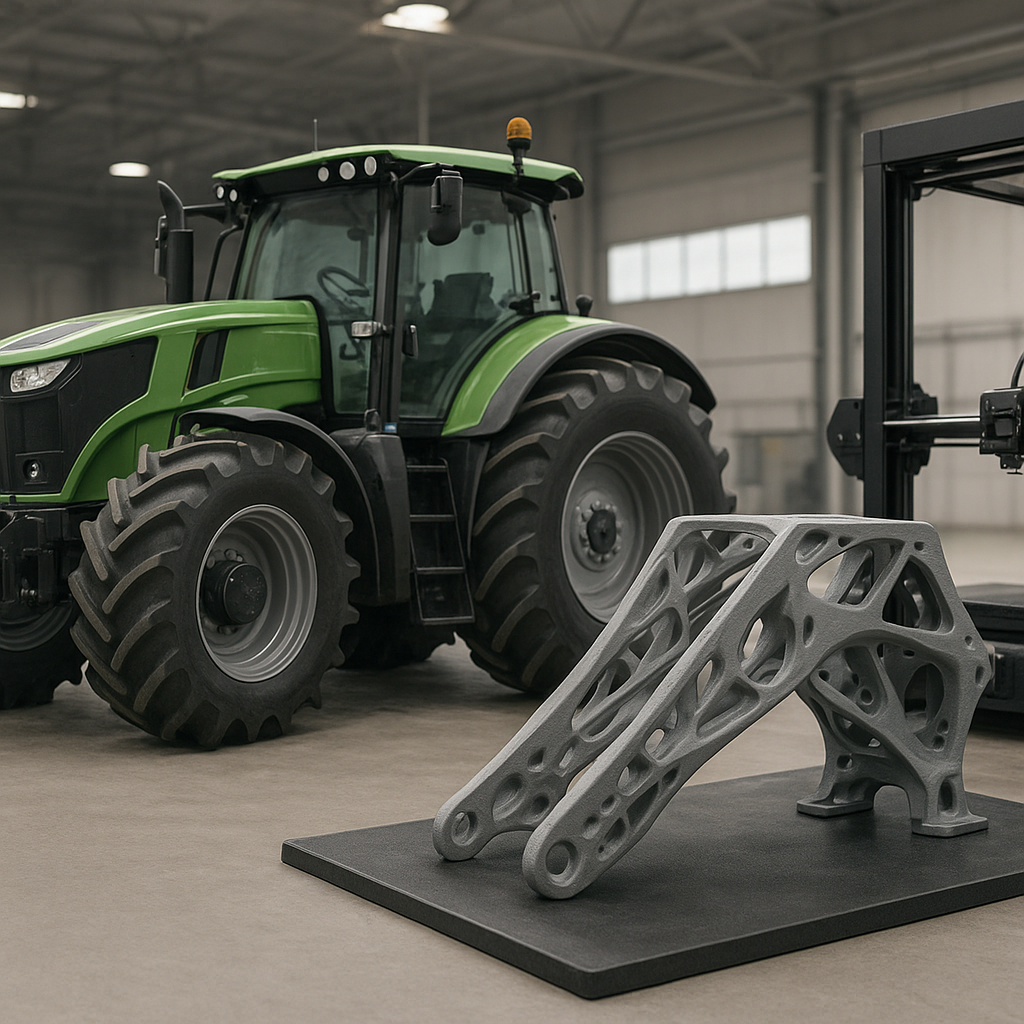
Advances in materials science also played a role. Lightweight, high-strength alloys reduced overall engine mass while maintaining durability under extreme pressures. As piston rings, cylinder liners, and intake manifolds evolved, engines could safely operate at higher speeds and temperatures, providing a broader power band and improved response throughout field tasks.
Design Adaptations for High Power Output
Greater engine outputs demanded corresponding upgrades in structural design. Chassis frames grew in size and robustness to handle increased torque and weight. Articulated steering systems and tandem axles became common in ultra-large tractors, allowing for superior maneuverability despite their massive footprints. Reinforced drawbars and hitch points ensured that implements could be pulled without risking fatigue failure.
Transmission systems were redesigned to match the enhanced engines. Multi-speed powershift gearboxes evolved into continuously variable transmissions (CVT), allowing infinite ratios between crawl speed and top travel speed. The result was seamless power delivery, improved traction control, and reduced slippage in the field. Modern drivetrains incorporate advanced hydraulics and computerized load-sensing systems to optimize flow to wheels and attachments.
When high-capacity PTO and hydraulic outputs became critical for powering grain carts, planters, and tillage equipment, manufacturers introduced dedicated hydraulic circuits with higher flow rates and pressures. This integration of mechanical, hydraulic, and electronic systems enables contemporary tractors to handle multiple implements simultaneously, significantly enhancing overall field productivity.
The Race to Build the Biggest Tractors
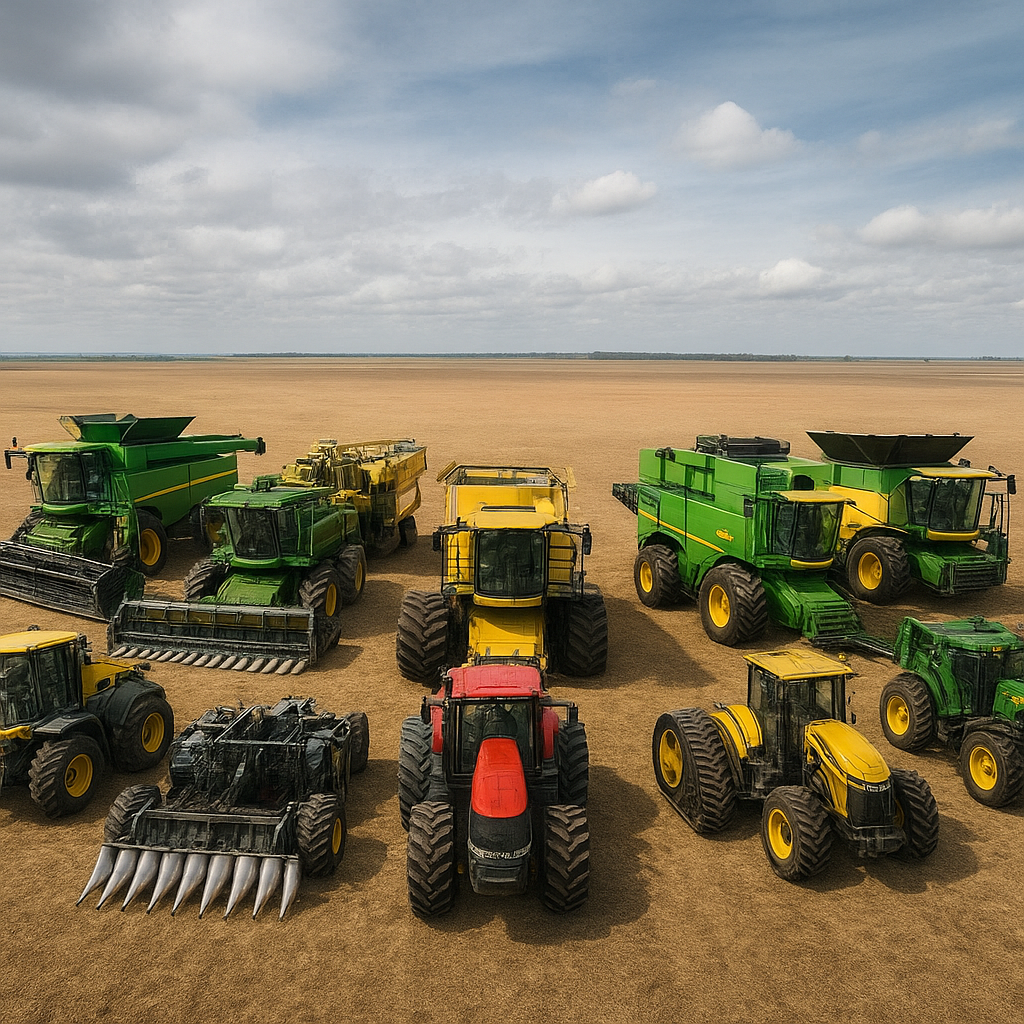
Farm equipment makers and custom builders have long engaged in a friendly competition to construct the largest, most powerful machines. These engineering marvels often serve as testbeds for cutting-edge technology, demonstrating what is possible when scale meets innovation. Below is an overview of several landmark machines in this ongoing pursuit.
- Big Bud 747: Often cited as the world’s largest farm tractor, this custom model from 1977 boasts approximately 1,100 horsepower and runs on five engines working in tandem. Its massive steel frame and balloon-style tires allow it to cover fields of several hundred acres per day.
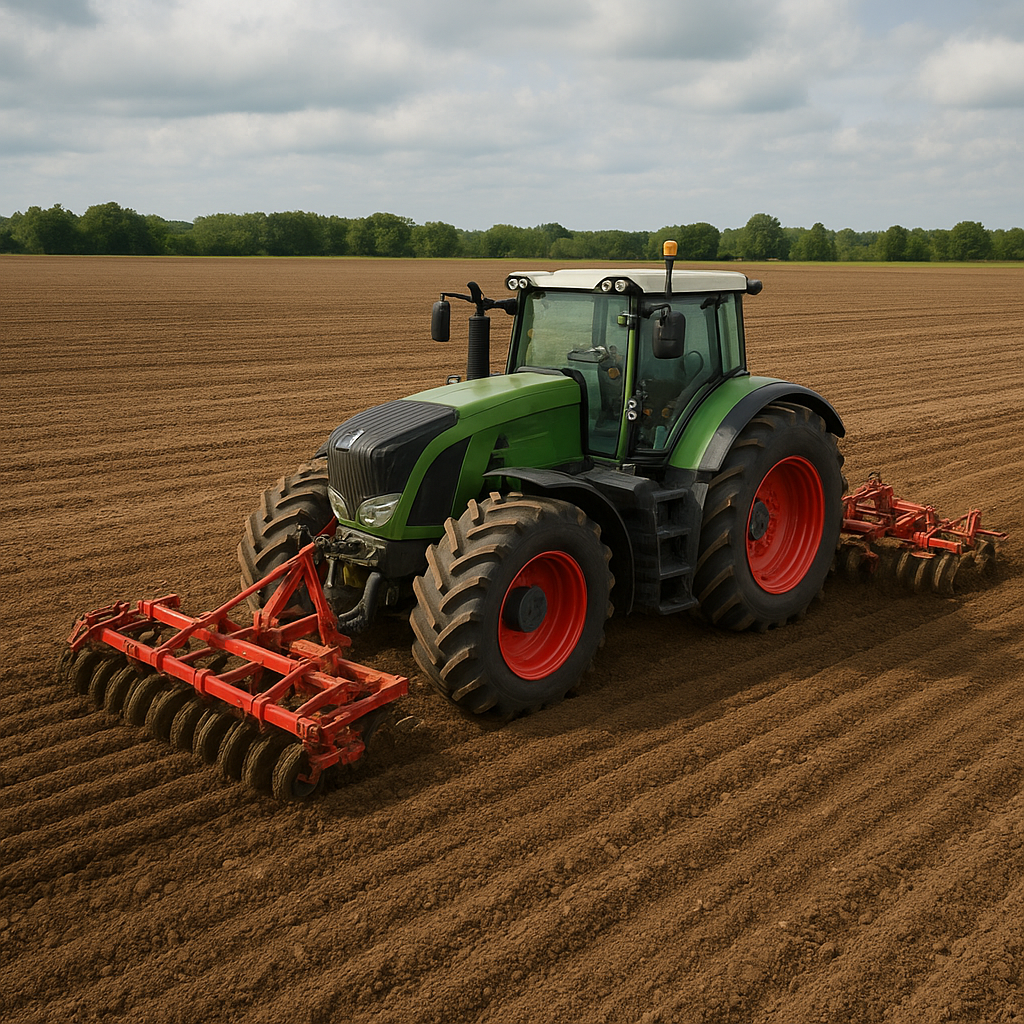
- Fendt 1150 Vario MT: A modern marvel delivering nearly 530 hp, this crawler tractor combines a CVT system with dual-track undercarriage for minimal soil compaction and maximum traction.
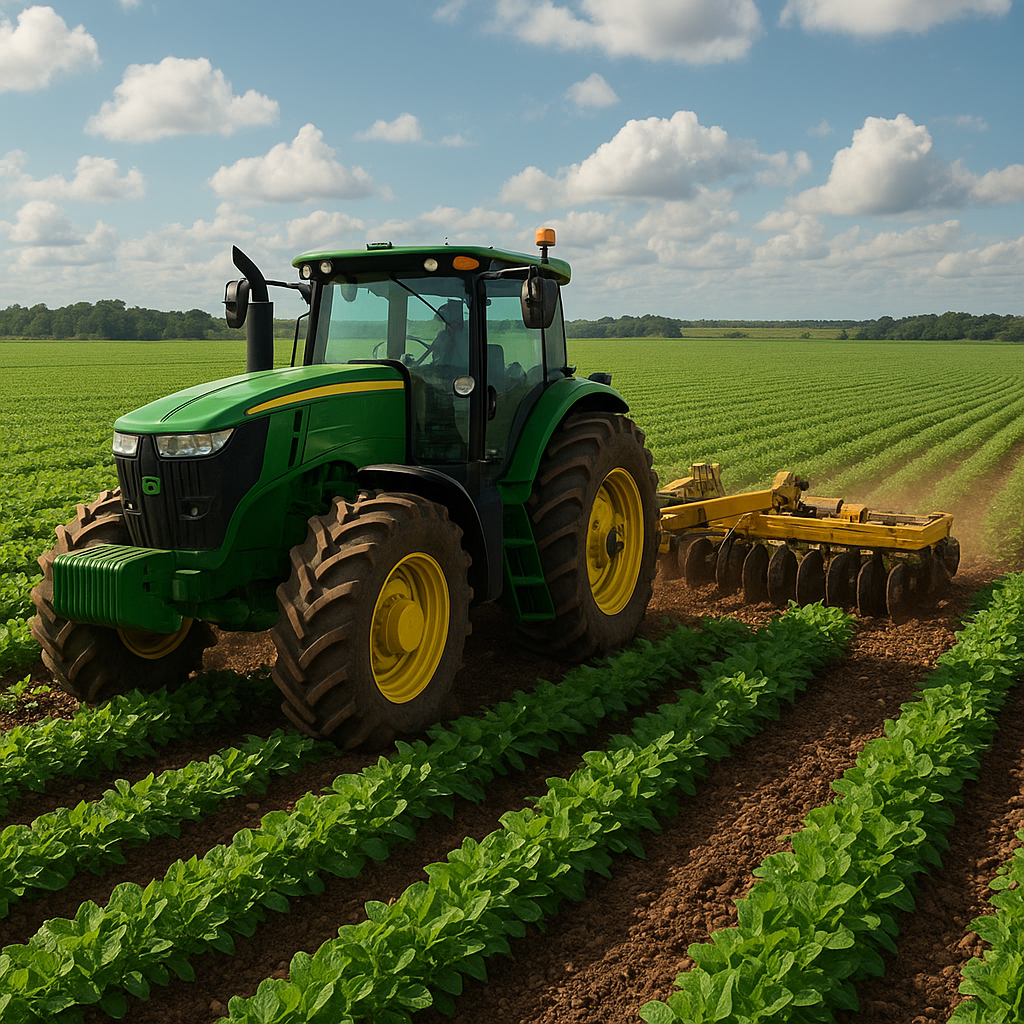
- John Deere 9620R: With 620 hp and a heavy-duty16-speed transmission, it’s engineered for demanding tillage and high-speed transport, offering an integrated tractor-monitoring system.
- Versatile 1275: Packing 1,500 hp through a twin-engine layout, this 4WD behemoth exemplifies peak power for deep tillage and high-volume seeding operations.
Unique Architectural Features
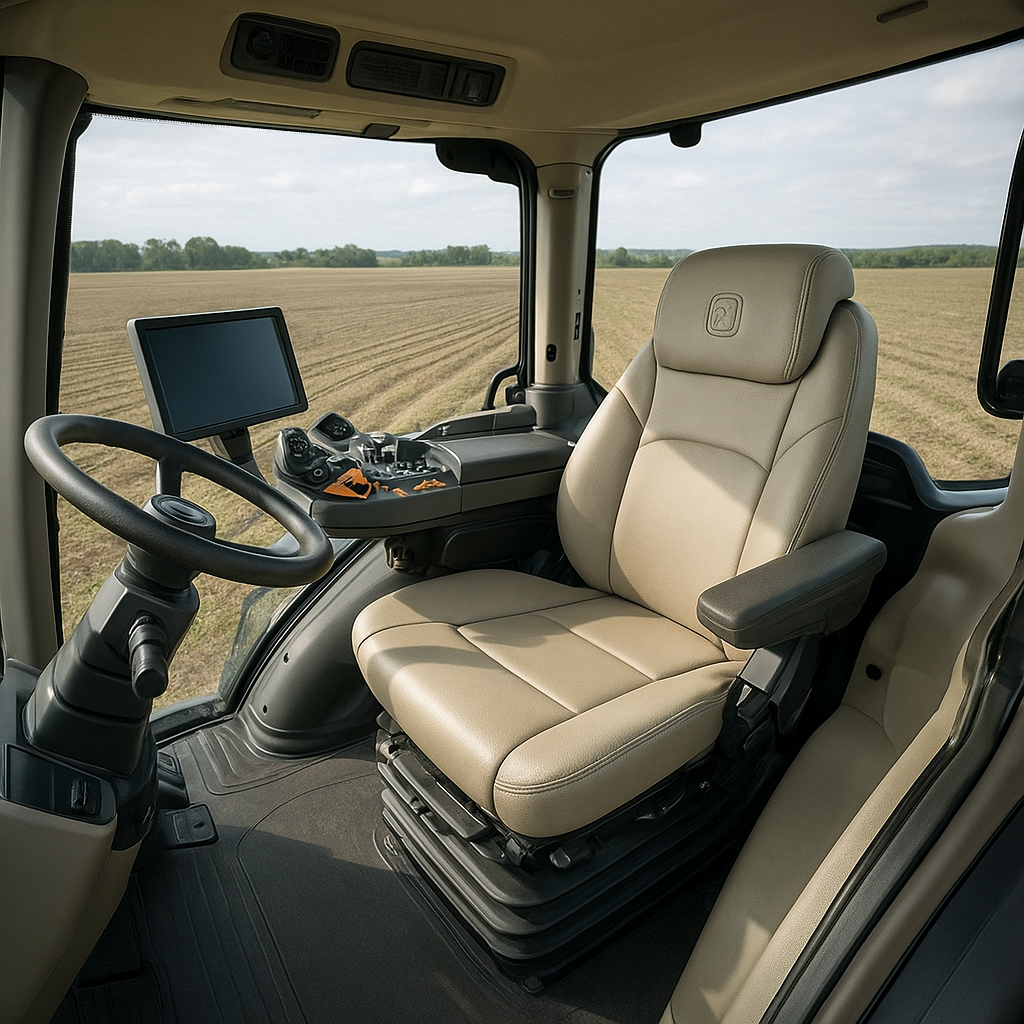
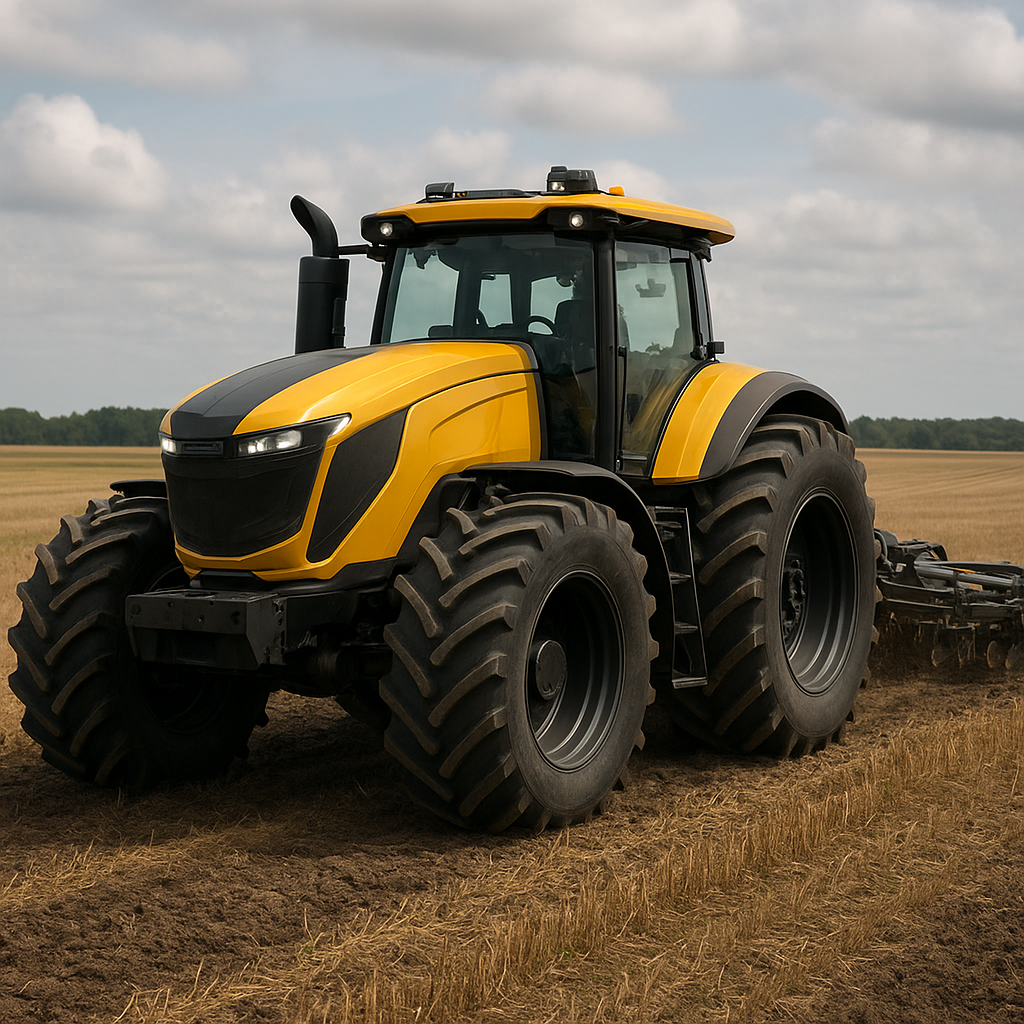
These machines share common design elements: reinforced chassis with integrated rollover protection, articulating mid-frame joints, and centralized hydraulic manifolds. The sheer scale of their engines necessitates larger radiators, oil coolers, and air cleaners, reshaping the tractor’s front-end design. Special emphasis is placed on operator comfort, with air-suspended cabs, panoramic visibility, and climate-controlled interiors to ensure productivity during marathon shifts.
Modern Technologies Driving Today’s Giants
Beyond raw horsepower, today’s super-tractors are defined by digital and precision capabilities. Integrated telematics platforms provide real-time diagnostics, fuel efficiency monitoring, and predictive maintenance alerts. Guidance systems leveraging RTK-GPS and auto-steering modules maintain sub-inch accuracy, reducing overlap and optimizing field passes.
Remote firmware updates and over-the-air calibrations allow engine performance to be fine-tuned based on seasonal conditions or upcoming workloads. Hybrid powertrain concepts, combining electric motors with high-efficiency diesels, are emerging in prototype phases to further cut fuel use and emissions. Additionally, advanced sensors track soil compaction, moisture levels, and crop health, seamlessly linking engine performance to agronomic data.
Software-driven load management distributes power between wheels, PTO, and hydraulics in fractions of a second, ensuring that each subsystem receives the optimal torque required. This orchestration of mechanical and electronic subsystems marks the pinnacle of precision agriculture design, setting new benchmarks for reliability and performance.
Environmental and Economic Impacts
As engine efficiency continues to rise, large-scale tractors become both greener and more cost-effective. Reduced fuel burn per acre lowers greenhouse gas output while cutting operational expenses—an important consideration amid volatile energy prices. Better traction and improved weight distribution minimize soil erosion and compaction, protecting long-term land health.
Farmers investing in these giants realize higher returns through accelerated field coverage and less downtime. The integration of advanced engine controls and telematics reduces maintenance costs by predicting part wear before catastrophic failure. When combined with precision application of seeds, fertilizers, and agrochemicals, these tractors contribute to improved yields and resource conservation.
Ultimately, the synergy between engine efficiency and design innovation continues to push agricultural machinery into new realms of capability. By maximizing the potential of every kilowatt produced, engineers are redefining what it means to cultivate the world’s fields with power, reliability, and sustainability in mind.