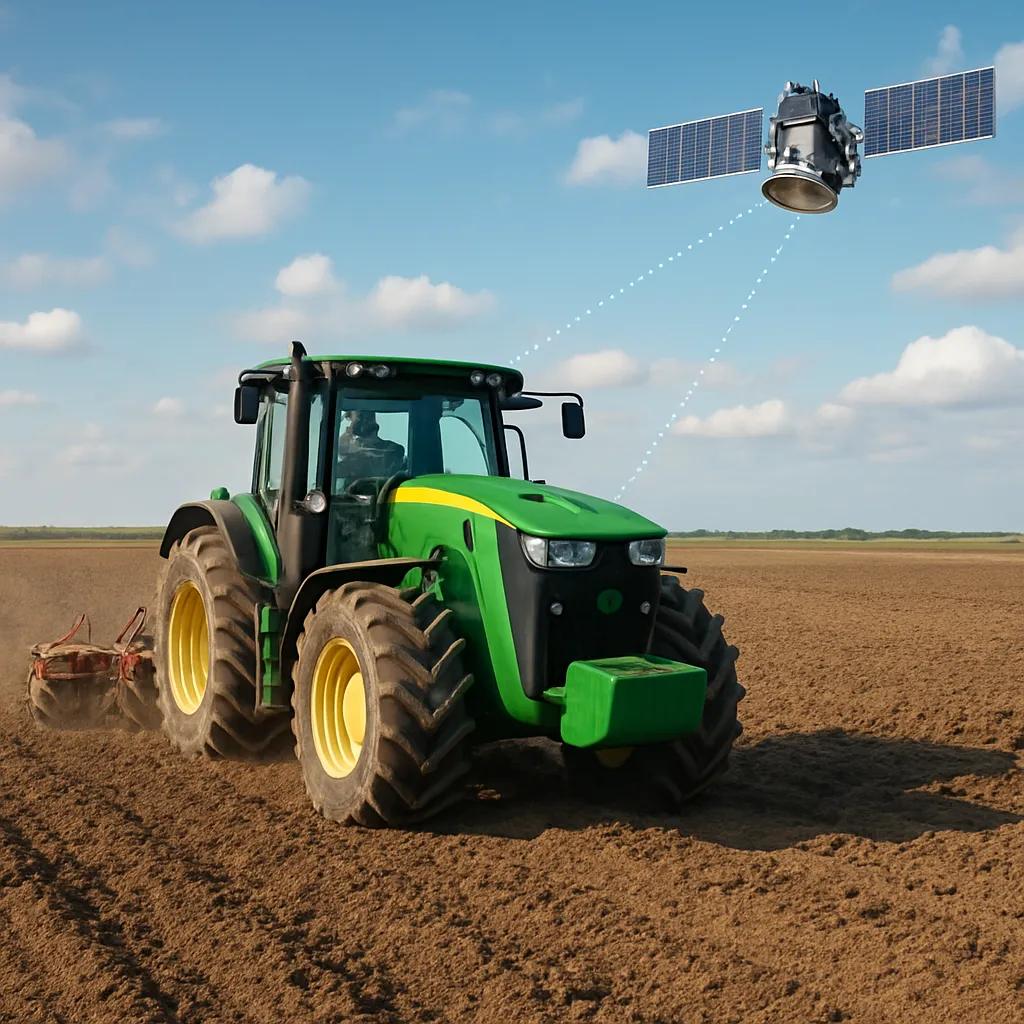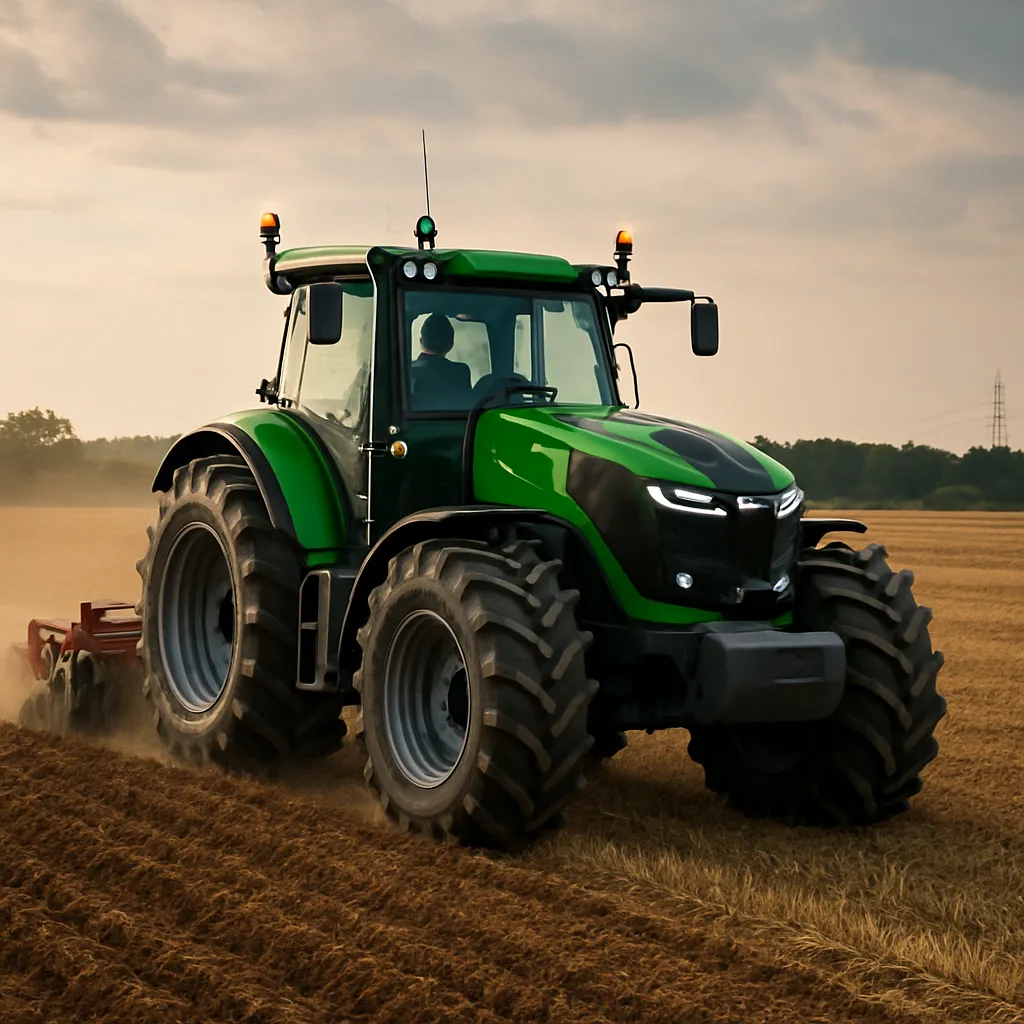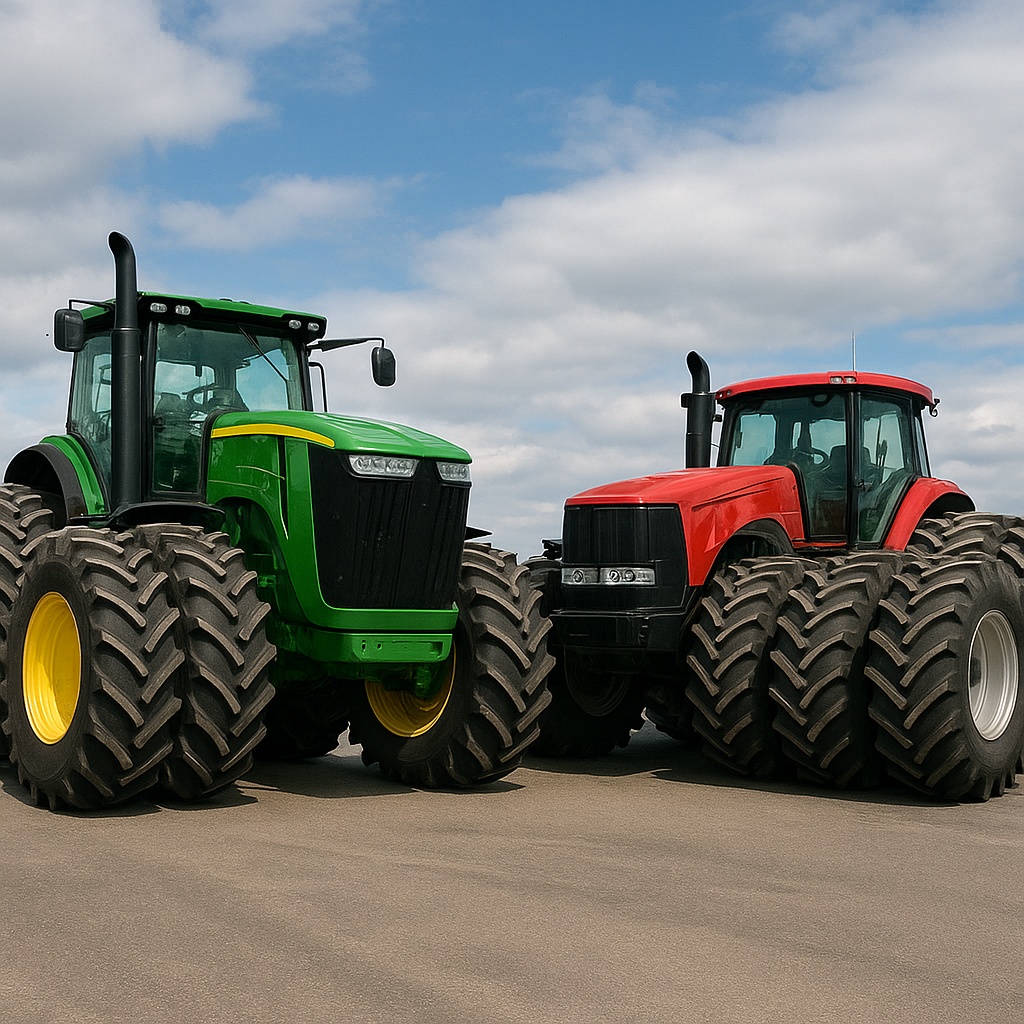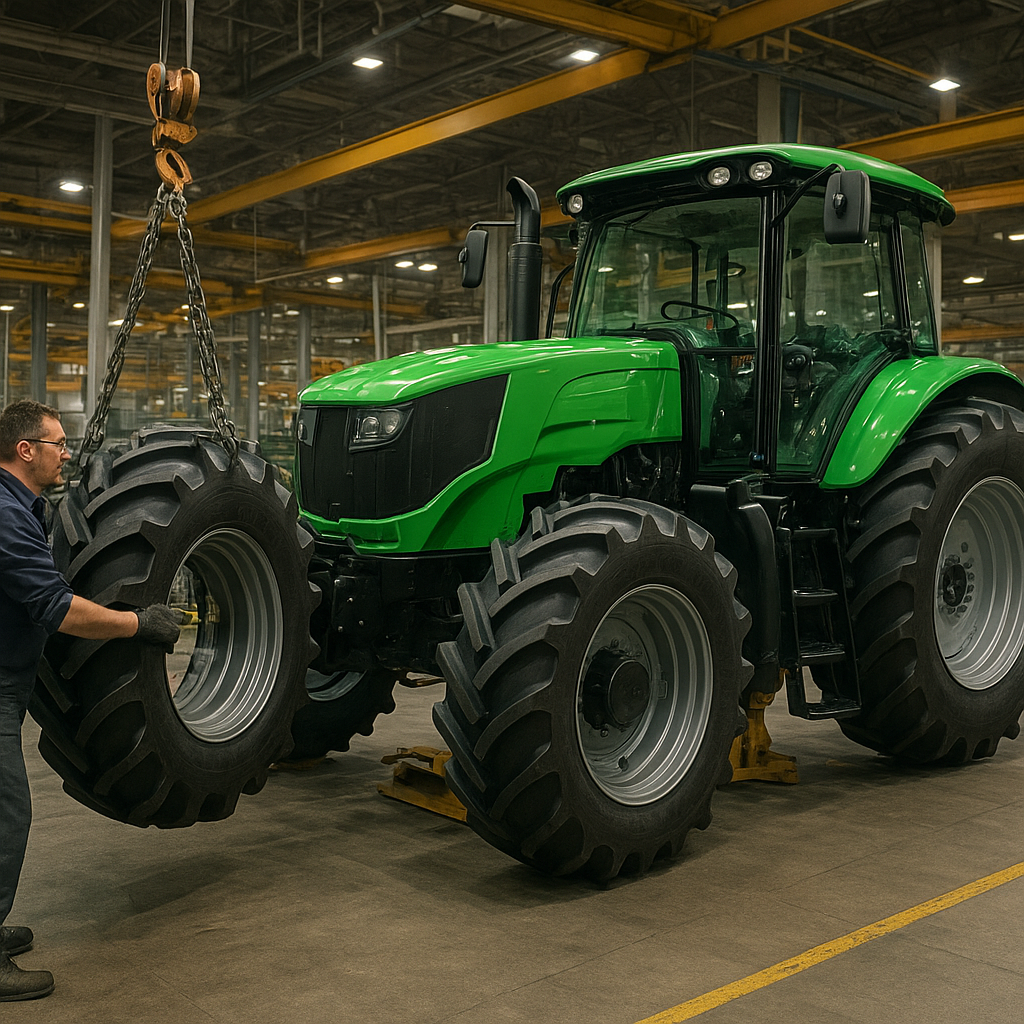
Farmers working in vast fields rely on some of the world’s largest tractors to till, plant, and harvest. These machines, boasting thousands of horsepower and cutting-edge engineering, demand meticulous upkeep to preserve their performance and reliability season after season. Proper maintenance not only extends the life of these colossal machines but also optimizes fuel efficiency, reduces downtime, and ensures operator safety in challenging conditions.
Choosing and Preparing the Heaviest Haulers
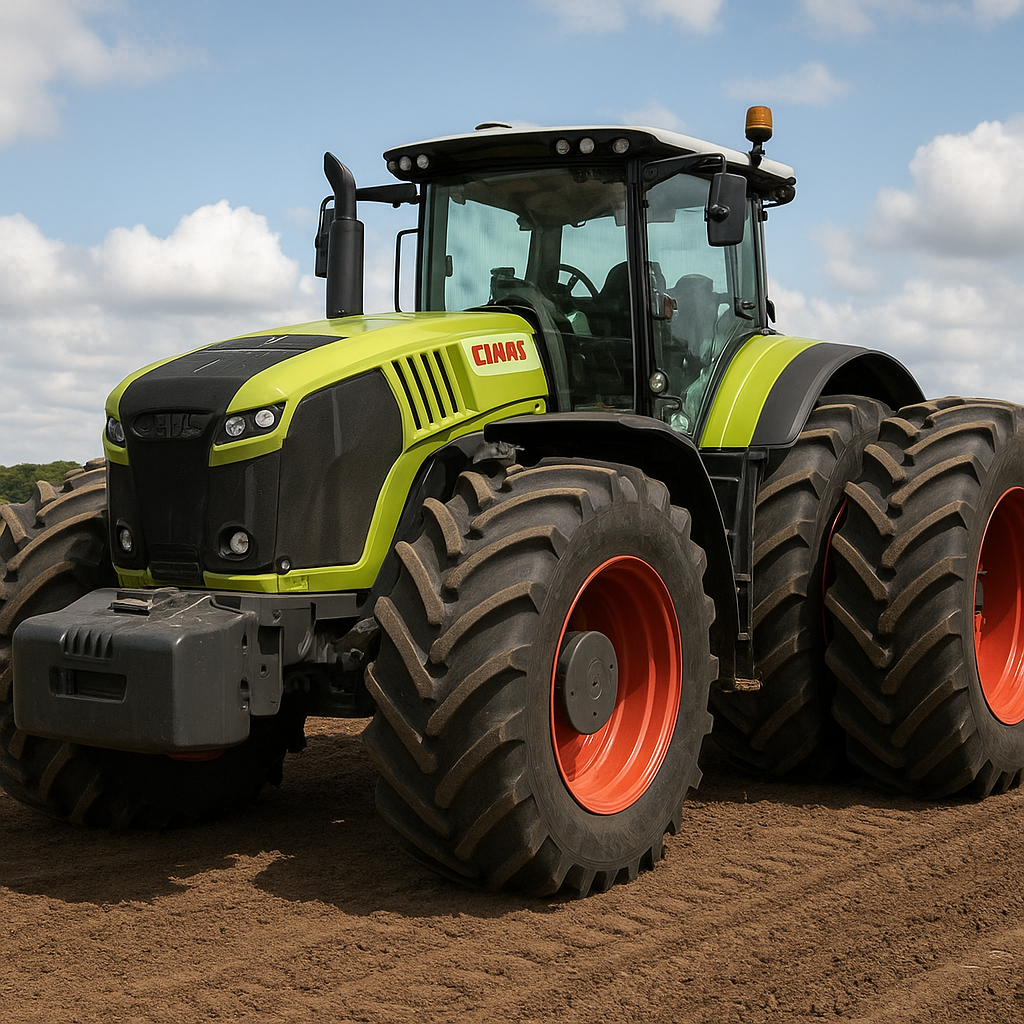
Selecting the right large tractor involves balancing raw power with advanced technology. Modern high-horsepower models often exceed 600 horsepower and feature sophisticated electronic controls, integrated hydraulics, and giant tires designed for minimal soil compaction. Before any maintenance program begins, farmers must first understand the specific requirements of each make and model.
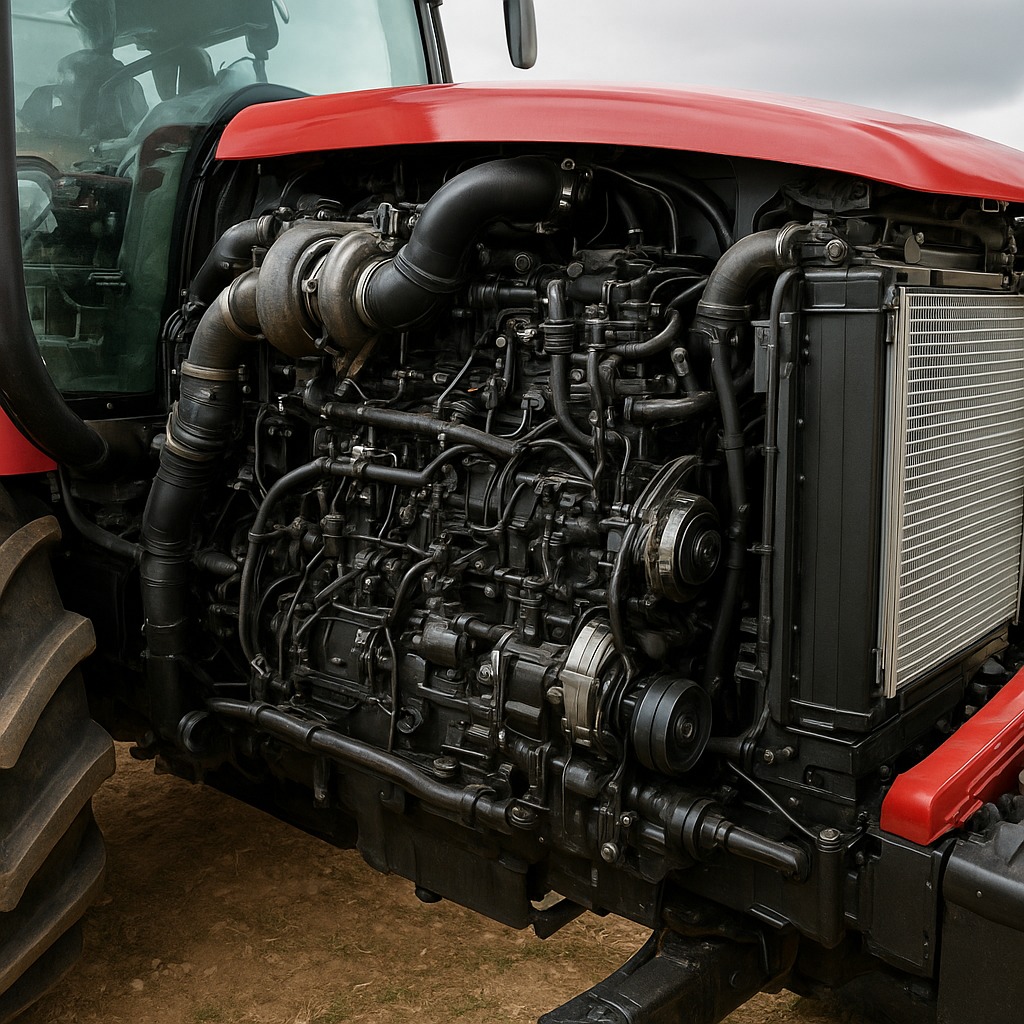
Key Inspection Points
- Engine block and cylinder head for cracks or leaks
- Fuel system components, including injectors and filters
- Transmission fluid level and quality
- Hydraulic hoses, fittings, and reservoirs
- Tire pressure, tread wear, and bead seating
Each of these areas demands specialized tools. For instance, a high-accuracy stethoscope helps detect unusual engine noises, while infrared thermometers reveal overheating spots in transmission or hydraulic lines. Farmers typically keep a stock of OEM gaskets and lubrication supplies to address minor leaks at a moment’s notice.
Preventive Maintenance for High-Horsepower Tractors
Preventive maintenance is the cornerstone of extending a large tractor’s lifespan. Scheduling regular service intervals based on operating hours ensures that no component is pushed beyond its design limits. A comprehensive plan often includes:
- Daily walk-around inspections
- Weekly fluid checks and top-offs
- Monthly filter replacements
- Seasonal calibration of sensors and electronic modules
- Annual engine overhaul or major component review
Daily Walk-Around Checklist
Before engine startup:
- Check engine oil level, coolant level, and hydraulic fluid
- Inspect belts, pulleys, and fan blade for damage
- Examine wiring harnesses for chaffing or rodent damage
- Confirm that all lights, signals, and backup alarms function
Filter and Fluid Management
Large tractors operate under extreme loads and harsh environments. Dirt, dust, and moisture can compromise vital systems. Farmers typically adhere to manufacturer guidelines but often shorten intervals in dusty conditions. A standard fluid service might include:
- Changing engine oil and oil filters every 250 hours
- Replacing hydraulic and transmission fluids every 500 hours
- Flushing coolant system and replacing antifreeze annually
- Refilling front-axle and rear-axle gearboxes
Field Service and On-Site Repairs
When a massive 4WD behemoth falters in the middle of a 1,000-acre field, rapid response is critical. Farmers and service technicians deploy mobile workshops equipped with cranes, heavy-duty jacks, and electronic diagnostic machines. Key strategies include:
Modular Component Replacement
Large tractors are often designed for modular swaps. Subassemblies such as turbochargers, electronic control modules, and hydraulic pumps can be exchanged in the field, minimizing downtime. Technicians follow precise calibration procedures post-installation to ensure system stability.
Electronic Diagnostics and Telemetry
Many top-tier tractor brands integrate real-time telemetry, enabling remote monitoring of engine RPM, hydraulic pressures, and fuel consumption. By connecting a laptop to the tractor’s CAN bus, farmers can:
- Read fault codes and live sensor data
- Update firmware in electronic control units
- Adjust injector timing and turbo boost settings
- Conduct virtual oil analysis through fluid sensors
Emergency Repairs
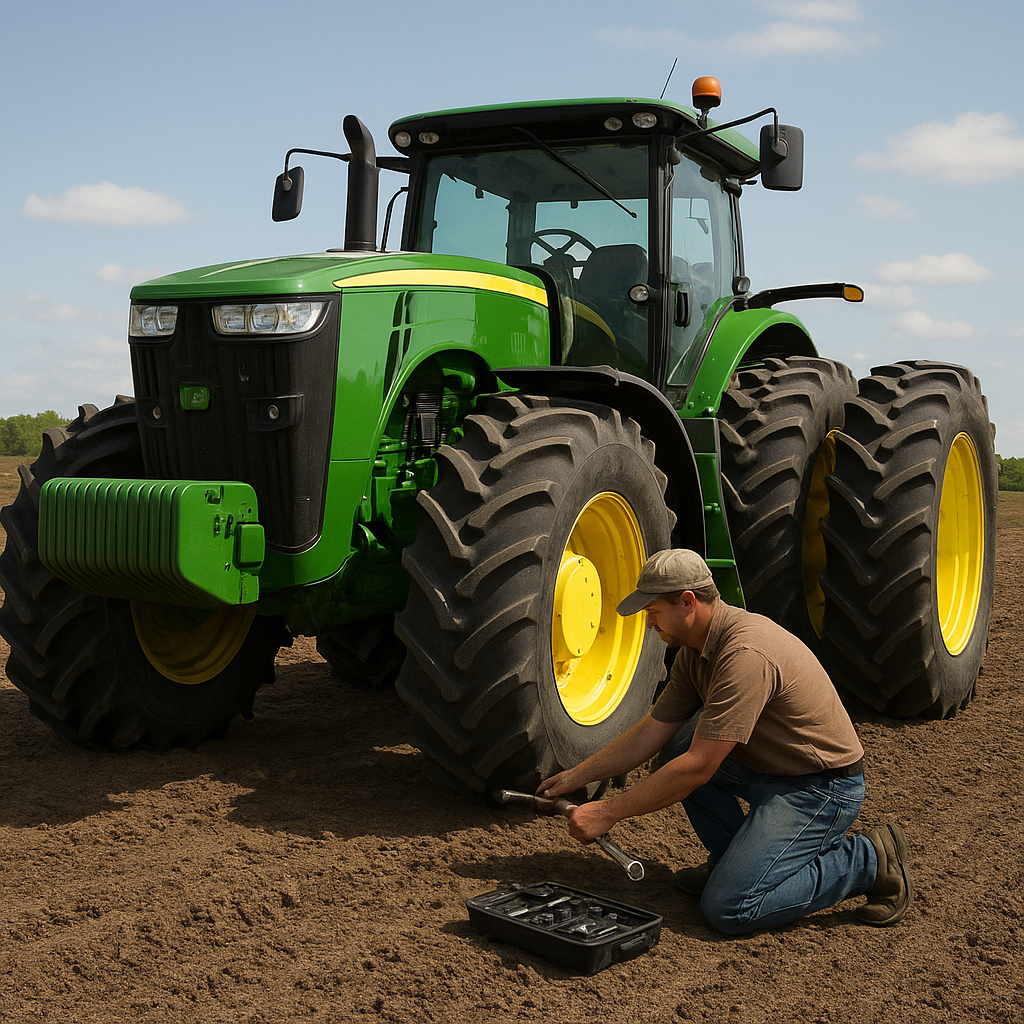
Common breakdowns in the field include hydraulic hose ruptures, electrical shorts, and tire punctures. Standard on-site repair kits feature:
- High-pressure hose repair couplers and clamps
- Electrical connector pigtails and heat-shrink tubing
- Heavy-duty tire patches, bead seaters, and inflation systems
- Portable electric tools and battery boosters
Advanced Techniques for Longevity and Efficiency
As tractors grow in size and complexity, farmers adopt cutting-edge solutions to maximize uptime and optimize yields. Innovations in maintenance science have introduced predictive analytics and precision farming aids.
Predictive Maintenance Using AI
By analyzing historical performance data, machine learning models can forecast part failures before they occur. Predictive maintenance platforms alert farmers when vibration patterns signal an impending bearing failure or when temperature trends predict coolant leaks. This approach reduces unexpected stoppages and lowers overall maintenance costs.
Precision Calibration and Tuning
Fine-tuning engine maps and hydraulic flow rates enhances efficiency under variable loads. Certified technicians use dynamometer cells and flow benches to:
- Adjust fuel injection curves for optimal combustion
- Tune hydraulic valves to maintain consistent pressure and response
- Balance front and rear axles to ensure uniform traction
Sustainability and Eco-Friendly Practices
Modern farmers increasingly focus on reducing environmental impact. Practices include:
- Using biodegradable hydraulic fluids
- Implementing closed-loop coolant recycling
- Installing solar-powered battery chargers for remote workshops
- Upgrading to tires with advanced compounds for lower rolling resistance
Preparing for Peak Seasons and Future Innovations
Seasonal transitions place high demands on tractor fleets. Pre-season checkups ensure that every unit is ready for intensive spring planting or fall harvest. Typical pre-season procedures involve comprehensive engine diagnostics, full hydraulic system flushes, and alignment checks for attachments.
Attachment and Implement Integration
Large tractors often tow multi-row planters, heavy disk harrows, and high-capacity spreaders. Correct integration requires:
- Hydraulic flow calibration to match implement requirements
- Electronic hitch control setup for precise depth and angle
- Structural inspection of drawbars and three-point linkages
Looking Ahead: Robotic and Autonomous Maintenance
Research into autonomous service robots promises to revolutionize field maintenance. Drones may soon perform visual inspections of tall booms and hard-to-reach components, while ground bots carry fluid drums and replacement parts to service points. These advances will further reduce downtime and boost overall farm efficiency.