
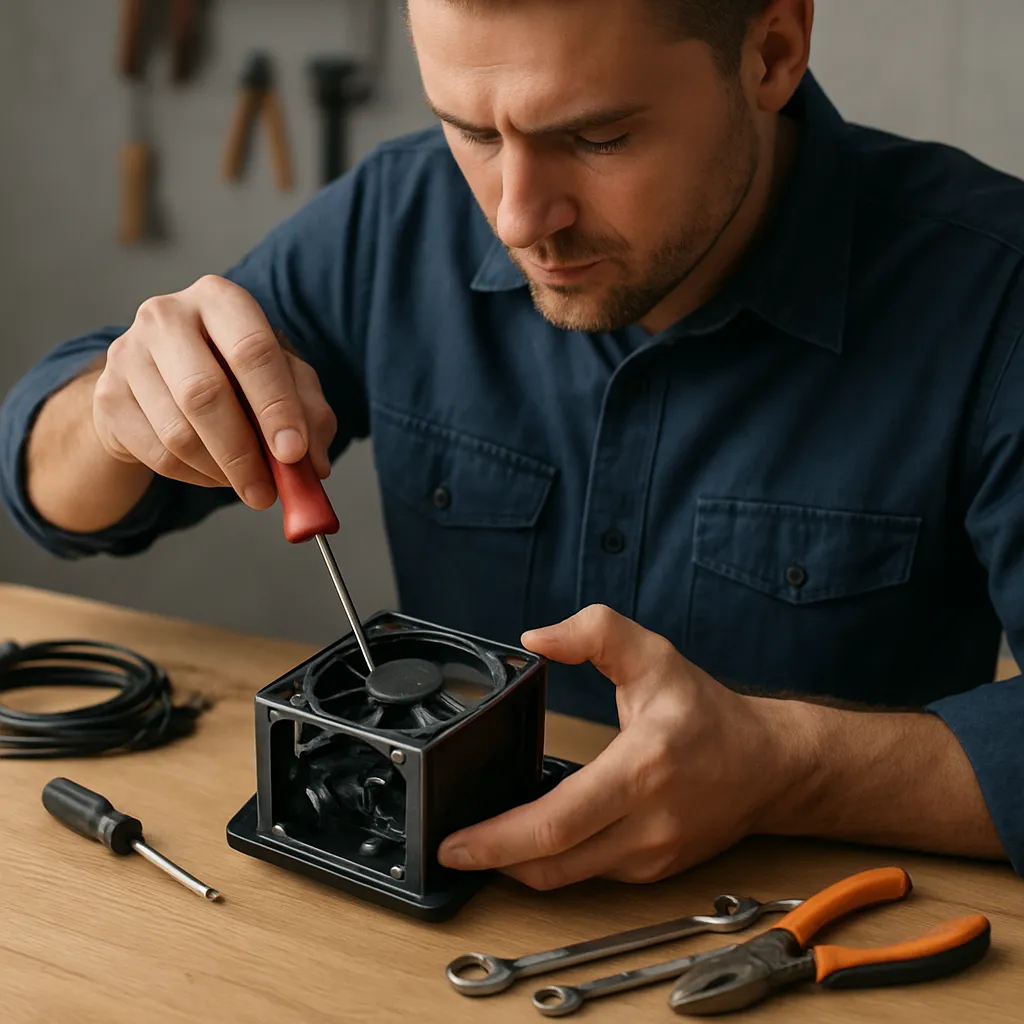
Efficiently handling small equipment repairs can save you time, money, and frustration, whether you are managing a home workshop, a small business, or a rental property. Instead of waiting for a technician for every loose screw, frayed cable, or malfunctioning switch, you can develop a simple, reliable system that helps you react quickly and prevent minor problems from becoming major failures. A practical starting point is to follow an organized equipment repair guide and adapt it to your own environment. By understanding basic diagnostics, preparing the right tools, documenting issues, and knowing when to stop and call a professional, you can keep your tools, appliances, and devices in good working order without sacrificing safety or quality.
Why Efficient Small Repairs Matter
Small equipment repairs often appear trivial, but they have a direct impact on productivity, safety, and costs. A loose power socket on a tool, a slightly bent saw blade, or a noisy fan bearing may not stop work immediately, yet each of these issues can lead to downtime, damaged materials, or even injury if ignored.
Handling these problems efficiently means acting early and systematically. You reduce the risk of complete breakdowns, avoid express repair fees, and extend the useful life of your equipment. Over a year, a consistent approach to minor fixes can represent significant savings and more reliable operations, especially in environments where every hour of uptime matters.
Building a Basic Repair Mindset
Before thinking about tools and procedures, it is important to adopt a clear mindset about repairs. Efficient repair work is not improvisation; it is controlled, repeatable action. A helpful mindset includes the following elements:
- Respect for safety over speed
- Curiosity about how equipment works
- Patience to diagnose instead of guessing
- Willingness to document what you do
With this approach, you stop seeing small malfunctions as random events and start treating them as signals. Each noise, vibration, or unusual smell becomes information that helps you protect your equipment and your workflow.
Core Safety Principles for Small Repairs
Even minor repair tasks can be dangerous if performed without proper precautions. To keep small jobs efficient, you must also keep them safe. Some core principles should become automatic habits:
- Always disconnect power sources before opening any casing or touching internal components.
- Discharge capacitors in devices where high voltage may be stored, or avoid opening such devices if you are not trained.
- Use appropriate personal protective equipment such as safety glasses, gloves, and hearing protection if necessary.
- Work in a clean, dry, and well-lit area to avoid slips, trips, or accidental short circuits.
- Never bypass built-in safety mechanisms to “test quickly.”
Following these rules may add a few seconds to each repair, but it prevents injuries, damaged tools, and repeat failures. Over time, a strong safety culture increases confidence and makes your repair process smoother and more predictable.
Essential Tools and Materials for Quick Fixes
Efficient repairs are impossible if you need to search for tools or buy basic parts every time a problem appears. Creating a small, dedicated repair kit is one of the best investments you can make.
Consider including the following items:
- A set of screwdrivers with flat, Phillips, and specialty bits
- Adjustable wrench and a basic socket set
- Needle-nose pliers and standard pliers
- Utility knife and precision blades
- Multimeter for electrical testing
- Insulation tape, cable ties, and heat-shrink tubing
- Lubricants such as light machine oil and silicone spray
- Assorted screws, nuts, washers, and wall anchors
- Cleaning materials, brushes, and compressed air
Store these in a labeled box or drawer near your work area. The goal is to reduce the time between noticing a problem and starting the repair. When every essential item has a fixed location, you spend less time searching and more time solving the issue.
Creating a Simple Diagnostic Routine
Effective small repairs start with systematic diagnostics. Instead of guessing what might be wrong, follow a short, repeatable checklist that you can adapt to almost any kind of equipment:
- Identify the symptom: unusual noise, vibration, smell, heat, or visible damage.
- Check power: verify plugs, outlets, fuses, and switches.
- Inspect connections: look for loose terminals, broken cables, and corroded contacts.
- Verify mechanical movement: check for obstructions, misalignment, or lack of lubrication.
- Look for signs of wear: cracks, frayed insulation, worn belts, or damaged housings.
Writing down this routine and keeping it near your repair area can reduce mental load and help others follow the same process. Over time, this consistency improves your ability to identify root causes quickly and accurately.
Organizing Repair Information and History
An efficient repair system is not only about tools and techniques; it also relies on information. Keeping a simple record of repairs allows you to see patterns and avoid repeating the same mistakes.
For each piece of equipment, you can maintain a small log including:
- Purchase date and basic specifications
- Serial numbers and warranty details
- Dates of previous issues and solutions applied
- Parts replaced and suppliers used
- Notes about specific weaknesses or recurring faults
Maintaining such records improves long-term efficiency. When a familiar issue returns, you can review what worked last time and decide whether another repair is justified or whether replacement is more economical.
Decision Framework: Repair Now, Schedule, or Replace
Not every small defect requires immediate action, and not every issue deserves a repair. To handle repairs efficiently, create a simple decision framework with three options: handle immediately, schedule later, or retire and replace.
Ask yourself:
- Does this defect affect safety?
- Will delay increase the damage or repair cost?
- Is the replacement cost low compared to the time required to fix?
- Is the equipment critical for daily operations?
Based on the answers, you can prioritize tasks without overreacting to minor cosmetic problems. This approach helps you allocate energy and budget where they bring the most value.
Standardizing Common Small Repairs
Many small equipment repairs repeat over and over: replacing power cords, tightening loose mounts, cleaning clogged filters, or lubricating moving parts. To increase efficiency, consider creating simple step-by-step instructions for the most common jobs in your environment.
For example, you might write a short procedure for replacing a worn cable:
- Disconnect the device from the mains and confirm there is no residual power.
- Open the access panel using the correct screwdriver.
- Photograph the cable routing and terminal connections.
- Loosen terminal screws and remove the old cable.
- Prepare the new cable ends, strip insulation, and connect following the photo.
- Secure strain relief and close the panel.
- Test the device in a safe environment.
Repeatable instructions reduce mistakes, speed up training, and ensure that repairs maintain a consistent quality level even when performed by different people.
Managing Spare Parts and Small Components
Waiting several days for a replacement fuse, bearing, or switch quickly turns a minor defect into extended downtime. An efficient system for small repairs therefore includes minimal but effective spare parts management.
Identify a list of critical small parts you use frequently, such as:
- Standard fuses and common bulbs
- Power cords and plugs
- Basic switches, connectors, and relays
- Seals, O-rings, and common bearings
- Filters for air, oil, or dust extraction
Store them in clearly labeled containers and keep a simple count. When a part is used, note it and reorder when you reach a defined minimum quantity. This discipline prevents urgent last-minute purchases, which are often more expensive and more stressful.
Integrating Preventive Maintenance
The most efficient repair is the one you never need, because the fault was prevented. Integrating basic preventive maintenance into your regular schedule is a powerful way to reduce the number of unexpected minor failures.
Some preventive actions include:
- Cleaning dust and debris from vents and fans
- Checking cable insulation and connectors for damage
- Lubricating moving parts according to manufacturer guidance
- Inspecting fasteners and tightening where necessary
- Testing safety devices and emergency stops
Rather than waiting for something to break, assign a simple checklist to weekly or monthly reviews. Over time, this habit stabilizes performance and avoids crisis repairs at busy moments.
Training and Delegation
When more than one person uses or manages equipment, training becomes essential for efficient repairs. Small issues are reported and solved faster when everyone understands basic care and early warning signs.
Provide short training sessions that explain:
- How to recognize abnormal noise, vibration, or smell
- How to perform simple visual checks before use
- Which issues can be handled locally and which must be escalated
- How to record defects in the repair log
At the same time, delegate clearly defined repair tasks to individuals who show interest and attention to detail. Concentrating responsibility prevents confusion while still involving the wider team in basic equipment care.
Knowing When to Call a Professional
Efficient handling of small repairs does not mean doing everything yourself. Some jobs require specialized tools, advanced skills, or legal certifications. Trying to fix such problems without the right capabilities can increase costs, risk, and liability.
Call a professional when:
- High voltage or gas systems are involved.
- Manufacturer warranty conditions limit user repairs.
- Structural elements or safety-critical components are damaged.
- Previous attempts have not solved the problem or created new symptoms.
Recognizing these limits is a sign of maturity in repair management. Your goal is not to handle every possible fault personally, but to ensure that each issue is resolved in the most appropriate and cost-effective way.
Balancing Cost, Time, and Reliability
Efficient small repairs balance three main factors: cost, time, and reliability. A quick, cheap fix that fails again within days is not truly efficient. On the other hand, an over-engineered solution that consumes many hours for a minor device may not be justified.
Before deciding on a repair approach, briefly consider:
- The value of the equipment and its remaining life
- The importance of continuous operation for your activities
- The total time required, including diagnostics, parts, and testing
- Alternative options, such as borrowing or renting a replacement
By weighing these elements, you create a rational basis for your repair decisions and avoid emotional reactions to sudden faults.
Continuous Improvement of Your Repair System
Finally, efficient small equipment repair is not a static goal but an ongoing process. As you gain experience, you will discover shortcuts, common failure patterns, and better ways to organize tools and information.
Periodically review your approach:
- Update checklists and diagnostic routines based on real cases.
- Remove tools and parts you never use; add those you frequently borrow or miss.
- Refine training materials as new equipment is introduced.
- Analyze recurring failures to address root causes instead of symptoms.
Through continuous refinement, your repair system becomes more robust, your reactions become faster, and your overall equipment reliability improves. In this way, small, well-managed repairs contribute directly to smoother operations and a more stable working environment.



Leave a Reply