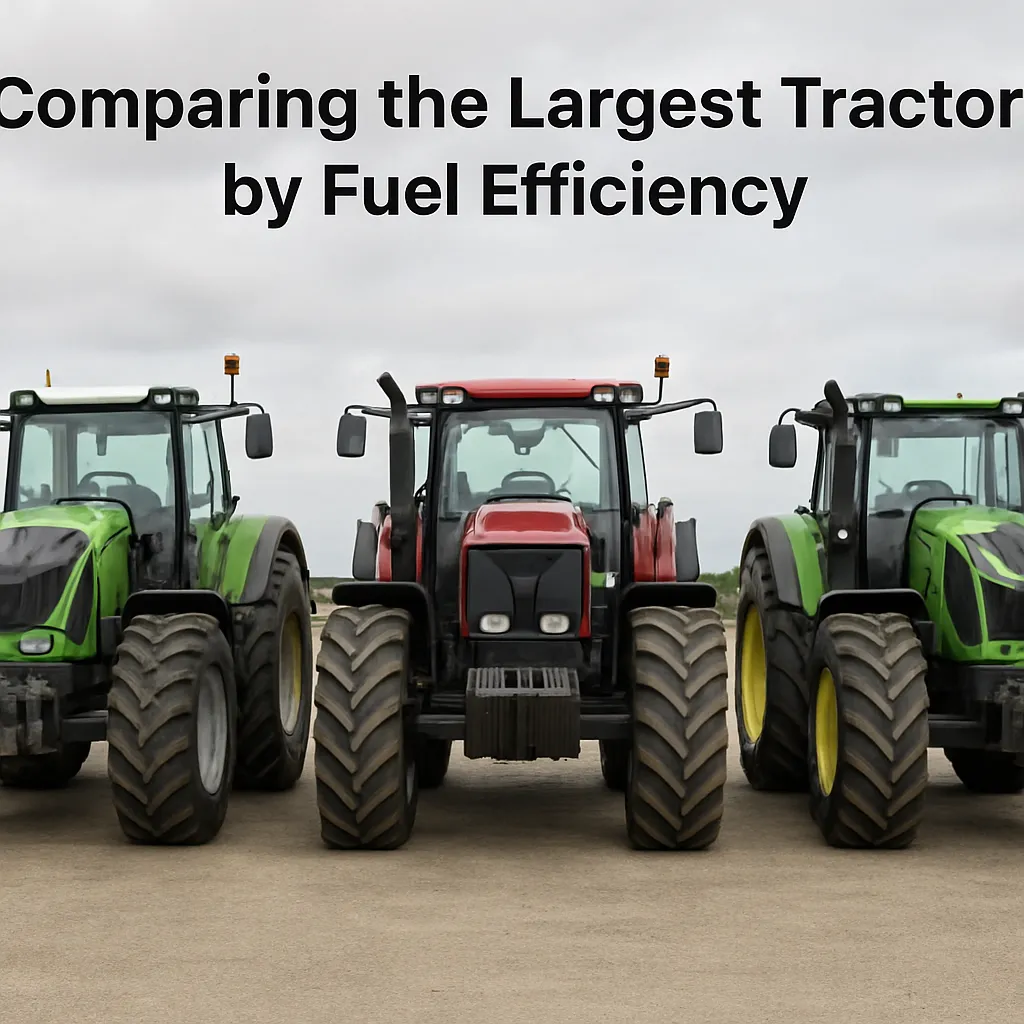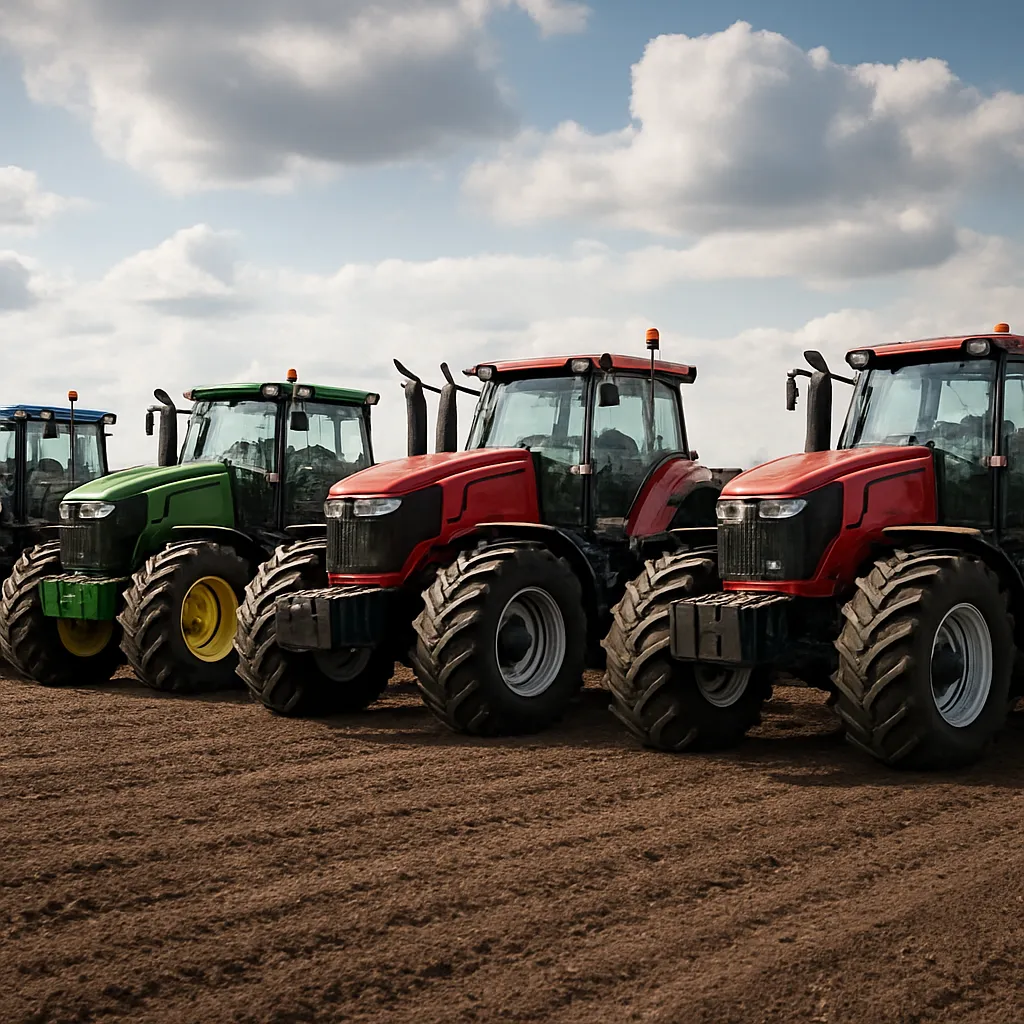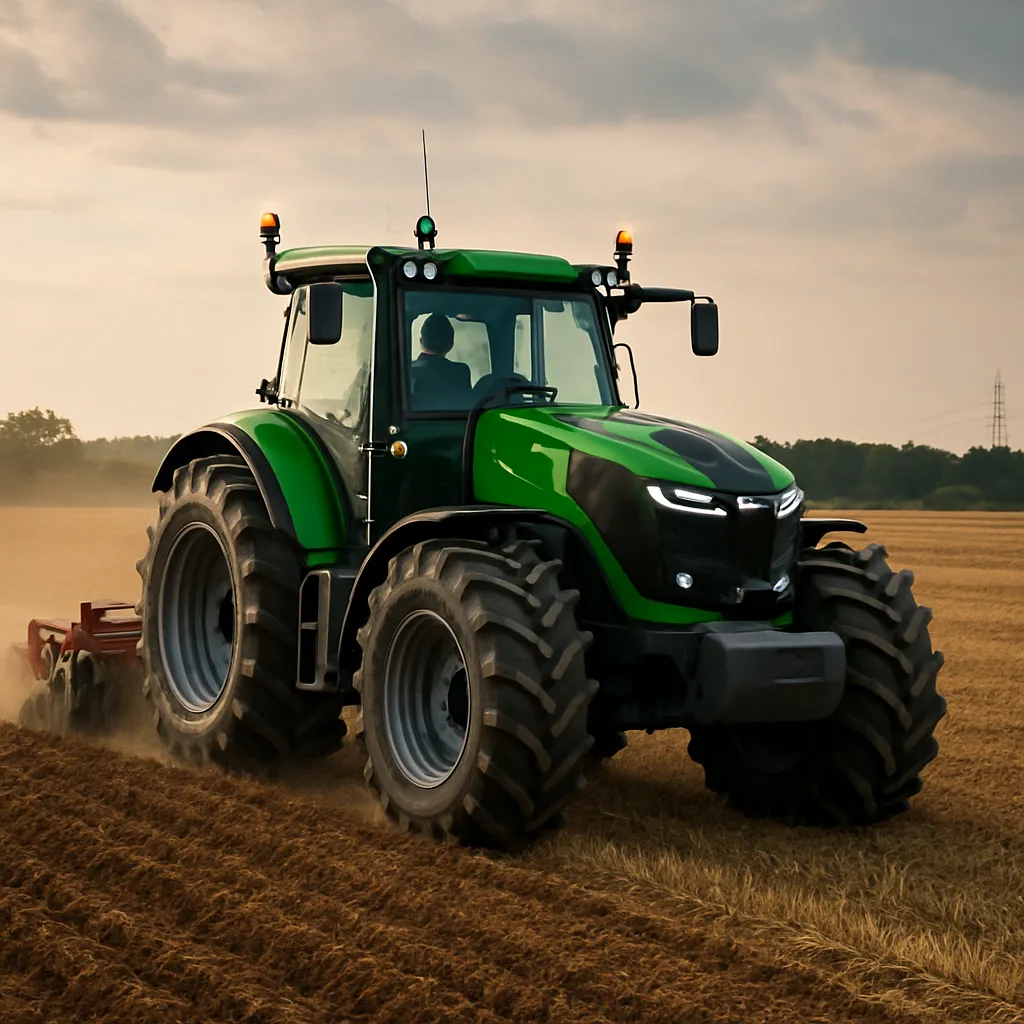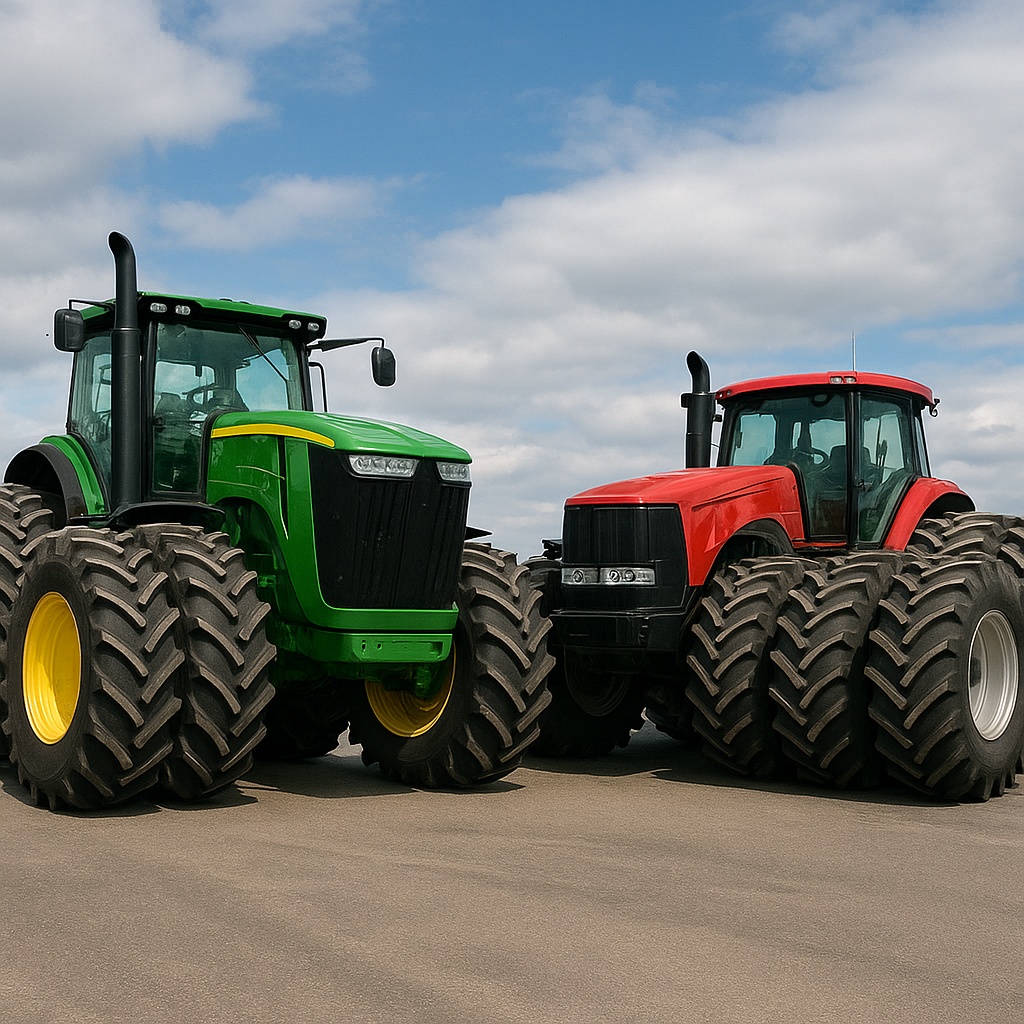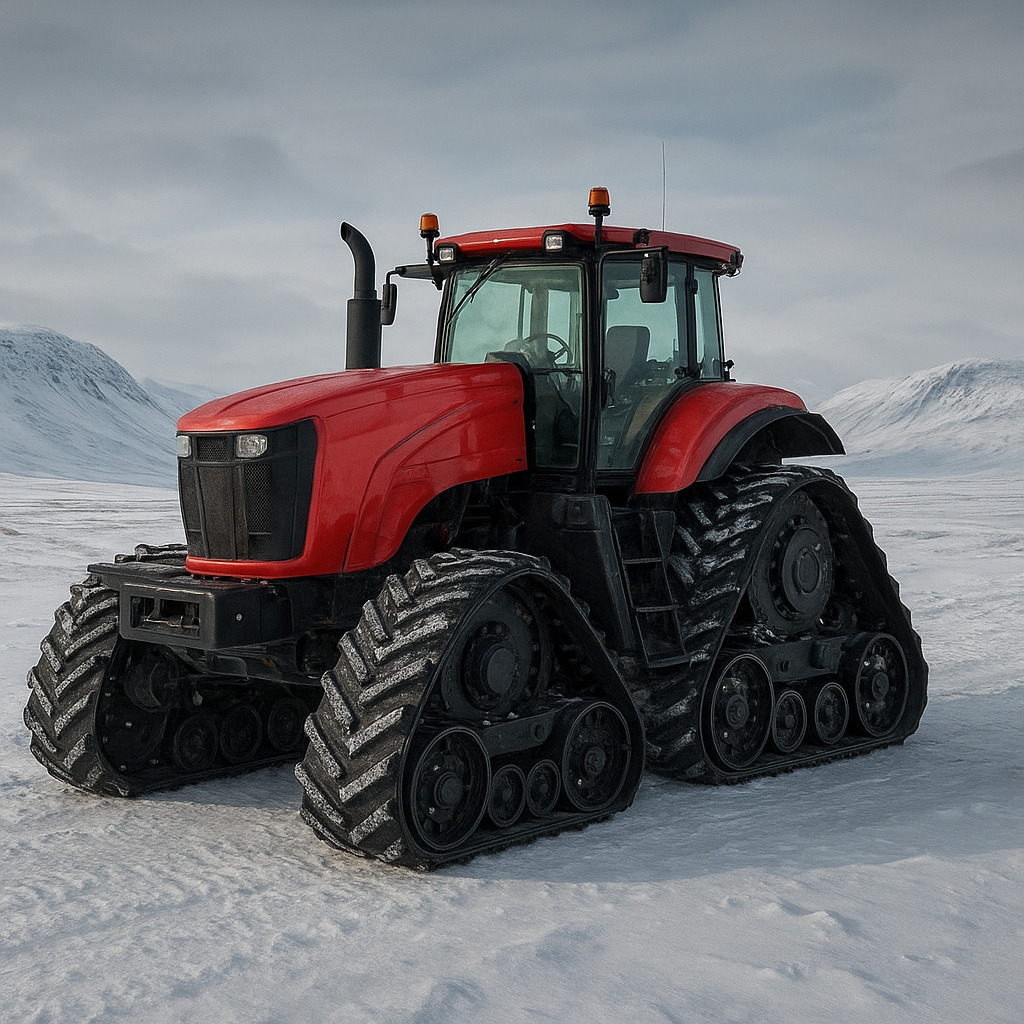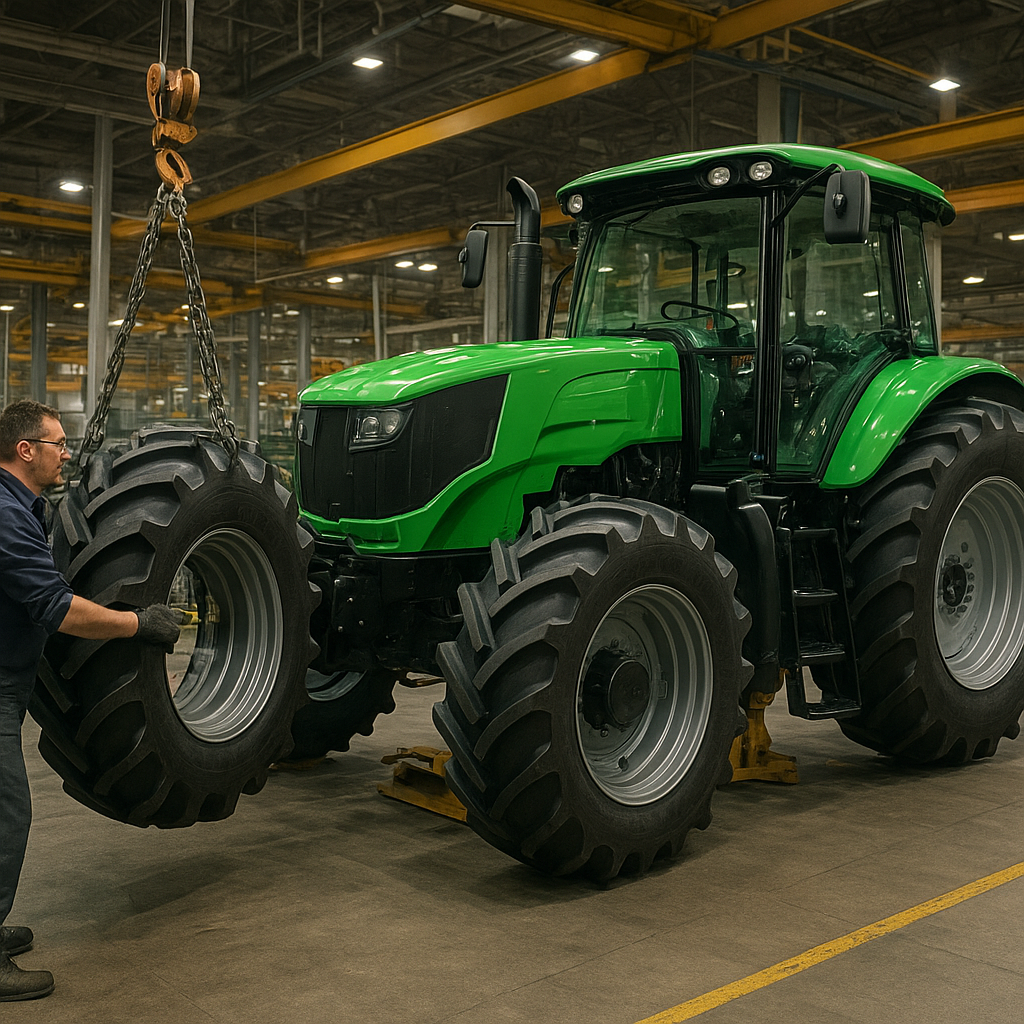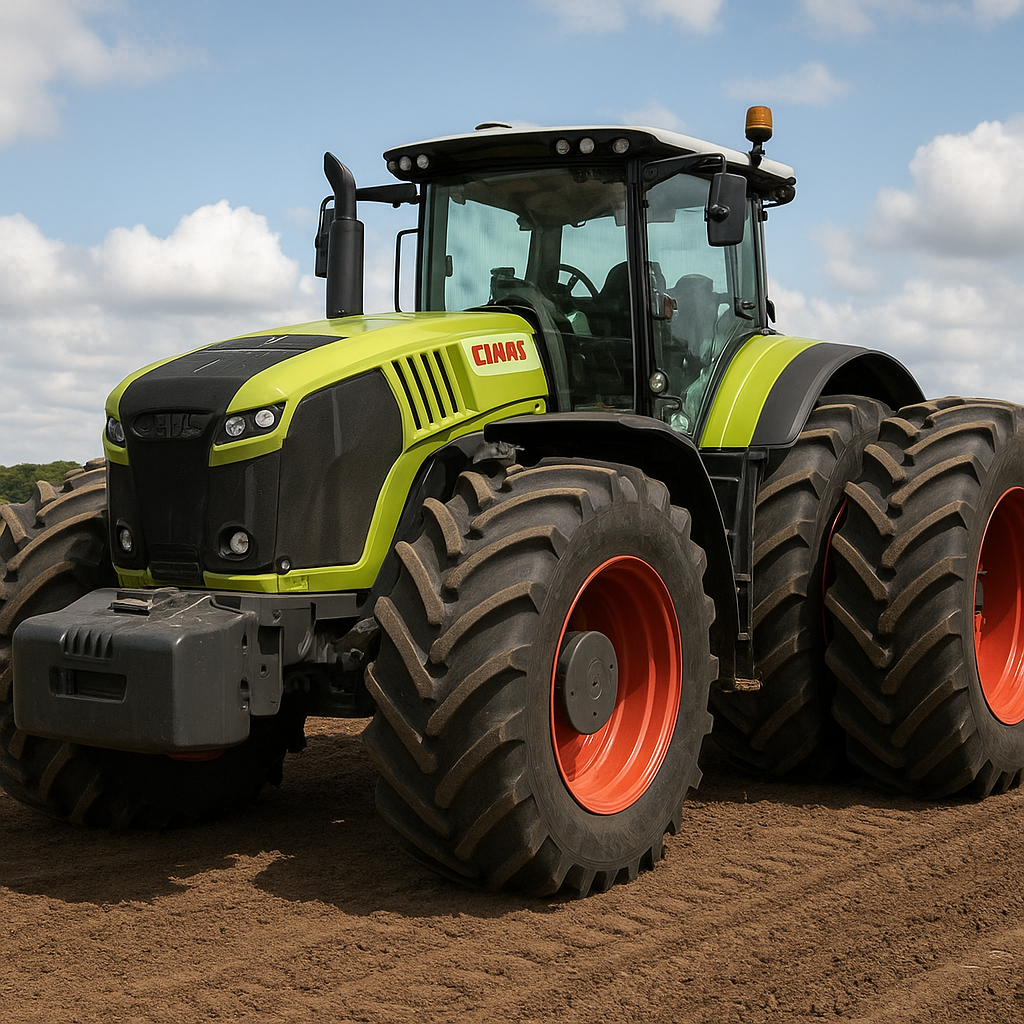
The global agricultural landscape has witnessed a dramatic transformation with the arrival of colossal tractors that redefine modern farming. These engineering marvels combine brute power, cutting-edge technology, and unparalleled comfort, catering to growers who demand efficiency on a massive scale. As fields expand and yield targets rise, the world’s largest tractors have become indispensable tools in maximizing productivity while ensuring sustainability and precision.
The Evolution of Super-sized Farm Equipment
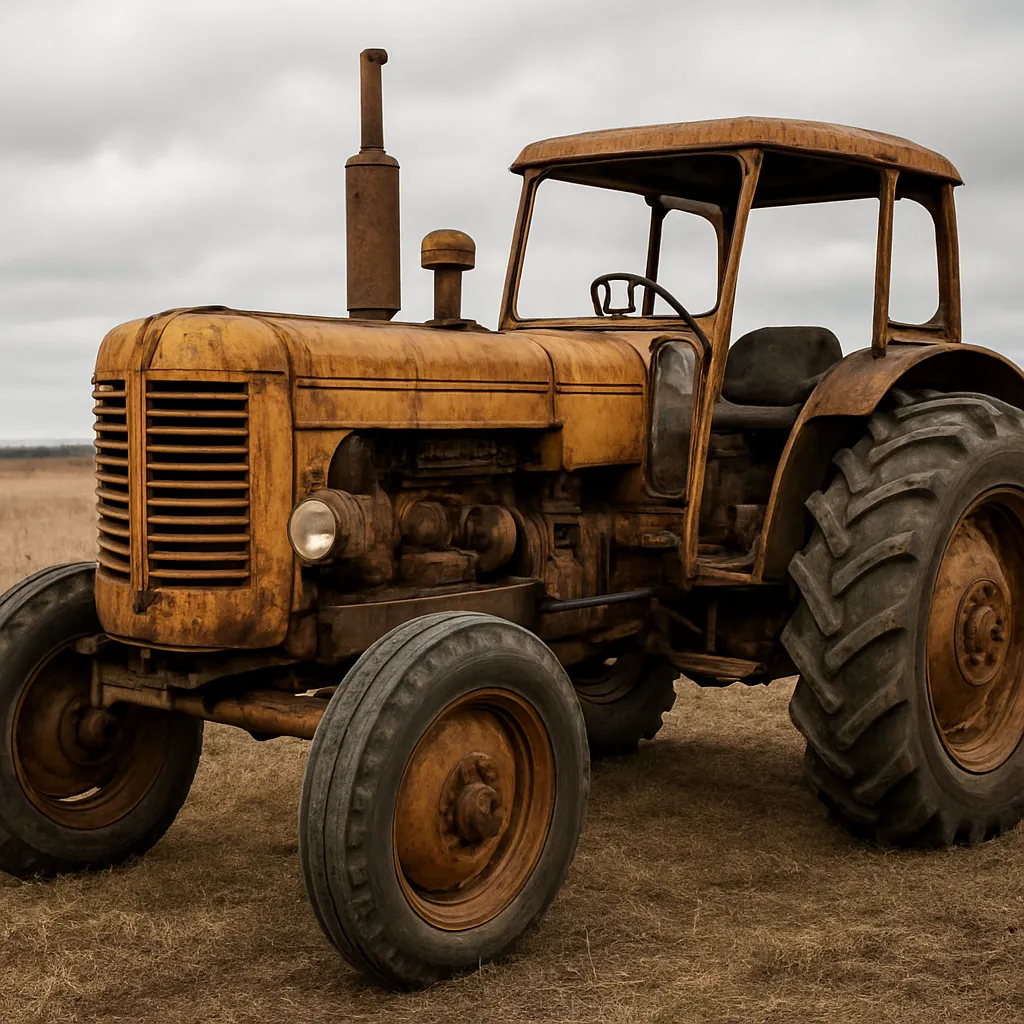
Agricultural machinery has come a long way since the days of the first steam-powered plows. Over the last century, tractors have steadily grown in both size and capability, driven by advances in engine design, materials science, and digital integration.
- Early Innovations: From Otto’s internal combustion engine in 1876 to Ford’s Model F in 1917, incremental improvements laid the groundwork for future giants.
- Post-War Expansion: After WWII, farm consolidation and mechanization led to the adoption of progressively larger machines, emphasizing horsepower and durability.
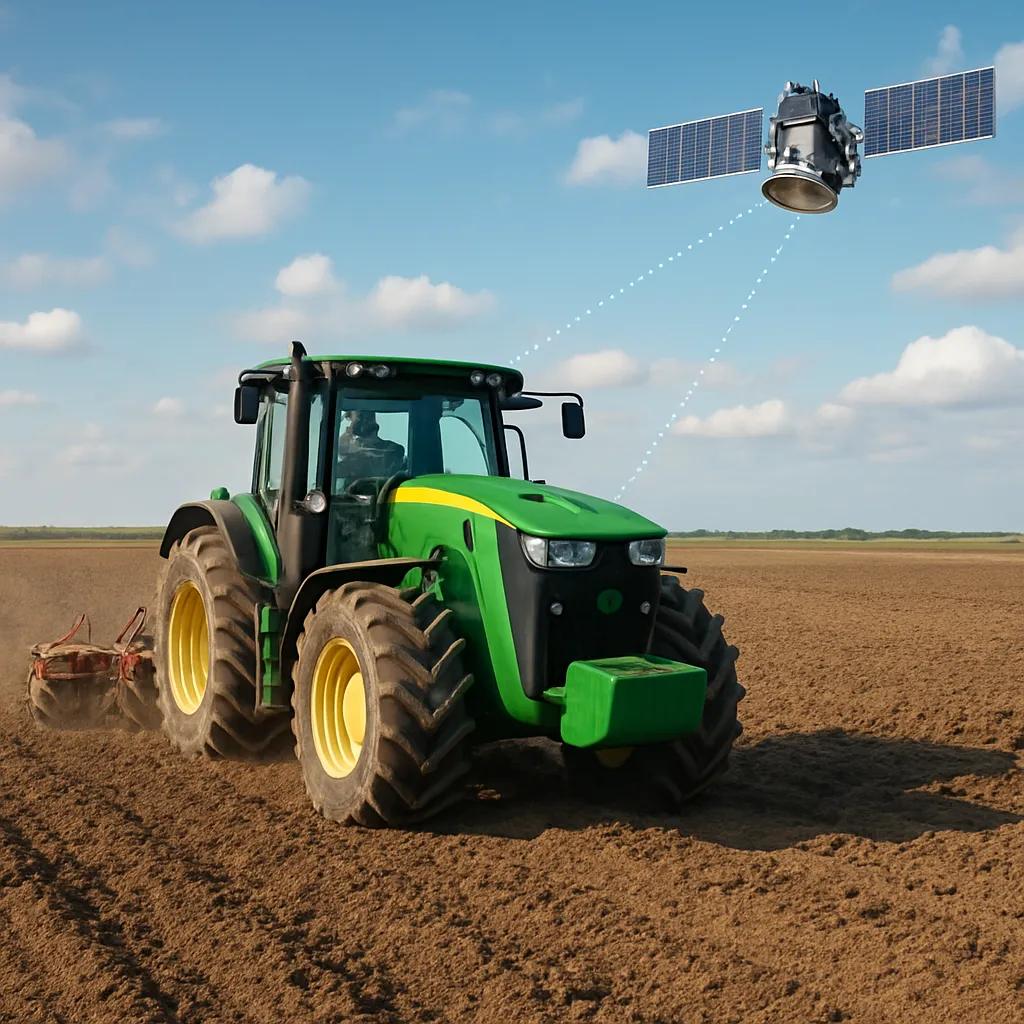
- Digital Revolution: The 1990s brought GPS-guided steering and real-time field mapping, giving rise to the era of precision farming.
- Modern Behemoths: Today’s top-tier models boast engines exceeding 600 horsepower, enclosed cabs with climate control, and advanced sensor arrays for data-driven decisions.
Milestones in Tractor Growth
- 1930s: Introduction of the first 100 HP tractor
- 1970s: Emergence of four-wheel-drive models with 200–300 HP
- 2000s: Super-sized machines crossing 400 HP
- 2010s to Present: Flagship tractors surpassing 600 HP and inching toward the 1,000 HP mark
Inside the Cab: Technology and Comfort
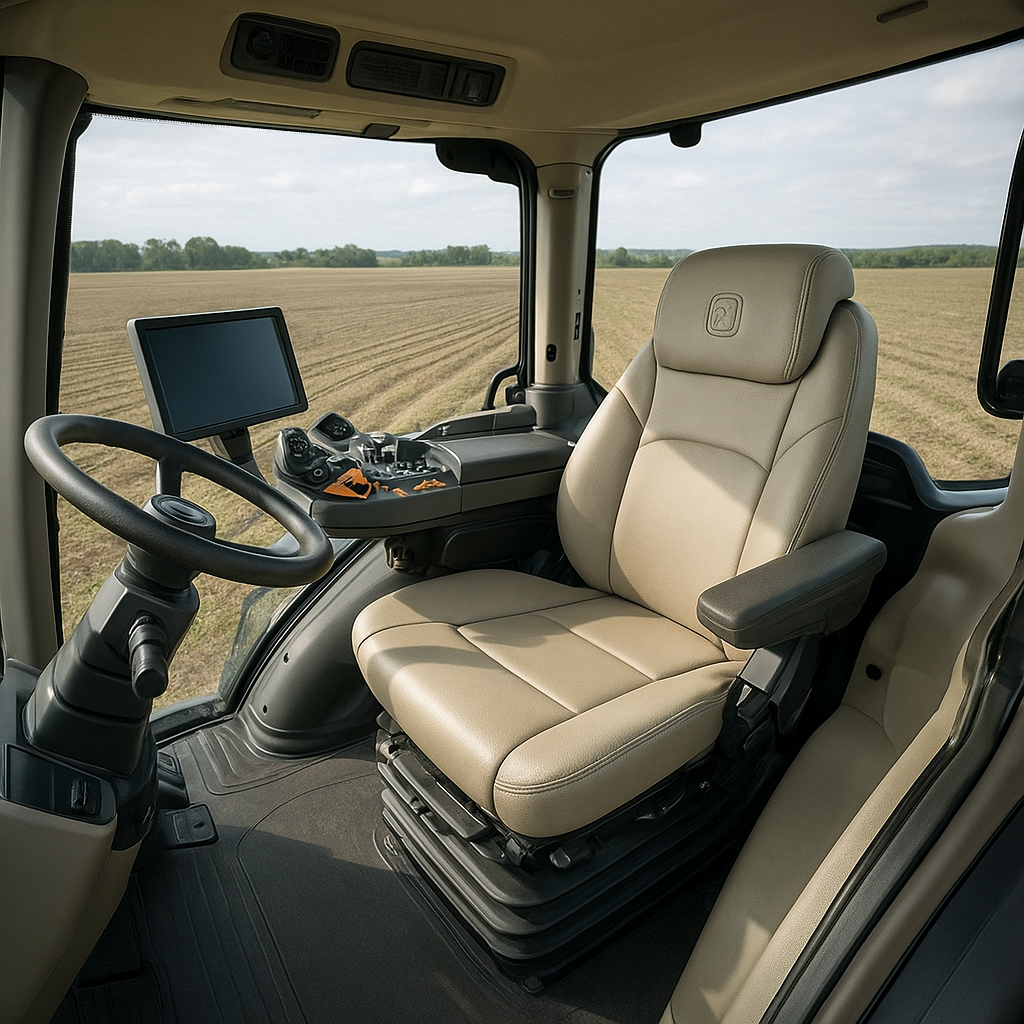
Major manufacturers now compete not only on horsepower and torque curves but also on the sophistication of their operator environments. The tractor cab has evolved into a mobile command center, featuring amenities once reserved for luxury vehicles.
- Ergonomic Seating: Multi-adjustable chairs with lumbar support and heating/cooling options reduce fatigue during long hours on the field.
- Climate Control: Dual-zone A/C systems and advanced air filtration maintain optimal conditions regardless of external weather.
- Infotainment: Touchscreen displays, smartphone connectivity, and in-cab cameras enhance both comfort and situational awareness.
- Noise Reduction: Soundproofing materials cut engine and implement noise, providing a quieter workspace.
Advanced Control Systems
- Steer-by-wire and auto-steer technologies for centimeter-level accuracy
- Telematics modules that transmit live performance data to fleet managers
- Gesture and voice-recognition interfaces for hands-free operation
- Integrated guidance systems linking multiple tractors for synchronized field passes
Power and Performance: The Heart of the Behemoths
At the core of every massive tractor is an engine designed to deliver relentless reliability under extreme conditions. Manufacturers employ state-of-the-art turbocharging, aftertreatment, and fuel-management systems to meet stringent emissions standards while maximizing output.
- High-Displacement Diesels: V8 and V12 engines displacing over 12 liters deliver the raw force needed for heavy tillage and high-capacity hauling.
- Continuously Variable Transmissions (CVT): Seamless power delivery adjusts ratios on the fly, improving fuel consumption and reducing operator workload.
- Four-Wheel Drive Systems: Dynamic torque distribution ensures traction in soft or uneven terrain, preventing slippage and compaction.
- Hydraulics and PTO: High-flow hydraulic circuits and robust power take-off shafts power implements ranging from planters to rotary cutters with ease.
Beyond Raw Torque: Fuel Efficiency and Emissions
Meeting modern emissions regulations while preserving fuel economy is a delicate balancing act. Advanced exhaust gas recirculation (EGR), selective catalytic reduction (SCR), and diesel particulate filters (DPF) work in unison to reduce nitrogen oxides and particulates. At the same time, optimized combustion chambers and multi-stage turbochargers squeeze every drop of energy from diesel fuel.
Economic and Environmental Impact
The adoption of mega-tractors yields both economic benefits and environmental challenges. On one hand, larger machines can plow, plant, and harvest more acres in less time, lowering labor costs and boosting overall yield. On the other hand, increased soil compaction and high fuel consumption raise concerns about long-term soil health and carbon footprint.
- Cost of Ownership: Upfront prices for flagship models can exceed half a million dollars, plus ongoing expenses for maintenance and fuel.
- Soil Health: Researchers are studying undercarriage design and track systems to mitigate compaction and preserve soil structure.
- Precision Agriculture: By integrating variable-rate seeding and fertilizer application, these machines can reduce input waste and minimize environmental impact.
- Alternative Fuels: Trials with biofuels and RNG (renewable natural gas) aim to lower lifecycle emissions without sacrificing reliability.
The Road Ahead
Looking forward, the biggest tractors are poised to embrace autonomy, artificial intelligence, and even greater electrification. Fully autonomous field operations, coordinated by AI-driven fleet management, promise to revolutionize farm logistics, crop monitoring, and resource utilization. As these innovations converge, the agricultural sector will continue pushing the boundaries of scale, efficiency, and sustainability.