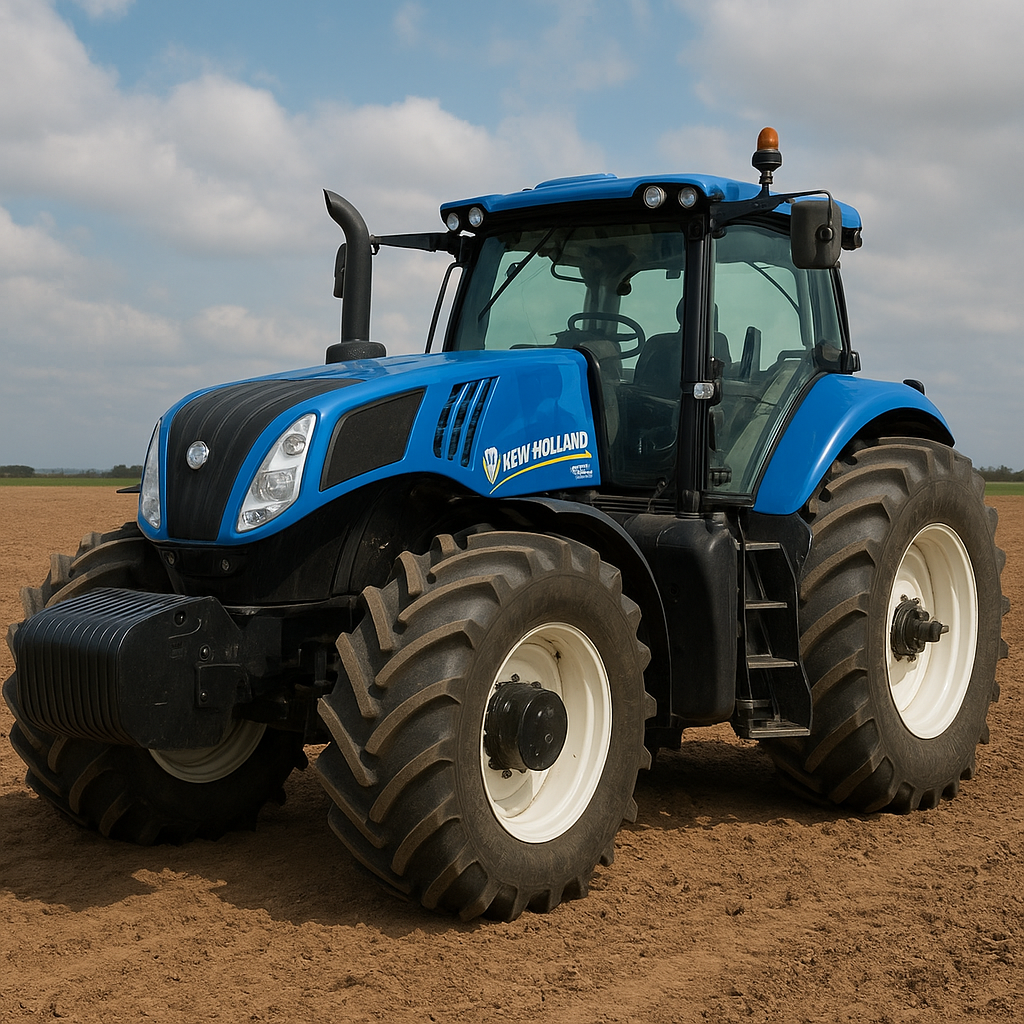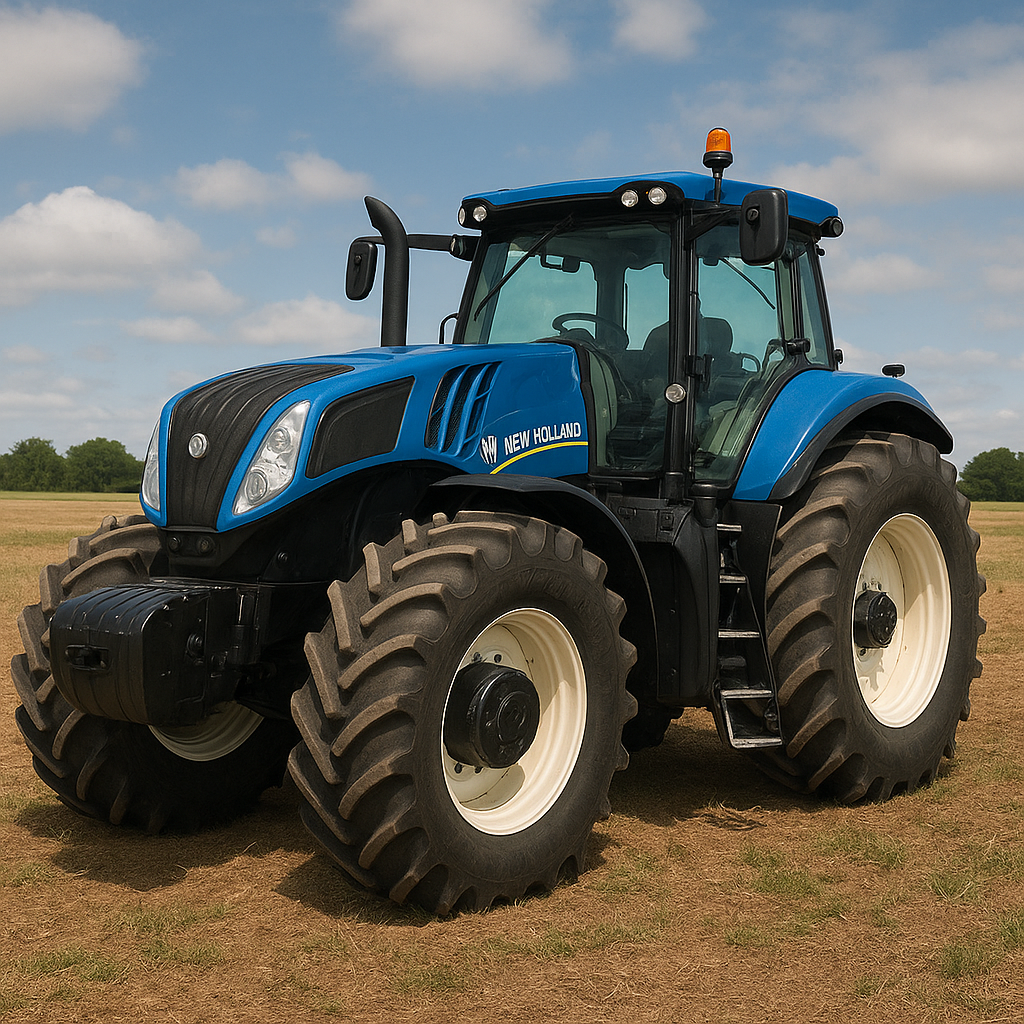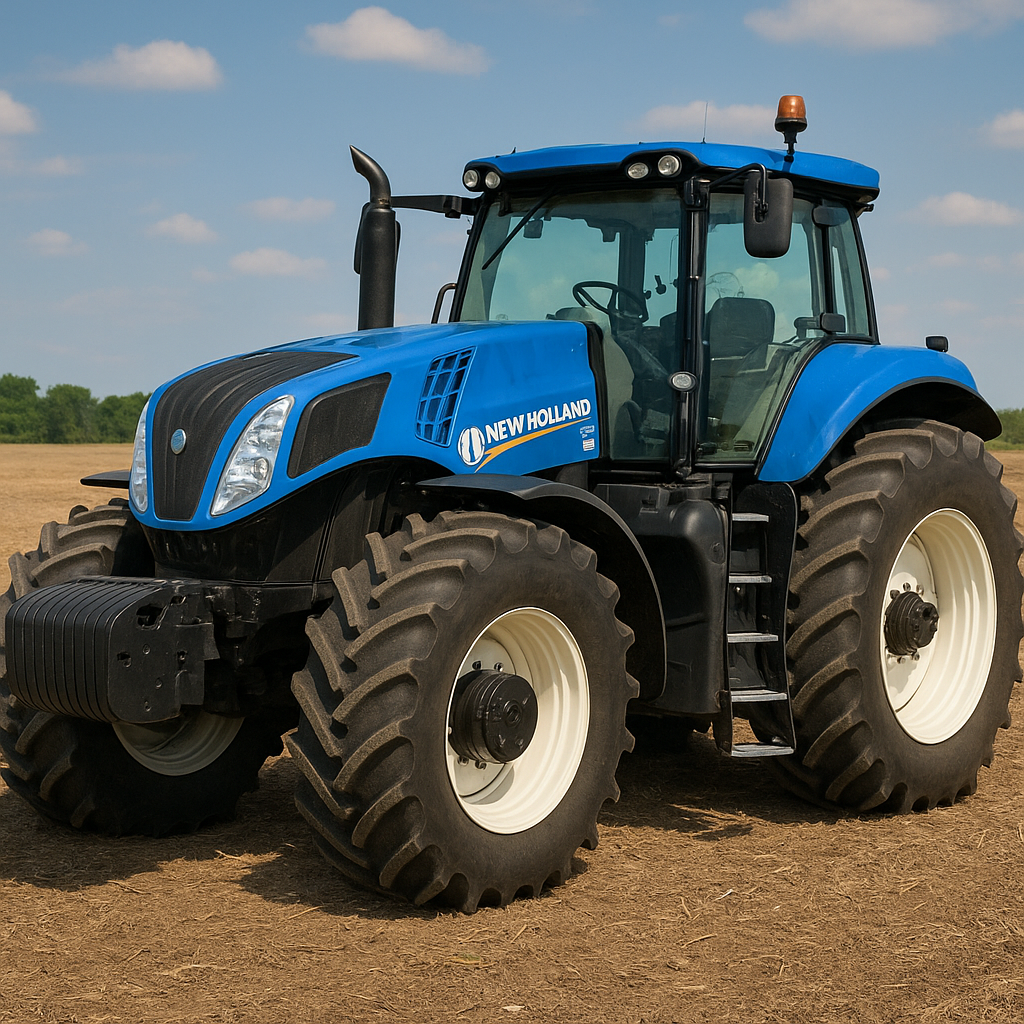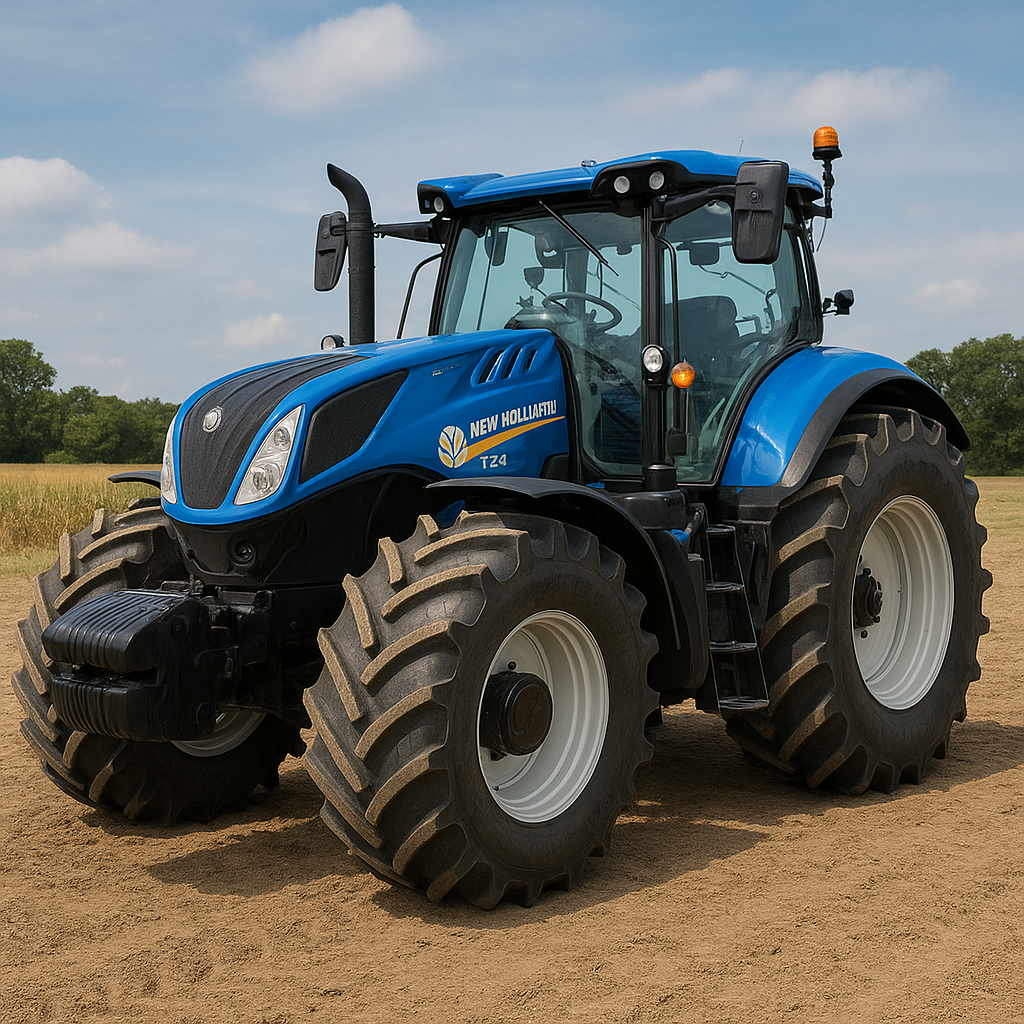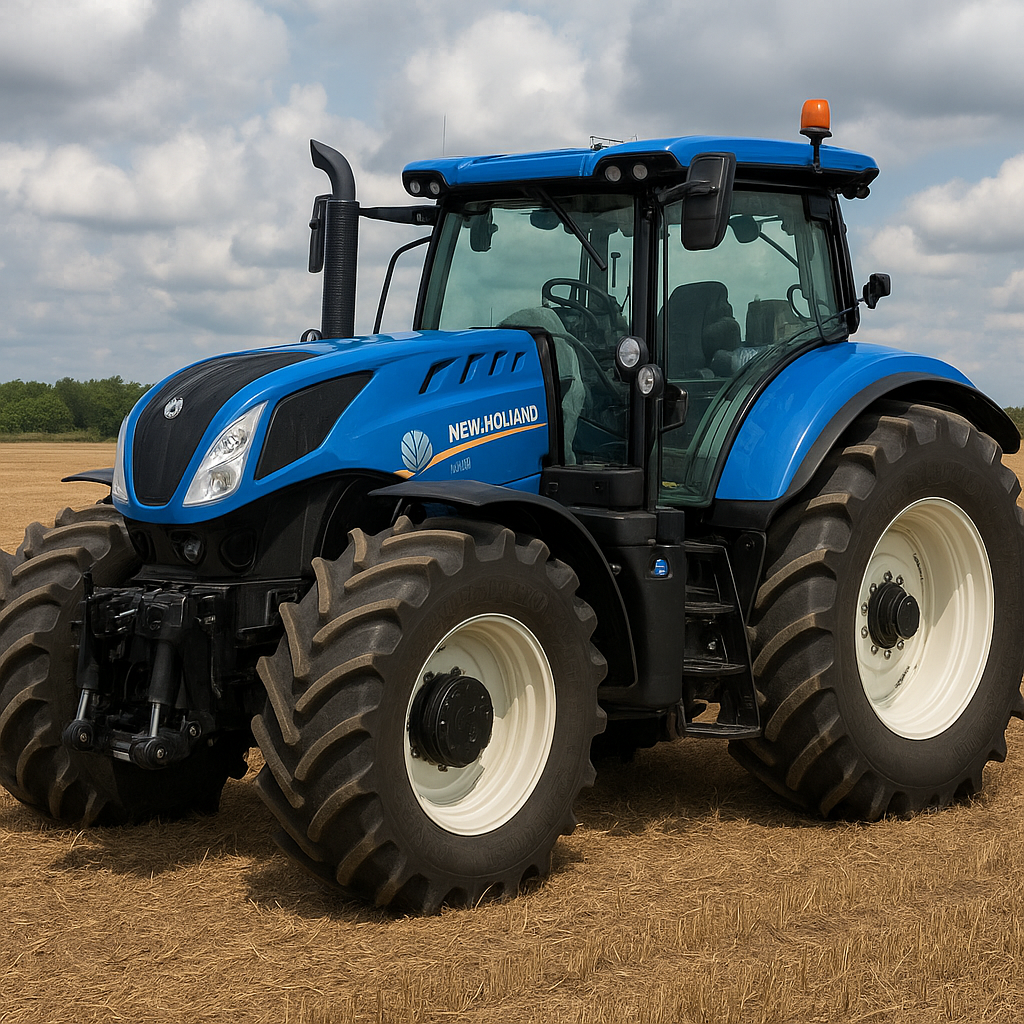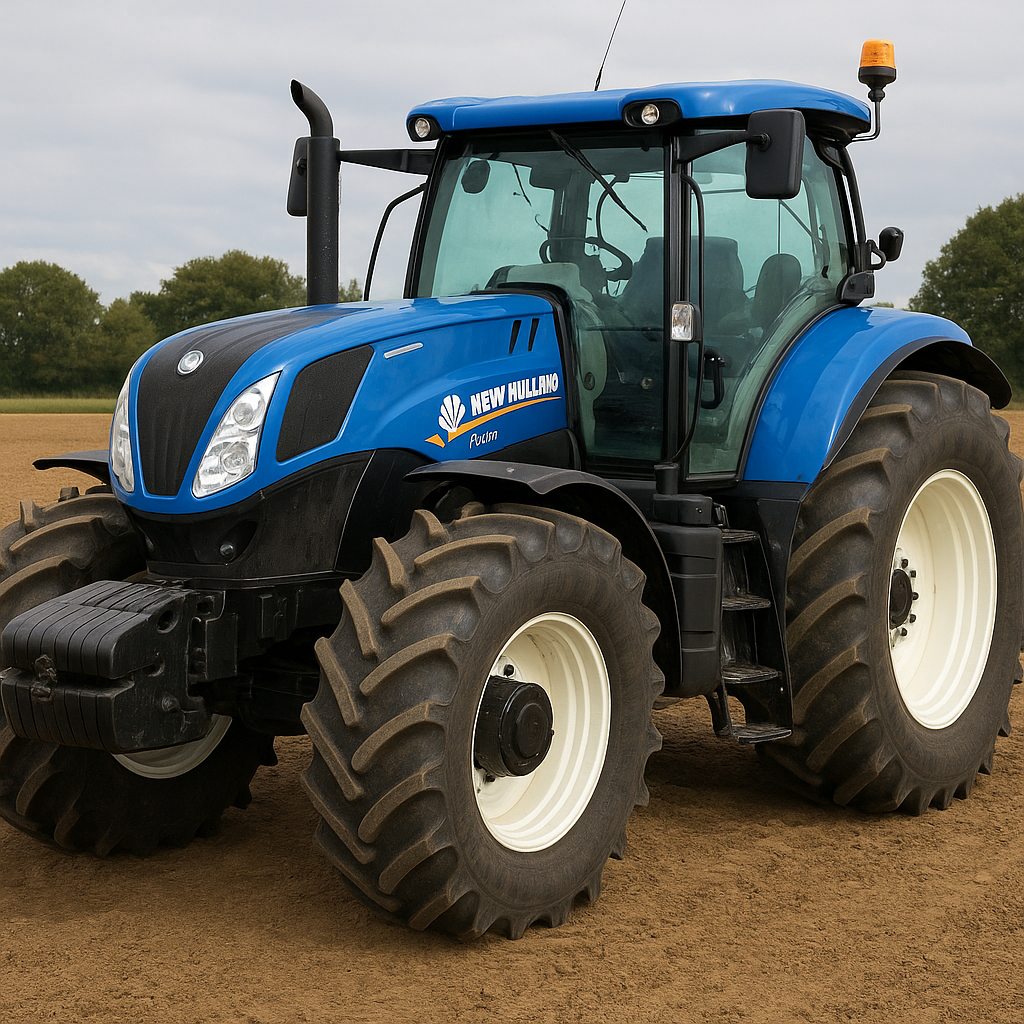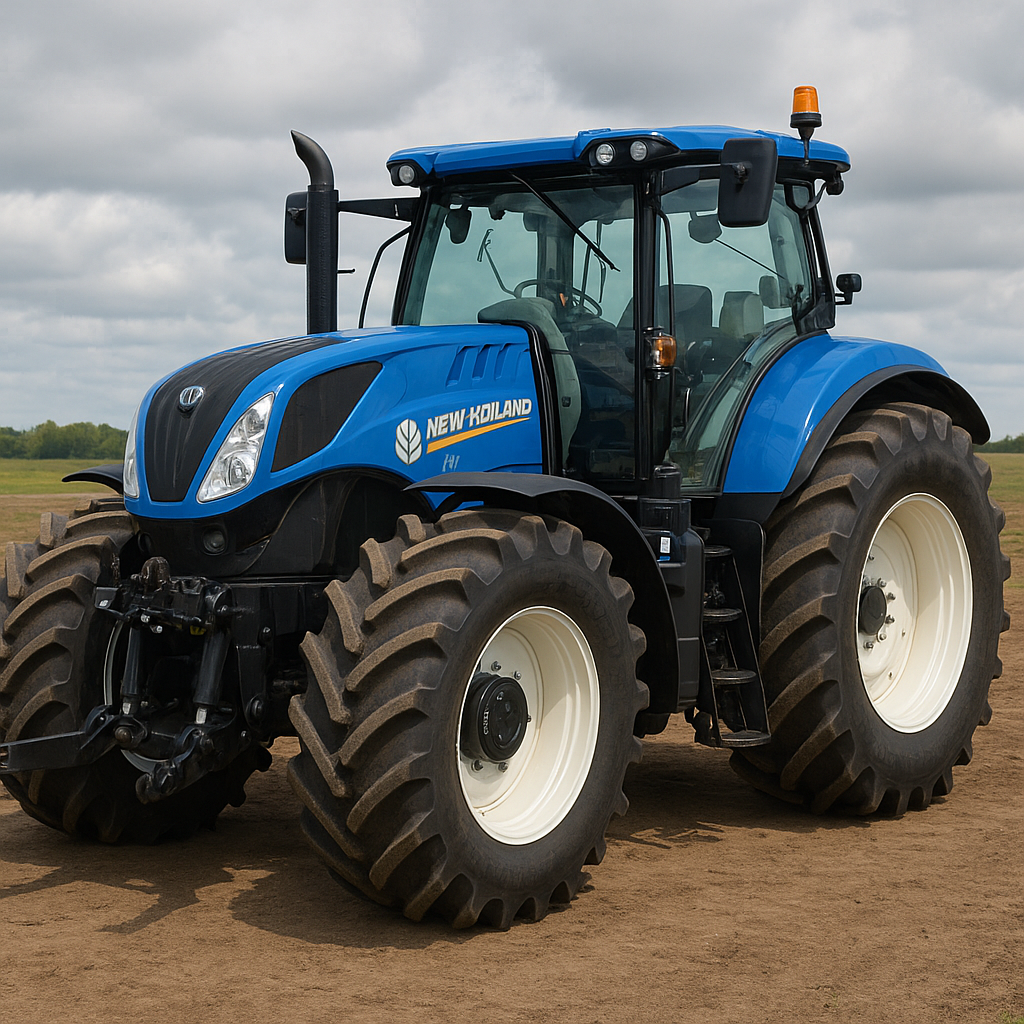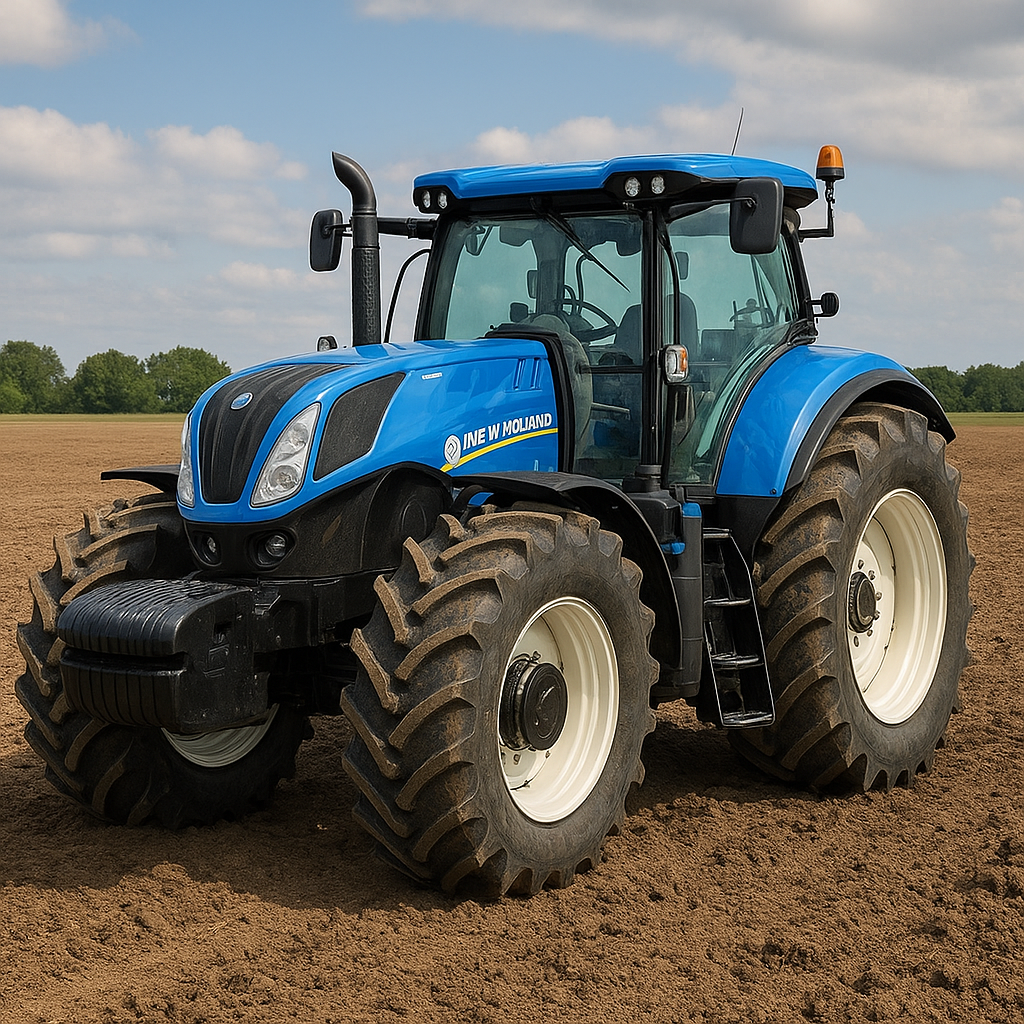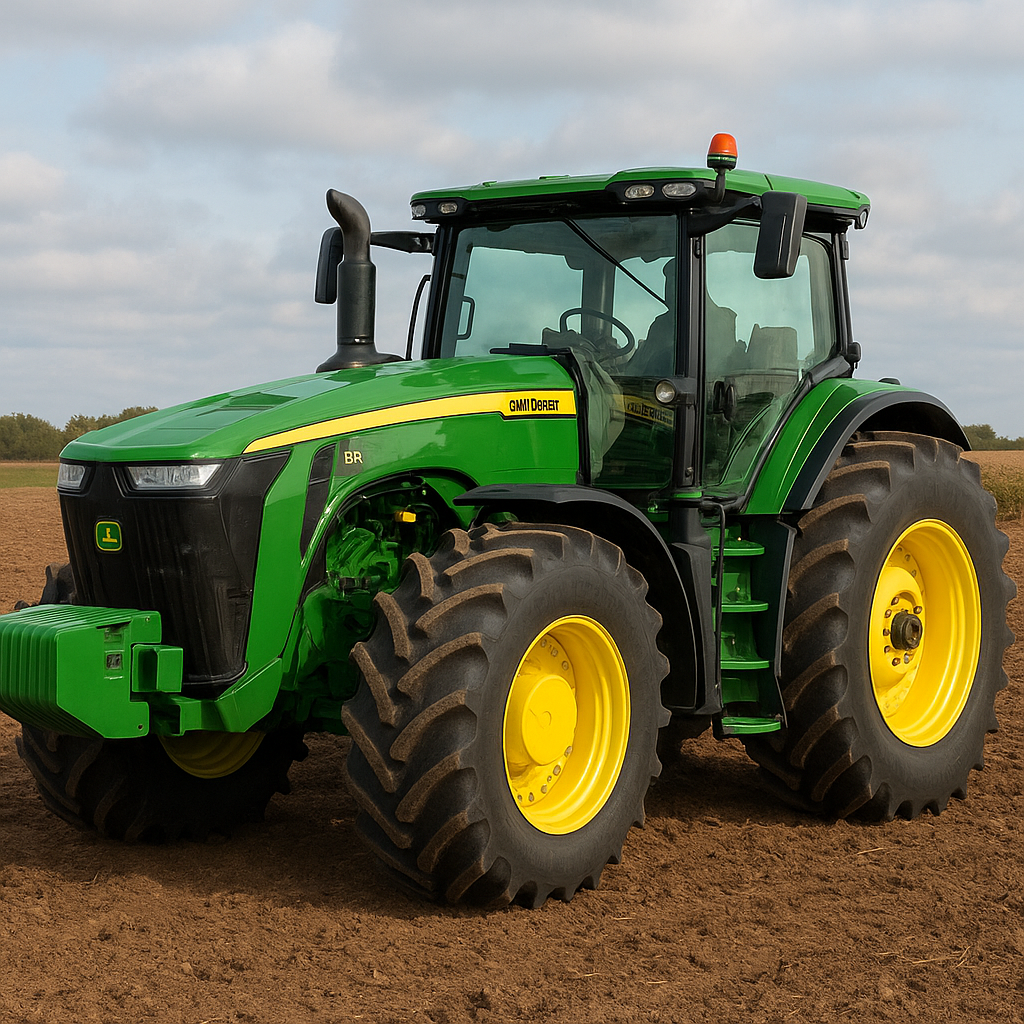
John Deere 8R 340 is a versatile, high-horsepower agricultural tractor designed for demanding fieldwork and large-scale farm operations. Combining robust mechanical components with advanced precision agriculture features, the 8R 340 aims to deliver consistent performance across a wide range of tasks — from heavy tillage and seeding to transport and sprayer work. This article explores the tractor’s main characteristics, typical applications, technological highlights, and practical considerations for operators and fleet managers.
General overview and design philosophy
The John Deere 8R series sits near the top of Deere’s lineup of row-crop and utility tractors. The 8R 340 is positioned as a strong mid-range model within this series, offering approximately 340 horsepower at rated engine output, with transient boosts available for heavier loads. Its design balances raw power and operator-oriented features so that farms can achieve high daily productivity while maintaining operator comfort and machine longevity.
Key design elements
- 6-cylinder diesel engine engineered for steady torque delivery and compliance with modern emissions standards (Tier 4 Final/Stage IV on recent model years).
- Robust chassis and axles built to support heavy implements and large ballast for field traction.
- Multiple transmission choices (from power-shift variants to full CVT/IVT-style options) to adapt to operator preference and task.
- Comfort-focused cab with intuitive controls, high-visibility glazing and advanced climate control.
Technical specifications and performance (typical ranges)
Specification and performance can vary with year, factory options and regional configurations. Below are typical parameters and realistic ranges commonly encountered for John Deere 8R 340 units:
- Rated engine power: approximately 340 hp (with transient boost via power management, often providing an additional 20–30 hp during peak loads).
- Engine type: turbocharged, intercooled 6-cylinder diesel (John Deere PowerTech family on many units).
- Transmission options: power-shift e23, fully variable IVT (Infinitely Variable Transmission), or other region-specific variants to match fuel economy and responsiveness goals.
- Hydraulic system flow: base flow commonly around 110–170 L/min, with optional high-flow packages up to ~200–227 L/min for large implements and high-demand hydraulics.
- Rear hitch lift capacity: in many configurations up to around 8,000–11,000 kg (figures vary by year and specification).
- PTO options: standard 540/1000 rpm PTO speeds with heavy-duty PTO driveline components for implement compatibility.
- Operating weight: typically in the 12–15 tonne range depending on ballast, tires, and attachments.
- Fuel tank capacity: commonly between 600 and 900 liters depending on configuration and country-specific tanks.
Fuel consumption depends heavily on the load and operation mode. In fieldwork such as deep tillage, the 8R 340 may average in the realm of 20–40 L/h under sustained heavy load; lighter operations like transport or light cultivation can drop fuel use substantially. Actual consumption will vary with transmission choice, implement type, and soil conditions.
Primary applications and use cases
The John Deere 8R 340 is commonly used where a combination of high power, hydraulic capacity, and stability are required. Typical applications include:
- Tillage and primary cultivation: capable of pulling large ploughs, discs and cultivators across wide working widths thanks to strong drawbar power and stable traction.
- Seeding and planting: provides steady ground speed and precise GPS-guided control for planters and air seeders, ensuring uniform seed placement at large acreages.
- Spraying and spreading: used both as prime mover for trailed sprayers and liquid applicators and as a high-clearance chassis for larger mounted equipment.
- Baling and forage: can operate large balers, mowers and forage harvest support equipment requiring consistent PTO and hydraulic supply.
- Transport and logistics: heavy trailers and grain carts benefit from the 8R 340’s torque and braking support for efficient field-to-silo movements.
- Loader and material handling: with front loader options, the 8R 340 also serves in yard work, feed handling and silage tasks on larger farms.
Advanced technology and precision farming
One of the strengths of the 8R 340 line is its integration with John Deere’s precision agriculture ecosystem. These technologies are aimed at increasing efficiency, reducing overlap and inputs, and improving documentation:
- AutoTrac guidance systems for automated steering and reduced operator fatigue, improving pass-to-pass accuracy.
- ISOBUS compatibility and integrated displays (such as the Deere CommandCenter and GreenStar) for plug-and-play implement control.
- JDLink telematics enabling remote fleet monitoring, fault codes, location data and usage statistics to support proactive maintenance and logistics planning.
- Section control and variable-rate application capability when fitted with compatible controllers and implements, enhancing input savings and environmental stewardship.
- Engine and transmission management systems to optimize fuel economy while maintaining productivity.
Operator comfort and ergonomics
Long workdays and precise operations require a cab that reduces fatigue and supports focus. The 8R 340 features:
- Spacious cab with air-suspension seat options and panoramic visibility to reduce strain and improve safety during maneuvering.
- Intuitive control layout with multi-function armrest and integrated touchscreen, reducing time to task and simplifying implement control.
- Acoustic insulation and climate control to maintain a comfortable environment regardless of external weather or engine load.
- Optional camera systems and enhanced lighting packages for safer night operations and improved visibility around large implements.
Maintenance, uptime and operating costs
Maintaining uptime is critical for large operations. The 8R 340 benefits from Deere’s global service network and a design philosophy that simplifies routine maintenance tasks. Key points include:
- Accessible service points and long engine service intervals engineered to reduce downtime and labor for routine care.
- Telematics tools such as JDLink provide remote diagnostics, enabling dealerships and fleet managers to diagnose faults and schedule repairs proactively, often before failures occur.
- Parts availability through Deere dealers and commonality of components across the 8R family help reduce inventory needs for spare parts.
- Operating costs are influenced by fuel use, tires, consumables (oil, filters), and implement wear. Efficient power management and the correct transmission choice can reduce overall fuel costs.
Comparisons and market position
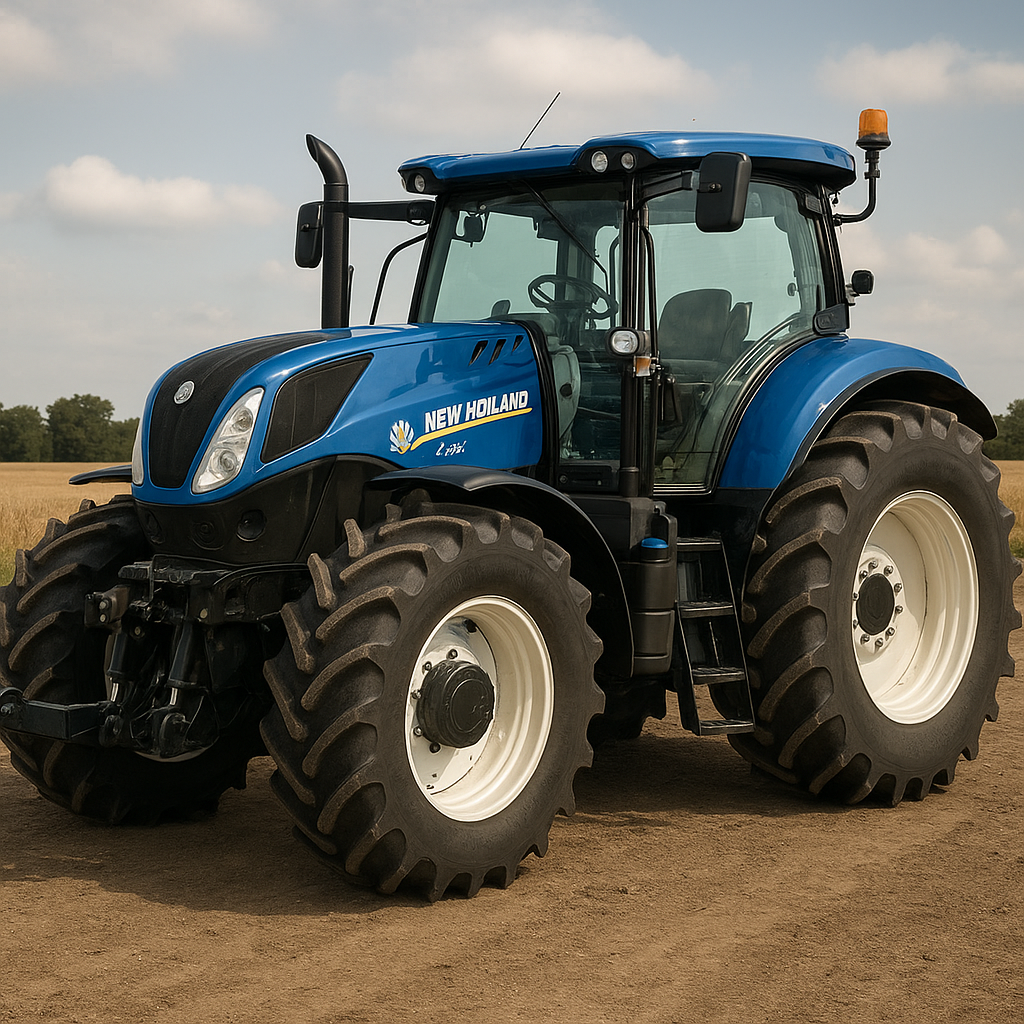
Within the high-horsepower tractor market, the 8R 340 competes with models from several major manufacturers. In comparison to similar tractors by Case IH, New Holland, and Fendt, the John Deere 8R’s competitive advantages typically include:
- Strong integration with Deere’s precision agriculture platform, making it attractive to farms already standardized on John Deere technology.
- Reliable dealer network in many regions, which can be a decisive factor for service and resale value.
- Balanced chassis and drivetrain design aimed at multi-purpose use rather than niche specialization, offering flexibility across seasons.
Potential buyers often weigh the benefits of Deere’s integrated tech and support against specific performance figures, operator preference for transmission type, and total cost of ownership.
Practical buying and operation considerations
Farmers and contractors evaluating the 8R 340 should consider these practical factors:
- Match engine and transmission choice to the dominant tasks—heavy tillage will demand a different setup than transport or seeding work.
- Consider hydraulic high-flow options if operating large sprayers, planters or implements with high hydraulic demand.
- Invest in guidance and telemetry if working large acreages or managing multiple machines; the increased precision often pays back through reduced inputs and improved timing.
- Review tire and ballast packages for the best traction-to-soil-compaction balance for local soil types and crop rotations.
- Check the model year’s emissions package and after-treatment layout; these affect service routines and fuel quality sensitivity.
Resale value and lifecycle
John Deere tractors historically retain value well due to global brand recognition, dealer support, and integrated systems that are widely used across commercial agriculture. Lifecycle costs should be evaluated as a combination of initial purchase price, expected annual maintenance, fuel consumption, and the value of uptime during peak seasons. Proper maintenance, use of telematics for preventative care, and sensible matching of tractor capability to tasks help preserve resale value and reduce total cost per hectare.
Environmental and regulatory aspects
Recent model years of the 8R 340 have conformed to modern emissions standards (e.g., Tier 4 Final in North America and Stage IV in Europe), which rely on exhaust after-treatment systems such as selective catalytic reduction (SCR) and diesel particulate filters (DPF). These systems reduce particulate and NOx emissions but require attention to DEF (diesel exhaust fluid) levels and periodic DPF management. Operators should plan for these consumables and maintenance steps when budgeting operational expenses.
Summary and final notes
The John Deere 8R 340 is a powerful and versatile tractor tailored for medium-to-large-scale farming and contracting. It combines robust mechanical capability with modern precision agriculture features to improve productivity, reduce input waste and support high daily operational outputs. Real-world performance depends on careful matching of options — transmission, hydraulics, tires and precision tools — to the tasks at hand. For farms that prioritize integrated technology, broad dealer support and strong resale value, the 8R 340 represents a compelling choice in the high-power agricultural tractor segment.