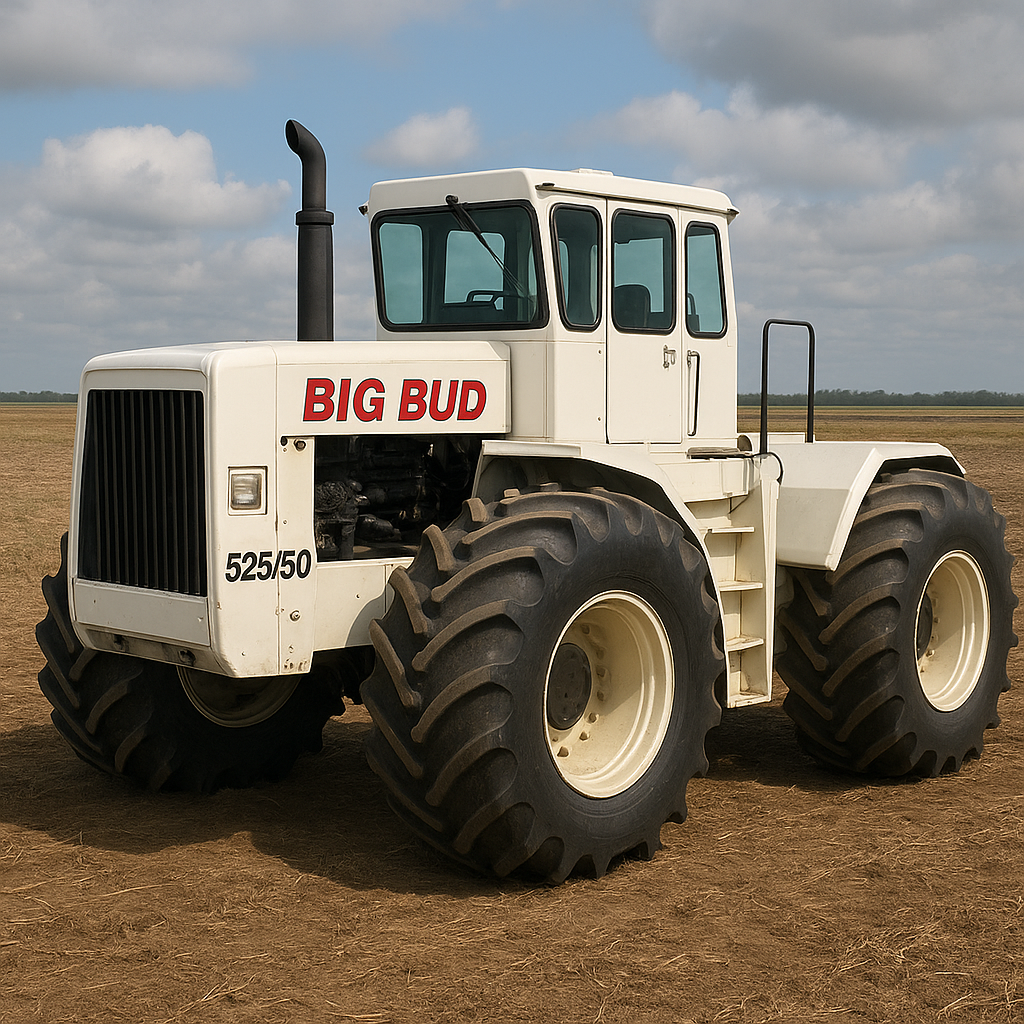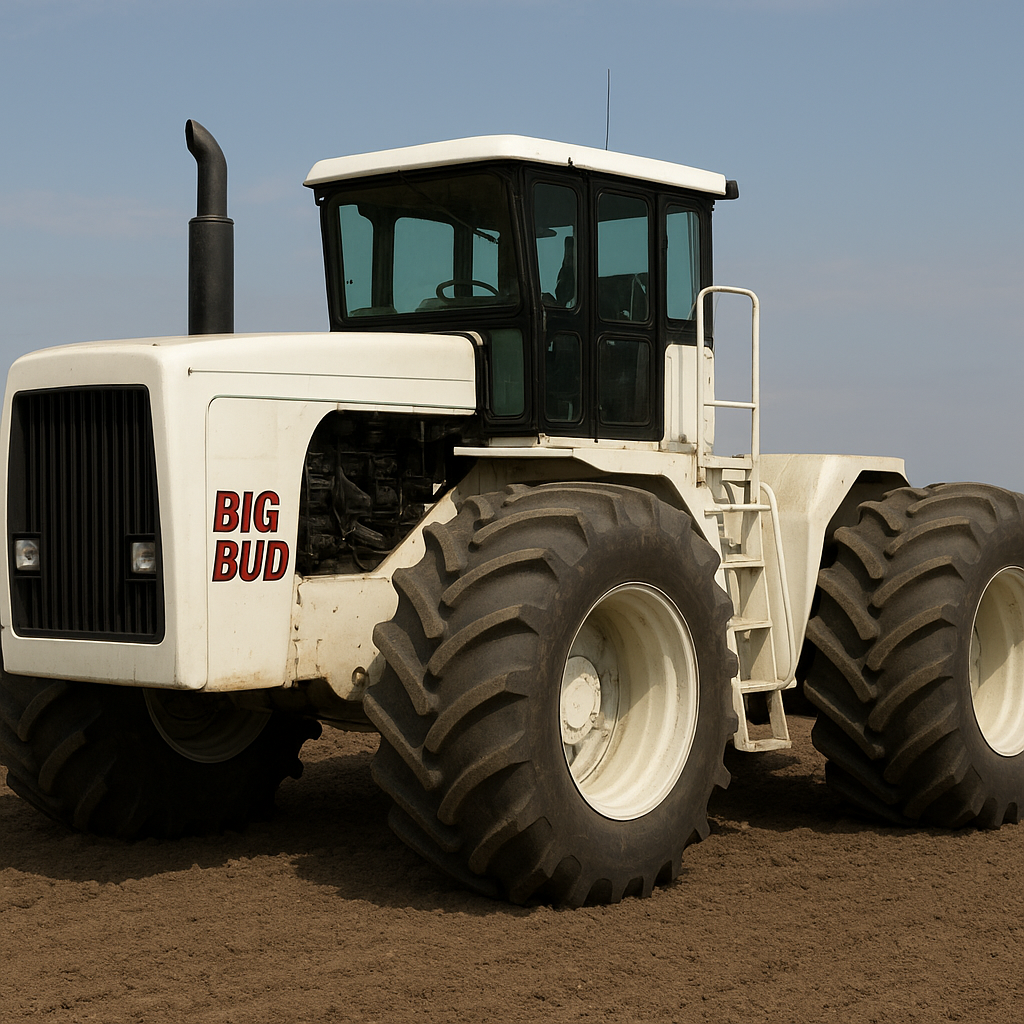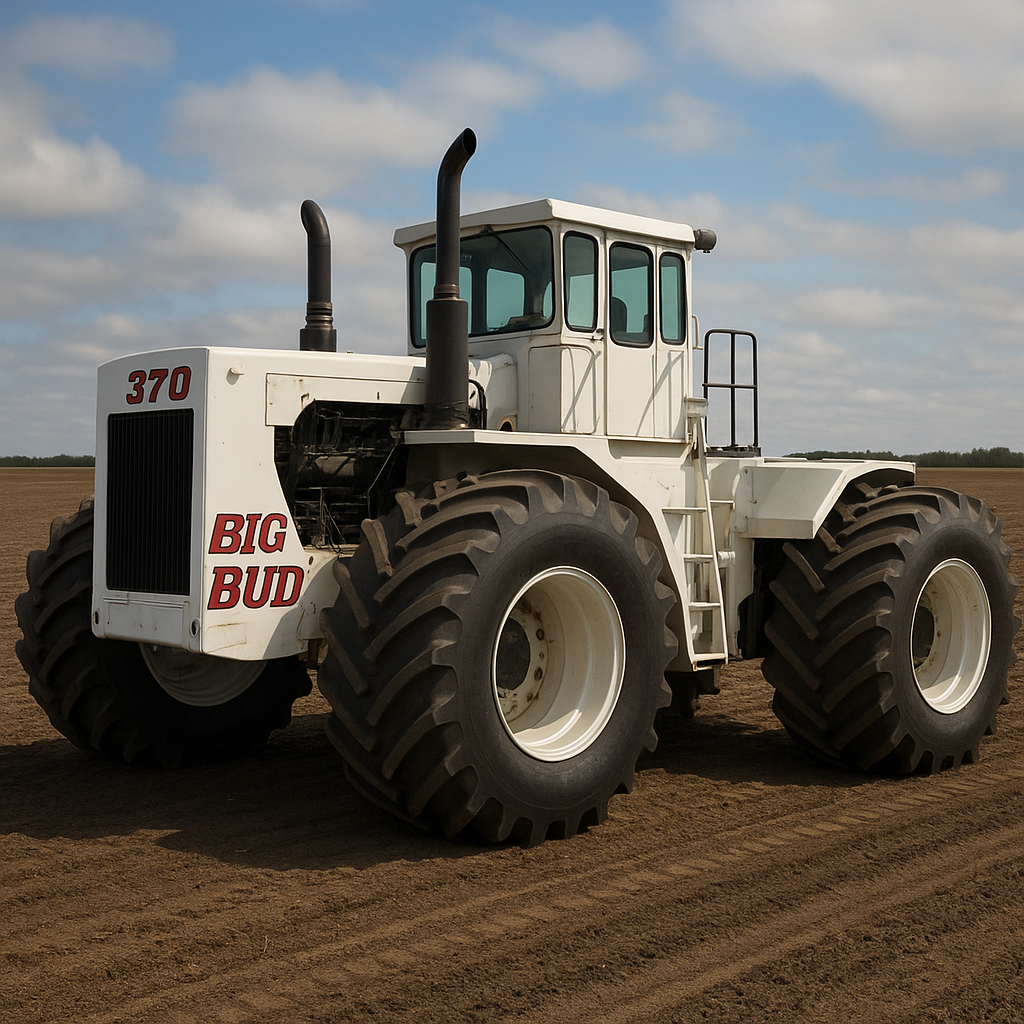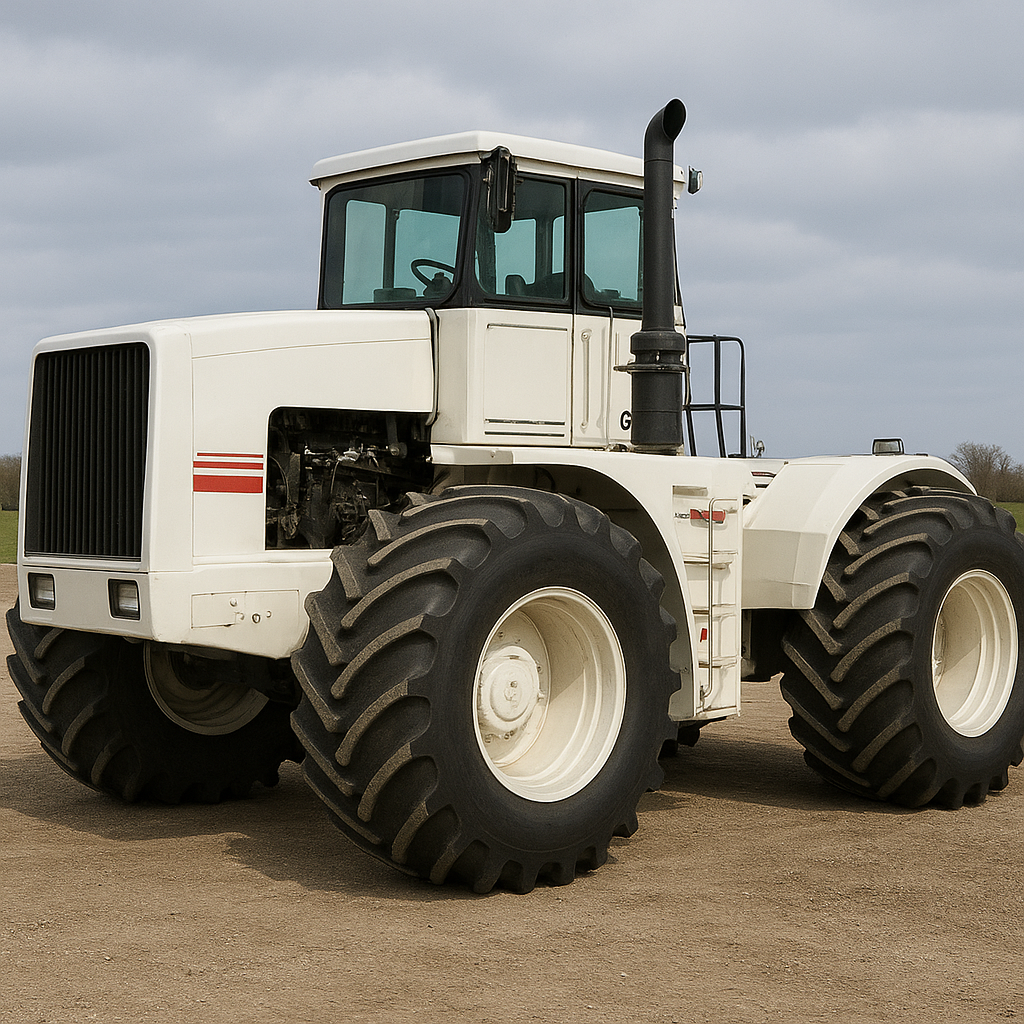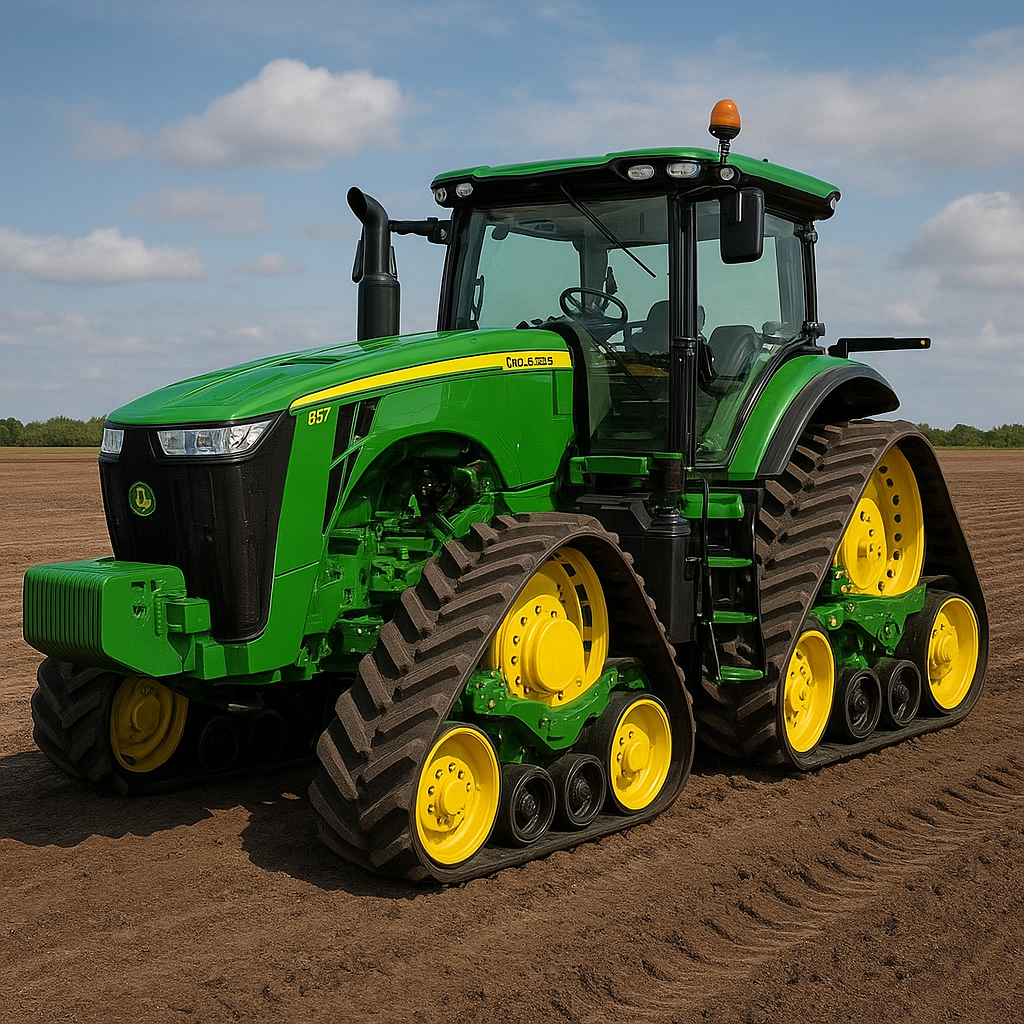
The John Deere 8RT 370 is a high-horsepower, track-equipped tractor designed for demanding large-scale agricultural and heavy-field operations. Combining the proven engineering of John Deere’s 8 Series with a dual rubber-track undercarriage, the 8RT 370 emphasizes improved traction, reduced soil compaction and consistent field performance in a variety of conditions. This article explores the machine’s design, practical applications, technical highlights and ownership considerations, offering growers and contractors an in-depth look at where the 8RT 370 fits in modern farming.
Design and key characteristics
The 8RT family replaces traditional wheels with a two-track system that significantly changes how the tractor interfaces with soil. The 8RT 370 is notable for its blend of power and mobility, tailored for operators who need constant traction over large acreages. The most visible and important design features include the rubber track undercarriage, a high-horsepower diesel engine, heavy-duty drivetrain components and an operator-focused cab.
Powertrain and mechanical layout
The model number—8RT 370—indicates the machine’s place in John Deere’s lineup and its nominal power class of roughly 370 horsepower. The tractor is powered by a robust inline-6 diesel powerplant tuned for agricultural torque characteristics, paired with modern transmission choices to optimize fieldwork and transport.
- Engine: Inline 6-cylinder diesel configured for sustained pulling power and torque at low engine speeds.
- Transmission: Offered with advanced options (including continuously variable-style or multi-range power shift systems) to balance field efficiency and road travel.
- Undercarriage: Dual rubber tracks mounted on heavy-duty track frames, engineered for longevity and even weight distribution.
- Hydraulics and PTO: High-flow hydraulics to run large implements and auxiliary systems; PTO options available for implements that require shaft-driven power.
These elements were chosen to provide a machine that excels at sustained heavy draft tasks while reducing the negative effects of ground pressure that can reduce yield potential in sensitive soils.
Practical applications and ideal use cases
Because of its track system and high power, the 8RT 370 is suited to many intensive agricultural and land-management roles. Farms and contractors operating on large-scale arable acres, heavy soils, or in climates with wet seasons will find the 8RT particularly advantageous.
Primary applications
- Tillage: Heavy cultivators, plows and subsoilers benefit from the tractor’s consistent traction and draft. Tracks reduce slip and help maintain implement depth across variable ground.
- Seeding and planting: On large planters, especially wide-span air seeders, the reduced wheel-track compaction and improved traction lead to more uniform seed placement and less field variability.
- Fertilizer and chemical application: High-capacity spreaders and tankers paired with the 8RT 370 can cover large areas quickly while limiting soil compaction, which is important for nutrient uptake and crop health.
- Heavy hauling and transport: With appropriate gearing and transport packages, the 8RT 370 is capable on roads and fields for pulling wagons, tanks and heavy trailers between job sites.
- Land reclamation and forestry: In tasks calling for strong traction and low ground disturbance—such as reconditioning land, drainage work or selective forestry operations—the tractor’s track configuration provides advantages over wheeled counterparts.
The 8RT is particularly useful where varying field conditions (wet patches, soft soils, slopes) exist. Tracks maintain traction where wheels might spin or sink, allowing operators to continue operations with fewer delays.
Performance attributes and operational data
Operators choose the 8RT 370 for a combination of raw pulling power and stable ground contact. Important performance measures include drawbar pull, fuel efficiency under load, ground pressure, and slip control. While configurations and conditions change performance results, several consistent trends emerge.
Traction and soil interaction
A tracked undercarriage reduces contact pressure compared to large dual-wheel setups. Lower pressure means better flotation—the tractor rides on top of the soil more effectively—which reduces rutting and preserves soil structure. Track systems also deliver greater tractive effort for a given engine output, helping attached implements operate closer to their design capacity.
Fuel consumption and efficiency
Fuel use varies with implement load, soil conditions and operator technique. In many real-world scenarios, tracked machines like the 8RT 370 can show improved field efficiency because less time is lost to wheel slip and because implements operate more consistently—yielding lower fuel per hectare for certain heavy draft jobs. However, in long transport or light-load situations, fuel advantages can narrow versus wheeled tractors.
Transport and speed
Designed with both field and road travel in mind, the 8RT series offers transport-ready gear ratios and braking systems. Transport speeds may be comparable to wheeled 8R equivalents, though actual top speed depends on selected transmission and factory options.
Technology, operator comfort and precision farming
John Deere equips the 8RT series with many of the company’s precision-agriculture and comfort-focused systems to increase productivity and reduce operator fatigue.
- Telematics: JDLink connectivity allows remote monitoring of machine location, operating hours and key engine and implement parameters, enabling proactive service and fleet management.
- Guidance systems: AutoTrac automatic steering and StarFire GNSS receivers support accurate seeding, spraying and field passes—cutting overlap and reducing inputs.
- Cab environment: Quiet, ergonomically designed cabs with climate control, adjustable seats and easily accessed controls support long shifts. Options often include suspended cabs or active-seat technology to reduce operator fatigue.
- Displays and controls: Large color displays and intuitive interfaces integrate machine, implement and guidance control systems to simplify operation.
These features deliver the type of automation and data capture that large-scale operations require to refine input use, improve traceability and lower operating costs per acre.
Maintenance, serviceability and ownership considerations
Owning and operating a large tracked tractor requires careful planning for maintenance, logistics and resale. The 8RT 370 is built for durability, but tracked undercarriages introduce unique maintenance items compared to wheeled tractors.
Track maintenance
- Regular inspection of track tension and guides is essential. Incorrect tension contributes to premature wear.
- Track pads and rollers wear over time; replacement cycles depend on terrain and operating intensity.
- Keeping the undercarriage clean of debris and checking for damage after work in rocky or abrasive fields reduces downtime.
Routine service items
- Standard engine and powertrain service intervals (oil and filter, fuel filters, cooling system checks).
- Hydraulic filter and fluid changes to maintain implement performance.
- Software updates for onboard electronics and precision systems—important for compatibility and telematics functions.
From a resale and lifecycle perspective, tracked machines often command a premium in markets where soil protection and traction are valued. However, potential buyers factor in remaining undercarriage life, so keeping accurate service records is important to support resale value.
Cost of ownership and economic considerations
Upfront cost for a high-horsepower tracked tractor such as the 8RT 370 is significant compared with smaller wheeled tractors. Buyers should evaluate total cost of ownership across several dimensions:
- Depreciation: Larger tractors depreciate based on hours and undercarriage condition; tracked systems have specific replacement costs that influence lifecycle economics.
- Fuel and efficiency: Fuel per hectare may be lower in heavy draft scenarios due to reduced slip; however, on light tasks or long transports, fuel figures may be similar to wheeled units.
- Operational uptime: Improved traction and less time spent stuck or waiting for suitable conditions can translate into higher effective productivity during narrow planting windows.
- Financing and leasing: Many operators choose leasing or custom hire models to spread cost and align payment with seasonal revenue streams.
When calculating return on investment, include yield benefits from reduced compaction and faster field completion where applicable, not just hourly machine costs.
Market comparisons and who should consider the 8RT 370
Within the market of large tractors, the John Deere 8RT 370 competes with other high-horsepower tracked and wheeled tractors from major manufacturers. Its particular strengths make it attractive for:
- Large arable farms that need reliable traction across thousands of acres.
- Contractors who work on multiple soils and require a machine that minimizes field downtime.
- Operations focused on soil health where limiting compaction is part of long-term sustainability strategies.
For farms that rarely face wet or soft conditions and that operate mostly light-duty implements, wheeled alternatives may offer lower acquisition cost and simpler maintenance. Conversely, operations that prioritize workability in marginal conditions and consistent implement performance will often justify the investment in a tracked platform like the 8RT 370.
Safety, regulations and environmental aspects
Modern agricultural equipment must be operated with attention to both safety and environmental impact. The 8RT 370 includes features to support safe operation—visibility enhancements, robust braking systems and operator protection in the cab. Environmentally, reducing compaction helps maintain soil structure, water infiltration and long-term productivity.
- Safety: Clear sightlines, lighting packages for night work and integrated controls minimize operator risk during long shifts.
- Emissions: Engines comply with applicable emissions standards in their market region (e.g., Tier/Stage regulations), using aftertreatment systems to reduce particulate and NOx emissions.
- Soil health: Track flotation reduces deep compaction layers that impair root growth and soil biology, supporting sustainable production practices.
Real-world performance and anecdotal observations
Farmers and contractors who use the 8RT 370 commonly report that the tractor’s steady traction and reduced slippage enable them to pull larger implements at consistent depths, which can increase daily hectares completed. Operators often praise the comfort of the cab for long days and value the integration of precision tools that lower input overlap.
Common practical tips from experienced operators include:
- Monitor track wear closely and rotate or replace components proactively—this avoids productivity loss during peak seasons.
- Use precision guidance to lower fuel and input costs; the gains compound over large acreages.
- Balance implement widths and draft to maximize throughput without overtaxing the machine or increasing fuel consumption unnecessarily.
Summary and final considerations
The John Deere 8RT 370 is a purpose-built solution for high-acreage operations and contractors who need robust, reliable traction with minimized soil impact. Its combination of roughly 370 hp, a dual-track undercarriage, and John Deere’s suite of precision and telematics tools make it a versatile machine for heavy tillage, planting, application and transport tasks. While the initial investment and undercarriage maintenance must be factored into ownership costs, the benefits in workability, reduced downtime and potential soil-health improvements can deliver strong returns for the right operation.
Choosing the 8RT 370 (or any high-capacity tracked tractor) should be based on a careful assessment of your field conditions, implement needs, seasonal windows and long-term farm management goals. When matched appropriately, the 8RT 370 can become a central component of a productive, modern farming operation—bringing together power, precision and lower ground impact in one platform.