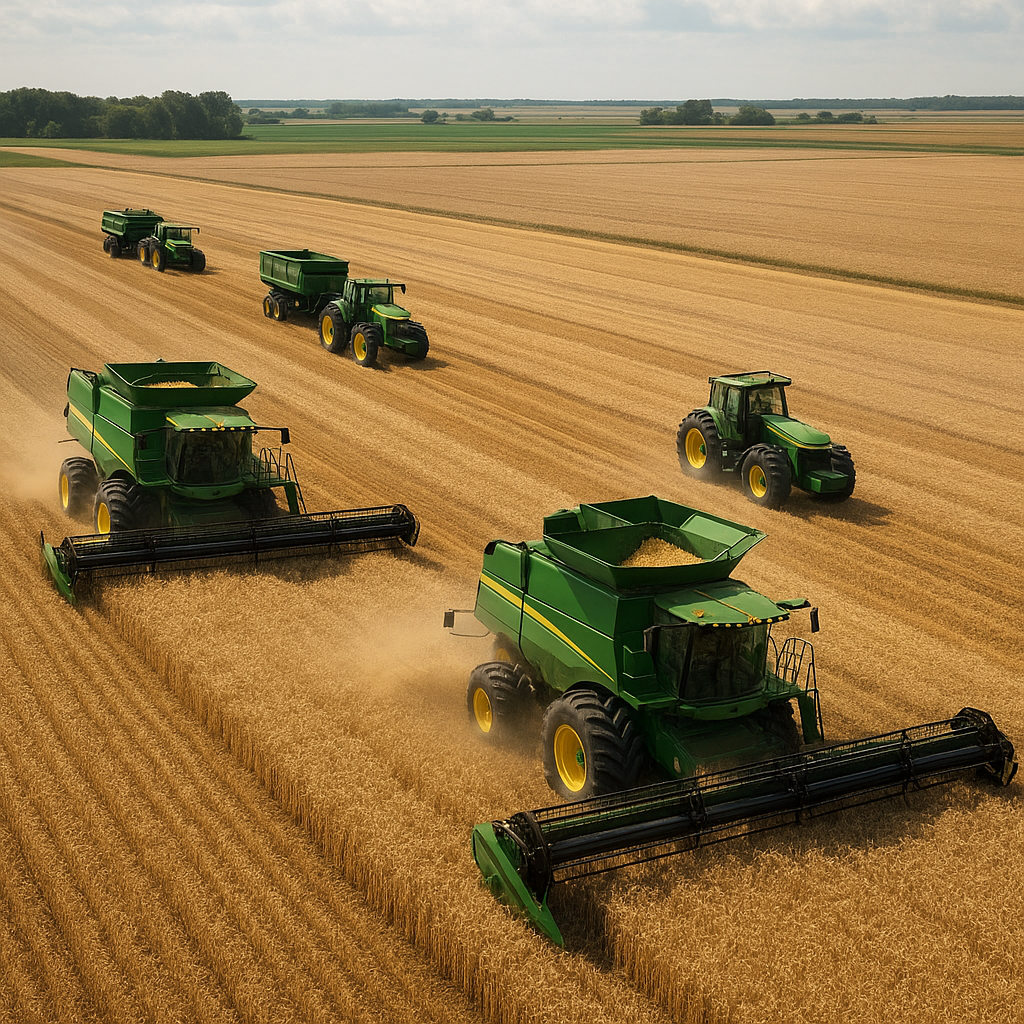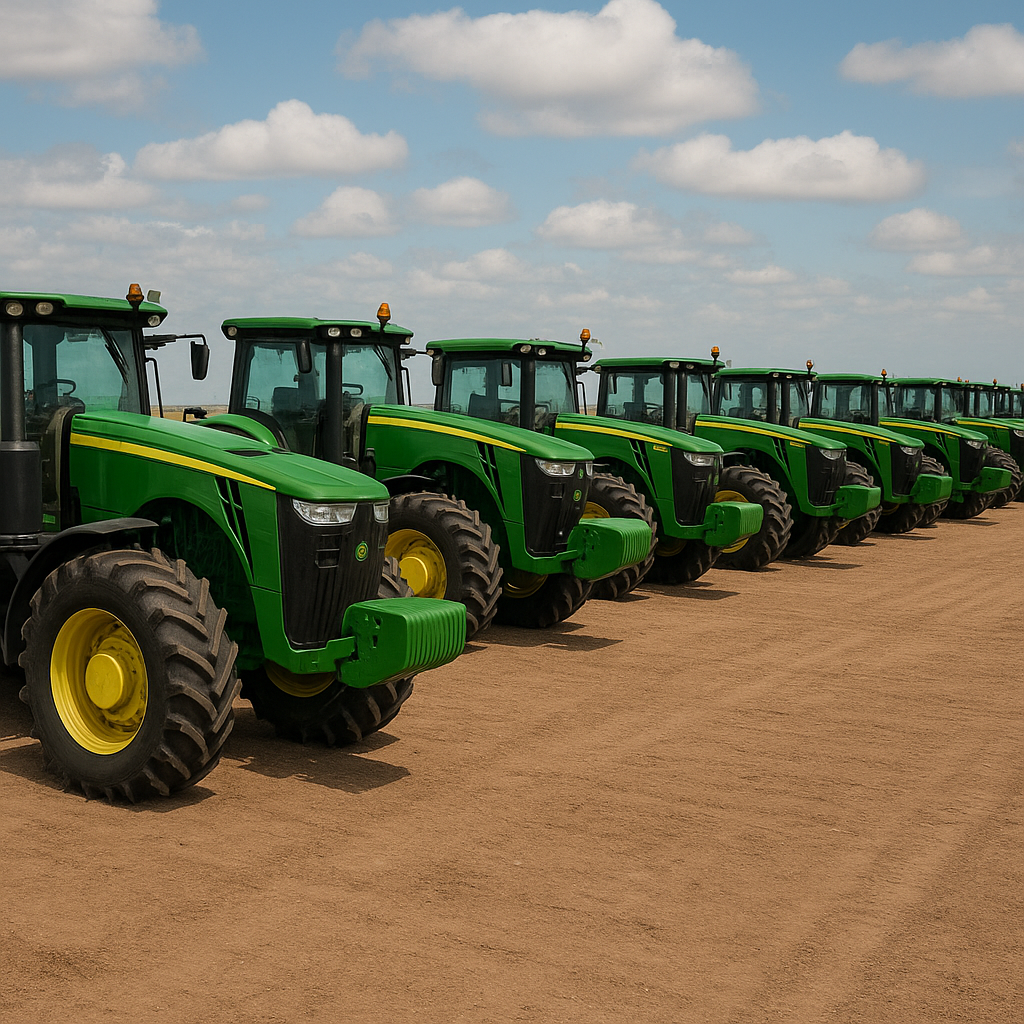
In commercial agriculture, the deployment of massive tractor fleets marks a new era of modernization and operational efficiency. As farms expand their horizons across thousands of acres, they turn to powerful machines that combine advanced features with rugged dependability. Understanding how these fleets are managed, optimized, and integrated into broader farm strategies sheds light on the future of large-scale food production.
Expanding Scale and Mechanization
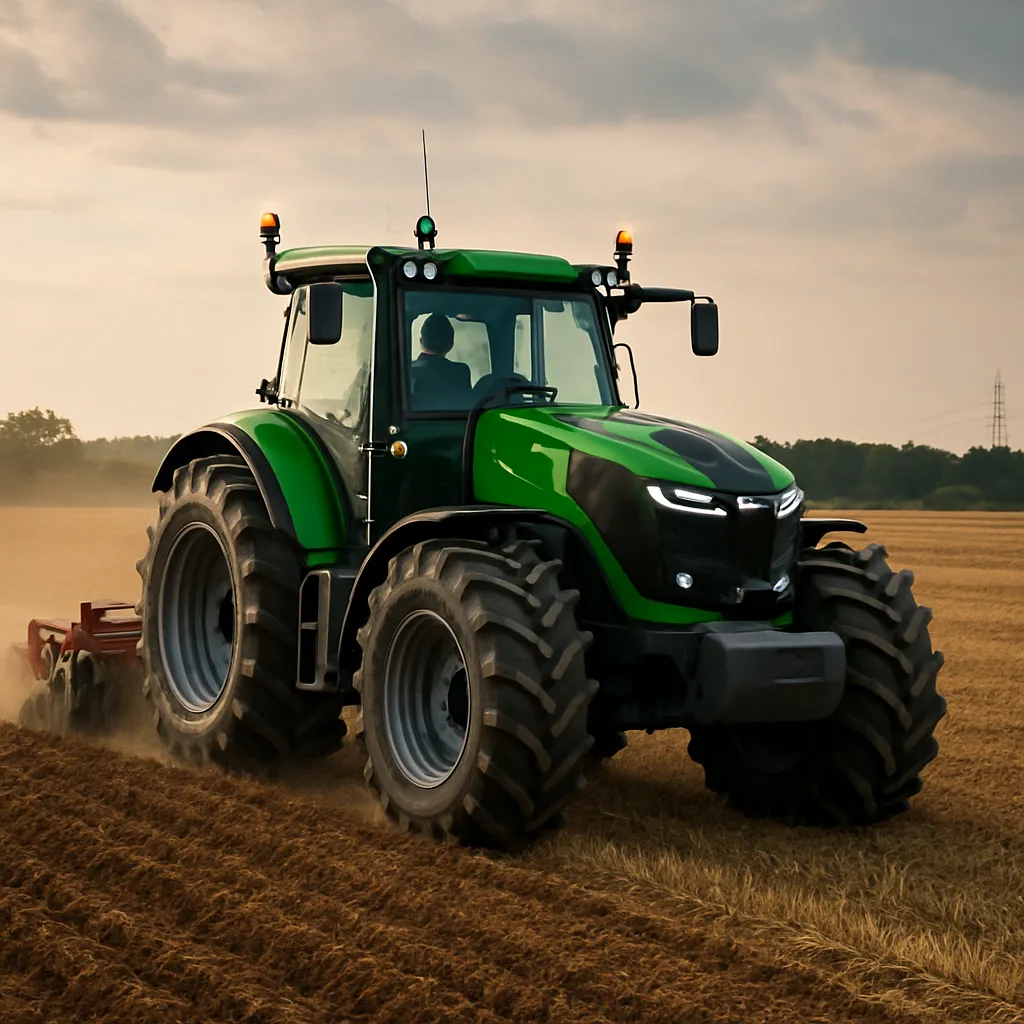
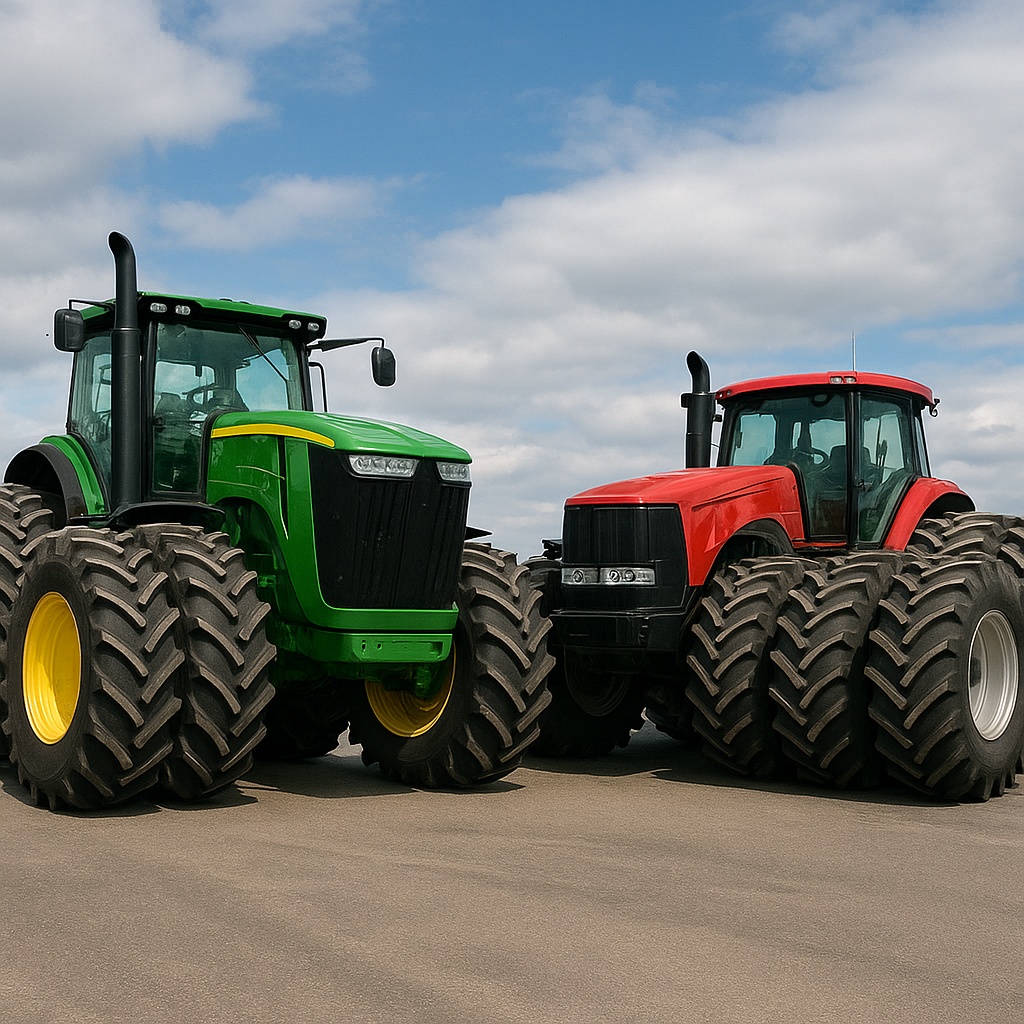
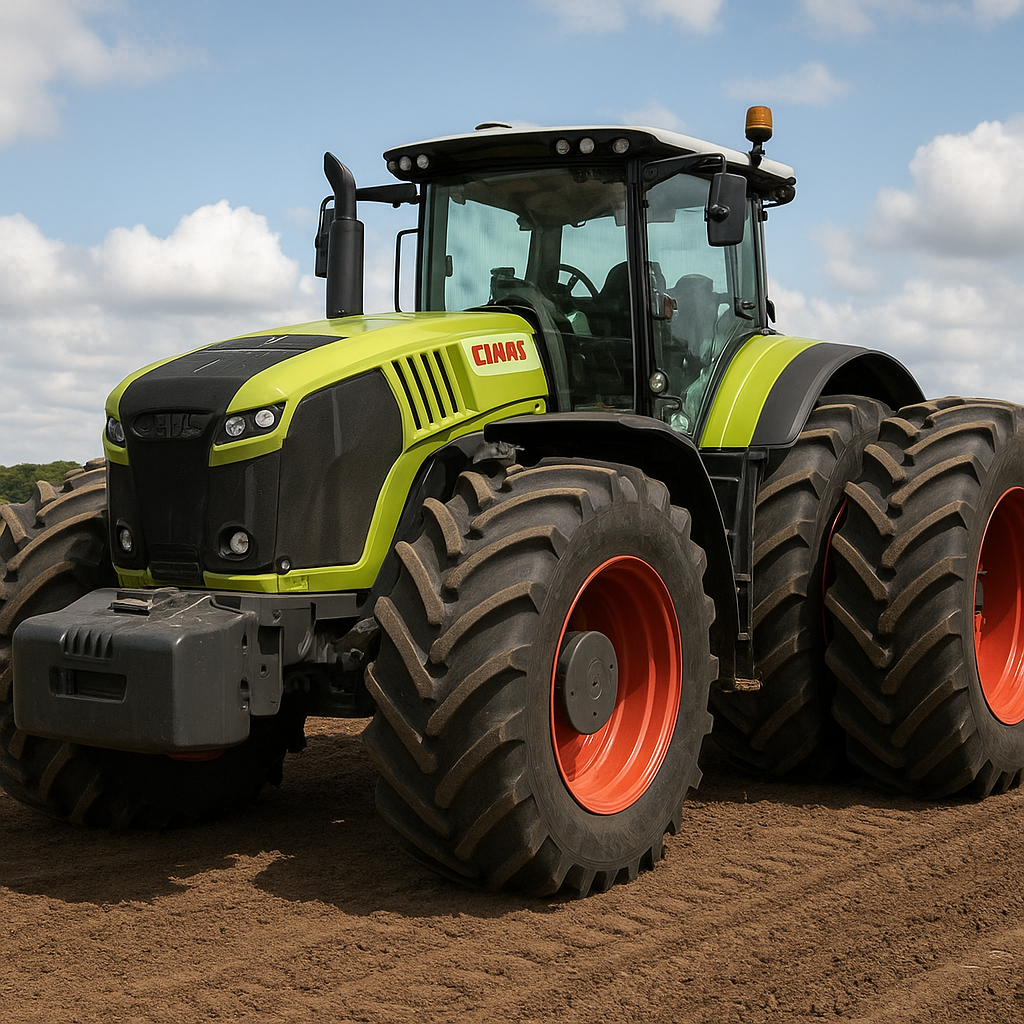
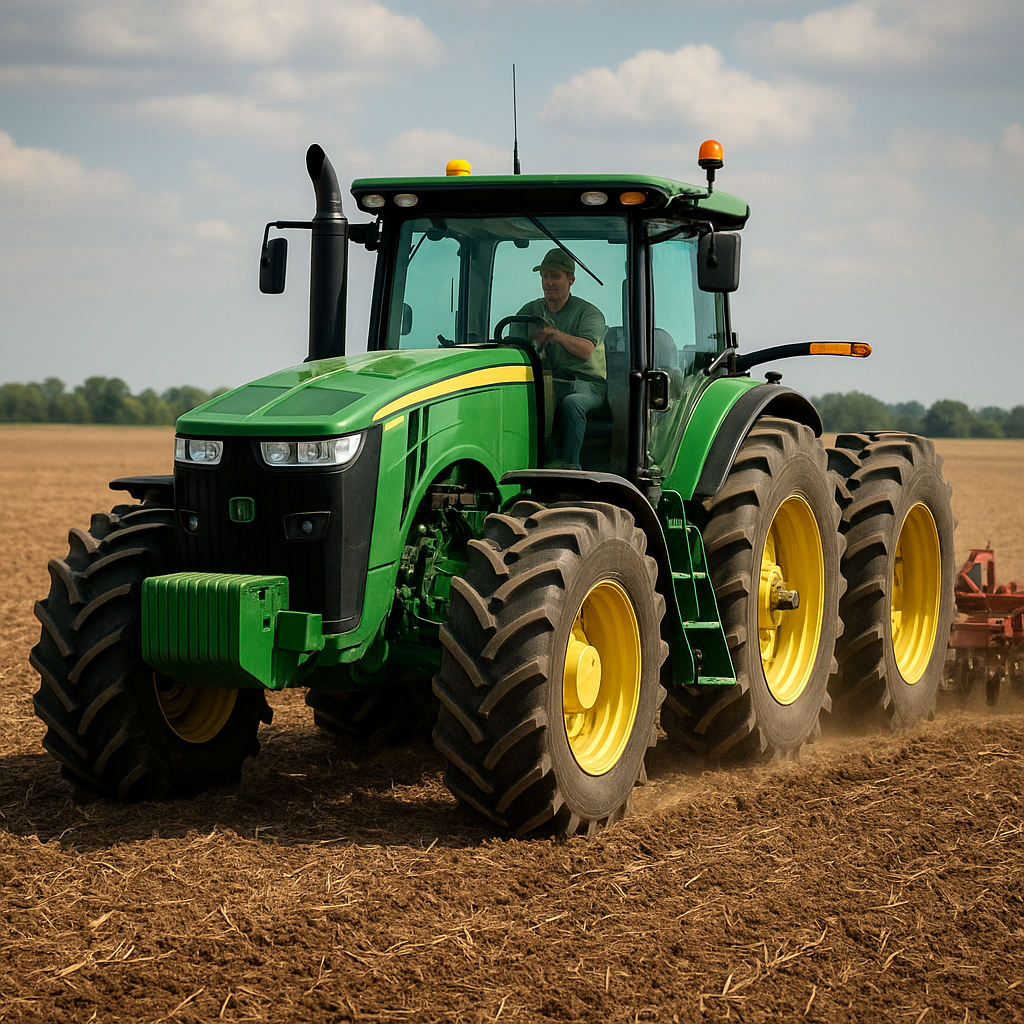
Large commercial farms have redefined agricultural boundaries by amassing hundreds of high-horsepower tractors. These operations leverage sheer scale to maximize output on vast tracts of land. In North America, grains and oilseed producers routinely deploy fleets that surpass 200 machines, each tailored to specific tasks from tillage to harvest. In South America’s pampa region, sugarcane and soybean enterprises operate similarly impressive fleets, where each tractor may cover more than 5,000 hectares per year.
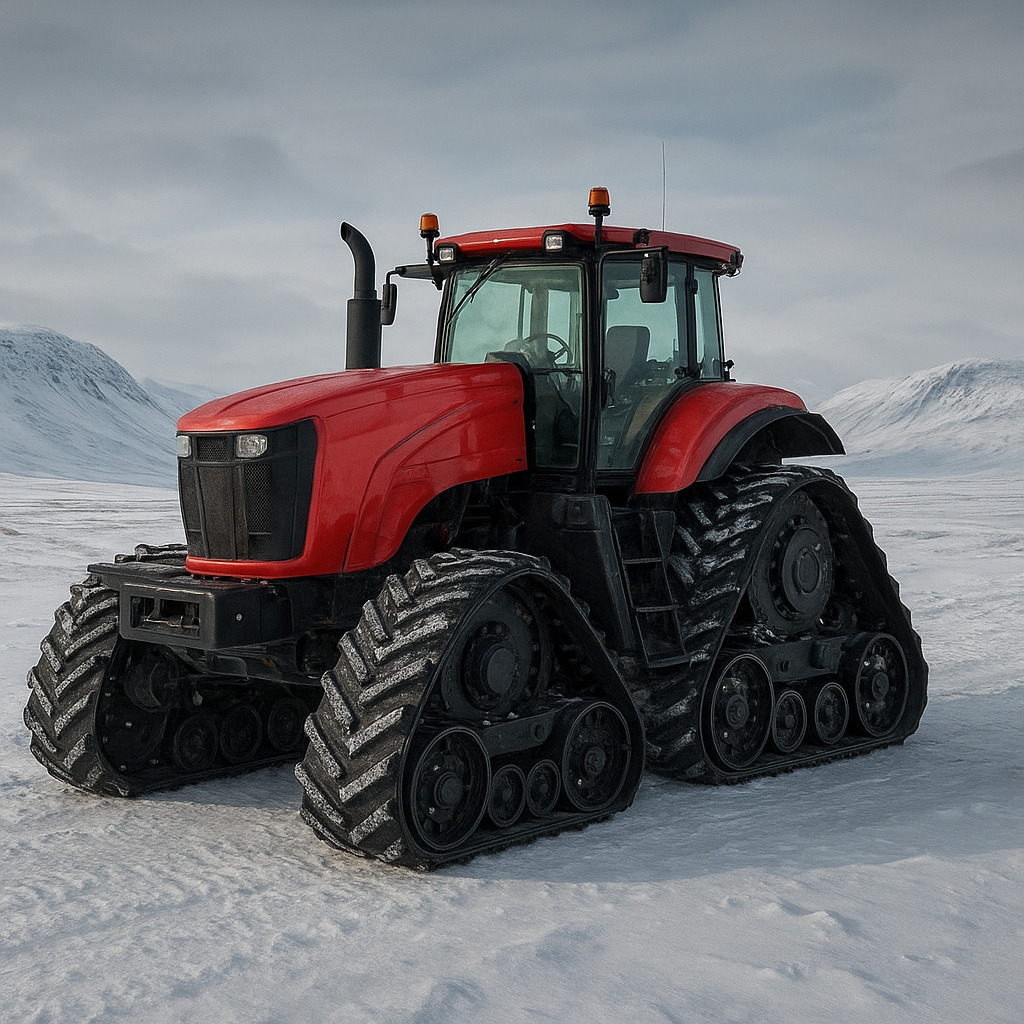
- Wide-area tillage with tracked tractors for reduced soil compaction
- High-capacity planters equipped with sectional control to cut overlap
- Self-propelled sprayers featuring GPS-guided boom shifts
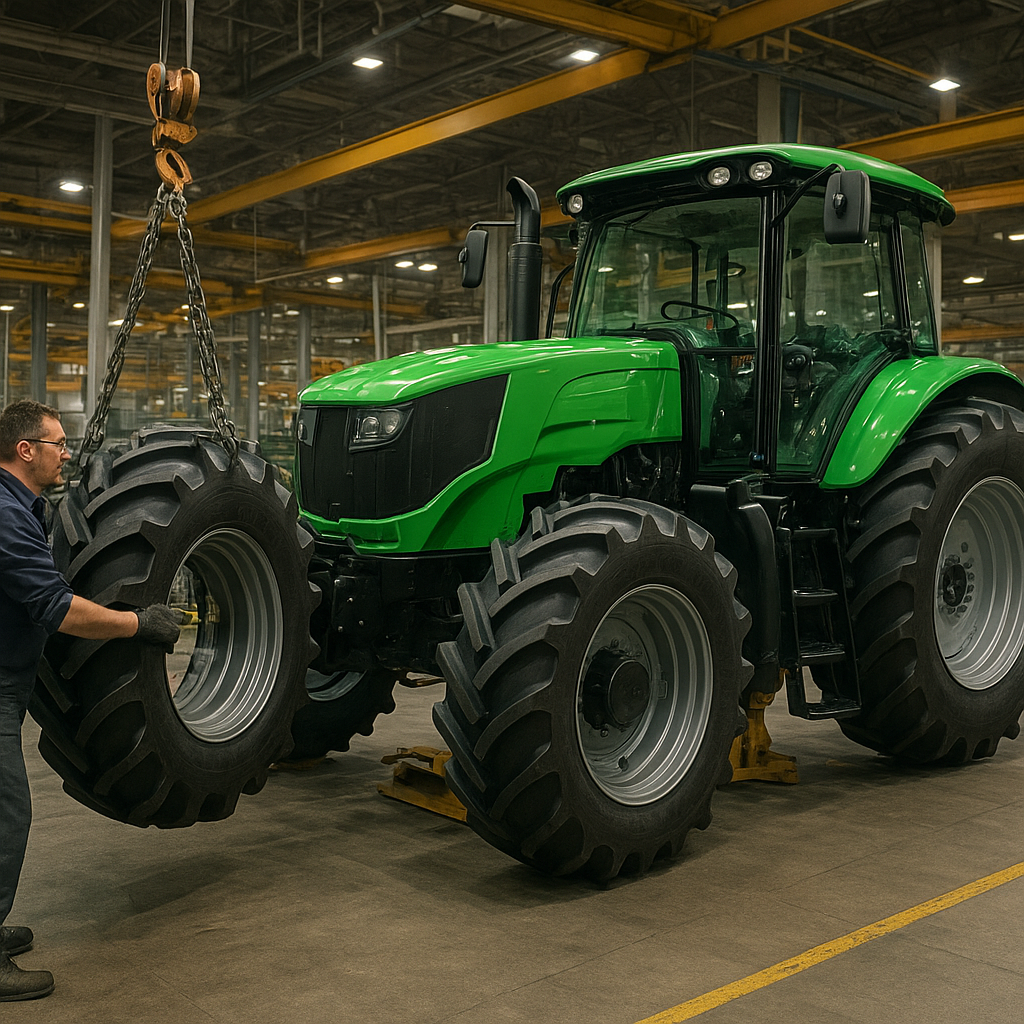
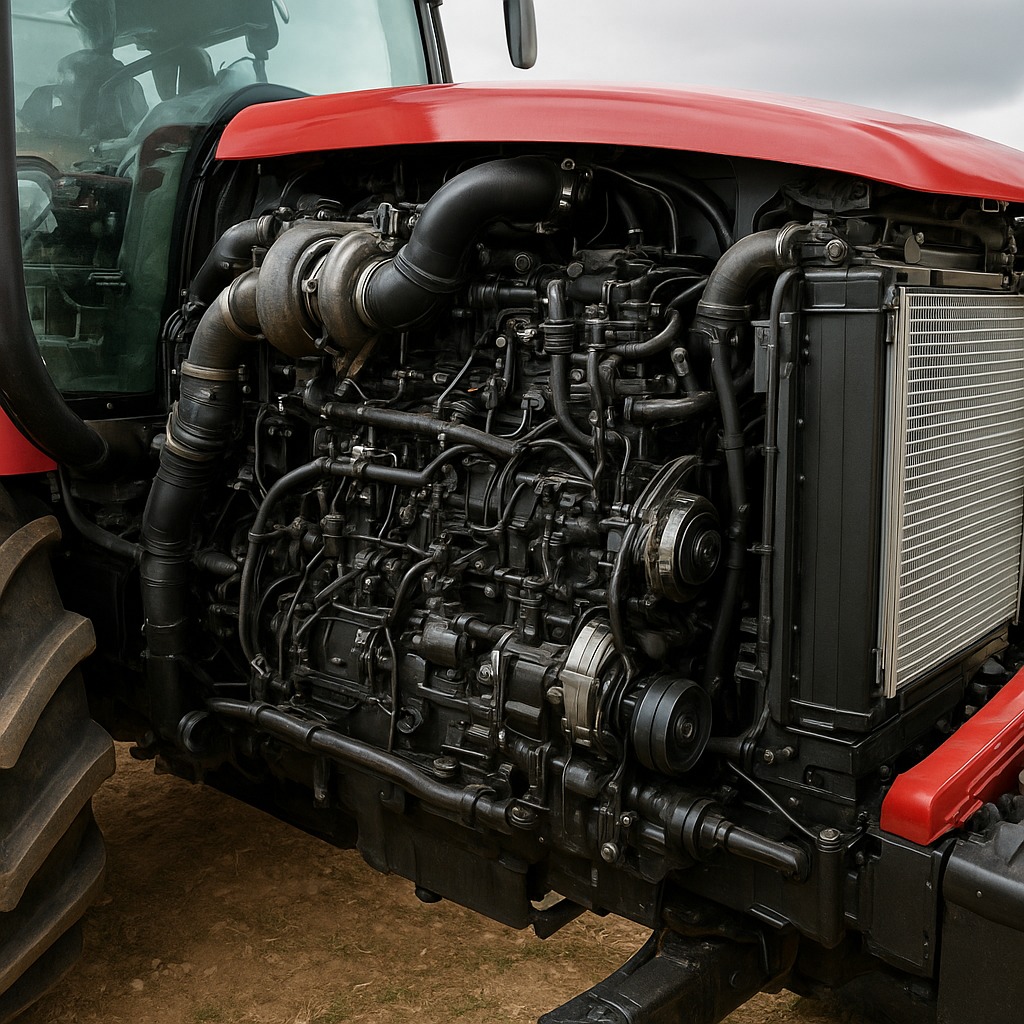
These fleets push boundaries of productivity by running around the clock during peak seasons, supported by night-vision lighting and robust cooling systems designed for continuous duty cycles. Maintenance schedules become a science in themselves, balancing uptime with preventive care to deliver reliable service across planting and harvest windows.
Regional Variations
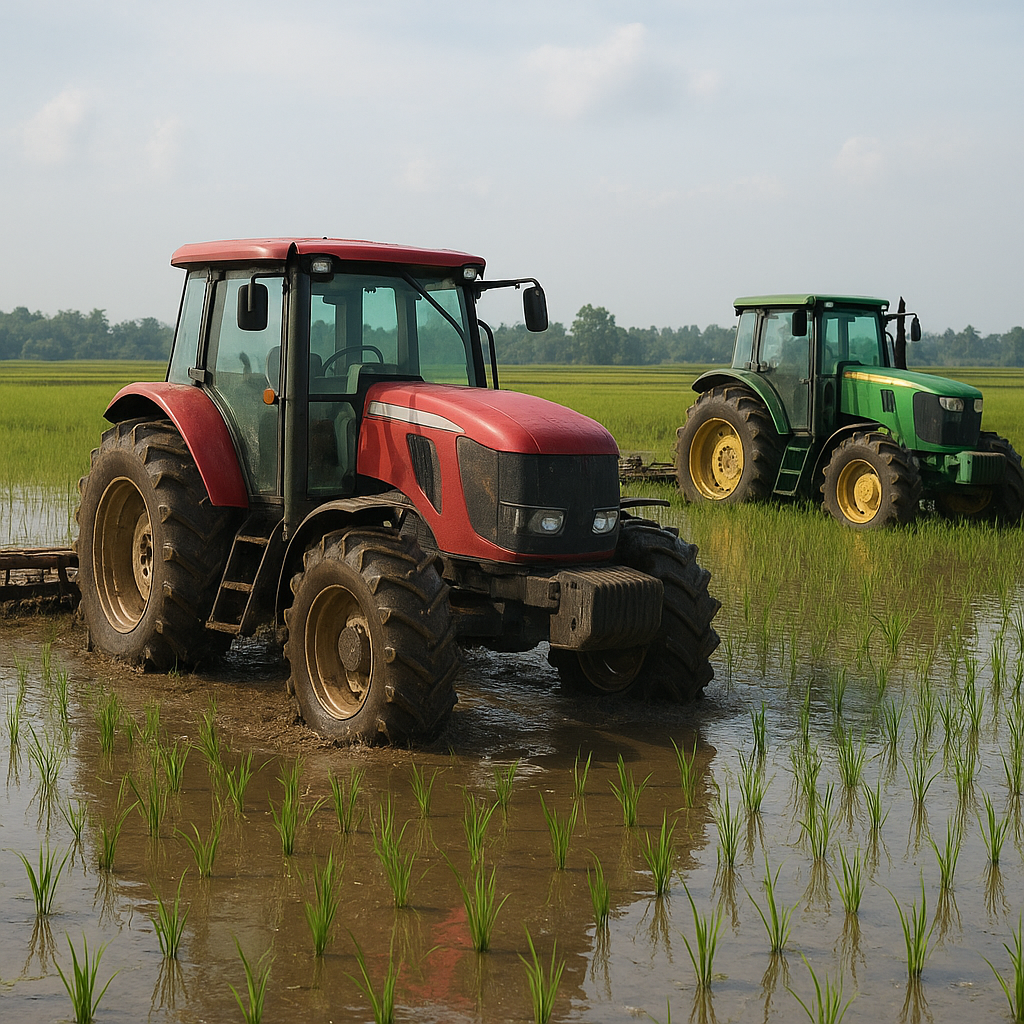
Climate, crop selection, and infrastructure shape how tractor fleets evolve in different regions. In Australia’s wheat belt, farms emphasize fuel-efficient four-wheelers suited to long travel distances. In Europe, mixed-crop operations often favor medium-size tractors optimized for field versatility and maneuverability under stricter emission regulations. Despite these differences, all large farms share the goal of integrating machines that uphold sustainability targets while sustaining high yields.
Technological Innovations Driving Growth
Advances in precision agriculture have transformed fleet management into a data-driven discipline. Modern tractors come equipped with telematics systems that record engine hours, fuel consumption, and performance metrics in real time. Fleet managers use cloud-based dashboards to allocate resources dynamically and to prevent costly downtime. By harnessing such insights, operations enhance overall efficiency and reduce waste, leading to measurable improvements in both output and cost control.
Automation and Connectivity
Autonomous tractors represent the next frontier for commercial fleets. These machines navigate complex patterns using LiDAR, machine vision, and GNSS corrections. With remote supervision, a single operator can oversee multiple vehicles simultaneously. This level of automation not only cuts labor demands but also extends working hours, effectively multiplying field capacity. Companies experimenting with driverless implement carriers and modular attachments foresee a future where tractor fleets can reshuffle roles on the fly, responding to evolving field conditions without missing a beat.
Precision Tools and Software
Sectional control, variable-rate application, and real-time mapping stand out as hallmark features of contemporary tractor fleets. By adjusting seeding rates and fertilizer blends on the go, farms can address soil variability with pinpoint accuracy. Such precision farming tools underpin the pursuit of optimal input use, reducing overlaps and gaps, and securing margins in a volatile commodity market. Integrating software platforms across tractor brands further simplifies fleet operations, offering a unified view of tasks and progress.
Economic and Environmental Impacts
Investing in large tractor fleets demands significant capital commitment. Upfront costs include the machines themselves, implements, GPS equipment, and connectivity infrastructure. However, the potential return on investment emerges through improved planting windows, faster harvest cycles, and lower per-acre labor costs. Larger fleets can also negotiate favorable bulk pricing on parts and fuel, further driving down operational expenses.
- Reduced labor overhead by automating repetitive field tasks
- Lower per-unit input costs via precision rate control
- Extended equipment longevity through predictive maintenance
From an environmental perspective, adopting high-efficiency engines and precision application reduces greenhouse gas emissions per ton of produce. Many commercial operations now align fleet expansion with sustainable farming practices, ensuring that increased profitability does not come at the expense of soil health or water quality.
Sustainability Practices
Integrating cover crop seeding attachments and low-impact tillage implements into tractor fleets demonstrates a commitment to regenerative methods. Farmers can switch between conventional and conservation tillage seamlessly, promoting resilience in their soils while maintaining the ability to respond to weather variability. This dual capability of large fleets embodies a balanced pursuit of high yield and ecological stewardship.
Challenges and Future Outlook
Operating a vast tractor fleet poses logistical hurdles. Skilled technicians are essential to service complex electronics and hydraulic systems. Supply chain disruptions for key components can swiftly sideline entire fleets during critical windows. Moreover, cybersecurity becomes a concern as connected tractors communicate with centralized servers. Protecting data integrity and preventing unauthorized access emerge as priorities for forward-looking agricultural enterprises.
Emerging Trends
Modular tractor design, where power units can attach to multiple chassis types, promises increased flexibility. Electric drivetrains and hydrogen fuel cells are under development, targeting further cuts in carbon emissions. Collaborative robotic systems, where tractors and drones work in tandem to scout and treat fields, are also gaining traction. As these innovations mature, commercial farms will refine their fleets to prioritize adaptability, bridging the gap between industrial-scale production and responsible land management.