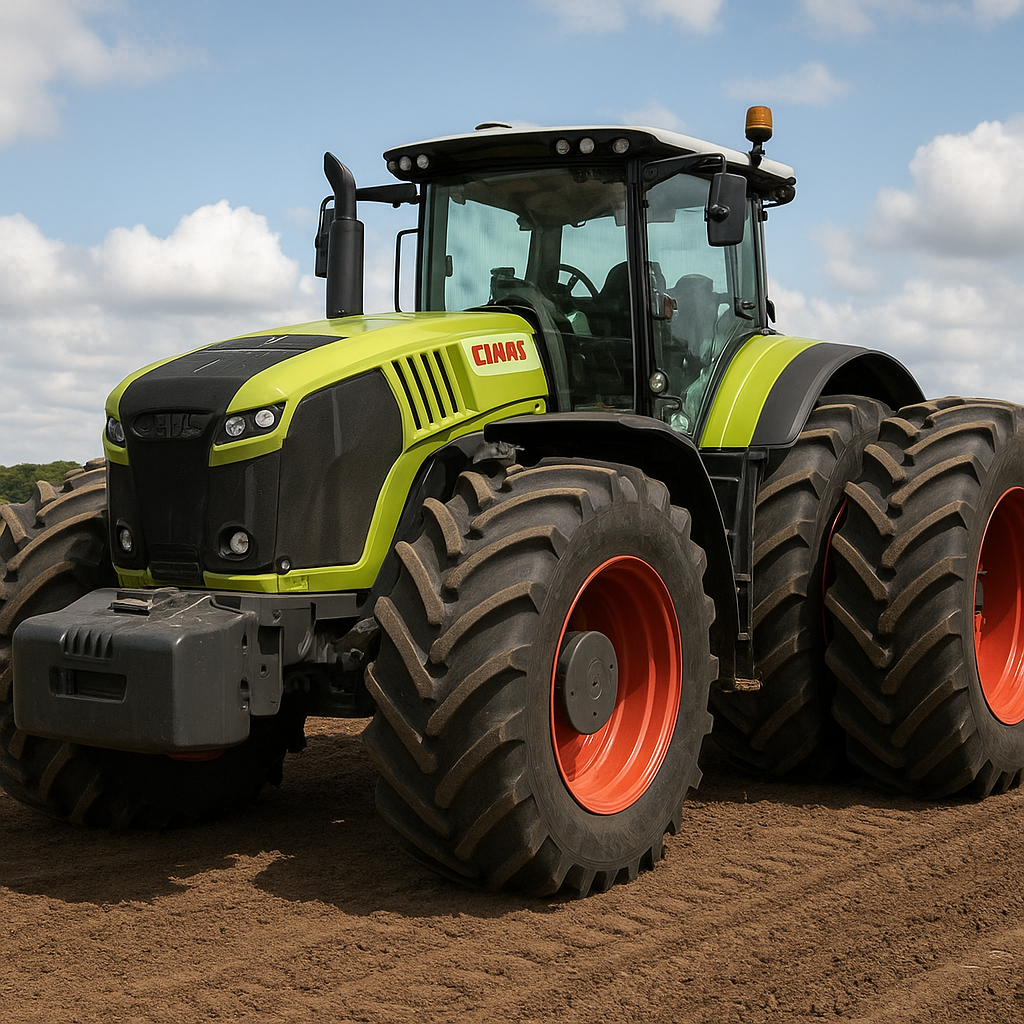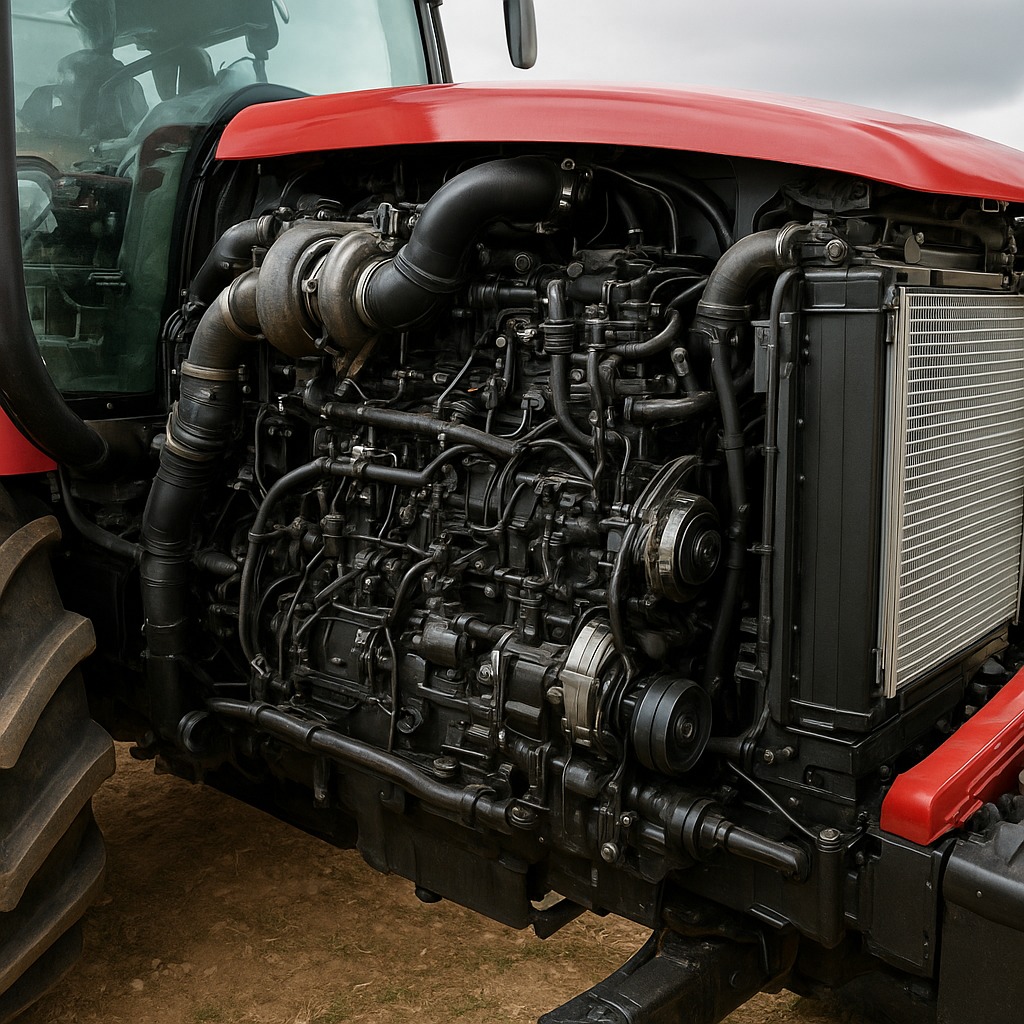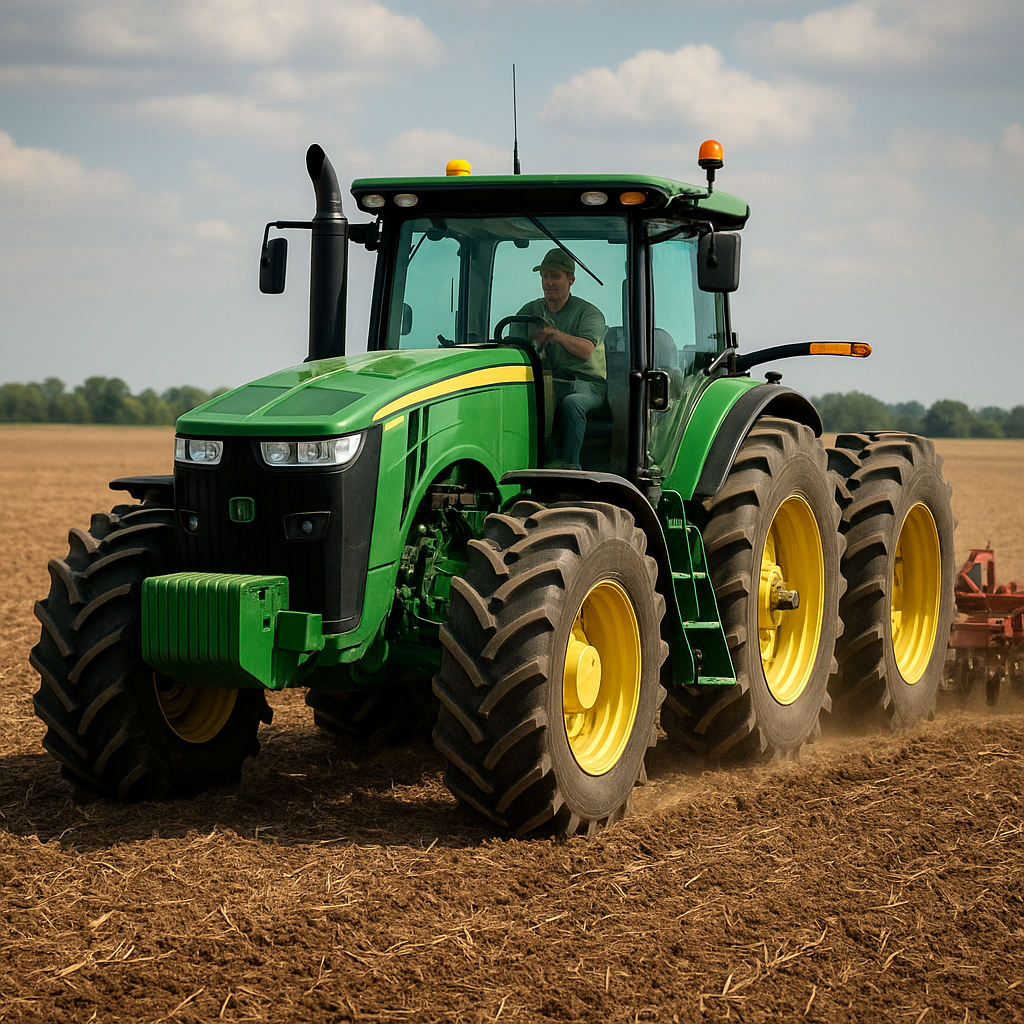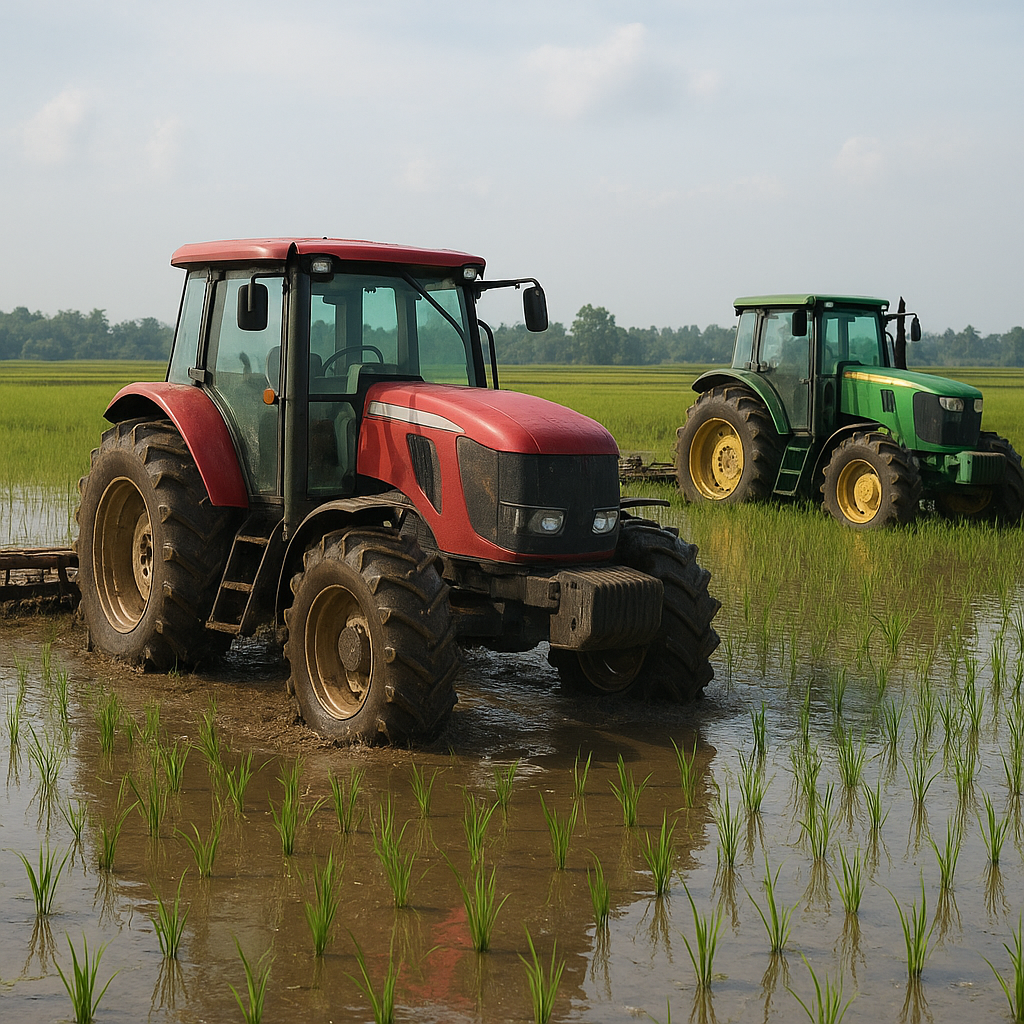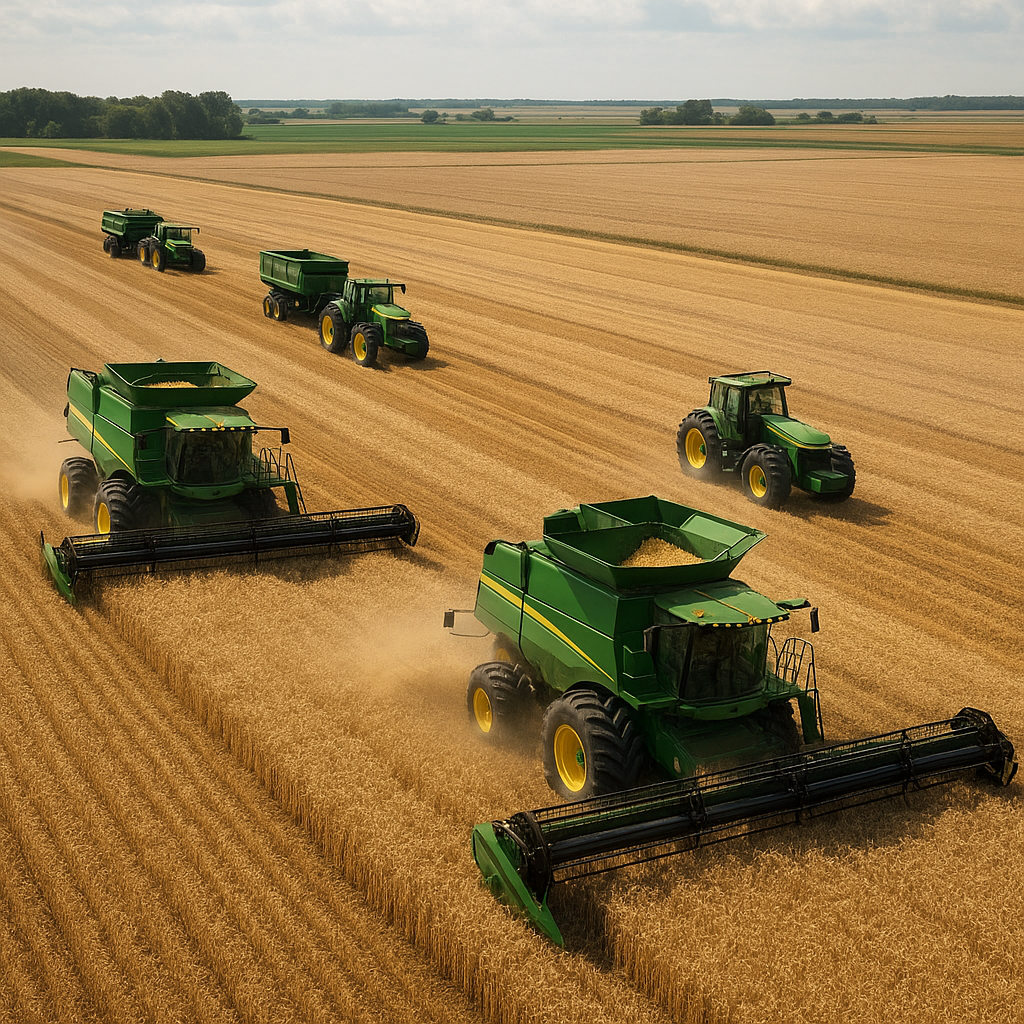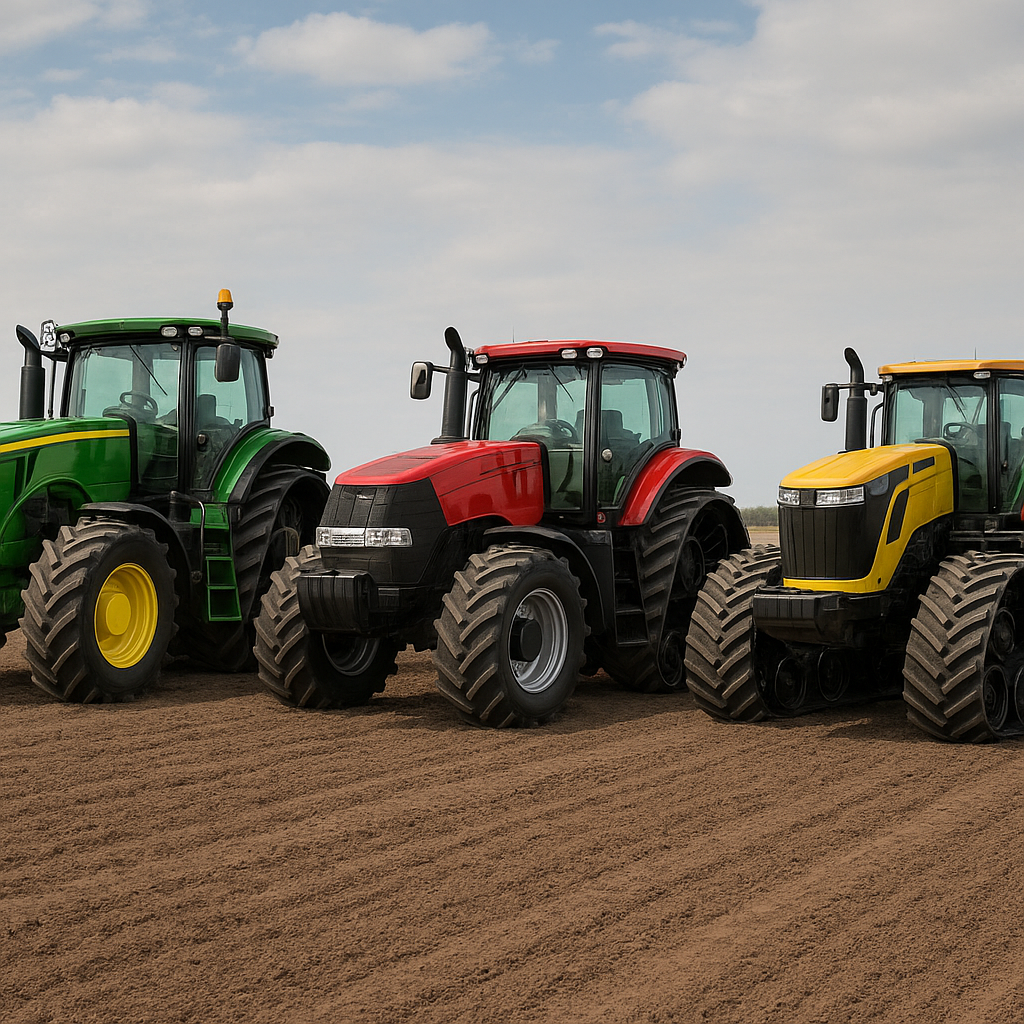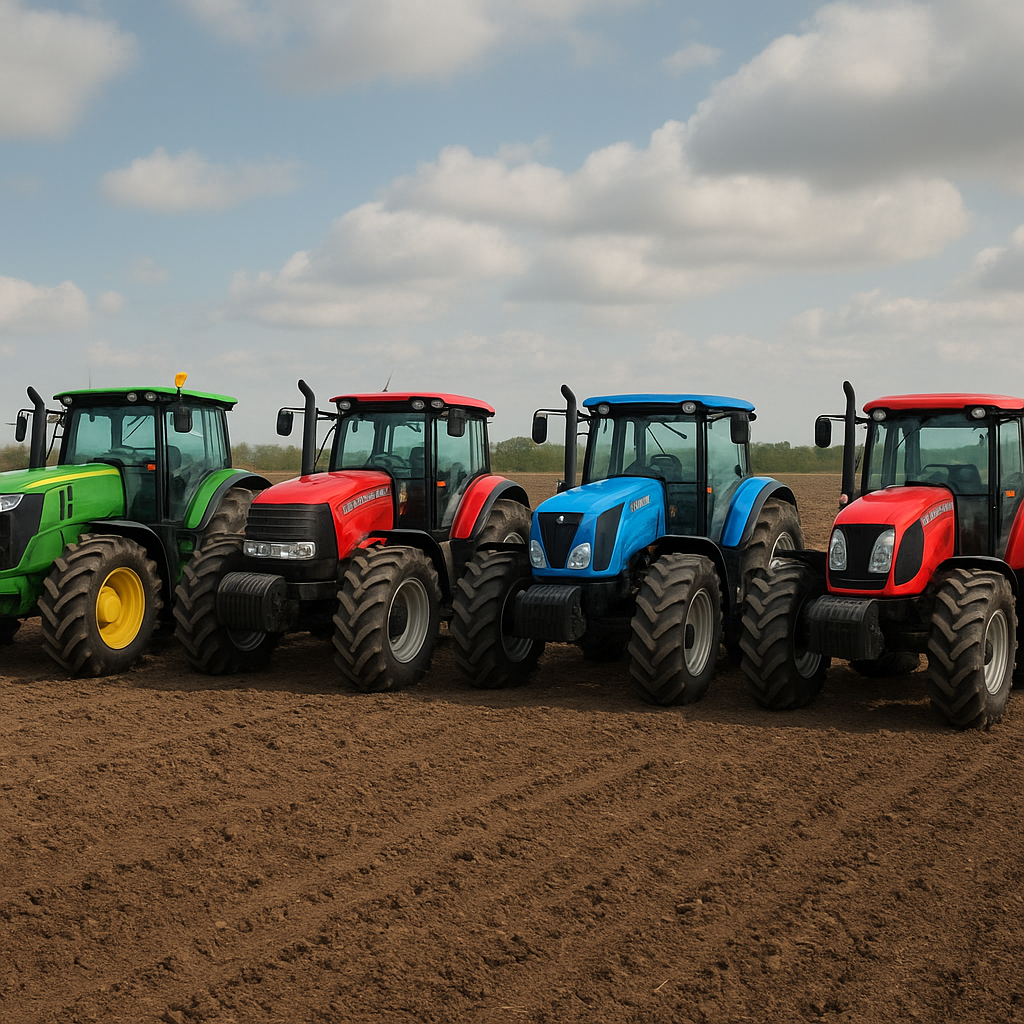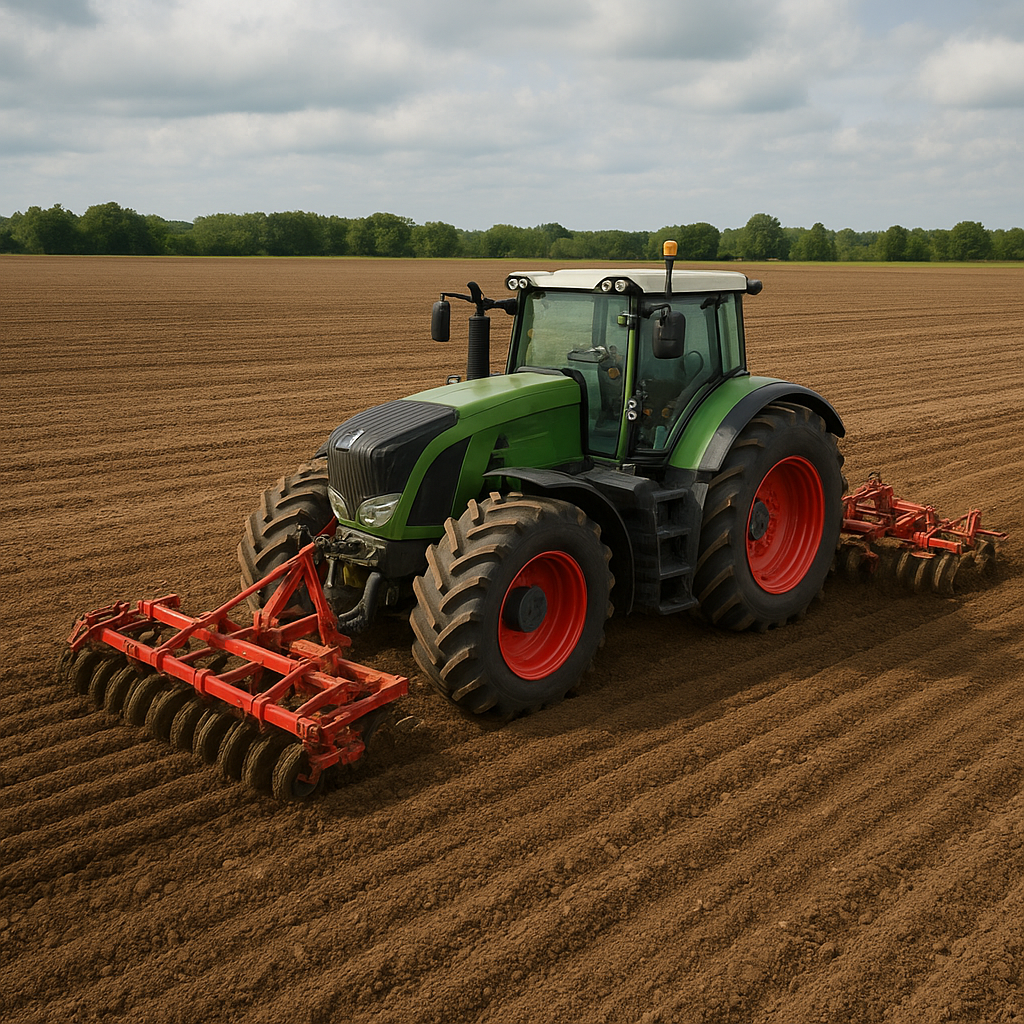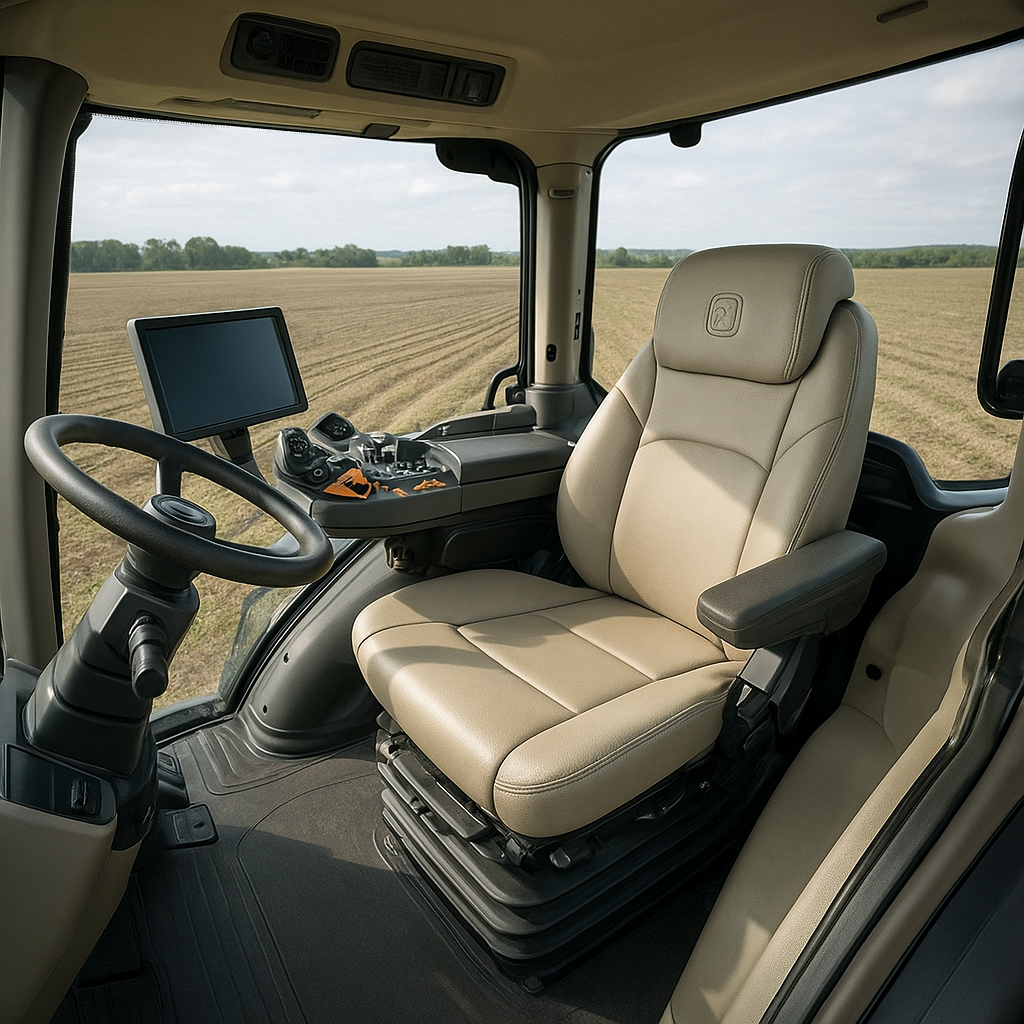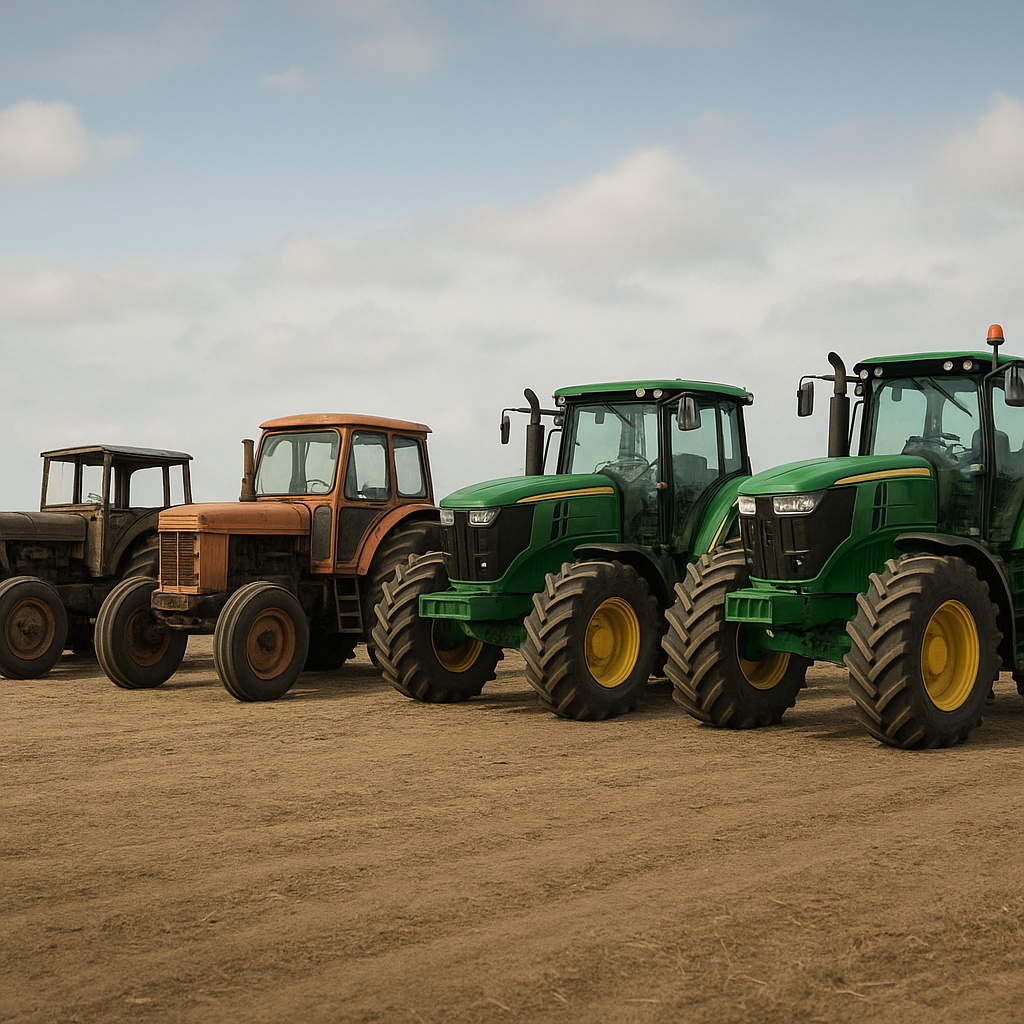
The relentless push for larger, more powerful agricultural machinery has driven significant advancements in tractor design. Among the most transformative innovations is the evolution of power steering systems in the world’s biggest tractors. From rudimentary mechanical linkages to sophisticated electro-hydraulic solutions, the journey of steering technology has been shaped by a desire for enhanced operator comfort, improved precision, and exceptional performance. This article explores the unfolding history, modern breakthroughs, critical design considerations, and emerging trends that define power steering in colossal farm giants.
History of Steering in Big Tractors
Mechanical Beginnings
In the early days of tractor development, steering relied on direct mechanical linkages connecting the steering wheel to the front wheels. While simple and durable, these systems demanded considerable physical effort from the operator, especially in machines exceeding 200 horsepower. The absence of assistive systems meant that steering large loads at low speeds often led to operator fatigue and limited field hours.
The Advent of Hydraulic Assist
The mid-20th century saw the integration of basic hydraulic circuits to reduce steering effort. A hydraulic cylinder, powered by a gear pump, provided assistance by reacting to torque applied at the steering wheel. This innovation delivered a leap in efficiency and reduced operator strain, though early hydraulic designs suffered from inconsistent response and leakage issues.
Emergence of Servo Mechanisms
By the late 1970s and early 1980s, servo valves and pressure-compensated pumps made their way into heavy-duty tractors. These systems offered more stable assistance, faster response times, and increased reliability. The combination of a variable displacement pump and a load-sensing valve enabled proportional steering force based on engine torque output, marking a significant milestone toward fully **electro-hydraulic** control.
Modern Power Steering Technologies
Electro-Hydraulic Steering (EHS)
Today’s high-horsepower tractors often employ advanced electro-hydraulic steering systems. In EHS, an electronic control unit (ECU) interprets steering input and modulates hydraulic flow through proportional solenoid valves. The benefits include:
- Variable assist levels based on speed and applied load
- Rapid fault detection and self-diagnostic capabilities
- Integration with guidance systems for automated path following
Fully Electric Steering (FES)
Some cutting-edge manufacturers are exploring fully electric steering to eliminate hydraulic fluid entirely. FES relies on electric motors and gear-driven actuators mounted at the front axle. Advantages of this approach encompass:
- Zero hydraulic leaks and reduced maintenance
- Energy recovery during dynamic maneuvers
- Seamless integration with autonomous control modules
Advanced Integration with Precision Farming
Modern tractors leverage GPS and RTK guidance to enable centimeter-level accuracy in field operations. Power steering systems are now woven into the fabric of precision agriculture, allowing features such as:
- Automated curve compensation to maintain consistent row spacing
- Steering overrides synchronized with implement lift controls
- Data-driven adjustments based on soil resistance readings
Design Considerations in Massive Agricultural Machines
Hydraulic Circuit Layout
Designing hydraulics for multi-ton tractors involves careful planning of pump flows, reservoir sizing, and heat management. Key factors include maintaining adequate flow to steering circuits without starving traction or hitch systems. Efficient heat exchangers and high-quality hydraulic fluid ensure consistent performance under heavy loads.
Steering Geometry and Axle Design
Biggest tractors often feature heavy front axles designed to support immense tire loads. The steering linkage must accommodate high vertical forces while preserving minimal turning radius. Designers optimize kingpin inclination, track rods, and tie rods to balance durability with precision handling.
Redundancy and Safety Protocols
Given the high mass and speed potential of modern giants, steering systems incorporate redundancy for fail-safe operation. Dual-circuit hydraulics, emergency hand pumps, and mechanical lock valves are standard in top-tier models. Electronic systems employ watchdog timers and redundant sensors to preempt malfunctions.
Case Studies: Giants of the Field
Model A – 600 Horsepower Behemoth
A flagship tractor boasting over 600 horsepower exemplifies the convergence of power and control. Its electro-hydraulic steering features load-sensing valves that adjust assist levels based on real-time drawbar pull. The system’s efficiency allows consistent steering feel during heavy tillage, reducing operator fatigue in marathon field sessions.
Model B – Four-Wheel Steering Colossus
Some models with articulated frames incorporate four-wheel steering to shrink the turning circle dramatically. The rear axle receives active steering input synchronized with the front, enabling tight maneuvers in confined spaces. Despite the complexity, this design enhances traction by distributing steering torque evenly across all tires, boosting overall performance.
Model C – Autonomous Prototype
A recent prototype blends fully electric steering with autonomous guidance. Sensors at each corner monitor wheel angle and ground interaction. The tractor navigates pre-programmed paths with no human input, relying on electric actuators for instantaneous steering corrections. This approach underscores the potential of advanced robotics in future large-scale farming.
Future Trends and Innovations
Integration with AI-Driven Control
The next wave of steering evolution will blur lines between traction control, implement feedback, and crop monitoring. Artificial intelligence algorithms will predict soil variability and autonomously adjust steering pressure for optimal draft control. Such intelligence promises unmatched efficiency in resource application and precision seed placement.
Lightweight Materials and Actuator Design
Research into carbon-fiber composites and high-strength polymers aims to reduce actuator mass without compromising durability. Lighter steering components can lower unsprung weight, improving ride comfort and minimizing stress on chassis structures.
Energy Harvesting and Electrification
Future tractors may recover energy during steering oscillations and decelerations. Coupling steering actuators with regenerative systems could feed electricity back to battery packs, contributing to overall power management. Full electrification of steering aligns with broader moves toward hybrid or electric propulsion in agricultural machinery.
Enhanced Human-Machine Interfaces
Steering wheels may evolve into multifunctional control terminals with touch-sensitive surfaces, haptic feedback, and gesture recognition. By consolidating guidance, diagnostics, and navigation inputs into an intuitive interface, operators gain unparalleled command over complex tractor-environment interactions.