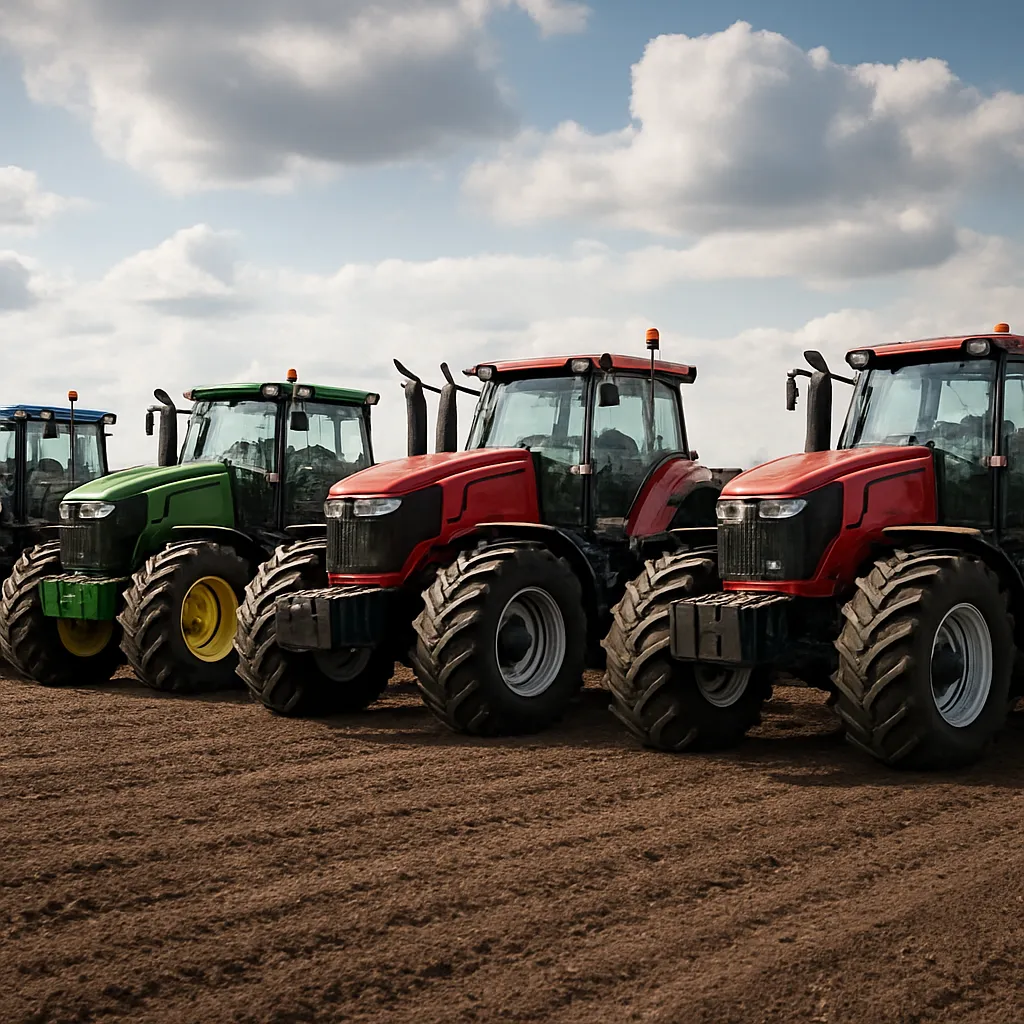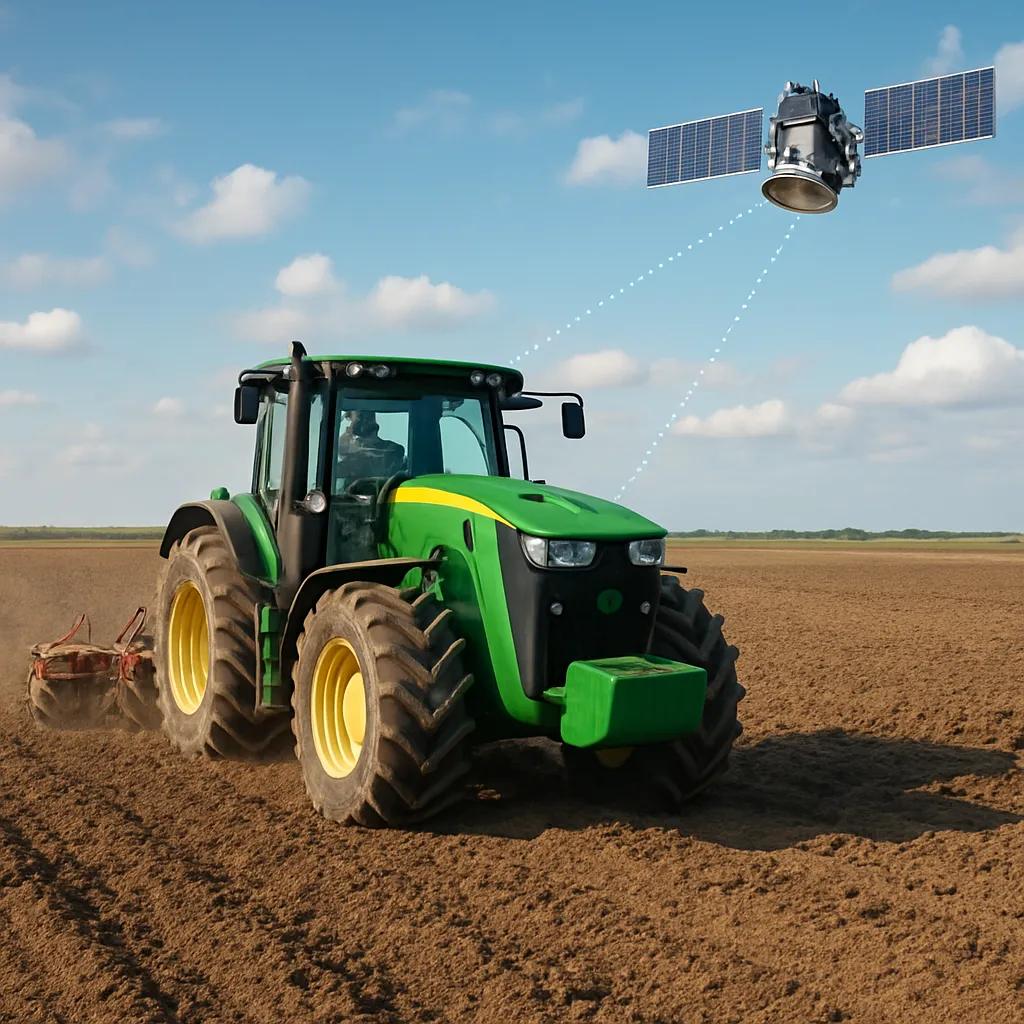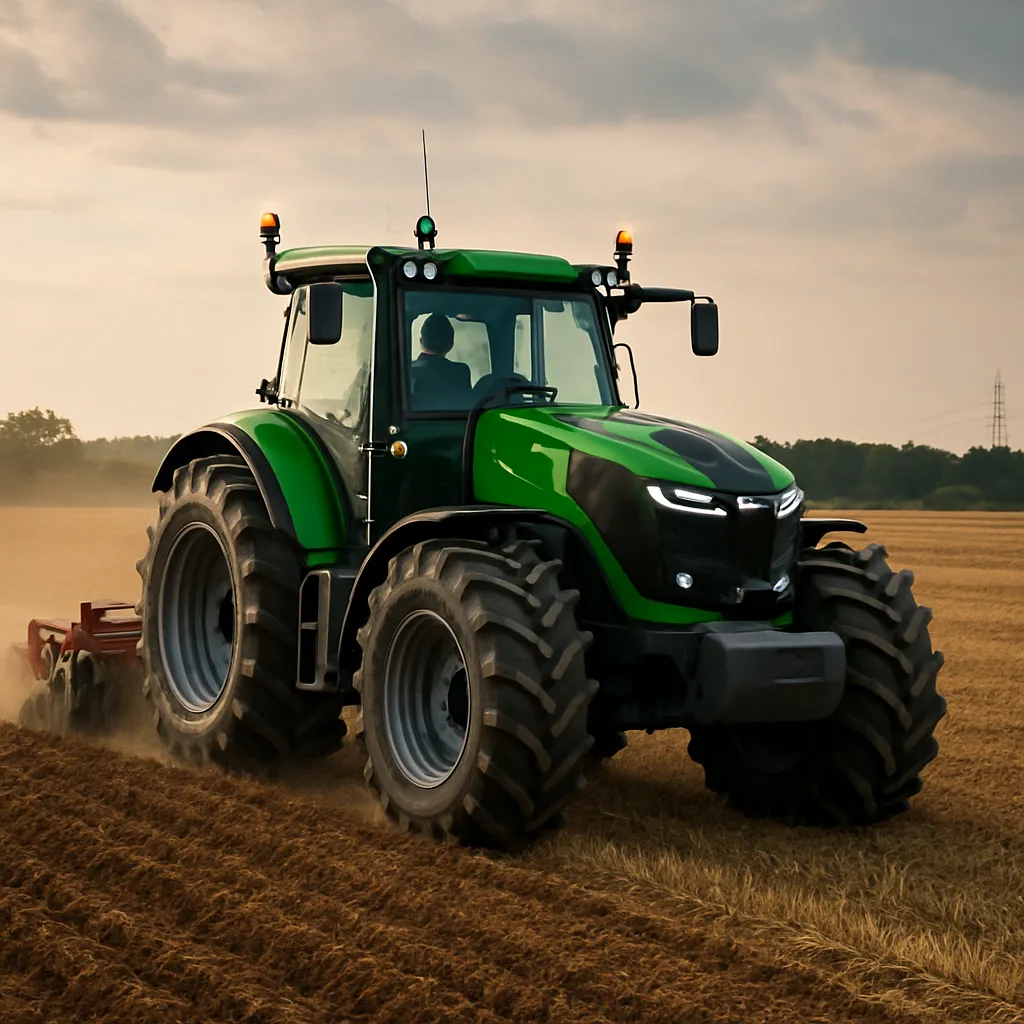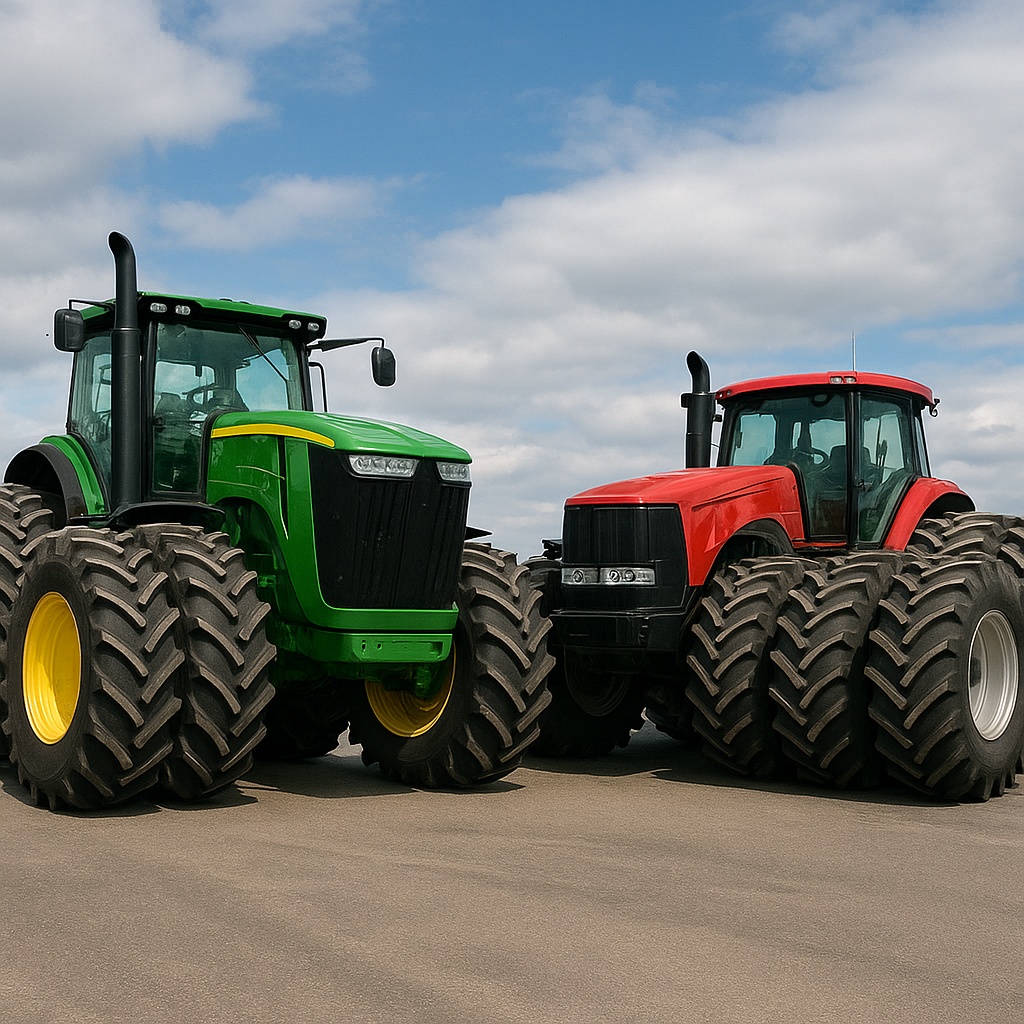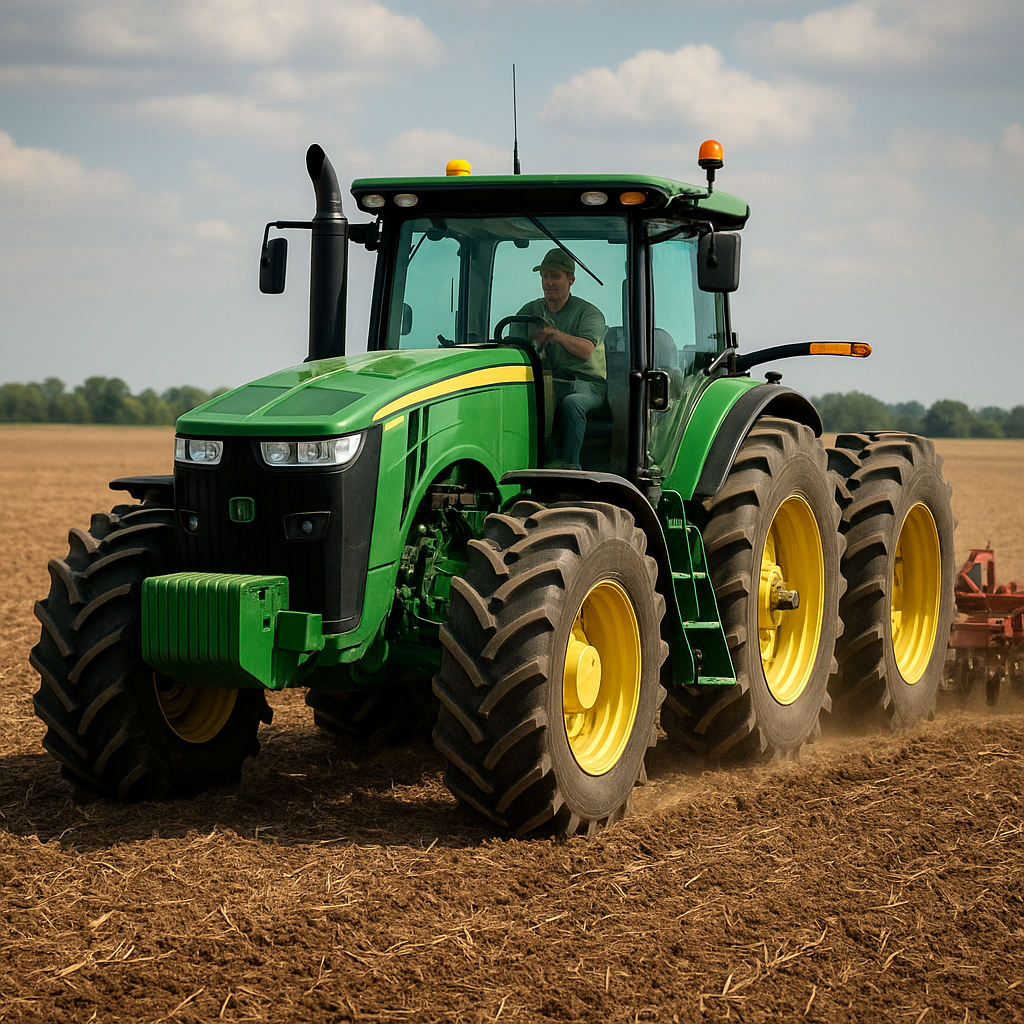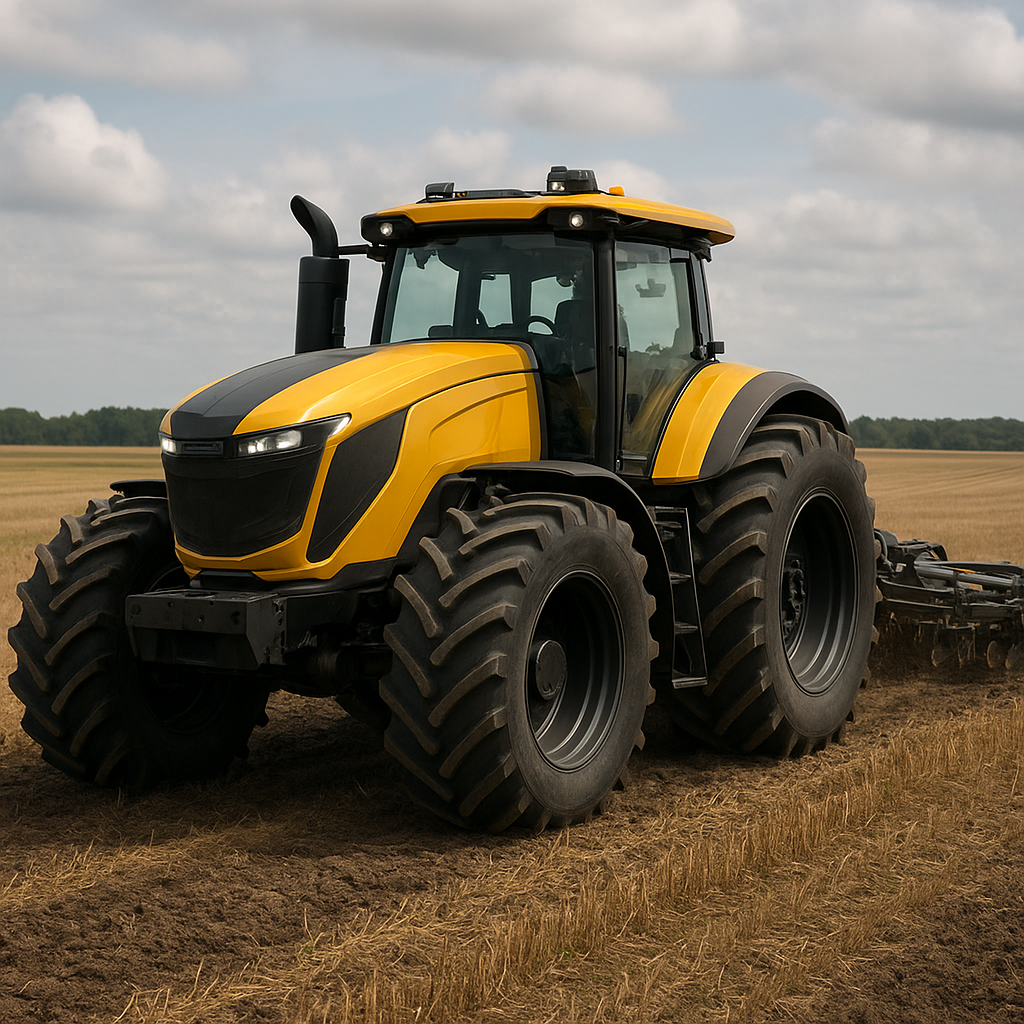
The evolution of **agriculture** has always been driven by technological breakthroughs, and the emergence of **autonomous** giant tractors marks one of the most transformative chapters in this narrative. These machines combine **precision** guidance, advanced **sensor** arrays, and cutting-edge **algorithm** control systems to handle tasks that once demanded immense human labor. As global demand for food and fiber increases, farmers and manufacturers alike are seeking ways to enhance **efficiency**, reduce waste, and ensure **sustainability**. The marriage of **robotic** capabilities with traditional heavy-duty power promises to reshape large-scale cultivation, bringing unprecedented scalability to modern fields.
Design and Engineering Innovations
At the heart of every giant tractor lies an engineering marvel. The chassis must support multi-ton implements while maintaining agility across uneven terrain. Engineers are experimenting with modular frames that can be reconfigured for various tasks—from plowing and seeding to harvesting and baling. This modularity improves **reliability** and allows swift swapping of attachments, reducing downtime during critical planting windows.
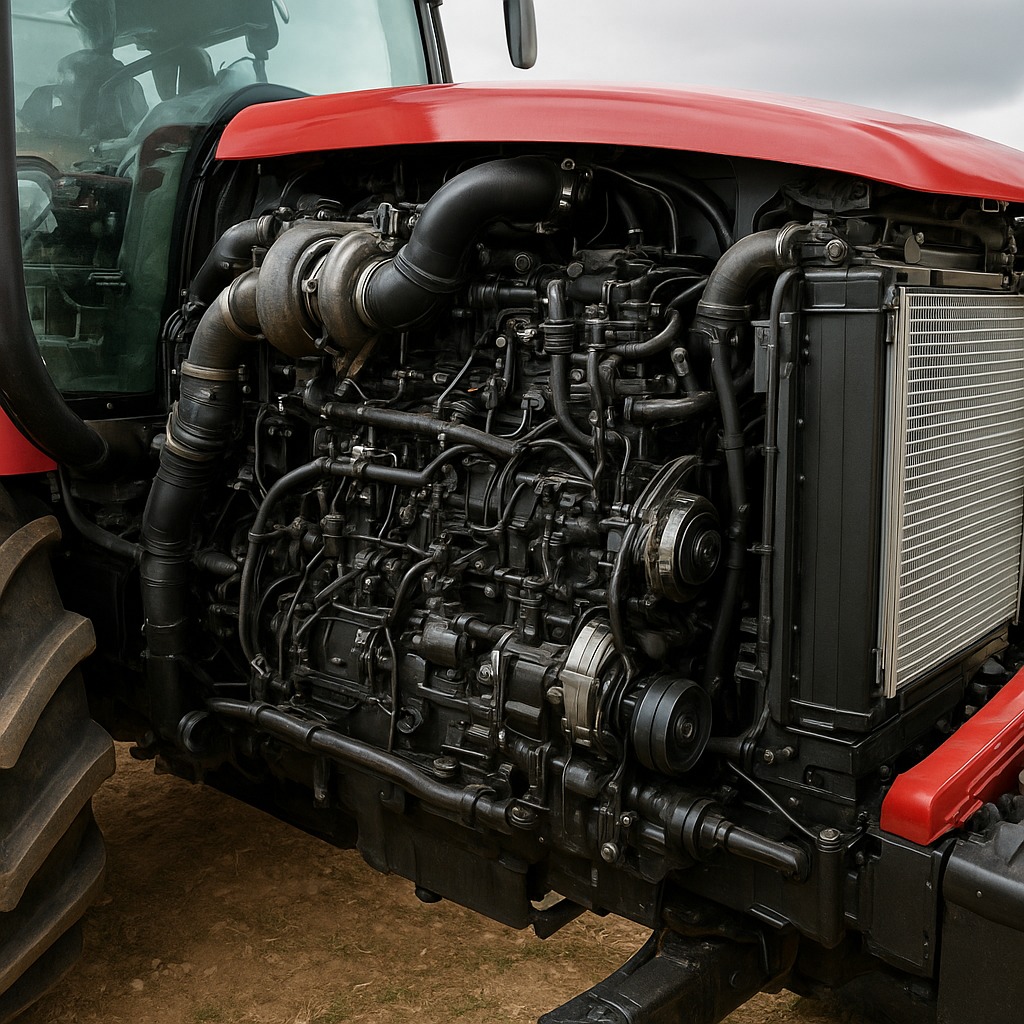
Powertrains in these colossal machines are evolving. Hybrid diesel-electric systems offer a balance between raw **power** and fuel savings. Electric motors provide instant torque for heavy draft work, while combustion engines recharge battery banks during transit or light-duty operations. This synergy not only trims emissions but also enhances **mobility** in remote fields lacking fueling infrastructure.
- Adaptive suspension systems keep ground contact optimal, minimizing soil compaction.
- High-capacity hydraulic circuits deliver consistent flow for large implements, ensuring uniform performance.
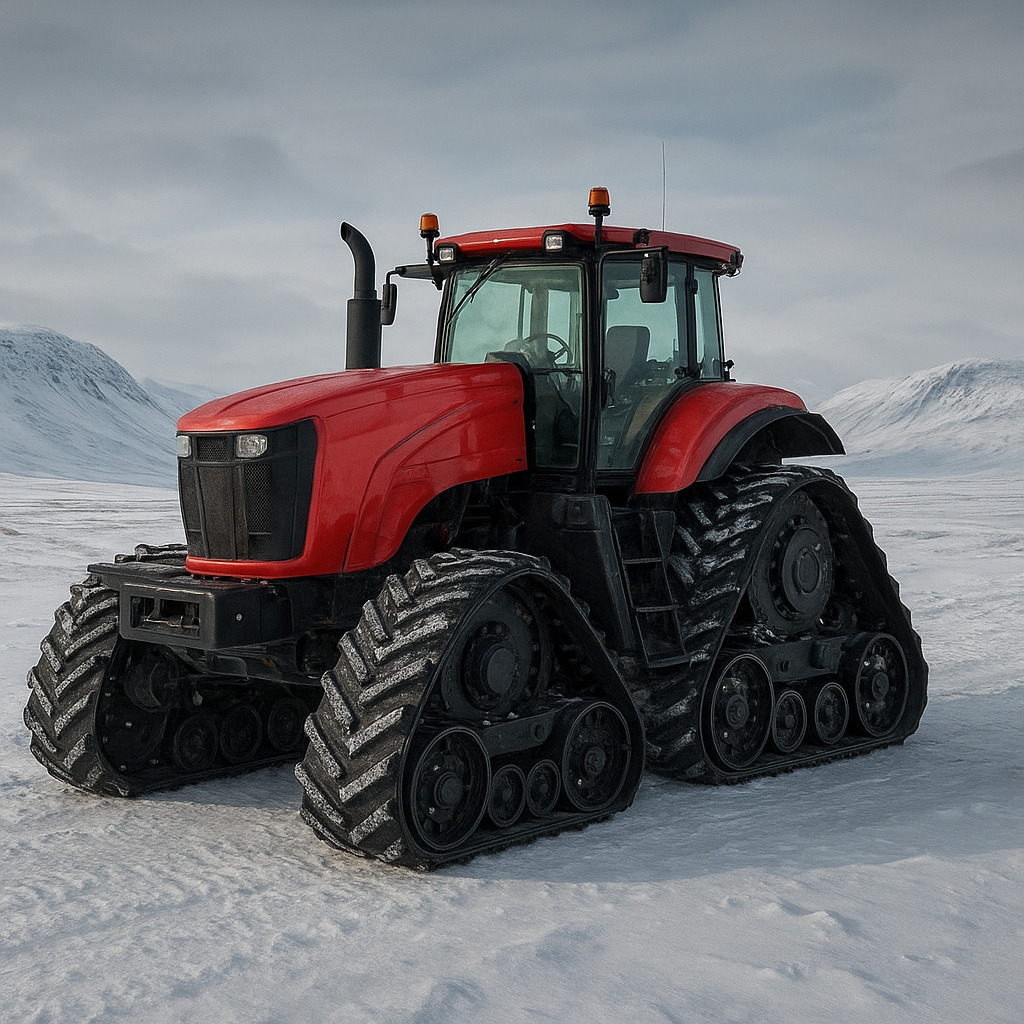
- Reinforced tires or even tracks distribute weight evenly, protecting delicate root systems below.
Advanced materials, such as high-strength alloys and composite panels, are reducing overall weight without compromising durability. In addition, ergonomic cabin designs integrate panoramic displays with real-time data overlays, allowing remote operators or on-board safety monitors to track vital tractor metrics at a glance.
Autonomous Systems and AI Integration
The brain powering an autonomous giant tractor is a complex network of artificial intelligence subsystems. Cameras, LiDAR units, radar sensors, and ultrasonic probes collectively feed raw data into a central processing hub. Sophisticated **telemetry** pipelines then analyze terrain features, crop rows, and potential obstacles. Machine learning models trained on thousands of field hours enable dynamic path planning with sub-inch accuracy.
Key functional modules include:
- Perception: Identifies obstacles, distinguishes between crops and weeds, and reads environmental cues like weather and soil moisture.
- Navigation: Uses RTK-GPS and inertial measurement units to trace optimal routes, compensating for wheel slip or unexpected terrain changes.
- Control: Manages engine output, steering, and implement hydraulics in real time to maintain consistent depth and speed.
- Decision-making: Prioritizes tasks based on crop health indices, soil variability maps, and agronomic schedules.
Inter-machine communication protocols allow multiple tractors to operate in concert. Fleet-level coordination means one unit can apply fertilizer while another follows behind for tillage, all synchronized with a central farm management system. This cooperative autonomy drastically reduces idle time and maximizes field coverage during narrow seasonal windows.
Environmental and Economic Impact
Transitioning to autonomous giant tractors promises both ecological and financial gains. Reduced overlap in field passes minimizes soil disturbance and carbon emissions linked to redundant fuel consumption. Precision application of agrochemicals means less runoff into waterways, supporting healthier ecosystems and complying with increasingly stringent environmental regulations.
Economically, farmers can achieve:
- Lower labor costs as one operator can supervise multiple machines simultaneously from a centralized hub.
- Higher yields through more consistent seeding depth and row spacing.
- Reduced input waste thanks to variable-rate technology that adjusts fertilizer and pesticide delivery based on real-time soil analysis.
By leveraging data-driven insights, farm managers can forecast maintenance needs more accurately, preventing costly breakdowns during peak seasons. This predictive upkeep extends the service life of high-value equipment and spreads capital expenditures over longer operational cycles, enhancing return on investment.
Regulatory and Safety Considerations
The rise of driverless mega-machines introduces new safety and regulatory challenges. Lawmakers and industry bodies must establish robust guidelines for operational boundaries, fail-safe mechanisms, and remote shutdown protocols. Ensuring safe interaction between autonomous tractors and manual equipment or human workers in the field is paramount.
Manufacturers are integrating multi-layered safety systems, including:
- Emergency stop networks with redundant wireless channels.
- Geo-fencing to prevent unauthorized travel beyond designated field areas.
- Real-time health monitoring that alerts human supervisors to any anomalies in powertrain, hydraulics, or sensor arrays.
Insurance frameworks are adapting to assess liability in cases of malfunction or crop damage. As autonomous adoption accelerates, compliance standards around data privacy, cybersecurity, and cross-border operations will further shape the global marketplace for these behemoths of the field.
Future Outlook and Challenges
Looking ahead, the next generation of autonomous giant tractors will push boundaries in **connectivity** and **adaptability**. 5G networks and low-power wide-area sensors will deliver ultra-low latency links, enabling split-second adjustments based on satellite meteorological feeds and drone reconnaissance. Collaborative robots—or “cobots”—may soon accompany main tractors to perform specialized tasks like spot spraying or delicate transplanting.
However, hurdles remain. High upfront costs restrict early adoption to large-scale farms, potentially widening the technology gap in smaller operations. Ensuring interoperability among machinery from different manufacturers will require standardized communication protocols and open-source control frameworks.
Research into bio-inspired locomotion could yield tractors capable of navigating wet or marshy fields without causing irreparable compaction. Meanwhile, advancements in energy storage might allow fully electric giants to operate for entire planting seasons on a single charge, eliminating fossil-fuel dependence altogether.
The convergence of **innovation**, **automation**, and agronomic science will determine how these autonomous behemoths shape the future of farming. As the industry overcomes technical, economic, and regulatory barriers, the promise of higher productivity with minimal environmental footprint draws ever closer to reality.