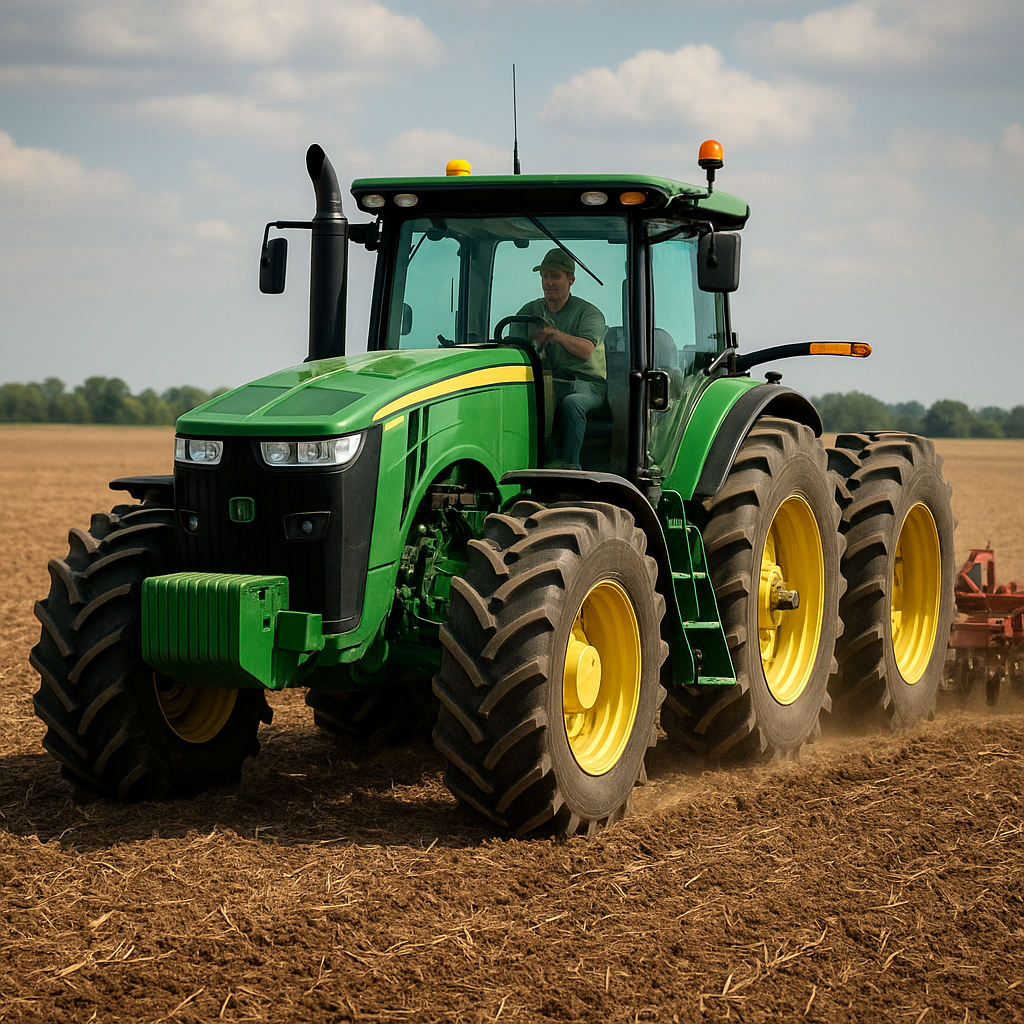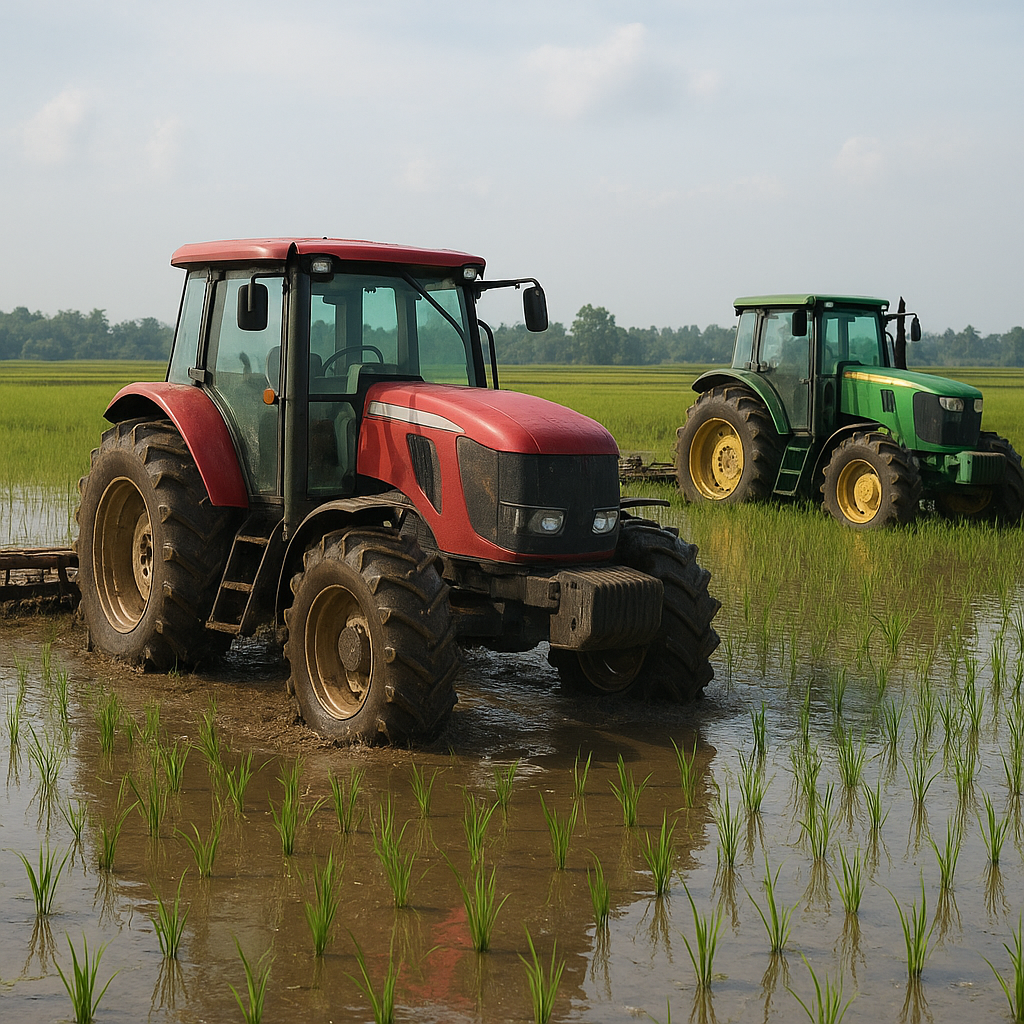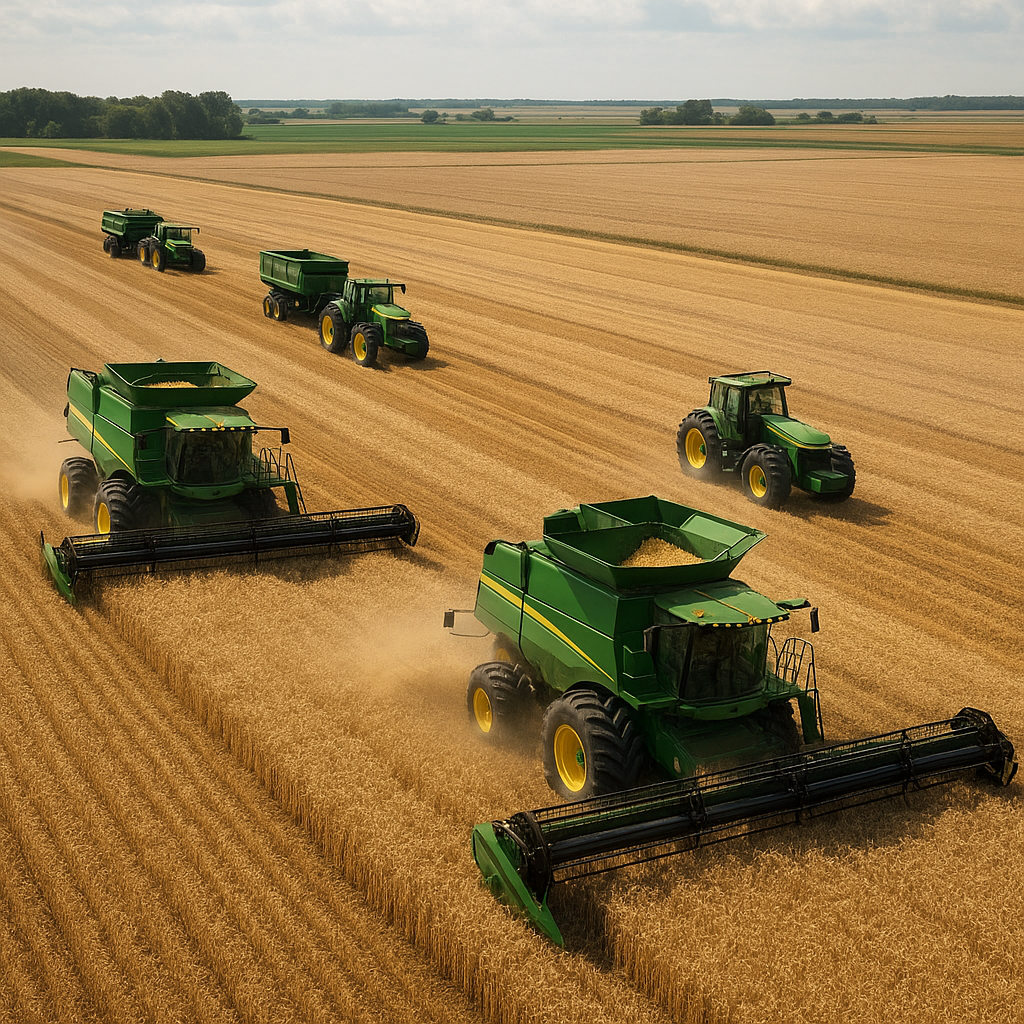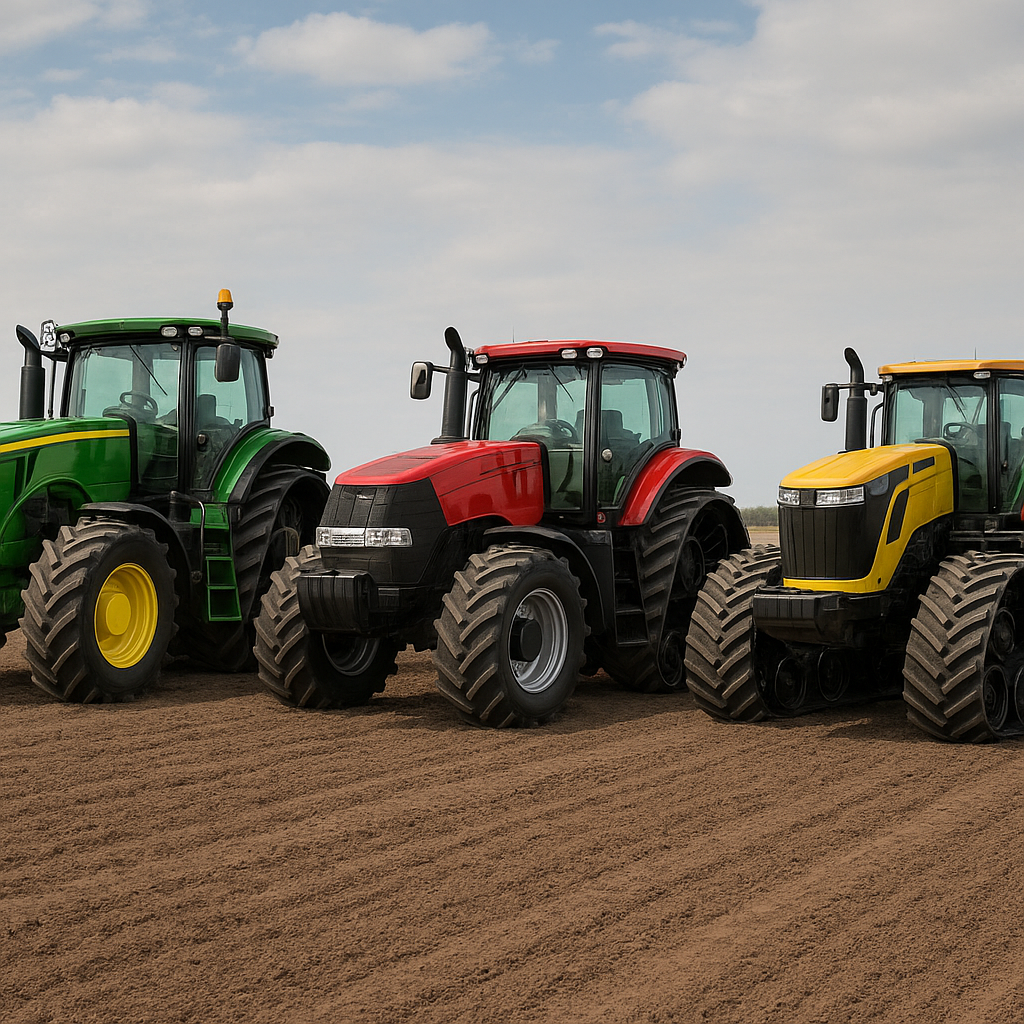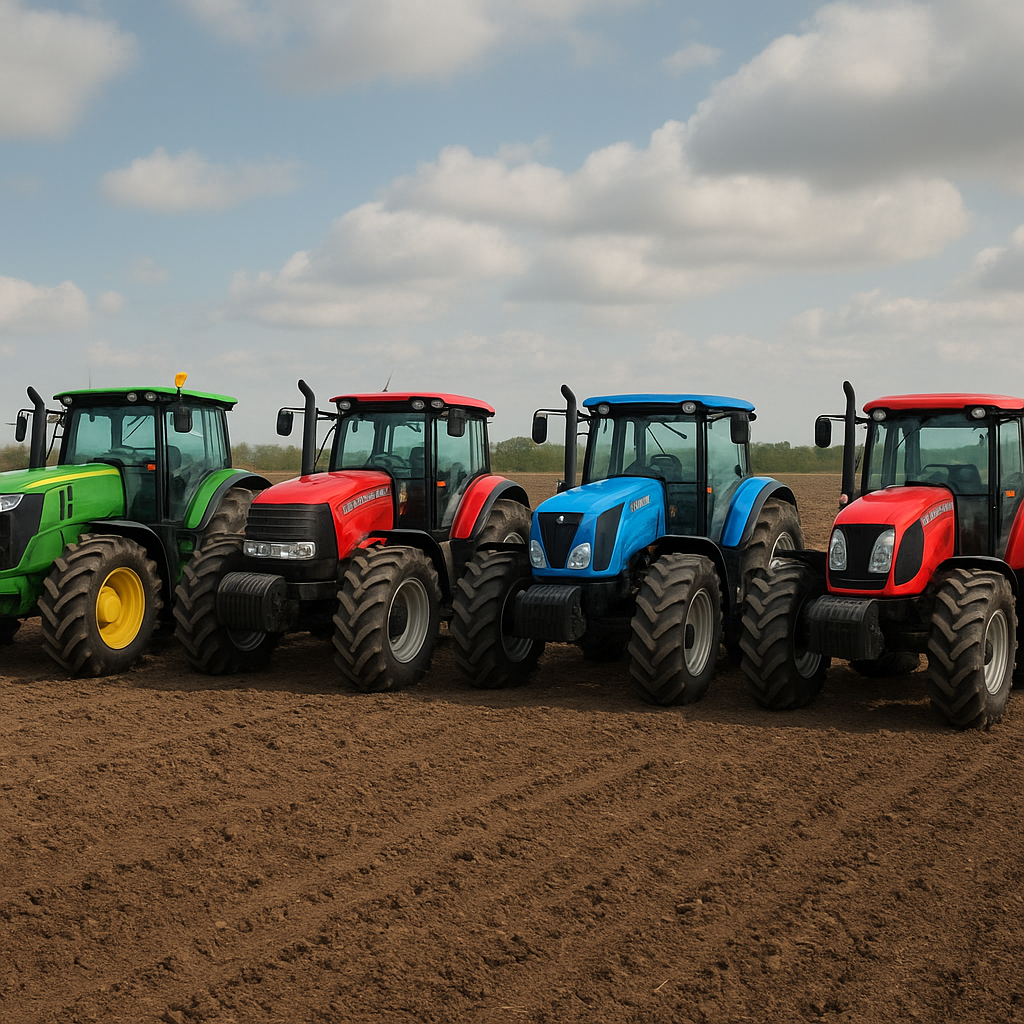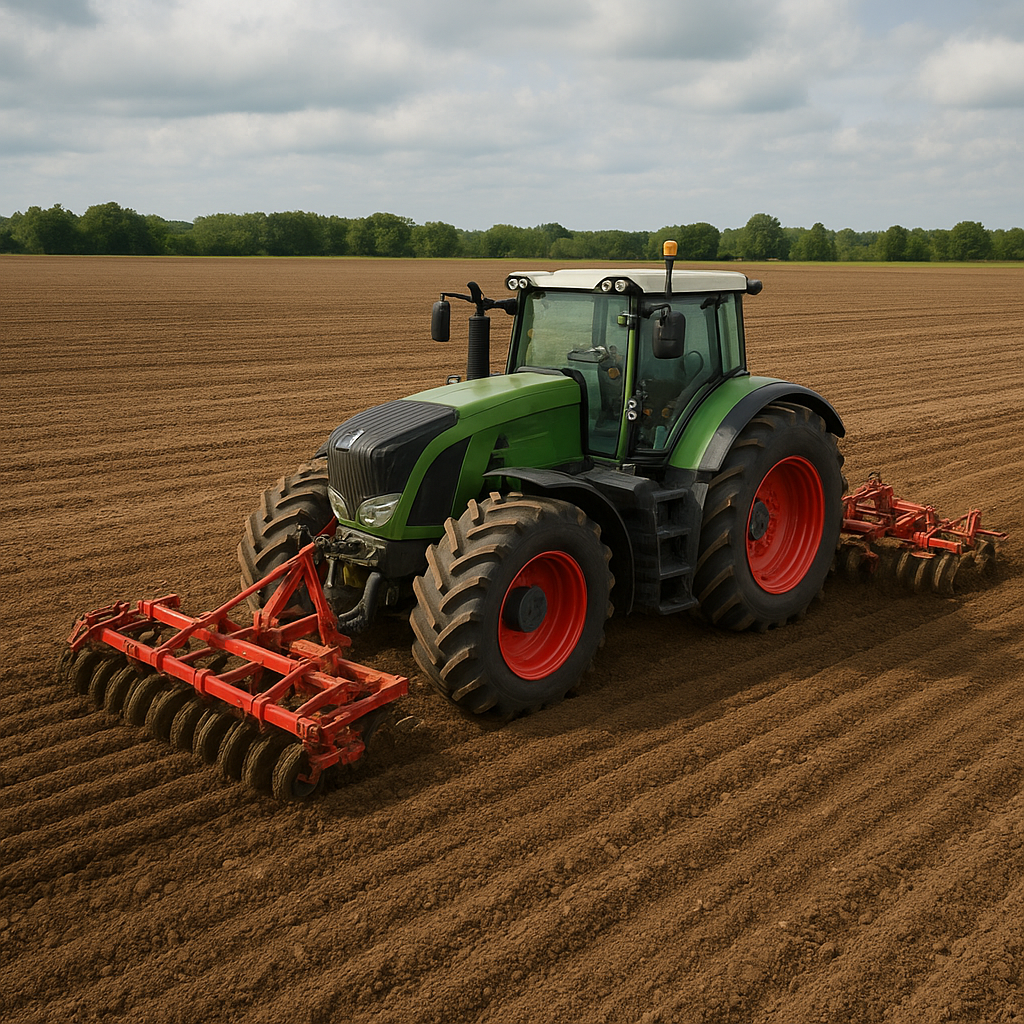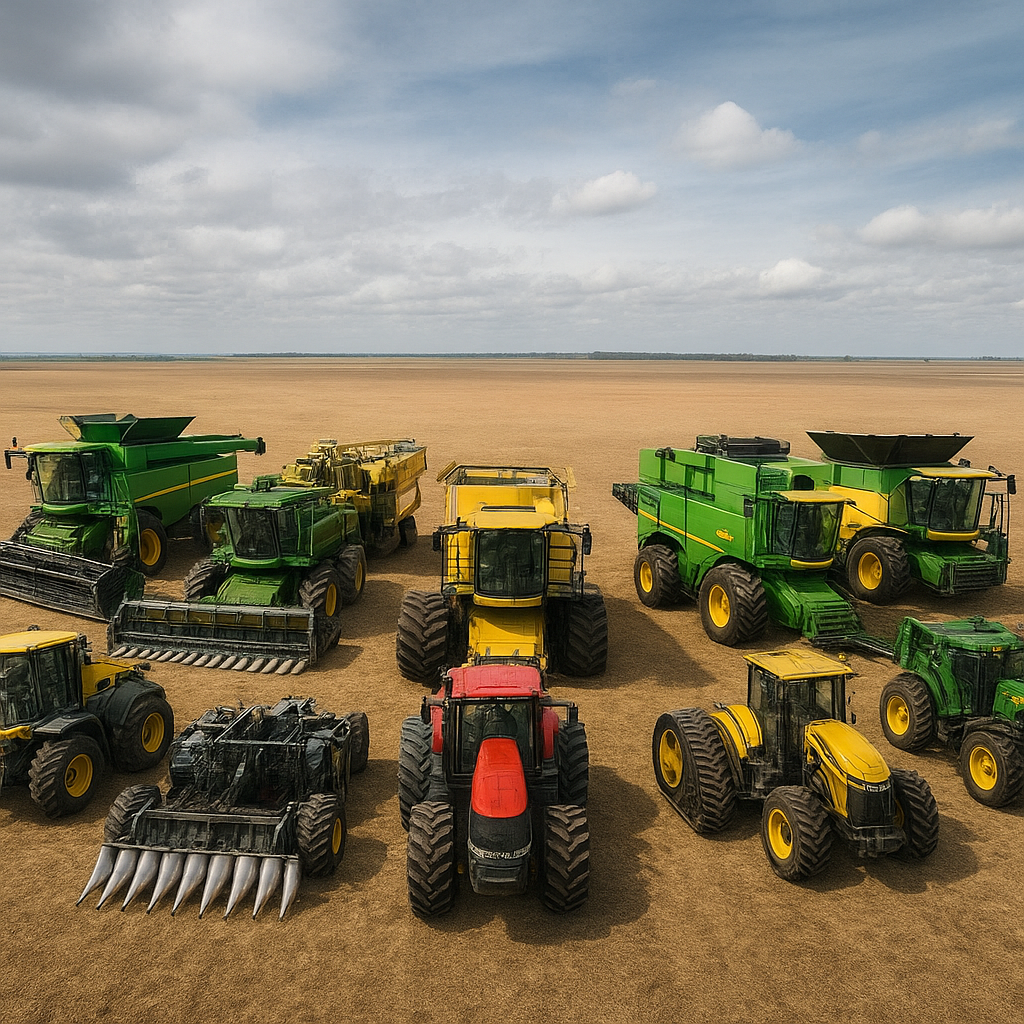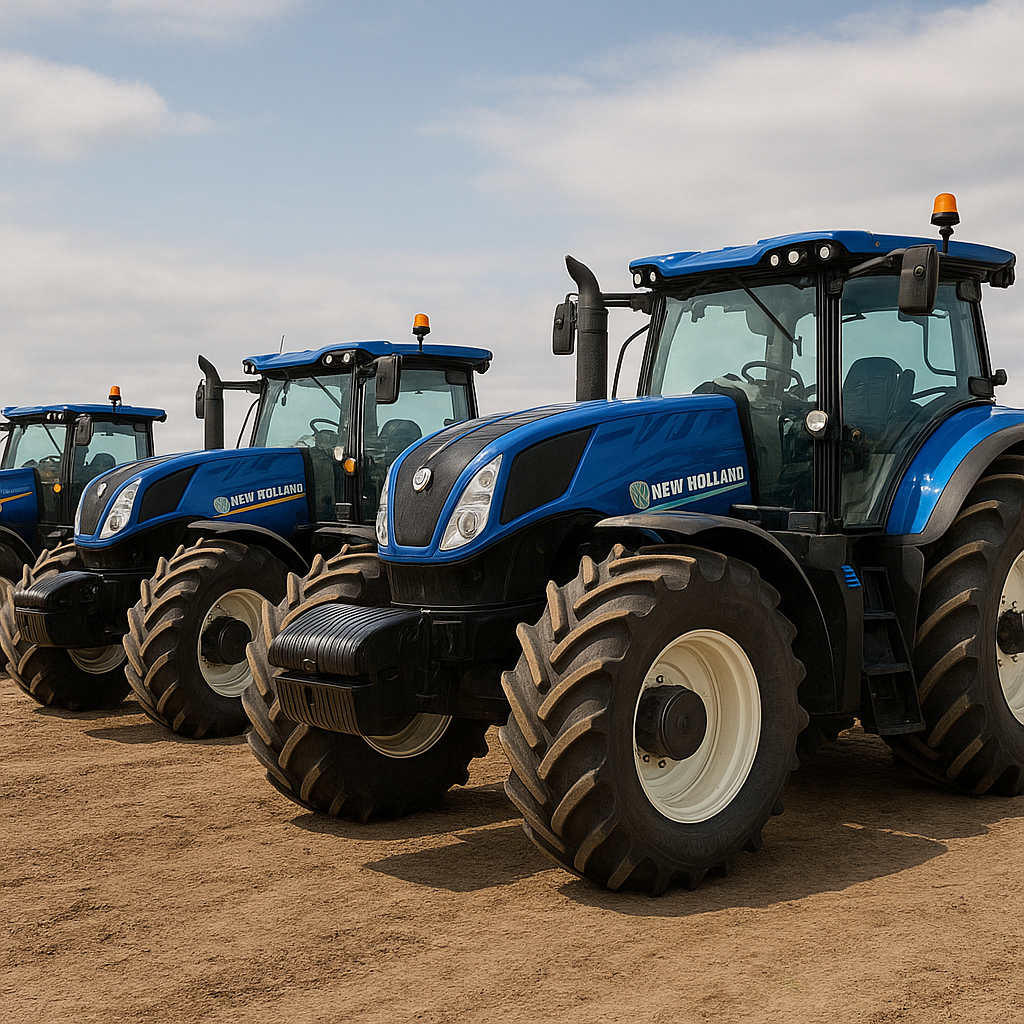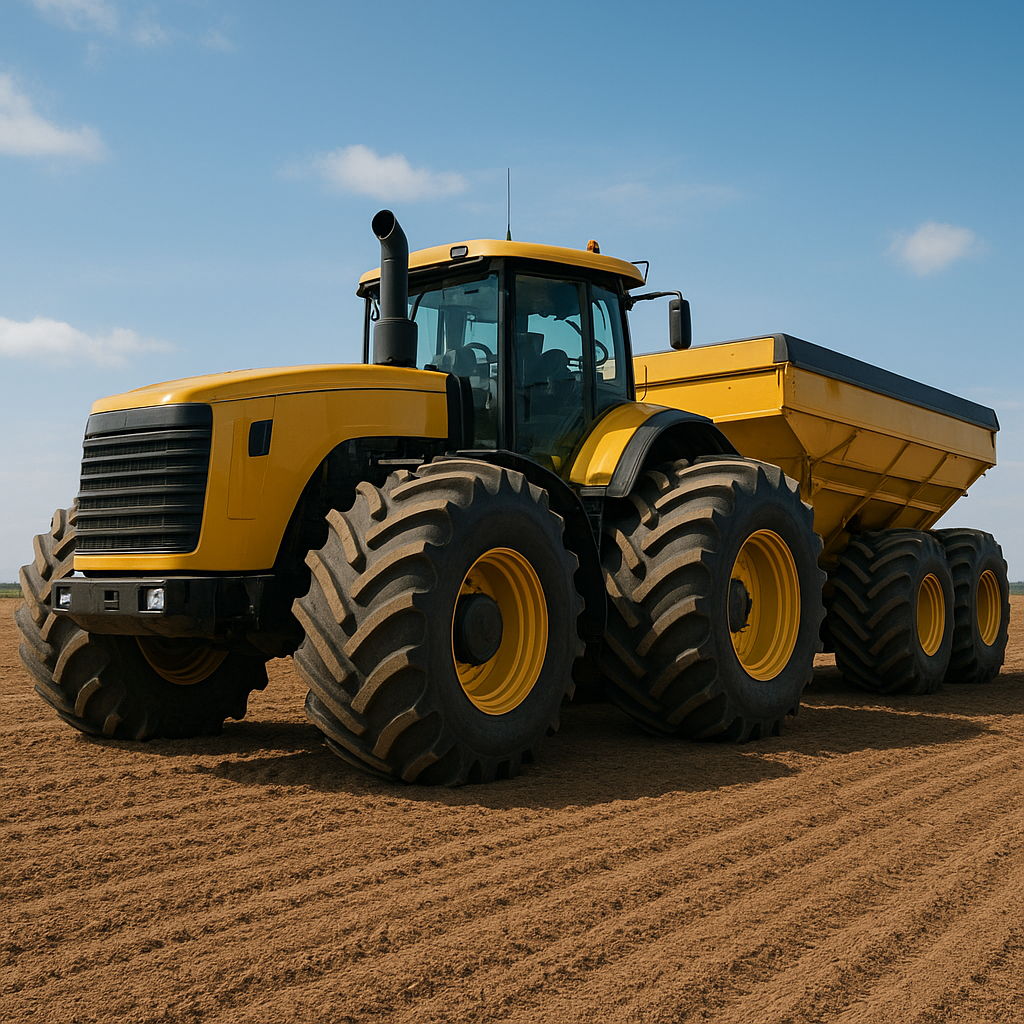
The realm of **agricultural machinery** has witnessed an extraordinary transformation over the past century. From modest beginnings with steam-powered plows to today’s behemoths, the pursuit of greater **power** and **efficiency** has driven engineers and farmers alike. This article explores the milestones, the colossal machines that have redefined cultivation, and the cutting-edge **technology** shaping tomorrow’s fields.
Evolution of the Modern Tractor
The journey from simple draft animals to the largest self-propelled vehicles in agriculture spans decades of innovation. Early tractors relied on **steam** engines, weighed several tons, and required constant attention to maintain pressure. By the mid-20th century, the introduction of **diesel** propulsion dramatically improved reliability and fuel economy.
Steam to Diesel Transition
- Late 1800s: Steam traction engines exceeding 10 tons, used to pull heavy plows and threshing machines.
- 1910s–1920s: Emergence of gasoline-powered tractors with limited **horsepower**, suitable for small family farms.
- 1930s–1940s: Diesel engines gained traction due to superior **torque** and fuel efficiency, setting the stage for larger models.
Post-War Mechanization
Following World War II, global food demand spurred rapid adoption of high-capacity tractors. Manufacturers like John Deere, Case, and International Harvester launched models boasting 100–200 HP, enabling one operator to cover far more acreage than a team of five horses.
- Hydraulic systems replaced mechanical lifts, providing smoother, more precise implement control.
- Diesel engines evolved into multi-cylinder, turbocharged units, pushing power ratings upward.
Giants of the Field: The Biggest Tractors Ever Produced
Farmers and contractors seeking maximum **traction** and pull capacities turned to super-sized tractors. These machines dwarf typical farm equipment, both in physical dimensions and sheer **output**.
Big Bud 747
Considered the world’s original “mega-tractor,” the Big Bud 747 debuted in 1977. With a 16-cylinder diesel engine rated at 760 HP and weighing 27 metric tons, it remains an icon of brute force.
- Track width: over 4.9 meters, providing exceptional flotation on soft soils.
- Fuel consumption: 70 liters per hour at full load.
- Customized for the Baker Farming Company in Montana, USA.
Case IH Steiger STX 600
This modern titan delivers 591 HP through an efficient Stage IV diesel powerplant. Its four-wheel-drive system and weight distribution ensure maximum **stability** during heavy tillage.
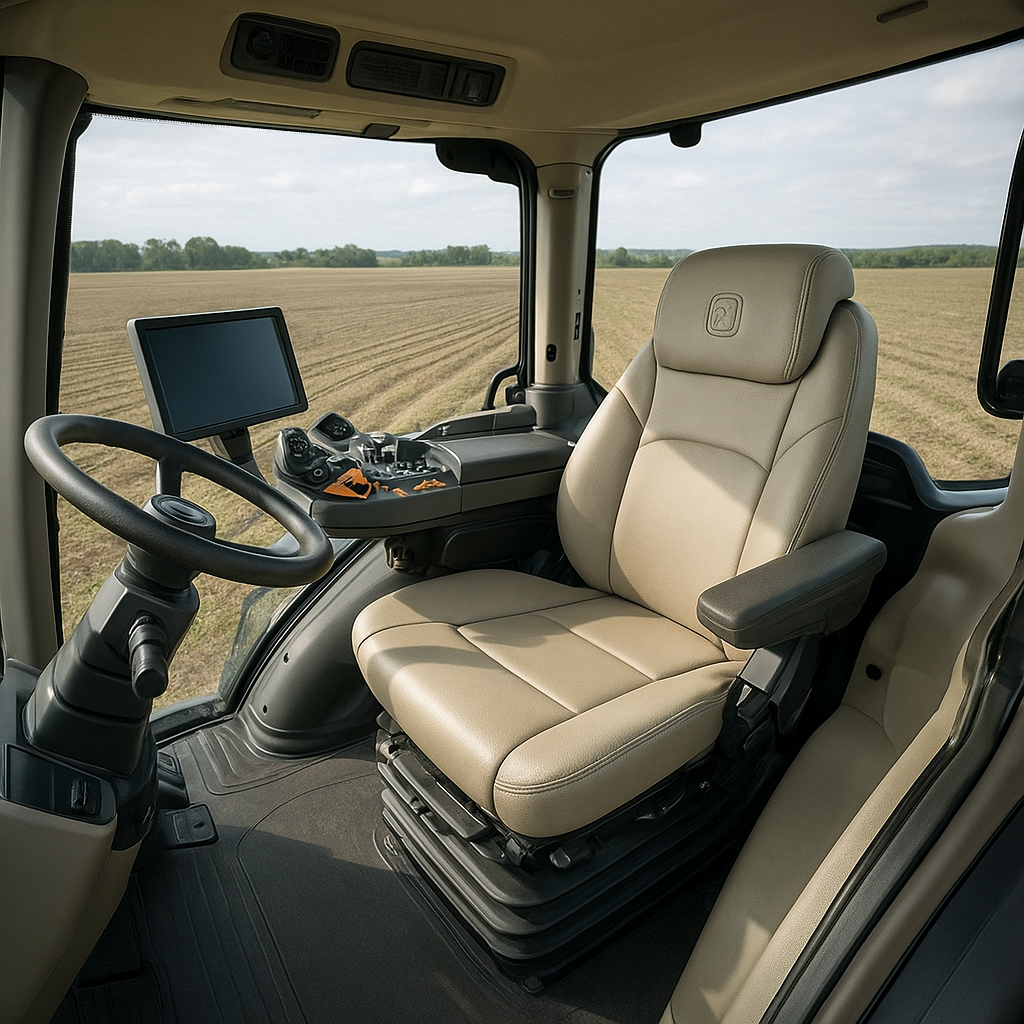
- Advanced suspension cabin for operator comfort during long shifts.
- Integrated **precision** guidance systems, reducing overlap and saving fuel.
Versatile 610 DT
Built in Canada, the Versatile 610 DT ranks among the heaviest tractors, tipping the scales at 24 metric tons and producing 610 HP. Its dual tracks minimize soil compaction while maximizing pull force.
- Full-time four-track drive for consistent traction.
- Modular design allowing easy maintenance of undercarriage components.
Technological Innovations and Future Trends
As fields grow larger and sustainability becomes paramount, tractor design continues to evolve. Emerging **technologies** promise to revolutionize planting, harvesting, and land management.
Autonomous and Robotic Tractors
Unmanned vehicles equipped with GPS, LiDAR, and AI algorithms can work day and night, optimizing routes and minimizing human error. Key benefits include:
- Precision mapping for targeted seeding and fertilization
- Machine-to-machine communication for synchronized tasks
- Real-time monitoring of soil moisture and crop health
Electrification and Hybrid Drives
With stricter emissions regulations, manufacturers are developing electric and hybrid tractors. These power units offer:
- Zero-emission operation in sensitive areas
- Instant **torque** delivery from electric motors
- Regenerative braking to recapture energy during deceleration
Smart Implements and Data Integration
Modern tractors no longer operate in isolation. Digital platforms integrate with planters, sprayers, and harvesters, enabling:
- Variable-rate application based on field variability maps
- Predictive maintenance alerts using telematics
- Cloud-based data analysis for continuous improvement
From the pioneering steam engines to today’s autonomous giants, the quest for increased **efficiency**, **sustainability**, and **productivity** drives the evolution of agricultural machinery. The largest tractors ever built stand as testaments to human ingenuity, and their successors promise to redefine the boundaries of modern farming.