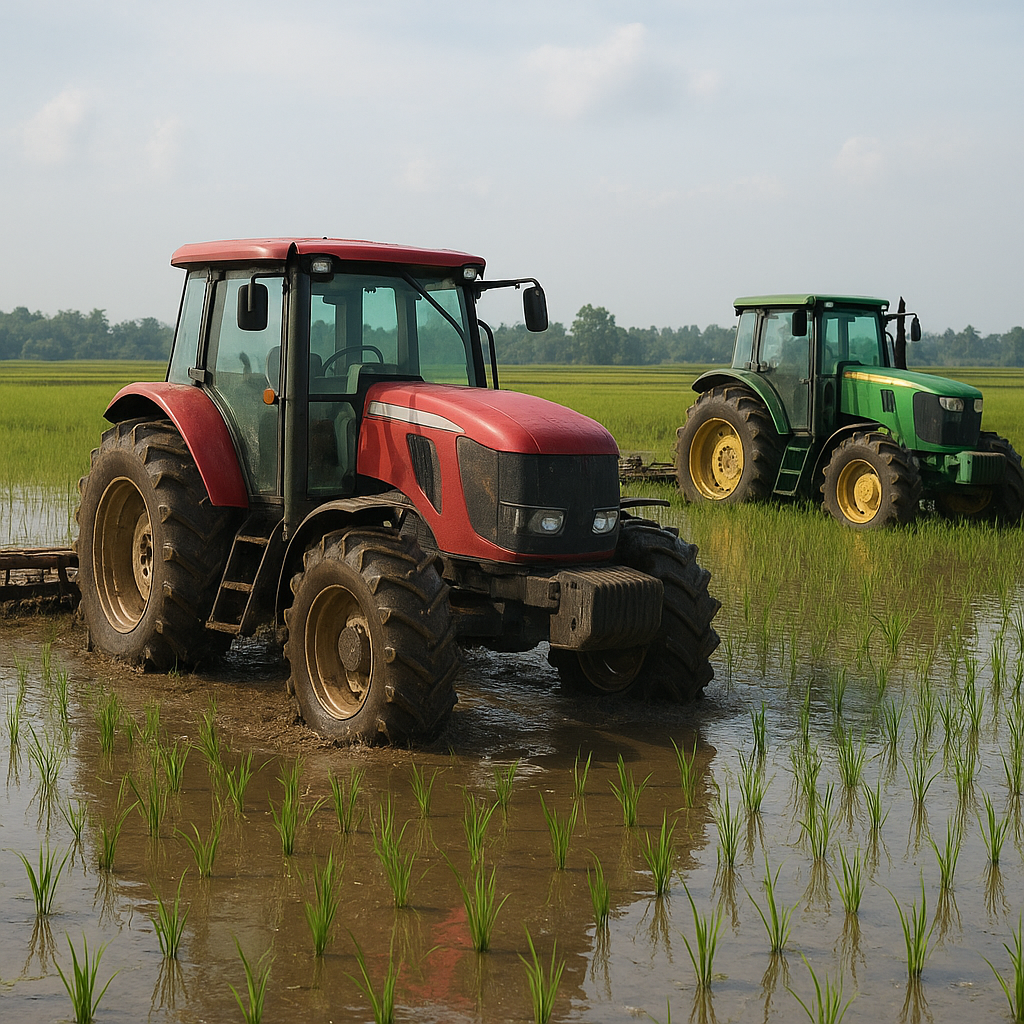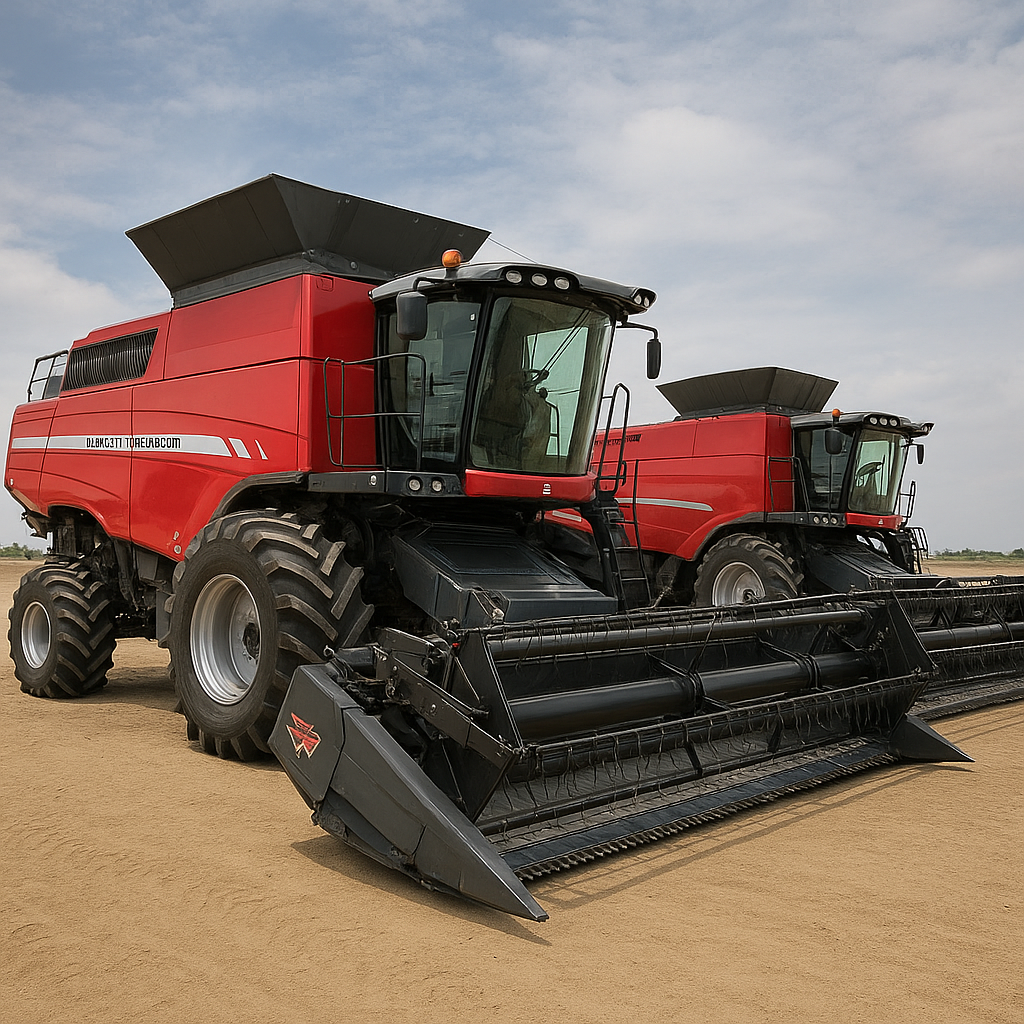
The pursuit of ever-larger agricultural machines has driven manufacturers to push boundaries in power, design and functionality. In this exploration of the most imposing Massey Ferguson tractors ever produced, we examine how these steel behemoths transformed the landscape of large-scale farming. From humble beginnings to cutting-edge prototypes, Massey Ferguson’s high-horsepower range epitomizes innovation and unwavering reliability.
Origins of Tractor Magnitude: From Early Giants to Modern Titans
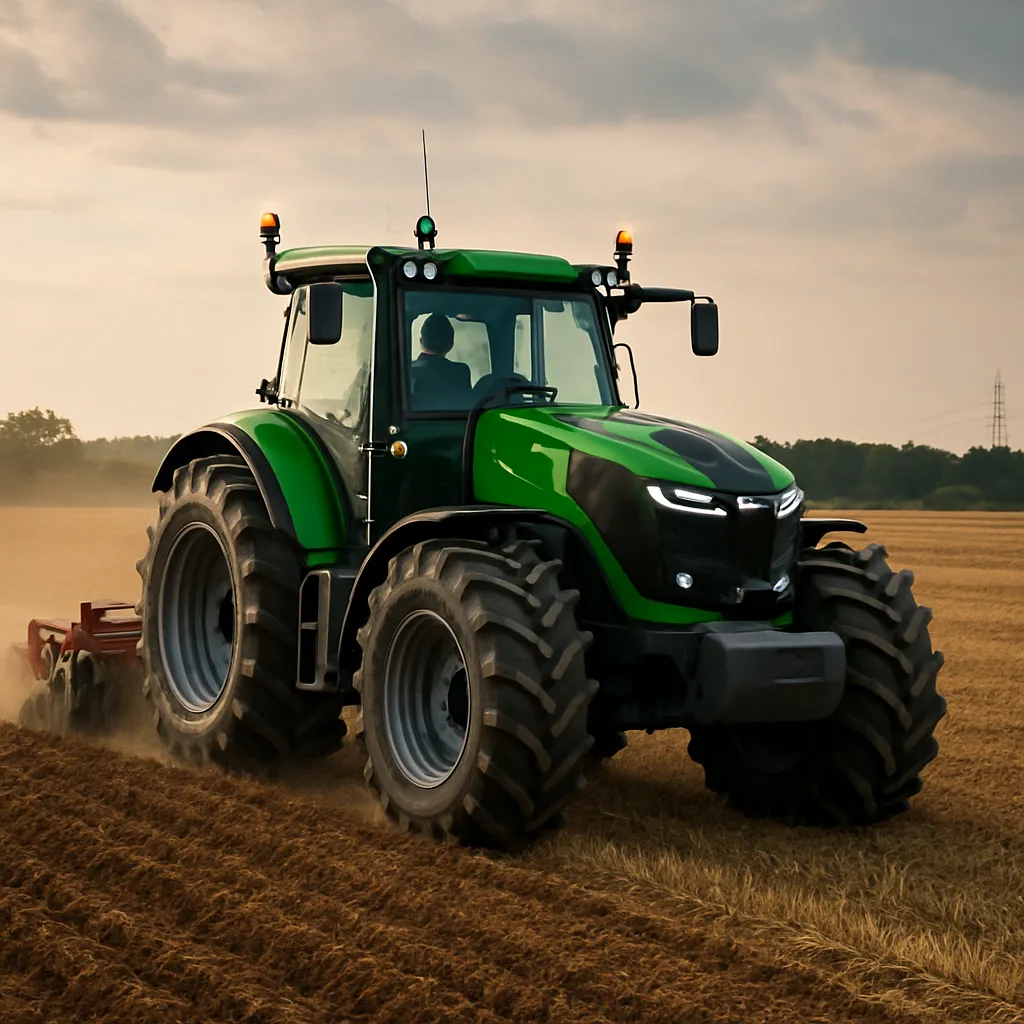
In the mid-20th century, farmers relied on smaller units that excelled at light draft work. As acreage expanded, so did the demand for machines capable of deep plowing and heavy cultivations. Massey Ferguson responded by incrementally increasing engine size, rolling out models with bolstered frames and strengthened axles. The evolution from 50-horsepower workhorses to today’s 400-plus-horsepower giants illustrates a timeline of relentless engineering refinement.
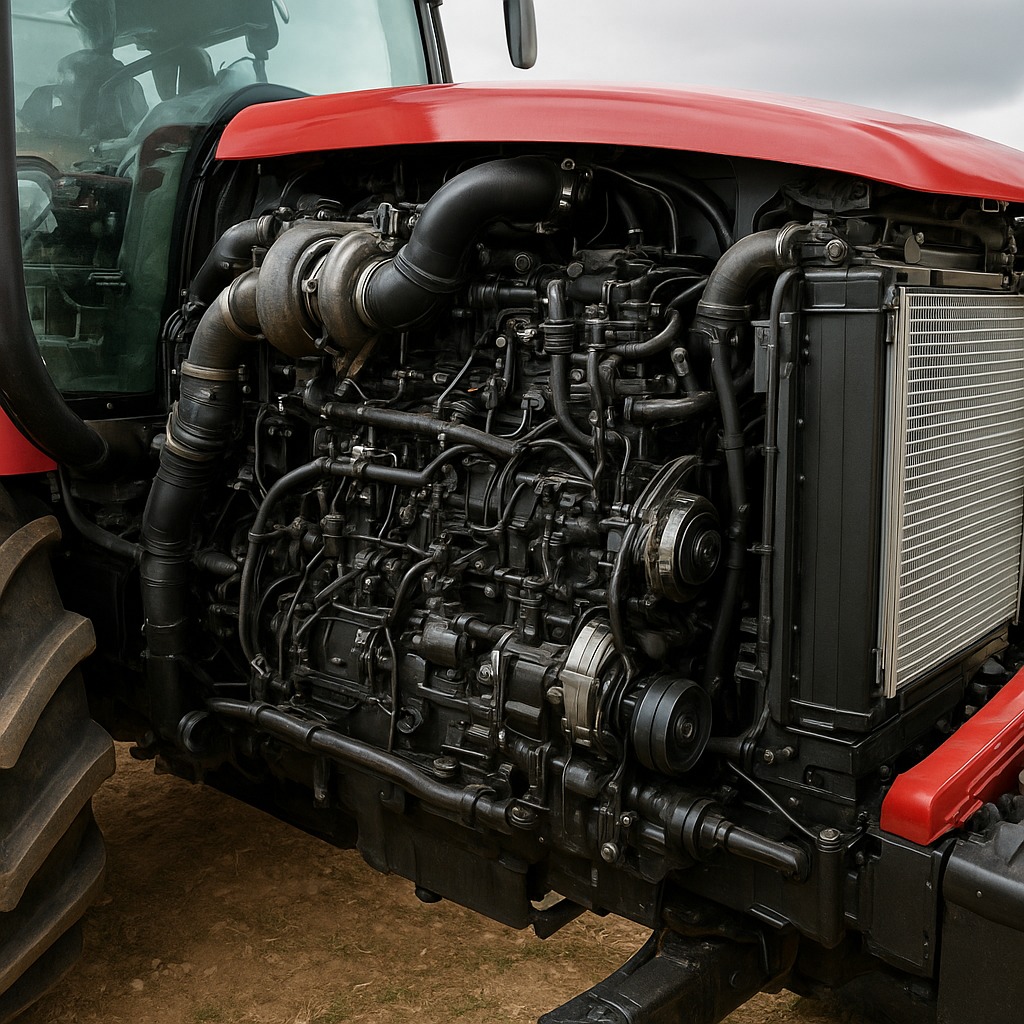
Key milestones included the introduction of six-cylinder diesel units in the 1960s, which laid the groundwork for multi-axle designs of the 1980s. By the turn of the millennium, advances in turbocharging and electronic fuel management propelled tractor power into new realms. Throughout this growth, MF balanced raw horsepower with operator comfort, integrating cabs that dampened noise and vibration, transforming brute strength into a humane experience.
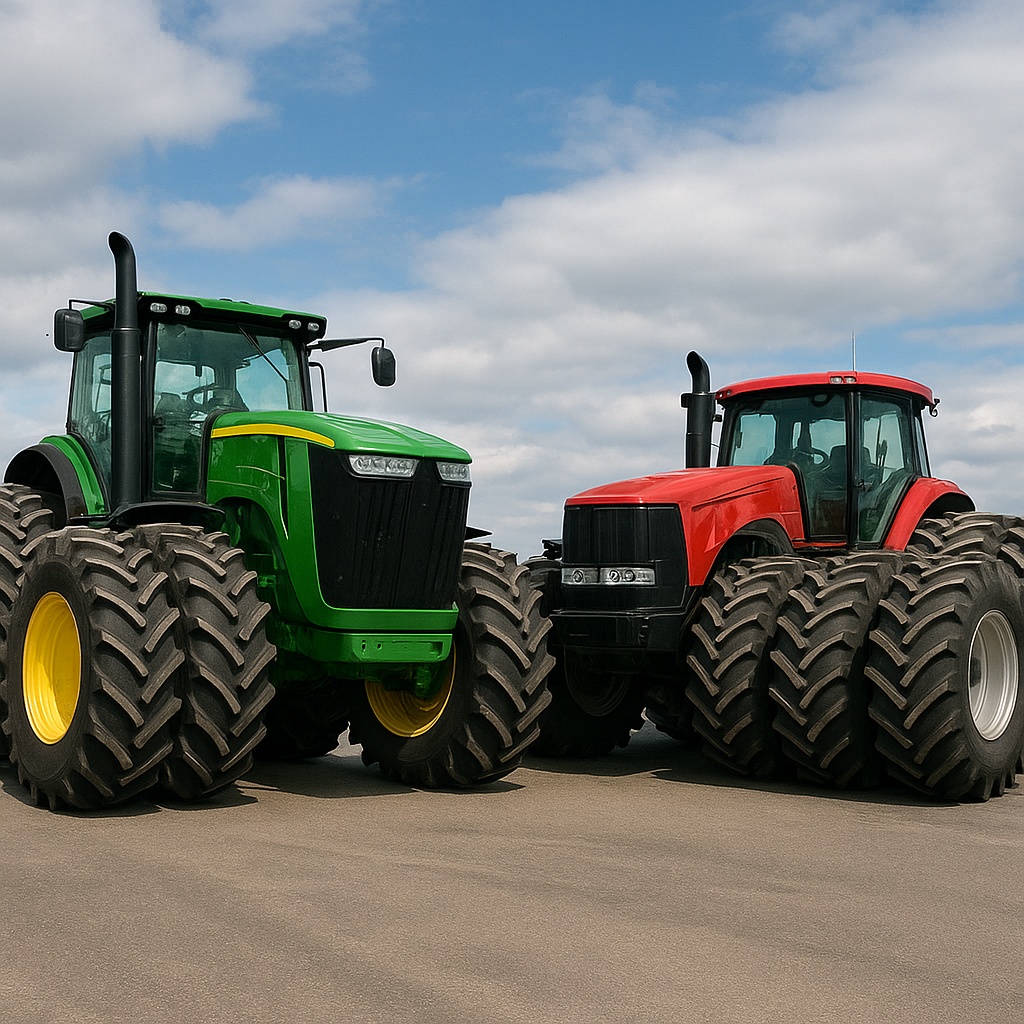
The competitive landscape also spurred innovation. Rivalries with other industry leaders compelled Massey Ferguson to adopt pioneer technologies such as torque-converter transmissions and dual-clutch systems. These breakthroughs delivered seamless shifts under load, a crucial advantage when towing multi-gang plows or heavy grain carts across vast fields.
The Giants on the Field: Showcasing Top Massey Ferguson Models
Massey Ferguson 8S.340
As the flagship of the 8S range, the 8S.340 stands among the most powerful production tractors MF has launched. Its 6.6-liter, six-cylinder engine produces up to 340 horsepower, while peak torque exceeds 1,400 Nm. Farmers commend its robust chassis and responsive hydraulics, which elevate efficiency in heavy seeding and large-scale tillage operations. A dual-clutch transmission system ensures power delivery remains constant, even during high-load gear changes.
- Engine displacement: 6.6 L
- Transmission: Dyna E-Power dual-clutch, 24 forward/24 reverse
- PTO capacity: 2000 rpm
- Hydraulic flow: up to 190 L/min
Massey Ferguson 7700 S Series
The 7700 S line marked Massey Ferguson’s entry into the sub-350 HP class with advanced cab ambiance. The top-end 7708 S model achieves 305 HP, blending durability with modern electronics. Its compact wheelbase enhances maneuverability, making it ideal for mixed farms that require both field power and road travel. The inclusion of ISOBUS compatibility and integrated GPS mapping underscores MF’s commitment to precision agriculture.
Massey Ferguson Concept 8740
Emerging as a visionary prototype rather than a mass-production unit, the Concept 8740 redefined extremes. Boasting an extraordinary 745 HP, dual engines and a reinforced central frame, this experiment demonstrated the potential for colossal output. Although not commercially available, many features—such as predictive load management and adaptive traction control—inspired technologies that trickled into subsequent series.
Technological Marvels in the Largest Massey Ferguson Tractors
These tractors rely on an array of systems to deliver consistent, high-end performance across diverse applications. Below are some of the most transformative innovations:
- Common-rail diesel injection for precision fuel delivery, optimizing combustion and cutting emissions.
- Continuously Variable Transmission (CVT) options for infinitely smooth speed control without step shifts.
- Active diesel particulate filters that meet stringent emissions standards while sustaining power output.
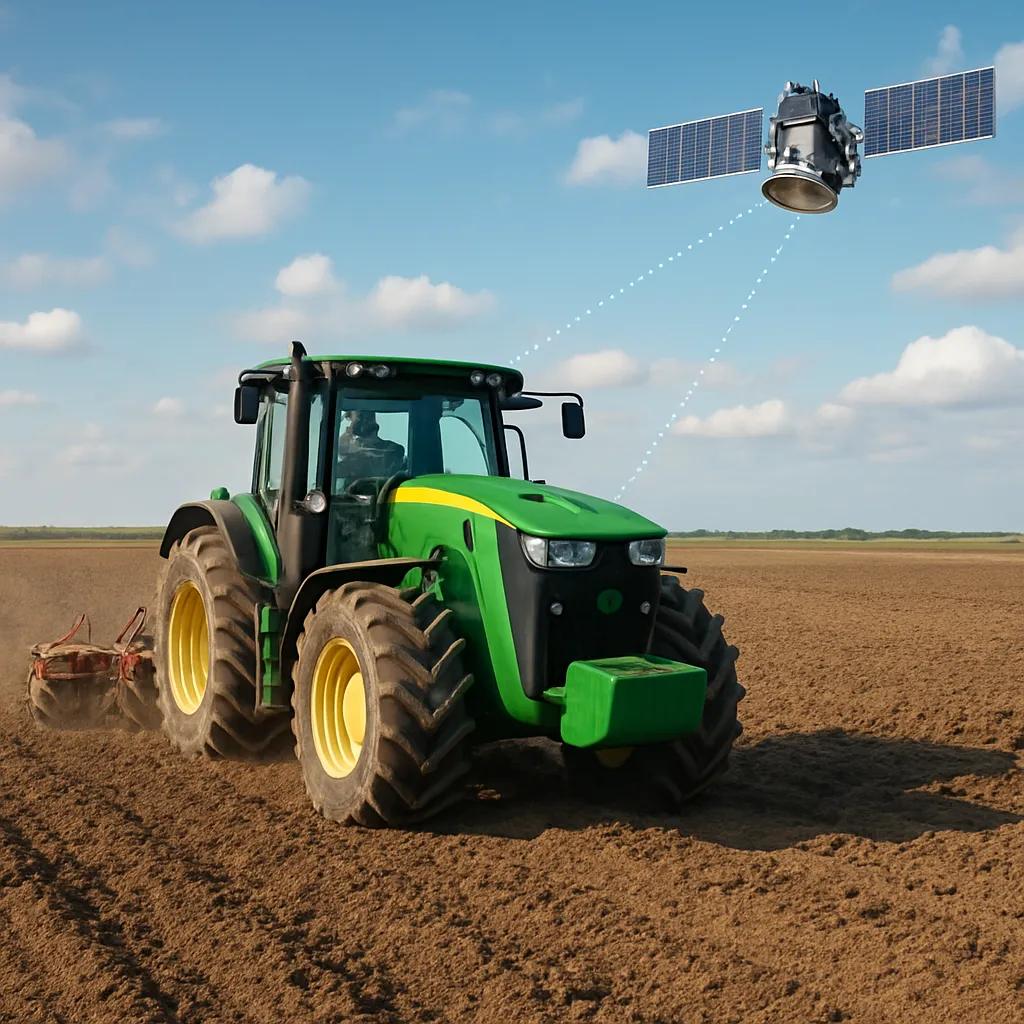
- Autonomous guidance systems integrated via ISOBUS, enabling repeatable accuracy in planting and harvesting.
- Enhanced telematics platforms to monitor machine health, fuel usage and remote diagnostics.
Furthermore, ride-comfort advancements, such as semi-active cab suspension and hydraulic front-axle suspension, significantly reduce operator fatigue during long shifts. Engineers continually refine chassis rigidity to ensure that under extreme load, the tractor retains structural integrity—an essential factor for long-term durability.
Hydraulic systems on these large models boast flow rates exceeding 190 liters per minute, empowering implements from multi-disc drills to six-furrow plows. The interplay between hydraulic capacity and precise electronic control units underlines Massey Ferguson’s prowess in fusing raw mechanical force with digital oversight.
Global Impact and Future Horizons of Mega Tractors
In regions where economies of scale dominate agriculture—such as the American Midwest, Australian wheatbelt and Eastern European grain belts—mega tractors have become symbols of modern farm efficiency. Their ability to cover expansive tracts of land in minimal time directly correlates with cost savings and reduced soil compaction due to fewer passes.
Looking ahead, Massey Ferguson is exploring hybrid and fully electric drivetrains to lower carbon footprints. Research centers are developing battery pack configurations that can sustain heavy loads for extended workdays. Parallel efforts in artificial intelligence aim to fine-tune engine performance in real time, adapting to soil variability and weather conditions—ushering in an era of self-optimizing performance.
Finally, as implements grow larger and more complex, the synergy between tractor and tool will deepen. Digital platforms will link machines, sensors and storage systems, orchestrating a seamless workflow from soil preparation to grain bin. In this evolving environment, the spirit of innovation that drove the creation of Massey Ferguson’s biggest tractors will continue to steer the future of global agriculture.