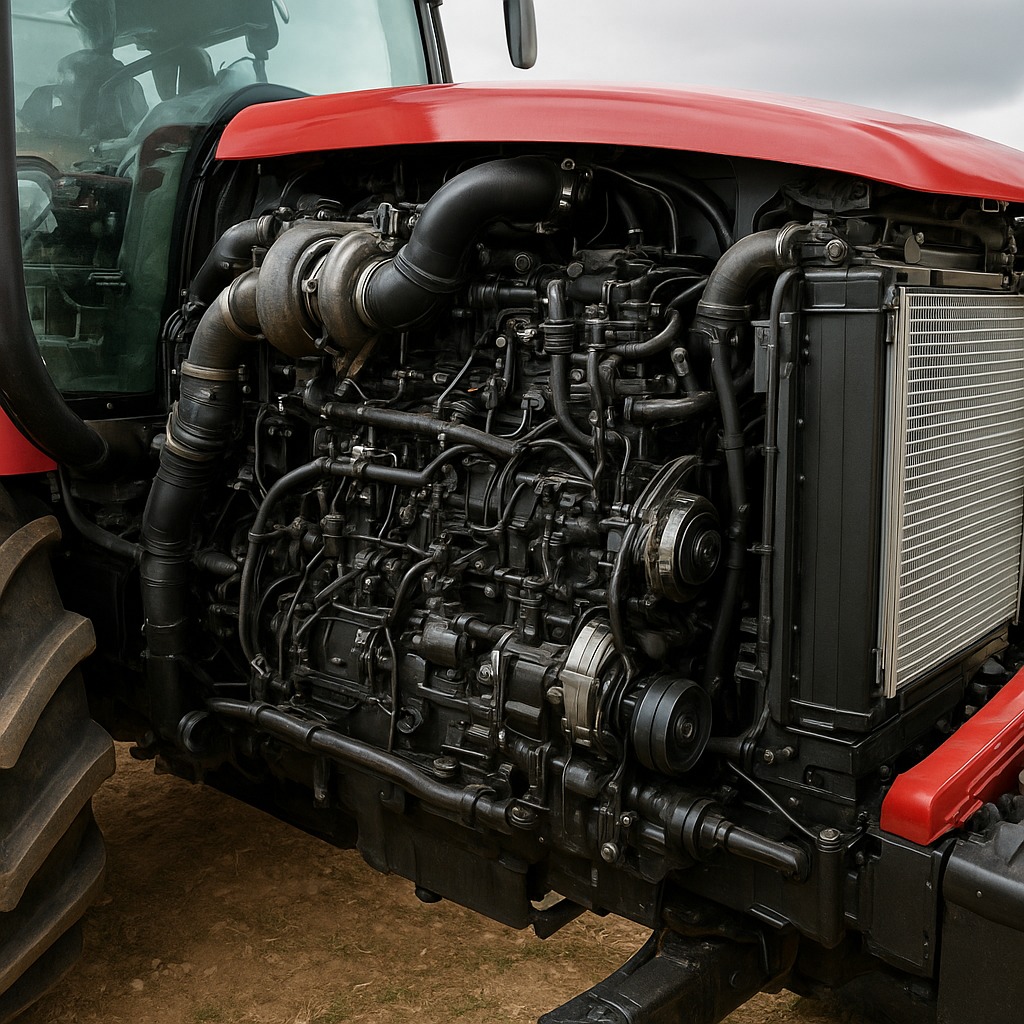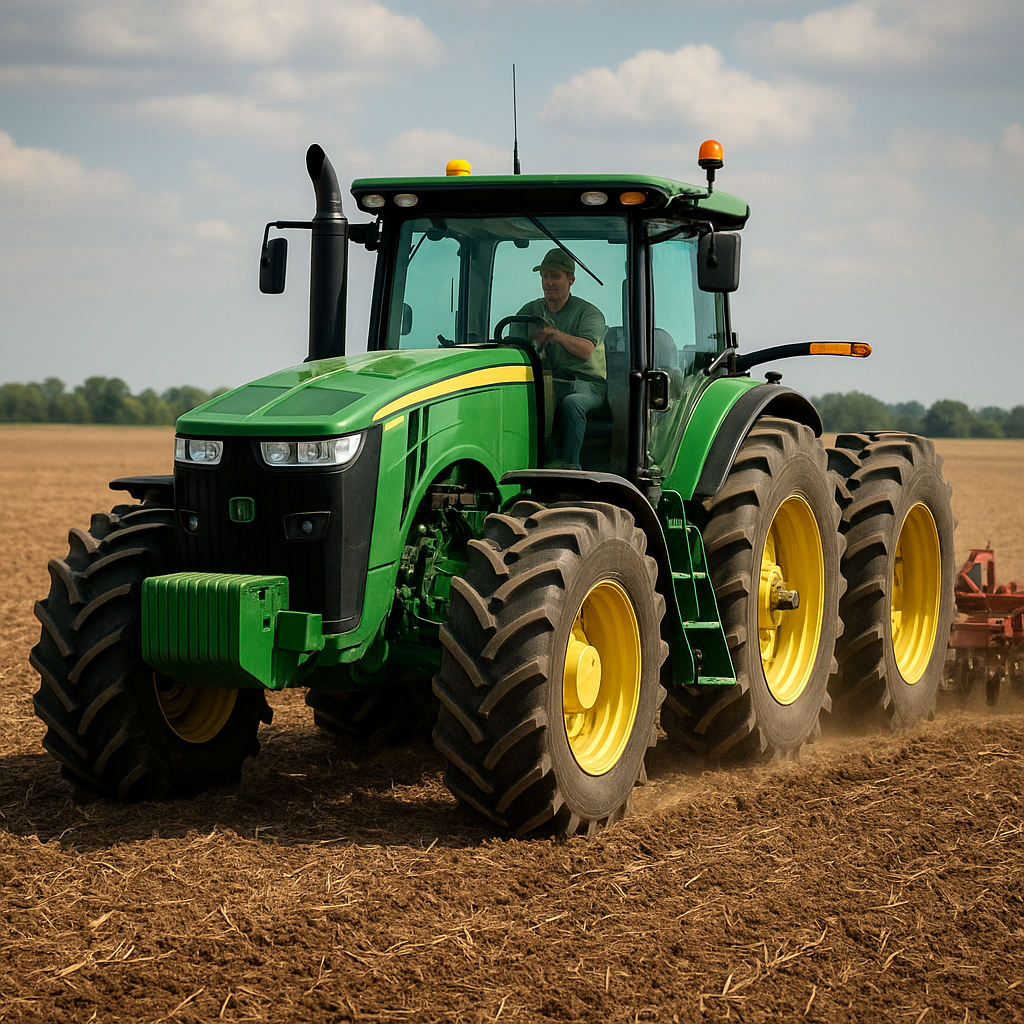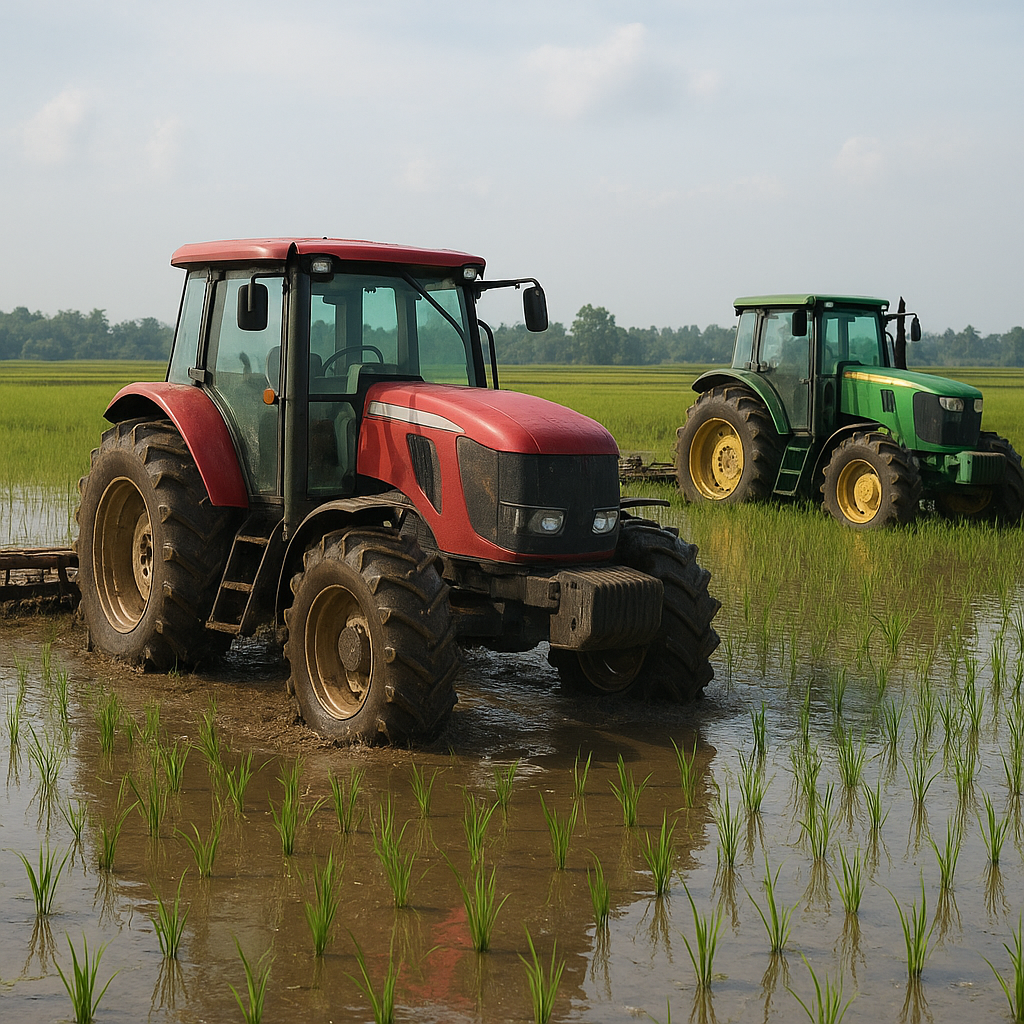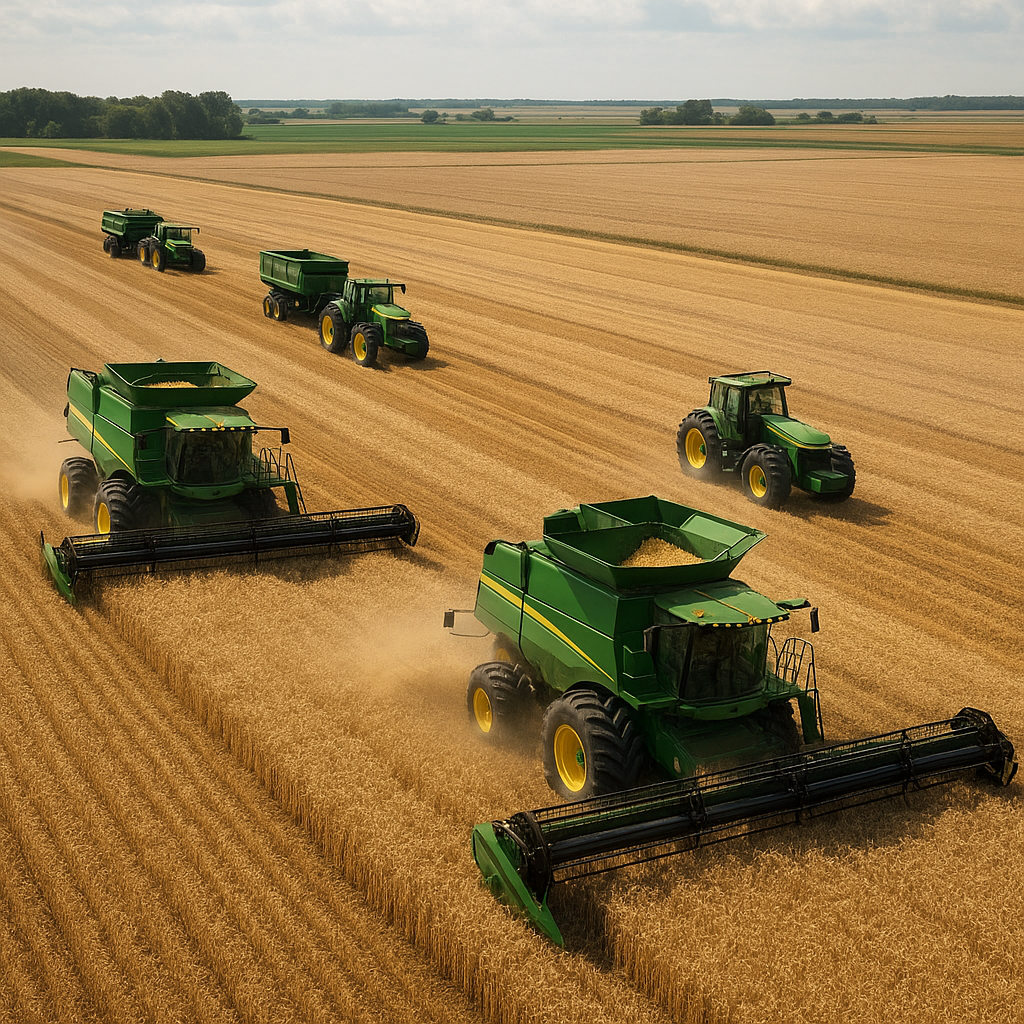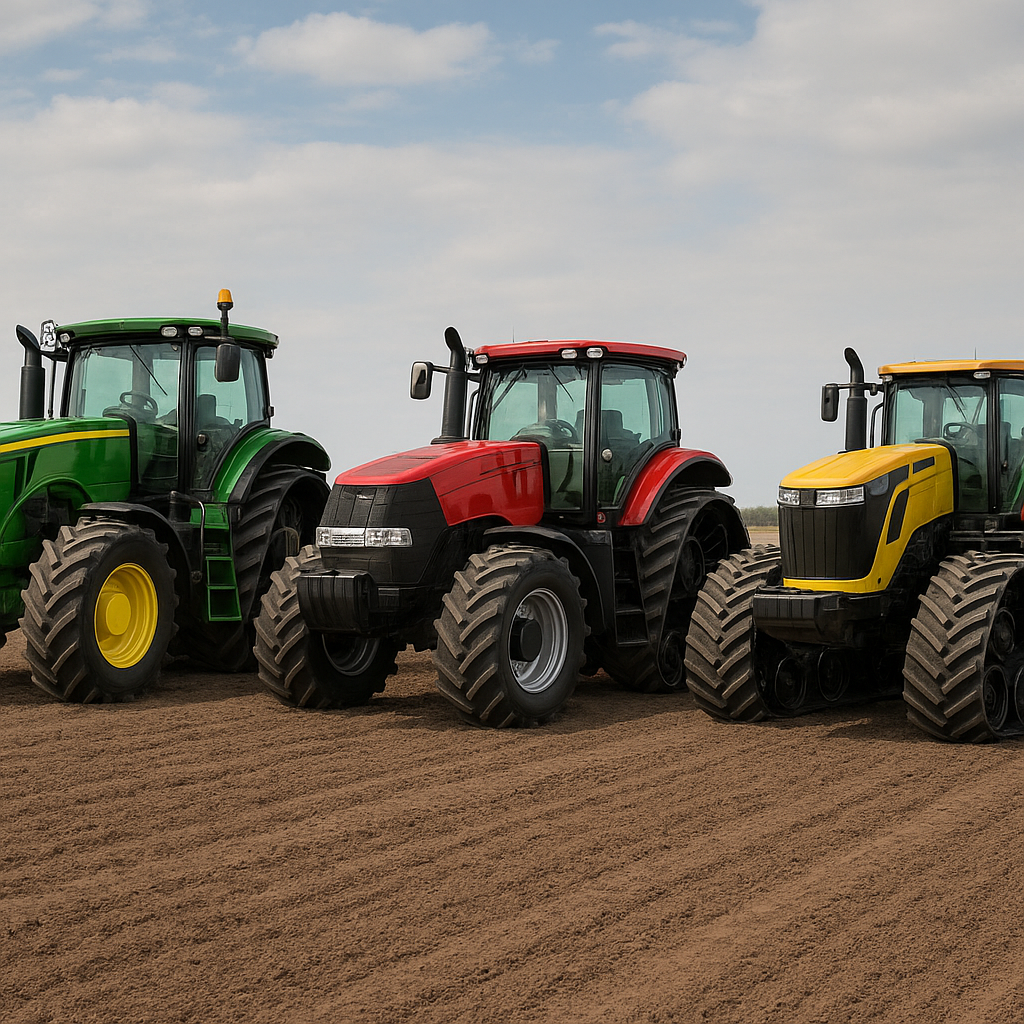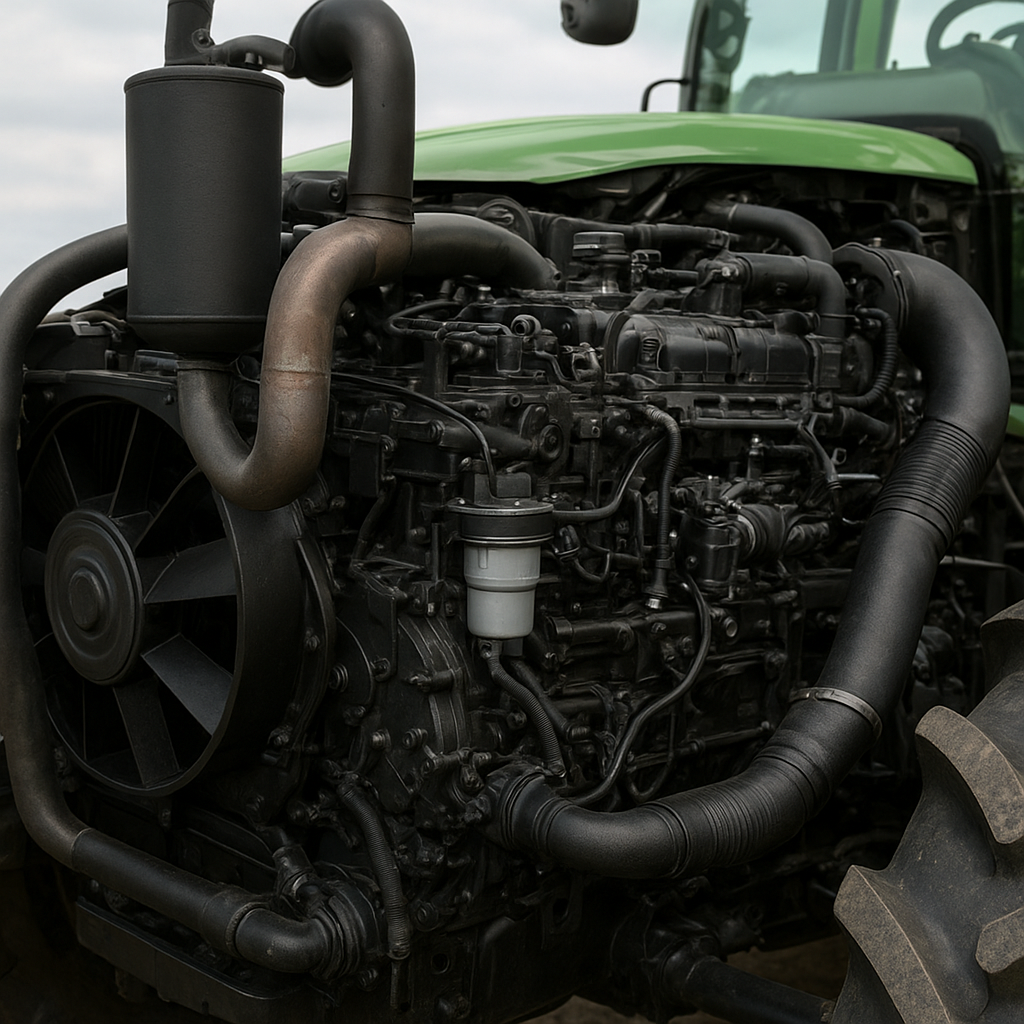
The relentless pursuit of power and efficiency in modern agriculture has driven manufacturers to develop colossal machines equipped with titanic diesel engines. These giants not only transform fields with unparalleled speed but also redefine the boundaries of performance and reliability. From early mechanical marvels to contemporary mega-tractors, each innovation in engineering paves the way for increased productivity and sustainable farming.
History and Evolution of Diesel Tractors
At the dawn of mechanized agriculture, steam-powered tractors dominated fields, but they were bulky, slow to start, and prone to breakdowns. The invention of the diesel engine in the late 19th century set a new course. Diesel units offered higher torque at lower speeds, better fuel economy, and superior durability compared to their gasoline counterparts. By the mid-20th century, Europe and North America witnessed rapid adoption of diesel-powered tractors that replaced outdated machines.
Early Milestones
- 1893: Rudolf Diesel’s patented engine design laid groundwork for future agricultural use.
- 1920s: First commercial diesel tractors appeared in Germany and the United States.
- 1930s–1950s: Widespread mechanization in major farming regions shifted reliance from horses to diesel power.
Throughout these decades, manufacturers focused on increasing displacement and refining injection systems, improving overall performance and reliability under grueling field conditions. The post-war era saw the emergence of multi-cylinder behemoths delivering over 100 horsepower, a dramatic jump from early 20–30 hp models.
Leading Tractor Models with Titan-Class Engines
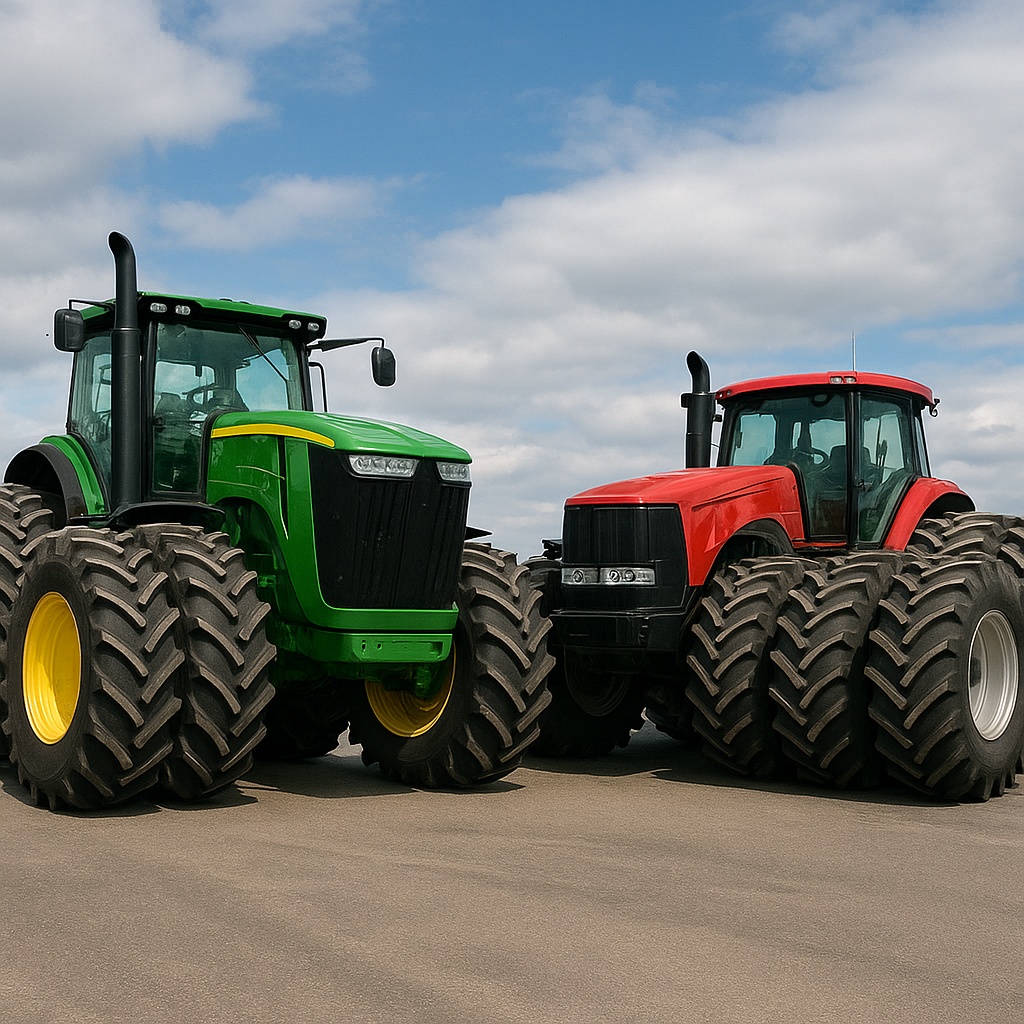
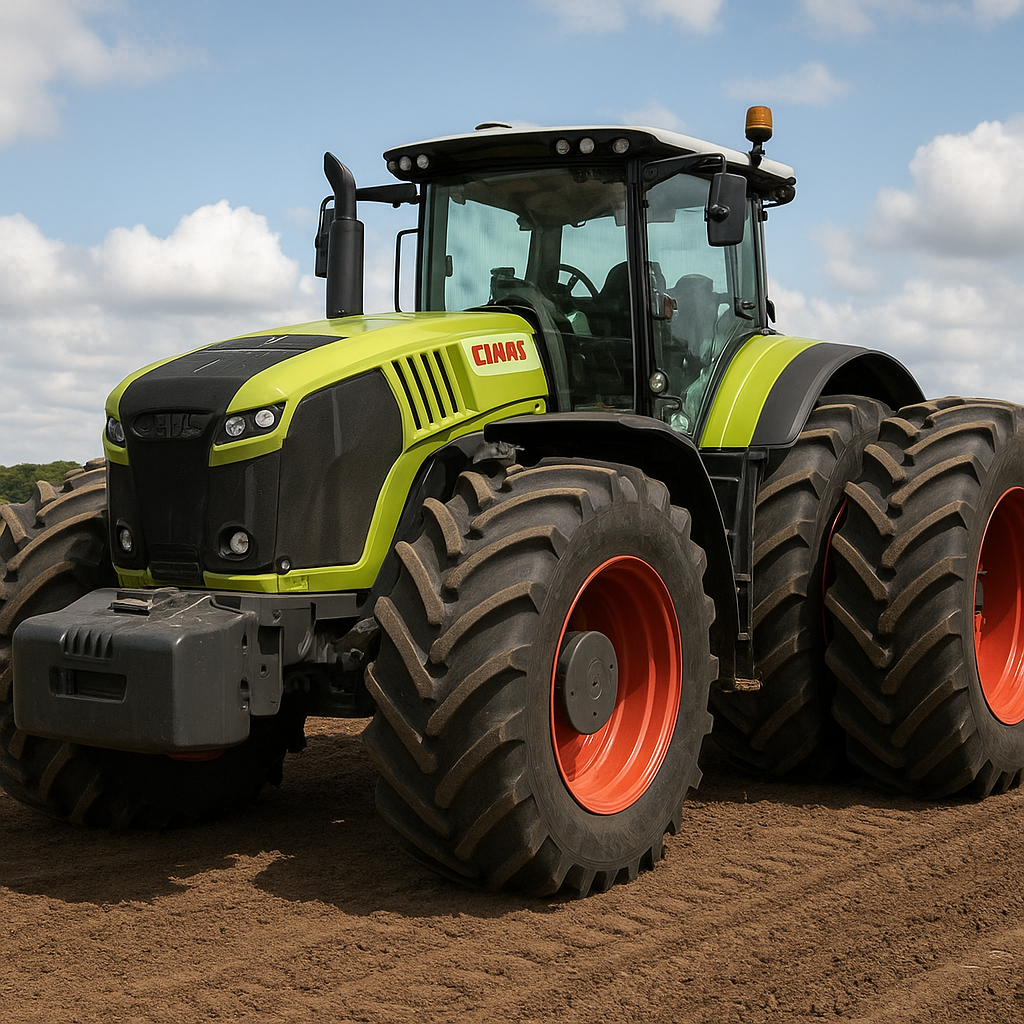
Today’s heavyweight tractors represent the pinnacle of agricultural diesel technology. Giants that weigh over 20 tons can generate more than 600 hp, offering unmatched pulling capacity. Below is a glimpse of some of the most formidable models pushing the limits of raw power:
-
Fendt 1150 Vario
Equipped with a 12.4-liter, six-cylinder engine, the Fendt 1150 Vario delivers 536 hp and up to 2,300 Nm of torque. Its advanced turbocharging and electronic fuel injection ensure supreme efficiency even under peak load.
-
John Deere 9RX Series
The 9RX 670 model boasts a 13.6-liter PowerTech™ PSS engine that produces 670 hp and a staggering 3,050 Nm of torque. Featuring an adjustable power curve, this tractor optimizes fuel use while maintaining maximum traction on challenging terrain.
-
Case IH Steiger Quadtrac 540
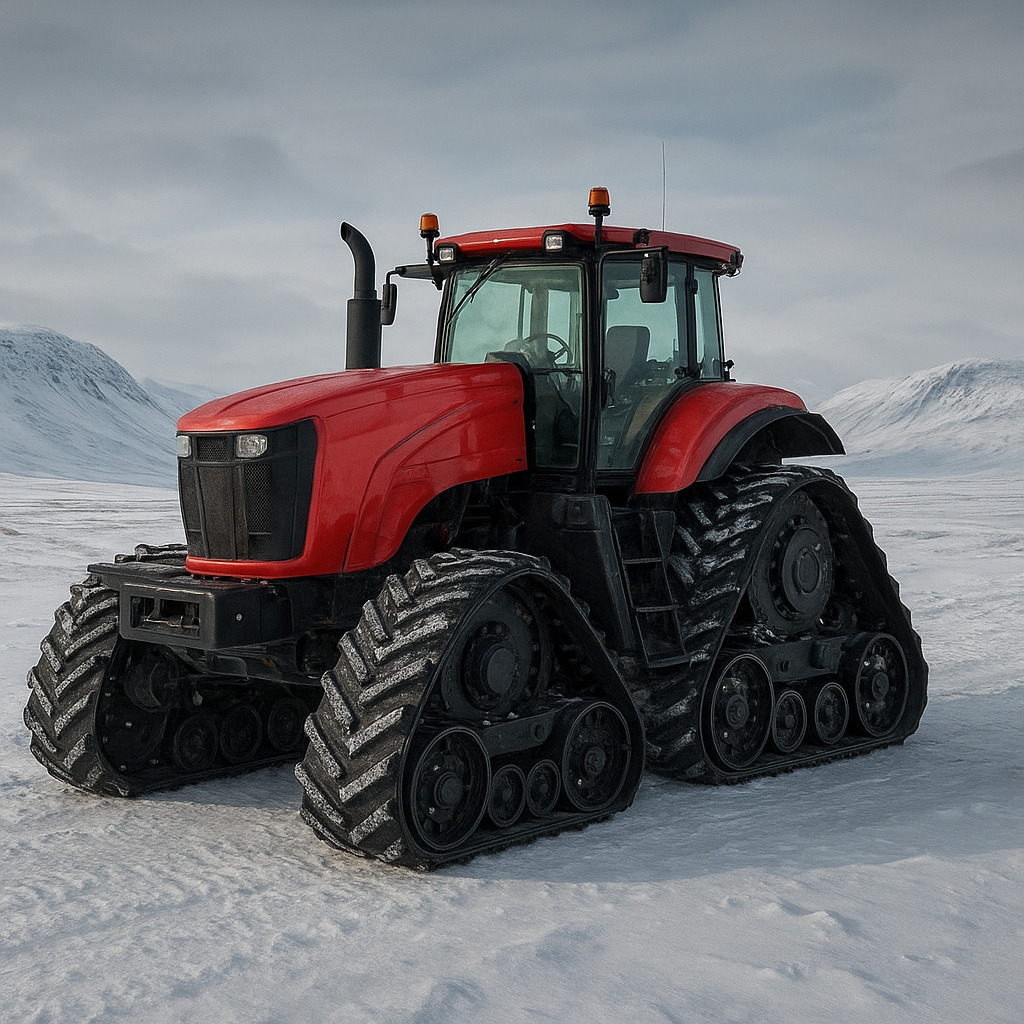
Case IH’s quad-track flagship harnesses a 15-liter six-cylinder engine, delivering 540 hp and 2,600 Nm of torque. A continuously variable transmission (CVT) delivers smooth power delivery for heavy tillage and high-speed transport.
-
New Holland T9 Series
With a Cursor 13 engine displacing 12.9 liters, the T9 models generate up to 682 hp and 3,100 Nm of torque. The patented Ultra Command™ full powershift transmission enhances both field and road performance.
-
Massey Ferguson 8700 S Series
Driving this series is a 9.0-liter, six-cylinder Dyna-VT engine offering 405 hp and up to 1,900 Nm of torque. Known for its seamless variable speed control, it provides excellent maneuverability and comfort for extended workdays.
Each of these tractors incorporates cutting-edge features such as advanced aftertreatment systems, precision farming tools, and automated guidance. These enhancements not only boost field productivity but also reduce emissions and lower operational costs.
Technological Innovations and Future Trends
As the agricultural sector embraces sustainability and digitization, tractor manufacturers are exploring next-generation solutions to maximize power while minimizing environmental impact. Here are three key areas shaping the future of diesel-driven beasts:
1. Hybridization and Electrification
Combining conventional diesel engines with electric motors can optimize fuel consumption and cut greenhouse gas emissions. Hybrid tractors allow regenerative braking and intelligent energy management, storing excess power in batteries for sudden bursts of torque or to run auxiliary systems during idle periods.
2. Advanced Fuel Injection and Combustion Control
High-pressure common rail injection systems, paired with variable nozzle turbos, deliver precise amounts of fuel at optimal timings. These refinements enhance efficiency, reduce particulate emissions, and support alternative biofuel blends without compromising performance.
3. Autonomous Operation and Telematics
Integration of GPS-based auto-steering, obstacle detection, and real-time data analytics revolutionizes how tractors operate. Autonomous sprayers and planters can run overnight, maximizing productivity. Telematics platforms monitor engine health, driving patterns, and maintenance needs, ensuring peak reliability and reducing downtime.
Innovations in materials science are also contributing to lighter yet stronger engine components, enhancing overall machine durability and extending service intervals. Meanwhile, developments in synthetic lubricants and nanotechnology aim to further reduce friction losses and wear.
Ultra-high horsepower tractors remain at the forefront of agricultural modernization. As diesel technology converges with digital intelligence and electrification, future tractors will offer unprecedented levels of innovation, seamlessly blending raw might with eco-conscious design. The quest for ever-greater power continues to drive the evolution of these mechanical giants, ensuring that tomorrow’s farmers are equipped for the challenges of a growing global population.