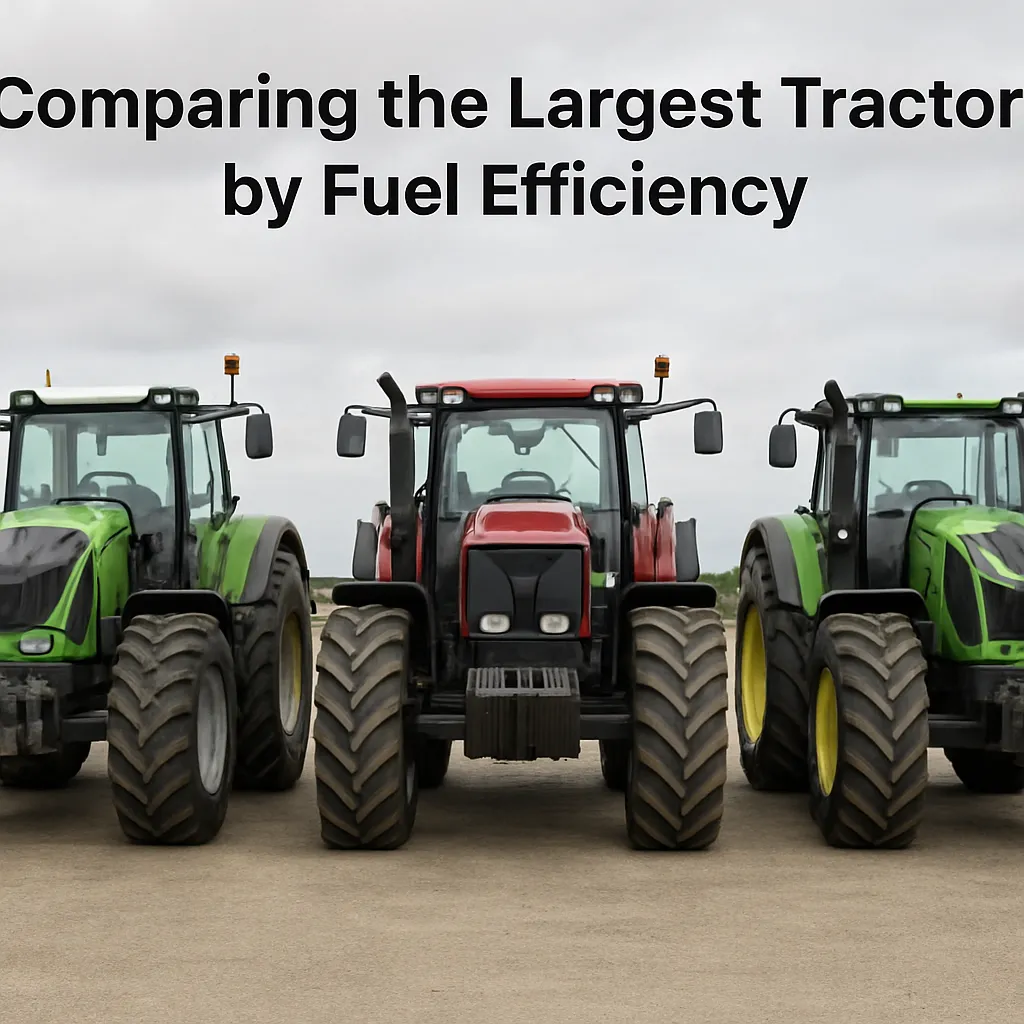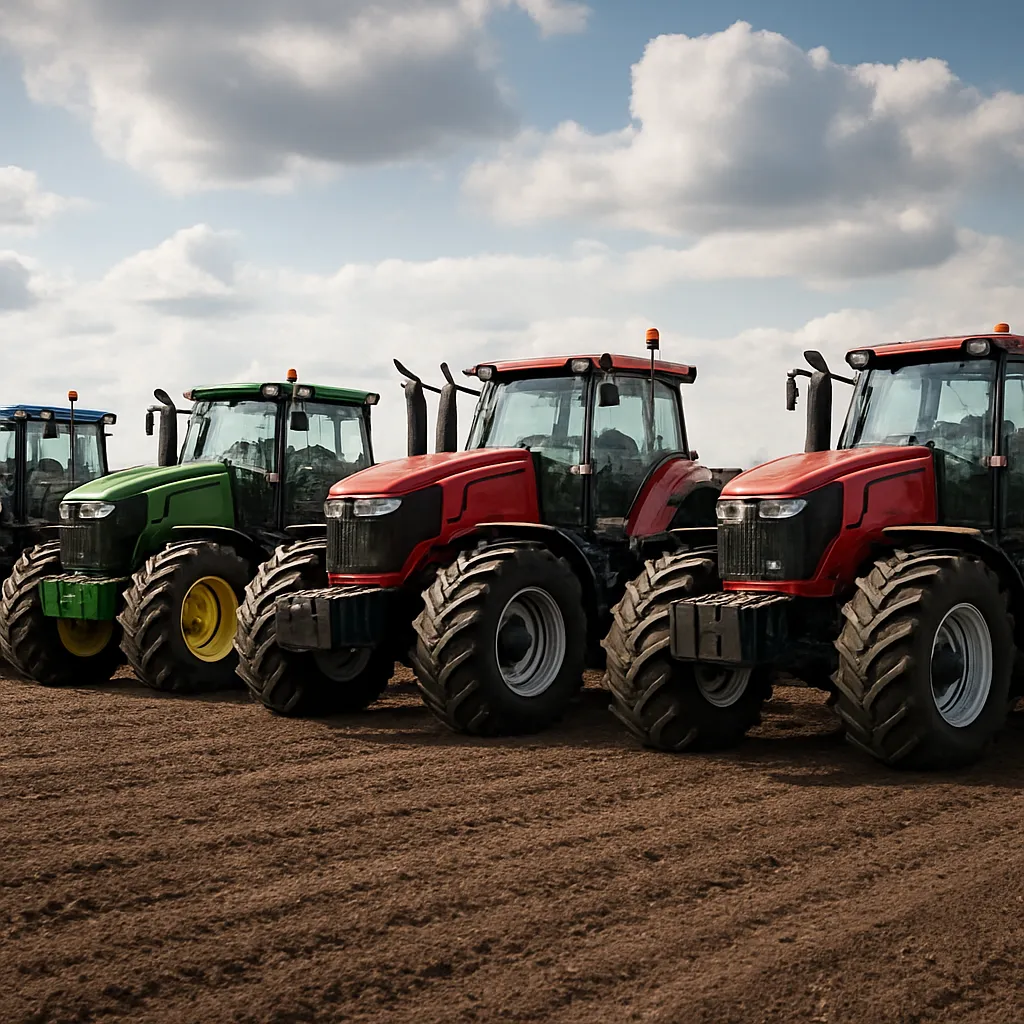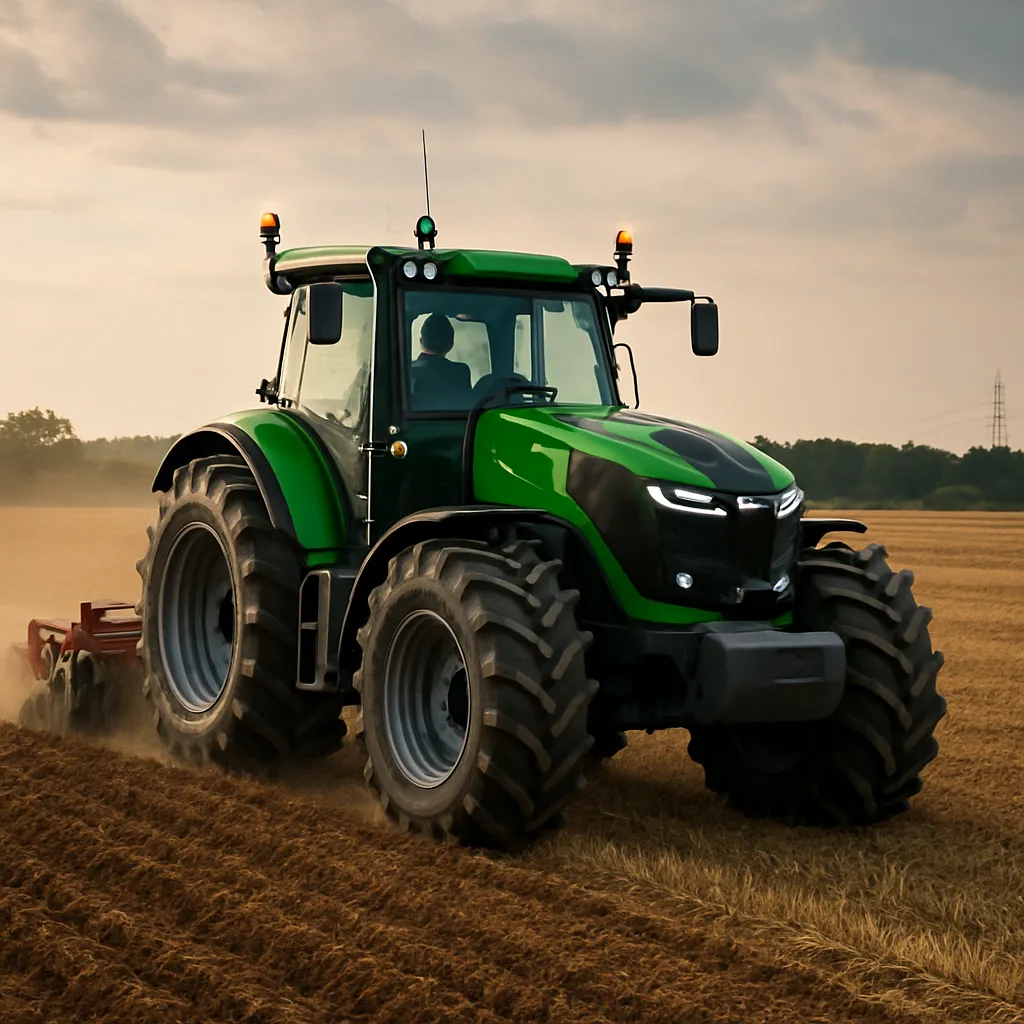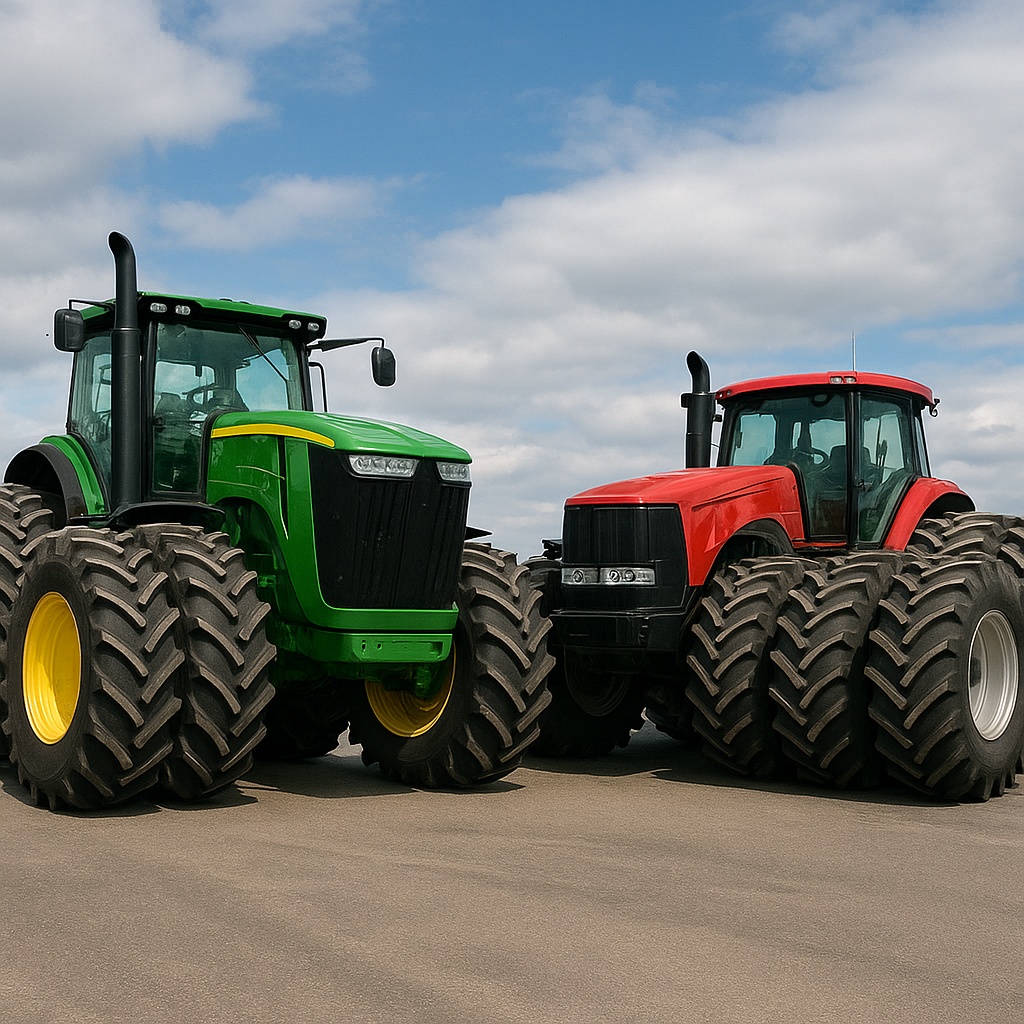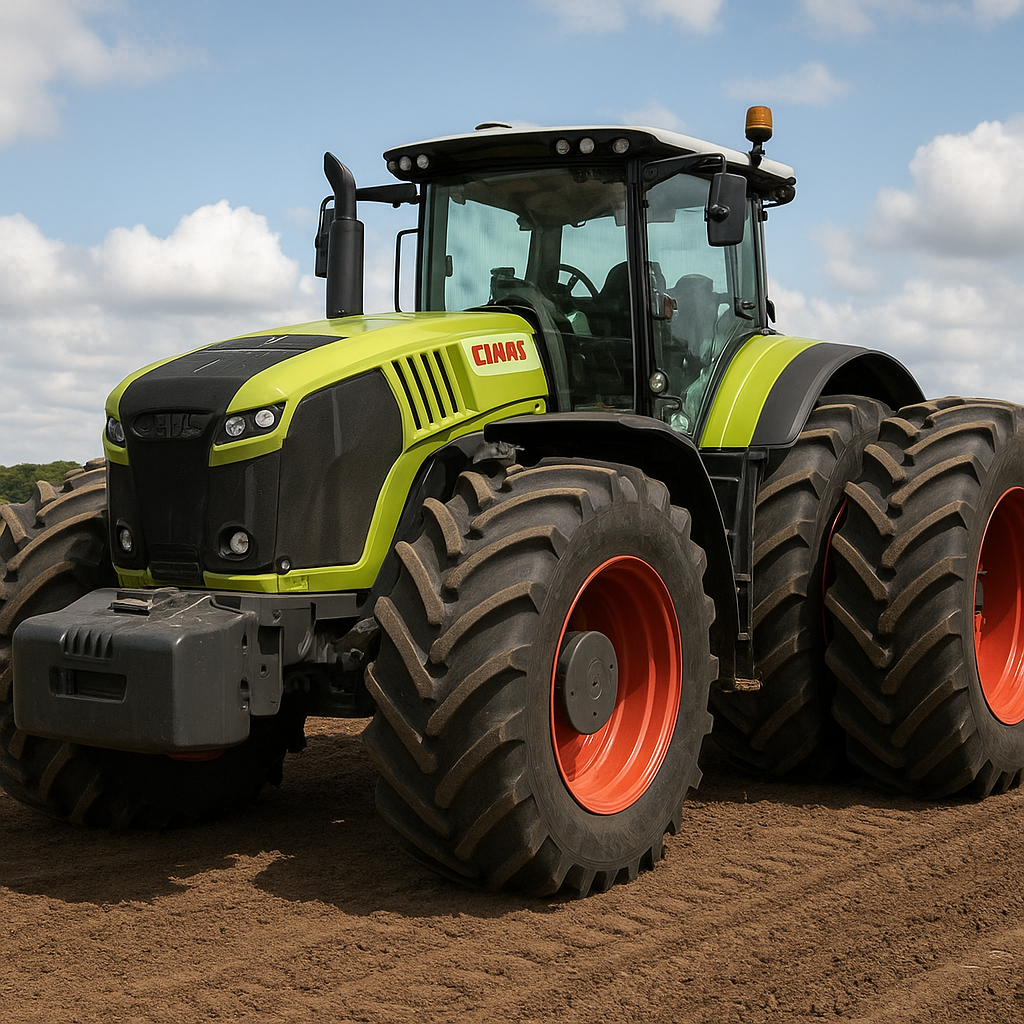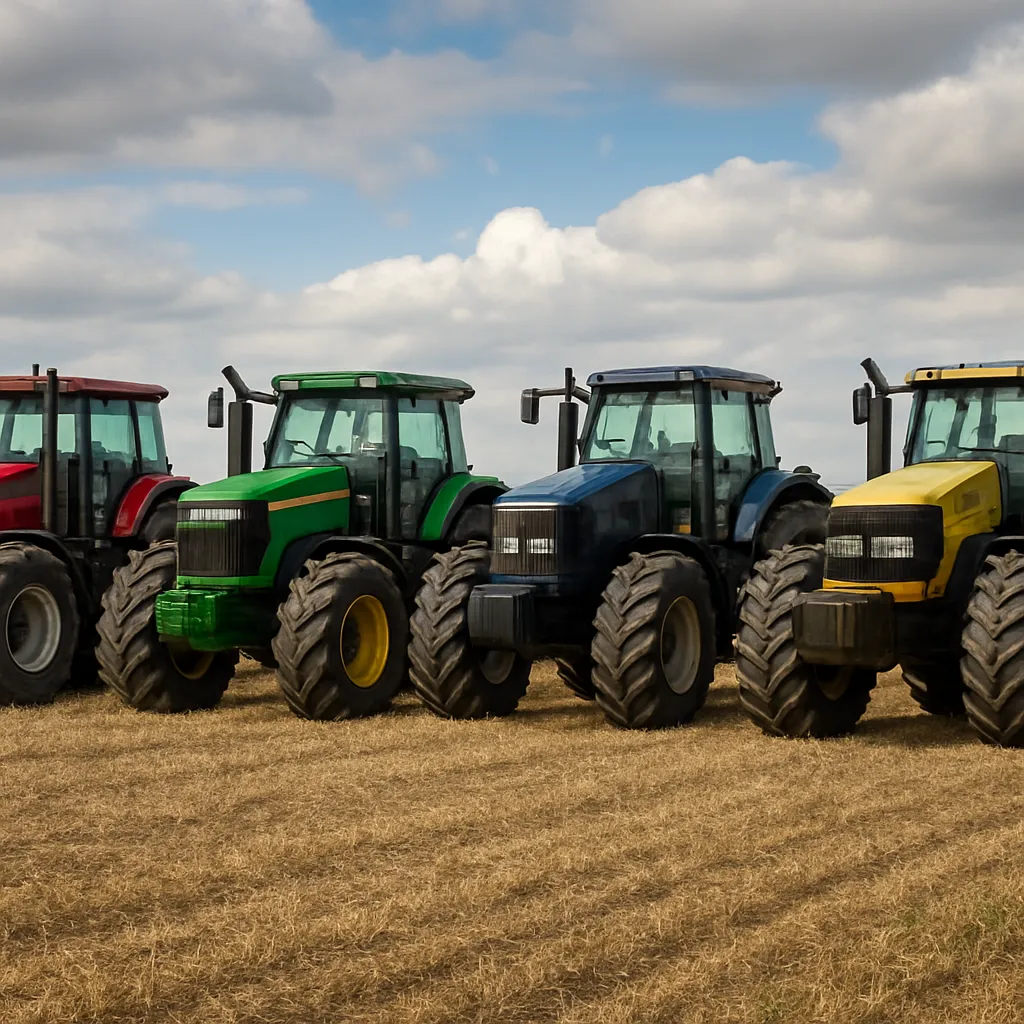
Gigantic agricultural machines have transformed the way farmers manage vast expanses of land. Among them, mega tractors stand out as the epitome of power, resilience, and cutting-edge design. These behemoths combine staggering horsepower with advanced systems to deliver unmatched performance. This article dives into the realm of the most trustworthy mega tractors ever crafted, exploring their lineage, flagship models, and the technologies that cement their reputation.
Evolution of Mega Tractors
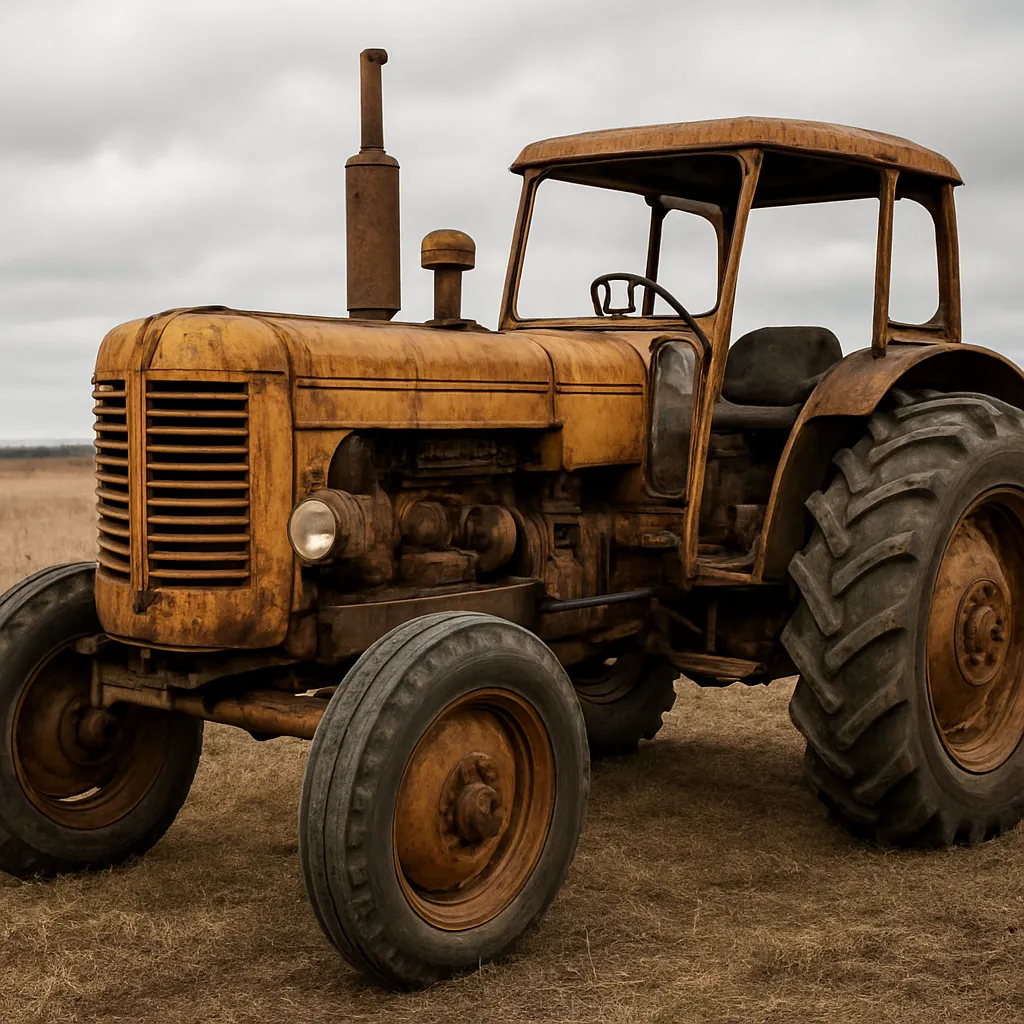
The journey of modern mega tractors traces back to the early 20th century, when farmers first experimented with mechanization. Over decades, the agricultural industry demanded ever-greater output, prompting engineers to push boundaries. Today’s ultra-giants are the result of relentless refinement in engineering and design.
- Early Innovations: Steam-powered contraptions evolved into diesel tractors, offering superior torque and reliability.
- Midcentury Advances: Introduction of sealed cabins, hydrostatic transmissions, and improved hydraulics.
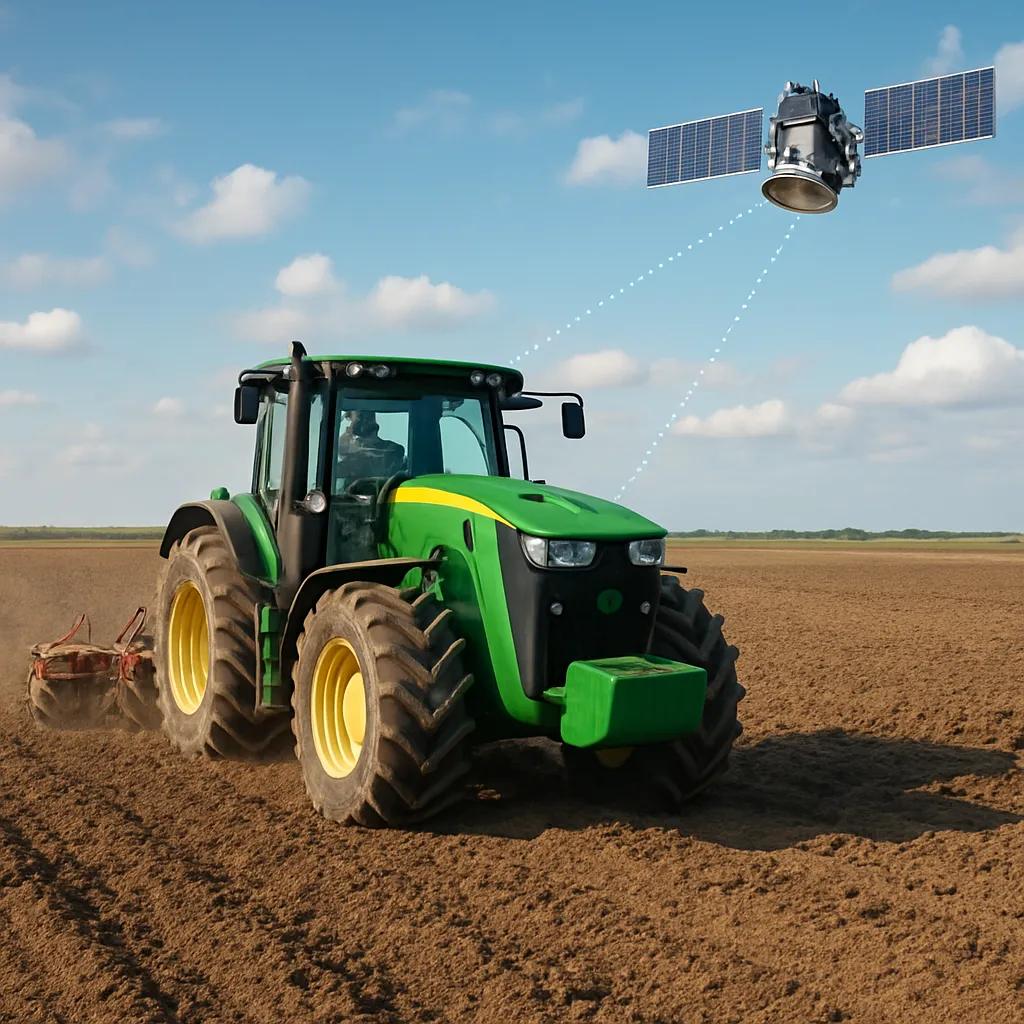
- Modern Giants: Integration of computer-controlled systems, GPS guidance, and autonomous capabilities.
From Humble Beginnings to Mechanical Titans
Initial tractors were modest in size and power, averaging 20–50 hp. Farmers quickly realized that larger implements required more muscle, triggering a race for power. By the 1970s, units surpassing 200 hp became available. Today’s market sees mega tractors boasting above 500 hp, with some specialized models eclipsing 700 hp.
Top Reliable Mega Tractor Models
Reliability is the cornerstone of any mega tractor’s appeal. Downtime on millions of acres can translate into enormous losses, so manufacturers prioritize robust components and straightforward maintenance. Below are some legendary models that have earned accolades for their steadfast performance.
1. John Deere 9RX Series
- Horsepower: 470–620 hp
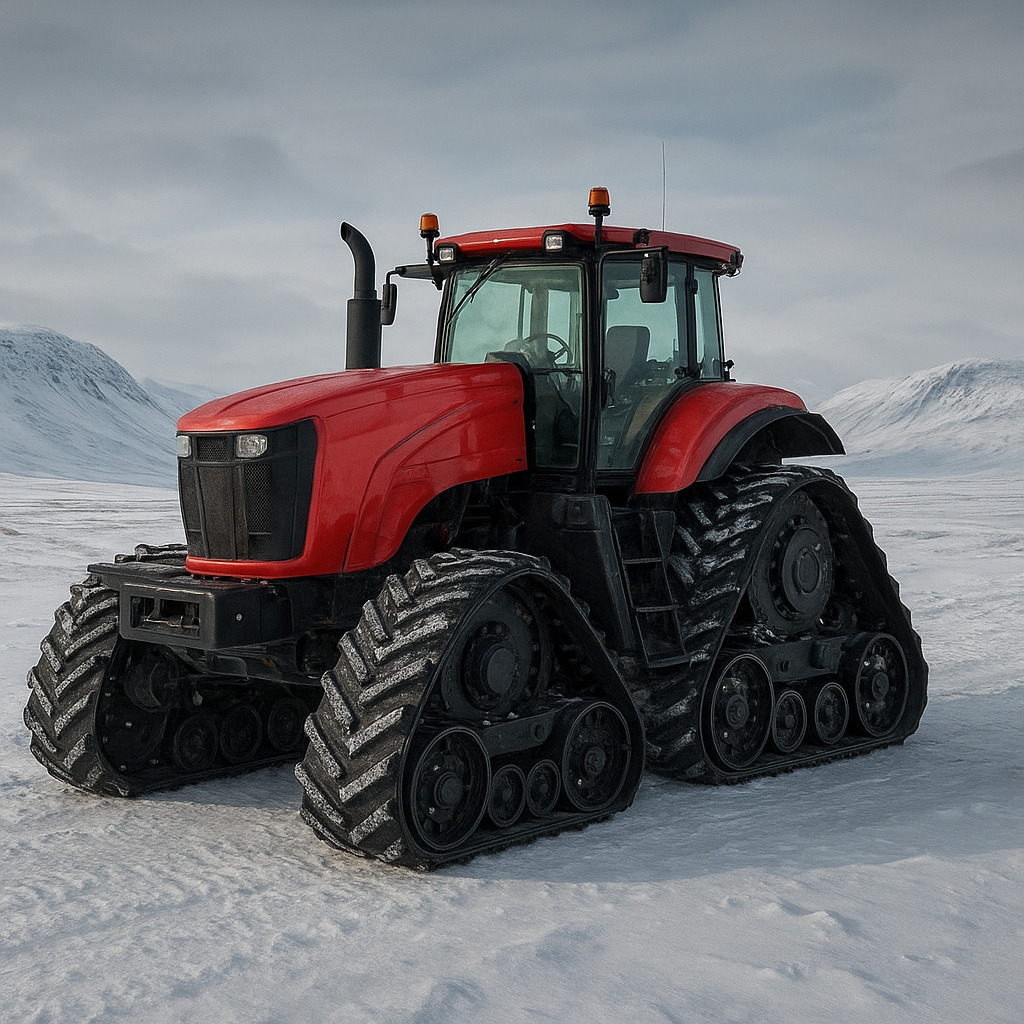
- Key Feature: Quad-track system for exceptional traction
- Reliability Highlight: Heavy-duty frame and sealed final drives minimize wear and contamination.
The 9RX series dominates large-scale farming due to its unparalleled ability to distribute weight evenly and prevent soil compaction. Its advanced cooling system ensures consistent performance in scorching conditions.
2. Case IH Steiger AFS Connect
- Horsepower: 370–620 hp
- Key Feature: Advanced Farming Systems (AFS) for real-time data and precision guidance
- Reliability Highlight: Proven PowerDrive transmission with modular design for easier repairs.
Case IH engineered the Steiger to thrive in heavy-tillage applications. Its robust drivetrain and redundant hydraulic circuits deliver sustained durability under punishing loads.
3. Fendt 1000 Vario
- Horsepower: 313–517 hp
- Key Feature: Continuously Variable Transmission (CVT) for seamless speed changes
- Reliability Highlight: High-strength chassis and optimized cooling for long workdays.
Fendt’s flagship offers refined comfort and efficiency. Operators praise its intuitive controls and minimal fuel consumption, thanks to the VarioDrive system that balances power delivery.
4. New Holland T9 Genesis
- Horsepower: 370–682 hp
- Key Feature: IntelliView touchscreen display with integrated telematics
- Reliability Highlight: Split-cooling modules allow service without shutting down the engine.
The T9 Genesis stands out for its modular design, which eases maintenance across remote operations. Its robust rear axle and frame endure the highest hitch loads with minimal flex.
Key Features and Innovations
What makes mega tractors not just bigger but also more reliable? Manufacturers invest heavily in systems that prevent failure, simplify service, and enhance operator confidence. The following innovations represent pivotal steps toward ultimate dependability.
- Modular Powertrains: Standardized engine and transmission modules reduce part complexity and speed up repairs.
- Advanced Filtration: Multi-stage air, fuel, and hydraulic filters ensure contaminants never compromise critical systems.
- Telematics and Diagnostics: Real-time monitoring predicts component wear, scheduling service before breakdowns occur.
- Redundant Systems: Dual-circuit hydraulics and backup power supplies keep tractors operational even if one circuit fails.
- Enhanced Cooling: Tiered radiators and variable-speed fans maintain optimal temperatures under peak loads.
Electrification and Hybrid Drives
While conventional diesel engines remain dominant, hybrid powertrains and electric auxiliaries are emerging. These systems store energy during deceleration and reuse it for hydraulic functions, cutting stress on the engine and improving efficiency. Some prototypes even incorporate battery packs to drive low-speed operations fully electric, reducing wear on mechanical components.
Precision Guidance and Automation
Autonomous steering and section control reduce operator fatigue and prevent overlap in field passes. These digital systems rely on robust sensors and innovation in software algorithms. By minimizing human error, they also protect the tractor’s drivetrain and implement interfaces from unnecessary strain.
Maintenance and Longevity Strategies
Even the most well-engineered mega tractor requires meticulous upkeep to achieve its design lifespan. Proactive maintenance not only preserves durability but also enhances resale value. Below are best practices adopted by professionals worldwide.
Daily Checks:
- Inspect fluid levels (engine oil, coolant, hydraulic fluid) before startup.
- Examine air intake and radiator screens for debris buildup.
- Grease all recommended fittings to maintain proper lubrication.
Scheduled Services:
- Replace primary filters every 500 operating hours.
- Conduct valve adjustments and injector calibrations at 1,000-hour intervals.
- Monitor transmission fluid condition via onboard diagnostics; change as needed.
Seasonal Storage:
- Apply protective coatings on exposed metal and electronic connectors.
- Run the engine briefly under load to circulate stabilizers in the fuel system.
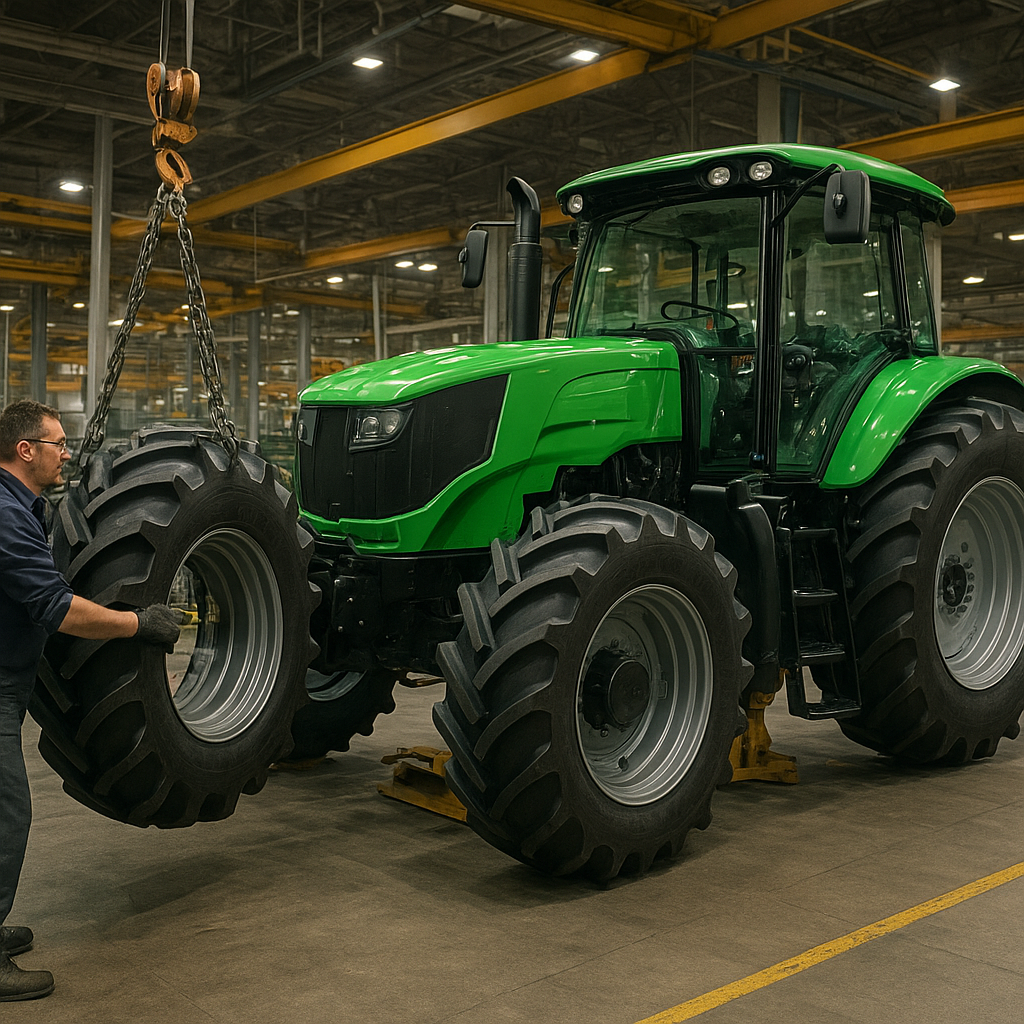
- Elevate the machine or rotate tires to prevent flat spots.
By following a comprehensive maintenance protocol, operators can ensure their mega tractors continue to deliver peak performance season after season, often surpassing 10,000 hours of productive life with minimal breakdowns.