Across sprawling fields and pioneering workshops, the saga of the legendary Big Bud tractors stands as a testament to agricultural ambition. Born in an era when size equaled strength, this titan of the farm has captured the imagination of engineers and operators alike. As the brand undergoes a modern resurgence, its reputation for unmatched power and enduring performance continues to shape the future of large-scale cultivation.
HISTORY OF BIG BUD GIANTS
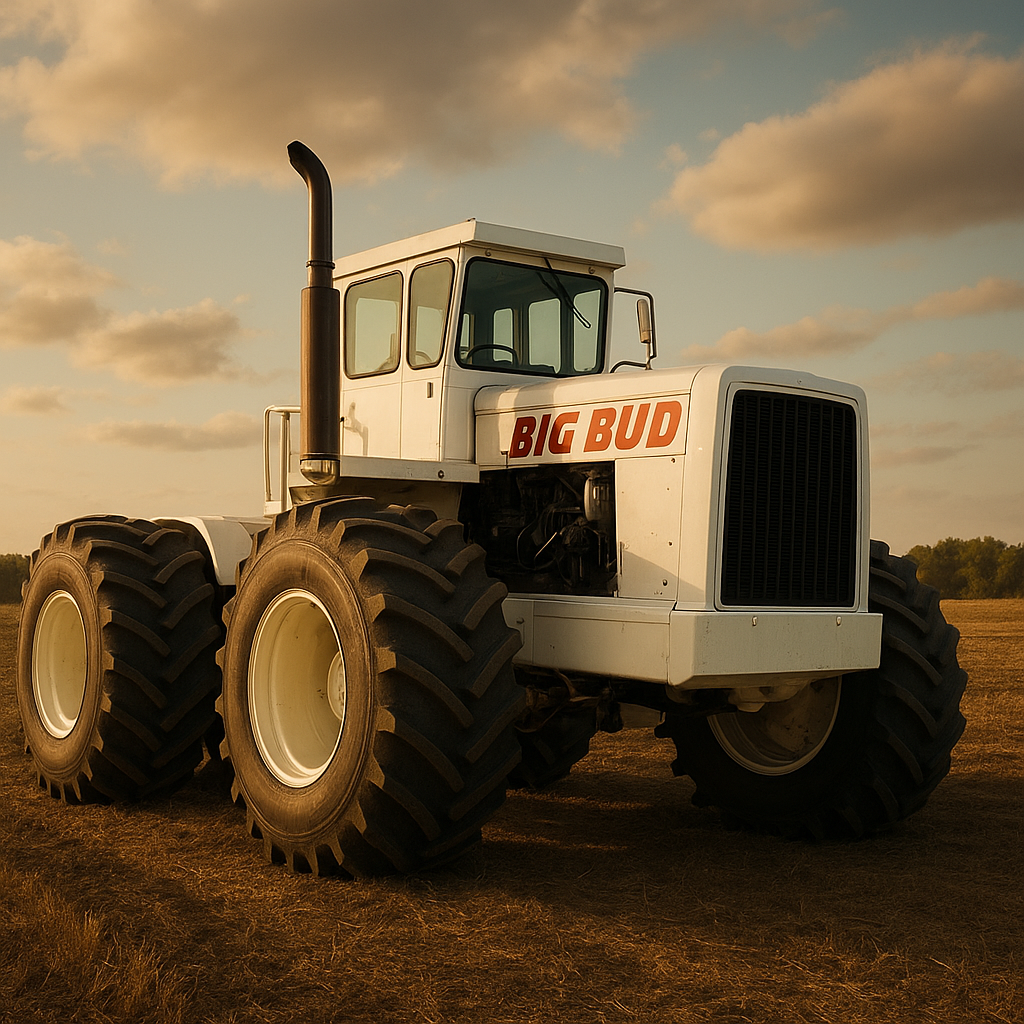
The Big Bud story begins in 1977 when grower Bud Aust set out to build the world’s largest tractor. By combining dual engines, reinforced frames, and custom transmissions, he gave life to a machine that dwarfed every conventional model on the market. At the heart of the original Big Bud 747 lay two Detroit Diesel engines delivering a combined 760 horsepower—numbers that were unheard of at the time.
Early prototypes underwent rigorous field trials, plowing acres of wheat, corn, and barley across Montana’s vast plains. Engineers and farmers alike marveled at the tractor’s ability to pull massive implements without slowing down. The Big Bud’s reputation for durability and reliability spread rapidly, earning it a near-mythical status among tractor enthusiasts.
Despite its success, production halted in the mid-1980s due to economic downturns. Units became scarce, and maintenance parts were often custom-fabricated. Yet the legend endured. Decades later, collectors and agricultural historians would recount stories of the enormous yellow machine that redefined what a tractor could be.
ENGINEERING A NEW STANDARD
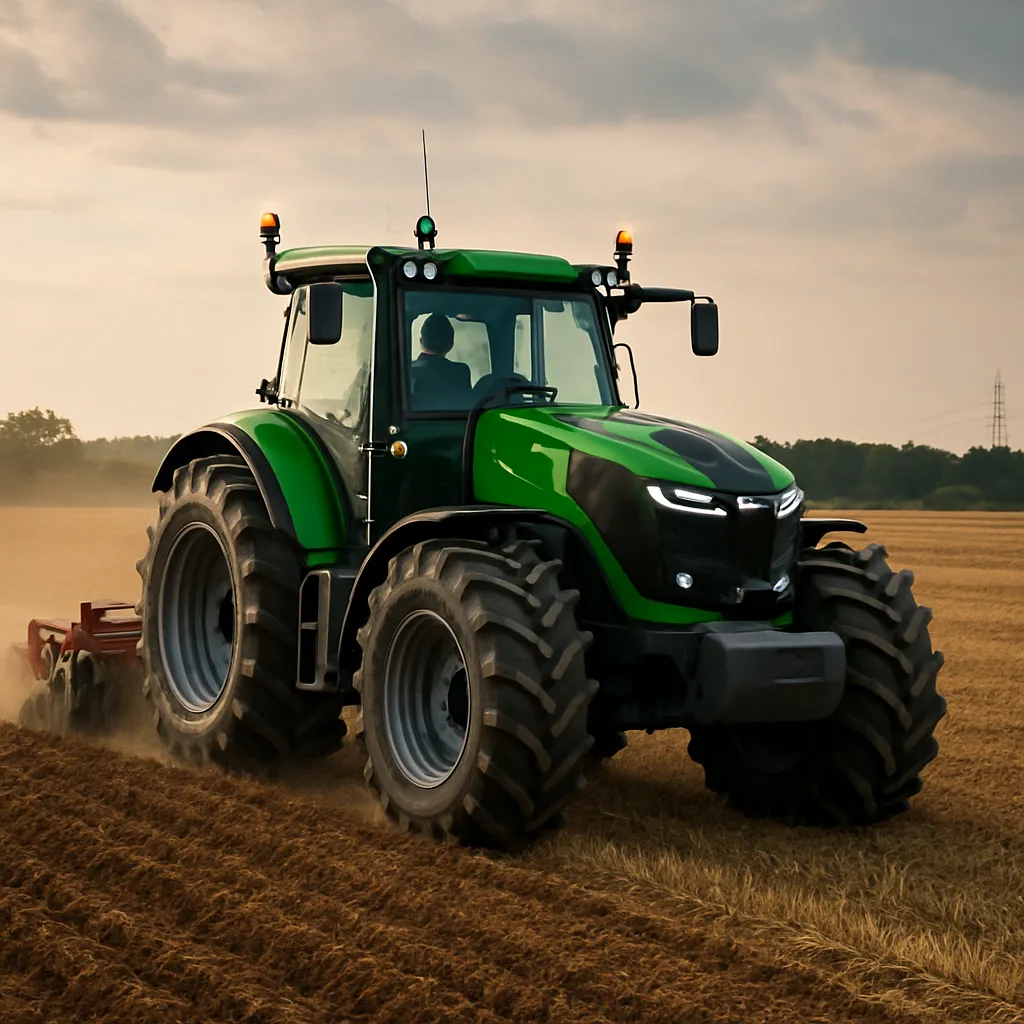
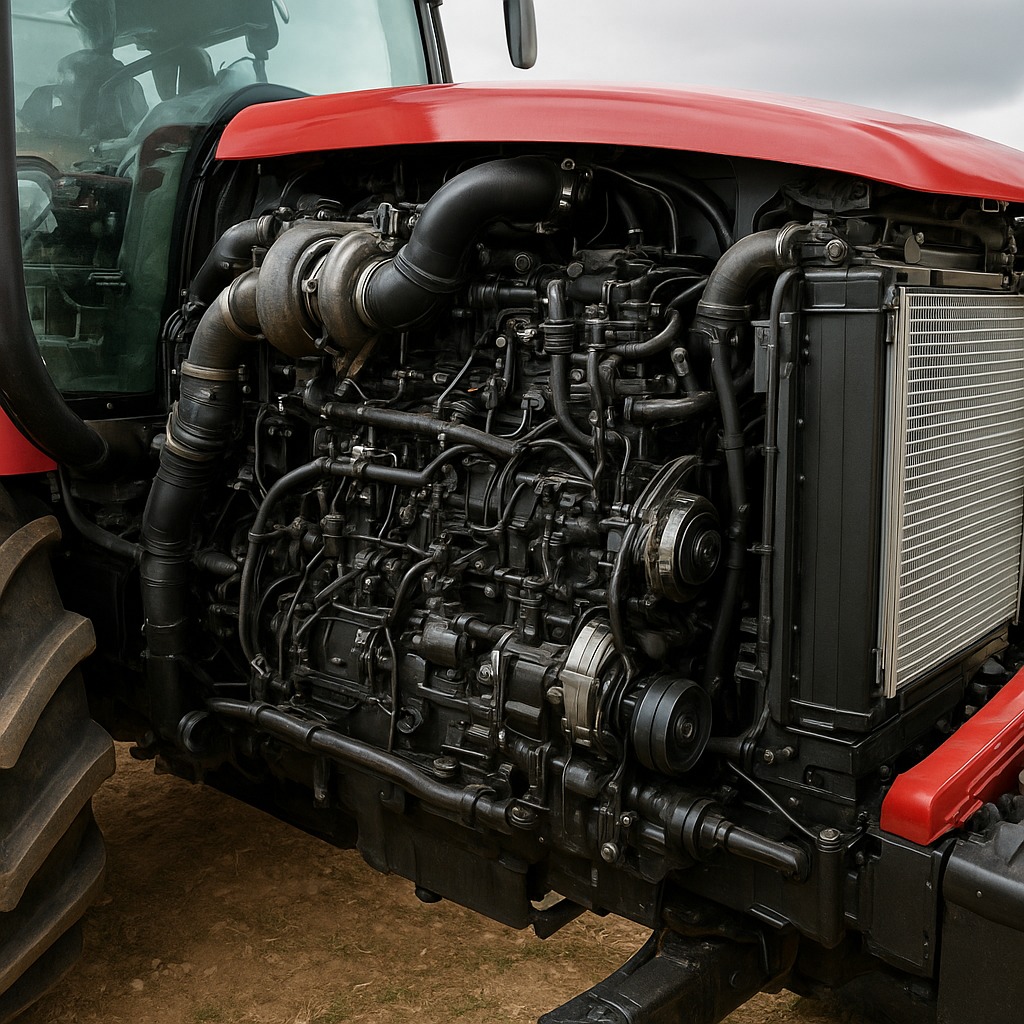
Reviving the Big Bud brand meant integrating decades of technological innovation into a modern chassis. Engineers began by reimagining the drivetrain, replacing outdated diesel engines with cutting-edge powerplants featuring turbocharging and emissions controls. The result: a single engine output exceeding 1,000 horsepower while meeting stringent environmental regulations.
- Advanced hydraulics for precise implement control
- Heavy-duty transmissions with multi-speed electronic shifting
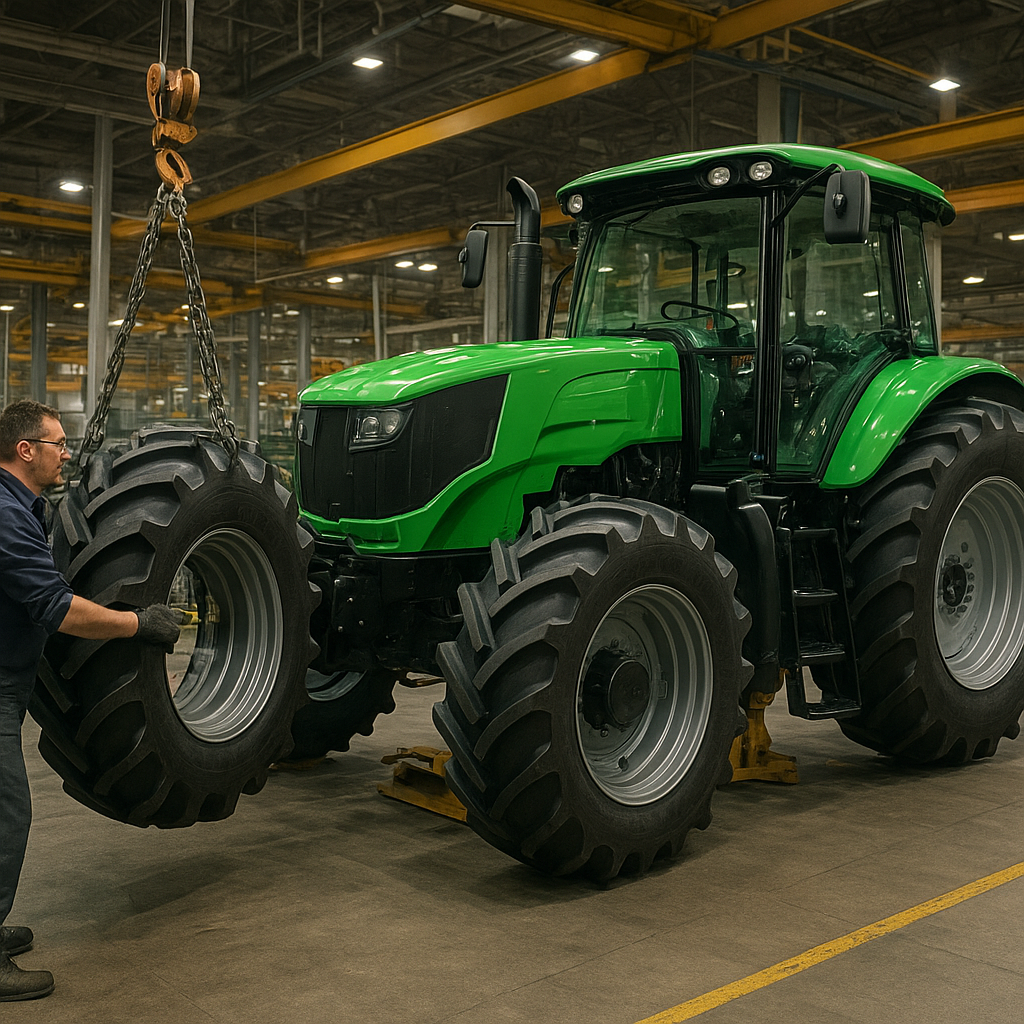
- Reinforced frame structures using high-strength alloys
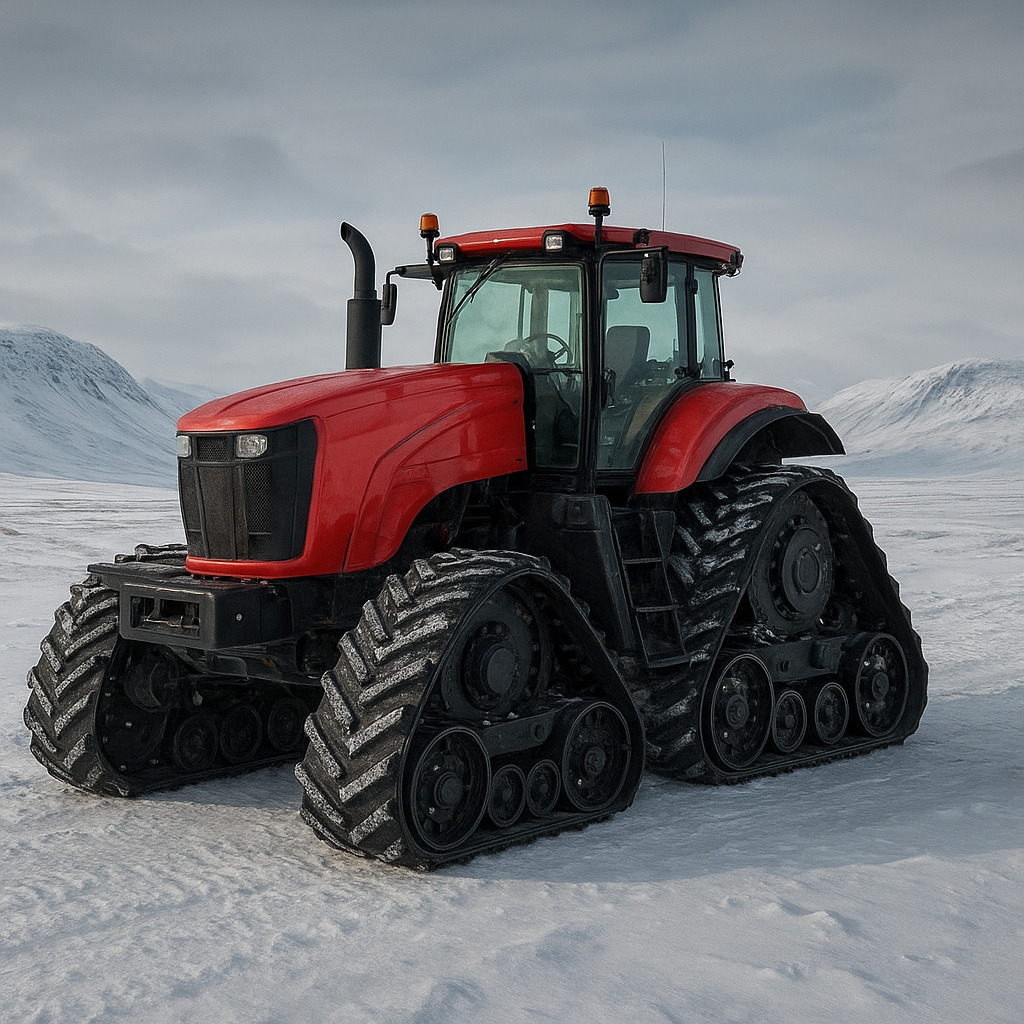
- Adaptive suspension to optimize traction across varied terrains
Integration of computer-controlled systems now allows operators to monitor fuel consumption, engine load, and soil compaction in real time. A suite of sensors ensures that every acre is tilled with consistent depth and minimal waste. This level of precision represents a leap forward from the analog dials and manual levers of the original model.
COMPARING COLOSSAL TRACTORS
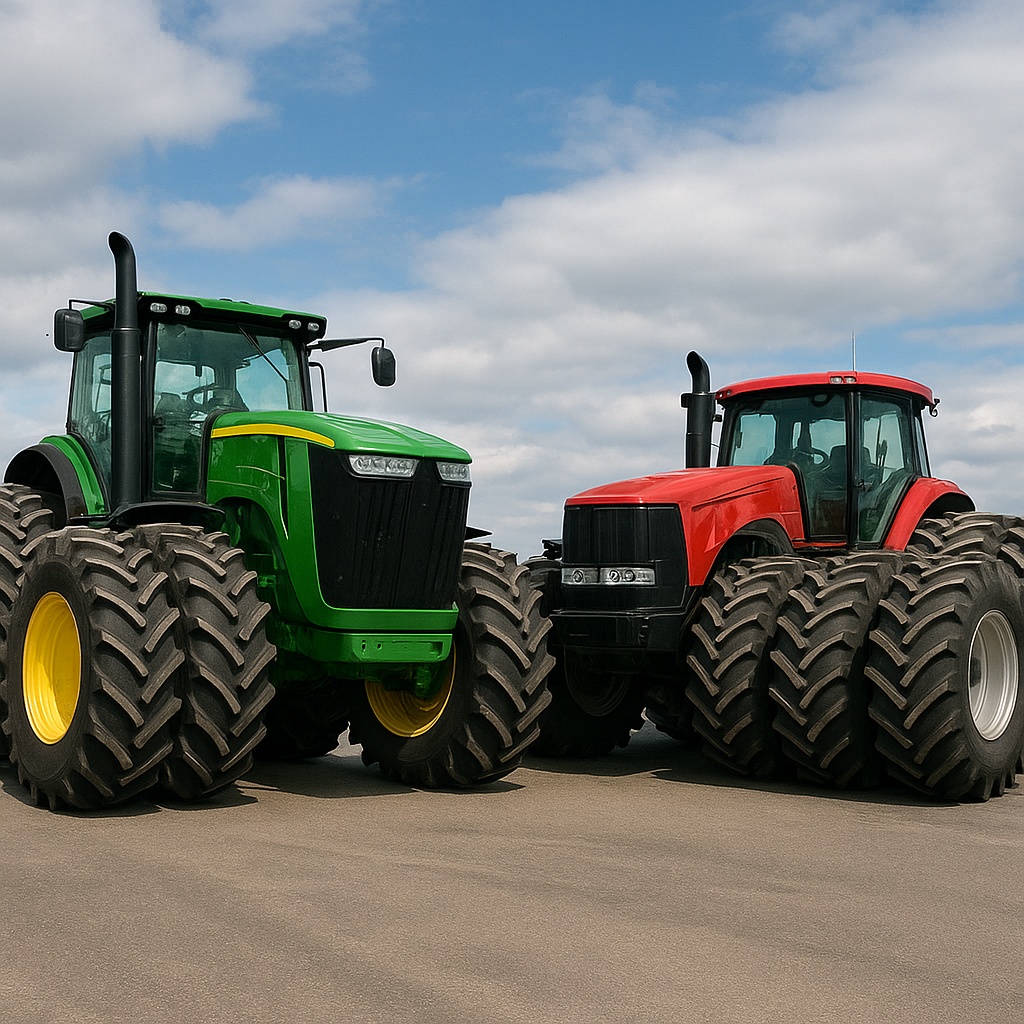
The modern Big Bud must stand alongside giants from John Deere, Case IH, and Fendt. Each competitor offers its own approach to raw output, but the questions remain:
- How does the latest Big Bud match up in terms of horsepower and torque?
- Can its onboard automation systems rival the precision planting solutions of rivals?
- What is the total cost of ownership compared to multi-million-dollar alternatives?
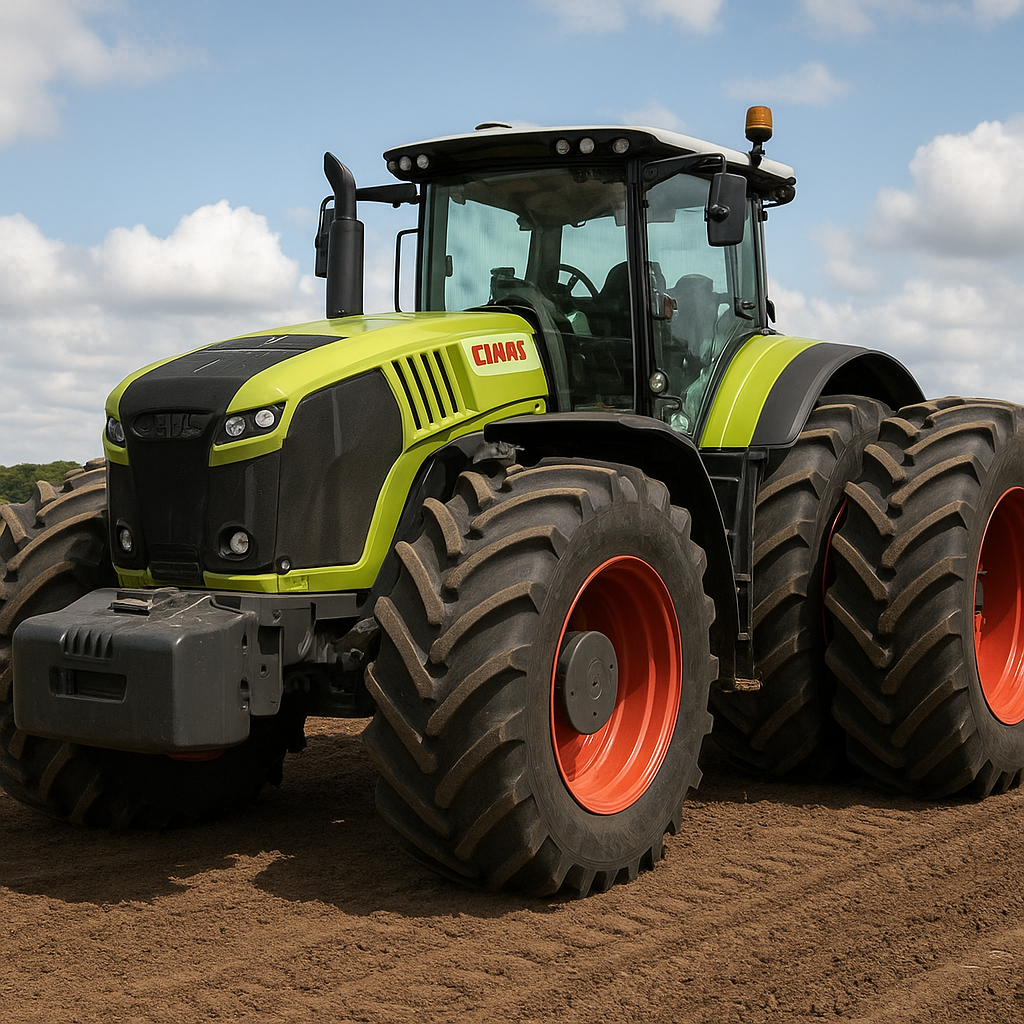
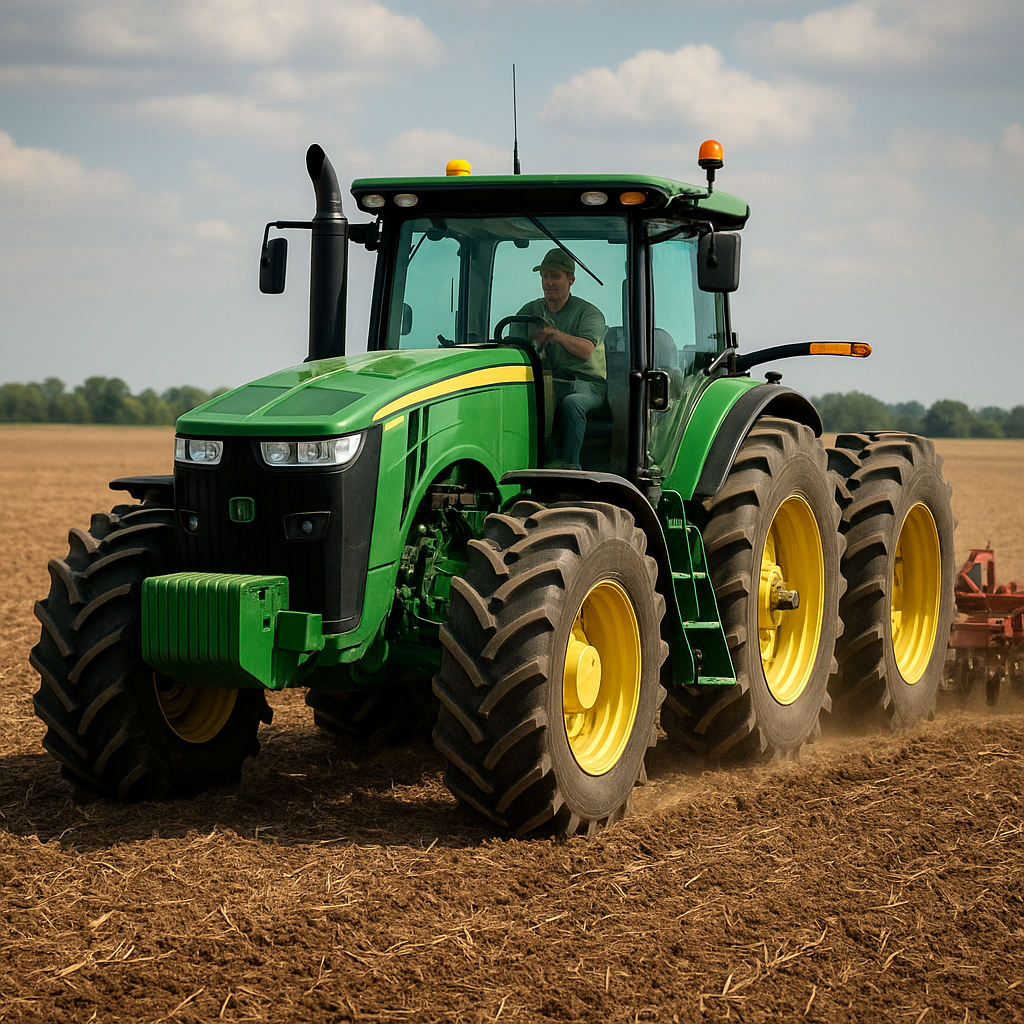
Independent field tests have shown that while John Deere’s flagship models boast up to 620 horsepower, the revamped Big Bud eclipses these figures. Meanwhile, European brands often lead in fuel efficiency and operator comfort, prompting Big Bud to upgrade cabin amenities with air-ride seats, climate control, and panoramic visibility.
MODERN MARKET REVIVAL
The brand’s resurgence hinges on strategic partnerships with dealers and rental services. In regions such as North America, Australia, and Eastern Europe, large-scale growers demand machines capable of covering hundreds of acres per day. Big Bud’s return is timed to meet this industrial appetite.
- Leasing programs tailored for seasonal operations
- Modular attachments for seeding, tillage, and fertilization
- Certified training courses for fleet managers and mechanics
By offering comprehensive service plans and extended warranties, Big Bud ensures that operators experience minimal downtime. Factory-authorized parts warehouses have sprung up across key agricultural hubs, providing rapid access to spares and reducing the reliance on custom fabrication.
INNOVATIONS IN DESIGN
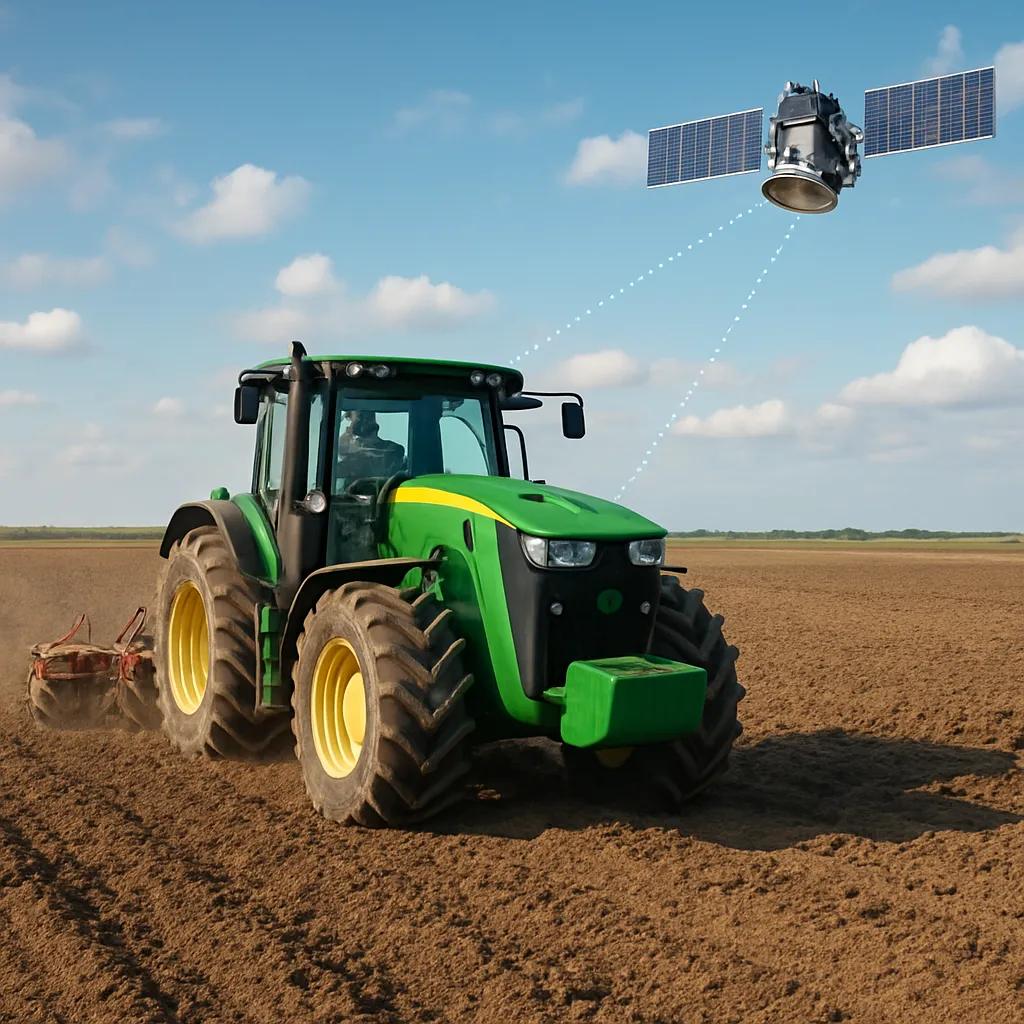
Today’s Big Bud combines tradition with forward-looking breakthroughs. Lightweight composite materials reduce overall weight without compromising structural integrity, while next-generation LED lighting systems enhance nighttime operations. GPS-guided auto-steer modules maintain straight planting rows with sub-inch accuracy, bolstering yield potential.
Connectivity features include in-cab touchscreens, remote diagnostics, and cloud-based performance analytics. These allow agronomists to fine-tune machine settings from afar, optimizing planting schedules and fertilizer application rates. Such integration transforms the tractor into a data-driven ally, a far cry from its analog ancestors.
Safety innovations have also been a priority. Roll-over protection structures, emergency shutoff protocols, and pedestrian detection sensors ensure that large-scale operations can proceed without undue risk to operators or bystanders.
FUTURE PROSPECTS AND IMPACT
As global populations rise and arable land faces increased pressure, machines like the Big Bud will play a pivotal role. Ongoing research explores hybrid and fully electric drivetrains, aiming to reduce carbon footprints while maintaining unprecedented levels of power. Collaborations with renewable energy firms may soon see solar-assisted charging stations at remote farm locations.
In the realm of precision agriculture, Big Bud’s continued evolution will focus on AI-driven implement control, drone coordination, and soil health monitoring. By harnessing these advances, farmers can adapt to unpredictable weather patterns and maintain sustainable yields.
The brand’s narrative—rooted in ambition and engineered for the future—serves as a reminder that agricultural innovation knows no bounds. With each new field conquered, the Big Bud legend experiences yet another resurgence, reaffirming its place at the forefront of mechanized farming.