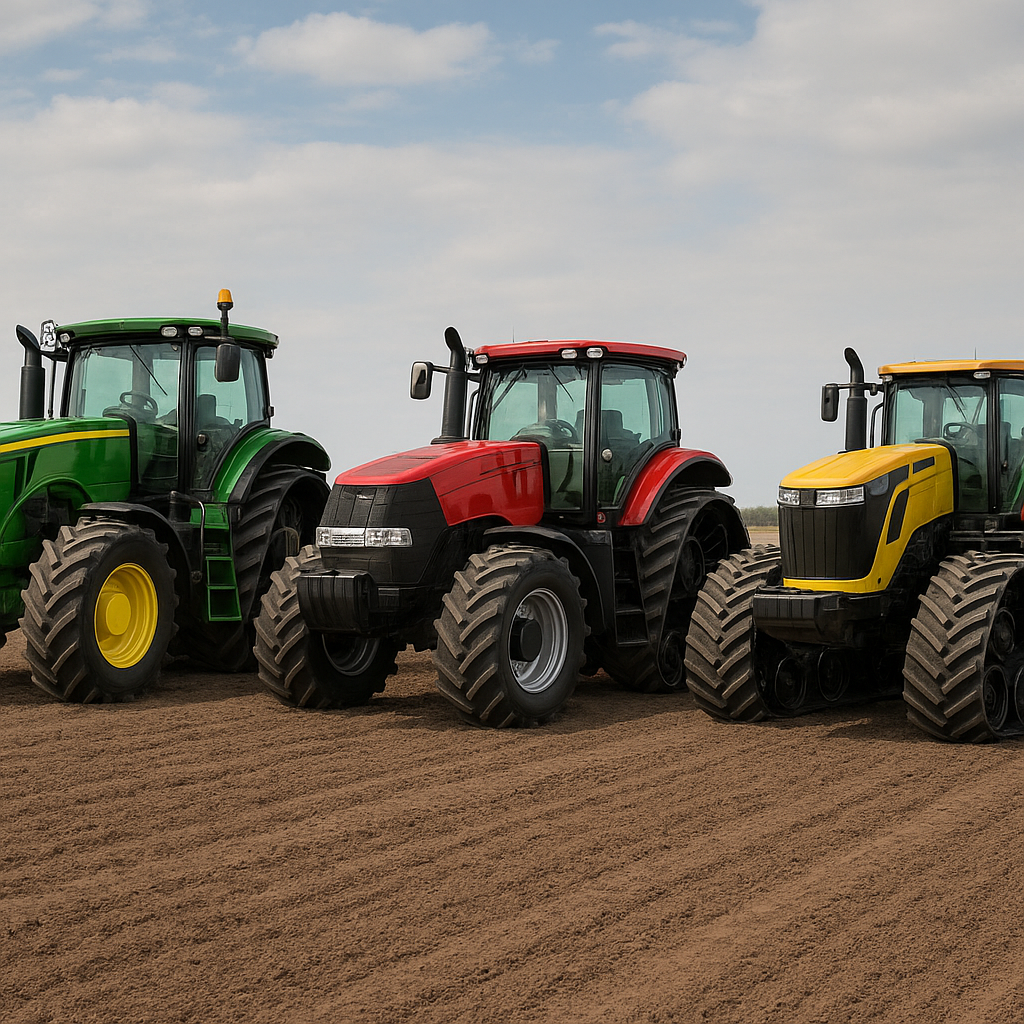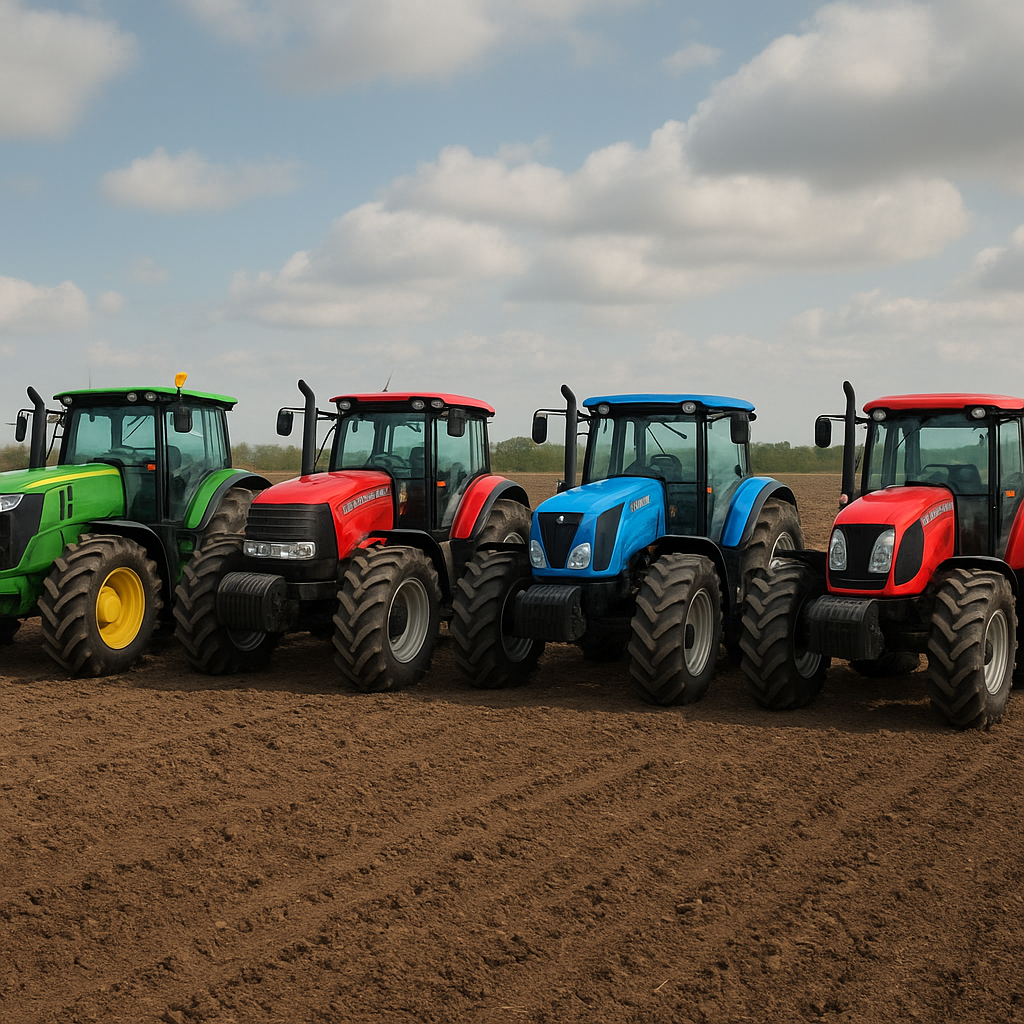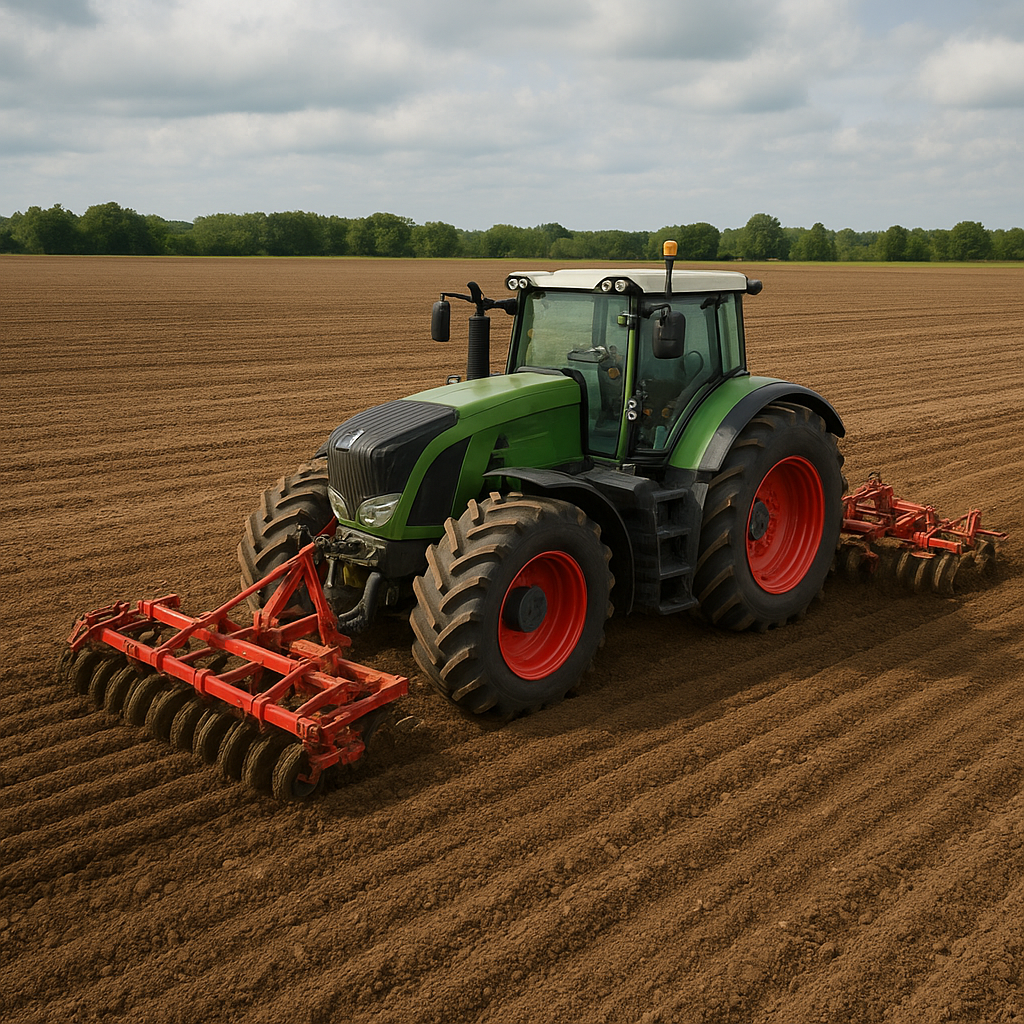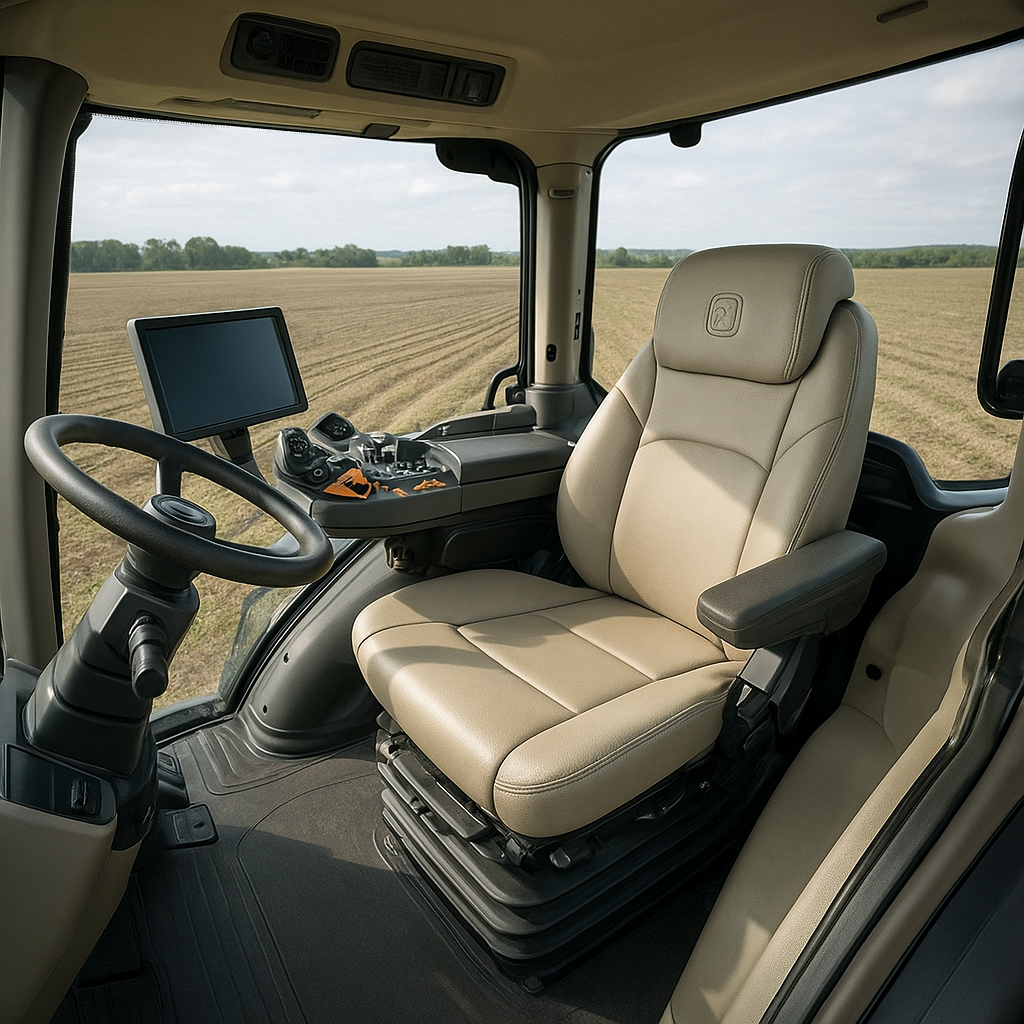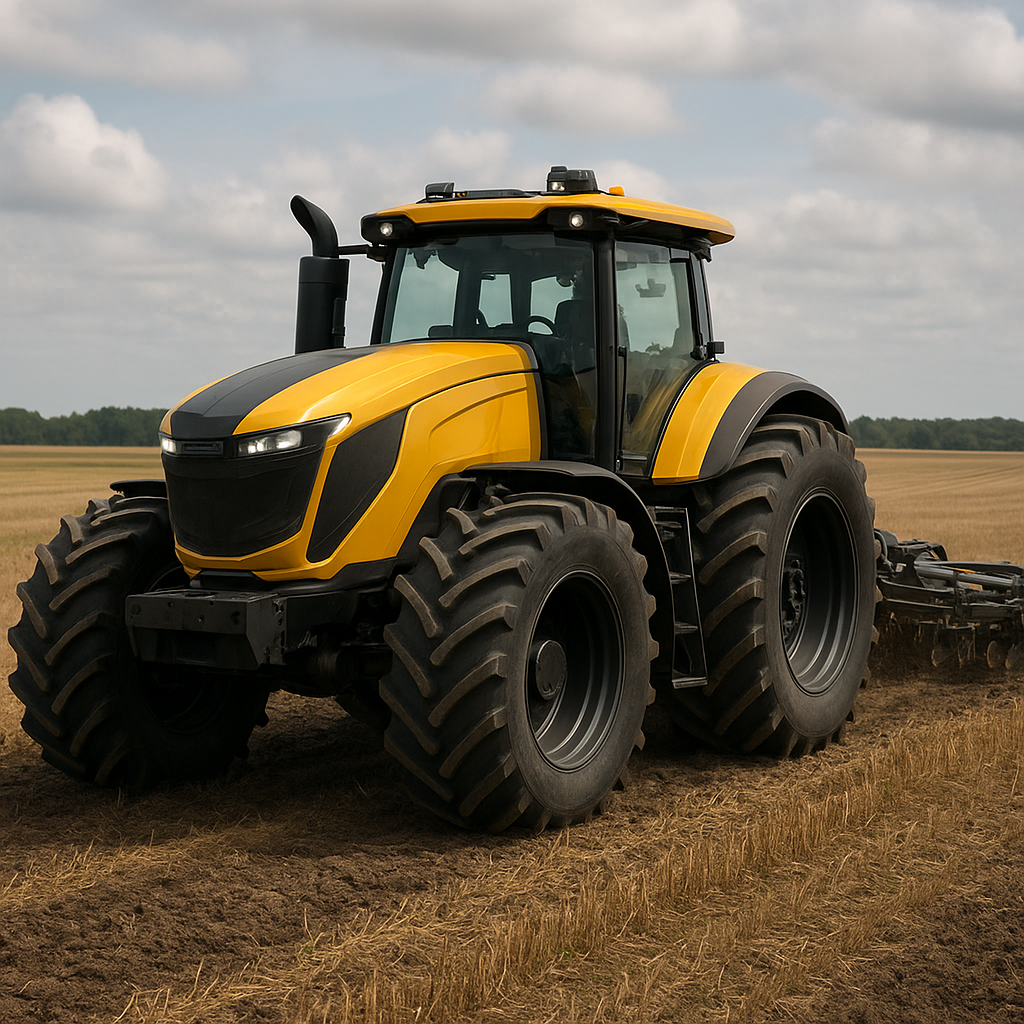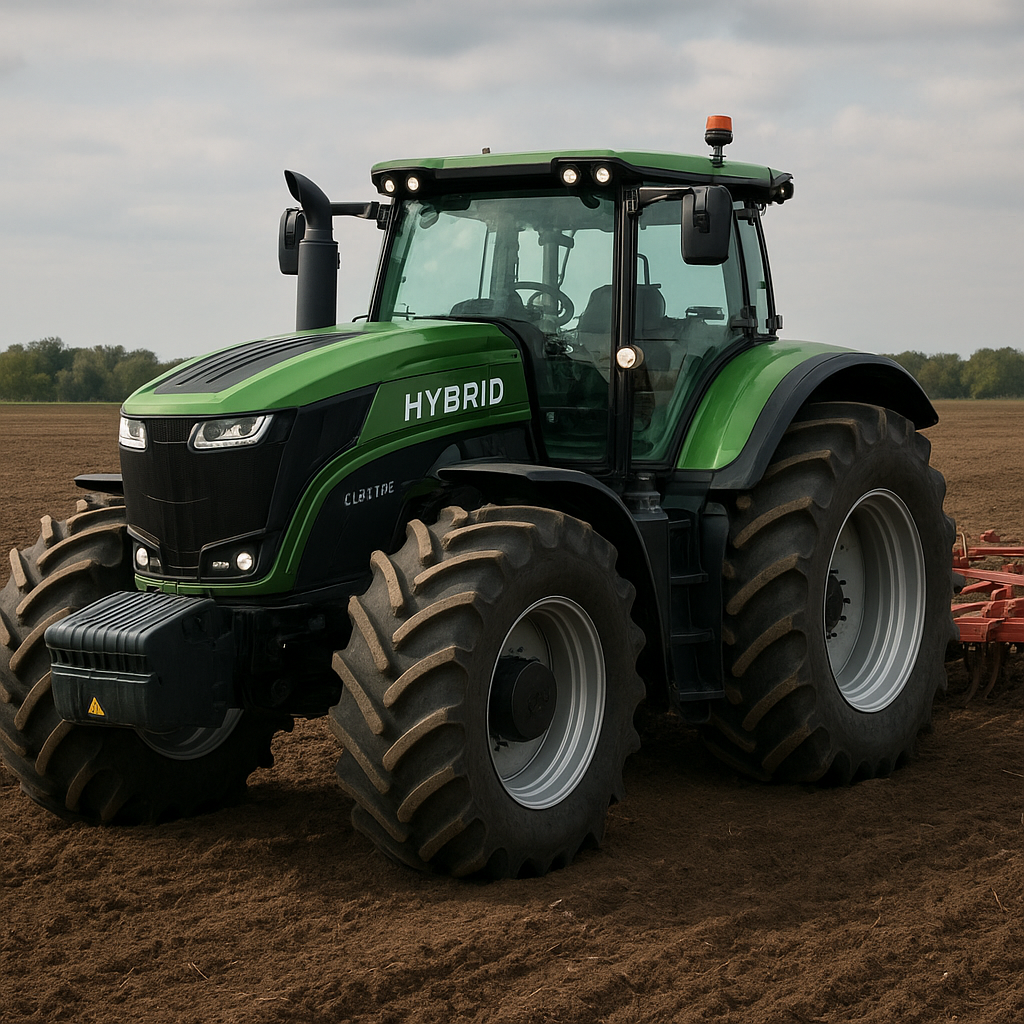
The evolution of agricultural machinery has accelerated rapidly, with the latest innovations propelling the industry into a new era. Among these developments, the integration of hybrid and electric powertrains in colossal farming machines has sparked considerable interest. This article examines the ascent of next-generation mega tractors, the technologies driving their performance, the market leaders innovating in this space, and the hurdles and prospects that lie ahead.
Advancements in Powertrain Technologies
Traditional mega tractors, often exceeding 500 horsepower, have historically relied on massive diesel engines to deliver the pulling force necessary for large-scale operations. However, concerns about rising fuel costs, stringent emissions regulations, and environmental sustainability have driven research into alternative power systems. Over the past decade, several breakthroughs have emerged:
- Hybrid systems combining high-torque diesel engines with electric motors to boost low-end power and smooth out load fluctuations.
- Pure electric drivetrains featuring high-capacity battery modules and advanced inverter technologies capable of handling the immense currents required by heavy farm equipment.
- Modular architectures designed for battery swapping or rapid on-site recharging, minimizing downtime in demanding planting and harvesting windows.
Dual-Mode Hybrid Tractors
In a dual-mode setup, the engine and electric motors operate in tandem. During high-load tasks such as deep tilling or baling, both power sources share the workload. For lighter operations like seeding or transport along field roads, the tractor can run solely on electric power, slashing fuel consumption by up to 40 percent. Key enablers include:
- Regenerative braking on multi-ton implements to recapture kinetic energy.
- Advanced power management units that seamlessly allocate torque between engine and motor.
- High-voltage battery packs cooled by liquid-circulation systems to maintain consistent performance under extreme loads.
All-Electric Mega Tractors
Electrification advocates highlight the potential for zero tailpipe emissions and quieter operation—valuable for night-time tasks near residential areas. Contemporary prototypes achieve more than six hours of continuous fieldwork on a single charge, thanks to:
- Energy-dense lithium-ion cells optimized for deep discharge cycles.
- Ultra-fast charging stations capable of delivering megawatts of power within 30 minutes.
- On-board solar panels supplementing the vehicle’s energy budget under clear skies.
Major Players and Key Models
The competition to dominate the hybrid and electric tractor market is intensifying. Leading agricultural OEMs and nimble startups alike are unveiling models that push the envelope of efficiency and raw pulling capacity.
Global OEM Innovations
- John Deere: Its X-Series hybrid prototypes boast over 600 horsepower equivalent, integrating a 300 kW electric motor with a 200-liter engine. Intelligent load-sensing hydraulics further optimize energy use.
- AGCO: Through its Fendt concept division, AGCO demonstrated a fully electric 800-volt tractor platform named eMATE, featuring 500 kWh of modular battery capacity and a peak torque rating exceeding 6,000 Nm.
- CNH Industrial: Case IH’s Magnum Electric model is designed for both field operations and yard tasks, with battery packs that can be hot-swapped in less than 15 minutes. Onboard telematics monitor cell health to extend pack life.
Startups and Disruptors
- ElectroGrow: A Silicon Valley spin-off creating repurposed industrial electric drivetrains for retrofitting existing diesel giants. Their plug-and-play kits can convert 300–700-horsepower tractors to hybrid operation.
- GreenField Technologies: European newcomer with a focus on zero-emission orchard and vineyard machinery. Their compact electric tractors emphasize maneuverability and near-silent operation in sensitive environments.
- AeroFarm Machinery: Announced a hydrogen-fuel-cell prototype that combines hydrogen range extenders with battery storage, promising rapid refueling and extended field autonomy.
Challenges and Opportunities in Electrification
Despite the excitement surrounding electrically powered tractors, several obstacles must be addressed before widespread adoption can occur. The key challenges encompass both technical and economic dimensions:
- Infrastructure: Rural areas often lack high-capacity charging networks. Establishing robust charging corridors and integrating on-farm renewable generation are critical steps.
- High up-front investment: Electric and hybrid mega tractors carry significant premiums over conventional models, though operating cost savings over the machine’s lifetime can offset this gap.
- Battery longevity: The demanding duty cycles of farm work—characterized by frequent charge/discharge events under heavy loads—require cells designed for extended cycle life and rugged conditions.
- Operator training: New powertrain systems demand updated maintenance protocols and safety procedures, including high-voltage handling and thermal management oversight.
Economic Incentives and Policy Drivers
Government subsidies, tax credits, and low-interest loan programs can accelerate electrification in agriculture. European Union programs and U.S. infrastructure bills have earmarked billions for rural EV charging and farm electrification grants. Carbon credit markets further reward farmers who reduce on-site emissions through cleaner machinery.
Future Outlook for Mega Tractors
The convergence of renewable energy, digital farming platforms, and advanced powertrain systems paints an optimistic picture for the next generation of agricultural machinery. As battery costs decline and charging networks expand, hybrid and electric mega tractors will become increasingly viable for a broad spectrum of farming operations.
Integration with precision agriculture tools—such as GPS-guided auto-steering, variable-rate application systems, and real-time telematics—will enhance the overall efficiency of fieldwork. Predictive maintenance algorithms can leverage onboard sensor data to schedule service before breakdowns occur, preserving uptime during critical planting and harvest windows.
Moreover, the push toward carbon-neutral farming will drive wider acceptance of emission-free machines. By pairing electric tractors with on-farm sustainability initiatives—like solar or wind generation—producers can create closed-loop systems that minimize fossil fuel dependence. Ultimately, these advances in powertrain innovation, energy management, and digital connectivity will redefine productivity benchmarks for modern agriculture, unlocking new possibilities for growers worldwide.