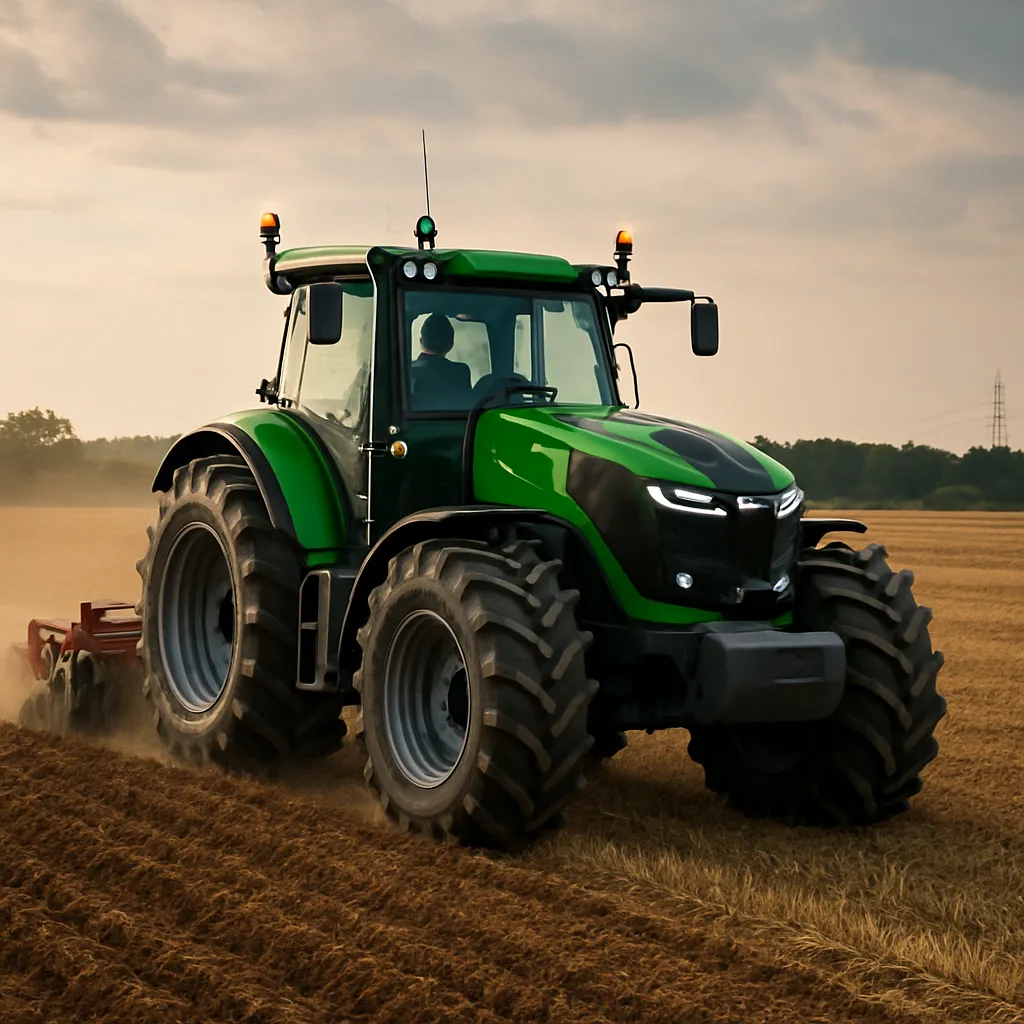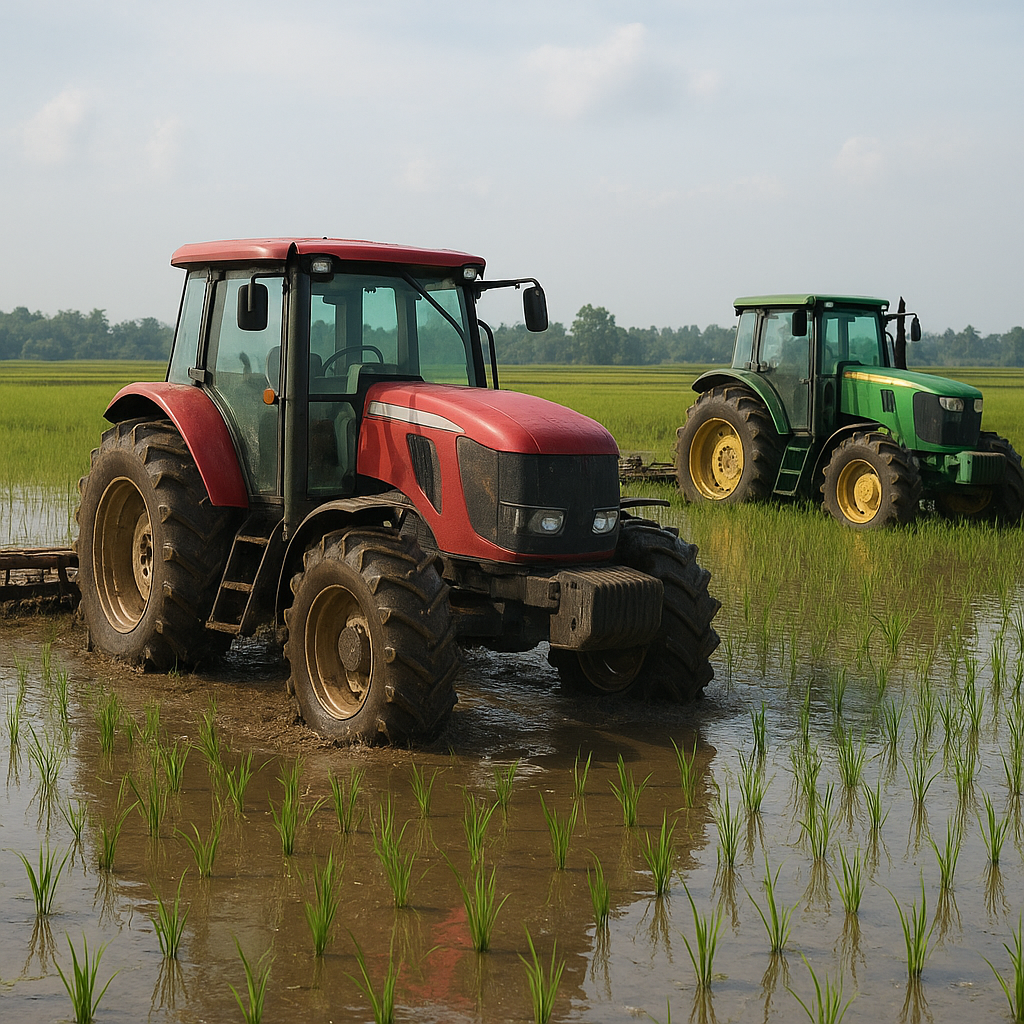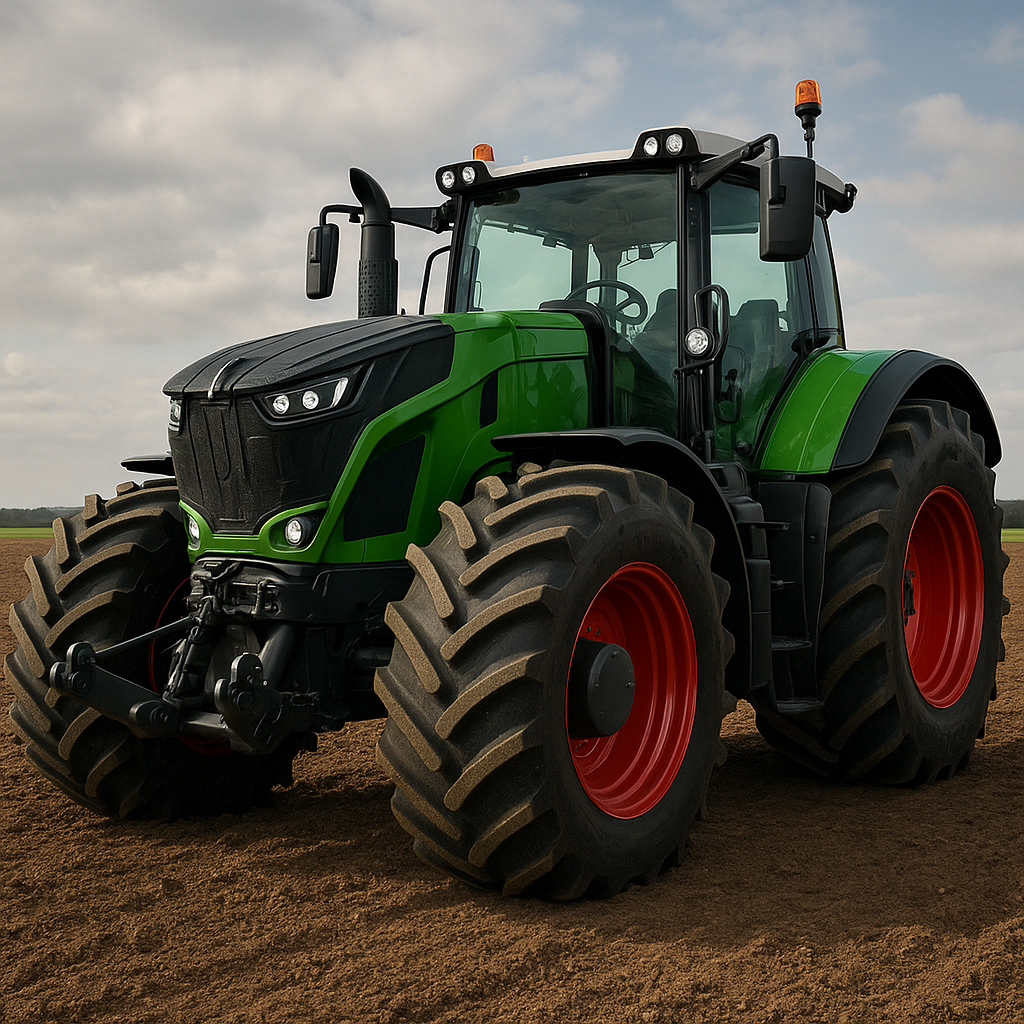
The world’s most massive tractors combine raw brute strength with cutting-edge technology to revolutionize modern agriculture. From colossal engines generating astounding horsepower to intelligent systems enabling autonomy and remote diagnostics, these machines set new standards for productivity and field management. Exploring their design, functionality, and future directions reveals how farmers harness unparalleled power and advanced features to optimize yields and embrace digital farming.
Supercharged Power and Performance
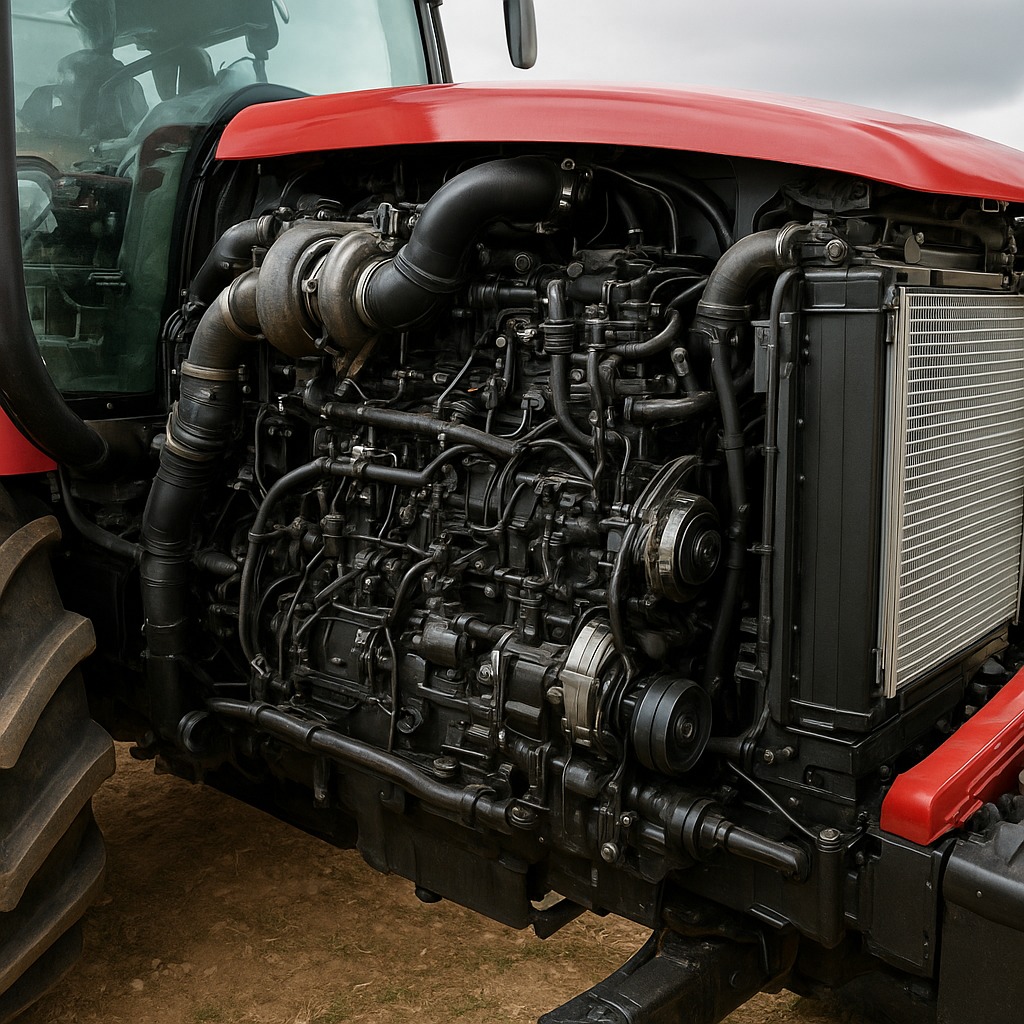
At the heart of any record-breaking tractor lies its powertrain. Models such as the Big Bud 747, John Deere 9RX, and Case IH Steiger quadtrac boast engines displacing over 15 liters and producing upward of 900 horsepower. High-displacement diesel units deliver immense torque, ensuring consistent pull even under heavy load. Key aspects include:
- Torque Multipliers: Multi-stage turbocharging systems maintain boost under varying altitudes and temperatures.
- Continuously Variable Transmission (CVT): Offers seamless speed changes, maximizing efficiency across diverse field conditions.
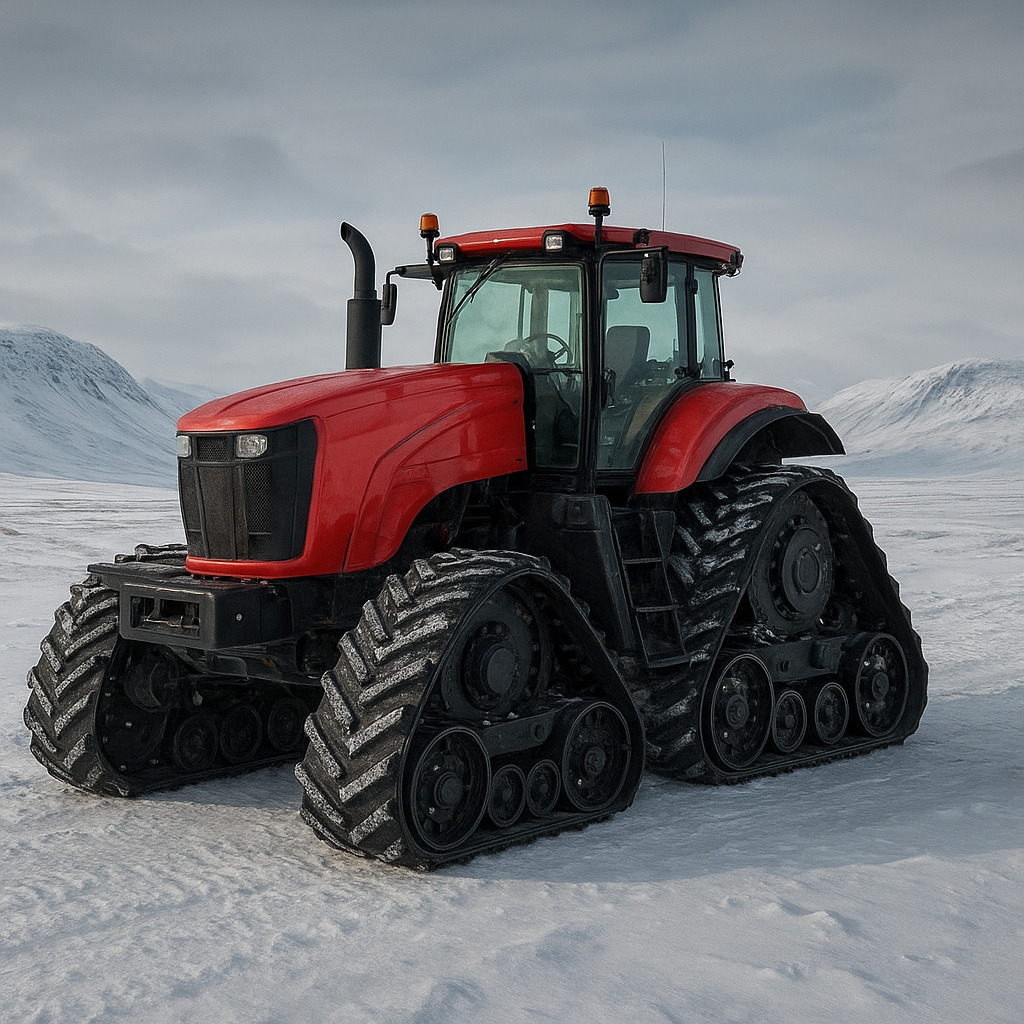
- Four-track and dual-track systems: Enhance soil contact and maximize traction while minimizing compaction.
Epic Wheel and Track Configurations
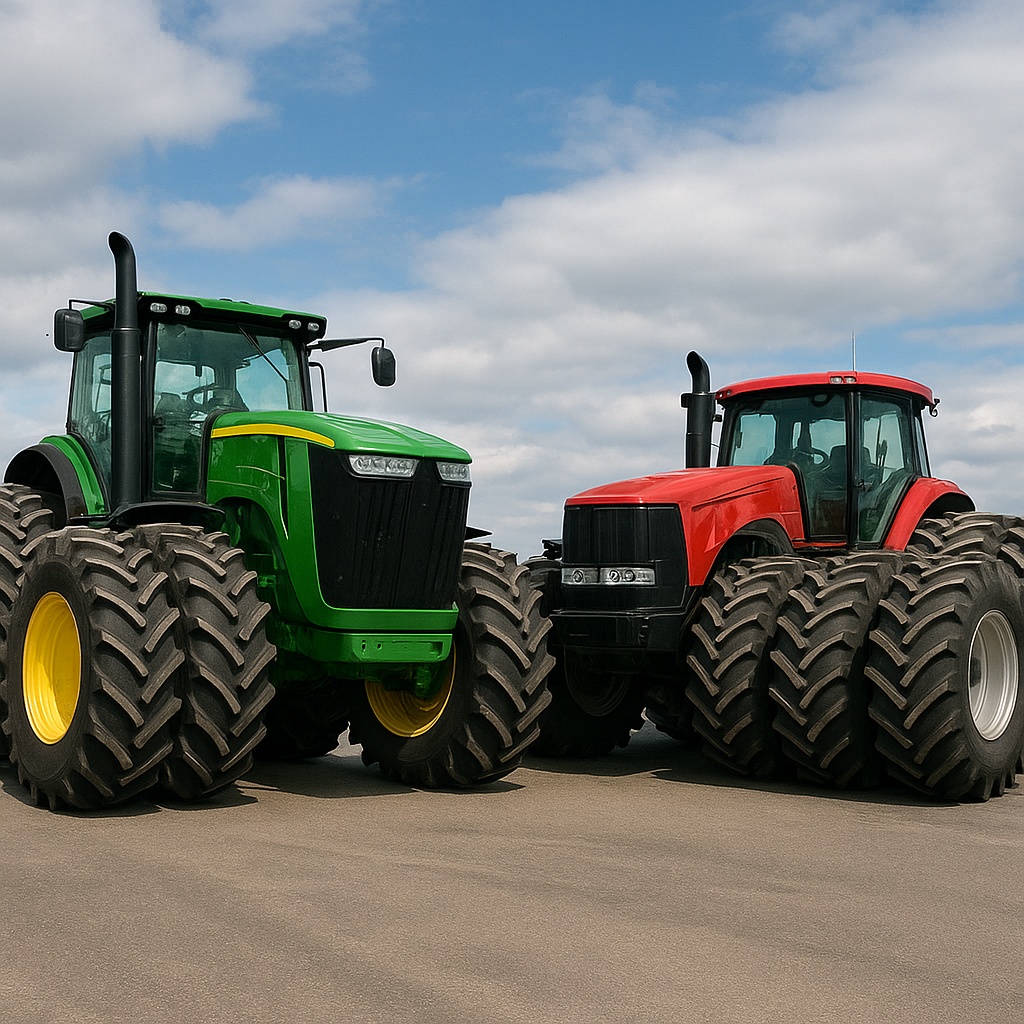
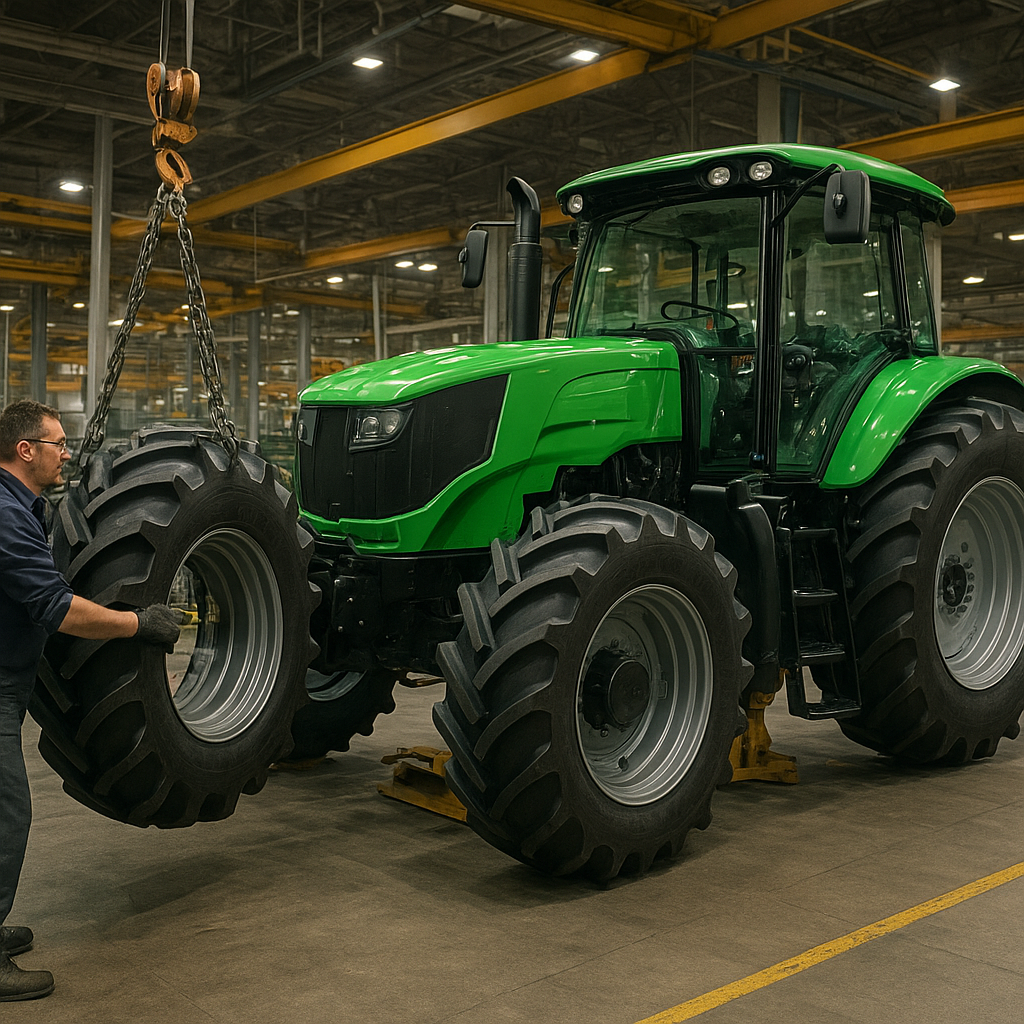
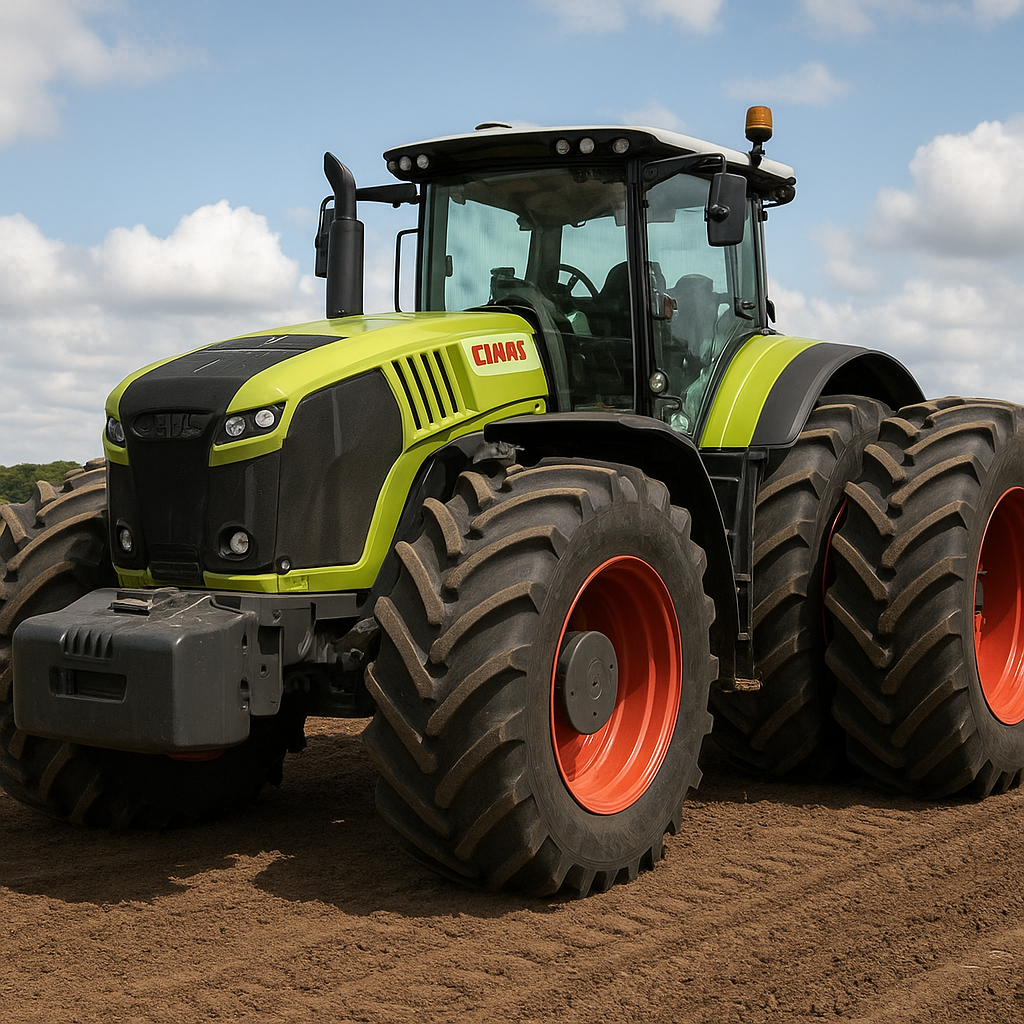
Ultra-wide tires measuring over three meters in diameter or steel tracks spanning 80 cm in width deliver massive ground contact. This configuration improves stability on slopes and high-floater treads minimize harm to sensitive soils. Adjustable track tension systems and suspension axles modernize the ride, preserving comfort during long hours behind the wheel.
Advanced Technology and Precision Farming
Leading manufacturers integrate a suite of digital solutions to transform tractors into smart platforms. Sophisticated features empower operators to optimize resources and reduce environmental impact without sacrificing output.
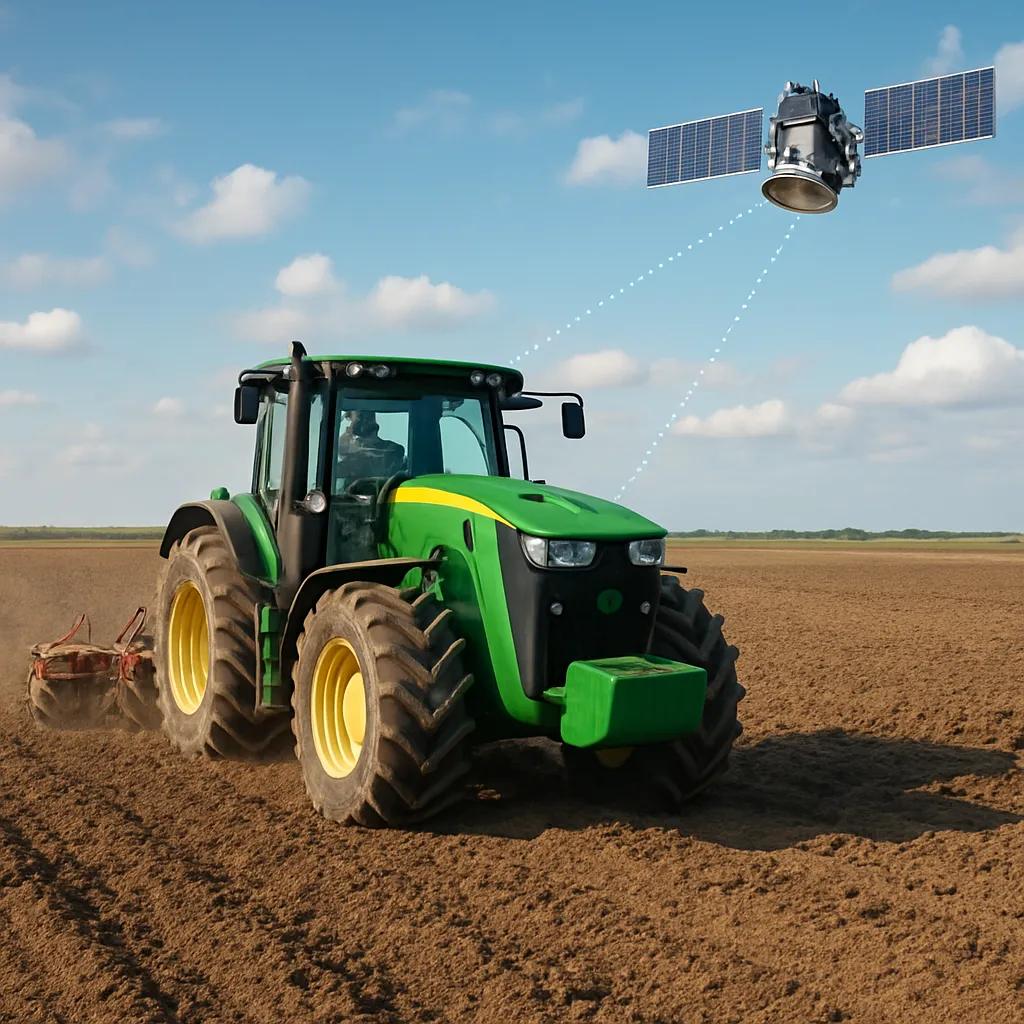
GPS-Guided Auto-Steering
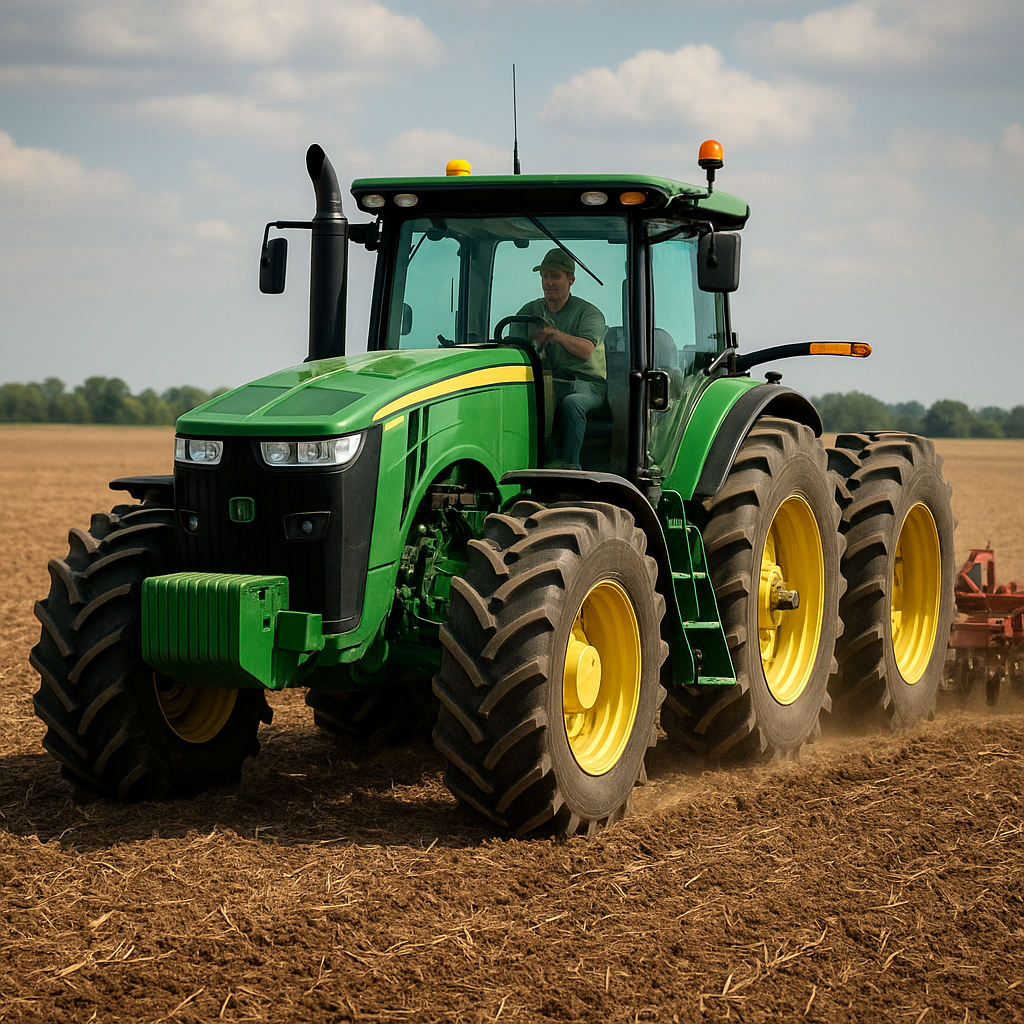
GNSS-linked steering systems correct course deviations to within mere centimeters, enabling perfectly straight passes across vast fields. Reduced overlap and minimal skips yield significant fuel and seed savings.
Telematics and Remote Monitoring
- Telematics units transmit real-time data on engine health, fuel consumption, and location to cloud dashboards.
- Over-the-air firmware updates keep control modules current, enhancing performance and adding new functionality.
- Proactive maintenance alerts prevent costly downtime by predicting component wear.
Variable Rate Application and Field Mapping
ISOBUS-compatible controllers link tractors to implements, allowing on-the-fly adjustment of seed, fertilizer, and agrochemicals. Rich field maps guide variable rate prescriptions, optimizing input distribution and promoting crop efficiency.
Design Innovations for Efficiency and Comfort
Operating today’s largest tractors demands ergonomic cabins and refined control environments. Manufacturers focus on reducing operator fatigue and improving situational awareness:
- Panoramic, noise-dampened cabs with multi-directional suspension isolate vibrations and keep riders fresh.
- Adaptive climate control and ventilated seats maintain ideal comfort in extreme weather.
- Configurable touchscreen consoles centralize farming apps, diagnostics, and camera feeds in one interface.
- Hands-free voice commands and intuitive joystick controls streamline routine tasks.
Fuel Efficiency and Emissions Controls
Despite their size, these tractors achieve respectable fuel economy thanks to advanced common rail injection and SCR after-treatment systems. Diesel particulate filters and selective catalytic reduction modules ensure compliance with stringent emissions regulations, bolstering sustainability goals without limiting power.
Emerging Trends in Tractor Evolution
Agricultural machinery continues to evolve rapidly. Future developments include:
- Electrified drivetrains powered by battery packs or hydrogen fuel cells, eliminating particulate emissions and reducing noise.
- Fully autonomous convoys of tractors and implements coordinating fieldwork through vehicle-to-vehicle connectivity.
- Artificial intelligence–driven decision support tools optimizing crop rotation, tillage depth, and irrigation schedules in real time.
- Modular attachments that self-swap in the field, enabling one tractor to perform seeding, spraying, and harvesting seamlessly.
By blending monstrous physical capabilities with state-of-the-art digital ecosystems, the giants of the tractor world are shaping the future of agribusiness. Their relentless pursuit of innovation and precision paves the way for more productive, profitable, and environmentally responsible farming.